You wake up in the morning and swing your legs over the edge of the bed. Before your feet even hit the floor, there it is—a deep, nagging tightness at the front of your hip. Walking to the kitchen feels stiff, almost like your legs are moving through molasses. You stretch instinctively, but it doesn’t quite hit the spot. When you sit down with your coffee, the ache creeps back in. Sitting at your desk later, the discomfort becomes sharp, pulling with every shift in position. Going for a jog—something that used to energize you—now leaves your hips feeling locked up, like rusty hinges refusing to swing open. This is life with tight hip flexors: a quiet, persistent thief of your freedom of movement.
For many adults, especially those with desk jobs or active lifestyles, hip pain can sneak in gradually and eventually become a daily discomfort. Having tight hip flexors is one of the most common culprits. Whether you spend hours sitting at a computer or you're constantly on the move, running or cycling, your hip flexors may be working overtime—and not always in a good way. Understanding how hip flexor tightness develops, and more importantly, how to alleviate it, is key to maintaining healthy, pain-free movement.
What Are the Hip Flexors?
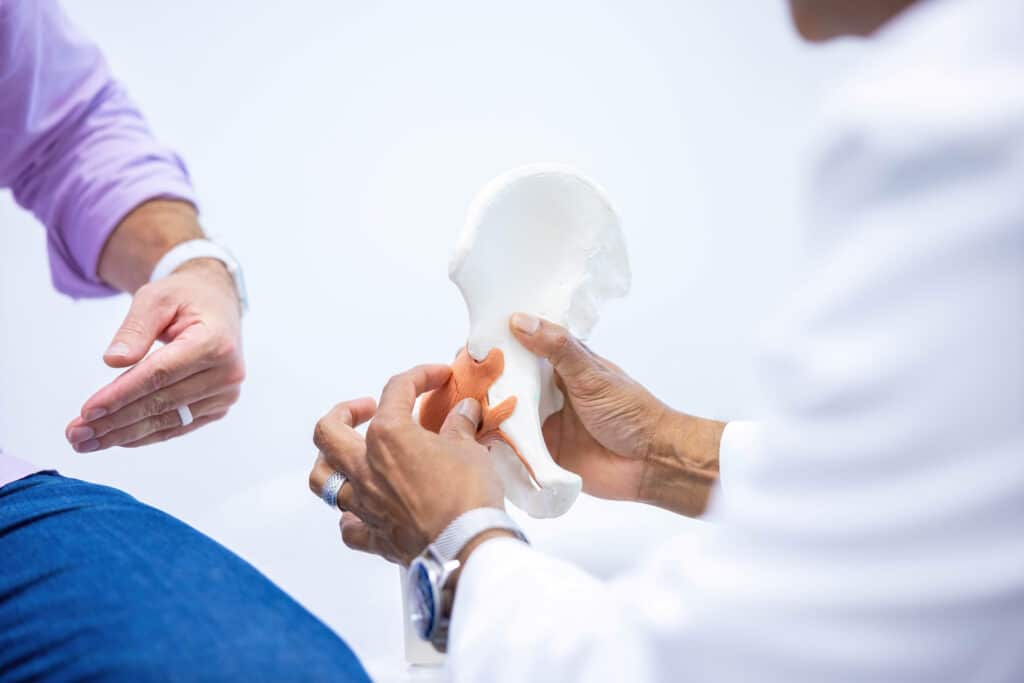
The hip flexors are a group of muscles located at the front of your hips that play a vital role in nearly every lower body movement. These muscles allow you to lift your knee toward your chest, bend at the waist, and stabilize your pelvis during standing, walking, and running.
The key muscles in the hip flexor group include:
Iliacus and Psoas Major (Iliopsoas): These powerful muscles originate in your pelvis and lower spine and insert into your upper thigh, working together to lift your leg and maintain trunk stability.
Rectus Femoris: This muscle is part of the quadriceps group and assists with both hip flexion and knee extension.
Sartorius: The longest muscle in the human body, it runs from the outer hip across the thigh to the inner knee, aiding in hip flexion, abduction, and external rotation.
These muscles work together to allow fluid motion, but when overworked or underused, they become shortened and tight, resulting in limited mobility and discomfort.
Why you can trust us:
We have multiple highly specialized, board-certified, fellowship-trained orthopaedic surgeons.
We know that we serve people - actual humans - not random orthopaedic conditions. That drives us to compassionate care.
The world of orthpaedics is constantly evolving. Our orthopaedic surgeons are constantly evaluating new techniques, tools and methods to serve our community even better.
We provide outcome-focused treatment. We work with our patients to achieve their goals, all while developing custom treatment plans that fit our patient's lives.
Hip flexor tightness often arises from a combination of inactivity and muscular imbalance, and in some cases, overuse.
Common causes of hip pain from tight hip flexors include:
Prolonged Sitting: Sitting for extended periods—at a desk, in a car, or on the couch—keeps the hip flexors in a shortened position. Over time, this leads to adaptive shortening and chronic tightness.
Repetitive Activity: Runners, cyclists, and athletes performing frequent leg lifts use their hip flexors intensively. Without adequate recovery and stretching, this overuse causes the muscles to become stiff and inflamed.
Muscle Weakness: Weakness in the glutes, deep core muscles, and stabilizers like the piriformis shifts the workload to the hip flexors, which are not designed to handle prolonged stabilization. This compensation pattern leads to over-recruitment and tightness.
Poor Posture or Pelvic Alignment: Anterior pelvic tilt (a common postural issue where the pelvis tilts forward) places the hip flexors in a shortened state even while standing.
What Happens When the Hip Flexors Become Tight?
When you have tght hip flexors it can reduce the range of motion in your hips, cause pelvic misalignment, and place strain on the lower back. You might feel discomfort in your groin, stiffness in the front of your hip, or even aching pain during or after activity. Long-term tightness can lead to:
Lower back pain
Decreased athletic performance
Changes in walking mechanics
Pelvic instability
Pain radiating into the thigh or knee
If this issues is lefft unaddressed, this tightness becomes more than a nuisance to you—it becomes a chronic issue that impacts every step, sit, and stride.
Hip Flexor Pain
Hip flexor pain is most commonly felt in the front of the hip and upper thigh, but it can also radiate to other nearby areas depending on the severity, cause, and specific muscles involved.
Here’s a breakdown of where and how hip flexor pain is typically experienced:
Primary Hip Flexor Pain Location
Front of the hip (anterior hip):
This is the most common location. It may feel like a deep ache or sharp pinch where your thigh meets your pelvis, especially when lifting your knee, walking uphill, or standing after sitting.
Upper thigh:
Pain can extend downward along the front of the thigh, particularly if the rectus femoris (a dual-function hip and knee flexor) is involved.
Associated Hip Flexor Pain Areas
Groin area:
If the iliopsoas is especially tight or inflamed, pain may be felt deep in the inner hip or groin.
Lower back:
Because the psoas muscle attaches to the lumbar spine, chronic tightness or spasms can lead to referred pain or tension in the lower back.
Pelvis or sacroiliac (SI) region:
Misalignment caused by tight hip flexors can lead to pain around the SI joints or pelvic rim.
Anterior knee:
In some cases, overuse of the rectus femoris can cause discomfort that tracks down toward the knee.
Hip Flexor Pain Triggers
Rising from a seated position
Prolonged sitting or standing
Running, cycling, or stair climbing
Lunges or high-knee movements
Lying flat without support under knees (for severe cases)
If the pain is sharp, persistent, or affects your ability to walk or move normally, it may be a sign of a strain, tendonitis, or labral issue—warranting a visit to an orthopedic specialist or physical therapy.
How to Prevent Hip Flexor Problems
Prevention goes beyond stretching. It involves a comprehensive movement and strength strategy to ensure the hip flexors are neither overloaded nor neglected:
1. Take Frequent Movement Breaks
Set a timer to stand and walk every 30–45 minutes.
Try standing meetings or a sit-to-stand desk if your job is sedentary.
Walk during phone calls, stretch between tasks, and avoid long static postures.
3. Strengthen Supporting Muscles
Glute bridges, clamshells, side leg raises, and deadlifts strengthen the posterior chain, reducing reliance on the hip flexors.
5. Core stabilization:
Working strengthening exercises into your routine, such as planks and bird-dogs, prevents the spine and pelvis from wobbling. They also help stabilize your core, which takes pressure off the hips.
2. Maintain Proper Posture
Avoid slumping while seated. Sit upright with hips and knees at 90 degrees.
Engage your core and glutes when standing to maintain a neutral pelvic position.
4. Incorporate Mobility Work Into Your Routine
Dynamic warm-ups before exercise and controlled hip mobility drills (like leg swings and hip circles) keep the hip joint nourished and flexible.
Foam rolling the quads and lower back can help release tight fascia around the hip.
Home Treatment of Tight Hip Flexors
If you're already dealing with symptoms of tightness, there are ways you can find relief. It's beneficial to take a multi-pronged approach:
Use Heat Therapy before stretching to increase circulation.
Perform static and dynamic stretches daily, focusing on consistency over intensity.
Improve neuromuscular control by re-training movement patterns—walk mindfully, stand tall, and avoid hip “gripping.”
Four Hip Flexor Stretches to Relieve Tightness
Hip flexor stretches done at home help restore flexibility and mobility in the front of the hips, reducing stiffness from prolonged sitting or repetitive activity. Regular stretching can alleviate pain, improve posture, and enhance movement efficiency during daily activities or workouts. Additionally, it supports pelvic alignment and reduces strain on the lower back by balancing muscle tension across the hip complex.
These evidence-based stretches are simple, safe, and effective. Perform them twice daily, holding each for 30–60 seconds per side, and repeat for 2–3 sets.
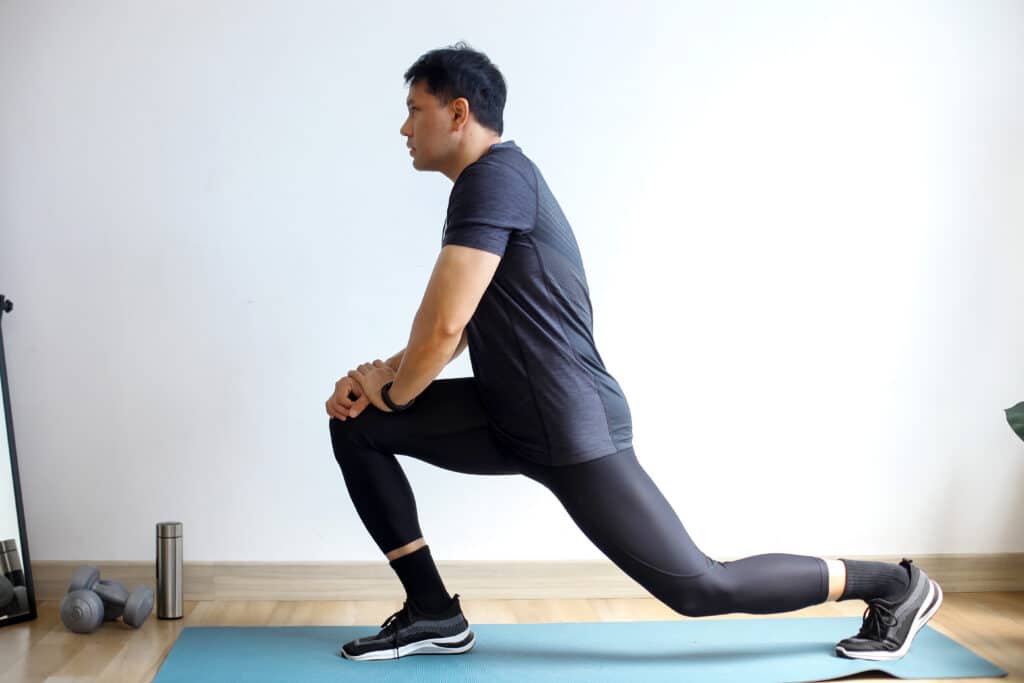
1. Half-Kneeling Hip Flexor Stretch
This stretch helps open the hip while promoting glute engagement.
Instructions:
Kneel with your left knee on the ground and right foot forward.
Contract your glutes and gently tilt your pelvis under.
Shift forward until you feel a stretch in the left hip.
For more intensity, raise your left arm overhead and lean slightly right.
2. 90/90 Hip Mobility Stretch
Improves rotational mobility of the hip joint.
Instructions:
Sit with your right leg in front, bent 90 degrees, and your left leg out to the side in the same position.
Sit upright and lean slightly forward without collapsing your chest.
Feel the stretch in the outer hip and groin. Switch sides.
3. Supine Hip Flexor Bed Stretch
Uses gravity to gently open the hip flexors.
Instructions:
Lie on your back on the edge of a bed with your right leg hanging off.
Keep the left knee bent and foot flat on the bed.
Pull the left knee gently toward your chest while letting the right leg dangle.
4. Side-Lying Quad & Hip Flexor Stretch
Targets both the front thigh and deeper hip structures.
Instructions:
Lie on your left side, knees bent.
Reach your right hand behind to grab your right ankle.
Gently pull your foot toward your glutes while keeping your spine neutral and pelvis tucked.
When to See a Specialist
While stretching and strengthening can resolve many cases of tightness, persistent or worsening pain should not be ignored. You should seek care if you experience:
Pain that radiates into the thigh or groin
Hip pain lasting longer than two weeks
Snapping, catching, or grinding sensations
Instability or weakness in the hip
Inability to perform daily tasks like walking or climbing stairs without pain
The Right Specialist to See:
If you are experiencing persistent or worsening hip flexor pain like those just mentioned, it's important you see a specialist for an evaluation. At Princeton Orthopaedic Associates, we have multiple specialists who can help with your hip flexor pain. Contact us to schedule an appointment.
Orthopedic Doctor: A specialist in musculoskeletal conditions who can diagnose underlying joint or soft tissue problems.
Sports Medicine Doctor: Ideal for active individuals or athletes with hip flexor injuries related to overuse or movement patterns.
Physical Therapist: Offers personalized rehabilitation programs, manual therapy, and neuromuscular re-education for tight or injured hip flexors.
Tight hip flexors don’t just affect how your hips feel—they influence your spine, posture, gait, and overall comfort. They can sideline your fitness, sap your energy, and even cause pain elsewhere in the body. Fortunately, with the right combination of movement, strengthening, and stretching, you can restore mobility and function to your hips. Don’t let tight muscles limit your life—take action early and seek professional care when needed.
This blog post is meant to be informative and should not act as a self-diagnosis tool. If you’d like to see one of our doctors, please contact us here.
Living with SI joint dysfunction can turn everyday routines into a series of mindful practices. Each morning, getting out of bed or putting on shoes involves slow, deliberate movements to prevent sharp pain in the lower back and hips. Even routine tasks like sitting at a desk or driving for long periods can require strategic planning, with frequent breaks for stretching and adjusting posture to avoid discomfort. With thoughtful adjustments and consistent care, you find ways to manage SI joint dysfunction while continuing to lead an active and fulfilling life.
What is Sacroiliac Joint Dysfunction?
Sacroiliac joint dysfunction (SI joint dysfunction) refers to pain in the sacroiliac joint, which is located where the spine connects to the pelvis. The SI joint is crucial in transferring weight and forces between the upper and lower bodies. When the sacroiliac joint becomes inflamed or moves abnormally, it can cause significant pain and discomfort, affecting daily activities.
Symptoms of Sacroiliac Joint Dysfunction
SI joint dysfunction can present a variety of symptoms that may be mistaken for other conditions, such as lower back pain or sciatica.
Common symptoms include:
Pain in your lower back, hips, buttocks, or groin
Pain that radiates down your legs
Stiffness or a burning sensation in the pelvis
Increased pain with activities such as walking, standing, or sitting for long periods
Difficulty with movements that involve twisting or bending
These symptoms can significantly impact your daily life, making it to perform routine activities, exercise, or sleep comfortably.
Treatment Options for Sacroiliac Joint Dysfunction
Treatment for SI joint dysfunction often involves a combination of self-care, physical therapy, and medical interventions. Here are some standard treatment options:
Physical Therapy
Physical therapy focuses on strengthening the muscles around the sacroiliac joint to improve stability and reduce pain. A physical therapist can provide a personalized exercise program that may include:
Stretching exercises to improve flexibility
Core and lower back strengthening
Techniques to improve posture and body mechanics
Medications
Over-the-counter pain relievers, such as ibuprofen or acetaminophen, can help reduce inflammation and alleviate pain. In some cases, your doctor may prescribe stronger medications, such as muscle relaxants or corticosteroid injections, to manage more severe pain.
Joint Injections
Injecting corticosteroids directly into the sacroiliac joint can alleviate pain by reducing inflammation. These injections, typically administered by a specialist, can offer temporary relief that lasts several weeks to months.
Radiofrequency Ablation
For patients who do not respond to other treatments, radiofrequency ablation may be an option. This procedure uses heat generated by radio waves to destroy the nerve fibers that transmit pain signals from the sacroiliac joint to the brain.
Sacroiliac Joint Fusion
In severe cases where other treatments have failed, sacroiliac joint fusion surgery may be considered. This procedure involves fusing the bones of the sacroiliac joint together to eliminate movement and provide stability, thereby reducing pain.
When to See an Orthopaedic Specialist
You should consider seeing an orthopaedic specialist if:
Your pain persists despite trying self-care measures and over-the-counter medications
You experience significant difficulty performing daily activities due to pain
Your symptoms worsen or do not improve with initial treatments
An orthopedic specialist can perform a comprehensive evaluation, including imaging tests, to accurately diagnose the cause of your pain and recommend suitable treatment options.
Why you can trust us:
We have multiple Orthopaedic Spine & Back Specialists who treat spine & back-related injuries every day.
We have the Spine and Back Institute with a team of world-recognized back specialists, orthopaedists, and therapists who have focused solely on back, neck, and spine health issues for over 15 years.
We have a whole-body health approach when it comes to orthopaedic spine, neck, and back health. The health of the entire body is connected to your back.
You experience sudden, severe pain in your lower back or pelvis
You have difficulty controlling your bladder or bowels
You experience numbness or weakness in your legs
These symptoms could indicate a more severe condition that requires immediate medical attention.
Take Action Against Sacroiliac Joint Dysfunction
Don't let sacroiliac joint dysfunction continue to impact your daily life. Diagnosis and treatment can help you manage symptoms effectively and improve your quality of life. If you are experiencing persistent pain or difficulty with daily activities, schedule an appointment with an orthopaedic specialist today.
This blog post is meant to be informative and should not act as a self-diagnosis tool. If you’d like to see one of our doctors, please contact us here.