Exercises to Relieve Lower Back Pain: A Step-by-Step Guide
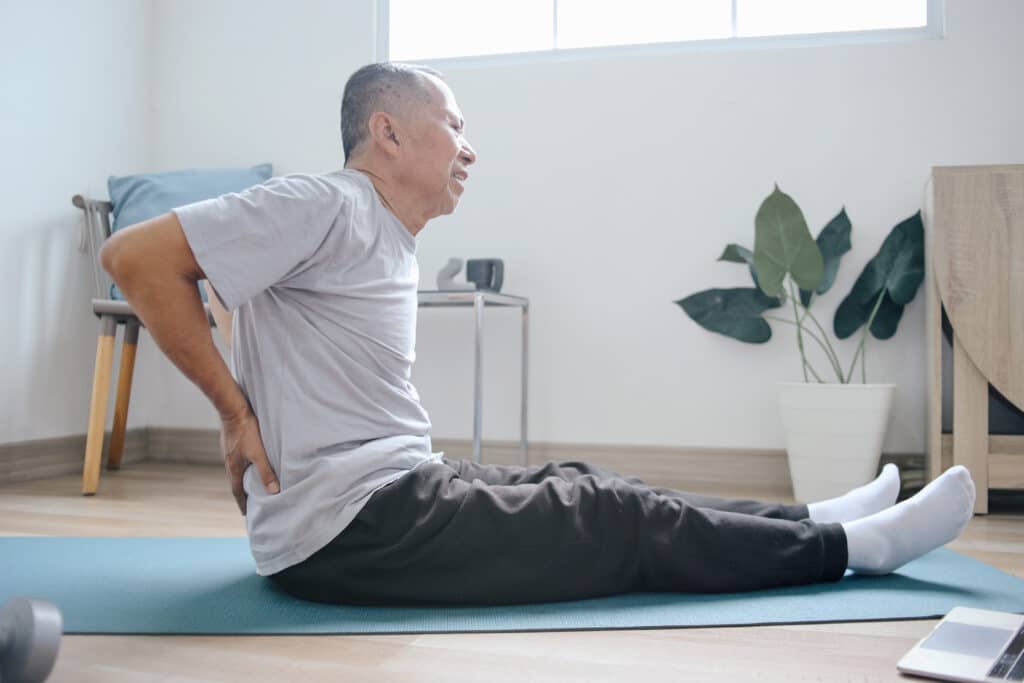
Lower back pain is common, and the right movements can make a big difference. This guide walks you through simple mobility drills, gentle stretches, and core-strengthening exercises, plus how often to do them, how to stay safe, and when to see a specialist at Princeton Orthopaedic Associates.
What You'll Learn
How to move your back safely without flaring symptoms.
Mobility exercises that ease stiffness.
Core and hip strengthening that supports your spine.
Stretching for tight hips, hamstrings, and glutes.
A simple weekly routine you can follow.
What to do if pain increases during a movement.
Signs you should pause and contact a clinician.
How often to practice and how to progress safely.
Ways our team can personalize your plan.
When imaging or further evaluation may be appropriate.
Before You Start: Safety, Setup, and Pain Rules
These movements should feel gentle and controlled. You may notice a comfortable stretch or mild muscular effort, but you should not experience sharp, stabbing, or worsening pain at any point during the exercise. If you feel uncomfortable, ease back, rest briefly, and check your form. Move slowly, keep your movements smooth, and breathe steadily throughout each position.
Warm-up: 3 to 5 minutes of easy walking or marching in place.
Breathing: Inhale through your nose, exhale through pursed lips.
Avoid holding your breath during exercises.
Range of motion: Stay in a pain-free range and ease in gradually.
Surface: Use a yoga mat or carpet for comfort.
Stop if you notice new numbness, leg weakness, or pain traveling below the knee that intensifies.
Mobility First: Gentle Movements to Reduce Stiffness
Begin with slow, comfortable movements to ease the back and improve blood flow throughout the spine. Move with control, staying in a pain-free range, and stop if anything sharp or increasingly uncomfortable appears. For most moves, aim for about five to ten deliberate repetitions unless otherwise noted.
1) Pelvic Tilts (Supine)
Lie on your back with knees bent and feet hip-width apart.
Gently flatten your low back toward the floor by tightening your abdominals, then return to neutral.
Perform 1 to 2 sets of 8 to 12 reps.
2) Lower Trunk Rotations
On your back with knees bent, slowly roll both knees to one side, pause, then roll to the other side.
Keep shoulders relaxed against the floor.
5 to 10 reps each side.
3) Single Knee to Chest
Bring one knee toward your chest using your hands or a towel behind the thigh.
Hold 15 to 30 seconds, switch sides.
Repeat 2 to 3 times per side.
4) Cat to Cow
On hands and knees, gently round your spine up, then lengthen it as you look slightly forward.
Move slowly with your breath.
8 to 10 slow reps.
5) Child’s Pose Reach
Sit back toward your heels with knees comfortable, reach arms forward, and relax your torso.
Hold 20 to 30 seconds, 2 to 3 times, staying pain-free.
Build Support: Core and Hip Strengthening
Strong hips and a steady core help unload irritated tissues in the lower back and support your spine during daily tasks. Perform each movement with deliberate control, paying attention to alignment and how your body feels. If any symptom worsens, stop the exercise and reassess your form. Aim for two to three sets, with 30 to 60 seconds of rest between sets.
1) Bridge
On your back, knees bent, feet planted.
Squeeze glutes and lift hips until shoulders, hips, and knees form a line.
Pause 2 seconds, lower slowly; 8 to 12 reps.
2) Bird Dog
From hands and knees, brace your core.
Extend opposite arm and leg without arching your back.
Hold 2 to 3 seconds; 6 to 10 reps per side.
3) Dead Bug (Modified)
On your back, hips and knees bent to about 90 degrees, arms up.
Keep your low back gently anchored to the floor.
Tap one heel to the floor and return; switch sides; 6 to 10 reps per side.
4) Side-Lying Clamshell
Lying on your side with knees bent, keep feet together.
Lift the top knee without rolling your hips; 10 to 15 reps per side.
5) Forearm Plank (Knees or Toes)
Maintain a long spine, keep ribs and pelvis aligned.
Hold 10 to 20 seconds without pain; 2 to 4 holds.
Stretch What's Tight: Hips and Legs
Tight hips or hamstrings can pull on the pelvis and increase back strain. Hold each stretch 15 to 30 seconds, repeat 2 to 3 times, and keep breathing.
Hamstring Strap Stretch: On your back, loop a strap or towel around the foot and gently straighten the knee until a mild stretch is felt in the back of the thigh.
Hip Flexor Stretch: Half-kneeling, gently shift your weight forward until you feel the front of the hip stretch on the kneeling side.
Piriformis Figure-4: Cross one ankle over the opposite knee and draw the legs toward your chest until the outer hip stretches.
A Simple Weekly Plan
Use this plan as a flexible starting point and adjust it based on how you feel and what you can tolerate. Prioritizing consistency and gradual progress matters more than pushing for fast gains. Listen to your body, and modify days, reps, or rest as needed to stay comfortable and avoid flare-ups.
Day
Mobility
Strength
Stretch
Notes
Mon
Pelvic tilts, trunk rotations
Bridge, clamshell
Hamstrings
Easy start, 1 to 2 sets
Tue
Cat to cow
Bird dog
Hip flexors
Focus on form
Wed
Child’s pose
Dead bug
Piriformis
Optional walk 10 to 20 min
Thu
Pelvic tilts, trunk rotations
Bridge, clamshell
Hamstrings
Add 1 to 2 reps if comfortable
Fri
Cat to cow
Bird dog
Hip flexors
Short and easy
Sat
Choice mobility
Plank holds
Piriformis
Walk or light activity
Sun
Recovery
—
Gentle stretch
Listen to your body
Progress Tips
Increase reps or holds by small amounts once a week if movements feel easy and symptoms stay settled.
Keep motions smooth and controlled, not fast or jerky.
Add short daily walks to support circulation and recovery.
Use supportive footwear and avoid prolonged sitting when possible.
When to Pause and Contact a Clinician
Most back pain improves with gentle activity and careful pacing, but some warning signs require medical input sooner rather than later. If your symptoms persist beyond a short period, intensify, or there are new concerns, seek medical guidance promptly. The list below describes red flags that warrant evaluation by a clinician.
Severe or worsening pain that doesn’t change with rest.
Leg numbness, tingling, or weakness that’s increasing.
Changes in bowel or bladder control.
Fever, unexplained weight loss, or recent significant trauma.
How Princeton Orthopaedic Associates Can Help
If your symptoms aren’t improving, our team can evaluate your movement, identify the source of pain, and build a program that fits your goals. Most people do well with focused physical therapy, activity modification, and a progressive home plan.
If you’re unsure where to start, schedule an exam with our spine or physical therapy team. We’ll help you understand what’s safe, how to progress, and when additional options are appropriate.
This blog post is meant to be informative and should not act as a self-diagnosis tool. If you’d like to see one of our doctors, please contact us here.
Elbow Tendinopathy: What It Is and How We Treat It at Princeton Orthopaedic Associates
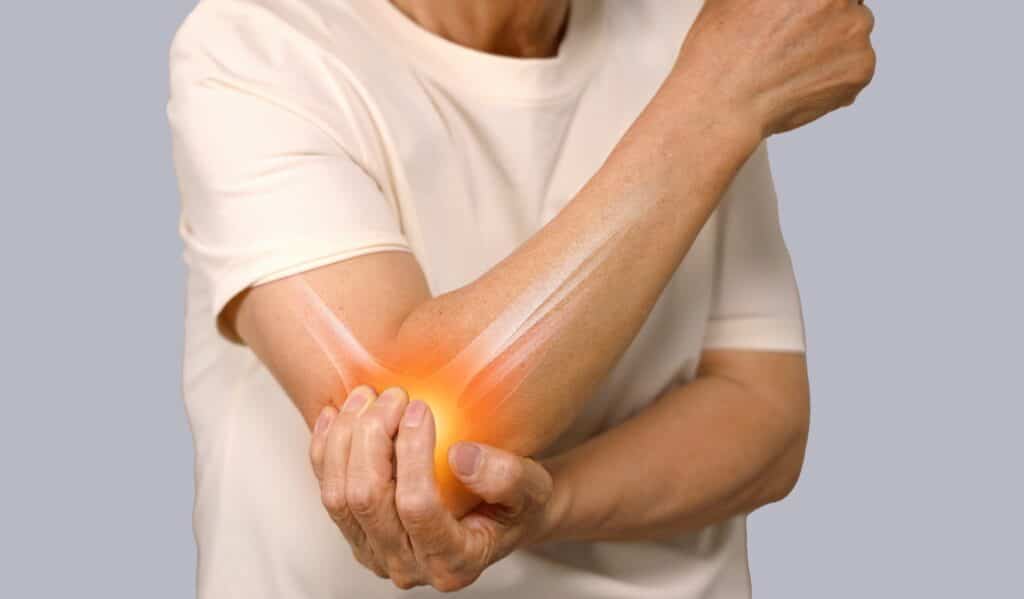
Elbow tendinopathy is a common overuse injury that causes pain and tenderness in the tendons around the elbow. It happens when these tendons—connecting muscle to bone—become irritated from repeated stress. In this blog, you’ll find simple home treatments that can help relieve symptoms and learn when it’s time to see a specialist.
Quick overview
We’ll cover what causes elbow tendinopathy, the differences between lateral and medial types, practical home care tips, rehab strategies like strengthening and stretching, and when injections or surgery might be needed.
What Is Elbow Tendinopathy?
Elbow tendinopathy is an overuse condition where the tendons around your elbow become irritated. Tendons connect muscles to bone, and when they’re overloaded they can be painful and tender.
There are two common forms. Lateral elbow tendinopathy affects the outer elbow and is often called tennis elbow. Medial elbow tendinopathy affects the inner elbow and is often called golfer's elbow. Both share similar causes and treatments.
What Causes Elbow Tendinopathy?
Repeated or forceful wrist and arm motions are the usual culprits. These motions create small tears and inflammation in the tendon where it attaches to the bone.
Repeated gripping or twisting of the wrist
Working with vibrating tools or heavy lifting
Poor technique in sports or tasks that load the forearm
Weakness in the wrist or shoulder that shifts stress to the elbow
Simple Steps You Can Try at Home
Many people feel better with early conservative care. Try these measures for several weeks while monitoring symptoms.
Modify activities that cause pain and avoid repetitive motions when possible
Ice the area for 10 to 15 minutes every few hours to reduce pain and swelling
Use over the counter anti inflammatory medication if it’s safe for you and your doctor agrees
Wear a counterforce strap or supportive brace during aggravating activities
Rehabilitation: Exercises and Therapy
Physical therapy is the mainstay for lasting relief. A therapist will show you targeted exercises to rebuild tendon health and correct movement patterns.
Eccentric strengthening of the wrist extensor or flexor muscles helps rebuild tendon tolerance
Grip strengthening and progressive loading programs are used once pain improves
Stretching and manual therapy help reduce tightness in the forearm and shoulder
Other Medical Treatments
If symptoms persist despite conservative care, your provider may discuss additional options. These are considered after a careful evaluation.
Corticosteroid injections may offer short term relief in select cases, but guidelines warn about potential tendon weakening or rupture with repeated use. A careful, shared decision process helps decide if this option fits your goals and activity level [AAOS guidelines 2020; NICE guidelines 2021].
PRP injections, a type of biologic treatment, may be discussed when appropriate. Current evidence is mixed and appears to depend on the specific tendinopathy and stage of injury; decisions should be individualized based on patient needs [Cochrane review on PRP for tendinopathy 2019; AAOS guidelines 2020].
Surgery is rarely needed and is reserved for persistent tendon damage that affects function
Recovery Timeline
Recovery varies with how long symptoms have been present and how consistently you follow rehab recommendations.
Therapy and strengthening restore function for most people
Chronic
2 months or longer
May need advanced treatments and extended rehab for full recovery
Preventing Recurrence
Once your pain improves, keep working on strength, flexibility, and technique. Those steps reduce the chance that tendinopathy will come back.
Practice ergonomic changes at work and during activities
Use proper form for sports and lifting
Build balanced strength in the forearm, shoulder, and core
Gradually increase activity load rather than jumping back in too fast
When You Should See Us
Contact our team if pain lasts despite home care, limits your daily tasks, or if you’re losing strength. We’ll evaluate your elbow, identify the root cause, and recommend a personalized plan.
Schedule an exam with one of our sports medicine doctors or physical therapists to get targeted treatment and a clear recovery plan.
This blog post is meant to be informative and should not act as a self-diagnosis tool. If you’d like to see one of our doctors, please contact us here.
Improve Your Posture: Simple Steps You Can Start Today
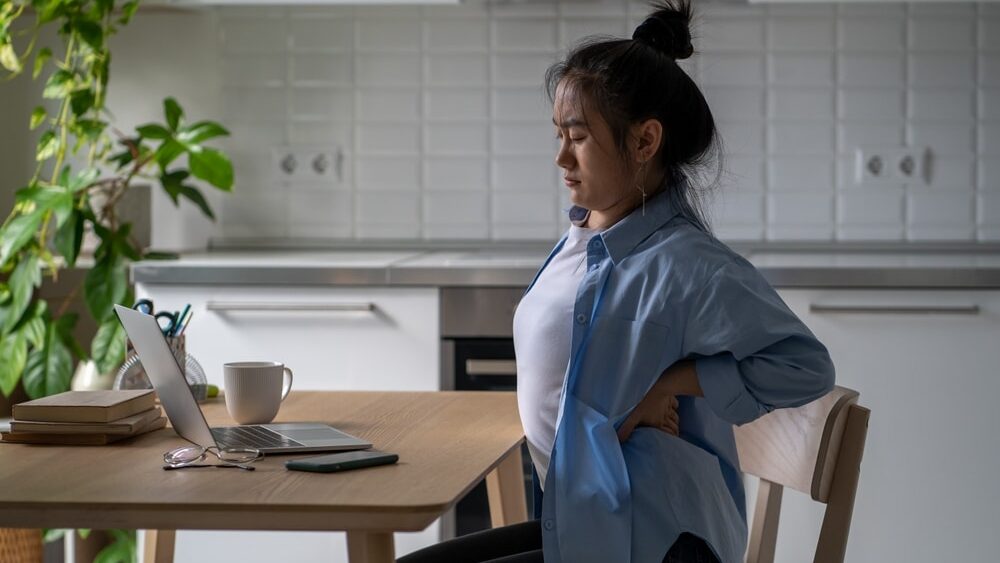
Good posture means your head, shoulders, and hips line up with your spine. This helps your body work well and move with less pain. Small, steady changes can add up over days and weeks. This guide explains why posture matters, common reasons it slips, safe exercises, and quick ergonomic setup ideas you can use at home or work to feel better and move more easily.
Good posture helps distribute forces evenly across your joints and muscles. When posture is poor, some muscles take on extra work while other areas weaken, which can lead to neck, shoulder, or back pain. The encouraging part is that steady, small changes usually lead to meaningful improvements.
What This Guide Covers
What healthy posture looks like and why it matters.
Common causes of posture problems.
Easy daily habits, stretches, and strengthening moves.
Simple ergonomic changes for home and office.
When to seek clinical care.
What is Good Posture?
Good posture means your head, shoulders, and hips line up so your spine is supported and muscles can work efficiently. It doesn’t mean you must sit perfectly rigid. Instead, aim for balance: a neutral spine with relaxed shoulders and an engaged core.
When your posture is balanced, less stress sits on joints and soft tissues, and you’re less likely to develop pain from overuse or compensatory movement patterns.
Why Posture Matters for Everyday Comfort
Posture affects pain, breathing, and how you move. Slouching can make neck and upper back muscles work harder. It can also change how your shoulders and hips move, which may lead to recent or gradual pain.
Poor posture can increase neck, shoulder, and lower back strain
It can reduce your tolerance for standing or walking for long periods
Correcting posture helps with balance and reduces the chance of developing compensatory injuries
Common Reasons Posture Slips
Sitting for long stretches without breaks
Weakness in the mid-back, glutes, or core muscles
Tight chest or hip flexor muscles
Poor workstation setup or unsupportive shoes
Holding one-sided positions, like carrying a heavy bag on one shoulder
Daily Habits You Can Start Today
Set a timer to stand and move every 30 minutes
When sitting, keep your feet flat, hips level, and shoulders relaxed
Use a rolled towel or lumbar roll for lower back support if needed
Switch which hand you use for tasks that are one-sided, such as carrying groceries
Simple Stretches and Strengthening Moves
These choices are low-risk and can be done at home. Start gently and increase repetitions over weeks as you feel stronger. Evidence from major guidelines supports regular practice, with adults typically performing strengthening 2 to 3 days per week and stretches held for 20 to 30 seconds, gradually increasing as tolerated. (ACSM guidelines 2023)
Chin tucks: Slide your head back, keeping eyes forward to strengthen deep neck muscles. Do 8 to 12 reps. Safety: keep a neutral neck and avoid tucking the chin so far you feel pain or strain. If you have neck pain, numbness, or tingling, stop and consult a clinician. Frequency: 2–3 days per week.
Thoracic extensions: Sit upright and gently arch the mid-back over a chair back to improve upper spine mobility. Repeat 8 to 10 times. Safety: maintain a tall spine, do not strain the neck, and stop if you feel joint pain. Frequency: 2–3 days per week.
Glute bridges: Lie on your back, press hips up while squeezing glutes to build hip support. Do 10 to 15 reps. Safety: keep the spine in a neutral line, press through the heels, and stop if you feel sharp back pain. Frequency: 2–3 days per week.
Wall angels: Stand with your back to a wall and slide arms up and down to open the chest and strengthen the mid-back. Do 8 to 12 reps. Safety: keep head, shoulders, and butt against the wall; avoid arching the lower back. Frequency: 2–3 days per week.
Hip flexor stretch: Kneel on one knee and push hips forward to stretch the front of the hip. Hold 20 to 30 seconds each side. Safety: keep the pelvis level, avoid overarching the lower back, and stop if you feel pain. Frequency: 2–3 days per week.
Ergonomic Fixes That Help
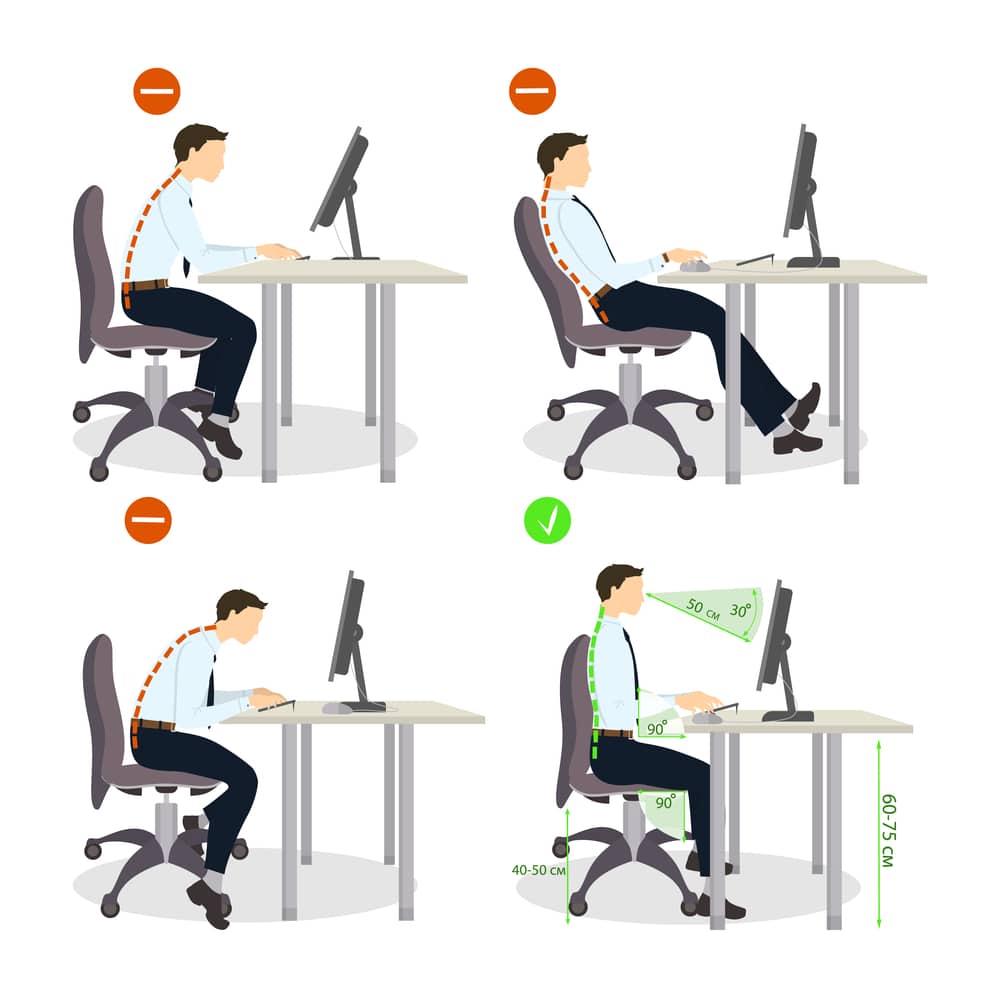
Position your monitor at eye level to support a neutral spine and an ergonomic setup
Use a chair that supports the curve of your lower back
Keep frequently used items within easy reach
Try a sit-stand routine if you work at a desk
Choose shoes with good support for standing jobs
What Progress Looks Like and How Long It Takes
People improve at different speeds. Small changes can show up in a few weeks if you practice regularly. Bigger, longer standing posture problems take longer to improve and may need a tailored plan. A steady mix of simple strengthening moves, daily posture habits, and help from a clinician or physical therapist can help you move better and reduce pain.
Issue
Typical time to notice change
Notes
Minor slouching
2 6 weeks
Daily breaks and basic exercises usually help.
Moderate postural imbalance
4 6 weeks
Requires consistent strengthening and ergonomic changes.
Long-standing posture-related pain
2+ months
Often needs a tailored program from a clinician or physical therapist.
When You Should See a Clinician
Try the self-care tips for a week or two. See a specialist sooner if pain limits your daily activities, if you change how you walk or move to avoid pain, or if home measures don’t help.
Provider
What they help with
Primary care or sports medicine
Initial evaluation and recommendations for non-surgical care
Physical therapist
Hands-on treatment, personalized exercise programs, posture training
Physiatrist
Complex movement problems, chronic pain management, coordinate care
At Princeton Orthopaedic Associates, we assess the root cause of posture problems and work with you to build a practical plan. We focus on restoring function and helping you return to activities with less pain.
Getting Started: An Easy Plan
Set small goals: three short sessions per day of targeted exercises
Add movement breaks: stand and walk for a few minutes each half hour
Adjust your workspace: monitor height, seat support, and footwear
Track progress: note changes in comfort and ability to do daily tasks
If you need help customizing a program or you have persistent pain, schedule an exam so we can evaluate you and design a specific plan.
This blog post is meant to be informative and should not act as a self-diagnosis tool. If you’d like to see one of our doctors, please contact us here.
Gout: Symptoms, Risks, Testing, and Treatment
Gout is a common type of inflammatory arthritis that causes sudden, intense joint pain and swelling. In this guide, you will learn what gout is, why it happens, who is at higher risk, how we diagnose it, and the treatments that help you feel better and prevent future flares.
What Is Gout?
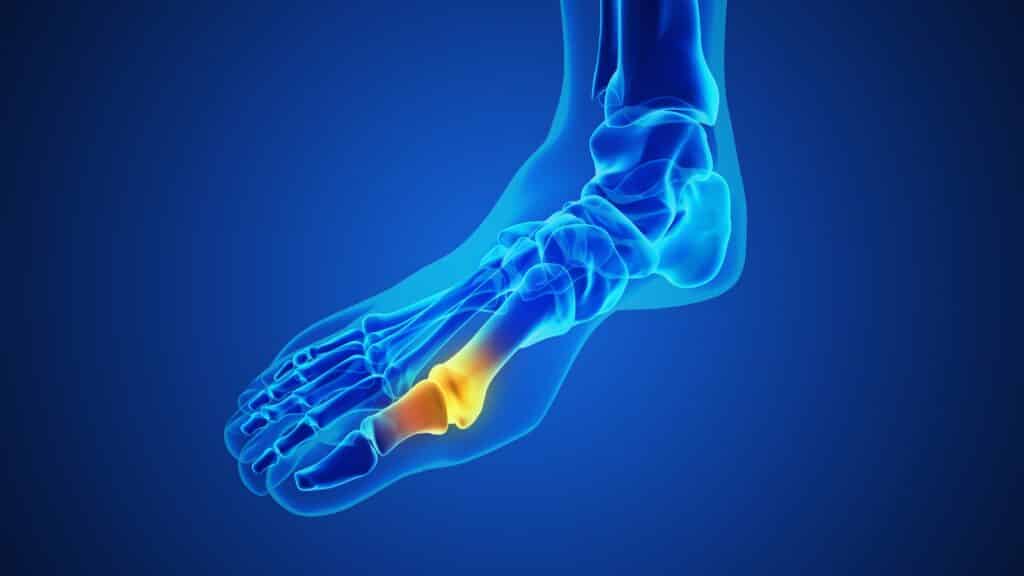
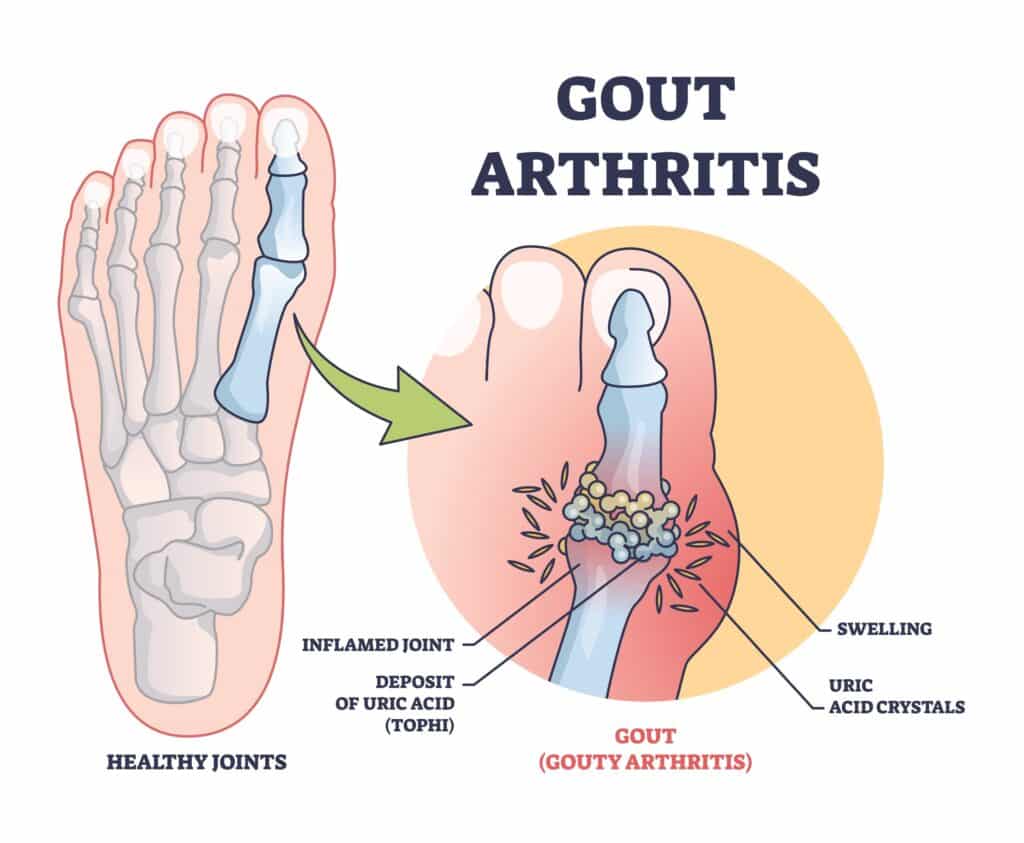
Gout happens when uric acid builds up in the blood and forms needle-like crystals inside a joint. Your immune system reacts to those crystals, which triggers sudden pain, redness, heat, and swelling. The big toe is the classic spot, but gout can affect the midfoot, ankle, knee, wrist, fingers, and elbow.
How Gout Feels
Sudden, severe pain that often starts at night.
Redness, warmth, and swelling at one joint.
Extreme tenderness where even a bedsheet can hurt.
Stiffness and limited motion during and after a flare.
With long-standing gout, firm bumps under the skin called tophi can develop.
Why Gout Happens
Uric acid forms when your body breaks down purines, which are found naturally in your tissues and in certain foods. When production is high or your kidneys don’t clear enough uric acid, crystals can deposit in joints and surrounding tissues. Cold areas like the big toe are common sites for crystal formation.
Who Is at Higher Risk?
Age and sex: more common in men and after menopause in women
Family history of gout or high uric acid
Chronic kidney disease or reduced kidney function
Metabolic conditions: obesity, insulin resistance, high blood pressure, high triglycerides
Medications: diuretics for blood pressure, low-dose aspirin, cyclosporine, tacrolimus
Dietary factors: frequent alcohol use, especially beer and spirits, red and organ meats, certain seafoods like anchovies and shellfish, and sugar-sweetened beverages with fructose
When to Seek Care
If you notice a new hot, swollen joint or have repeated gout flares, seek care promptly from a clinician or urgent care provider. Early evaluation helps confirm that gout is the cause, guides fast pain relief, prevents infection or other problems, and protects the joint from lasting damage. A clinician will review your health history and medicines to choose safe, effective treatment and avoid drug interactions.
Severe joint pain with redness and warmth
Fever or feeling unwell along with a hot, swollen joint can signal a joint infection (septic arthritis). Seek urgent same-day medical evaluation to rule out infection before receiving steroid injections or NSAID-only treatment.
Recurrent attacks in the same or different joints
Hard nodules near joints or the ear rim that may be tophi
How We Diagnose Gout
During your visit, a clinician will look at the painful joint and review your overall health, symptoms, and medicines. The best way to confirm gout is to take a tiny sample of joint fluid and check it under a microscope for uric acid crystals. This test helps rule out infection and other problems that can look like gout.
Joint aspiration and crystal analysis when possible
Blood tests, including uric acid level, kidney function, and markers of inflammation
Imaging when needed: ultrasound can show a double contour sign, X-rays reveal long-term changes, and specialized CT may identify crystal deposits
Treating an Acute Gout Flare
Flares respond best when treatment starts early. The main goal is to ease pain quickly, reduce swelling, and lower inflammation while protecting the affected joint from more harm. Your doctor will tailor medicines to your health history and current medicines to ensure safety and effectiveness and help you return to daily activities.
Anti-inflammatory medicines such as NSAIDs, if safe for you
Colchicine, especially when started soon after symptoms begin
Corticosteroids by mouth or a targeted joint injection
Rest, elevation, and ice for comfort
Do not stop your long-term urate-lowering medicine during a flare unless your doctor advises it. Let us know at the first sign of a flare so we can tailor treatment to your health history and medications.
Preventing Future Attacks
If you have repeated flares, tophi, kidney stones from uric acid, or moderate to advanced chronic kidney disease, you may benefit from urate-lowering therapy. The aim is to keep your blood uric acid below target so crystals dissolve and flares fade over time.
Topic
Key Points
Who Should Start Urate-Lowering Therapy
2 or more flares per year, tophi, uric acid kidney stones, or chronic kidney disease stage 3 or higher
First-Line Medicine
Allopurinol is typically first choice. Start low and increase gradually. Febuxostat is another option if needed. In patients with established cardiovascular disease, febuxostat carries an FDA boxed warning for increased risk of cardiovascular death. Use only after shared decision-making, and consider allopurinol first. Allopurinol can rarely cause severe cutaneous adverse reactions. Consider HLA-B*58:01 testing in high-risk groups (e.g., Han Chinese, Thai, Korean patients with CKD, and African American patients) before starting therapy.
Other Options
Probenecid may help if kidney function is adequate. Pegloticase is reserved for severe, refractory cases. Less effective with moderate-to-severe CKD; avoid or use cautiously in patients with a history of uric acid kidney stones; review for drug–drug interactions.
Target Uric Acid
Under 6 mg/dL is the usual goal. Under 5 mg/dL may be used if tophi are present.
Flare Prevention When Starting Therapy
Low-dose colchicine or an NSAID is often used for several months to reduce flare risk during dose adjustments.
Daily Steps That Help
Maintain a healthy weight and stay active within comfort
Limit alcohol, especially beer and spirits
Moderate high-purine foods like red and organ meats and certain seafoods
Cut back on sugar-sweetened drinks, especially those with fructose
Drink water regularly and review medications with your doctor
Possible Complications If Gout Is Not Treated
Tophi that can erode bone and limit joint motion
Progressive joint damage and arthritis
Uric acid kidney stones
How Princeton Orthopaedic Associates Can Help
Our team evaluates the painful joint, confirms the diagnosis, and builds a treatment plan that eases pain fast and prevents future attacks. When appropriate, we can perform joint aspiration or an image-guided injection and coordinate long-term urate-lowering therapy with your broader care team.
If you think you're having a gout flare or you've had recurrent attacks, schedule an evaluation. Getting ahead of flares now helps protect your joints for the long term.
This blog post is meant to be informative and should not act as a self-diagnosis tool. If you’d like to see one of our doctors, please contact us here.
Understanding and Managing Hand Cramps
Quick overview
Hand cramps are sudden, involuntary squeezes of the muscles in your hand or fingers. They can happen during activity or at rest and often respond to simple measures, but sometimes they point to an underlying issue that needs professional care.
What Are Hand Cramps?
A hand cramp is a tight, often painful contraction of one or more hand muscles that you cannot relax immediately. They usually happen without warning and can last from a few seconds to several minutes.
Squeezing or knotting feeling in the palm or fingers
Difficulty opening the hand while the muscle is tight
Sometimes a visible twitch or hard lump under the skin
Common Triggers for Hand Cramps
Several everyday factors can make hand cramps more likely. Often more than one factor is involved.
Muscle overuse from repetitive tasks like typing, sewing, or gripping tools
Muscle fatigue after unusual or prolonged hand activity
Dehydration or mineral imbalances such as potassium, magnesium, or calcium can contribute in some contexts, but not all cramps require supplementation
Nerve irritation or compression in the wrist or forearm
Certain medications or medical conditions that affect nerves or muscles
What a Hand Cramp Feels Like
Hand cramps can vary from a mild tightness to a painful spasm. They may affect one finger, several fingers, or the whole hand. Symptoms often come on suddenly and can interfere with normal hand use until the muscle relaxes.
Sharp or aching pain during the spasm
Stiffness or reduced grip strength afterwards
Occasional tingling if a nerve is involved
Immediate Steps to Ease a Cramp
If a cramp starts, try these simple measures to help the muscle relax. These steps are safe for most people and often work quickly.
Stop the activity that triggered it and gently stretch the affected finger or hand
Massage the tight muscle using light pressure to increase blood flow
Apply a warm compress if the muscle feels tight, or cold if there is sharp pain after activity
Drink water; if dehydration or electrolyte imbalance is suspected, seek clinician guidance and appropriate testing; routine potassium or magnesium supplementation for isolated hand cramps is not universally recommended
Try shaking your hand or opening and closing the fingers slowly to help the spasm pass
Note: If cramps happen frequently, or are severe, it is important to get a medical review to find the cause.
Longer Term Strategies to Prevent Recurrence
Preventing hand cramps often means addressing how you use your hands and caring for overall muscle and nerve health. Small daily changes can reduce episodes significantly.
Take regular short breaks during repetitive tasks to rest and stretch
Use ergonomic tools and adjust your workspace to reduce strain on the wrist and hand
Strengthen hand and forearm muscles with guided exercises if recommended by a therapist
Stay hydrated and eat a balanced diet that includes minerals important for muscle function
Consider splinting at night if cramps wake you from sleep or if a nerve problem is suspected
When to See a Doctor
See a clinician if cramps are persistent, frequent, worsening, occur at rest without clear triggers, or are accompanied by numbness and weakness. Those signs may indicate a nerve or systemic issue that needs evaluation.
Who Can Help
Specialist
When to Choose
Notes
Primary Care Provider
First evaluation, blood tests, medication review
Good starting point to rule out common causes
Orthopaedic Hand Specialist
Suspected structural or nerve problems in the hand or wrist
Helps correct movement patterns and build hand endurance
Neurologist
Frequent cramps with weakness or other neurological signs
Assesses nerve disorders and coordination
Treatment Options Your Specialist May Discuss
Treatment depends on the cause. Many people improve with conservative measures. In select cases, targeted therapies may be recommended.
Activity modification and ergonomic changes
Guided hand and forearm exercise programs with a therapist
Medication review and correction of electrolyte or metabolic issues
Botulinum toxin injections are not standard for routine hand cramps. They are generally considered only in rare focal dystonias or specific nerve related conditions, and carry risks such as focal weakness
Simple Hand Stretches You Can Try
These gentle stretches may reduce tightness and build resilience. Stop if they cause sharp pain and check with a clinician if you have an injury.
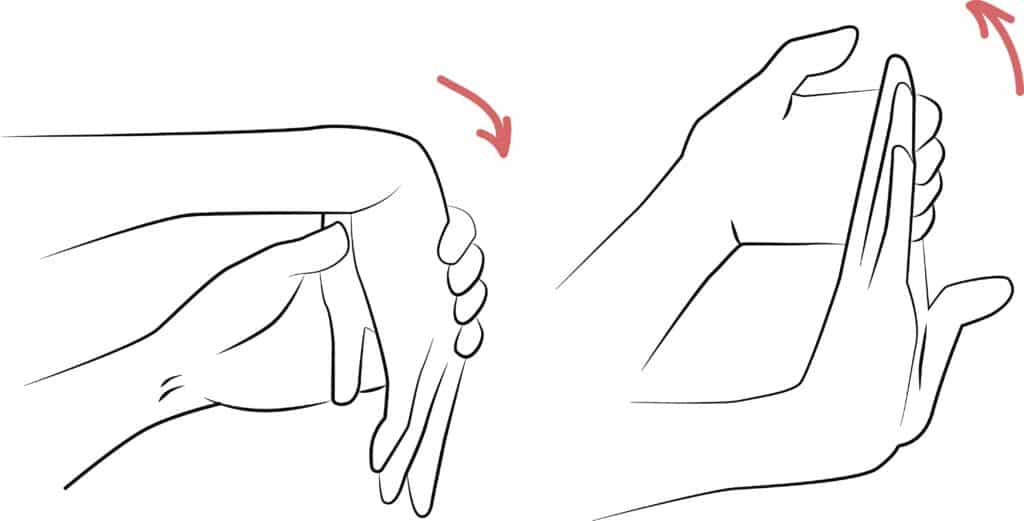
Finger extension: gently bend the fingers back with the other hand and hold for 15 to 30 seconds
Thumb stretch: pull the thumb away from the palm and hold for 15 seconds
Wrist flexor stretch: straighten the arm, bend the wrist down with the palm facing out, and hold
How Long Until I Feel Better?
Recovery varies by cause and how soon you begin appropriate care. Many people improve within days when the issue is temporary. If cramps come from nerve compression or a chronic condition, recovery may take weeks to months with therapy and targeted treatment.
Typical Pattern
Timeframe
What Helps
Acute, activity related
Days to weeks
Rest, hydration, stretching
Recurrent with overuse
Several weeks
Ergonomic changes, therapy
Nerve-related (peripheral nerve compression) or other nerve-related causes
Weeks to months
Specialist evaluation and targeted care
Living With Occasional Hand Cramps
Most people can manage occasional cramps with simple self-care and small changes to daily routines. If cramps limit your work or hobbies, we can help find the right plan so you can stay active and comfortable.
If your cramps are persistent or troubling, schedule an exam with one of our hand specialists. We will review your history, examine your hand, and recommend tests or therapy if needed. Together we will create a plan tailored to your needs.
This blog post is meant to be informative and should not act as a self-diagnosis tool. If you’d like to see one of our doctors, please contact us here.
Penn Orthopaedics and Princeton Orthopedic Associates have announced a new strategic alliance in an effort to enhance and continue to improve orthopaedic care to patients in New Jersey and Pennsylvania. As part of the Penn Medicine Orthopaedic Specialty Network, physicians and surgeons at each entity will work collaboratively across state lines to expand patients’ access to highly specialized orthopaedic care, while improving care team communication and processes and collecting data to help physicians advance clinical research and care.
As part of this alliance, Princeton Orthopedic Associates’ 25 physicians and five practice locations will further expand the footprint of the Penn Orthopaedics network of affiliated physicians and hospitals – which also includes Cape Regional Medical Center in New Jersey and Bayhealth in Delaware – to reach to those in central New Jersey.
“When looking for a partner in the tri-state area, we focused on finding an institution which shared our commitment to providing the highest quality care, to creating an environment where our patients and their families would feel most comfortable and cared for, and to aligning with a group that would be unwavering during the changing healthcare climate,” said Stuart Levine, MD, president of Princeton Orthopedic Associates. “In Penn Medicine Orthopaedics, we found the level of dedication and personalized patient care that we had been looking for in a regional partner.”
“One of the main goals of the Penn Orthopaedics team is to provide the best orthopaedic care, whether a joint replacement, a hand transplant or a cartilage repair, to the greatest number patients,” said L. Scott Levin, MD, FACS, chair of Orthopaedic Surgery and a professor of Plastic Surgery at Penn Medicine. “The partnership with Princeton Orthopedic Associates, the leading community group in central New Jersey, was a natural fit, as our missions are built on the same ideals: taking the best possible care of our patients and forging strong relationships with them and their families, and advancing practice through clinical innovation.”
Princeton Orthopedic Associates is already one of the largest orthopaedic practices in New Jersey, serving primarily those in Mercer County and by proximity to Pennsylvania, those in northern Bucks County.
We are pleased to announce the addition of William H. Rossy, M.D., and Brian M. Culp, M.D. to our practice. Dr. Rossy is a Sports Medicine specialist, and Dr. Culp specializes in Total Joint Replacement. Both physicians are Fellowship Trained Orthopaedic Surgeons and are currently accepting new patients.
Dr. William H. Rossy is a board-certified orthopedic surgeon with a sub-specialty interest in Sports Medicine and the treatment of orthopedic trauma. Dr. Rossy specializes in the management of all sports-related injuries. He has advanced training in arthroscopic and open management of injuries sustained to athletes at all levels--from high school up through professional. He worked as an assistant team physician for the New England Patriots, Boston Red Sox, and Boston Bruins during his fellowship.
Dr. Rossy has vast experience in treating ailments of the shoulder as well as complex, multi-ligamentous injuries of the knee. He also has a particular interest and specialized training in hip arthroscopy and cartilage restoration procedures. He aims to return patients to desired sport and/or activity predictably and reliably by offering the most advanced surgical techniques.
Dr. Culp is excited to return to New Jersey, where he completed his general surgical internship and his orthopedic surgery residency at UMDNJ Robert Wood Johnson University Hospital. He is returning following a one-year Fellowship at RUSH in Chicago doing a fellowship in adult reconstructive surgery.
Dr. Culp brings unique expertise on knee replacement surgery, including minimally invasive partial and total knees as well as complex revision surgery. He also performs minimally-invasive hip replacement surgery from anterior and posterior approaches as well as complex revisions. His practice focuses on patients of all ages who have advanced degenerative disease.
Dr. Culp offers outpatient joint replacement surgery to the appropriate candidates. Dr. Culp will be offering the outpatient total joint replacement surgery at both the UMCP Monroe Surgical Center and the UMCP Surgical Center on the hospital campus in Plainsboro.
Princeton Orthopaedic Associates is proud to announce we have been chosen by Blue Cross Blue Shield of New Jersey to be a Tier 1 provider in their OMNIA Health Plans. The Group was selected based on patient satisfaction, quality of clinical care and commitment to value-based healthcare. Patients enrolled with OMNIA Health plans will see lower co-payments and deductibles by utilizing a Tier 1 provider like Princeton Orthopaedics Associates. As always our commitment is to your excellent Orthopaedic care.
To learn more about the OMNIA Health plans please click below: