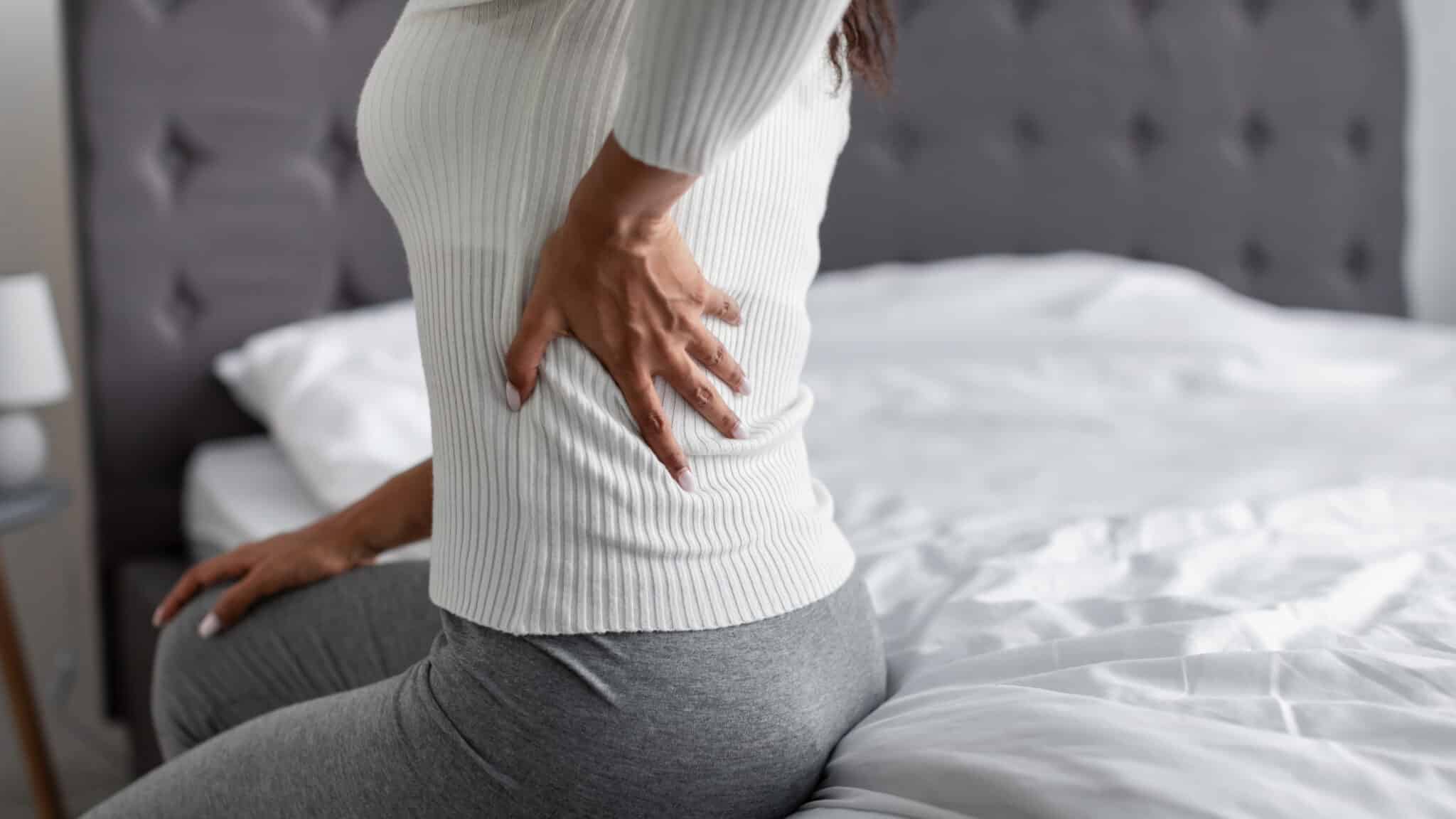
Sciatica is characterized by a distinctive set of symptoms that can significantly impact one's daily life. It typically involves radiating pain along the path of the sciatic nerve, stretching from the lower back down through the hips, buttocks, and into the legs. This pain can vary in intensity, ranging from a mild ache to sharp, burning sensations, often compared to electric shocks. Activities like coughing, sneezing, or prolonged sitting can exacerbate the pain, which usually affects only one side of the body. Additionally, individuals with sciatica may experience numbness, tingling, or muscle weakness in the leg or foot, leading to varying sensations in different parts of the leg. Recognizing these symptoms is crucial for timely diagnosis and effective treatment.
What Does Sciatica Feel like: Symptoms of Sciatica
Pain Along the Nerve Pathway: The hallmark symptom of sciatica is pain that follows the route of the sciatic nerve, typically from the lower back to the buttock, thigh, and calf.
Diverse Pain Sensations: Sciatica pain can range from a mild ache to a sharp, burning sensation, often compared to an electric shock.
Exacerbating Factors: Activities like coughing, sneezing, or prolonged sitting can worsen the pain, usually affecting only one side of the body.
Numbness and Weakness: Some individuals experience numbness, tingling, or muscle weakness in the leg or foot, leading to varying sensations in different parts of the leg.
Recognizing the symptoms of sciatica is essential for seeking timely medical attention. In our next blog, we'll explore the underlying causes of sciatica, shedding light on why this condition occurs. If you think you are suffering from Sciatica, it's crucial to consult with a healthcare professional, especially if you have a severe or chronic condition. They can provide personalized guidance and ensure your chosen exercises are safe and appropriate for your situation. You can contact us to schedule with one of our experts here: Schedule an Appointment.
Sciatica is a condition that can cause excruciating pain and discomfort. In this blog, we'll provide an overview of what sciatica is, helping you understand the basics of this common nerve-related ailment.
Sciatica is a term used to describe a set of symptoms rather than a specific medical condition. It refers to pain that radiates along the path of the sciatic nerve. This pain can vary from mild to severe and is often accompanied by other symptoms like numbness and tingling. It occurs when the sciatic nerve, which is the longest nerve in the human body, becomes irritated or compressed. The sciatic nerve runs from the lower back, through the buttocks, and down the back of each leg. Sciatica typically affects only one side of the body.
Understanding the fundamentals of sciatica is the first step in managing this condition. Look at our other blogs, where we'll delve deeper into sciatica causes, symptoms, and exercises, helping you identify if you might be experiencing this nerve-related pain.
If you think you are suffering from Sciatica, it's crucial to consult with a healthcare professional, especially if you have a severe or chronic condition. They can provide personalized guidance and ensure your chosen exercises are safe and appropriate for your situation. You can contact us to schedule with one of our experts here: Schedule an Appointment.
Sciatica Exercise: Your Comprehensive Guide to Alleviating Pain
Are you experiencing the discomfort and pain associated with sciatica? You're not alone. Sciatica is a prevalent condition characterized by radiating pain from the lower back down the leg, often due to compression or irritation of the sciatic nerve. Like you, many people find themselves trying to figure out how to relieve sciatica nerve pain or how to stop sciatica pain. Among the various available treatments, targeted exercises have proven highly effective in managing sciatica. In this blog, we will explore the world of sciatica exercises, providing you with a comprehensive guide to help relieve your pain and restore your mobility.
Understanding Sciatica and the Benefits of Exercise
Before we delve into specific exercises, it's essential to understand why exercise is so beneficial for sciatica:
Muscle Strengthening: Sciatica frequently arises from muscle imbalances or weaknesses. Certain exercises can focus on and strengthen the muscles that support the spine, thereby alleviating pressure on the sciatic nerve.
Enhanced Flexibility: Exercises can improve the flexibility of the lower back, pelvis, and legs, reducing tension on the sciatic nerve.
Improved Circulation: Physical activity enhances blood flow and nutrient delivery to the affected area, facilitating the healing process.
Pain Relief: Regular exercise triggers the release of endorphins, the body's natural painkillers, which can help alleviate discomfort associated with sciatica.
Sciatica Stretches and Sciatica Exercise
1. Pelvic Tilt:
Lie on your back with your knees bent and feet flat on the floor.
Engage your abdominal muscles and gently press your lower back into the floor.
Hold for a few seconds, and then release.
Repeat this 10-15 times.
2. Knee to Chest Stretch:
Lie on your back with your knees bent.
Gently bring one knee toward your chest, holding it with your hands.
Maintain for 20-30 seconds, then switch sides.
Repeat 2-3 times on each side.
3. Cat-Cow Stretch:
Assume a hands-and-knees position with wrists under shoulders and knees under hips.
Inhale, arch your back (cow position).
Exhale, round your back (cat position).
Repeat this movement 10-15 times.
4. Child's Pose:
Start in a kneeling position with toes touching and knees apart.
Sit back onto your heels, reaching your arms forward, and resting your forehead on the ground.
Hold for 20-30 seconds, then return to the starting position.
Repeat 2-3 times.
5. Piriformis Stretch:
Lie on your back with knees bent.
Cross one ankle over the opposite knee.
Gently pull the lower knee toward your chest.
Maintain for 20-30 seconds, then switch sides.
Repeat 2-3 times on each side.
6. Walking:
Regular walking can enhance circulation, reduce stiffness, and offer overall relief.
Aim for at least 30 minutes of brisk walking most days of the week.
Incorporating a regular routine of sciatica-specific exercises can significantly contribute to managing and alleviating your pain. However, it's crucial to consult with a healthcare professional or physical therapist before initiating any exercise program, especially if you have a severe or chronic condition. They can provide personalized guidance and ensure that your chosen exercises are safe and appropriate for your specific situation. You can contact us to schedule with one of our experts here: Schedule an Appointment.
Remember, consistency is key, and, over time, these exercises can lead to improved mobility, reduced pain, and a better quality of life.
Sciatica is a painful condition characterized by a range of symptoms, primarily radiating pain along the path of the sciatic nerve. Understanding the underlying causes of sciatica is essential in its effective management. Common causes include herniated discs, bone spurs, tumors, or diseases like diabetes. Identifying the root cause of your sciatica is a vital step toward tailored treatment plans that can alleviate pain and improve your quality of life. If you suspect you may have sciatica, seeking professional care, such as that provided by Princeton Orthopaedic Associates, can help diagnose the cause and initiate appropriate treatment for lasting relief. Understanding the causes of sciatica is vital to effectively managing this condition. In this blog, we'll delve into the primary factors that lead to the development of sciatica.
Causes of Sciatica
Herniated Disc: A herniated disc in the spine can exert pressure on the sciatic nerve, leading to sciatica.
Bone Spurs: Overgrowth of bone, known as bone spurs, on the spinal bones can impinge on the nerve, causing sciatica.
Tumors: While rare, tumors can put pressure on the sciatic nerve, leading to the development of sciatica.
Underlying Diseases: Conditions like diabetes can damage the nerve, increasing the risk of sciatica.
Understanding the root causes of sciatica is essential for tailoring appropriate treatment plans. In our upcoming blog, we'll explore the various treatment options available for managing sciatica and alleviating its symptoms.
If you think you are suffering from Sciatica, it's crucial to consult with a healthcare professional, especially if you have a severe or chronic condition. They can provide personalized guidance and ensure your chosen exercises are safe and appropriate for your situation. You can contact us to schedule with one of our experts here: Schedule an Appointment.
If you're experiencing sciatic nerve pain, you're not alone. Sciatica is a common condition that affects millions of people, often causing debilitating pain and making even the simplest daily activities feel challenging. If you've ever had sciatica, you are well versed in this intense pain that radiates along the sciatic nerve, which runs from your lower back, through the hips, and down each leg. When the nerve is compressed, it can lead to symptoms ranging from mild discomfort to intense, burning pain, along with tingling, numbness, and weakness. Sciatica's prevalence and the severity of its symptoms make it one of the most commonly treated conditions in orthopedic practices, and it can affect people of all ages, though it's particularly common in middle-aged and older adults.
Living with sciatica can be overwhelming, as it often impacts your ability to work, exercise, and enjoy leisure activities. At POA, we understand how important it is to manage and treat sciatica effectively to minimize its impact on your life. Whether you're experiencing your first bout of sciatica or have dealt with chronic flare-ups, our team of orthopedic specialists is here to provide guidance, information, and effective treatment options.
To make navigating resources easier, we've compiled a list of previous POA blogs on sciatica and related topics. From what causes sciatica to sciatica stretches, this resource list will help you navigate information on sciatica's causes, symptoms, treatment options, and prevention strategies, all in one place. Explore these blogs to understand your condition better and discover tips and techniques to find relief and regain control over your life.
If you're experiencing sciatic nerve pain, you're not alone. Sciatica is a common condition that affects millions of people, often causing debilitating pain and making even the simplest daily activities feel challenging. If you've ever had sciatica, you are well versed in this intense pain that radiates along the sciatic nerve, which runs from your lower back, through the hips, and down each leg. When the nerve is compressed, it can lead to symptoms ranging from mild discomfort to intense, burning pain, along with tingling, numbness, and weakness. Sciatica's prevalence and the severity of its symptoms make it one of the most commonly treated conditions in orthopedic practices, and it can affect people of all ages, though it's particularly common in middle-aged and older adults.
Living with sciatica can be overwhelming, as it often impacts your ability to work, exercise, and enjoy leisure activities. At POA, we understand how important it is to manage and treat sciatica effectively to minimize its impact on your life. Whether you're experiencing your first bout of sciatica or have dealt with chronic flare-ups, our team of orthopedic specialists is here to provide guidance, information, and effective treatment options.
To make navigating resources easier, we've compiled a list of previous POA blogs on sciatica and related topics. From what causes sciatica to sciatica stretches, this resource list will help you navigate information on sciatica's causes, symptoms, treatment options, and prevention strategies, all in one place. Explore these blogs to understand your condition better and discover tips and techniques to find relief and regain control over your life.
A bone lesion is a growth anomaly in bone tissue that replaces healthy bone with abnormal tissue. These anomalies can range from benign (non-cancerous) to malignant (cancerous) and may vary significantly in how they affect the body. Read more to help you understand bone lesions, their different types, symptoms, and treatment options.
What is a Bone Lesion?
A bone lesion is any condition that causes abnormal growth in bone tissue, replacing healthy bone. These growths can be benign, meaning they do not spread to other parts of the body, or malignant, meaning they can spread and cause further health issues.
Symptoms of a Bone Lesion
A bone lesion might not always cause symptoms, but when they do, you might experience:
Pain: Persistent pain in the affected bone, often worsening at night.
Swelling: Visible swelling or a lump over the bone.
Fractures: Bones weakened by a lesion may fracture easily.
Reduced Mobility: Difficulty moving the affected limb or joint.
Types of Bone Lesions
A Benign Bone Lesion
Osteochondroma
Osteochondroma is a common benign bone growth that typically occurs near the growth plates in children and adolescents. It often presents as a painless, palpable lump but can cause discomfort if it compresses nearby tissues or nerves. Although usually harmless, surgical removal might be necessary if it leads to pain or functional issues.
Enchondroma
Enchondroma is a benign cartilage cyst inside the bone, most commonly in the hands and feet. These lesions are usually asymptomatic and discovered incidentally on X-rays. However, they can cause pain or fractures if they grow large or weaken the bone structure, necessitating surgical intervention in some cases.
Giant Cell Tumor
Giant cell tumors are generally benign but can be locally aggressive, causing bone destruction and pain. They often occur near the ends of long bones, such as the femur or tibia. Treatment typically involves surgical removal and, in some cases, additional therapies to prevent recurrence.
A Malignant Bone Lesion
Osteosarcoma
A type of primary bone cancer, Osteosarcoma, originates in the bone cells and is most common in teenagers and young adults. It often affects the long bones, such as the femur, tibia, and humerus. Early symptoms include localized pain and swelling, and surgery and chemotherapy are common treatments.
Chondrosarcoma
Chondrosarcoma is a cancer that forms in the cartilage cells and is more prevalent in adults, particularly those over 40. This type of tumor can occur in any cartilage tissue, but it frequently affects the pelvis, femur, and shoulder. Treatment typically involves surgical removal, as chondrosarcomas are resistant to chemotherapy and radiation.
Ewing Sarcoma
Ewing Sarcoma is a malignant tumor that primarily affects children and young adults. It usually develops in the long bones or pelvis and is characterized by rapid growth and early metastasis. A multidisciplinary approach is used to treat Ewing Sarcomas, including surgery, chemotherapy, and sometimes radiation therapy, to address both the primary tumor and metastatic tumors.
Where Does a Bone Lesion Develop?
Bone lesions can develop in various parts of the body. Here's a more detailed look at some common locations and the potential underlying causes:
Long Bones:
Femur (Thigh Bone): Lesions here might indicate conditions like osteosarcoma (a type of bone cancer), fibrous dysplasia, or benign bone cysts.
Tibia (Shin Bone): Similar to the femur, the tibia can be affected by osteosarcoma, non-ossifying fibromas, or osteoid osteomas.
Humerus (Upper Arm Bone): The humerus is a common site for both benign lesions like simple bone cysts and malignant ones like Ewing sarcoma.
Pelvis:
Pelvic Bones: Lesions in the pelvis are often associated with metastatic cancer, where cancer from another part of the body, such as the prostate, breast, or lung, spreads to the bone. Other conditions include chondrosarcoma and Paget's disease of bone.
Spine:
Vertebrae: The spine is a common site for metastatic disease, particularly from cancers of the breast, prostate, and lung. Primary bone tumors like osteoblastoma or vertebral hemangioma can also occur here.
Skull:
Skull Bones: Lesions in the skull might indicate conditions such as multiple myeloma (a cancer of plasma cells), metastatic disease, or benign tumors like osteomas.
Ribs:
Rib Bones: The ribs can be affected by metastatic cancers, multiple myeloma, and benign conditions like fibrous dysplasia or eosinophilic granuloma.
Small Bones:
Hands and Feet: Lesions in the smaller bones of the hands and feet are less common but can occur. Conditions like enchondromas (benign cartilage tumors), giant cell tumors, and infections (osteomyelitis) can cause lesions in these areas.
Bone lesions can vary in their nature and severity, ranging from benign (non-cancerous) conditions that may not require treatment to malignant (cancerous) lesions that need aggressive intervention. Diagnostic imaging, such as X-rays, CT scans, and MRI, along with biopsy, are essential tools for determining the nature of a bone lesion and guiding appropriate treatment.
When to See a Doctor
If you experience persistent bone pain, noticeable swelling, or fractures without significant trauma, it's essential to see a doctor. Early diagnosis and treatment are crucial for benign and malignant bone lesions to prevent further complications.
Diagnosing a Bone Lesion
Imaging Tests: X-rays, CT scans, and MRI scans are commonly used to visualize bone lesions.
Biopsy: If imaging suggests a potentially malignant lesion, a biopsy may be performed to confirm the diagnosis and determine the appropriate treatment.
Bone Lesion Treatment
A Benign Bone Lesion
Most benign bone lesions do not require treatment and are monitored for changes over time. However, if a benign lesion becomes locally aggressive, surgical removal may be necessary to prevent further damage.
A Malignant Bone Lesion
Malignant bone lesions always require treatment. Treatment options include:
Surgery: Removal of the tumor and surrounding tissue.
Chemotherapy: Use of drugs to kill cancer cells.
Radiation Therapy: Use of high-energy radiation to destroy cancer cells.
Understanding bone lesions is crucial for early detection and effective treatment. Whether benign or malignant, a bone lesion can significantly impact your health and quality of life. If you suspect you have a bone lesion, seek medical advice promptly for diagnosis and appropriate management.
For more information or to schedule a consultation with one of our specialists, please contact us today. We are dedicated to providing the highest quality care for all your orthopedic needs.
Living with SI joint dysfunction can turn everyday routines into a series of mindful practices. Each morning, getting out of bed or putting on shoes involves slow, deliberate movements to prevent sharp pain in the lower back and hips. Even routine tasks like sitting at a desk or driving for long periods can require strategic planning, with frequent breaks for stretching and adjusting posture to avoid discomfort. With thoughtful adjustments and consistent care, you find ways to manage SI joint dysfunction while continuing to lead an active and fulfilling life.
What is Sacroiliac Joint Dysfunction?
Sacroiliac joint dysfunction (SI joint dysfunction) refers to pain in the sacroiliac joint, which is located where the spine connects to the pelvis. The SI joint is crucial in transferring weight and forces between the upper and lower bodies. When the sacroiliac joint becomes inflamed or moves abnormally, it can cause significant pain and discomfort, affecting daily activities.
Symptoms of Sacroiliac Joint Dysfunction
SI joint dysfunction can present a variety of symptoms that may be mistaken for other conditions, such as lower back pain or sciatica.
Common symptoms include:
Pain in your lower back, hips, buttocks, or groin
Pain that radiates down your legs
Stiffness or a burning sensation in the pelvis
Increased pain with activities such as walking, standing, or sitting for long periods
Difficulty with movements that involve twisting or bending
These symptoms can significantly impact your daily life, making it to perform routine activities, exercise, or sleep comfortably.
Treatment Options for Sacroiliac Joint Dysfunction
Treatment for SI joint dysfunction often involves a combination of self-care, physical therapy, and medical interventions. Here are some standard treatment options:
Physical Therapy
Physical therapy focuses on strengthening the muscles around the sacroiliac joint to improve stability and reduce pain. A physical therapist can provide a personalized exercise program that may include:
Stretching exercises to improve flexibility
Core and lower back strengthening
Techniques to improve posture and body mechanics
Medications
Over-the-counter pain relievers, such as ibuprofen or acetaminophen, can help reduce inflammation and alleviate pain. In some cases, your doctor may prescribe stronger medications, such as muscle relaxants or corticosteroid injections, to manage more severe pain.
Joint Injections
Injecting corticosteroids directly into the sacroiliac joint can alleviate pain by reducing inflammation. These injections, typically administered by a specialist, can offer temporary relief that lasts several weeks to months.
Radiofrequency Ablation
For patients who do not respond to other treatments, radiofrequency ablation may be an option. This procedure uses heat generated by radio waves to destroy the nerve fibers that transmit pain signals from the sacroiliac joint to the brain.
Sacroiliac Joint Fusion
In severe cases where other treatments have failed, sacroiliac joint fusion surgery may be considered. This procedure involves fusing the bones of the sacroiliac joint together to eliminate movement and provide stability, thereby reducing pain.
When to See an Orthopaedic Specialist
You should consider seeing an orthopaedic specialist if:
Your pain persists despite trying self-care measures and over-the-counter medications
You experience significant difficulty performing daily activities due to pain
Your symptoms worsen or do not improve with initial treatments
An orthopedic specialist can perform a comprehensive evaluation, including imaging tests, to accurately diagnose the cause of your pain and recommend suitable treatment options.
Why you can trust us:
We have multiple Orthopaedic Spine & Back Specialists who treat spine & back-related injuries every day.
We have the Spine and Back Institute with a team of world-recognized back specialists, orthopaedists, and therapists who have focused solely on back, neck, and spine health issues for over 15 years.
We have a whole-body health approach when it comes to orthopaedic spine, neck, and back health. The health of the entire body is connected to your back.
You experience sudden, severe pain in your lower back or pelvis
You have difficulty controlling your bladder or bowels
You experience numbness or weakness in your legs
These symptoms could indicate a more severe condition that requires immediate medical attention.
Take Action Against Sacroiliac Joint Dysfunction
Don't let sacroiliac joint dysfunction continue to impact your daily life. Diagnosis and treatment can help you manage symptoms effectively and improve your quality of life. If you are experiencing persistent pain or difficulty with daily activities, schedule an appointment with an orthopaedic specialist today.
This blog post is meant to be informative and should not act as a self-diagnosis tool. If you’d like to see one of our doctors, please contact us here.
Do you have lower back pain?
Lower back pain is a common issue for many people, and it can significantly impact your daily life, affecting everything from your ability to perform simple tasks to your overall mobility and quality of life. Your lower back, or lumbar region, bears the brunt of your body's weight and is involved in virtually every movement you make. As a result, this area is highly susceptible to pain and injury. Your lower back pain can stem from various causes. Some of the more common causes are poor posture, muscle strain, herniated discs, and degenerative conditions like arthritis. You can effectively manage some cases of lower back pain at home with proper care and exercises. However, others may require the expertise of an orthopaedic surgeon. If you are experiencing back pain in areas other than your lower back, read more about unlocking back pain relief.
Why you can trust us:
We have multiple Orthopaedic Spine & Back Specialists who treat spine & back-related injuries every day.
We have the Spine and Back Institute with a team of world-recognized back specialists, orthopaedists, and therapists who have focused solely on back, neck, and spine health issues for over 15 years.
We have a whole-body health approach when it comes to orthopaedic spine, neck, and back health. The health of the entire body is connected to your back.
In many situations, you can address your lower back pain right at home to see if you can find relief. However, we want to emphasize that if your condition worsens or becomes severe, you should seek care from an orthopaedic specialist immediately.
Lower back pain symptoms you can try to treat at home:
Mild to moderate lower back pain that improves with rest and over-the-counter pain relievers
Stiffness or soreness in the lower back
Lower back pain that radiates slightly into the buttocks or thighs but not below the knee
Occasional muscle spasms
Difficulty standing up straight or moving without discomfort
Meet Our Orthopaedic Spine Specialists
Lower Back Pain Symptoms That Require Professional Attention:
While there are many steps you can take to treat lower back pain at home, you should watch out for some key factors that warrant seeing an orthopaedic back specialist.
Keep an eye out for the following:
Severe relentless lower back pain that does not improve when you rest or with OTC medication
Pain that radiates down one or both legs, primarily if it extends below the knee
Numbness, tingling, or weakness in the legs
Loss of bladder or bowel control
Lower back pain following an injury, such as a fall or accident
Persistent lower back pain that interferes with daily activities or sleep
If you experience any of the more severe symptoms, it is crucial to consult an orthopaedic surgeon for a comprehensive evaluation and tailored treatment plan.
Effective Lower Back Stretches
In many cases, you can alleviate your lower back pain through targeted stretching exercises. These exercises help improve flexibility, strengthen muscles, and reduce tension in the lumbar region. Here are some of the most effective stretches for lower back pain:
Cat-Cow Stretch
The Cat-Cow stretch is excellent for improving flexibility and releasing tension in the spine. By alternating between arching and rounding the back, this stretch helps to mobilize the spine and it gently stretches the muscles in your lower back.
Steps:
Start by getting down on your hands and knees in a tabletop position.
Inhale as you arch your back while dropping your belly towards the floor.
Lift your head and tailbone towards the ceiling - this is commonly called 'Cow Pose'.
Exhale as you round your spine towards the ceiling while tucking your chin to your chest.
Pull your belly button in toward your spine - this is commonly called 'Cat Pose.'
Repeat for 5-10 breaths, moving slowly and gently.
Child's Pose
Child's Pose gently stretches the lower back and hips, relieving tension. This resting pose helps to lengthen the spine and relax the muscles, making it ideal for relieving lower back discomfort.
Steps:
Kneel down on the floor and then gently sit back onto your heels.
Stretch your arms forward as you lower your torso between your knees, reaching your hands towards the floor.
Rest your forehead on the mat and hold in this position for 30-60 seconds while breathing deeply.
Knee-to-Chest Stretch
This stretch helps to relax your lower back muscles and relieve tension. By gently pulling your knee towards your chest, you can elongate your lower back and alleviate discomfort.
Steps:
Lie down on your back with your knees bent and rest your feet flat on the floor.
Bring one knee towards your chest while clasping your hands around it.
Hold for 15-30 seconds, then switch legs.
Repeat 2-3 times for each leg.
Piriformis Stretch
The piriformis stretch targets the muscles in the buttocks, which can help alleviate lower back pain. By stretching the piriformis muscle, you can reduce tightness and relieve pressure on the lower back.
Steps:
Lie down on your back with both of your knees bent.
Cross one ankle over the opposite knee.
Pull the uncrossed leg towards your chest until you feel a stretch in your buttock.
Hold for 15-30 seconds, then switch legs.
Repeat 2-3 times for each leg.
Seated Forward Bend
This stretch helps to lengthen your spine and stretch the lower back and hamstrings. By reaching forward towards your feet, you can effectively reduce tension in the lower back and improve flexibility.
Steps:
Sit down on the floor with your legs straight in front of you.
Hinge at your hips as you reach forward toward your feet.
Keep your back straight, and avoid rounding your spine.
Hold for 15-30 seconds, then relax.
Repeat 2-3 times.
Oftentimes, you can effectively manage and reduce your lower back pain by incorporating these stretches into your daily routine. However, always listen to your body and avoid pushing into pain. If your symptoms persist or you feel them worsen, make sure to seek professional medical advice to ensure appropriate care.
This blog post is meant to be informative and should not act as a self-diagnosis tool. If you’d like to see one of our doctors, please contact us here.
Have a Herniated Disc? You Should See a Specialist.
The Essential Information:
A herniated disc occurs when the cushion-like material between vertebrae ruptures, putting pressure on nearby nerves.
Herniated Disc Symptoms include:
Pain
Numbness
Weakness
Depending on the severity, your treatment may involve:
Physical therapy
Medication
Surgery
Why it Matters:
Herniated discs can significantly impact your quality of life, causing pain and limiting mobility. Understanding the condition and seeking appropriate treatment can improve comfort and function.
The Bottom Line:
Recognizing the signs of a herniated disc and knowing when to seek medical attention are important steps in managing the issue. With proper diagnosis and tailored treatment, you can experience relief from pain and regain your ability to engage in daily activities.
If you suspect you have a herniated disc, don't ignore the symptoms. Consult a POA orthopaedic spine specialist for an evaluation and personalized treatment recommendations. With the right approach, you can find relief and improve your overall well-being.
Meet Our Orthopaedic Spine Specialists
To dive deeper, keep reading.
What Is a Herniated Disc?
Understanding herniated discs is crucial for anyone experiencing back pain or discomfort. These spinal issues can impact daily life and mobility. You can regain control of your health and well-being by recognizing symptoms, knowing when to seek help, and exploring treatment options.
A herniated disc, also commonly known as a slipped or ruptured disc, occurs when the soft inner material of your spinal disc protrudes through the tough outer layer. Spinal discs serve as cushions between the vertebrae of the spine, providing flexibility and shock absorption for the spine. They consist of a gel-like inner core (nucleus pulposus) surrounded by a tough, fibrous outer layer (annulus fibrosis). When a disc herniates, the inner material may press on nearby nerves, causing pain, numbness, or weakness in the affected area.
Spinal Care at Princeton Orthopaedic Associates
Why you can trust us:
We have multiple Orthopaedic Spine & Back Specialists who treat spine & back-related injuries every day.
We have the Spine and Back Institute with a team of world-recognized back specialists, orthopaedists, and therapists who have focused solely on back, neck, and spine health issues for over 15 years.
We have a whole-body health approach when it comes to orthopaedic spine, neck, and back health. The health of the entire body is connected to your back.
Herniated discs can occur anywhere along your spine, but they most commonly occur in the lower back or in the neck.
What Causes Spinal Disc Herniation?
Several factors can lead to the development of a herniated disc:
Age: As you age, your spinal discs lose water content and, therefore, become less flexible, which makes them more prone to tearing or rupturing. This natural aging process can increase the risk of herniated discs.
Trauma or Injury: Sudden trauma or an injury to your spine, such as lifting heavy objects incorrectly, falling, or a car accident, can cause herniation of the disc. These events can create enough force to rupture the disc's outer layer.
Repetitive Strain: Activities that involve repetitive movements, lifting heavy objects, or twisting motions can gradually wear down the discs and increase the risk of herniation over time.
Genetics: Some people may be genetically predisposed to developing herniated discs due to inherited traits that affect the structure and integrity of the spinal discs.
Obesity: Excess body weight puts increased pressure on your spine and contributes to disc degeneration, which makes them more susceptible to herniation.
Poor Posture: Consistently having poor posture can lead to uneven pressure on the spinal discs, increasing the risk of disc herniation.
Smoking: If you're smoking, it reduces blood flow to the spinal discs, which inhibits the absorption of nutrients, which can weaken the discs and make them more prone to herniation.
What Are Herniated Disc Symptoms?
The symptoms of a herniated disc vary depending on the location and severity of the issue. Common signs include localized pain, numbness or tingling, weakness in muscles served by the affected nerve, and pain that radiates down the arm or leg.
What Does a Herniated Disc Feel Like:
Localized pain
Numbness or tingling
Weakness in muscles served by the affected nerve
Pain that radiates down your arm or leg
When to See an Orthopaedic Spine Specialist
If you experience persistent or severe back pain, especially if accompanied by numbness, weakness, or difficulty walking, it's essential to consult an orthopaedic specialist. Additionally, it's important that you seek medical attention if your symptoms worsen or interfere with daily activities.
When to See a Specialist:
Persistent or severe back pain.
Numbness, weakness, or difficulty walking.
Symptoms worsen or interfere with daily activities.
Treatment for a herniated disc will vary depending on the severity of your symptoms and individual circumstances. Options for treatment may include physical therapy to strengthen muscles and improve flexibility and medication to manage pain and inflammation. In some cases, surgery to remove the protruding disc material is necessary. Because every situation is unique to the individual, we recommend seeing an orthopaedic spine specialist immediately if you think you have a herniated disc.
Common Herniated Disc Treatment
Physical therapy to strengthen muscles and improve flexibility
Medication to manage pain and inflammation
Surgery to remove the protruding disc material (in some cases)
At-Home Techniques
Gentle stretching and exercising
Avoid high-impact activities
Listen to your body and avoid movements that worsen symptoms
Helpful Stretches for a Herniated Disc
Specific stretches can help alleviate discomfort associated with herniated discs. Consult a specialist to determine which stretches are safe and effective for you. Weak core muscles are a common issue for those experiencing back pain, as they provide less support to the spine. Strengthening core muscles can reduce back pain. Regular stretching can alleviate pain and prevent chronic muscle spasms associated with a herniated or bulging disc.
Stretching Exercises for Herniated Disc Relief:
Knee to chest stretch: This can help ease pain and improve posture.
Lie on your back.
Grab one leg by the ankle and pull it towards your chest.
Hold for 30 seconds.
Repeat with the other leg.
Hip Stretching: Helps ease back pain and improve blood flow to the lower extremities.
Lie on the floor.
Pull one leg up towards your head using your arms.
Reach towards your toes with your hands while keeping the other leg on the floor.
Triceps stretch: This can help ease the pain and improve your posture.
Stand upright.
Lift one arm towards the sky while keeping the other on your side.
Hold for 30 seconds.
Repeat with the other arm.
Seated hamstring stretch: Another stretch that helps with pain and posture.
Sit on a chair.
Place one leg over the other.
Bend towards the leg on the chair.
Hold for 30 seconds.
Switch legs.
These stretches target key areas to alleviate back pain and improve posture, making them beneficial for managing a herniated disc.
Exercises for Herniated Discs:
Weak core muscles contribute to back pain by providing inadequate spinal support. Strengthening your core can alleviate this discomfort.
Here are some practical exercises with instructional details:
Pelvic tilts: Start on your back, knees bent, and feet flat on the floor. Slowly tilt your pelvis upward as you press your lower back into the floor. Hold for a few seconds, then release. Perform 10-15 repetitions.
Bent knee hug: Lie on your back, knees bent and feet flat on the floor. With your hands around it, bring one knee towards your chest. Hold for 15-30 seconds, then switch legs. Repeat 2-3 times on each side.
Bicycle: Lie on your back with knees bent and hands behind your head. Lift your shoulders off the floor while you bring your right elbow toward your left knee, your right leg extended. Switch sides and bring your left elbow toward your right knee. Alternate sides in a cycling motion for 10-15 repetitions per side.
Knee to chest: Lie on your back, knees bent, and feet flat on the floor. Bring a knee toward your chest, holding it with both hands. Hold for 15-30 seconds, switch legs, and repeat 2-3 times on each side.
Additional core stabilization exercises include:
Planks: First, position yourself in a push-up position, resting on your forearms. Keep your body straight from head to heels, engaging your core muscles. Hold for 30-60 seconds or as long as you can maintain proper form.
Side plank: Lying on your side with your legs stacked and your elbow directly beneath your shoulder, lift your hips off the floor, creating a straight line from your head to your heels. Hold for 30-60 seconds, then switch sides.
Floor-prone cobra: Lie facedown with arms extended overhead. Lift your chest and arms off the floor while squeezing your shoulder blades together. Hold for 10-15 seconds, then lower back down. Continue for 10-15 repetitions.
Things To Avoid With A Herniated Disk
If you're feeling the pain of a herniated disc, it's important to be mindful of the exercises you're engaging in because some movements can exacerbate your discomfort and potentially worsen your condition. If you know or think you have a herniated disc, you should avoid activities that strain the spine excessively, such as heavy lifting or sudden twisting motions. Listening to your body and avoiding movements that worsen symptoms is essential.
Avoid These Things if You Suspect a Herniated Disc:
Heavy lifting
Sudden twisting motions
Rotational exercises: These movements can exacerbate herniated or bulging disc pain by putting stress on the spine.
Leg raises: These exercises can increase stress on the lower back, worsening discomfort associated with herniated discs.
Sit-ups: Avoid these exercises as they can strain the lower back
This blog post is meant to be informative and should not act as a self-diagnosis tool. If you’d like to see one of our doctors, please contact us here.