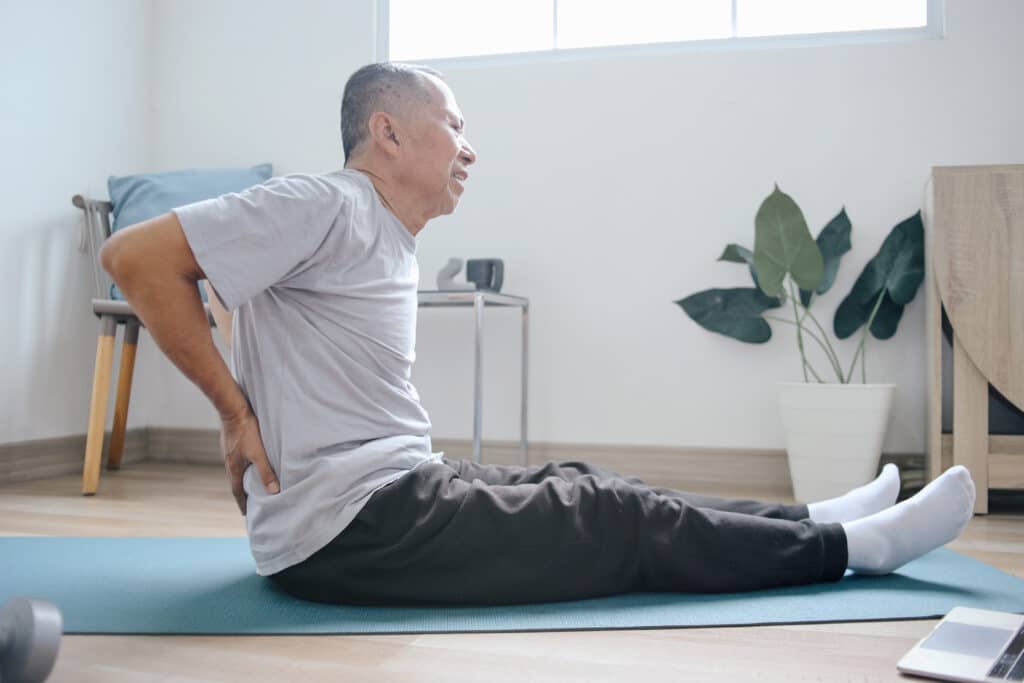
Lower Back Pain Relief: Safe Exercises and Weekly Plan
by Princeton Orthopaedic Associates
Exercises to Relieve Lower Back Pain: A Step-by-Step Guide
Lower back pain is common, and the right movements can make a big difference. This guide walks you through simple mobility drills, gentle stretches, and core-strengthening exercises, plus how often to do them, how to stay safe, and when to see a specialist at Princeton Orthopaedic Associates.
What You'll Learn
How to move your back safely without flaring symptoms.
Mobility exercises that ease stiffness.
Core and hip strengthening that supports your spine.
Stretching for tight hips, hamstrings, and glutes.
A simple weekly routine you can follow.
What to do if pain increases during a movement.
Signs you should pause and contact a clinician.
How often to practice and how to progress safely.
Ways our team can personalize your plan.
When imaging or further evaluation may be appropriate.
Before You Start: Safety, Setup, and Pain Rules
These movements should feel gentle and controlled. You may notice a comfortable stretch or mild muscular effort, but you should not experience sharp, stabbing, or worsening pain at any point during the exercise. If you feel uncomfortable, ease back, rest briefly, and check your form. Move slowly, keep your movements smooth, and breathe steadily throughout each position.
Warm-up: 3 to 5 minutes of easy walking or marching in place.
Breathing: Inhale through your nose, exhale through pursed lips.
Avoid holding your breath during exercises.
Range of motion: Stay in a pain-free range and ease in gradually.
Surface: Use a yoga mat or carpet for comfort.
Stop if you notice new numbness, leg weakness, or pain traveling below the knee that intensifies.
Mobility First: Gentle Movements to Reduce Stiffness
Begin with slow, comfortable movements to ease the back and improve blood flow throughout the spine. Move with control, staying in a pain-free range, and stop if anything sharp or increasingly uncomfortable appears. For most moves, aim for about five to ten deliberate repetitions unless otherwise noted.
1) Pelvic Tilts (Supine)
Lie on your back with knees bent and feet hip-width apart.
Gently flatten your low back toward the floor by tightening your abdominals, then return to neutral.
Perform 1 to 2 sets of 8 to 12 reps.
2) Lower Trunk Rotations
On your back with knees bent, slowly roll both knees to one side, pause, then roll to the other side.
Keep shoulders relaxed against the floor.
5 to 10 reps each side.
3) Single Knee to Chest
Bring one knee toward your chest using your hands or a towel behind the thigh.
Hold 15 to 30 seconds, switch sides.
Repeat 2 to 3 times per side.
4) Cat to Cow
On hands and knees, gently round your spine up, then lengthen it as you look slightly forward.
Move slowly with your breath.
8 to 10 slow reps.
5) Child’s Pose Reach
Sit back toward your heels with knees comfortable, reach arms forward, and relax your torso.
Hold 20 to 30 seconds, 2 to 3 times, staying pain-free.
Build Support: Core and Hip Strengthening
Strong hips and a steady core help unload irritated tissues in the lower back and support your spine during daily tasks. Perform each movement with deliberate control, paying attention to alignment and how your body feels. If any symptom worsens, stop the exercise and reassess your form. Aim for two to three sets, with 30 to 60 seconds of rest between sets.
1) Bridge
On your back, knees bent, feet planted.
Squeeze glutes and lift hips until shoulders, hips, and knees form a line.
Pause 2 seconds, lower slowly; 8 to 12 reps.
2) Bird Dog
From hands and knees, brace your core.
Extend opposite arm and leg without arching your back.
Hold 2 to 3 seconds; 6 to 10 reps per side.
3) Dead Bug (Modified)
On your back, hips and knees bent to about 90 degrees, arms up.
Keep your low back gently anchored to the floor.
Tap one heel to the floor and return; switch sides; 6 to 10 reps per side.
4) Side-Lying Clamshell
Lying on your side with knees bent, keep feet together.
Lift the top knee without rolling your hips; 10 to 15 reps per side.
5) Forearm Plank (Knees or Toes)
Maintain a long spine, keep ribs and pelvis aligned.
Hold 10 to 20 seconds without pain; 2 to 4 holds.
Stretch What's Tight: Hips and Legs
Tight hips or hamstrings can pull on the pelvis and increase back strain. Hold each stretch 15 to 30 seconds, repeat 2 to 3 times, and keep breathing.
Hamstring Strap Stretch: On your back, loop a strap or towel around the foot and gently straighten the knee until a mild stretch is felt in the back of the thigh.
Hip Flexor Stretch: Half-kneeling, gently shift your weight forward until you feel the front of the hip stretch on the kneeling side.
Piriformis Figure-4: Cross one ankle over the opposite knee and draw the legs toward your chest until the outer hip stretches.
A Simple Weekly Plan
Use this plan as a flexible starting point and adjust it based on how you feel and what you can tolerate. Prioritizing consistency and gradual progress matters more than pushing for fast gains. Listen to your body, and modify days, reps, or rest as needed to stay comfortable and avoid flare-ups.
Day
Mobility
Strength
Stretch
Notes
Mon
Pelvic tilts, trunk rotations
Bridge, clamshell
Hamstrings
Easy start, 1 to 2 sets
Tue
Cat to cow
Bird dog
Hip flexors
Focus on form
Wed
Child’s pose
Dead bug
Piriformis
Optional walk 10 to 20 min
Thu
Pelvic tilts, trunk rotations
Bridge, clamshell
Hamstrings
Add 1 to 2 reps if comfortable
Fri
Cat to cow
Bird dog
Hip flexors
Short and easy
Sat
Choice mobility
Plank holds
Piriformis
Walk or light activity
Sun
Recovery
—
Gentle stretch
Listen to your body
Progress Tips
Increase reps or holds by small amounts once a week if movements feel easy and symptoms stay settled.
Keep motions smooth and controlled, not fast or jerky.
Add short daily walks to support circulation and recovery.
Use supportive footwear and avoid prolonged sitting when possible.
When to Pause and Contact a Clinician
Most back pain improves with gentle activity and careful pacing, but some warning signs require medical input sooner rather than later. If your symptoms persist beyond a short period, intensify, or there are new concerns, seek medical guidance promptly. The list below describes red flags that warrant evaluation by a clinician.
Severe or worsening pain that doesn’t change with rest.
Leg numbness, tingling, or weakness that’s increasing.
Changes in bowel or bladder control.
Fever, unexplained weight loss, or recent significant trauma.
How Princeton Orthopaedic Associates Can Help
If your symptoms aren’t improving, our team can evaluate your movement, identify the source of pain, and build a program that fits your goals. Most people do well with focused physical therapy, activity modification, and a progressive home plan.
If you’re unsure where to start, schedule an exam with our spine or physical therapy team. We’ll help you understand what’s safe, how to progress, and when additional options are appropriate.
This blog post is meant to be informative and should not act as a self-diagnosis tool. If you’d like to see one of our doctors, please contact us here.