Learn how your spine is built and why alignment matters.
Notice posture habits that strain your back and adjust them.
Use safe body mechanics for sleeping, sitting, lifting, and turning.
Practice a short set of back-friendly exercises each day.
Warm up, change positions often, and make walking a routine.
Work with your care team and know when to call for help.
Your Back Is Made to Move
Your spine is designed for motion. The way you move can either protect your back or set you up for problems. Small daily choices add up over time.
Back pain can arrive as a sharp injury, a nagging twinge, or a steady ache. It can limit work, play, and sleep. With the right self-care, you can ease symptoms now and help prevent future flare-ups.
Care Is a Team Effort
Once a provider identifies the cause of your pain, you will get a plan that fits your needs. Your plan may include visits with a physical therapist. Physical therapists teach safe movement, targeted exercises, and self-care strategies you can use at home.
Even when surgery is part of care, self-care remains essential. Good habits speed recovery and help you protect your back for the long run.
Why Self-Care Helps
Many back issues improve with time, activity changes, and simple exercises. Learning how your spine works, using sound body mechanics, and practicing daily movement can reduce pain and support healing.
Spine Basics You Should Know
Strong muscles and healthy disks help your spine support your body while still moving freely. When these parts work together, you feel steadier and more comfortable.
The Three Natural Curves
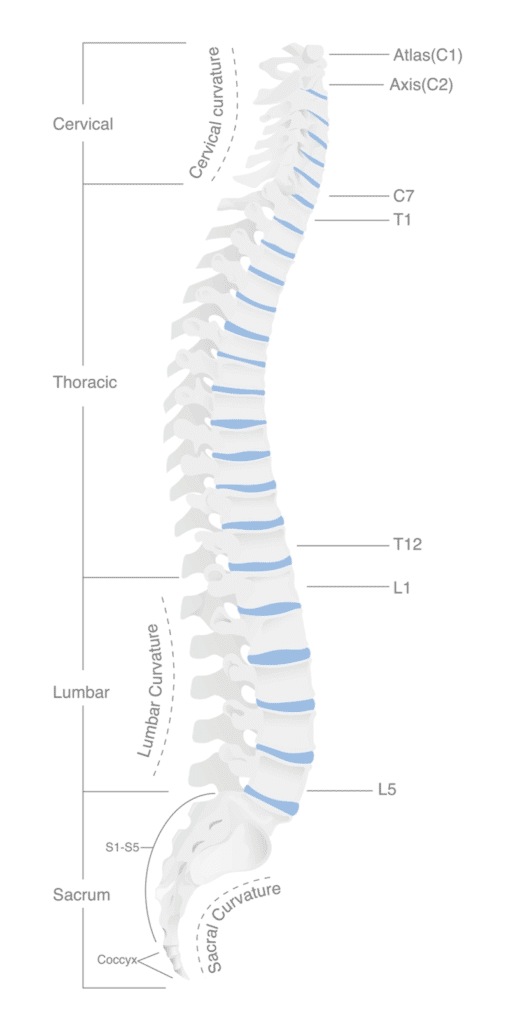
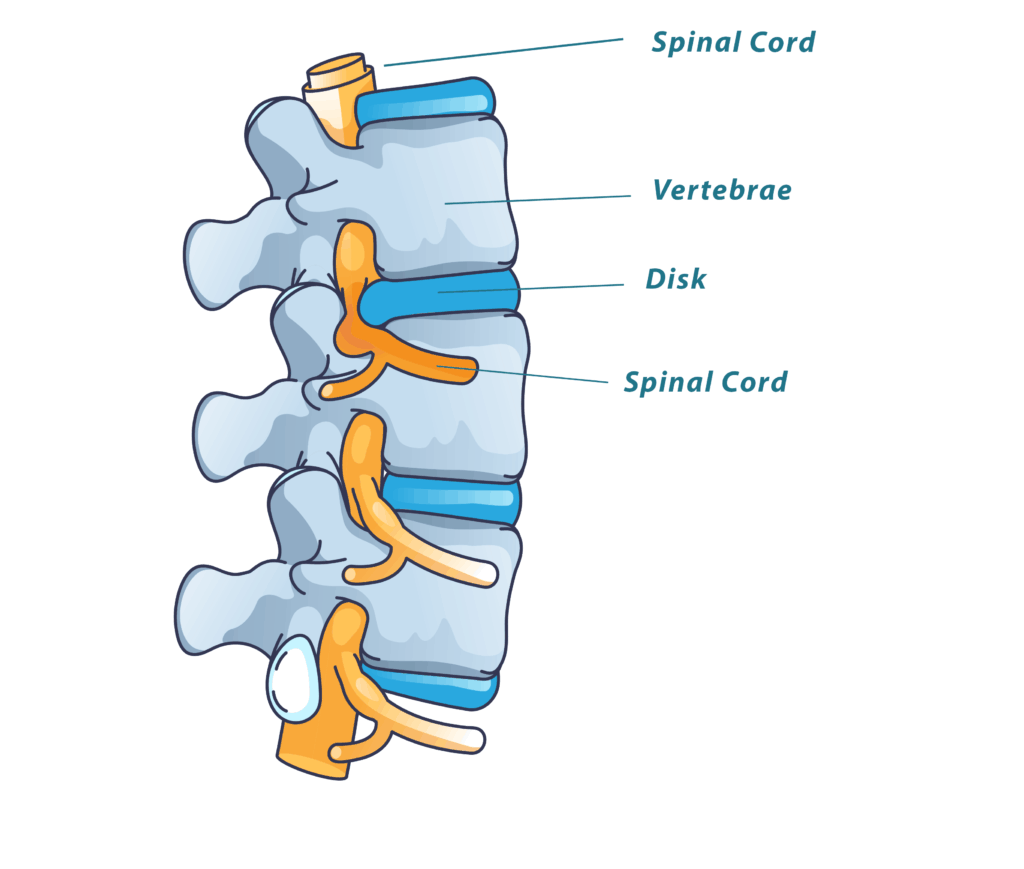
Your spine is made of bones called vertebrae and soft pads called disks. Together they form three gentle curves: cervical in your neck, thoracic in your mid-back, and lumbar in your lower back. When these curves are in good alignment, your weight is shared evenly, and your back is better protected.
Muscles That Support Alignment
Strong, flexible back and abdominal muscles hold the vertebrae and disks in position. Hip and leg strength also matter. When those muscles are balanced, they take pressure off your lower back and make daily movements easier.
The Hard-Working Lumbar Curve
Your lower back handles the most load during lifting, bending, and standing. Keeping this curve aligned helps prevent stress on vertebrae, disks, and nearby joints.
Disks Cushion Movement
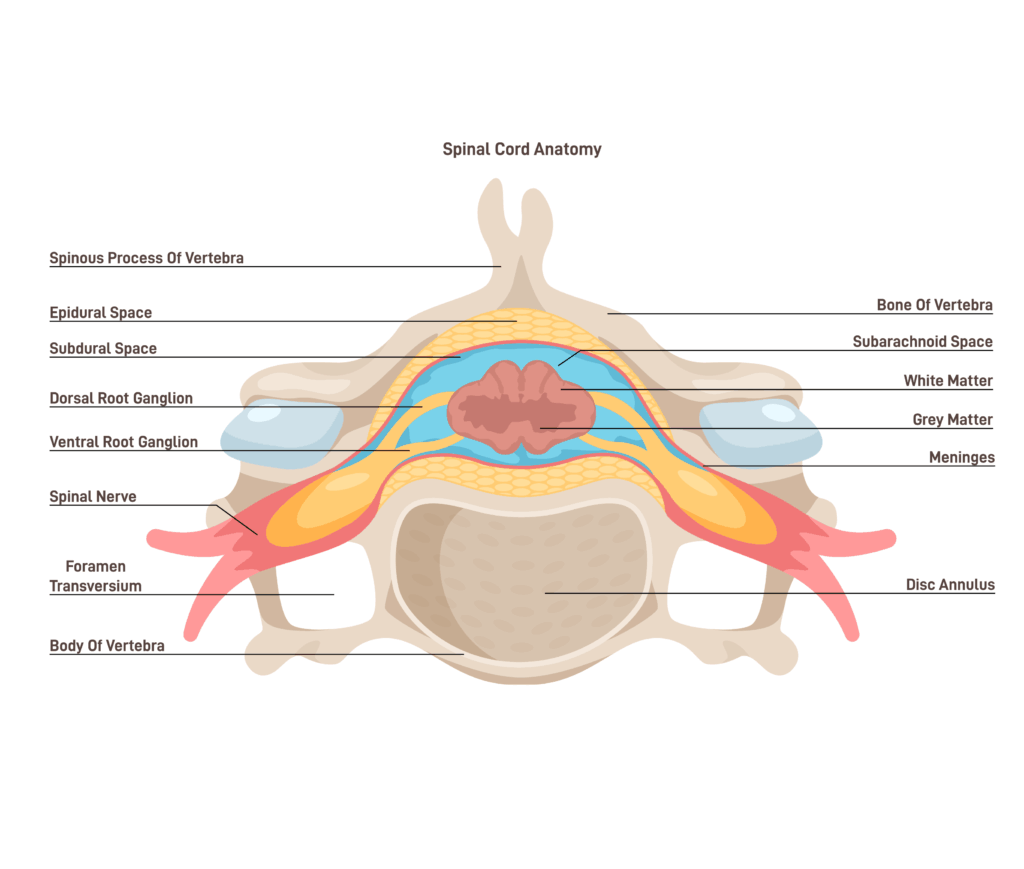
Disks sit between vertebrae and act like shock absorbers. Each disk has a soft center called the nucleus and a tougher outer ring called the annulus. The nucleus allows tiny rocking motions between bones, which smooths movement and spreads out forces.
The foramen is the opening between vertebrae where nerves exit the spine to reach your body.
Facet joints are small joints between vertebrae that guide motion.
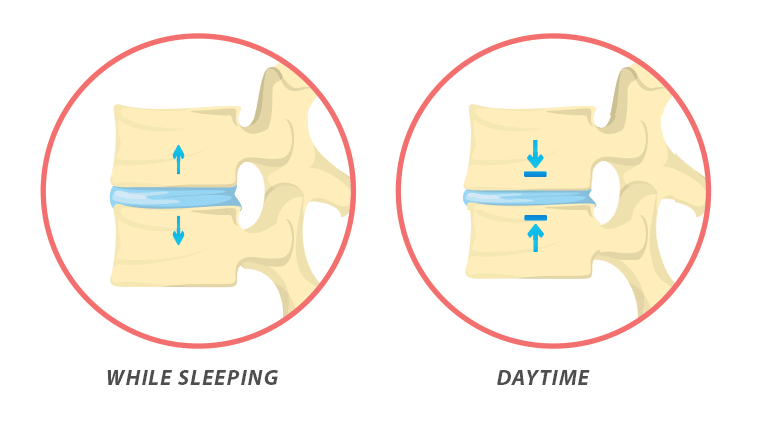
Disks Change During the Day
At night, the nucleus absorbs fluid, which increases pressure inside the disk. During your day, movement pushes fluid in and out of the disk. This fluid exchange keeps disks nourished and flexible.
How Back Problems Begin
How discs wear out
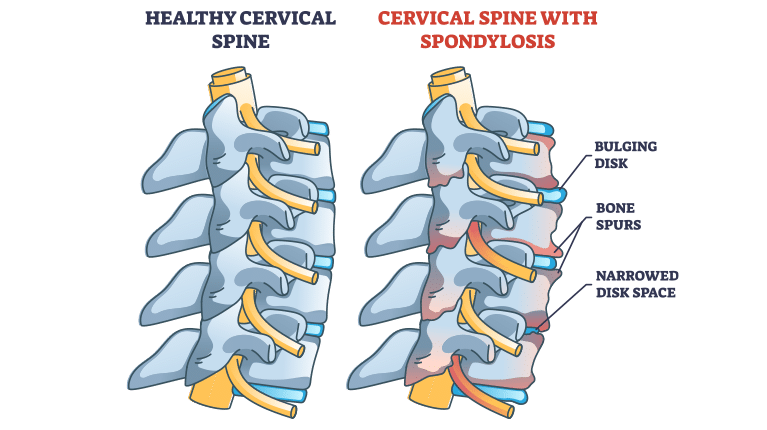
With normal aging, spinal discs gradually lose water content and elasticity. As a disc degenerates and dries, it may lose height, bringing the vertebrae closer together and creating more friction and irritation around the joints. The body may react by forming bony spurs (osteophytes). These changes can narrow the foramen—a condition called stenosis—and irritate nearby nerves, leading to pain, tingling, or weakness.
Subpar movement habits can accelerate this process. Prolonged sitting, weak core support, repetitive lifting with a rounded back, and habitual slouching all increase mechanical stress on the discs and joints—speeding wear and tear that would otherwise occur more slowly.
Health history: You will review your symptoms, when they occur, and any other medical issues.
Exam: Your provider will assess posture, spine motion, muscle strength, reflexes, and sensation in your legs.
Tests: X-rays, CT scans, or MRI scans may be used to look for causes of pain and to guide treatment.
Common Back Problems
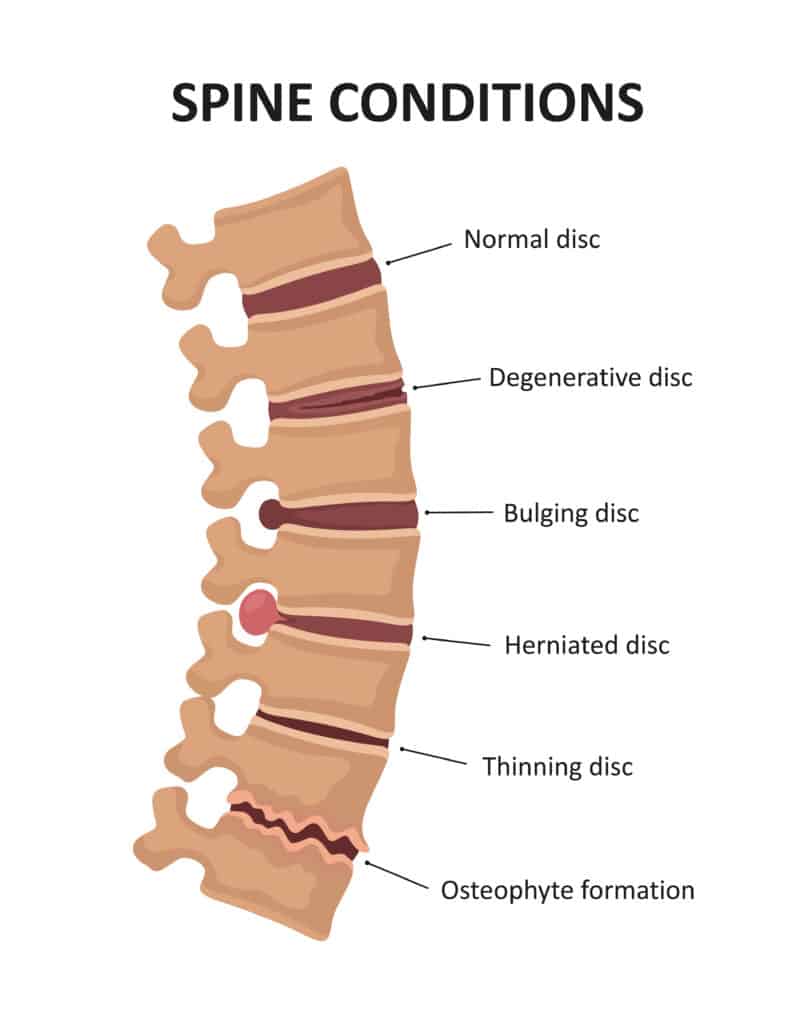
Thinning Disc
Reduced disc height brings vertebrae closer together, raising pressure on facets and foramina and contributing to aching with prolonged standing.
Bulging Disc
Outer wall stretches outward like a tire bulge, narrowing space around nerves and increasing strain during sitting, bending, or lifting.
Herniated Disc
Inner gel pushes through a tear in the outer ring, potentially compressing a nerve and causing sharp, radiating pain, numbness, or weakness.
Degenerative Disc
Disc loses water and height over time, increasing load on joints and ligaments and making stiffness or flare-ups more likely.
The Key to Safer Movement
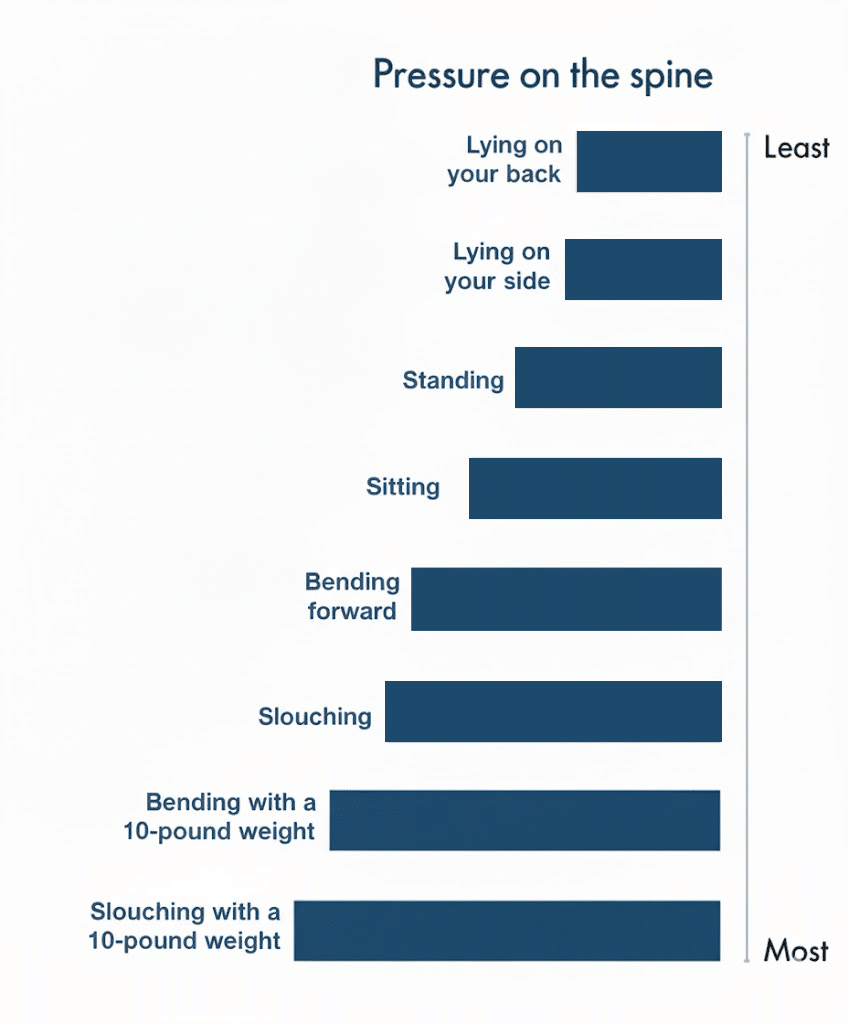
Your spine carries your body weight whether you are sleeping, sitting, standing, or bending. Some positions load the spine more than others. Posture choices can lower that load.
Check Your Posture
Limit the time you spend in high-pressure positions. The more you keep your curves aligned, the happier your back will feel.
Take a deep breath and relax your shoulders, hips, and knees.
Imagine dots at your ears, shoulders, hips, and ankles, then line them up.
Gently tuck your buttocks and tighten your stomach muscles if needed.
Learn Safe Body Mechanics
The way you sleep, sit, lift, and turn affects how your back feels. Use these tips to spread forces evenly and lower your risk of injury.
Lying Down
Back sleeping: Place a pillow under your knees for comfort.
Side sleeping: Bend your knees and put a pillow between them.
Stomach sleeping: Slide a pillow under your lower abdomen.
Standing
Keep a soft bend in your knees to offload your lower back.
Wear supportive shoes to help your spine stay aligned.
If standing for a while, rest one foot on a low stool and switch sides regularly.
Sitting
Choose chairs that support your low back, and keep your ears over your hips.
Place a small towel roll or lumbar roll at the lower back curve if needed.
Keep knees level with hips and feet flat on the floor or on a footrest.
Lifting Below the Waist
Bend at your hips and knees instead of your waist, and keep hips lined up with shoulders.
Brace your abdominal muscles and hold the object close to your body.
Lift with your legs, and raise your body and the load together.
Reaching and Lifting
Store frequently used items between shoulder and hip height.
Get close to the item, and use a step stool or a reaching tool when needed.
Tighten your abdominal muscles, then use your arms and legs to lift rather than your back.
Turning
Keep your upper body moving as one unit from shoulders to hips.
Turn with your feet—point them where you want to go, then step around.
Maintain your three natural curves as you turn.
Exercises for a Healthier Back
Your provider or physical therapist may personalize these moves for you. Aim to practice at least once a day as instructed. Stop and tell your care team if you have new or ongoing pain.
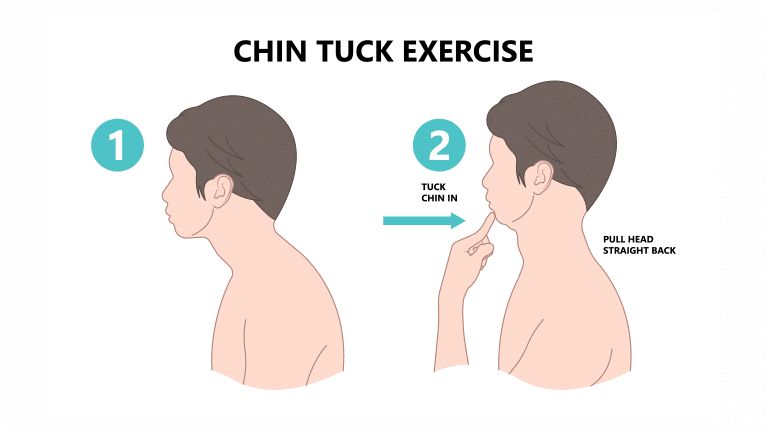
Chin Tuck
Sit or stand tall with your chin level. Glide your head straight back, as if making a double chin, and try to line your ear with your shoulder. Repeat the number of times recommended.
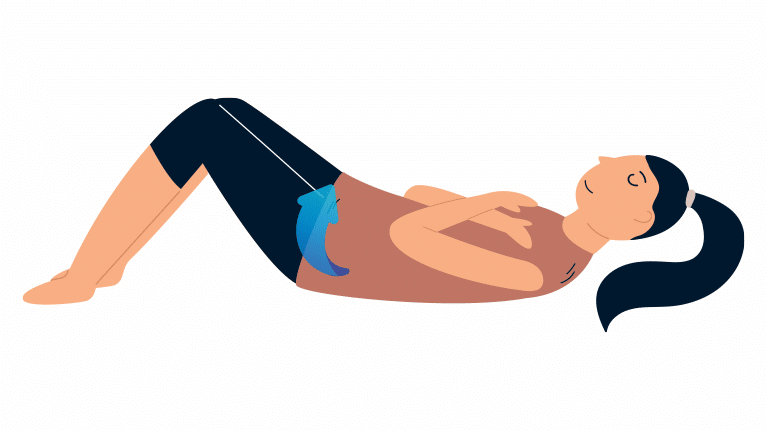
Pelvic Tilt
Lie on your back with knees bent. Tighten your abdominal and buttock muscles, then tip your hips toward your nose until your low back flattens to the floor. Relax and repeat as directed.
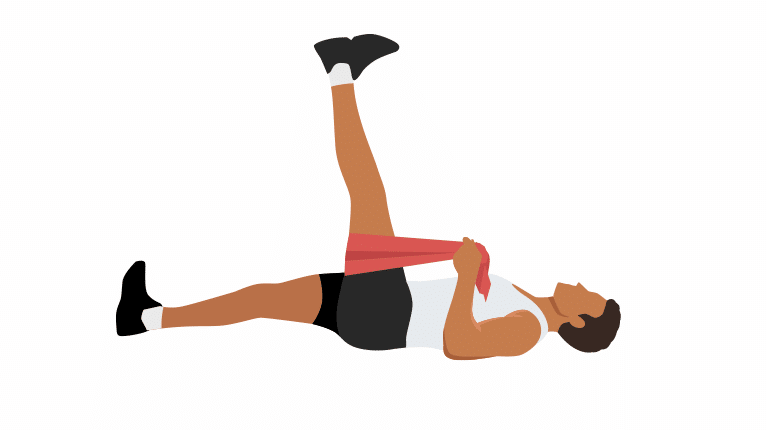
Hamstring Stretch
Lie on your back and loop a towel or your hands around your thigh just below the knee. Brace your abdominal muscles, draw your thigh toward your chest, then gently straighten the knee until you feel a stretch. Relax and repeat as prescribed.
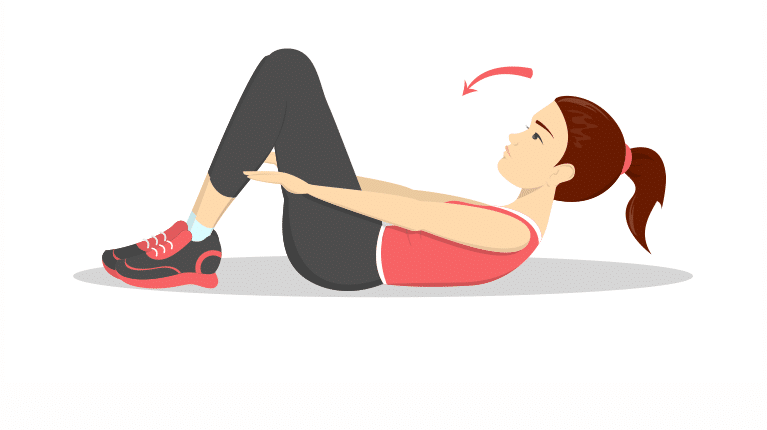
Partial Sit-Up
Lie on your back with knees bent and feet flat, arms folded across your chest. Tighten your stomach muscles, then slowly lift your head and shoulders while keeping your ears lined up with your shoulders. Pause when your shoulder blades lift off the floor, then lower and repeat.
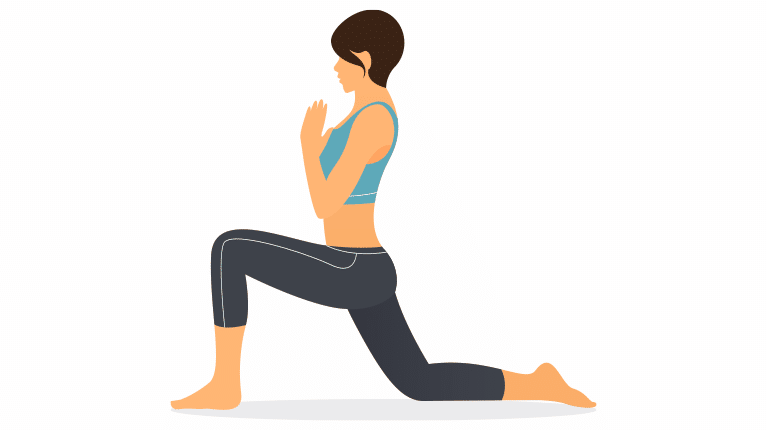
Hip Stretch
Kneel with one foot forward and brace your abdominal muscles. Shift your weight forward until you feel a gentle stretch at the front of the hip and groin. Relax and repeat for both sides.
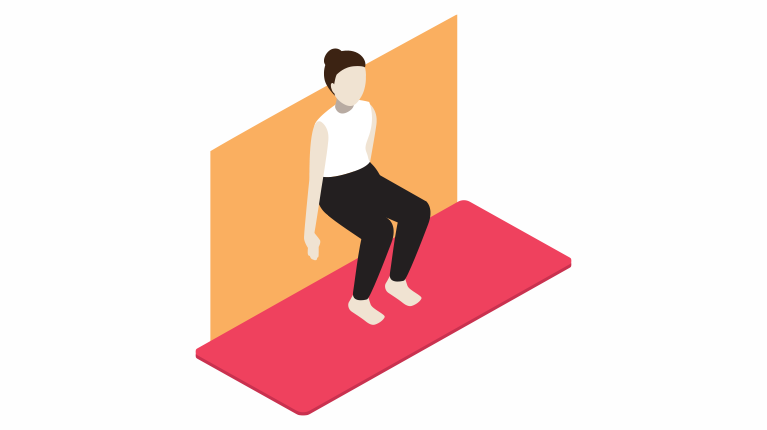
Wall Squat
Stand with your back against a wall, feet hip-width apart and about 12 to 18 inches from the wall. Slide down to about halfway to sitting, keeping your hips above knee level. Hold for the time advised, then slide back up. Repeat for the set recommended.
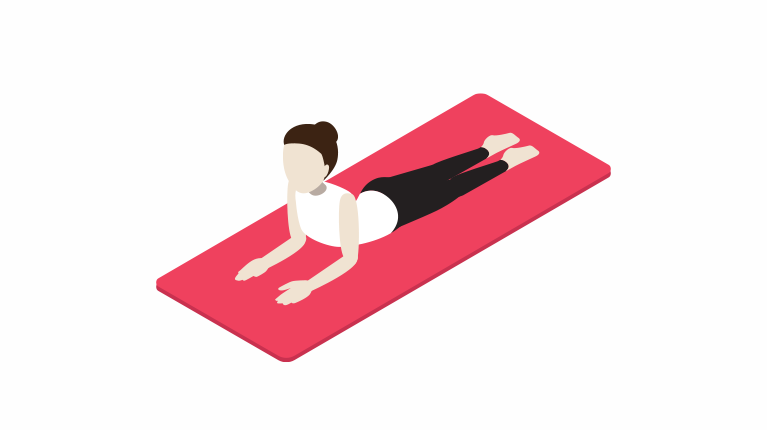
Press-Up
Lie on your stomach with forearms on the floor at shoulder width. Press your upper body off the floor while keeping your hips down, then lower slowly. Repeat as recommended.
Note: Do press-ups only if your provider or physical therapist says they are right for you.
Think About Your Back All Day
Small choices throughout the day protect your spine. Warm up before activity, change positions often, and build habits that support recovery.
Warm Up for the Day
Do a few slow, cat-like stretches in the morning. Gentle movement can reduce pressure on your disks, loosen muscles, and lower your risk of injury.
Shift Positions Often
Change your position at work and at home to avoid stiffness. Stand up regularly or lean back while seated. Set a reminder to get up and move for a couple of minutes every 30 minutes.
Form Healthy Habits
Maintain a healthy weight to reduce strain on your back.
Use cold during the first 24 to 48 hours for new pain, then try heat if it feels better. Always place a cloth between your skin and the cold or heat source.
Over-the-counter topical creams may help with minor aches; use as directed.
Take medicines only as instructed on the label or by your provider, and ask questions if anything is unclear.
Walk Your Way to Back Fitness
Walking is simple, low-impact, and good for your spine. Supportive shoes make it even better by absorbing shock when your foot hits the ground.
Make Walking a Daily Habit
A regular walk helps keep back and leg muscles flexible and strong. Aim for 20 to 30 minutes most days. If that feels like too much, start with 5 minutes and add time gradually.
Find More Chances to Move
Choose stairs for at least one floor when you can.
Walk to talk with a coworker instead of calling or emailing.
Park farther from the entrance at the store or mall.
If you ride the bus, get off one or two stops early and walk the rest of the way.
Wear Shoes That Support You
Pick walking or running shoes that cushion impact.
Choose soft, seamless socks to protect your toes.
Look for a secure heel that does not slip.
Make sure the arch support matches the size and shape of your foot.
Move Wisely, Move Well
Your healthcare team can teach you safe ways to move and care for your back. From there, your daily habits keep the progress going. Practice good posture, choose back-friendly positions, and stay active.
Whether you are carrying groceries, working at a desk, or walking around the block, the basics of safe movement help you feel better and keep you on the go.
Quick Summary
Learn how your spine is built and why alignment matters.
Notice posture habits that strain your back and adjust them.
Use safe body mechanics for sleeping, sitting, lifting, and turning.
Practice a short set of back-friendly exercises each day.
Warm up, change positions often, and make walking a routine.
Work with your care team and know when to call for help.
Have Questions?
If you have any questions or concerns, please contact one of our offices. This information is provided solely for educational purposes and is not a substitute for personalized medical advice. For detailed advice please contact us at (609) 924-8131, text us at (609) 757-9992 or send us a message via our contact form.