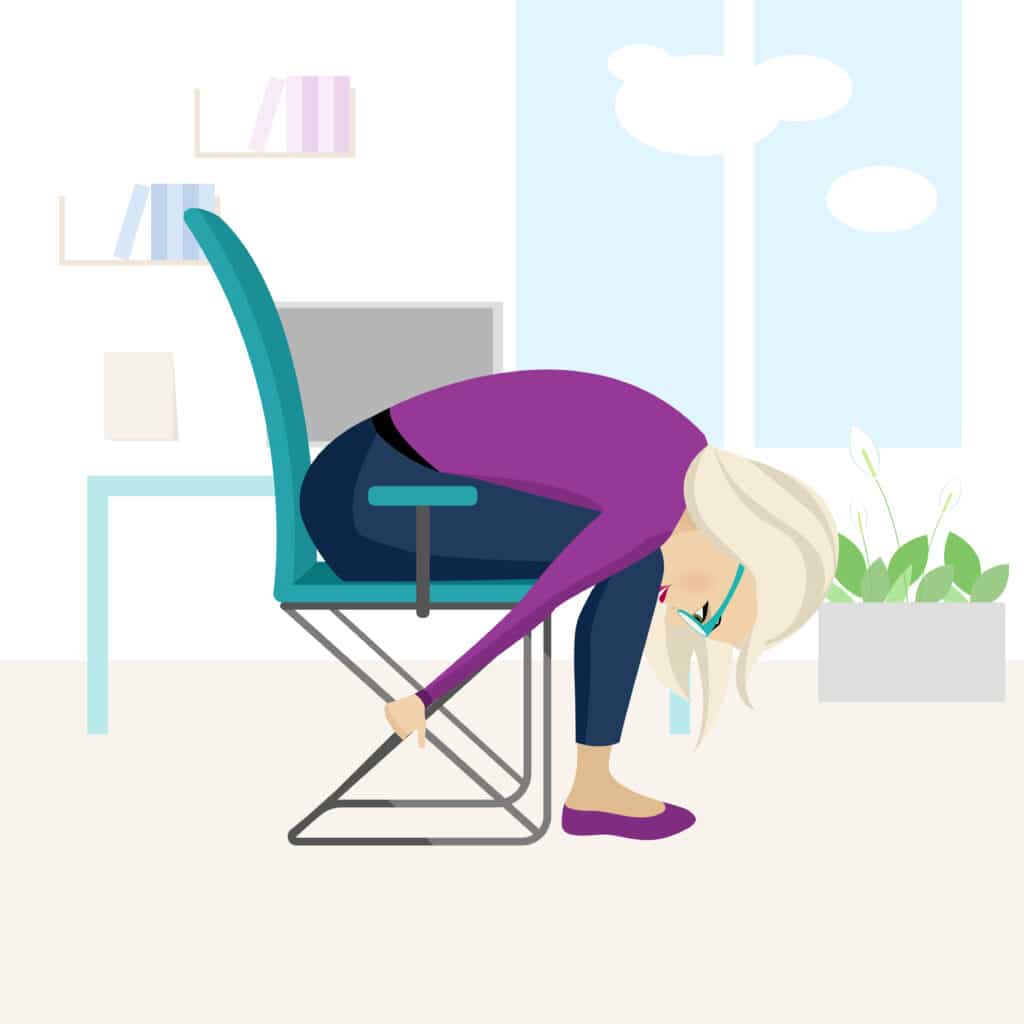
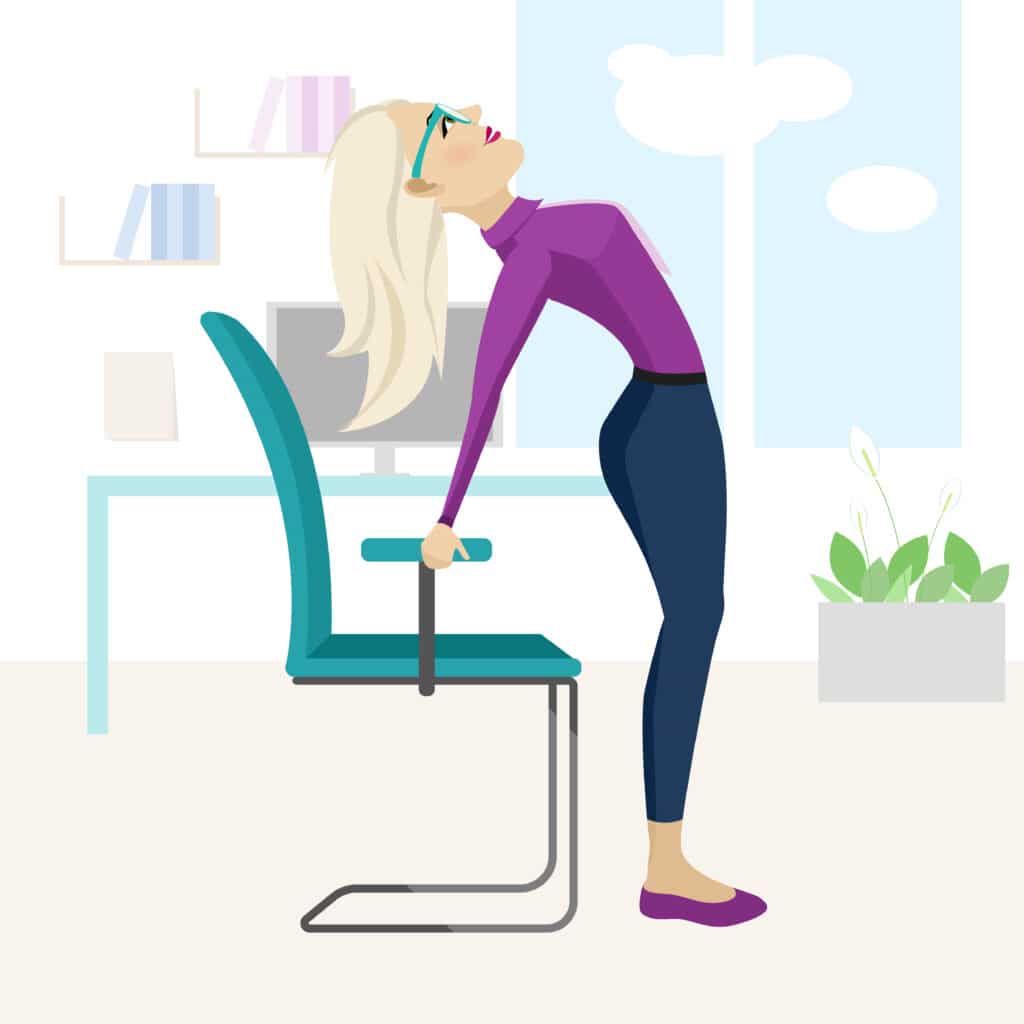
Your Guide to a Stronger, Healthier Back: Managing and Preventing Low Back Pain
Your Quick-Start Guide to Back Health
Start gentle movement on most days.
Build better posture and body mechanics.
Add safe strength, stretching, and cardio exercises.
Manage your weight, reduce stress, and quit smoking.
Know the red flags and when to seek medical care.
Use ice, heat, and over-the-counter pain relief wisely.
Understanding Low Back Pain
Low back pain is extremely common, and it often develops gradually after years of wear and tear. Your back is central to almost every move you make, so caring for it is a worthwhile investment in your quality of life. By adopting small, positive daily habits, you can significantly reduce pain and stay active.
Pain may feel sharp, achy, or constant. While acute injuries and aging play a role, many flare-ups stem from long-standing habits. Paying close attention to how you sit, stand, and move can ease strain and protect your spine for the long term.
What Causes Back Pain?
Some causes are hard to avoid, like accidents or age-related changes to the spine. However, many contributing factors are within your control. Common contributors include:
Poor posture
Inefficient body mechanics when lifting or bending
A sedentary lifestyle or too little exercise
Excess body weight
Improving these areas can lower your current pain and help prevent future episodes. With consistent care, most people find relief and can move with greater confidence.
When to Seek Medical Care Immediately
Call your healthcare provider right away if you experience back pain along with any of the following symptoms:
Weakness, numbness, or persistent pain that travels down one or both legs
Numbness in the groin or rectal area
Loss of bladder or bowel control
Back pain that does not improve or gets progressively worse
Your Goal: A Comfortable, Active Back
While there is no single cure for back pain, there are proven steps that help. The foundation of a healthy back is built on good posture, proper body mechanics, and overall health. Over time, these changes can lessen pain or even make it disappear.
Keep moving if you can. Gentle activities like walking or swimming often calm symptoms. As your pain improves, your provider may clear you to increase activity and recommend a tailored exercise plan to build resilience.
Back to Basics: How Your Spine Works
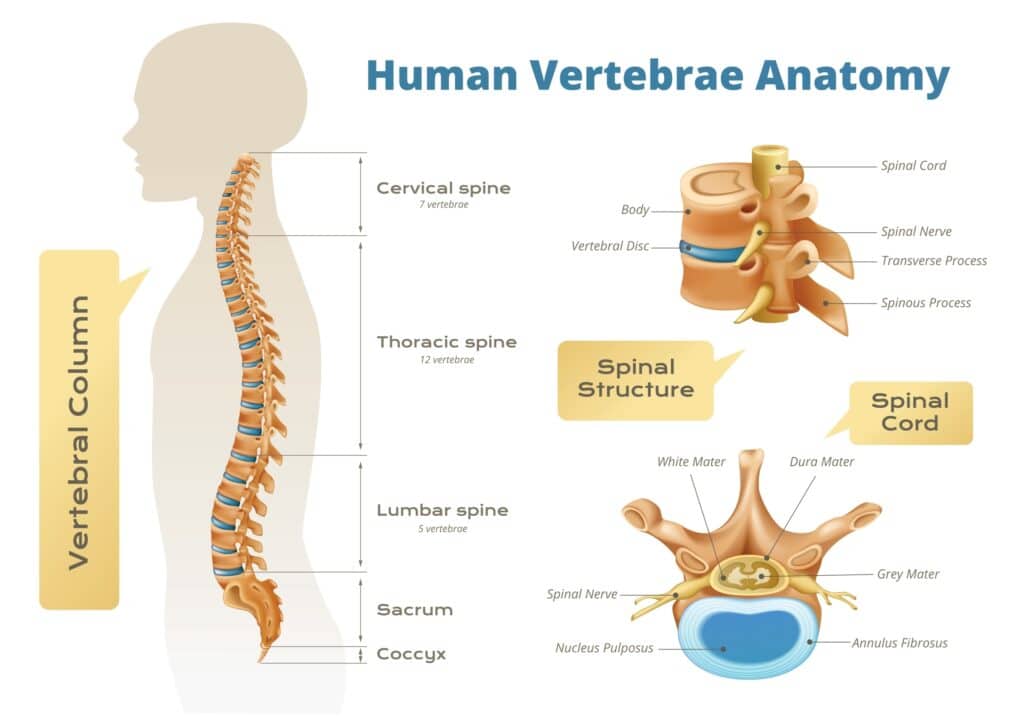
A healthy spine supports your body and allows for smooth, pain-free movement. It has three natural curves: the cervical (neck), thoracic (upper back), and lumbar (lower back) curves. When properly aligned, these curves distribute your body weight evenly, reducing stress on any one area.
The spine is built from bones called vertebrae, separated by soft, shock-absorbing pads called disks. The lumbar spine consists of five vertebrae, L1 through L5. This area carries most of your body's weight, making it more prone to strain and injury.
Common Disk Issues That Cause Pain
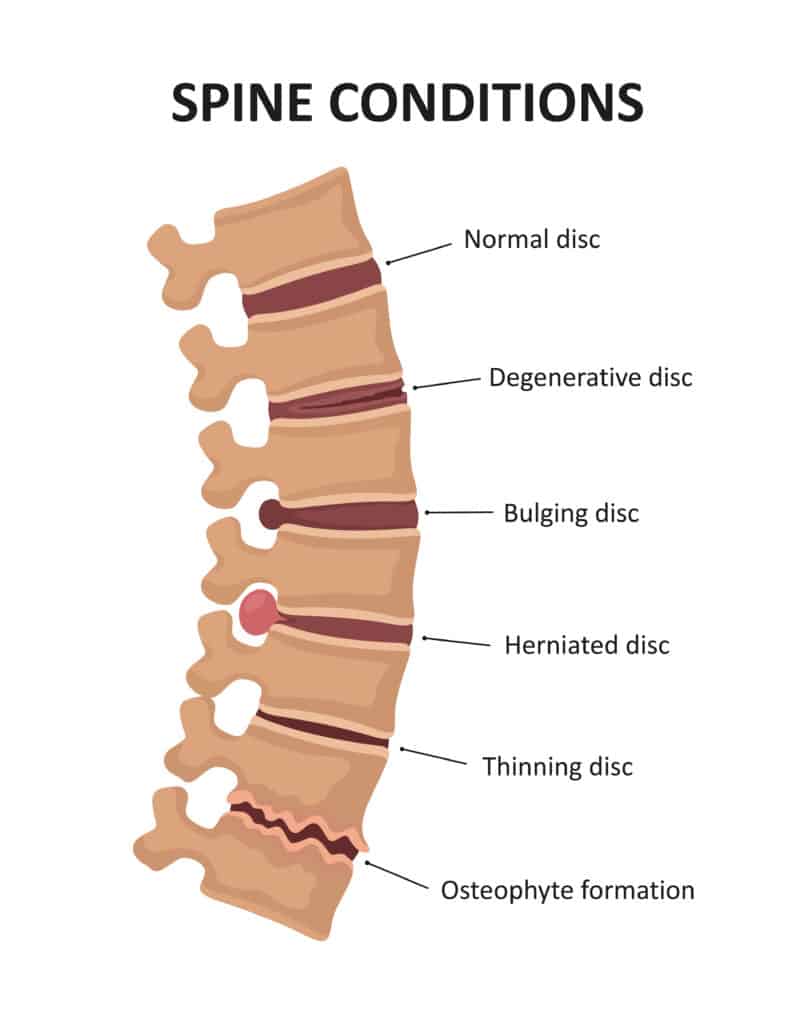
Torn Annulus: The annulus is the tough outer ring of a disk. A sudden movement can tear this ring, causing sharp or aching pain as nearby tissues and nerves become irritated.
Bulging Disk: The spongy center of a disk (the nucleus) can push outward if the annulus weakens. This bulge may press on nearby nerves, causing back or leg pain.
Herniated Disk: If the annulus tears open, the soft nucleus can leak out and press directly against a nerve. This can cause sciatica—pain that travels down the buttock and leg—as well as numbness or weakness.
Osteoarthritis and Stenosis: With age, joints and disks can wear down, leading to the formation of bone spurs. These spurs may narrow the spinal canal (a condition called spinal stenosis), irritating nerves and causing pain.
Everyday Changes That Protect Your Back
Small, consistent adjustments can make a big difference. Focus on these habits to reduce strain and support a healthy spine.
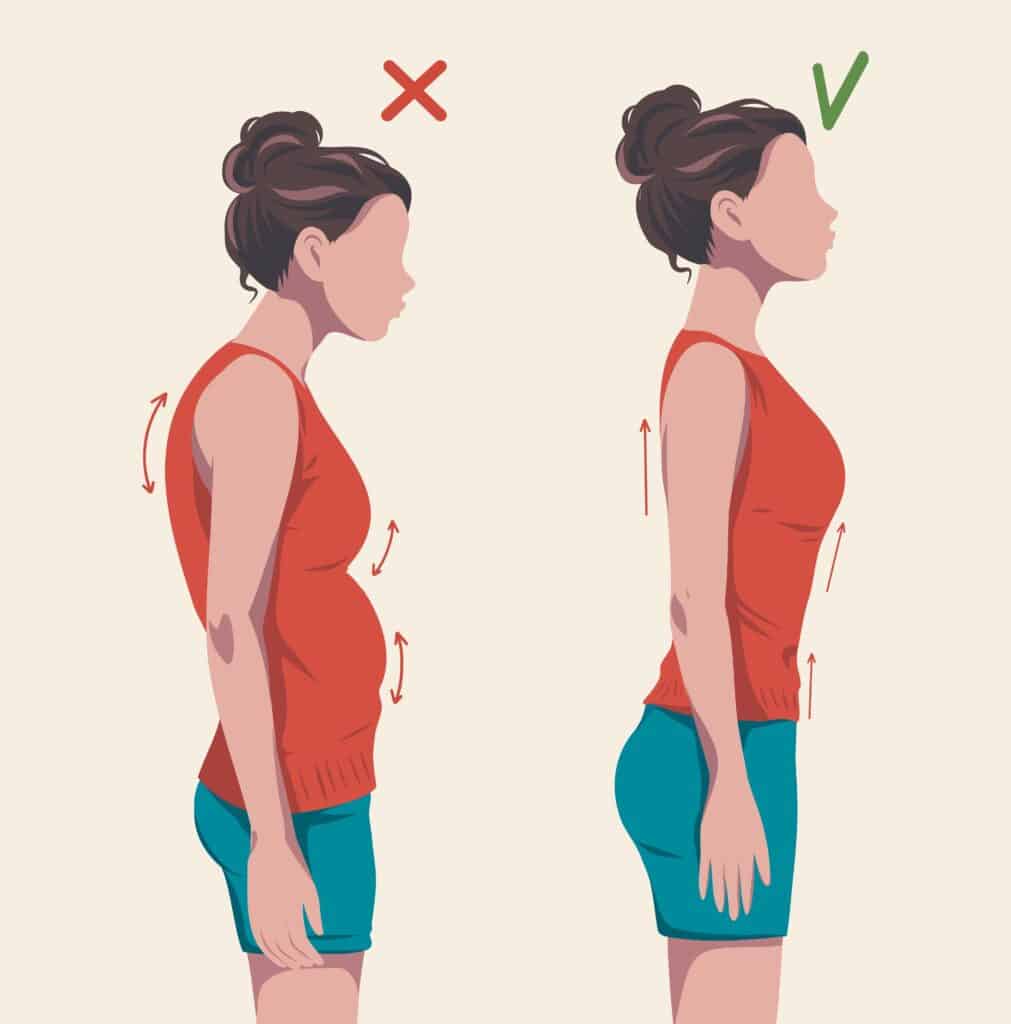
Improve Your Posture: Slouching and overarching both stress your disks and joints. Practicing a neutral spine alignment protects your back during daily tasks.
Use Better Body Mechanics: Body mechanics refers to how you move. Learning safer ways to lift, bend, and reach reduces your risk of injury.
Exercise Regularly: Strong, flexible muscles support the spine and improve posture. Aim for a balanced mix of stretching, strengthening, and cardiovascular exercise.
Reach a Healthy Weight: Excess weight increases the load on your spine and makes maintaining good posture more difficult.
Lower Stress: Emotional tension can trigger muscle spasms and intensify the perception of pain. Explore relaxation techniques, improve your sleep, or seek counseling resources.
Quit Smoking: Smoking impairs blood flow, which reduces the delivery of oxygen and nutrients to your spinal disks.
How Back Pain Is Evaluated
A thorough evaluation helps pinpoint the cause of your symptoms. Your provider will use your medical history, a physical exam, and possibly imaging or nerve tests to create a treatment plan.
Medical History: Be prepared to discuss where your pain is, whether it travels into your legs, how often it occurs, and what makes it better or worse.
Physical Exam: Your provider will check your posture, range of motion, and muscle strength. They may also test your reflexes and sensation in your legs.
Diagnostic Tests: Depending on your symptoms, your provider may order tests such as an X-ray, MRI, CT scan, or EMG (electromyography) to get a more detailed view of your spine's bones, soft tissues, and nerves.
Move Smart: Body Mechanics That Help
Using safer movement patterns protects your back at home, at work, and on the go. Practice these simple do's and don'ts.
Lifting
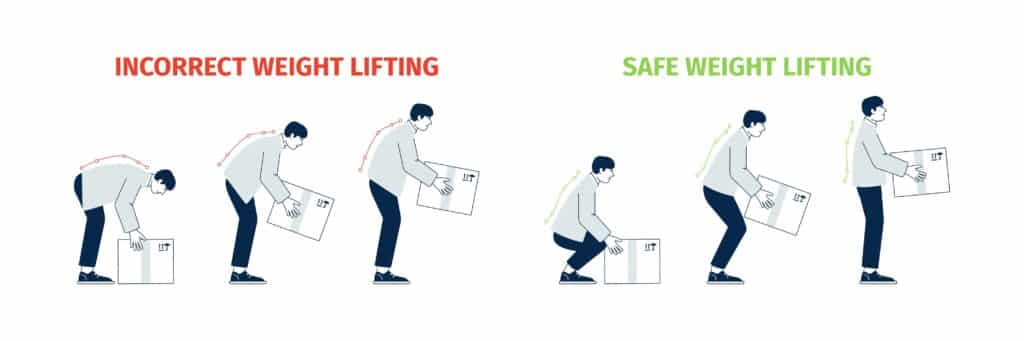
Do: Bend your knees and hips, not your back.
Do: Keep the load close to your body and lift with your strong leg muscles.
Do: Ask for help with heavy or awkward items.
Don't: Bend from the waist with straight legs.
Don't: Twist your body while lifting.
Sitting
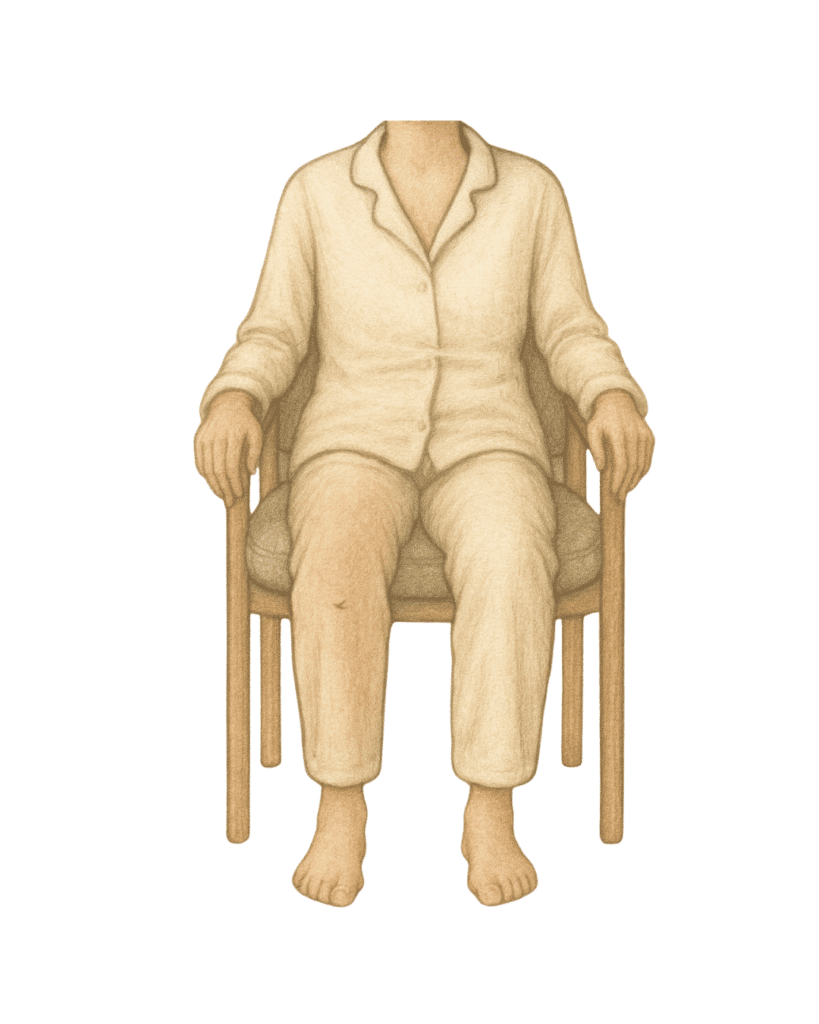
Do: Place both feet flat on the floor with knees at or slightly below hip level.
Do: Use a small lumbar roll or towel to support your lower back's natural curve.
Do: Sit back fully in the chair, not on the edge.
Don't: Slouch or lean forward without support.
Don't: Sit in one position for more than 30-60 minutes without a break.
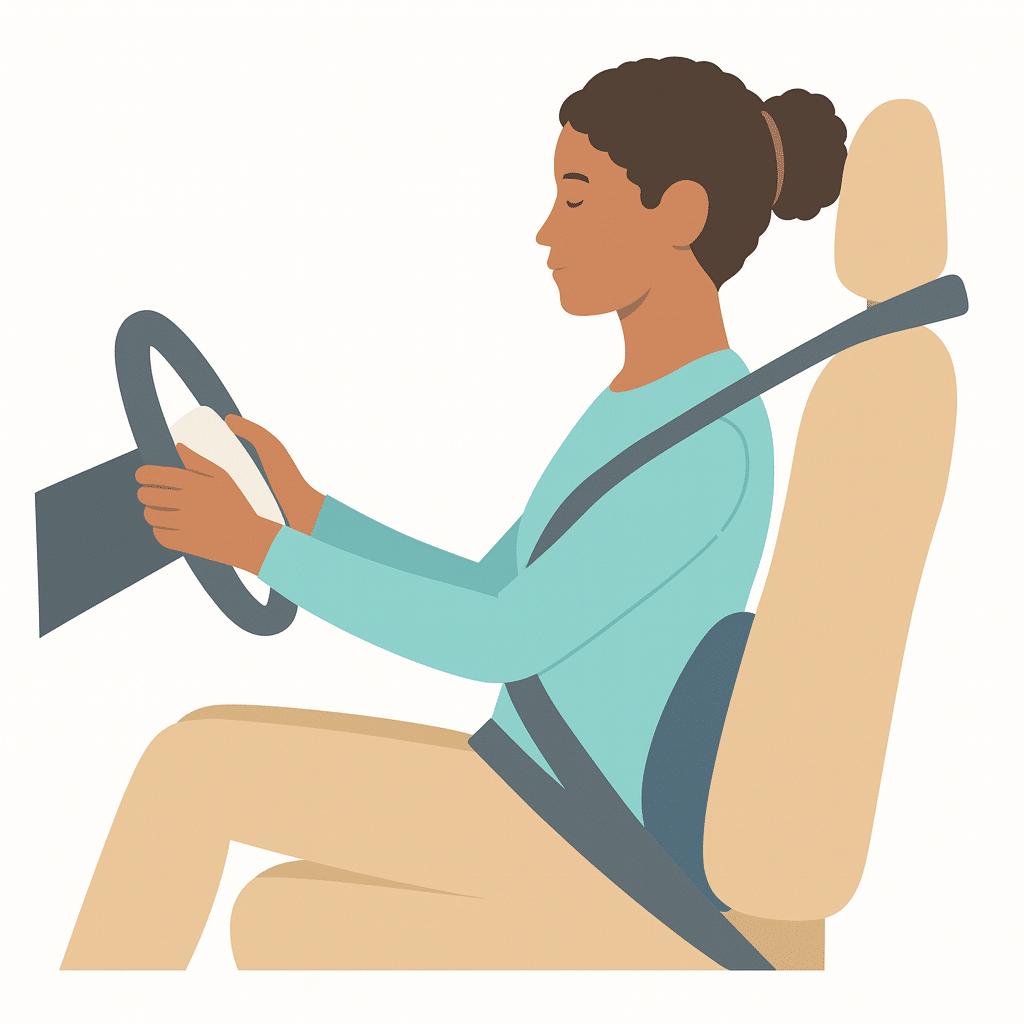
Driving
Do: Sit upright with a lumbar support and adjust your seat so you don't have to reach for the pedals or wheel.
Do: Stop to stretch on longer trips.
Do: Keep your back pockets empty to avoid tilting your pelvis.
Don't: Drive with your knees higher than your hips.
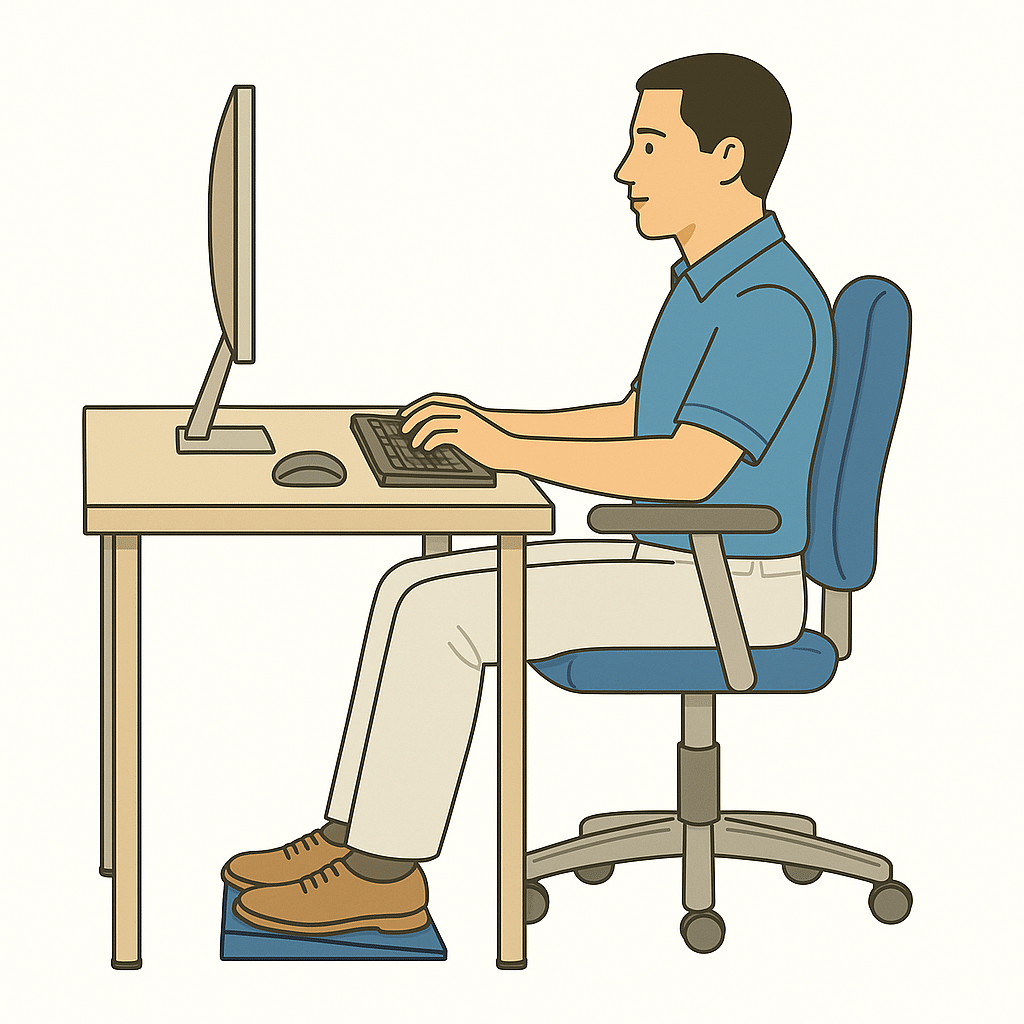
Working at a Computer
Do: Position your screen at eye level.
Do: Keep your shoulders relaxed and elbows close to your body.
Do: Use a footrest if your feet don't comfortably reach the floor.
Don't: Crane your neck forward to see the screen.
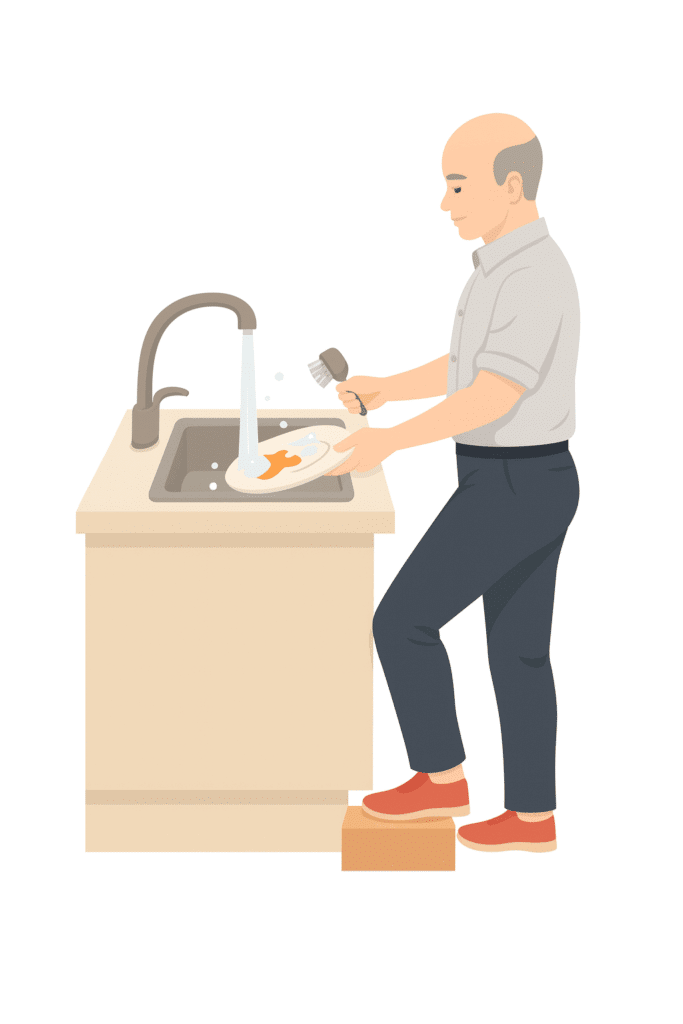
Standing or Walking
Do: Wear comfortable, low-heeled shoes.
Do: When standing for long periods, shift your weight and prop one foot on a small stool to offload your back.
Don't: Stand locked-kneed or bent forward for too long.
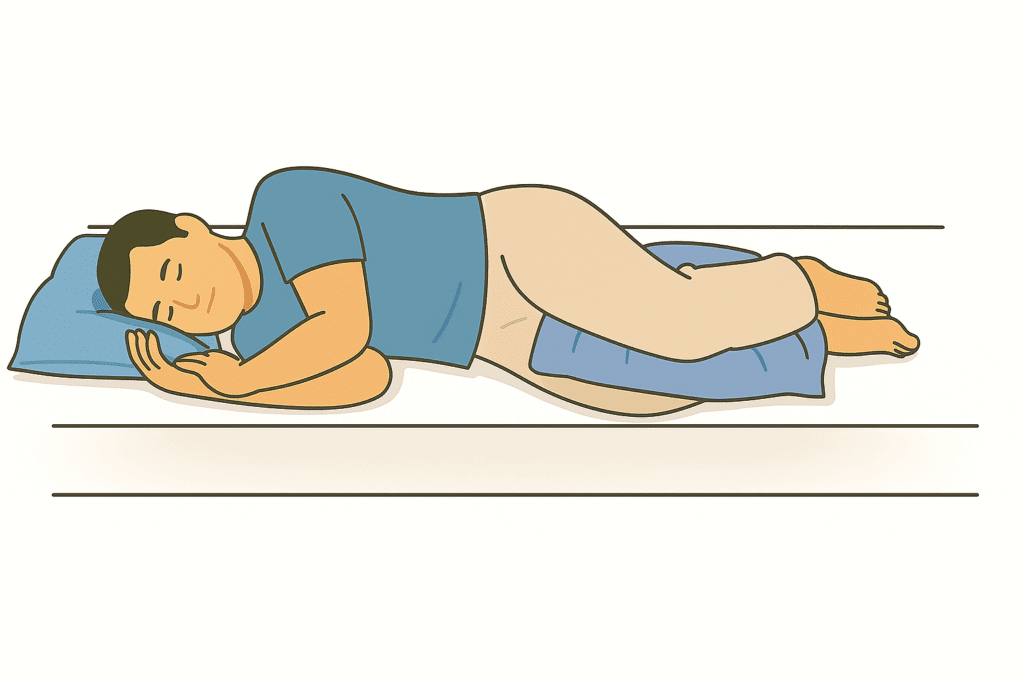
Sleeping
Do: Choose a mattress that supports your spine's natural curves.
Do: Sleep on your side with a pillow between your bent knees, or on your back with a pillow under your knees.
Don't: Sleep on your stomach, as it can strain your neck and back.
Don't: Use a mattress that is too soft or sagging.
Posture Made Simple
Good posture aligns your spine and reduces strain. To find a neutral spine, stand with your back against a wall. You should feel only a small curve in your lower back. If there's a large arch or your back is pressed flat, you are adding stress.
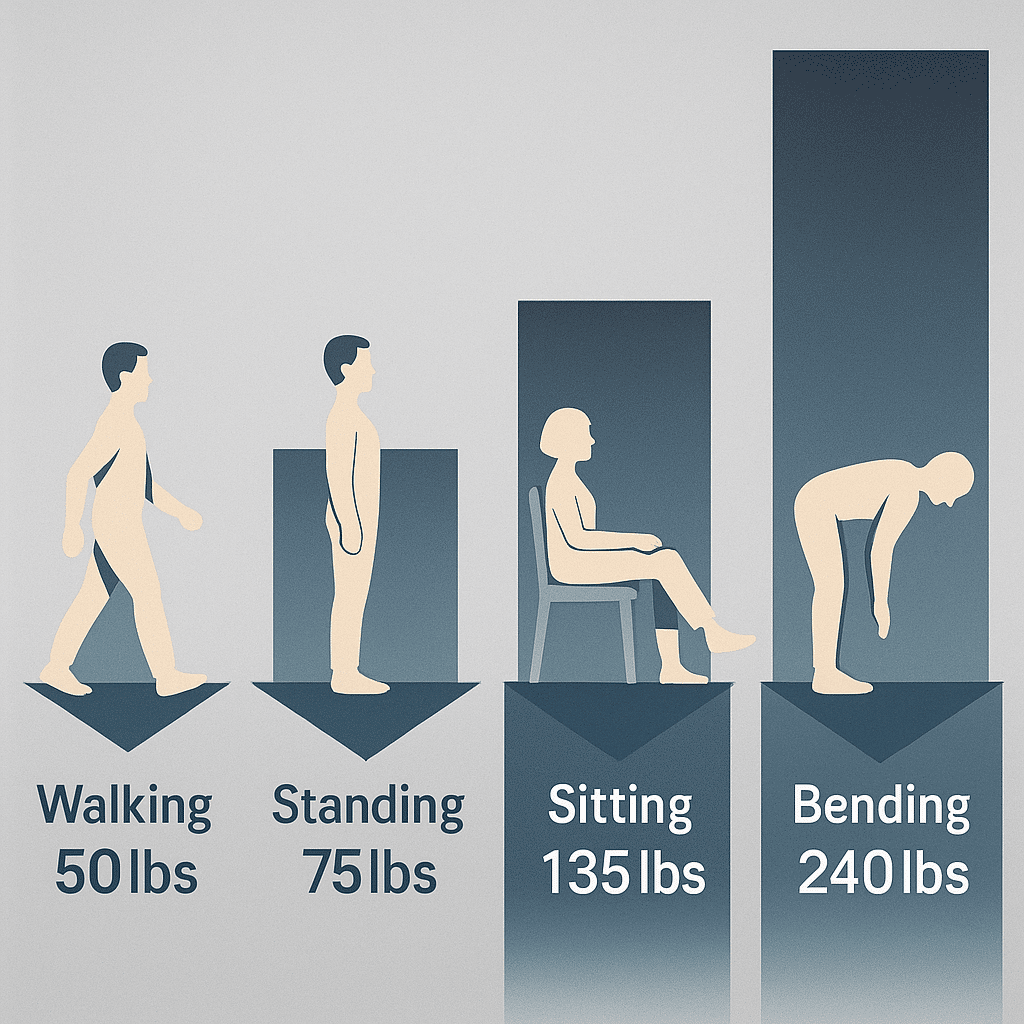
Take a deep breath, relax your shoulders, and gently tuck your pelvis until your ears, shoulders, hips, and ankles form a relatively straight line. This neutral position minimizes pressure on your disks. Remember that sitting slouched can place significantly more pressure on your back than standing tall.
Your Back Exercise Plan
The following exercises can help build strength and flexibility to support your spine. Always talk with your healthcare provider before starting a new exercise routine. Stop any movement that causes sharp back or leg pain.
Safety Tips: Warm up for 2-3 minutes before starting. Breathe continuously and avoid holding your breath. Mild muscle fatigue is normal, but sharp pain is a signal to stop.
Knee-to-Chest Raise
Lie on your back with knees bent. Gently pull one knee toward your chest until you feel a comfortable stretch in your lower back. Hold for 15-30 seconds. Repeat 2-4 times per leg.
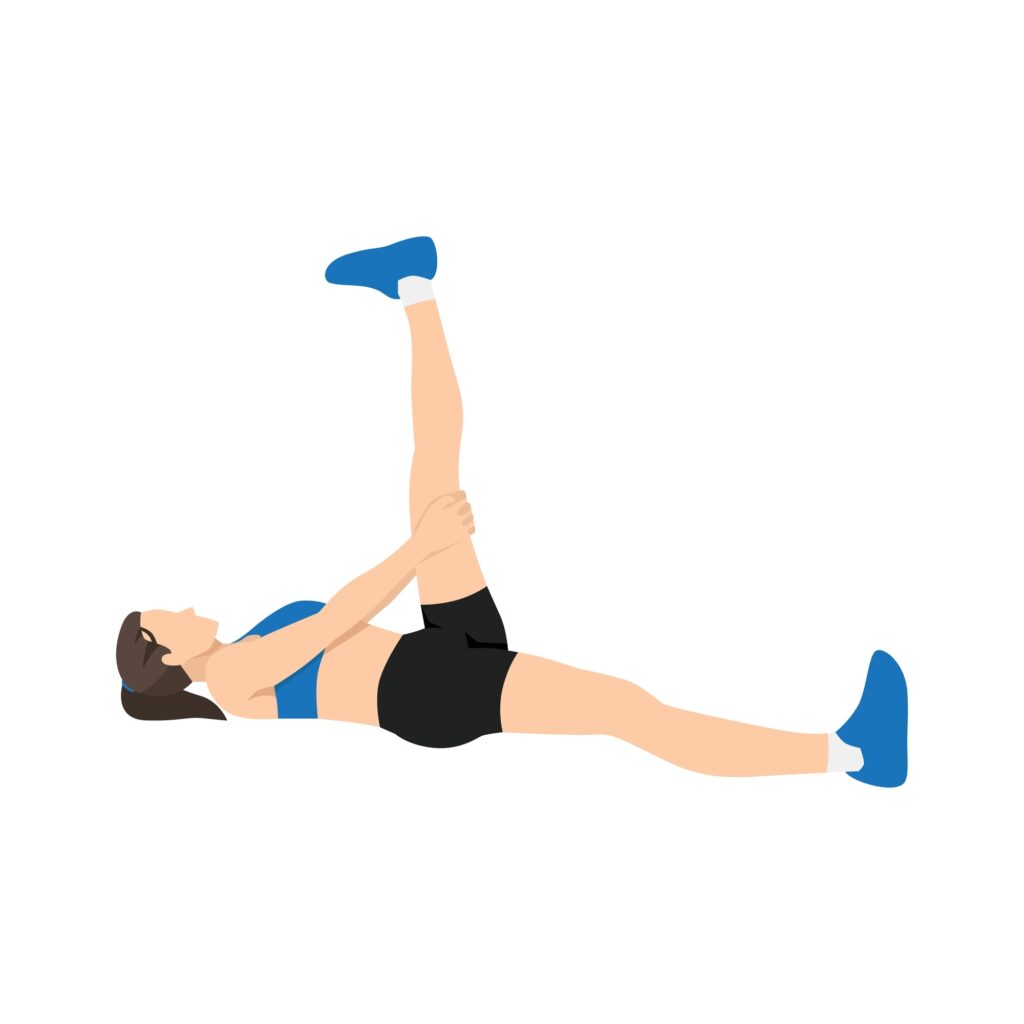
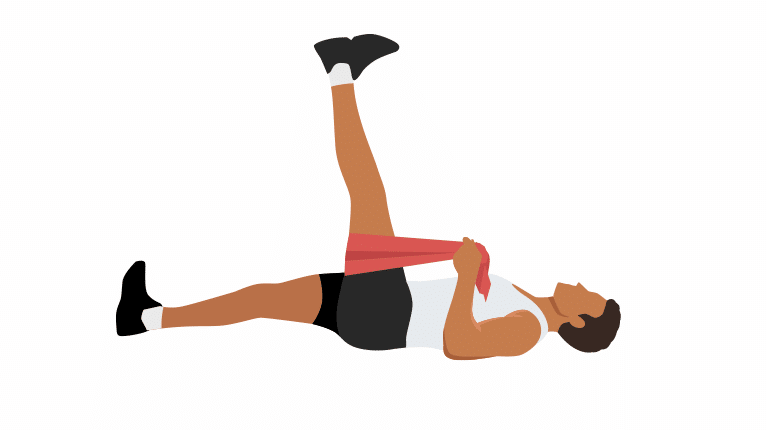
Hamstring Stretch
Lie on your back and lift one leg, holding behind your thigh. Gently straighten the knee until you feel a stretch in the back of your leg. Hold for 15-30 seconds. Repeat 2-4 times per leg.
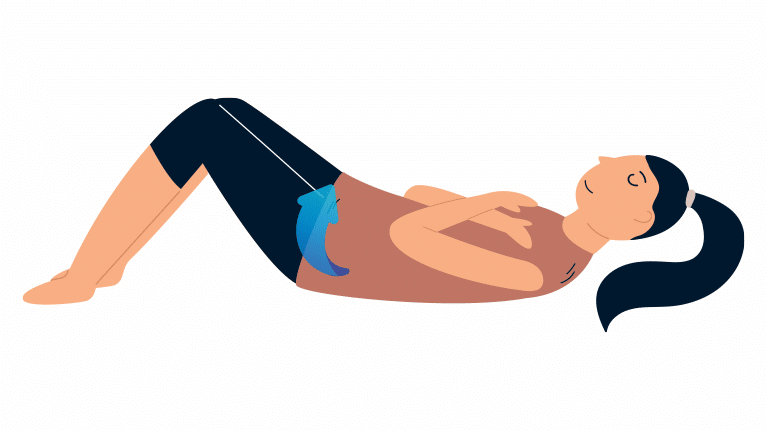
Pelvic Tilt
Lie on your back with knees bent. Tighten your abdominal muscles to gently flatten your lower back into the floor. Hold for 5-10 seconds. Repeat 8-12 times.
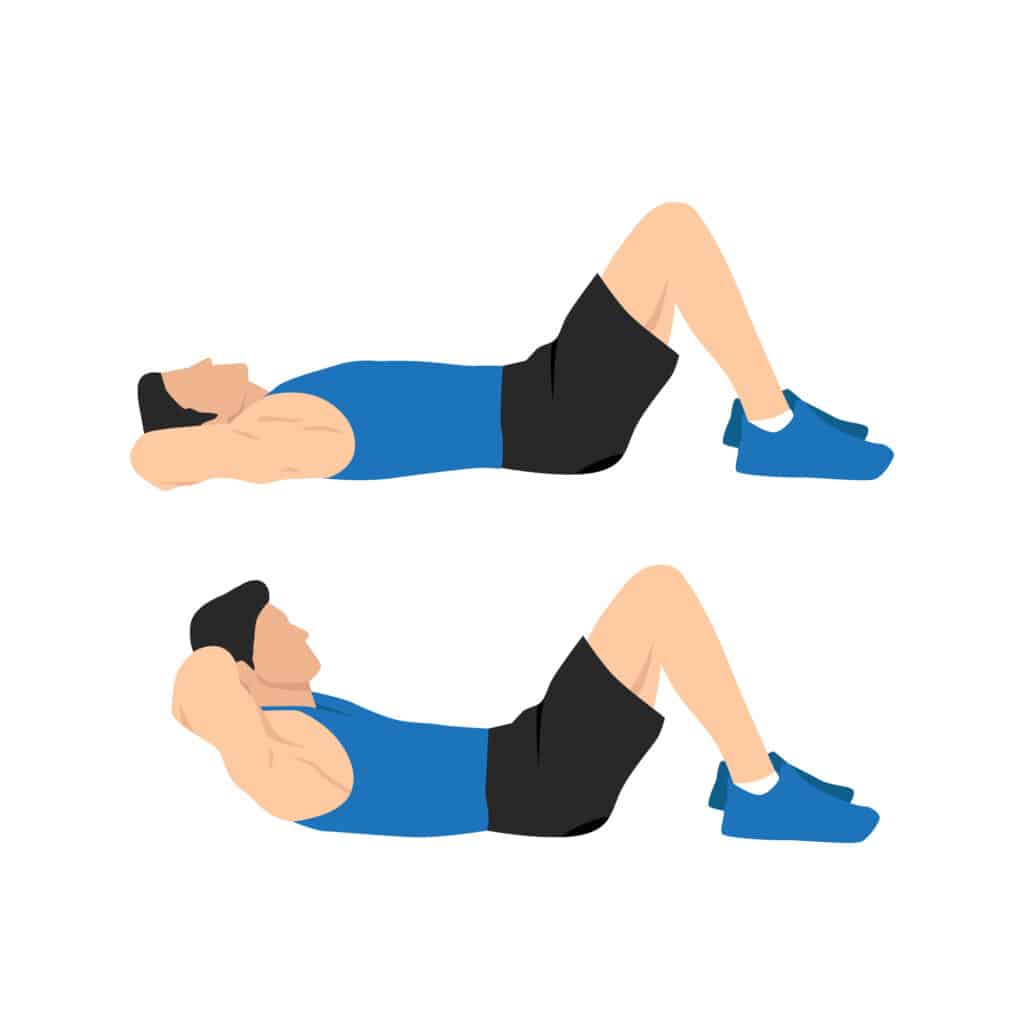
Half Sit-up
Lie on your back on the floor, arms crossed to your chest. Use your abdominal muscles to raise your head and shoulders slightly off the ground. Reach for your knees. Hold for 5-10 seconds. Relax. Repeat 8-12 times.
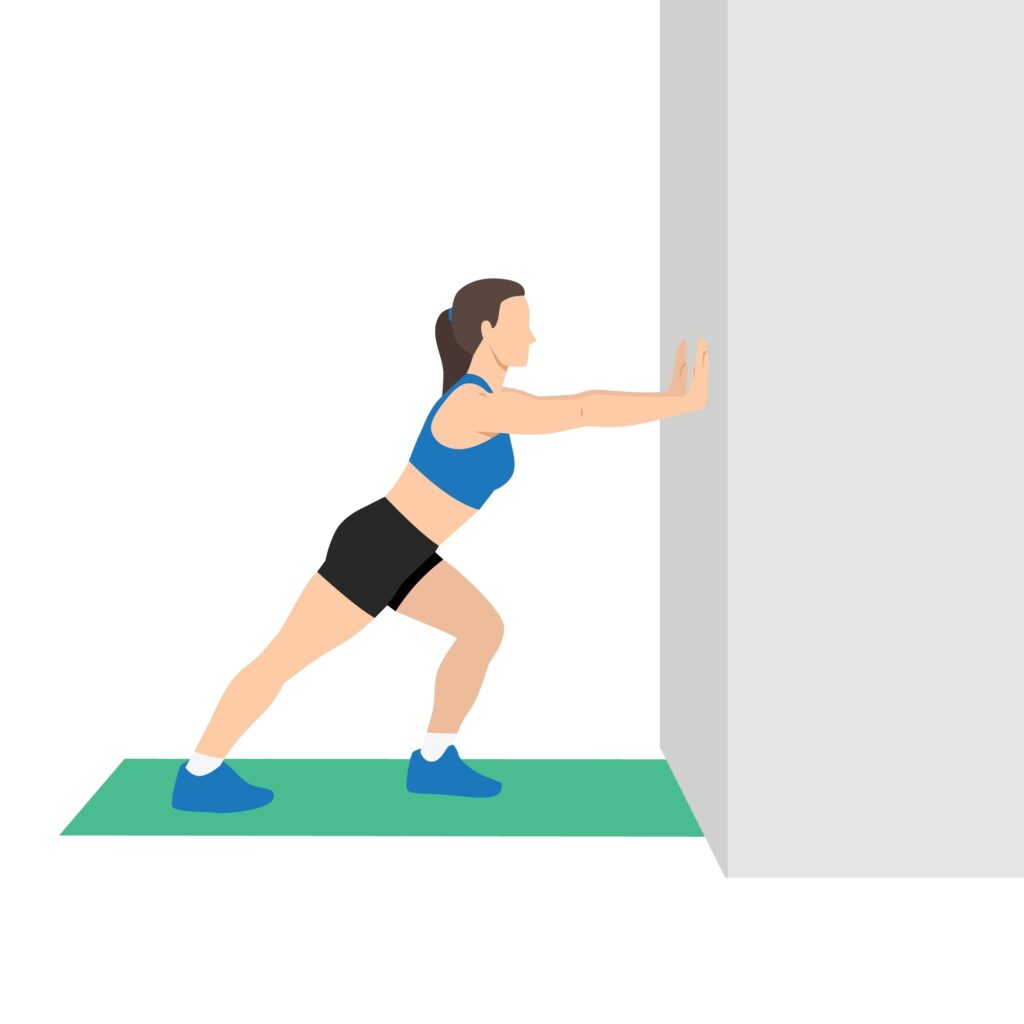
Calf Stretch
Position yourself with your arms braced against a wall. Put 1 foot about 1.5 feet behind the other. Bend your front lef while keeping both heels on the floor. Lean forward until you feel pulling in the back of your leg. Don't bounce. Hold for 5-10 seconds. Switch legs. Repeat 8-12 times.
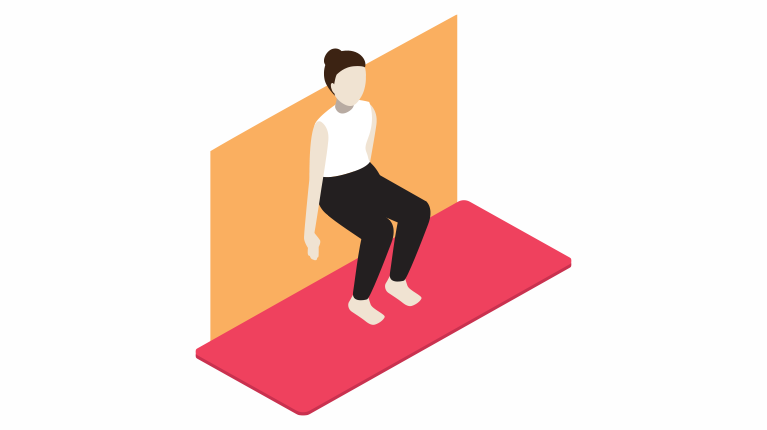
Wall Slide
Stand with your back against a wall, feet shoulder-width apart and about 12 inches from the wall. Slowly slide down until your knees are slightly bent, keeping your back on the wall. Hold for 5-10 seconds, then slide back up. Repeat 8-12 times.
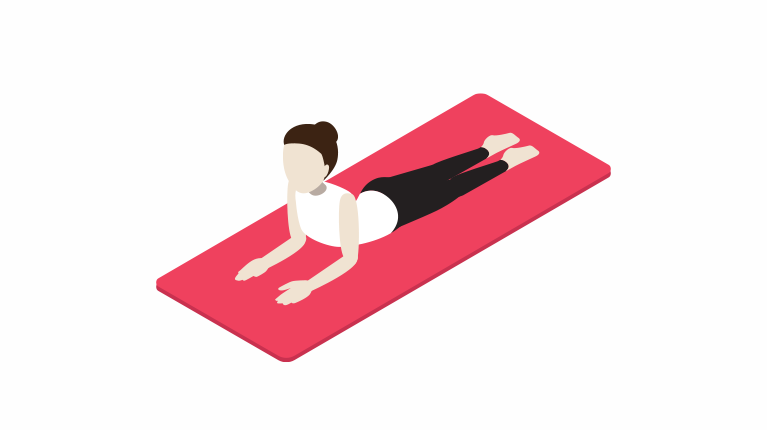
Press-Up
Lie on your stomach with hands near your shoulders. Gently press up onto your elbows, allowing your back to arch comfortably. Hold for 5-10 seconds. Repeat 8-12 times. Only perform this exercise if cleared by your provider.
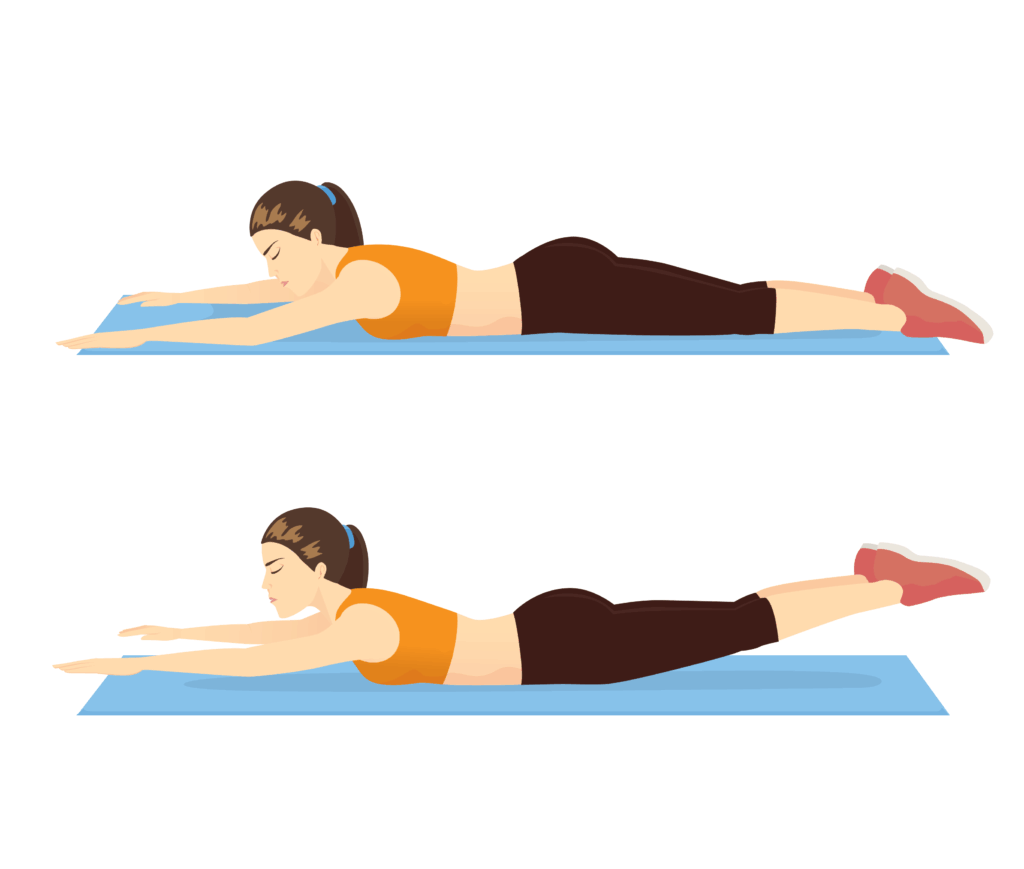
Back Extension
Lie on your stomach with hands near your shoulders. Gently press up onto your elbows, allowing your back to arch comfortably. Hold for 5-10 seconds. Repeat 8-12 times. Only perform this exercise if cleared by your provider.
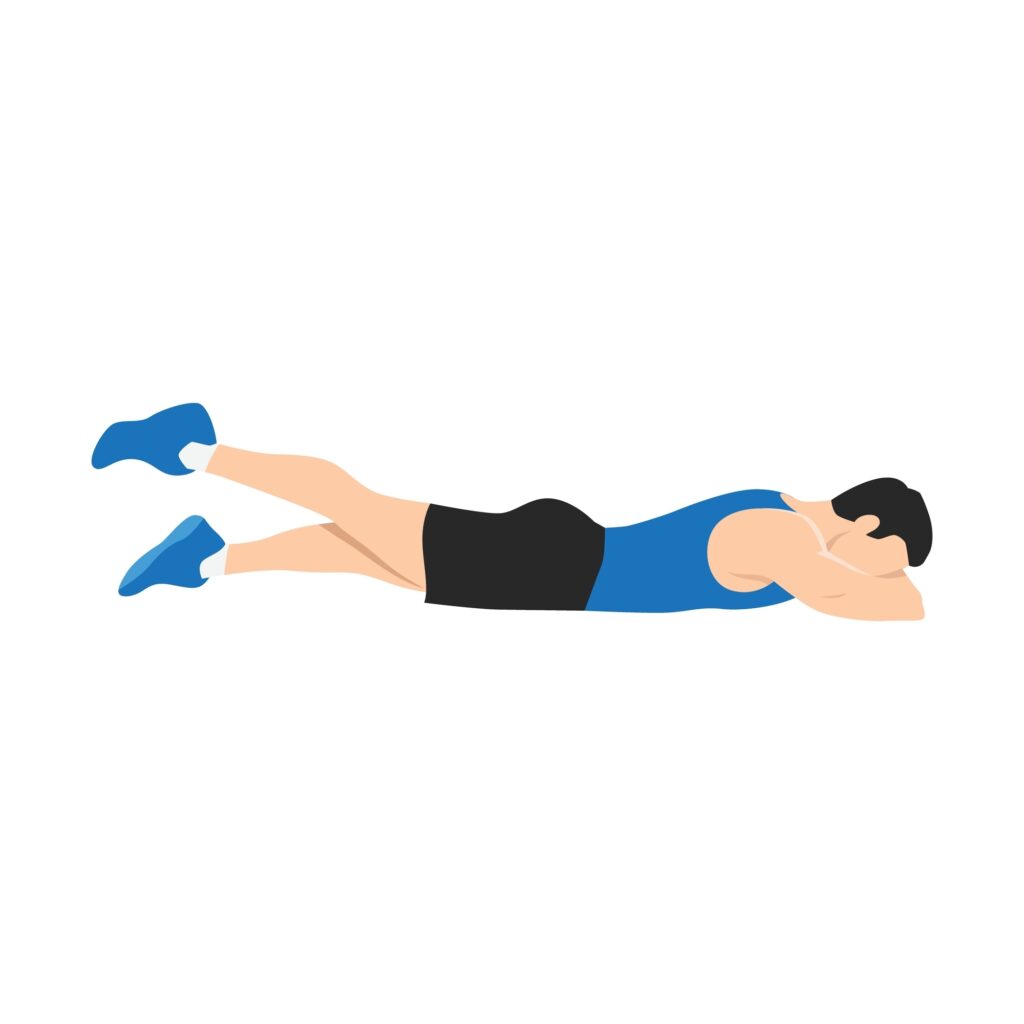
Hip Extension
Lie on your stomach with a pillow under your pelvis. Straighten your left leg and tighten your stomach and buttocks, Then slowly raise your left leg from the hip. Return your leg to the floor. Repeat 8-12 times. Switch legs.
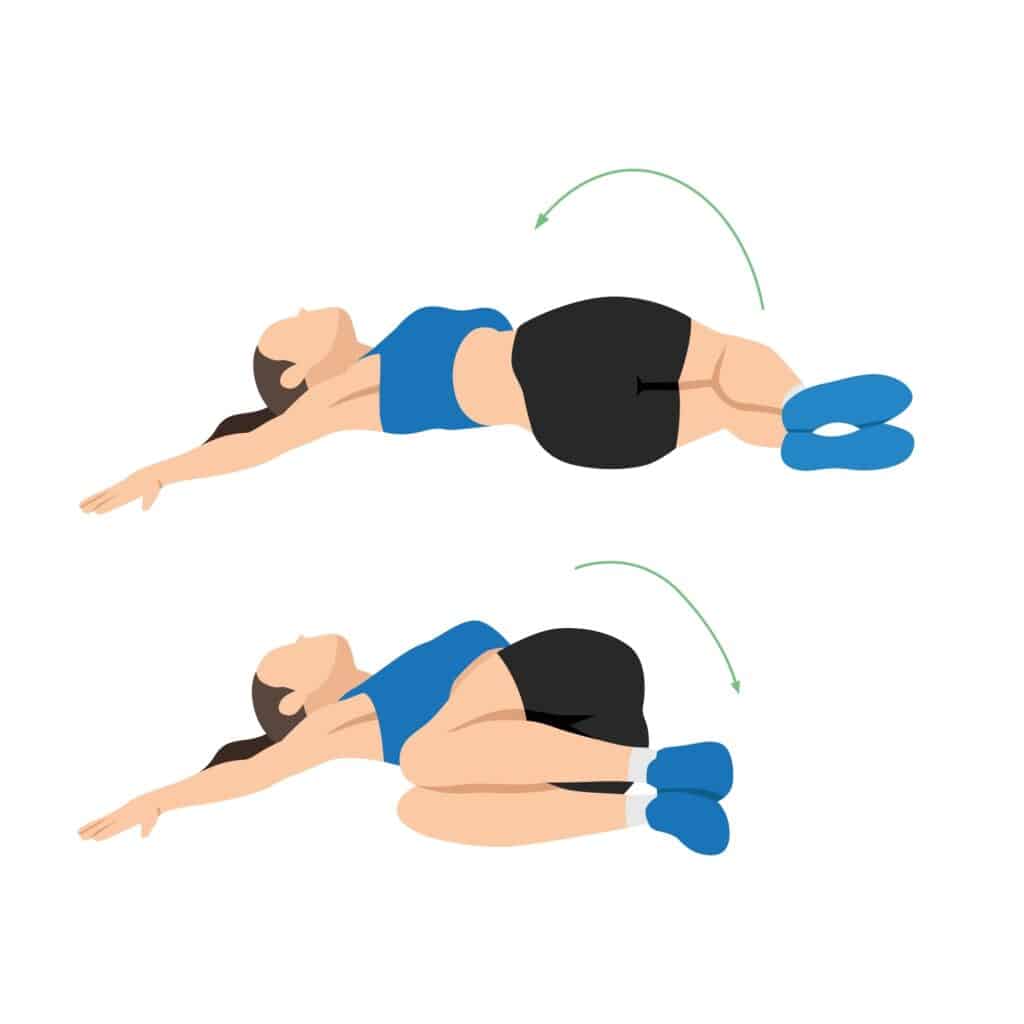
Low Back Rotation
Lie on your back with your knees bent. Extend your arms out and place your palms on the floor. Slowly drop both knees to the other side; keep your shoulders to the floor. Hold for 5-10 seconds. Return to start. Repeat 8-12 times on each side.
Simple Pain Relief Tools
Listen to your body. Discomfort is a cue to adjust your activity.
Rest Positions: When your back feels tired, try lying on your back with your calves supported on a chair or stool for up to 15 minutes to decompress your spine.
Cold and Heat: Use an ice pack wrapped in a thin towel on the sore area for 15-20 minutes to reduce inflammation, especially after an activity. Use a heating pad or warm shower for 10-15 minutes to relax tight muscles.
Over-the-Counter Medication: Anti-inflammatory drugs like ibuprofen or naproxen may help. Check with your provider before using any medication to ensure it is safe for you.
Physical Therapy: A physical therapist can provide a personalized exercise program and hands-on treatments to accelerate your recovery.
Quick Summary
Perform your recommended stretches and strengthening exercises daily.
Incorporate low-impact aerobic activities like walking, swimming, or cycling.
Always think before you lift: keep the load close and use your legs.
Maintain good posture while sitting, standing, and driving.
Take frequent breaks to stand and stretch if you have a desk job.
Reach and maintain a healthy weight to reduce strain on your spine.
If you smoke, ask your provider for resources to help you quit.
Communicate with your healthcare provider about any ongoing concerns.
Have Questions?
If you have any questions or concerns, please contact one of our offices. This information is provided solely for educational purposes and is not a substitute for personalized medical advice. For detailed advice please contact us at (609) 924-8131, text us at (609) 757-9992 or send us a message via our contact form.