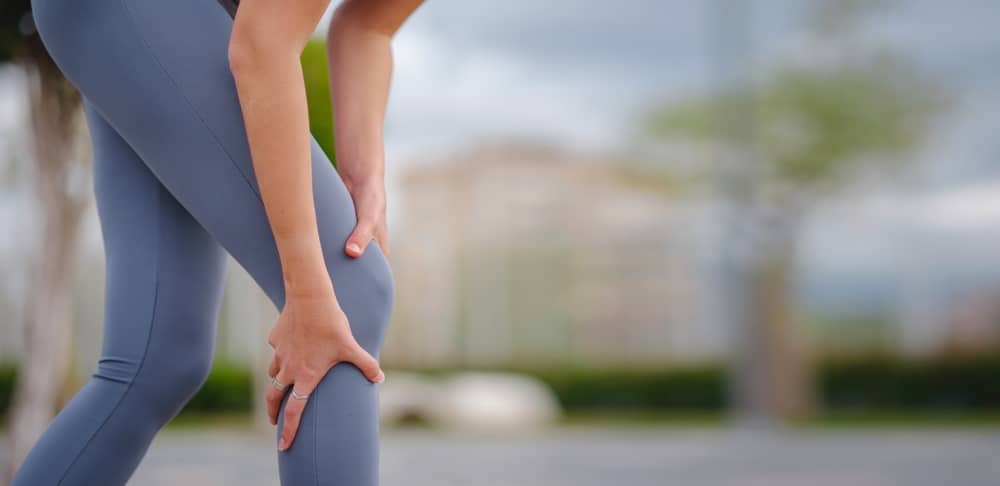
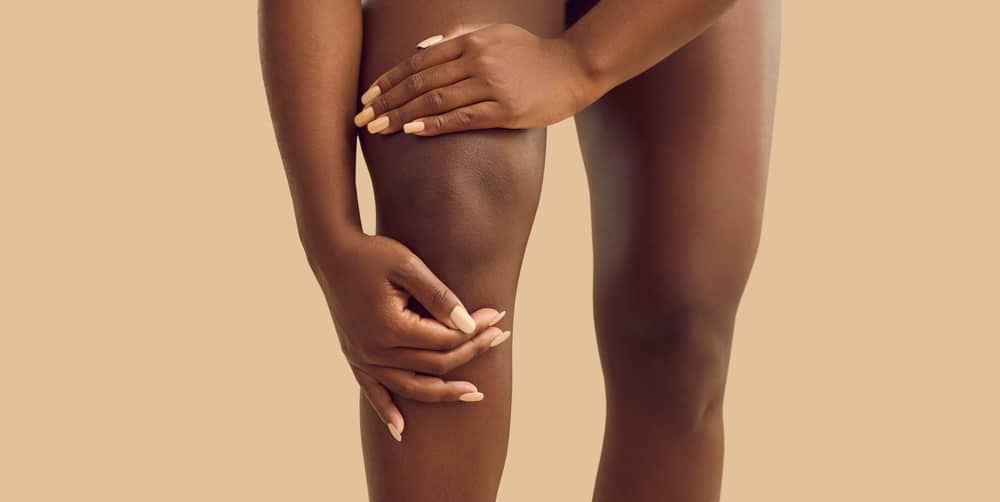
Your knees are involved in nearly every move you make—walking, squatting, and even just sitting down. When they hurt, daily life can become a challenge. If you're experiencing knee pain, you're not alone, and effective help is available. This guide explains common knee problems, what causes them, and the steps you can take toward recovery.
Common Symptoms to Watch For
Pain: Can range from a dull, persistent ache to a sharp, sudden pain.
Swelling: Caused by irritated tissues or fluid buildup in or around the joint.
Instability: A feeling of catching, locking, or giving way may point to a torn ligament or loose cartilage.
Stiffness: Limited motion that can result from injury, inflammation, or wear and tear.
Noises: Grinding, cracking, or popping sounds related to rough cartilage surfaces or other structures.
Most knee issues can be improved without surgery. Many care plans focus on practical steps you can take at home and during everyday activities. Partner with your healthcare provider to create a plan that fits your life, goals, and activities.
How Your Knee is Evaluated
A thorough evaluation is key to pinpointing the cause of your pain and guiding treatment. Depending on the findings, your care team may include a physical therapist or an orthopedic surgeon.
Medical History
Your provider will ask where your knee hurts, how intense the pain is, and when it occurs. Be ready to share details about any injuries or events that might have triggered your symptoms, such as a twist, fall, or awkward landing. You'll also review your history of knee problems and your typical activity level, including sports or demanding work tasks.
Physical Exam
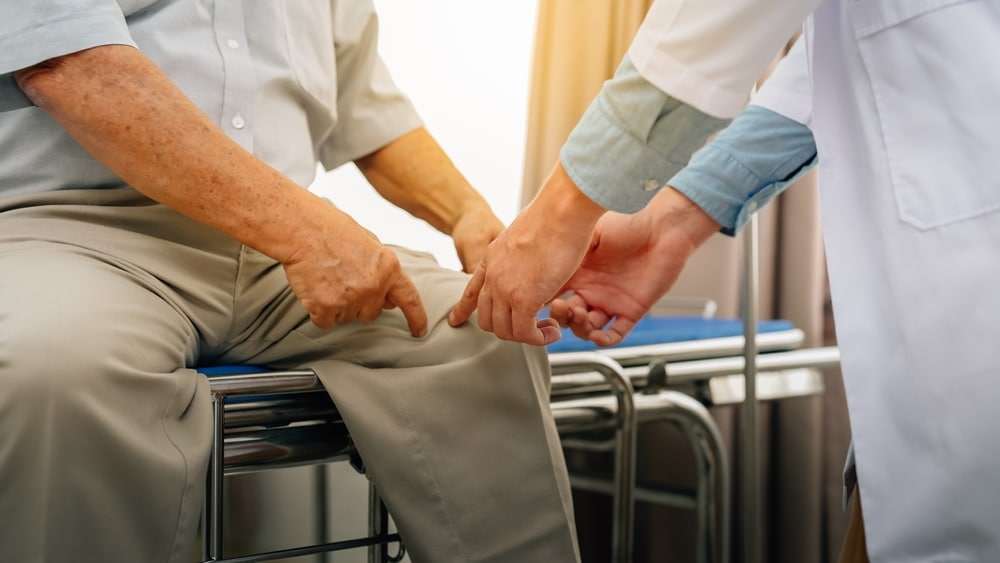
Your provider will check for tenderness, swelling, warmth, and bruising. They will move your knee through its range of motion to assess stability and function. You may be asked to walk, squat, or crouch to see how the joint performs under load. These findings help determine which tests or treatments are needed next.
Diagnostic Tests
Imaging Tests: X-ray, MRI, or CT scans can provide detailed views of bones, cartilage, tendons, and ligaments.
Blood Tests: Occasionally used to screen for or diagnose certain types of arthritis.
Aspiration: If infection, gout, or severe inflammation is suspected, a thin needle may be used to remove fluid from the knee for analysis.
Inside the Knee: A Quick Anatomy Tour
The knee is the body's largest joint, designed to bend, straighten, and rotate thousands of times a day while bearing your body weight. Its complex design makes it powerful but also vulnerable to injury.
Bones and Cartilage
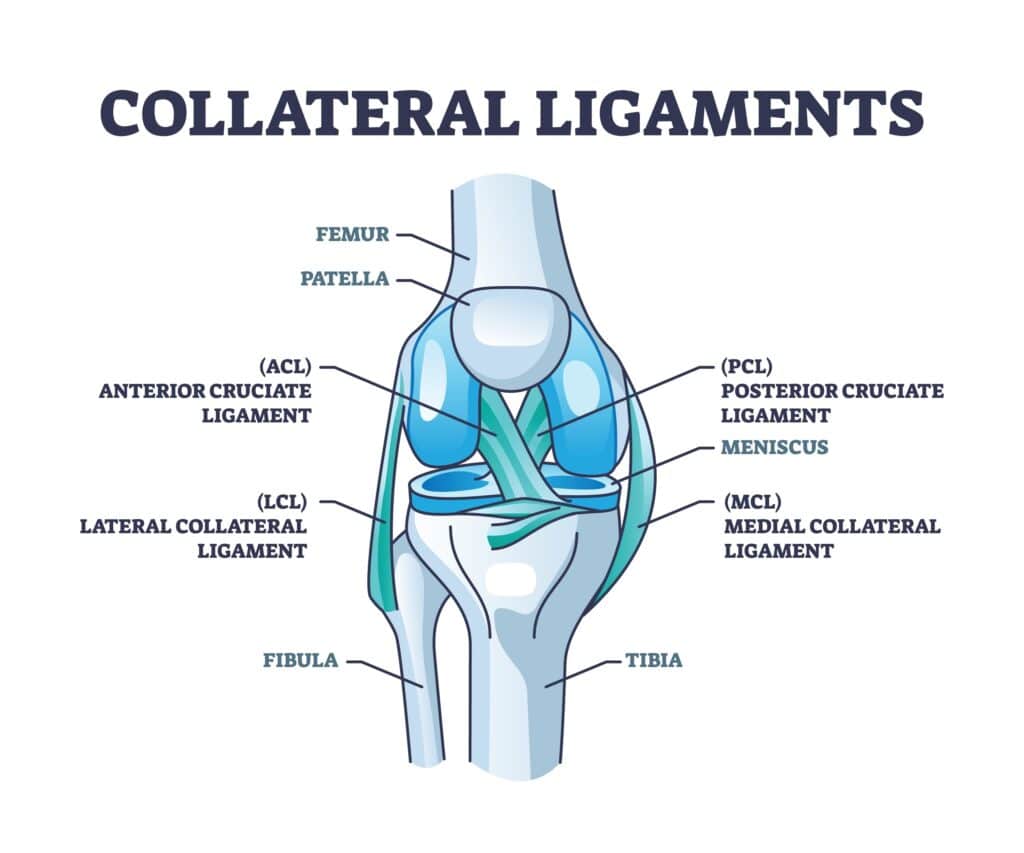
Bones: The knee joint is formed where three bones meet: the femur (thighbone), tibia (shinbone), and patella (kneecap). The fibula, the smaller bone in the lower leg, is located next to the tibia but is not part of the main knee joint.
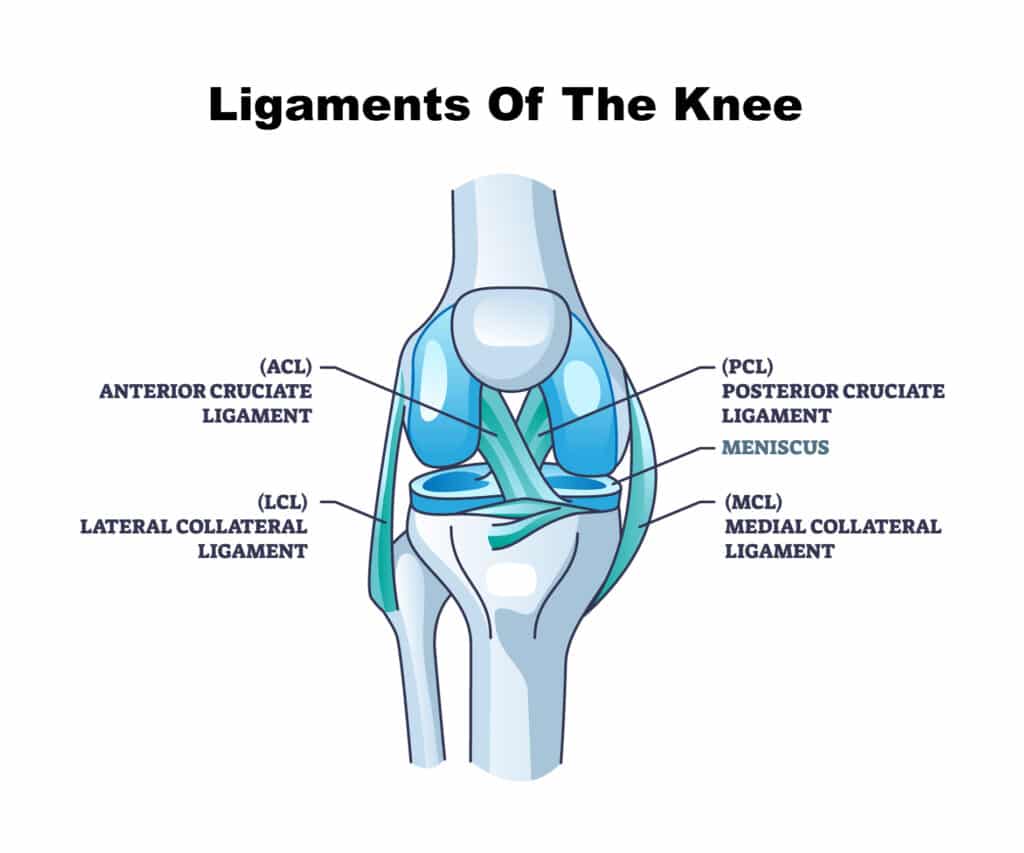
Cartilage: This smooth, tough tissue covers the ends of the bones, absorbing shock and allowing them to glide effortlessly. The knee has two key types: articular cartilage coats the joint surfaces, and the meniscus acts as a C-shaped, rubbery shock absorber between the femur and tibia.
Soft Tissues That Stabilize and Move the Joint
Ligaments: These strong bands connect bone to bone, providing stability. Key ligaments include the ACL and PCL (inside the knee) and the MCL and LCL (along the sides).
Tendons: Tendons connect muscle to bone. The quadriceps tendon and patellar tendon work together to straighten the knee.
Muscles: The quadriceps (front of the thigh) and hamstrings (back of the thigh) are the primary muscles that power knee movement.
Bursae: These small, fluid-filled sacs reduce friction, allowing tendons and ligaments to glide smoothly. Common examples include the prepatellar bursa (in front of the kneecap) and the pes anserine bursa (on the inner side of the knee).
Common Causes: Overuse and Wear
Many knee problems develop from doing too much, too often, or too soon (overuse) or from gradual damage that accumulates over time (wear and tear).
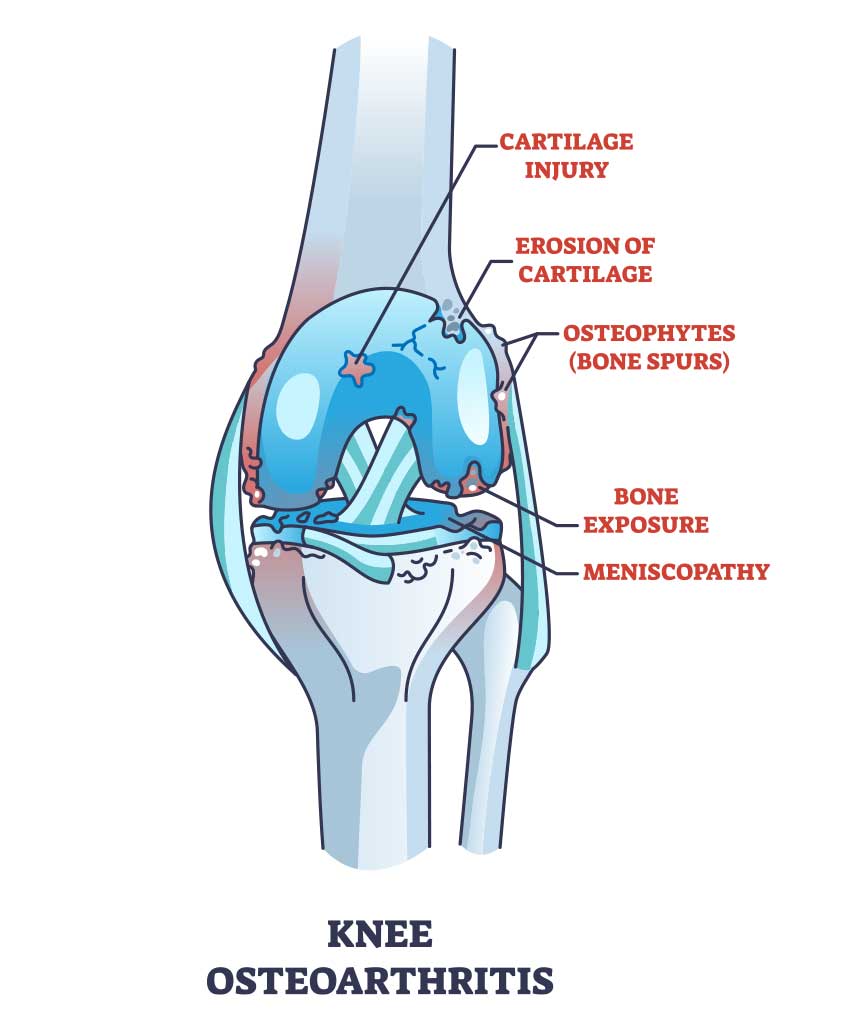
Osteoarthritis
In osteoarthritis, the smooth articular cartilage gradually wears away, leading to bone-on-bone friction. It is often linked to aging, previous injuries, or excess body weight. Common signs include:
Pain after activity or after long periods of sitting.
Stiffness, especially in the morning.
Warmth, swelling, and grinding sensations.
Bursitis
Bursitis is the inflammation of a bursa, often caused by repetitive pressure or a direct blow. You might notice:
Pain with movement or when pressing on the area.
Visible, soft swelling.
Warmth and redness over the affected bursa.
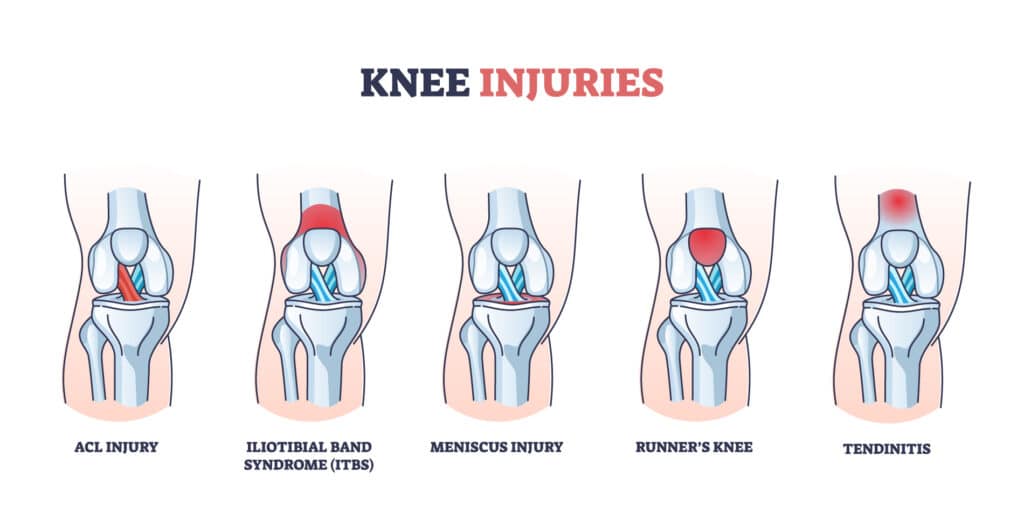
Runner's Knee (Patellofemoral Pain)
This condition involves irritation of the cartilage beneath the kneecap or the surrounding soft tissues. It often develops from repetitive activities, misalignment of the kneecap, or muscle imbalances. Symptoms include:
Dull, aching pain in the front of the knee, especially with running, climbing stairs, or prolonged sitting.
Mild swelling or a grinding sensation.
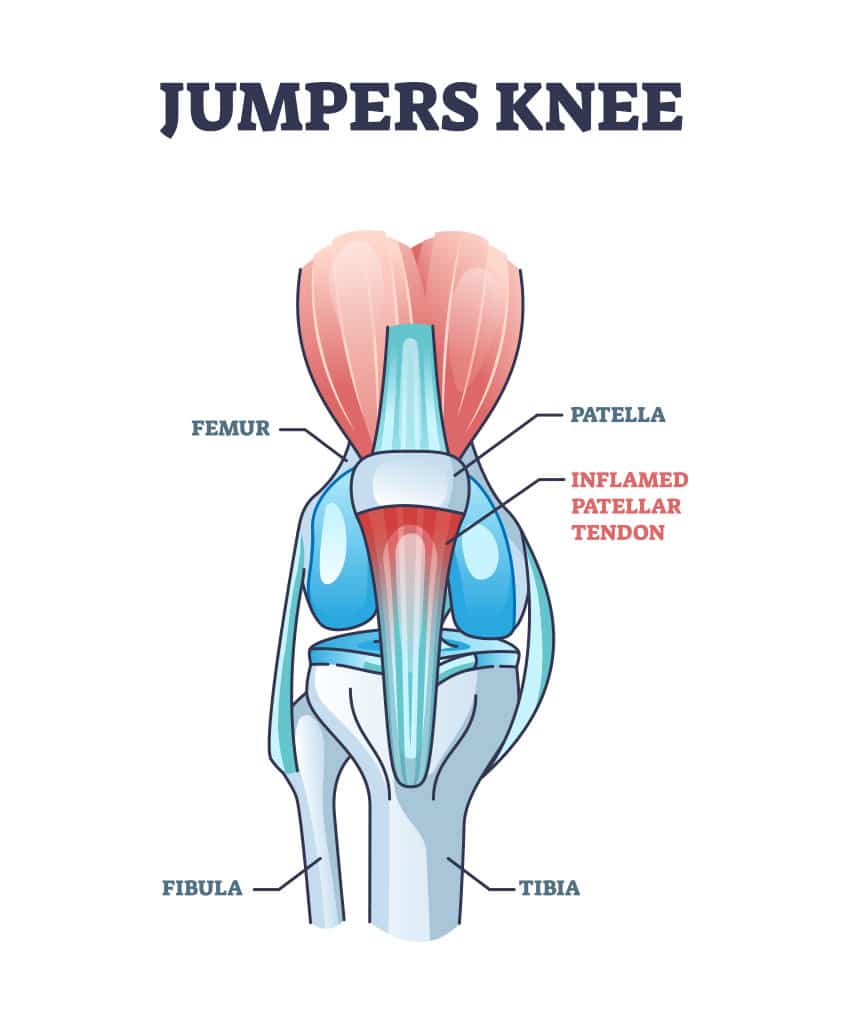
Jumper's Knee (Patellar Tendonitis)
This is an inflammation or injury to the patellar tendon, which connects the kneecap to the shinbone. It's common in sports involving frequent jumping. Symptoms include:
Pain directly below the kneecap.
Pain that worsens with activity like running or jumping.
Knee Injuries: Sudden Damage
A sudden twist, an awkward landing, or a direct impact can cause acute injuries during sports or daily life.
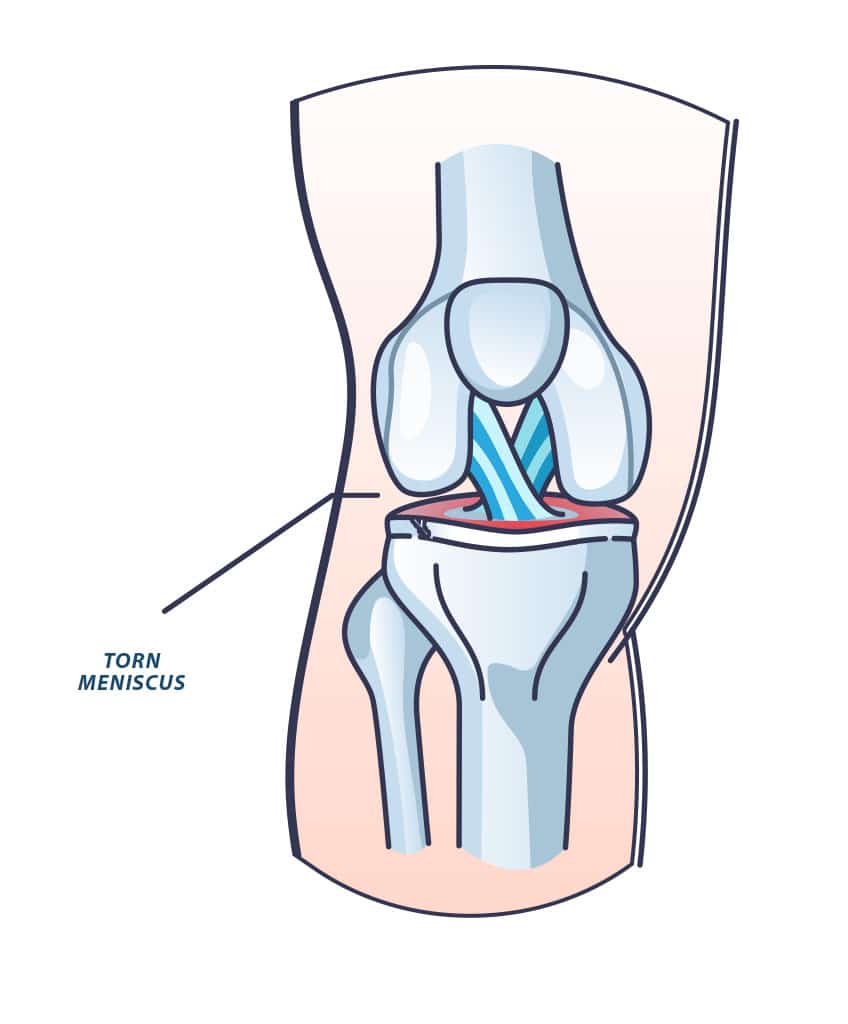
Meniscus Tears
The meniscus can tear during forceful twisting motions or from degenerative wear over time. You may experience:
A "pop" at the time of injury.
Pain, swelling, and stiffness.
Locking, catching, or a feeling that the knee is giving way.
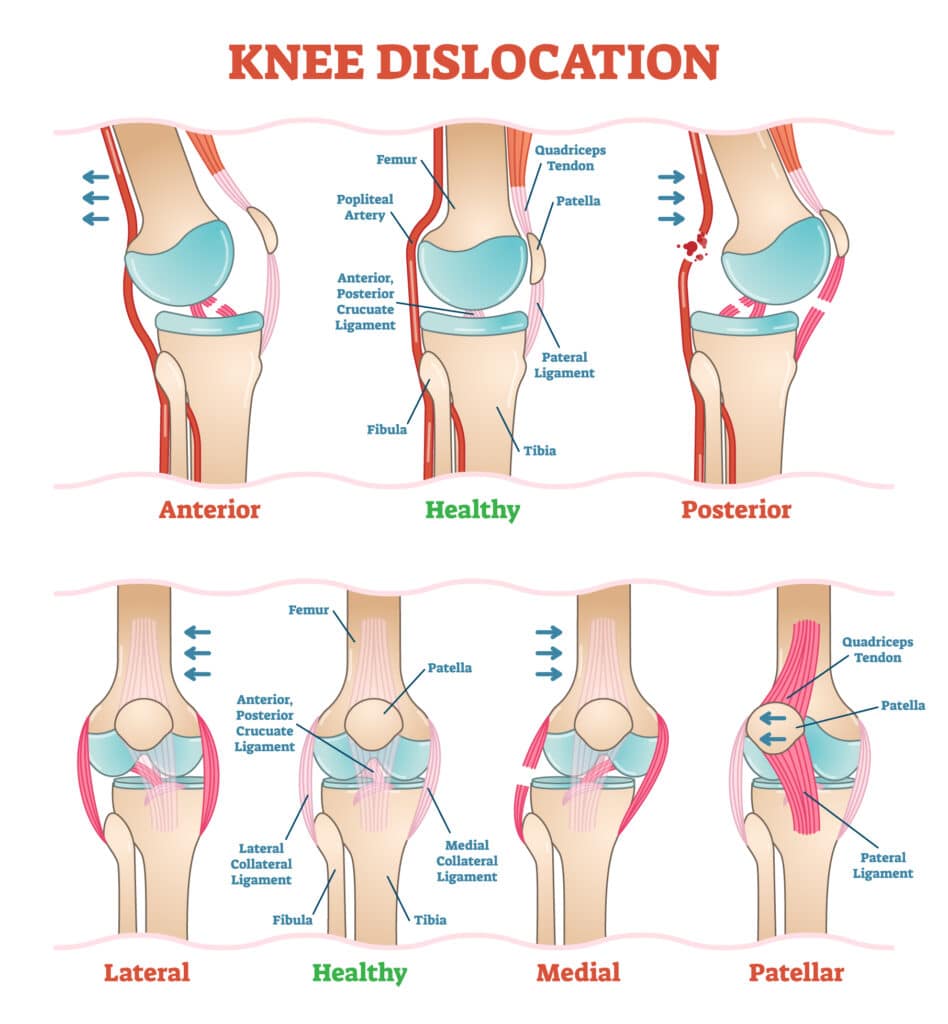
Dislocated Kneecap (Patellar Dislocation)
The kneecap can slip out of its groove, often from a sudden change in direction or a direct blow. Signs include:
Severe pain and immediate swelling.
A visible deformity where the kneecap is out of place.
Difficulty straightening the knee.
Ligament Sprains
Ligaments can be stretched or torn. The most common sprains involve:
MCL (Medial Collateral Ligament): Often injured by a blow to the outer side of the knee.
ACL (Anterior Cruciate Ligament): Typically tears during a sudden pivot, stop, or change in direction.
Symptoms often include a popping sound, significant pain and swelling, and a feeling of instability or buckling.
Fractures and Joint Dislocations
Severe trauma can cause a bone to break or the entire joint to dislocate (where the femur and tibia are forced out of alignment). These are medical emergencies requiring immediate attention and often surgery. Warning signs include severe pain, deformity, and inability to bear weight.
Building Your Treatment Plan
Many knee problems respond well to simple, conservative measures, especially when started early. Work with your provider to develop a plan that is right for you.
Start with RICE
Rest: Avoid activities that cause pain to allow tissues to heal.
Ice: Apply a cold pack for 15-20 minutes every 2-4 hours to reduce pain and swelling.
Compression: Use an elastic wrap to control swelling, ensuring it's snug but not tight.
Elevation: Raise your knee above your heart whenever possible.
Medicines That May Help
Oral Medicines: Over-the-counter anti-inflammatories like ibuprofen or naproxen can reduce pain and swelling. Ask your provider what's safe for you.
Injections: Corticosteroid injections can calm inflammation, while hyaluronic acid can help lubricate the joint.
Topical Treatments: Creams or gels containing anti-inflammatory or pain-relieving ingredients can be applied directly to the skin.
Physical Therapy
A physical therapist can design a personalized program to restore motion, build strength in the muscles supporting your knee, and improve function. Therapy may also include hands-on techniques and modalities to reduce pain.
Procedures and Surgery
If symptoms don't improve, your provider may discuss more advanced options:
Arthroscopy: A minimally invasive procedure using a small camera to diagnose and repair damaged tissues like a torn meniscus or ACL.
Ligament Reconstruction: A torn ligament (most commonly the ACL) is rebuilt using a graft from another tendon.
Knee Replacement: Damaged bone and cartilage surfaces are replaced with artificial components. This is a major surgery reserved for severe, end-stage arthritis.
Knee Exercises: Stretch and Strengthen Safely
The right exercises can help your knee heal, improve function, and lower the risk of future problems. Always get approval from your provider or physical therapist before starting a new routine.
General Tips for Exercise
Warm up with 5-10 minutes of light cardio, like walking.
Start slowly and progress gradually.
Stop any exercise that causes sharp or worsening pain.
Stretches
Talk with your provider about hold times and repetitions.
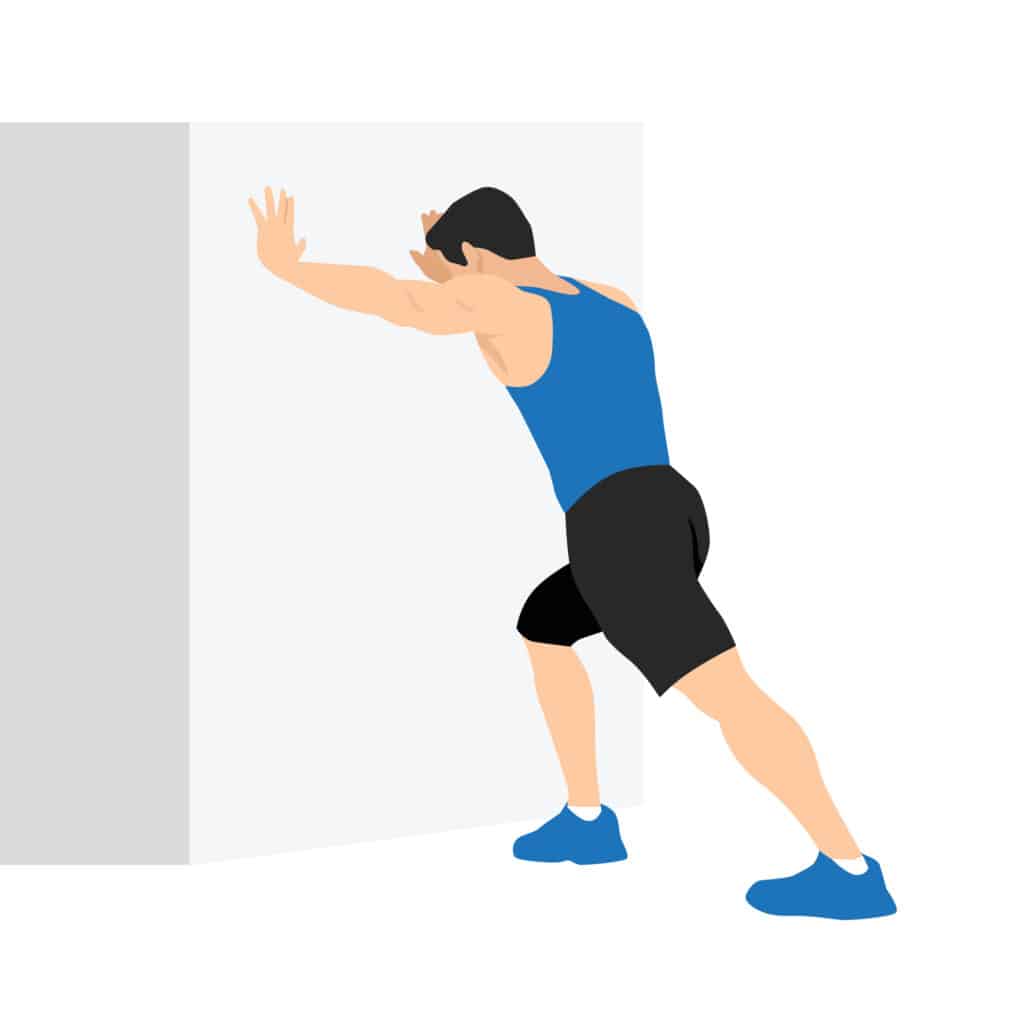
Calf Stretch
Stand facing a wall with your hands on it for support.
Place the leg you want to stretch about a foot and a half behind your other leg, keeping both feet flat on the floor and pointing forward.
Bend your front knee while keeping your back leg straight until you feel a gentle stretch in your calf.
Hold for [__] seconds. Repeat [__] times.
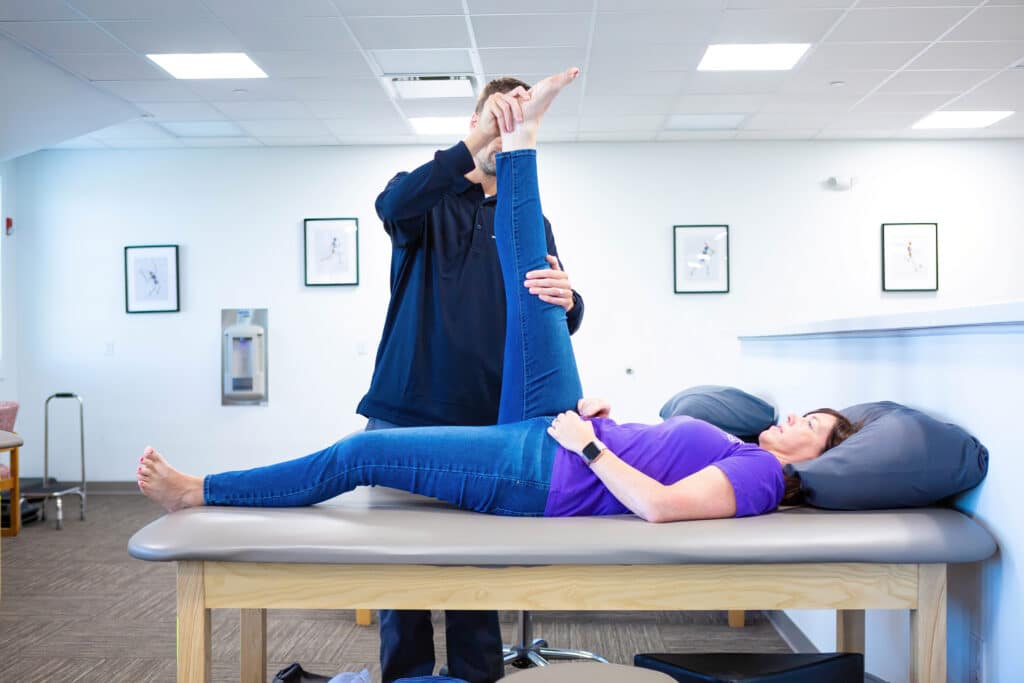
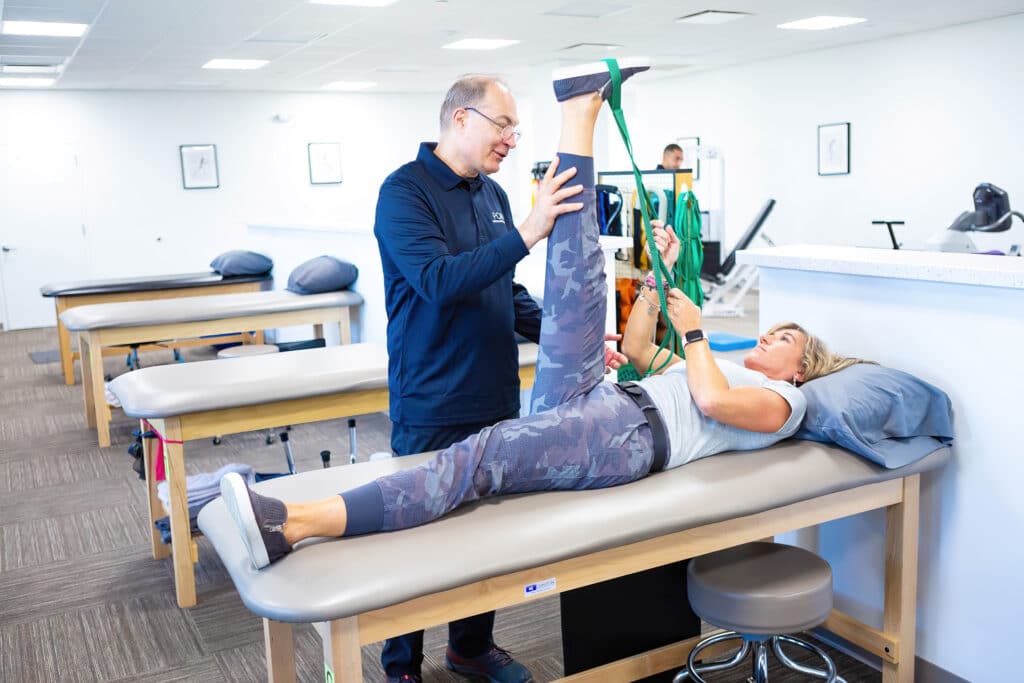
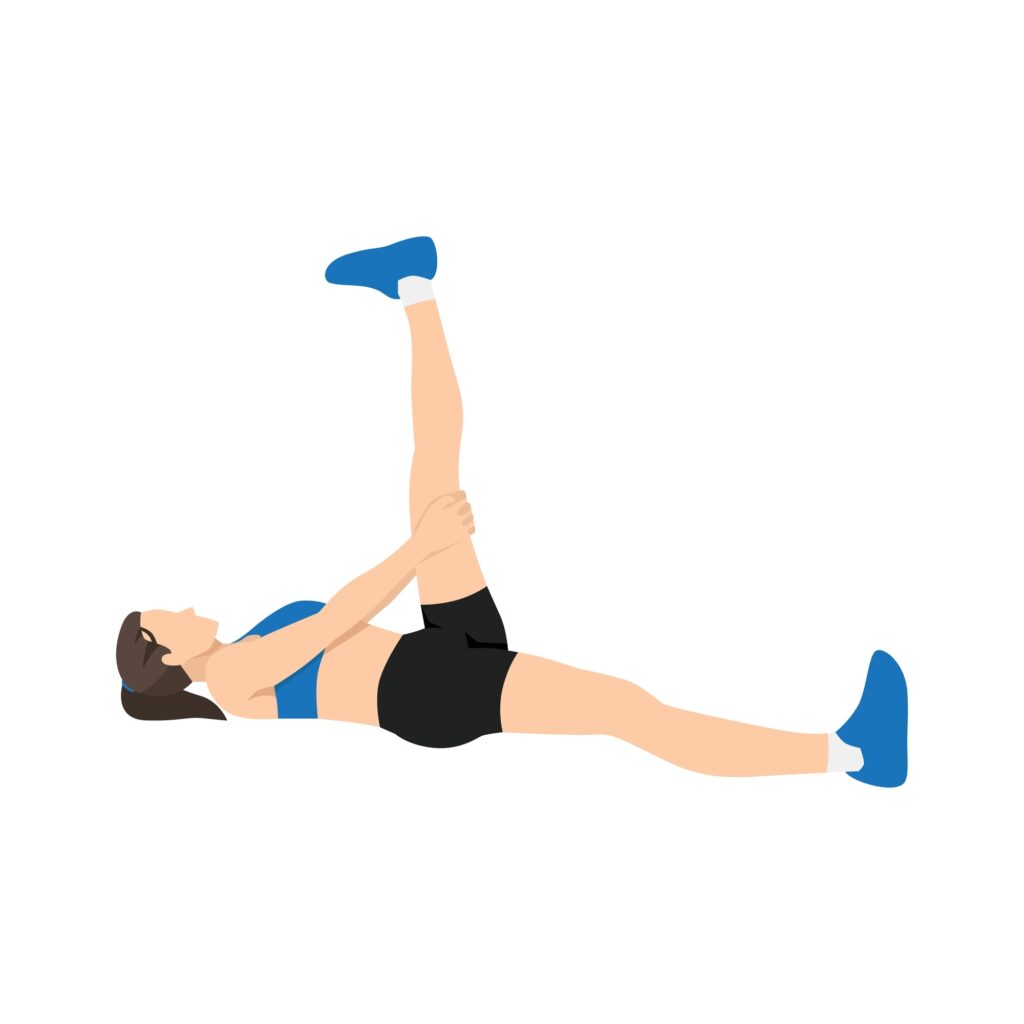
Hamstring Stretch
Lie on your back and loop a towel or strap around the foot of the leg you want to stretch.
Keeping the knee as straight as is comfortable, gently pull on the towel to lift your leg toward the ceiling until you feel a stretch in the back of your thigh.
Hold for [__] seconds. Repeat [__] times.
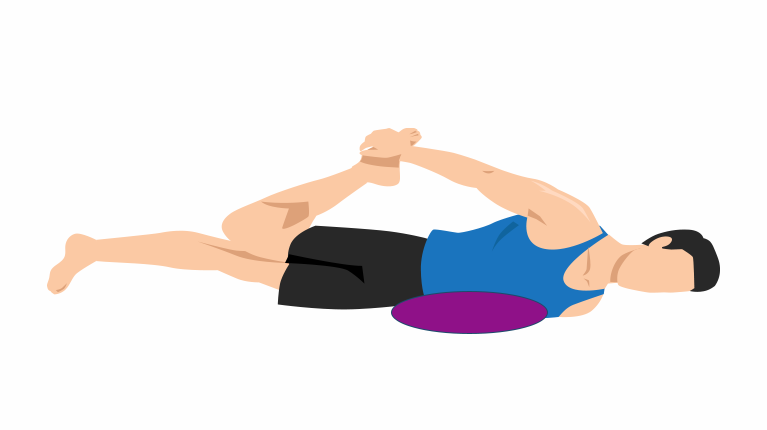
Quadriceps Stretch
Lie on your stomach or stand while holding onto something for balance.
Reach back and hold the ankle of the leg you want to stretch.
Gently pull your heel toward your buttock until you feel a stretch in the front of your thigh.
Hold for [__] seconds. Repeat [__] times.
Strengthening Exercises
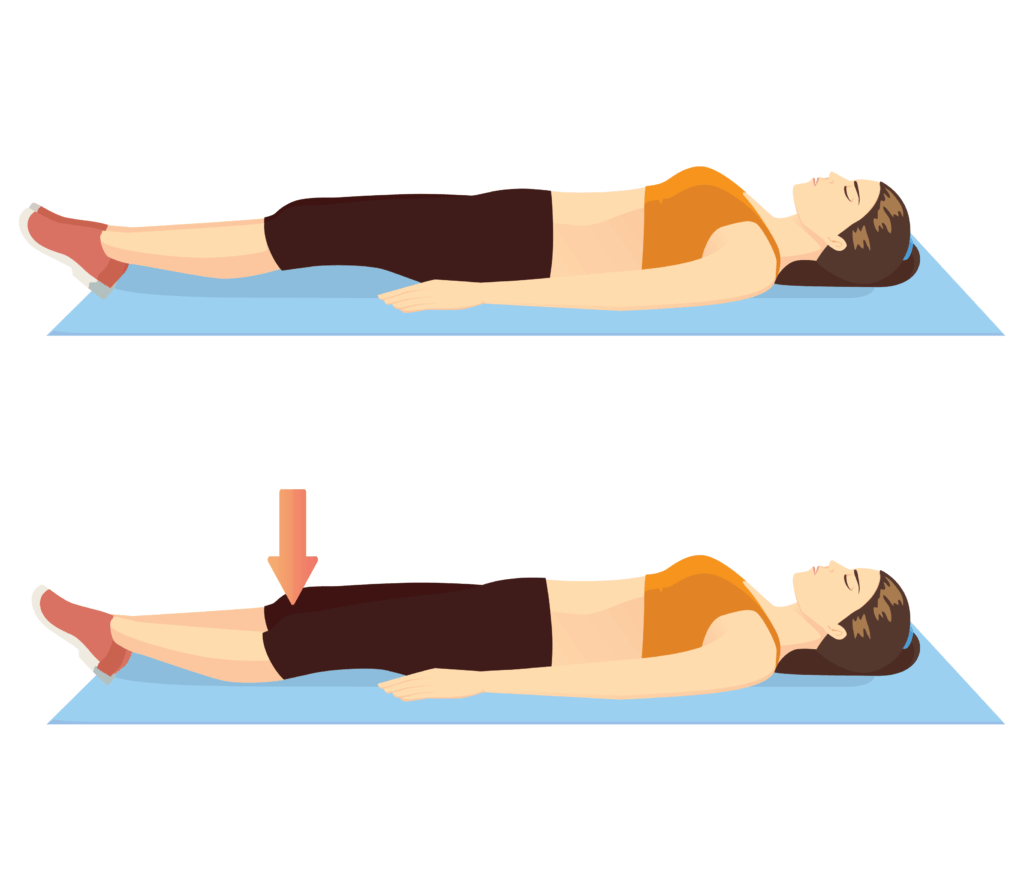
Quadriceps Sets
Lie on your back with your leg straight. Tighten the large muscle on the front of your thigh (quadriceps) and press the back of your knee down into the bed. Hold for 5-10 seconds, then relax.
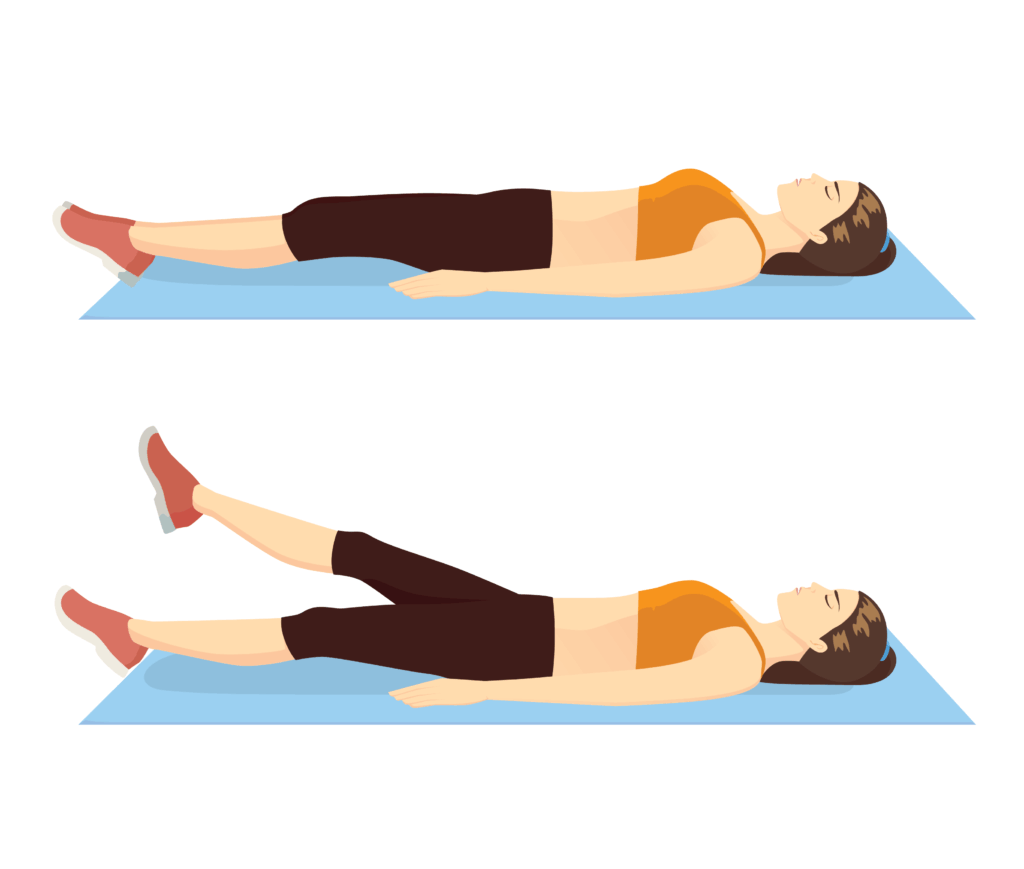
Straight Leg Raises
Lie on your back with your unoperated leg bent. Keeping your operated leg perfectly straight, tighten your thigh muscle and slowly lift your leg 8 to 12 inches off the surface. Hold for 5 seconds, then slowly lower it.
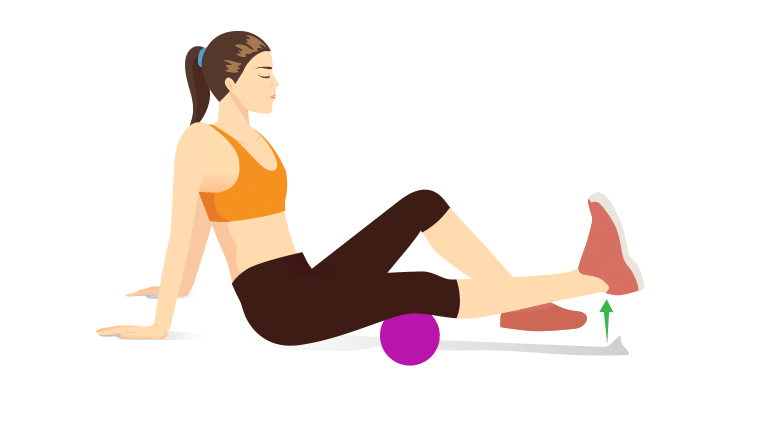
Short Arc Quad
Lie on your back with a rolled-up towel under your injured knee so it’s slightly bent. Tighten your thigh muscle and slowly straighten your leg by lifting your foot until your knee is fully straight, keeping the back of your thigh on the towel. Hold for a few seconds, then slowly lower your foot back down. Repeat as many times as your physicians has asked you to.
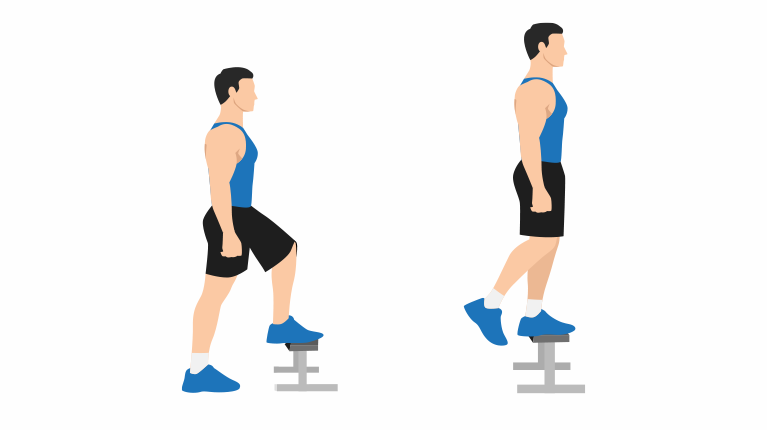
Step-Ups
Lie on your back with a rolled-up towel under your injured knee so it’s slightly bent. Tighten your thigh muscle and slowly straighten your leg by lifting your foot until your knee is fully straight, keeping the back of your thigh on the towel. Hold for a few seconds, then slowly lower your foot back down. Repeat as many times as your physicians has asked you to.
At the Gym
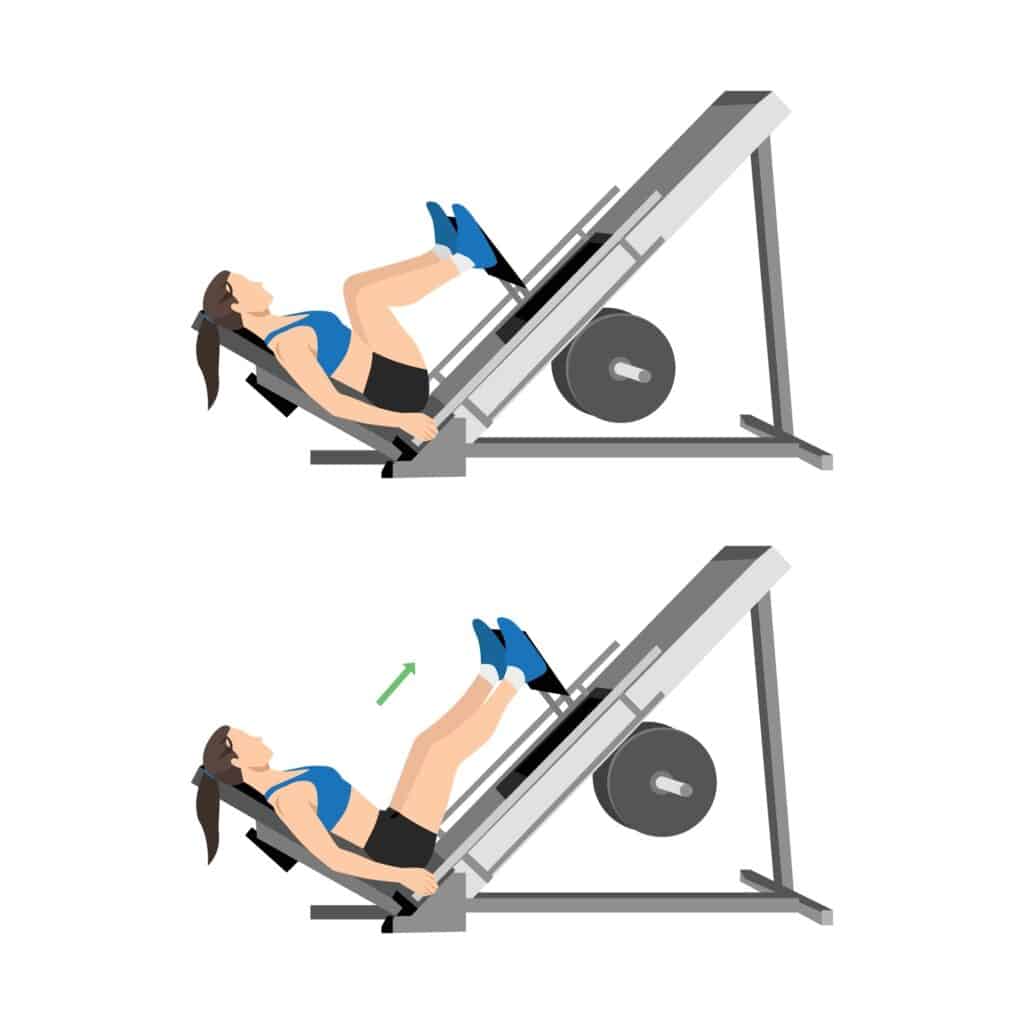
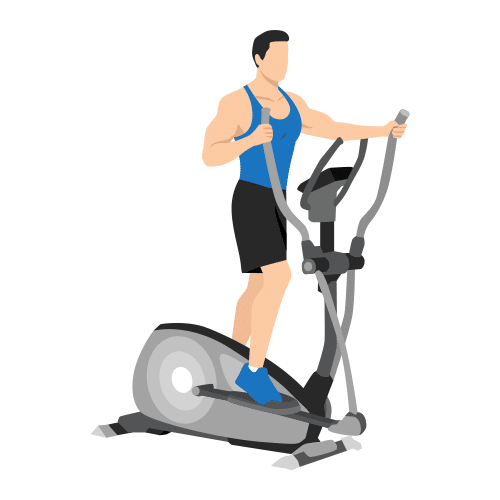
You can also strengthen your knees at the gym. Try using the leg press to build your quadriceps and hamstrings, or the elliptical machine to work these and other lower-body muscles. If you’re new to these exercises, ask a trainer to show you proper form.
Leg Press
To start, use the machine without weights. Sit on the machine with your head and back against the support. Place your feet flat on the footplate. Your knees should be bent at about a 45° to 60° angle.
Press your legs forward until they're almost straight. Relax. Slowly return halfway to the starting position, hold for [__] seconds, and press forward again. Repeat [__] times. Return the footplate to the start position.
Elliptical Machine
Adjust the machine to fit your size and range of movement. Maintain good posture: Keep your shoulders back, head up and slightly forward, and chin level. Tighten your abdominal muscles. Don't lean forward, put your weight on your hands, or grip the bars too tightly.
Push forward with 1 leg while sliding backward with the other. Exercise for [__] minutes to start. Slowly increase the time you use the machine.
Note: Don't pedal backward. It can be hard on your knees.
Quick Summary
Stay Strong: Continue with a regular strengthening and flexibility program.
Warm Up: Always warm up properly before sports or strenuous workouts.
Maintain a Healthy Weight: Reducing excess body weight significantly lowers the stress on your knee joints.
Choose Smart Footwear: Wear supportive shoes that are appropriate for your activity.
Listen to Your Body: Avoid activities that cause pain or swelling to flare up. If you've had surgery, follow your surgeon's guidance on returning to full activity.
Have Questions?
If you have any questions or concerns, please contact one of our offices. This information is provided solely for educational purposes and is not a substitute for personalized medical advice. For detailed advice please contact us at (609) 924-8131, text us at (609) 757-9992 or send us a message via our contact form.