A Patient's Guide to Hand and Wrist Pain: From Diagnosis to Recovery
Why Your Hands and Wrists Matter
You use your hands and wrists for almost everything, from lifting a mug to typing an email. When they hurt, even small tasks can feel difficult. The good news is that with a proper diagnosis and care plan, you can ease the pain and get back to what you enjoy. This guide will walk you through the steps, from your initial evaluation to rehabilitation and prevention.
Medical History and Physical Exam
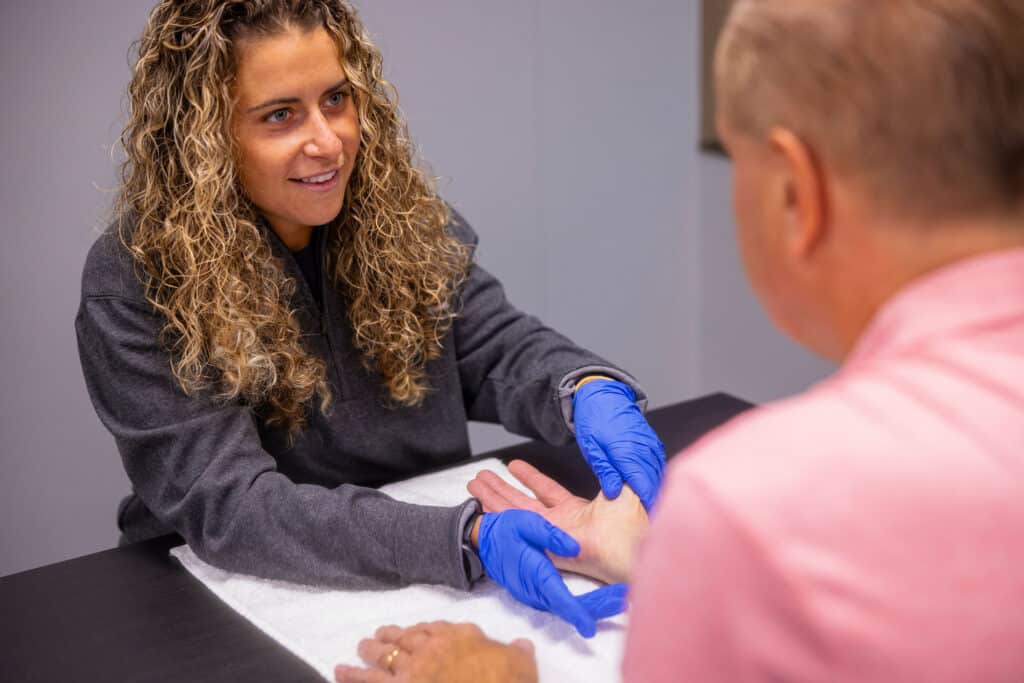
Your provider will ask when your symptoms started and which activities make them worse. They'll then examine your hand, wrist, and forearm, checking your range of motion, strength, and stability. Some movements may be uncomfortable, but they are essential to pinpointing the cause of your pain.
Diagnostic Tests
When a physical exam isn't enough, imaging and nerve tests can reveal issues with bones, soft tissues, and nerves:
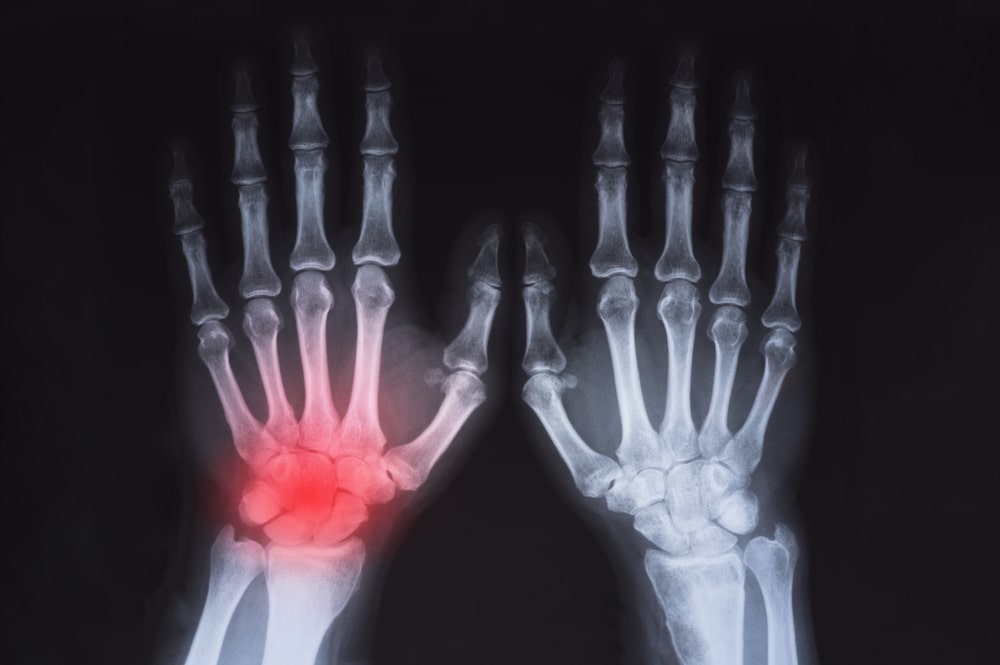
X-rays show broken bones, dislocations, and signs of arthritis.
MRI produces detailed images of soft tissues, such as tendons and ligaments.
CT scan is a specialized X-ray that builds 3D images of bones and joints.
Electrodiagnostic tests use a mild electrical current to evaluate nerve and muscle function, often used to diagnose carpal tunnel syndrome.
First Aid to Reduce Pain and Swelling
For many hand and wrist problems, controlling inflammation is a key first step. Your provider may also recommend pain or anti-inflammatory medication, which you should always take exactly as directed.
Rest
Giving the injured area time to heal prevents further strain. A splint or brace may be used to stabilize and protect the hand and wrist during recovery.
Ice
Cold helps lower pain and swelling. Apply an ice pack or a bag of frozen vegetables for 10 to 15 minutes, 3 to 5 times a day. Always place a thin towel between the ice and your skin to prevent ice burn.
Elevation
Raising your hand above heart level limits throbbing and swelling by allowing gravity to help drain excess fluid. Use pillows for support, especially when resting or sleeping.
Understanding Your Hand and Wrist Anatomy
Knowing the basic anatomy can make your diagnosis and treatment easier to understand. Your hands and wrists are complex structures built for strength, sensation, and precise motion.
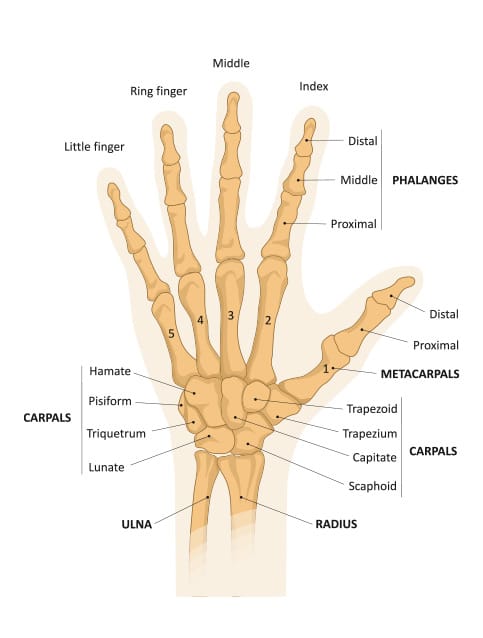
Bones: The hand and wrist contain 27 bones. The phalanges are the finger bones, the metacarpals form the palm, and eight carpal bones make up the wrist. The forearm bones are the radius (larger) and ulna (smaller).
Ligaments: These tough bands connect bone to bone, keeping joints stable.
Tendons: These cord-like tissues attach muscles to bones, allowing you to move your fingers and wrist.
Nerves: These carry signals between your brain and hand, allowing you to feel and control movement. The median nerve is a key nerve that passes through the carpal tunnel in the wrist.
Inside Your Fingers: Fingers are the most sensitive part of your body to touch. The sensation, feeling, and movement of the fingers are all controlled by nerves that run through the wrist.
The Hand In Motion
The hand and wrist move because many different tissues work in concert. Nerves allow you to feel and also coordinate movement by carrying messages between your brain and the muscles. Those signals tell the muscles when to tighten (contract) and when to relax. As the muscles act, they pull on tendons—strong, cordlike tissues that attach to bones—so the joints of the hand and wrist can move.
Muscles are soft tissues that contract and relax to create motion in the hand. Tendons link those muscles to the bones, transmitting the force that actually moves each joint. Surrounding many tendons are tendon sheaths—slippery, fluid-filled tubes that encase and lubricate the tendons to reduce friction as they glide.
Inside the Wrist
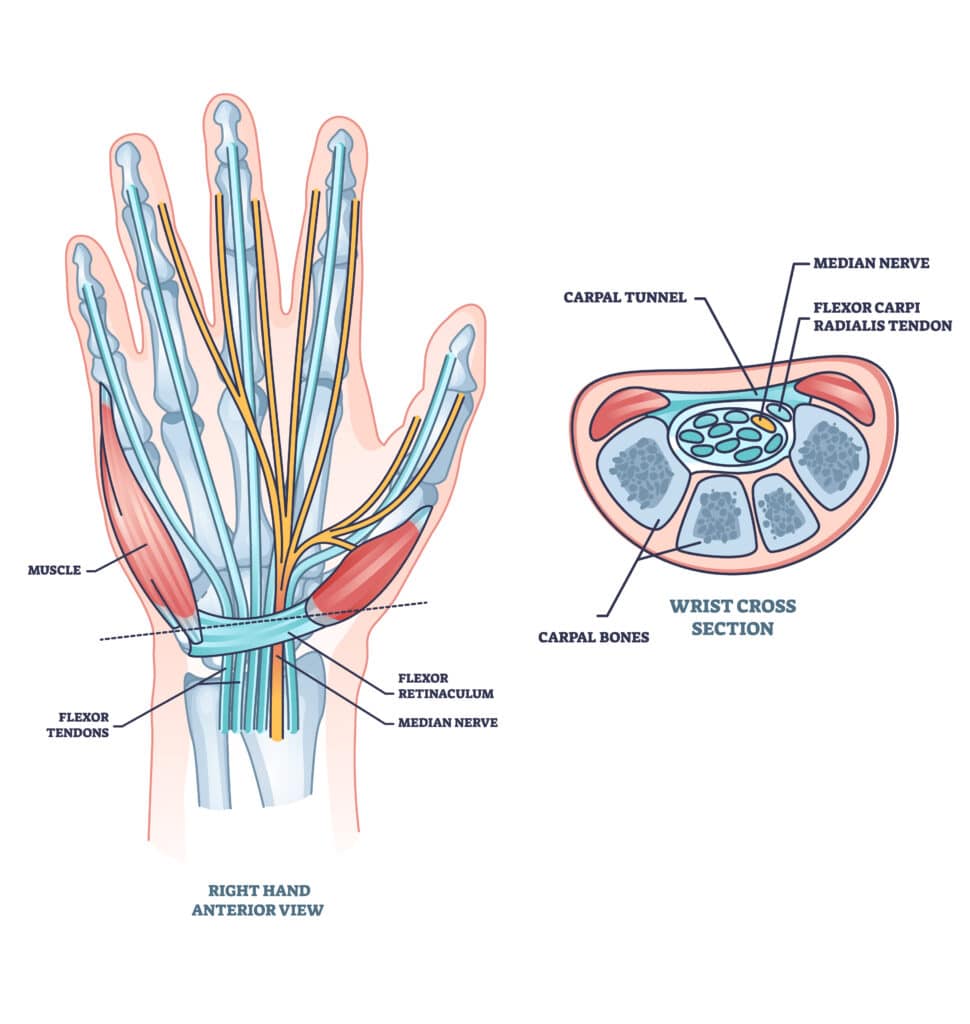
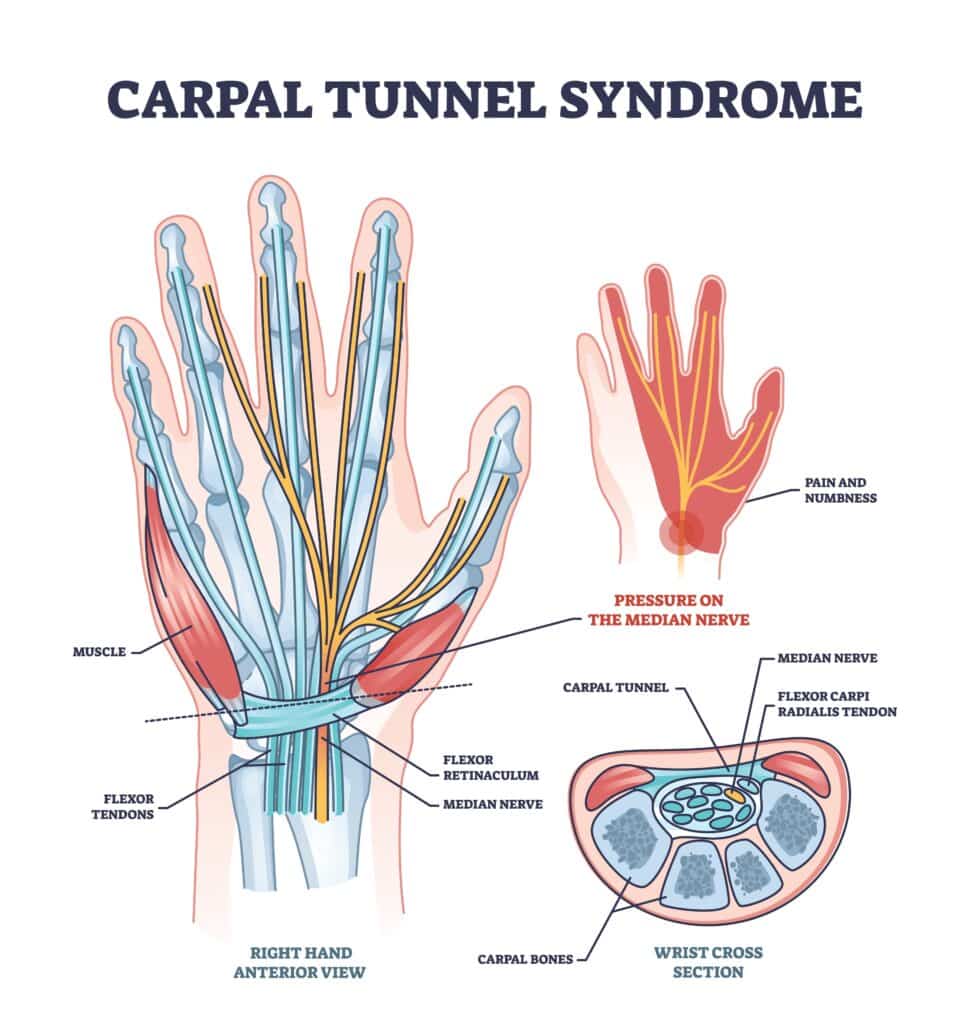
Eight small carpal bones form the wrist and create the joints that let it bend and rotate. Together, these bones also help shape the carpal tunnel, a narrow passage within the wrist that allows tendons, blood vessels, and the median nerve to travel between the forearm and the hand.
Carpal Tunnel Details
Within the wrist, tendon sheaths surround the tendons to keep them lubricated as they move.
The transverse carpal ligament spans across the wrist to form the roof of the carpal tunnel.
The carpal bones are arranged in a U shape, forming the floor and sides of the tunnel.
The median nerve, a major sensory and motor nerve, runs through this tunnel alongside the wrist tendons.
Common Hand and Wrist Injuries
Fractures of the Hand and Wrist
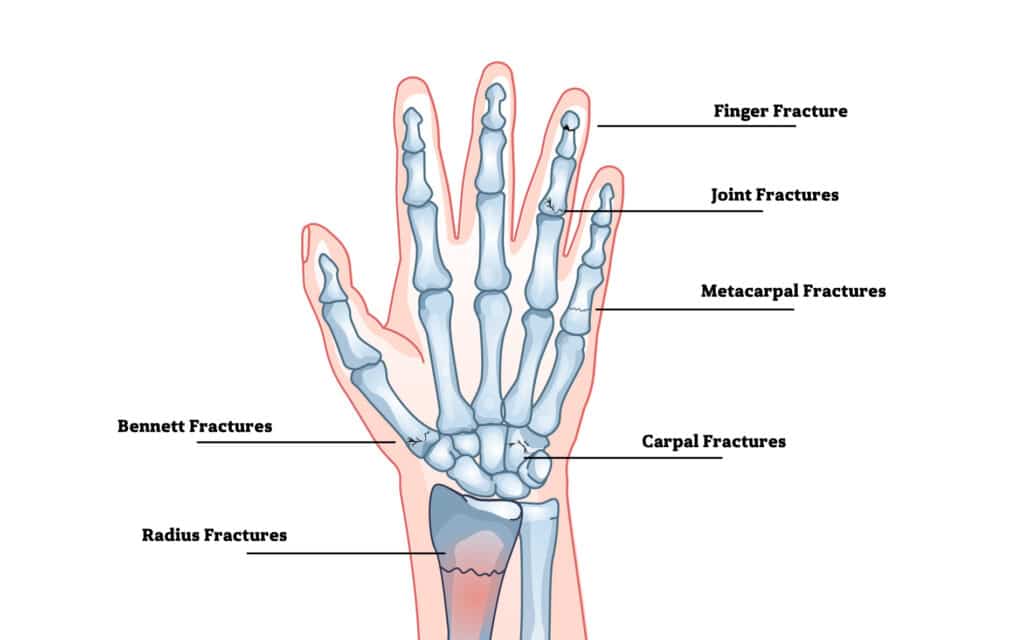
A fall or a direct blow can break a bone in the hand or wrist. Pain, swelling, bruising, and limited motion are common, and the area may look misshapen. Common fracture types include finger fractures, metacarpal (hand) fractures, and distal radius fractures (often called a Colles fracture).
Finger fractures
Finger fractures occur when any of the three bones in the finger are broken. They can be caused by a direct blow, or by trapping and twisting a finger.
Bennett fractures
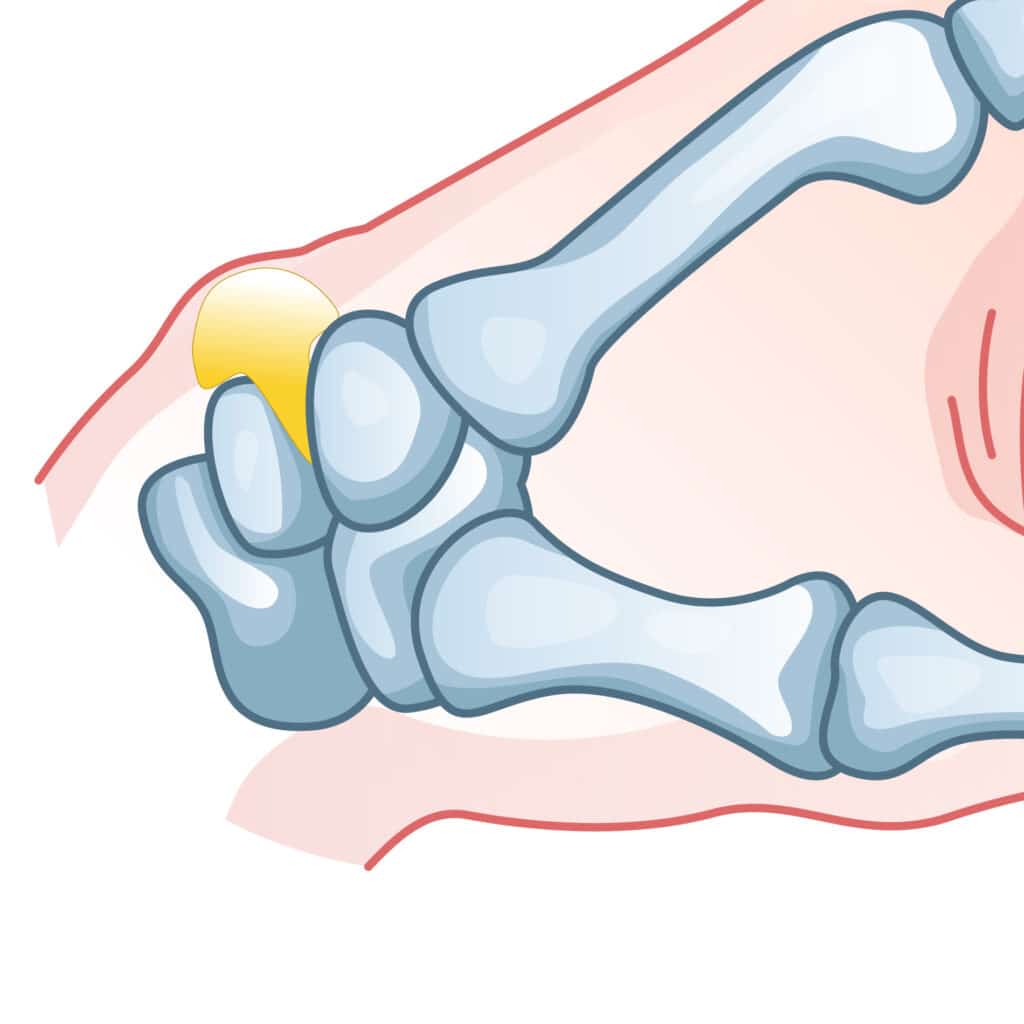
Bennett fractures occur when the metacarpal bone at the base of the thumb is broken. They can result from a hard fall or when the thumb is forced backward. This injury also damages the joint where the thumb meets the wrist.
Radius fractures (often called Colles fractures)
Radius fractures occur when the larger bone in the forearm is broken, often due to falling on an outstretched hand. In some cases, the ulna may also break at the same time.
Joint fractures of the fingers
Joint fractures occur when the bony knobs on the ends of the finger bones break or chip. This type of fracture can be caused by jamming the fingers against a solid object.
Metacarpal fractures
Metacarpal fractures occur when a bone in the hand is broken. A crushing blow to the hand often causes them.
Carpal fractures
Carpal fractures occur when a bone in the wrist is broken. They can result from a fall or a direct blow to the wrist. The most common carpal fracture involves the scaphoid bone, which forms a joint with the radius and other wrist bones.
fractures poa
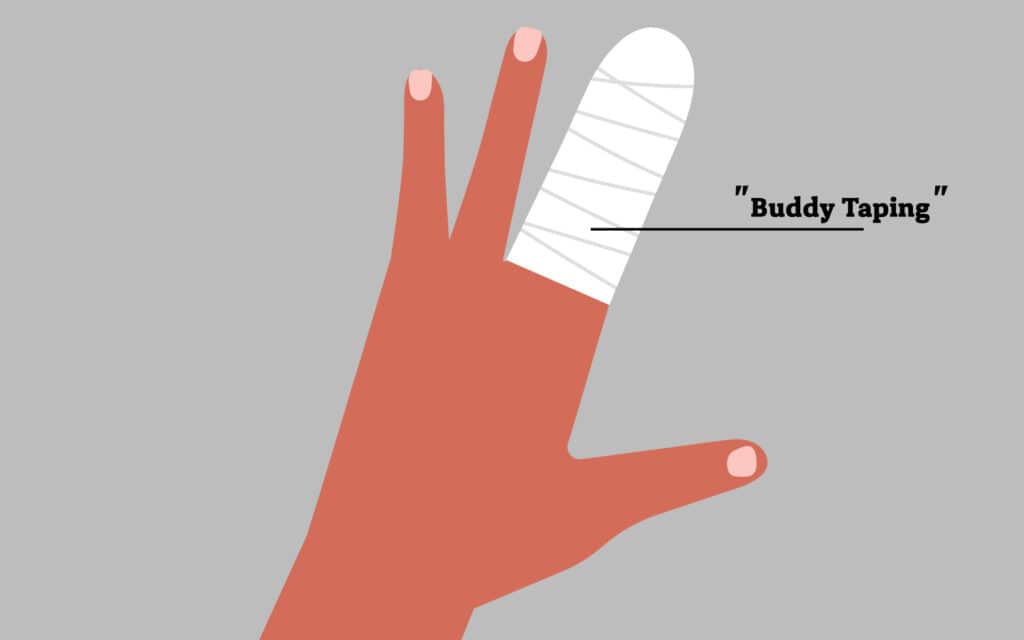
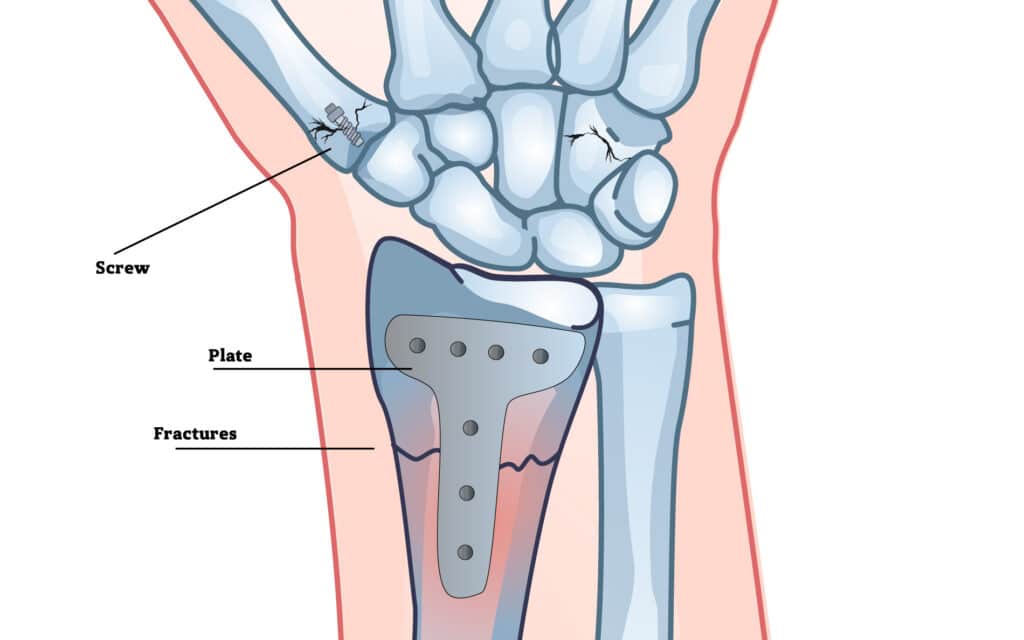
Treatment depends on the bone and its alignment. Your provider may perform a closed reduction (setting the bone without surgery) or an open reduction (surgically realigning the bone with pins, plates, or screws). A splint or cast is then used to hold the bone in place while it heals, which typically takes 4 to 6 weeks
How Fractures are Treated
Reducing The Fracture
Treatment for a fracture depends on its location and how badly the bone is broken. First, the bone may need to be reduced, meaning put back into place. A splint or cast is then used to stabilize the bone while it heals. Reducing the fracture can be done in two ways.
A closed reduction means the bones are set back into place without surgery. An open reduction means the fracture is treated with surgery, which may include using pins, plates, or screws to hold the bones together while they heal.
fractures poa fix
Sprains and Dislocations
Common injuries include finger dislocations, skier's thumb (a tear of a key ligament at the base of the thumb), and wrist sprains. Treatment often involves a splint or cast to stabilize the joint, along with rest, ice, and elevation.
Finger Dislocation
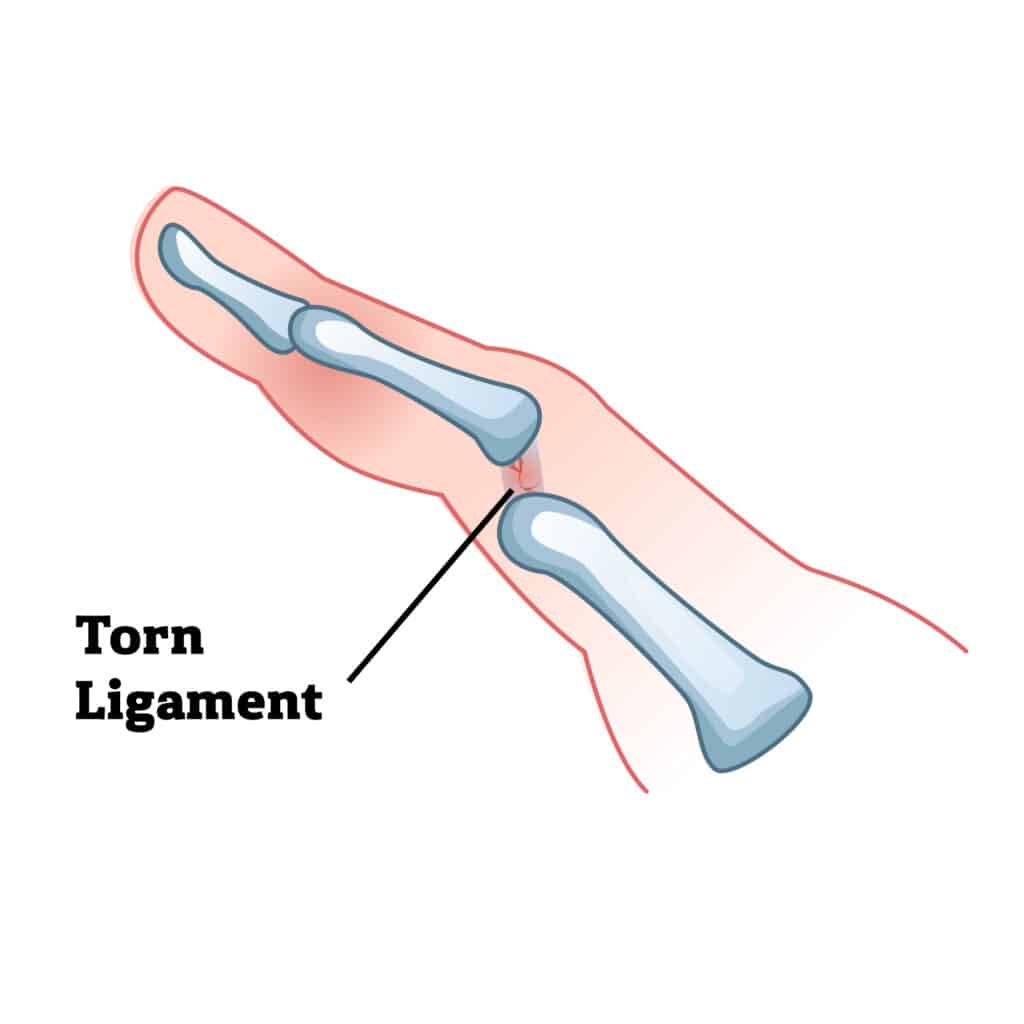
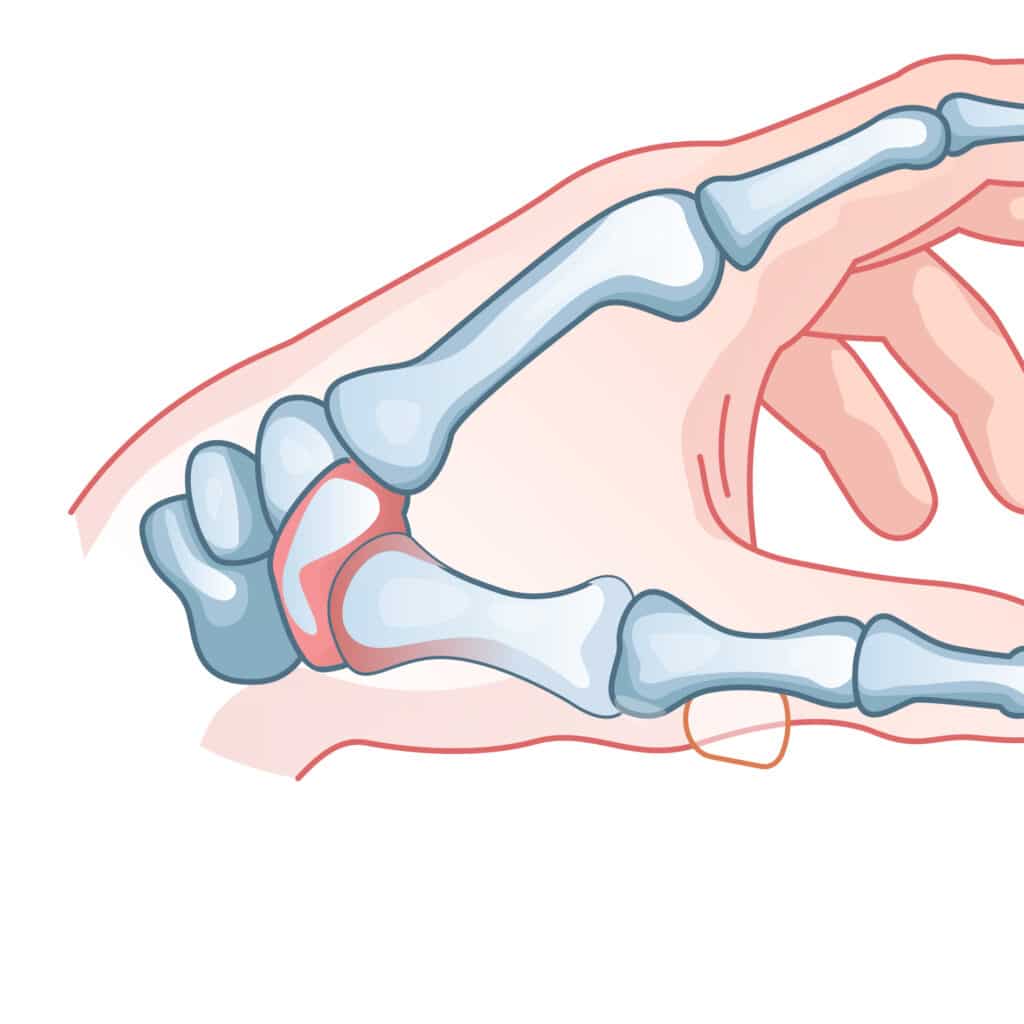
A strong twist or sudden pull on a finger can tear the ligaments and dislocate the joint. It may also damage the volar plate, leading to painful swelling and bruising. To treat this injury, your provider must carefully put the joint back into place. A splint is then applied to keep the joint stable and prevent it from moving out of position. For more severe dislocations, surgery may be required.
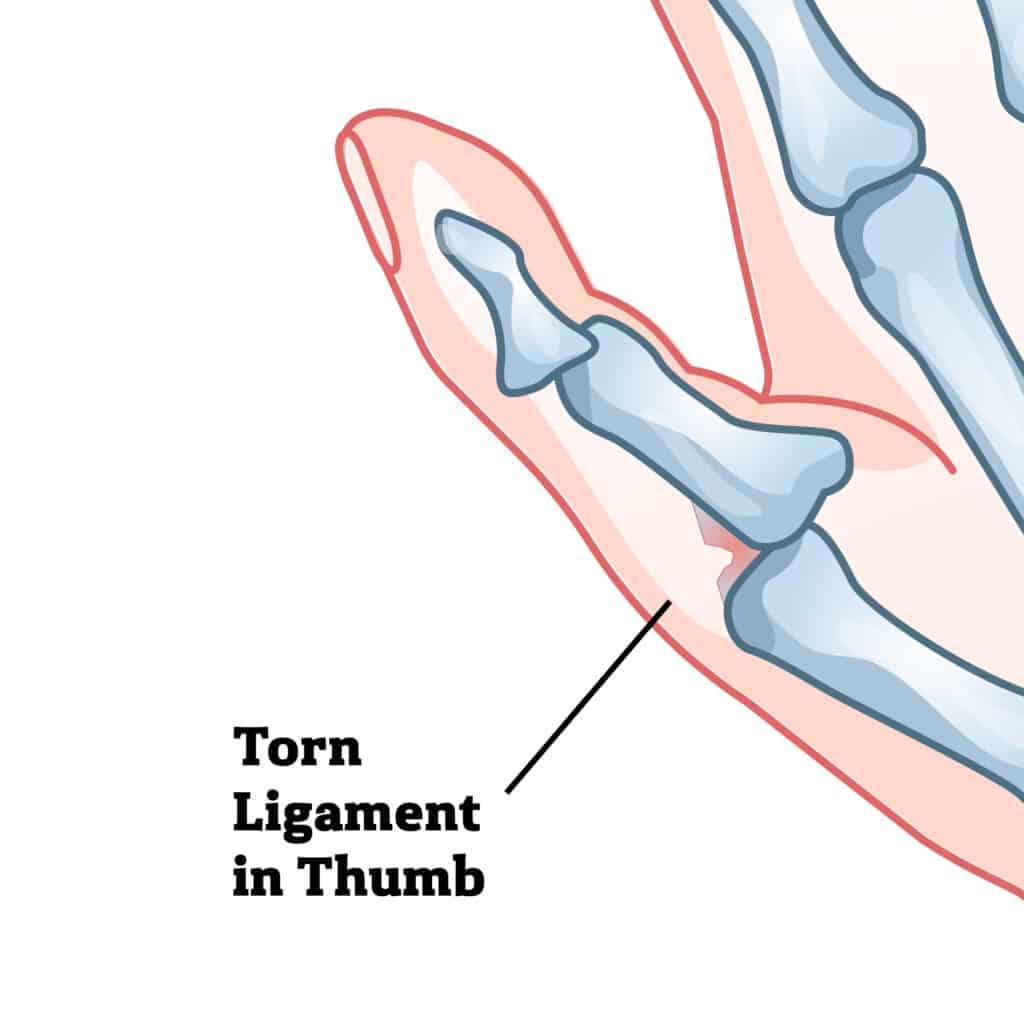
Collateral Ligament Tear
A fall on an outstretched thumb can stretch or tear the ligament at its base, often called skier’s thumb. The area swells, making thumb movement painful and difficult. Treatment usually involves wearing a splint or cast for several weeks to limit movement. Severe tears may require surgery to reattach the ligament.
Wrist Sprain
A hard fall onto the hand can stretch or tear the ligaments in the wrist, leading to painful swelling and bruising. You may also find it hard to move your wrist. Minor sprains are often treated with a splint. More severe sprains may require a cast or splint to be worn for several weeks to keep the wrist stable while the ligaments and surrounding tissues heal.
Tendon Cuts and Tears
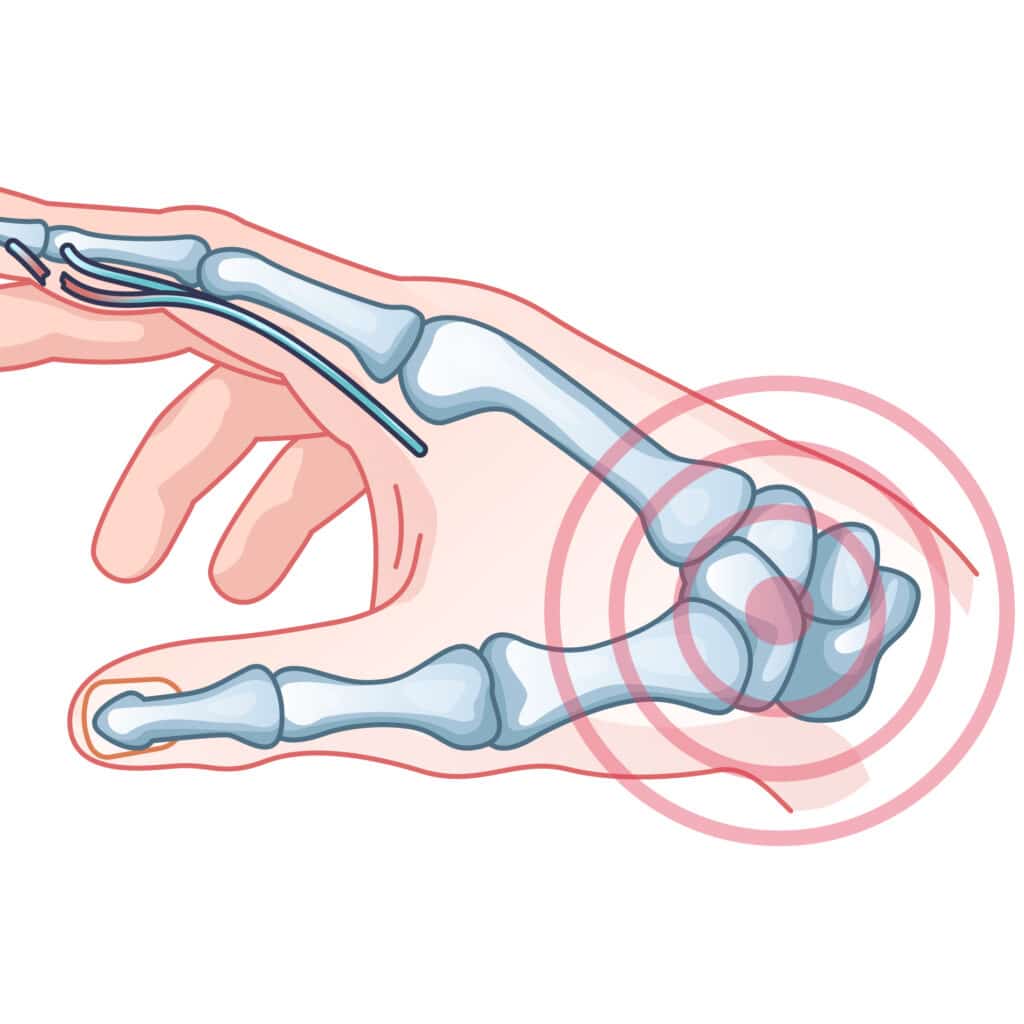
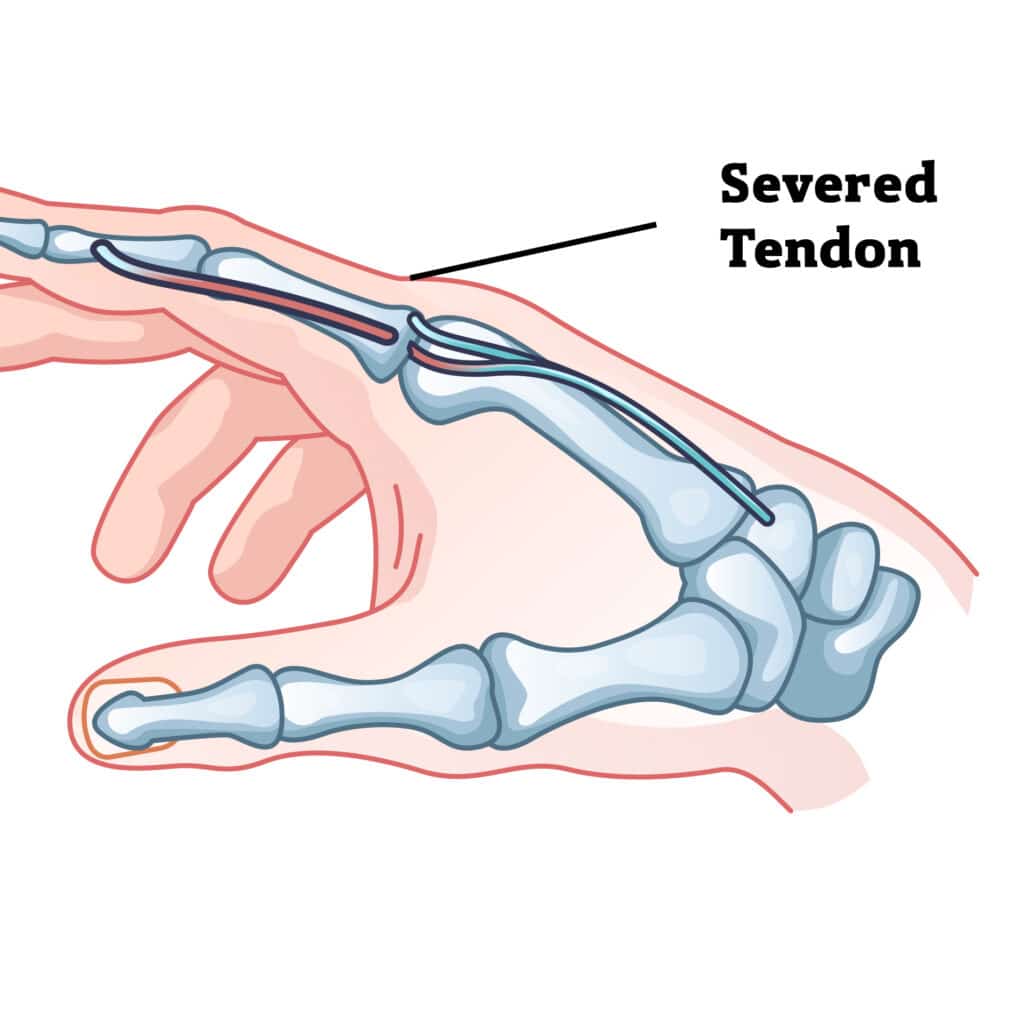
Tendon injuries can occur from sharp cuts or from forcefully yanking the fingers. Flexor tendons on the palm side bend the fingers, while extensor tendons on the back of the hand straighten them. A completely cut tendon requires surgery to repair, followed by extensive therapy to prevent stiffness and regain motion.
Flexor and Extensor Tendons
Flexor and extensor tendons are cord-like fibers that help control how your fingers move. The symptoms you notice depend on which tendon is injured. If a flexor tendon is damaged, you may not be able to bend your finger to make a fist. If an extensor tendon is injured, you may have trouble straightening your finger.
How Severed Tendons are Treated
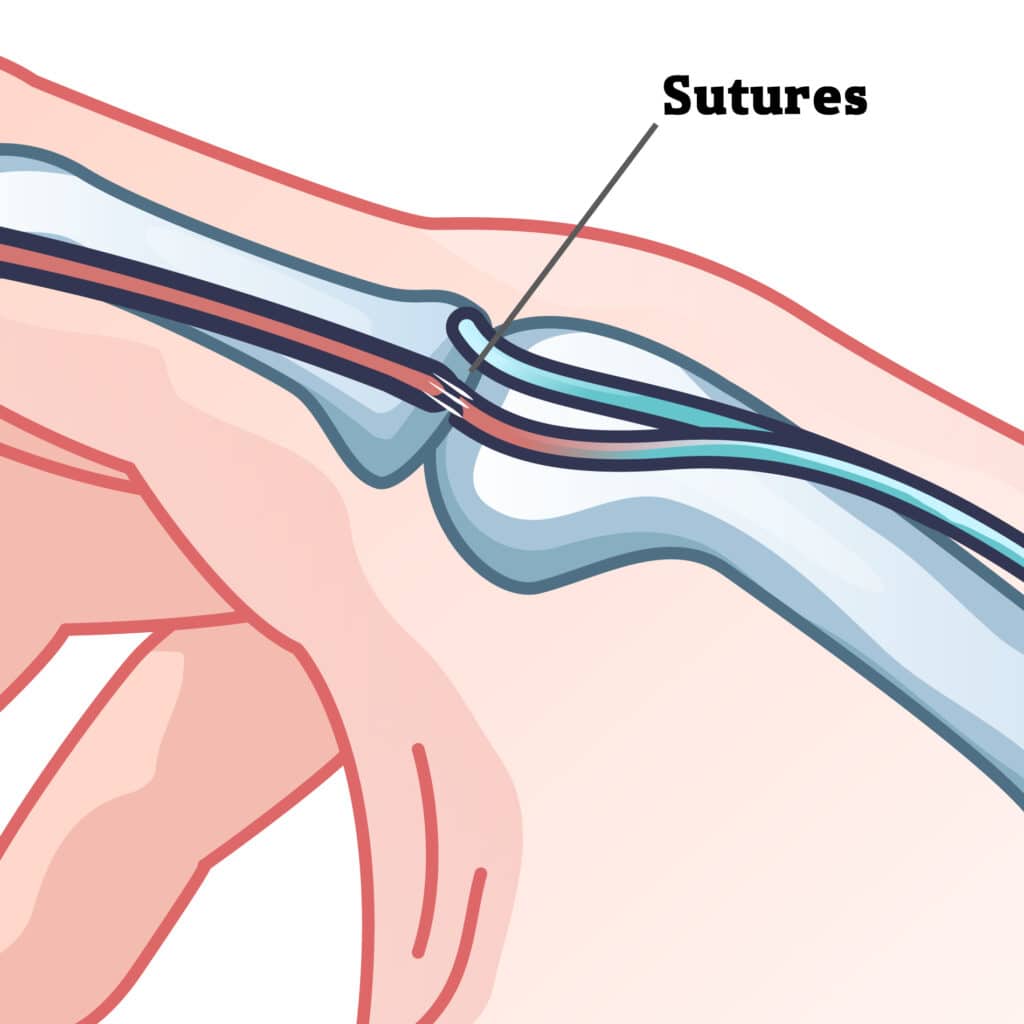
Cuts are first carefully cleaned. If the tendon is only partly cut, it may heal on its own.
If it is badly cut or completely severed, surgery is usually needed, and stitches are used to reconnect the tendon. After treatment, your hand is placed in a splint, and rehabilitation is needed to restore movement and strength and to help prevent permanent stiffness.
Crushing Injuries and Fingertip Trauma
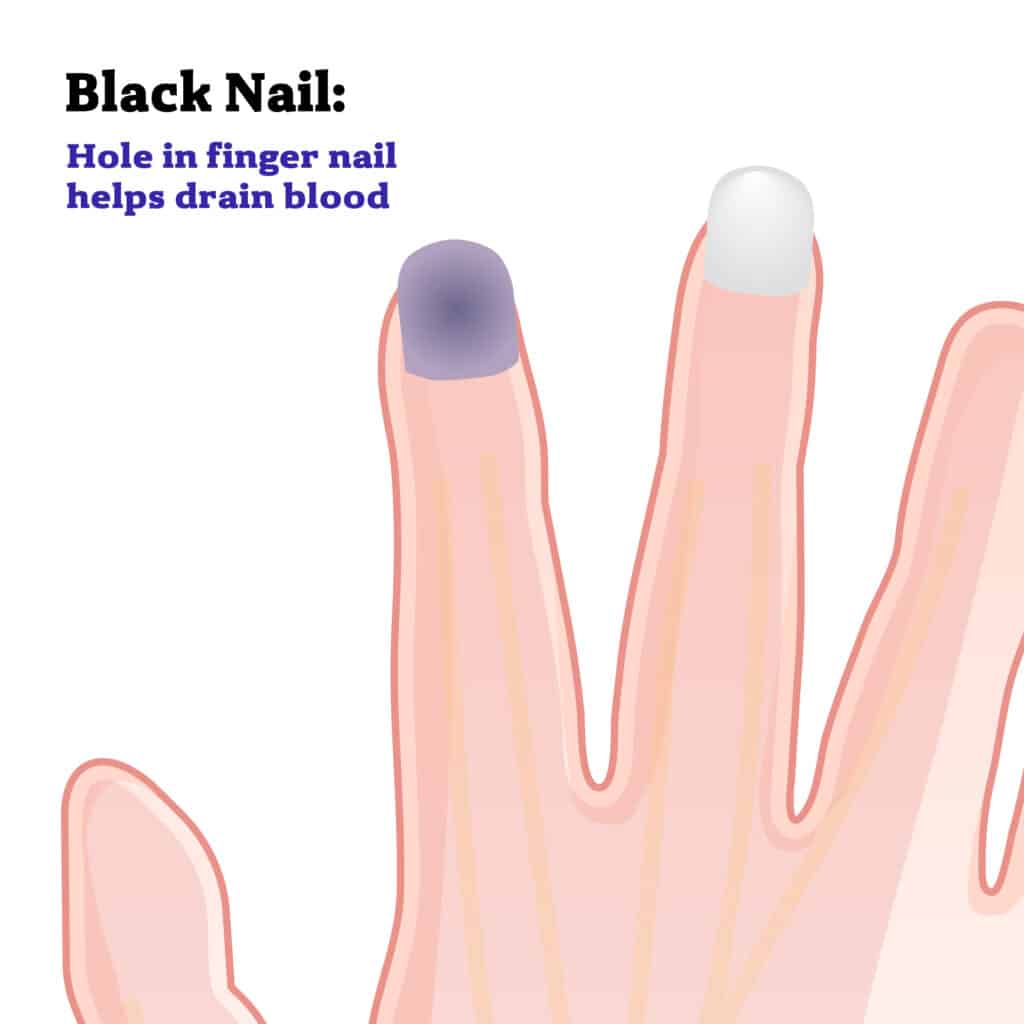
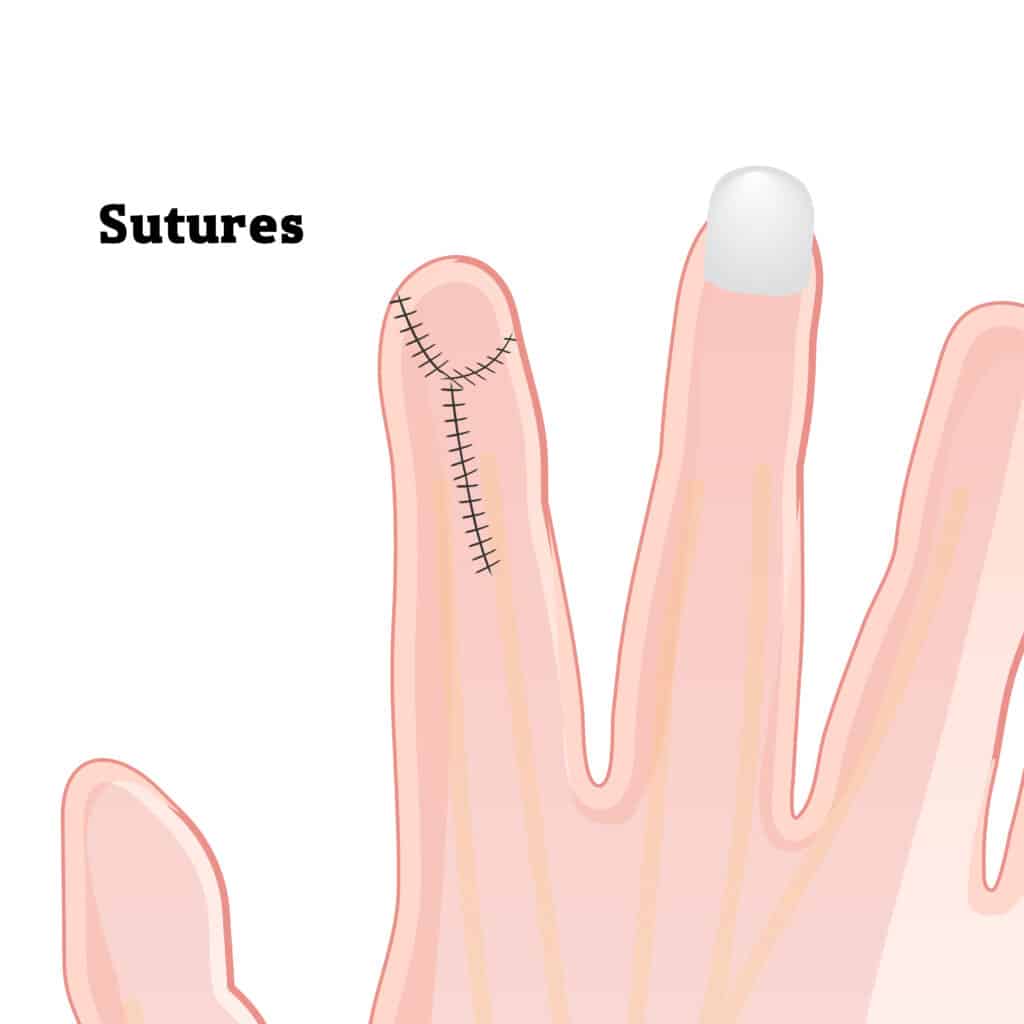
Crush injuries can range from a painful black nail (subungual hematoma) to deep cuts and fractures. A doctor may drain blood from under a nail to relieve pressure. More severe injuries with deep cuts or broken bones may require stitches or surgery to repair the damage.
Black Nail
A hard hit to the fingernail can cause bleeding under the nail, making it look dark purple or black (a “black nail”). If the pain is severe, a small hole may be made in the nail to drain blood and relieve pressure. If not, it usually heals on its own as a new nail slowly grows in over several months.
Flexor and Extensor Tendons
Flexor and extensor tendons are cord-like fibers that help control how your fingers move. The symptoms you notice depend on which tendon is injured. If a flexor tendon is damaged, you may not be able to bend your finger to make a fist. If an extensor tendon is injured, you may have trouble straightening your finger.
Arthritis of the Hand and Thumb
Osteoarthritis is a "wear and tear" condition that breaks down the protective cartilage in joints. It often affects the basal joint of the thumb, causing pain, stiffness, and difficulty gripping. Treatment may include anti-inflammatory medications, cortisone injections, splinting, and in severe cases, surgery.
Ganglion Cysts
A ganglion cyst is a harmless, fluid-filled lump that often appears on the back of the wrist or at the base of a finger. It grows out of the tissue surrounding a joint or tendon. If the cyst is painful or limits motion, your provider may drain it with a needle or, if it recurs, remove it surgically.
Repetitive Motion Injuries
Repeating the same motions day after day can inflame tendons and their protective sheaths (tenosynovitis), causing pain, swelling, and sometimes irritating nearby nerves.
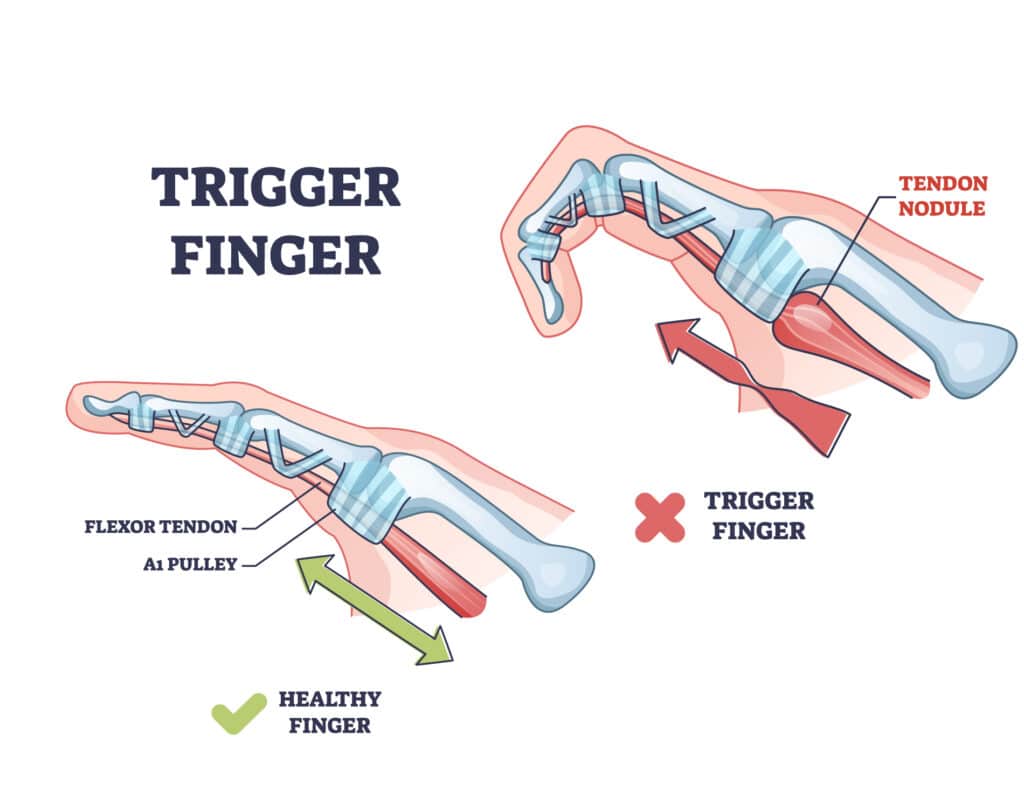
Trigger Finger
This occurs when a flexor tendon in a finger becomes inflamed and catches on a fibrous band called a pulley. You may feel pain, popping, or a sensation of the finger getting stuck in a bent position. Rest, splinting, cortisone injections, or a minor surgical procedure to release the pulley can resolve the issue.
With proper treatment, most people regain smooth, pain-free motion of the finger. If you notice your finger locking, catching, or becoming more painful over time, it’s important to see your provider early to prevent the problem from worsening.
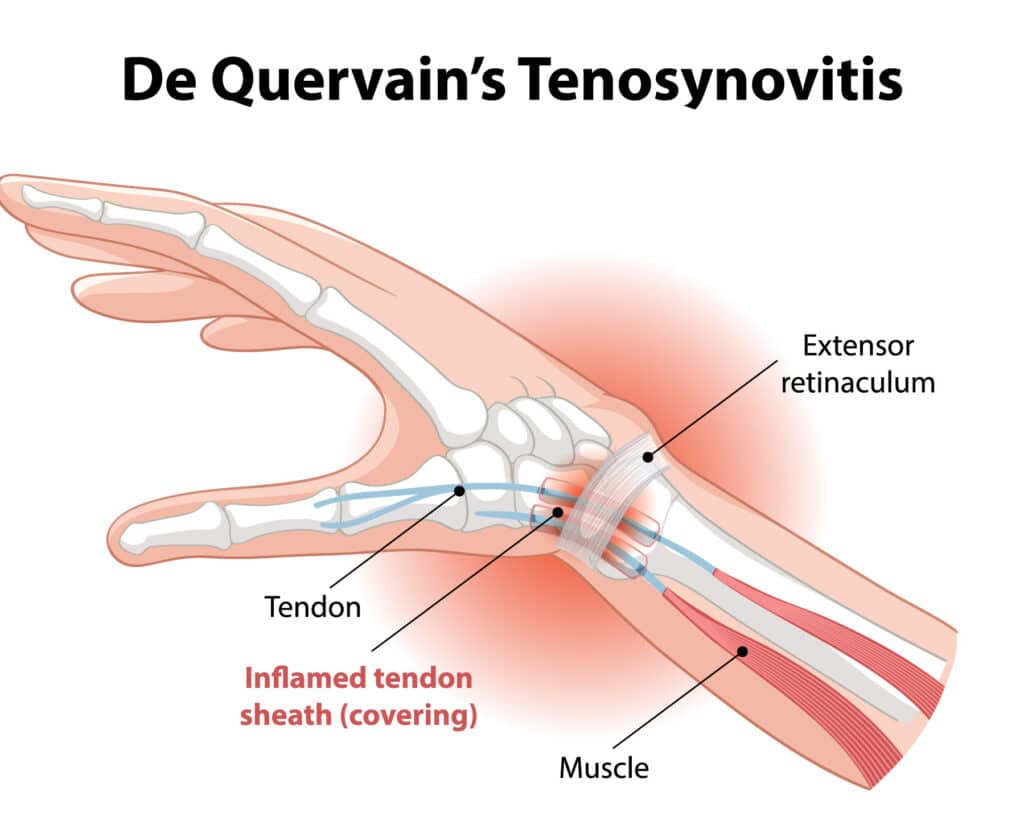
De Quervain's Tenosynovitis
This condition affects the tendons that run along the thumb side of the wrist. It causes pain with gripping, making a fist, or turning the wrist. Treatment typically starts with rest, splinting, and cortisone injections. If these fail, surgery can release the tissue over the tendons to give them more room to glide.
Many people improve with non-surgical care, especially when the problem is treated early. You may also be taught gentle stretching and activity changes to reduce strain on the thumb and wrist and help prevent symptoms from returning.
Carpal Tunnel Syndrome
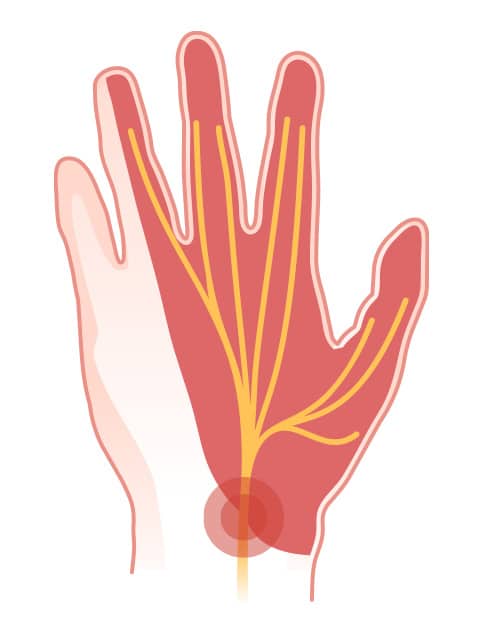
This occurs when the median nerve is compressed as it passes through the carpal tunnel in the wrist. This can lead to tingling, numbness, and pain in the thumb, index, middle, and ring fingers, as well as a weaker grip. Symptoms are often worse at night. Treatment includes wrist splints, anti-inflammatory medications, cortisone injections, and, if necessary, carpal tunnel release surgery to relieve pressure on the nerve.
Your Path to Recovery: Rehabilitation and Home Care
Rehabilitation with a physical or occupational therapist is crucial for regaining motion, strength, and coordination after many injuries and surgeries. Your commitment to the program is the key to a successful outcome.
Therapists are specially trained to help people recover from hand and wrist injuries. Early on, the focus is on easing pain, swelling, and stiffness. Your therapist may gently move your hand and wrist for you (passive exercises) and may have you wear a splint to protect and position your hand. As you improve, you’ll begin exercises that build strength and coordination.
Your Role in Recovery
Rehab takes time, and your effort makes the biggest difference. The more closely you follow your program, the better your results are likely to be. For best results:
Keep follow-up appointments with your healthcare provider to monitor progress and adjust your plan.
Talk with your therapist about your goals so they can tailor a program to your needs.
Do your exercises as often and as carefully as directed.
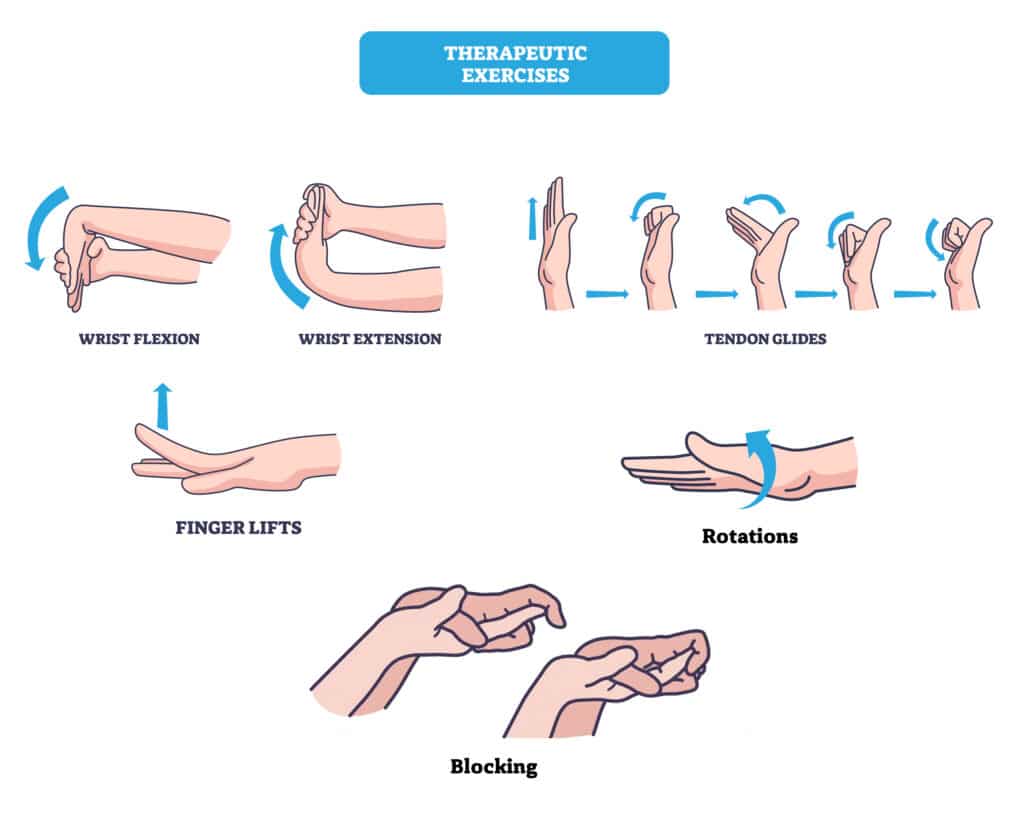
Hand and Wrist Exercises
Exercises are a key part of getting your hand and wrist back to normal function. Some movements focus on gently improving flexibility, while others are designed to build strength and control. Move slowly and steadily when you exercise, and follow any special instructions from your therapist or provider. It’s normal to feel a mild stretch, but stop if you notice new pain or if your pain gets worse, and let your provider know.
Tendon Gliding: Start with your fingers straight. Slowly curl them into a partial fist, then a full fist, holding each position for 5 seconds. Repeat 10 times.
Wrist Flexion and Extension: Rest your forearm on a table with your hand hanging off the edge, palm down. Slowly move your hand up (extension) and down (flexion) through a comfortable range of motion. Repeat 10 times.
Wrist Rotation: Sit with your elbow bent at 90 degrees and resting at your side. Slowly turn your palm up, then hold for 5 seconds; turn it down and hold for 5 seconds. Repeat 10 times.
Preventing Future Problems
As you recover, return to activities gradually and listen to your body. To protect your hands and wrists for the long term, adopt these habits:
Keep wrists and hands in a straight, neutral line while working.
Limit repeated, forceful gripping or pinching motions.
Vary your tasks, switch hands when possible, and take regular breaks.
Wear protective wrist guards for activities like skateboarding, inline skating, and snowboarding.
Wear appropriate gloves when using sharp tools and always use safety guards on power equipment.
Treat pain as a signal to stop, rest, and reassess what you are doing.
Quick Summary
Your hands and wrists are essential for daily activities, and proper treatment can help you recover from pain and injury.
Medical evaluation includes history, physical exam, and tests like X-rays, MRI, CT scans, or nerve studies to diagnose the problem.
Initial treatment focuses on reducing pain and swelling with rest, ice, elevation, and medication as prescribed.
Understanding hand and wrist anatomy—bones, ligaments, tendons, and nerves—helps you grasp your diagnosis and treatment.
Common injuries include fractures, sprains, dislocations, tendon cuts, and crushing injuries, each requiring specific treatment approaches.
Conditions like arthritis and ganglion cysts can develop over time and may need medication, injections, or surgery.
Repetitive motion injuries such as trigger finger, De Quervain's tenosynovitis, and carpal tunnel syndrome result from overuse and inflammation.
Rehabilitation with a therapist and home exercises are crucial for restoring function and strength and preventing stiffness.
Prevention strategies include proper ergonomics, protective equipment, varying tasks, taking breaks, and recognizing pain as a warning sign.
Gradual return to activities and long-term healthy habits will help keep your hands and wrists functioning well for years to come.
Have Questions?
If you have any questions or concerns, please contact one of our offices. This information is provided solely for educational purposes and is not a substitute for personalized medical advice. For detailed advice please contact us at (609) 924-8131, text us at (609) 757-9992 or send us a message via our contact form.
Sequence rules uses cookies to track the order of requests a user has made and the time between requests and makes them available via Cloudflare Rules. This allows you to write rules that match valid or invalid sequences. The specific cookies used to validate sequences are called sequence cookies.
session
cf_ob_info
The cf_ob_info cookie provides information on: The HTTP Status Code returned by the origin web server. The Ray ID of the original failed request. The data center serving the traffic
session
cf_use_ob
The cf_use_ob cookie informs Cloudflare to fetch the requested resource from the Always Online cache on the designated port. Applicable values are: 0, 80, and 443. The cf_ob_info and cf_use_ob cookies are persistent cookies that expire after 30 seconds.
session
__cfwaitingroom
The __cfwaitingroom cookie is only used to track visitors that access a waiting room enabled host and path combination for a zone. Visitors using a browser that does not accept cookies cannot visit the host and path combination while the waiting room is active.
session
cf_chl_rc_i
These cookies are for internal use which allows Cloudflare to identify production issues on clients.
session
cf_chl_rc_ni
These cookies are for internal use which allows Cloudflare to identify production issues on clients.
session
cf_chl_rc_m
These cookies are for internal use which allows Cloudflare to identify production issues on clients.
session
__cfruid
Used by the content network, Cloudflare, to identify trusted web traffic.
session
__cf_bm
Cloudflare's bot products identify and mitigate automated traffic to protect your site from bad bots. Cloudflare places the __cf_bm cookie on End User devices that access Customer sites that are protected by Bot Management or Bot Fight Mode. The __cf_bm cookie is necessary for the proper functioning of these bot solutions.
session
__cflb
When enabling session affinity with Cloudflare Load Balancer, Cloudflare sets a __cflb cookie with a unique value on the first response to the requesting client. Cloudflare routes future requests to the same origin, optimizing network resource usage. In the event of a failover, Cloudflare sets a new __cflb cookie to direct future requests to the failover pool.
session
_cfuvid
The _cfuvid cookie is only set when a site uses this option in a Rate Limiting Rule, and is only used to allow the Cloudflare WAF to distinguish individual users who share the same IP address.
session
cf_clearance
Whether a CAPTCHA or Javascript challenge has been solved.
session
Google reCAPTCHA helps protect websites from spam and abuse by verifying user interactions through challenges.
Name
Description
Duration
_GRECAPTCHA
Google reCAPTCHA sets a necessary cookie (_GRECAPTCHA) when executed for the purpose of providing its risk analysis.
179 days
Google Tag Manager simplifies the management of marketing tags on your website without code changes.
Name
Description
Duration
cookiePreferences
Registers cookie preferences of a user
2 years
td
Registers statistical data on users' behaviour on the website. Used for internal analytics by the website operator.
session
These cookies are used for managing login functionality on this website.
Name
Description
Duration
wordpress_logged_in
Used to store logged-in users.
Persistent
wordpress_sec
Used to track the user across multiple sessions.
15 days
wordpress_test_cookie
Used to determine if cookies are enabled.
Session
WPForms is a user-friendly WordPress plugin for creating custom forms with drag-and-drop functionality.
Name
Description
Duration
wpfuuid
Used to track user interactions with forms.
11 years
Statistics cookies collect information anonymously. This information helps us understand how visitors use our website.
Google Analytics is a powerful tool that tracks and analyzes website traffic for informed marketing decisions.
Used to distinguish new sessions and visits. This cookie is set when the GA.js javascript library is loaded and there is no existing __utmb cookie. The cookie is updated every time data is sent to the Google Analytics server.
30 minutes after last activity
__utmc
Used only with old Urchin versions of Google Analytics and not with GA.js. Was used to distinguish between new sessions and visits at the end of a session.
End of session (browser)
__utmz
Contains information about the traffic source or campaign that directed user to the website. The cookie is set when the GA.js javascript is loaded and updated when data is sent to the Google Analytics server
6 months after last activity
__utmv
Contains custom information set by the web developer via the _setCustomVar method in Google Analytics. This cookie is updated every time new data is sent to the Google Analytics server.
2 years after last activity
__utmx
Used to determine whether a user is included in an A / B or Multivariate test.
18 months
_ga
ID used to identify users
2 years
_gali
Used by Google Analytics to determine which links on a page are being clicked
30 seconds
_ga_
ID used to identify users
2 years
_gid
ID used to identify users for 24 hours after last activity
24 hours
_gat
Used to monitor number of Google Analytics server requests when using Google Tag Manager
1 minute
_gac_
Contains information related to marketing campaigns of the user. These are shared with Google AdWords / Google Ads when the Google Ads and Google Analytics accounts are linked together.
90 days
__utma
ID used to identify users and sessions
2 years after last activity
__utmt
Used to monitor number of Google Analytics server requests
10 minutes
These cookies help us measure the effectiveness of our website content and understand how visitors find and use our site. This allows us to improve the experience and provide more helpful resources.
Facebook Pixel is a web analytics service that tracks and reports website traffic.