Your Road to Recovery: Key Steps for a Knee Ligament Injury
A knee ligament injury can be disruptive, but a clear plan is your first step toward recovery. By understanding the process, you can partner with your care team to get back to the activities you enjoy. Here are the key milestones on your journey:
Get a prompt diagnosis to understand your specific injury.
Choose a treatment path with your personal goals in mind.
Control pain and swelling in the crucial early stages.
Commit to rehabilitation to restore strength, stability, and motion.
Prepare for surgery if it is the recommended option for you.
Follow recovery steps carefully and watch for any warning signs.
Protect your knees with long-term strategies for joint health.
Understanding Your Knee and Its Ligaments
Your knees are essential for nearly every move you make, from walking and climbing to simply sitting down. This complex joint is stabilized by strong bands of tissue called ligaments, which ensure it moves safely and efficiently. When a ligament is injured, you may experience pain, swelling, and a troubling sense that the knee is unstable or could "give way."
The good news is that effective care is available. With the right treatment plan and a commitment to rehabilitation, most people can significantly reduce pain, regain full function, and return to an active lifestyle.
Common Knee Ligament Injuries: ACL and MCL
While the knee has several important ligaments, two are injured more often than others: the ACL and the MCL.
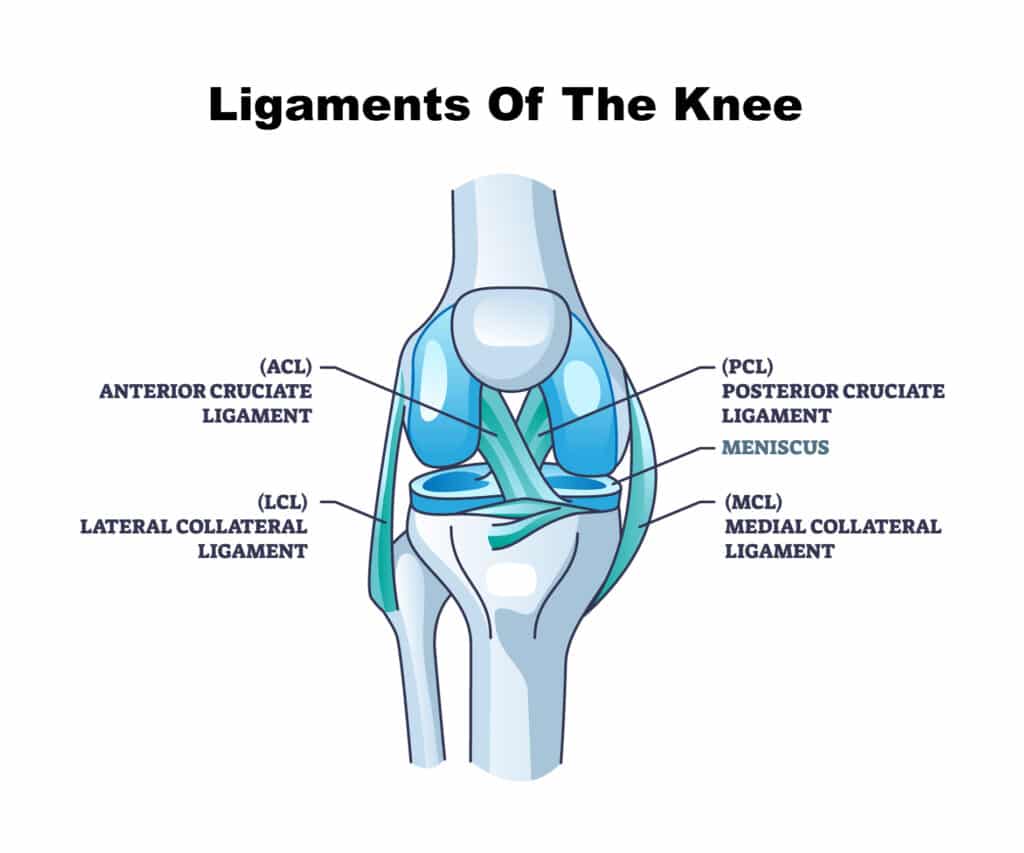
ACL (Anterior Cruciate Ligament)
The ACL is located in the center of the knee and is crucial for preventing the shinbone from sliding too far forward and for providing rotational stability. A quick twisting motion or a sudden stop is most commonly the cause of injury. This can happen during a fall while skiing or in sports that involve cutting and pivoting, such as basketball, soccer, or football.
MCL (Medial Collateral Ligament)
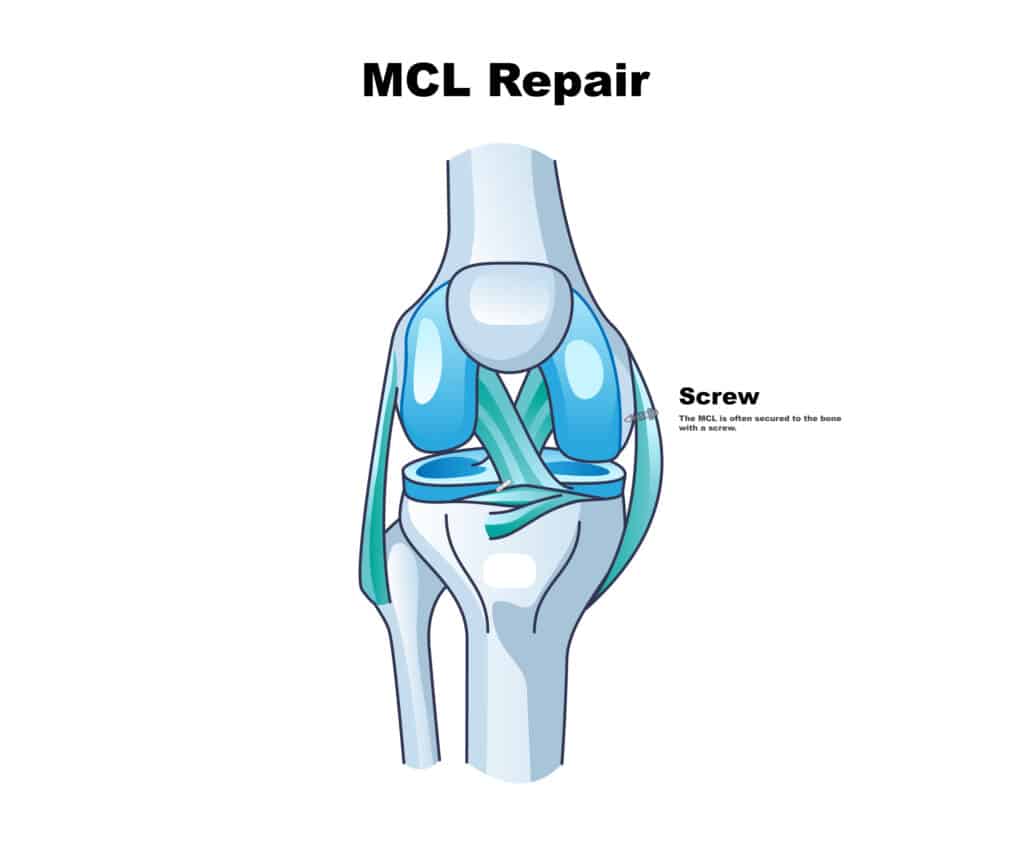
The MCL runs along the inside of your knee, connecting the thighbone to the shinbone and preventing the knee from buckling inward. It often tears when the knee is struck on the outside, a common occurrence in contact sports like football and soccer.
Knee Anatomy, Plainly Explained
To understand your injury, it helps to know the key players inside the knee joint.
Ligaments: These are the knee's primary stabilizers. The four main ligaments are the ACL (limits forward sliding and twisting), PCL (posterior cruciate ligament, limits backward sliding), MCL (stabilizes the inside), and LCL (lateral collateral ligament, stabilizes the outside).
Bones: The knee is the meeting point of the thighbone (femur) and the shinbone (tibia), with the kneecap (patella) situated at the front.
Cartilage: The meniscus acts as a shock-absorbing cushion between the bones, while articular cartilage provides a smooth, gliding surface on the ends of the bones.
Tendons: These tissues connect muscles to bones, enabling you to move your leg.
Diagnosing Your Knee Ligament Injury
An accurate diagnosis is the foundation of your treatment plan. Your doctor will use a combination of methods to identify the injured structures and determine the severity of the tear.
Medical History: You will be asked to describe your symptoms, how the injury occurred, and your typical activity level. This context is vital for tailoring a plan to your goals.
Physical Exam: Your doctor will carefully examine the knee, checking for swelling, tenderness, range of motion, and stability. Specific tests can help isolate which ligament is damaged.
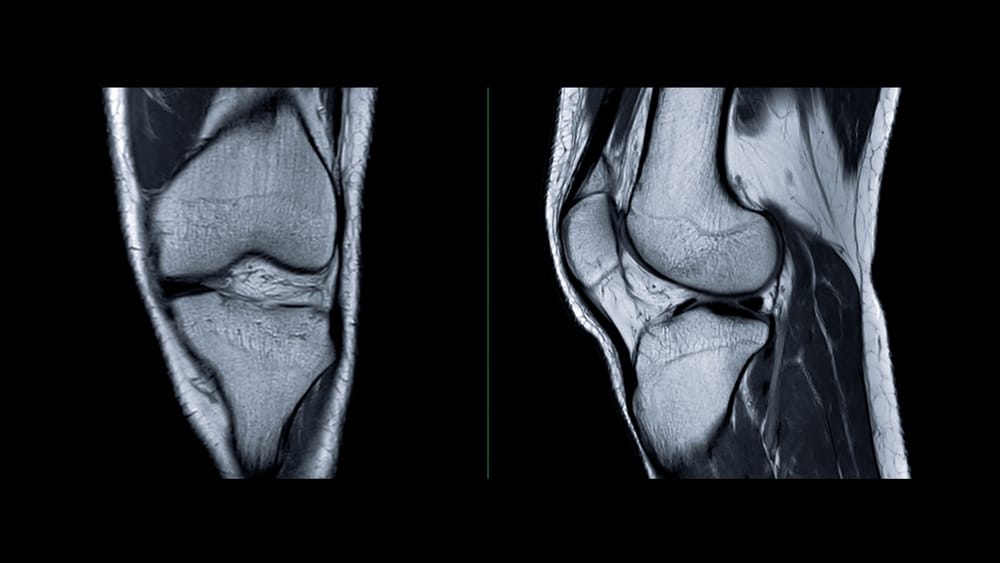
Imaging Tests: While X-rays are used to rule out bone fractures, a Magnetic Resonance Imaging (MRI) scan is the best tool for visualizing soft tissues like ligaments, tendons, and cartilage.
Treatment Options: Choosing the Right Path
Nonsurgical Care: Pain Relief and Early Rehab
For less severe tears, or for individuals who are less active, a nonsurgical approach is often successful. Most MCL tears, for example, are treated this way.
Rest and Elevation: Reduce activities that stress the knee. When resting, elevate your leg above heart level to minimize swelling.
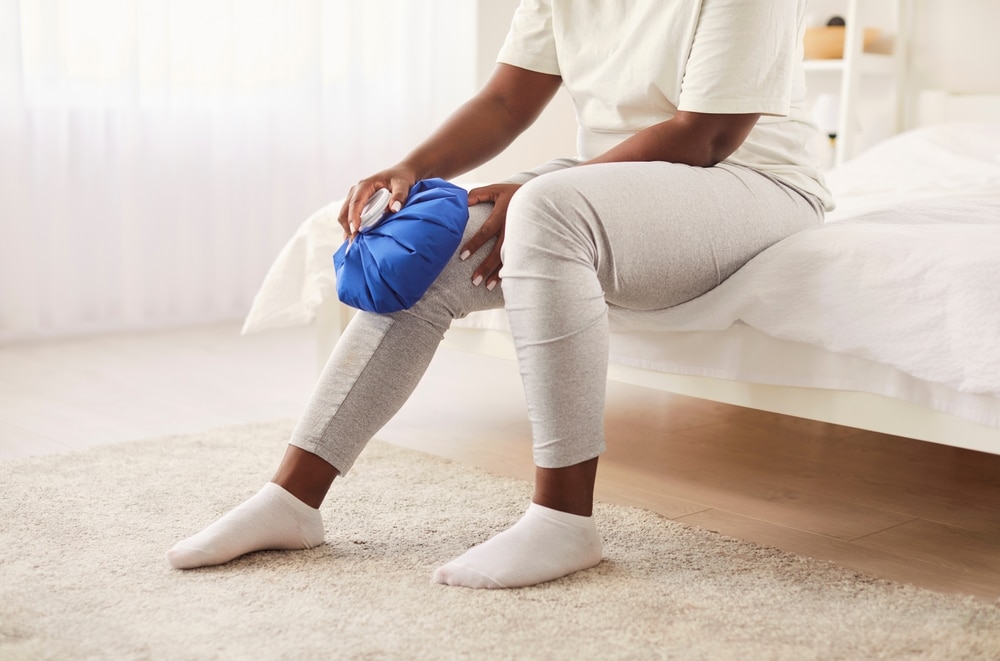
Ice: Apply a cold pack wrapped in a thin towel for 15-20 minutes, 3-5 times a day, to reduce pain and inflammation. Never place ice directly on the skin.
Medication: Your provider may recommend pain relievers. Always take them as directed.
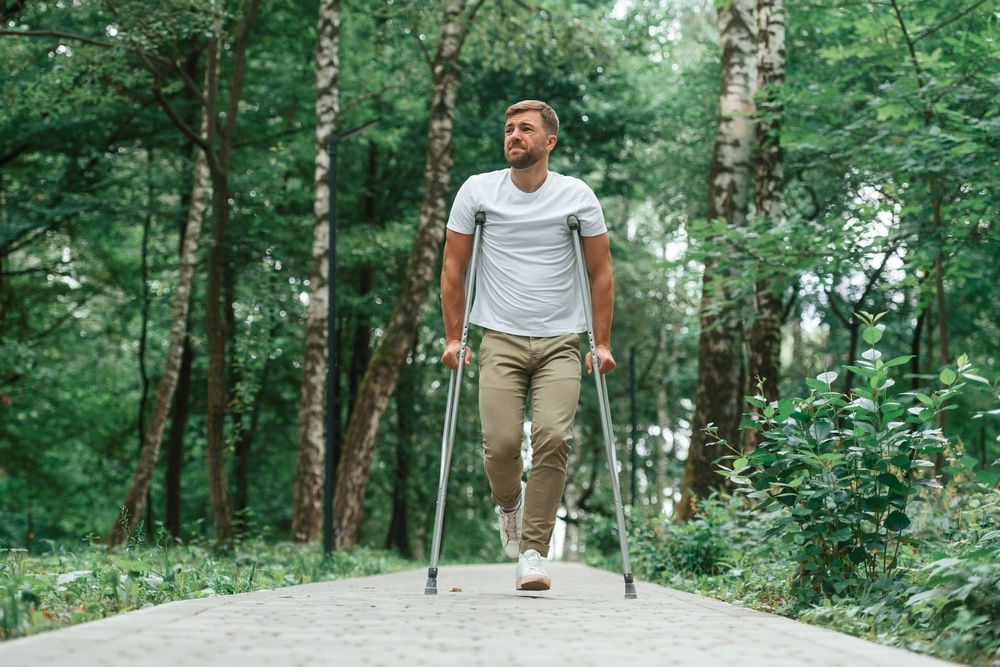
Bracing or Crutches: These devices can help protect the joint and limit weight-bearing while the ligament heals.
Rehabilitation: A physical therapist will guide you through exercises to restore motion, flexibility, and strength. Your commitment to this program is the most critical factor in your success.
Surgical Care: When It Is Considered
Surgery may be the best choice if the tear is severe, multiple structures are injured, or your goals include returning to high-impact sports or a physically demanding job.
Your surgeon may use arthroscopy (a minimally invasive technique using a small camera and incisions), open surgery, or a combination of both.
ACL Reconstruction
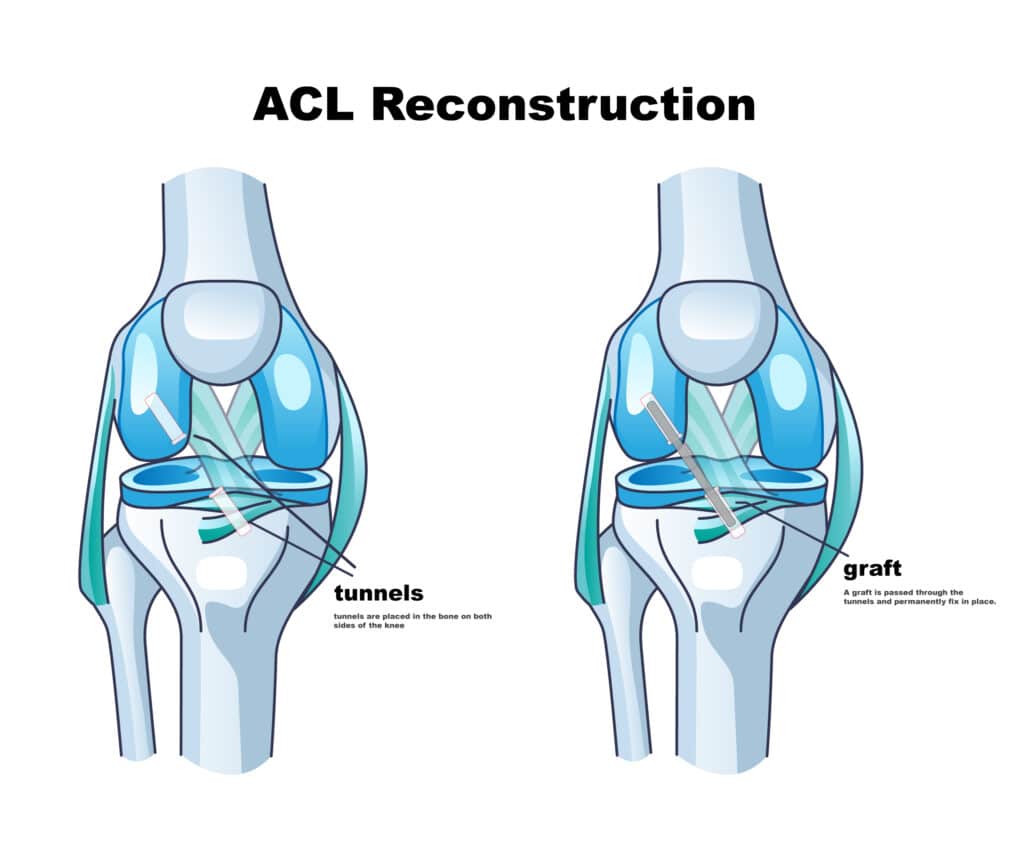
This is the most common surgery for a torn ACL. The surgeon removes the damaged ligament and replaces it with a tendon graft. This graft may be an autograft (tissue from your own body) or an allograft (tissue from a donor). Tunnels are drilled in the bone, and the graft is passed through and secured to serve as a new, functional ligament.
MCL Surgery
While most MCL tears heal without surgery, an operation may be needed if the tear is severe or combined with other injuries. The surgeon may repair the torn ligament directly or reconstruct it using a graft, similar to an ACL procedure.
Your Role in Recovery: Partner With Your Care Team
Recovery is a team effort involving you, your doctor, and your physical therapist—but your commitment is the most important part. Take an active role by learning about your injury, asking questions about the benefits and risks of each option, and clearly communicating your goals. Plan for rehabilitation from the start. Your dedication to showing up, doing your exercises, and following the plan will determine your final outcome.
Your Surgical Journey: From Preparation to Recovery
Preparing for Surgery
If you and your doctor decide on surgery, proper preparation is key. Use this checklist and ask about any special instructions.
Discuss all medicines, supplements, and herbs you take with your care team.
Arrange for an adult to drive you home after your procedure.
Follow all instructions about when to stop eating or drinking.
If you smoke, talk to your doctor about quitting or cutting back to improve healing.
MCL Surgery
If you and your doctor decide on surgery, proper preparation is key. Use this checklist and ask about any special instructions.
Discuss all medicines, supplements, and herbs you take with your care team.
Arrange for an adult to drive you home after your procedure.
Follow all instructions about when to stop eating or drinking.
If you smoke, talk to your doctor about quitting or cutting back to improve healing.
ACL Surgery
If you and your doctor decide on surgery, proper preparation is key. Use this checklist and ask about any special instructions.
Discuss all medicines, supplements, and herbs you take with your care team.
Arrange for an adult to drive you home after your procedure.
Follow all instructions about when to stop eating or drinking.
If you smoke, talk to your doctor about quitting or cutting back to improve healing.
Right After Surgery
You will spend a few hours in a recovery area where staff will monitor you. Your knee will be bandaged, and your leg may be in a brace. Elevating and icing the leg will begin immediately to control swelling. It is essential to communicate with your nurse to ensure your pain is well-managed.
Early Recovery
Healing after surgery often takes six months or more. Early on, you’ll probably rely on crutches to get around. To minimize stiffness and scar tissue, keep your knee moving and complete your prescribed exercises. Schedule and attend follow-up appointments with your surgeon to monitor your progress—and bring any questions you have.
Walking with Crutches
You’ll receive instruction on proper crutch use. Continue using them for as long as you’re told. You may be fully non-weight-bearing, or you might be allowed to place some weight on the leg. Follow your provider’s guidance closely, and don’t load the injured leg more than instructed.
Rehabilitation: Rebuilding Your Strength and Motion
Rehab is essential for all ligament injuries, whether or not you have surgery. Your plan will be tailored to you, but the core principles remain the same.
Exercises
Ankle Pumps
Slowly point and flex your feet throughout the day to reduce swelling and prevent blood clots.
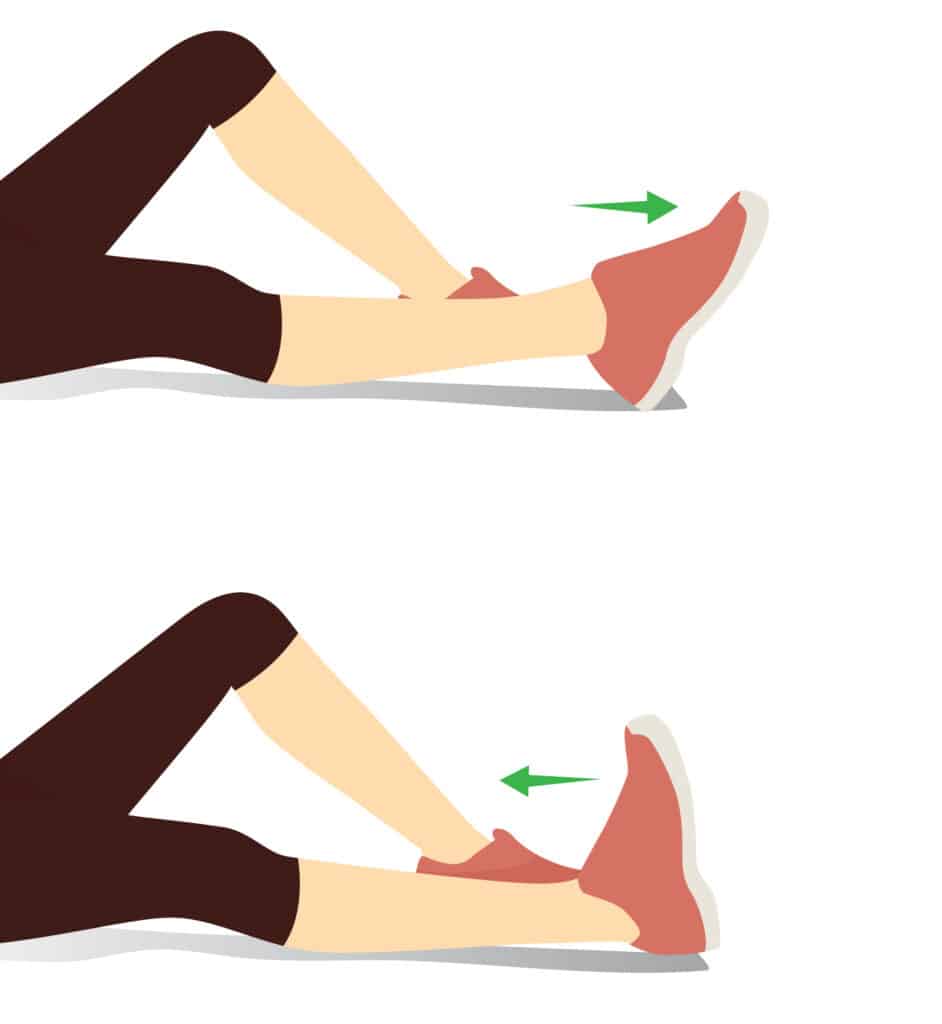
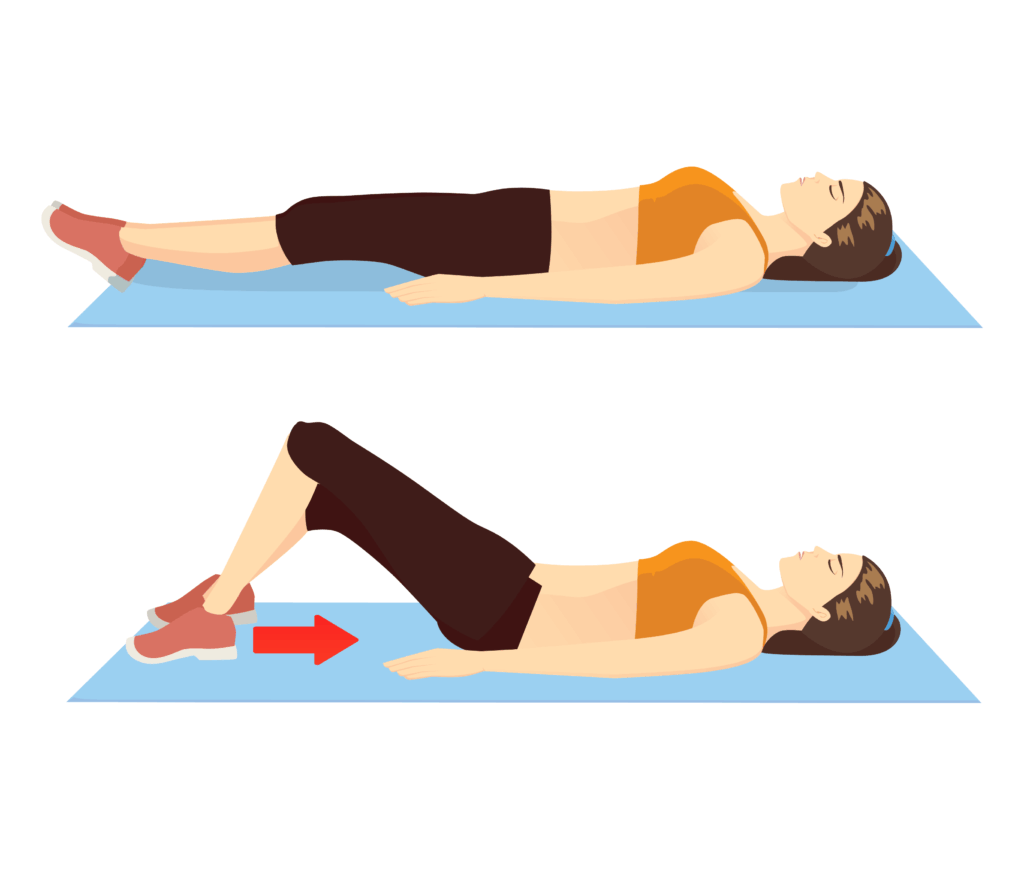
Heal Slides
While sitting, gently slide your heel toward your buttock to bend the knee. Hold for 3 seconds, then straighten.
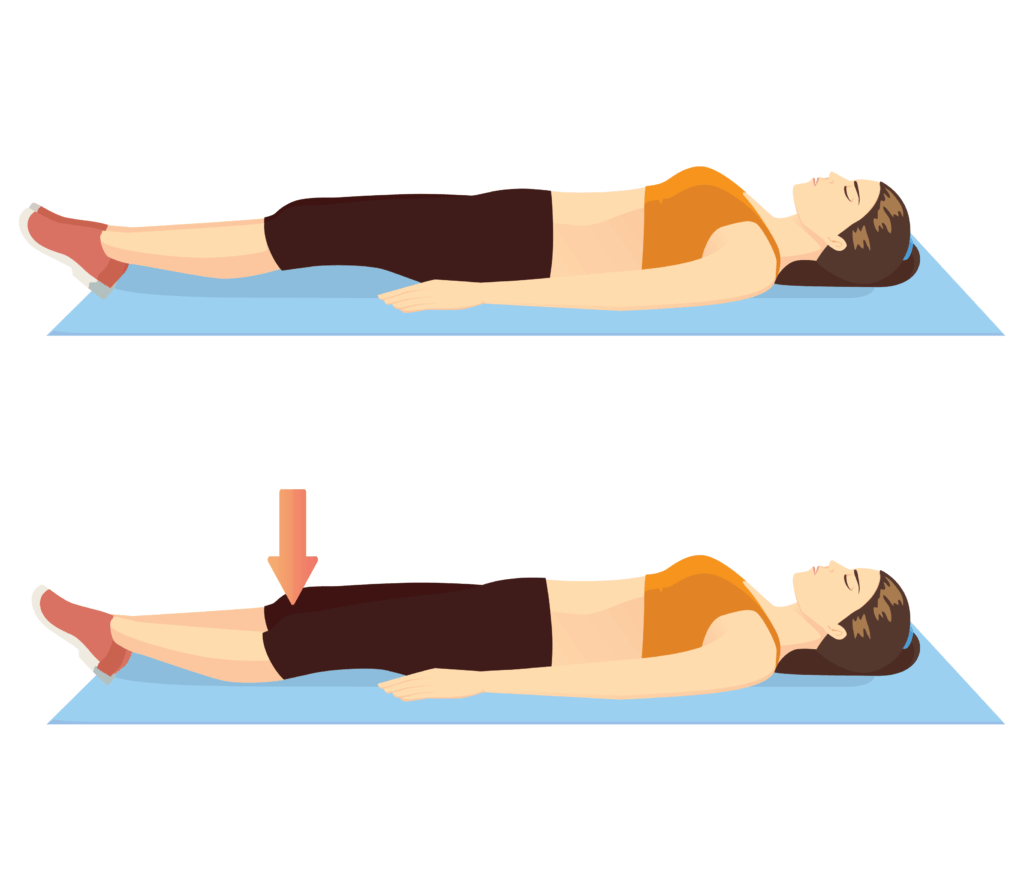
Quad Sets
Tighten the large muscle on top of your thigh, pressing the back of your knee down. Hold for 5 seconds.
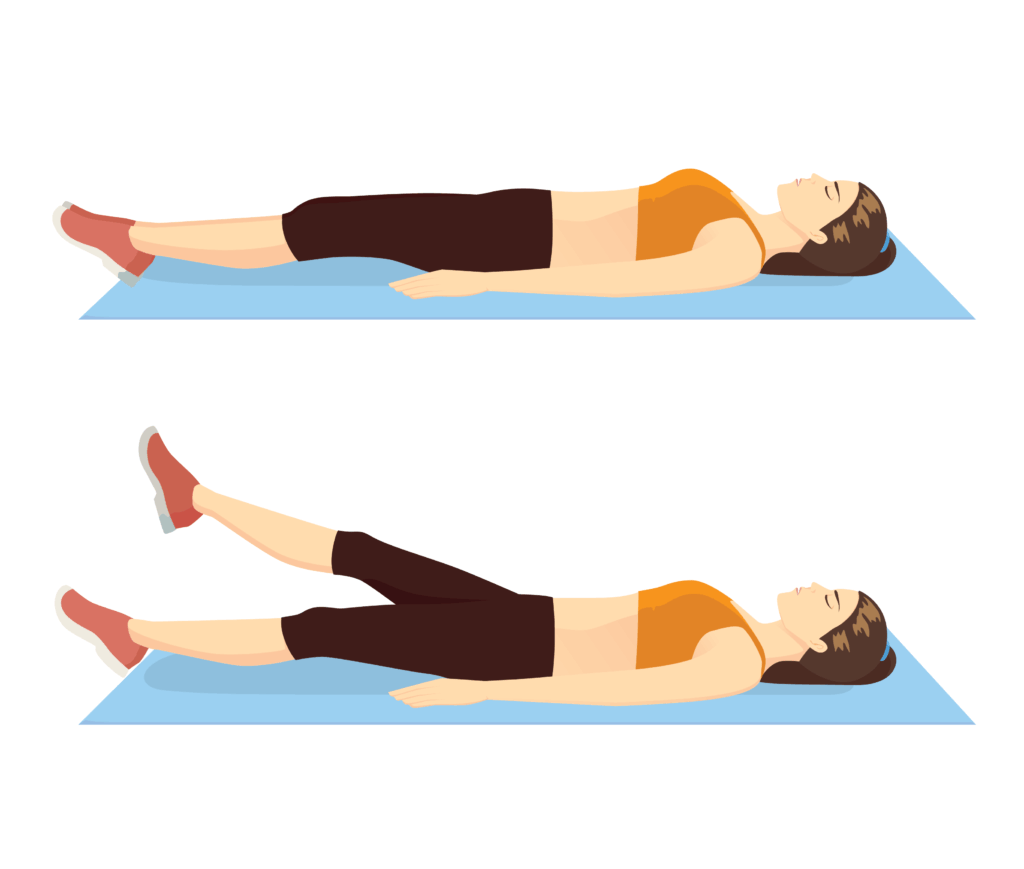
Straight Leg Raises
With your uninjured leg bent, tighten your quad and lift your injured leg straight up about 12 inches. Hold for 3 seconds, then lower slowly.
Long-Term Rehab and Returning to Activities
Rehab Plan
Your rehabilitation plan is personalized to your injury, the procedure performed, and your activity goals. During rehab, you will work on exercises that rebuild knee strength and flexibility. That work is essential for returning to normal routines and sports. A physical therapist may lead the early phases, but long-term knee health depends on your consistency.
Building Strength
Focus on the muscles that stabilize the knee: quadriceps, hamstrings, and calves. Restoring these muscle groups is a major driver of recovery after knee ligament surgery. Exercises such as leg presses can help increase strength, as directed by your care team.
Improving Flexibility
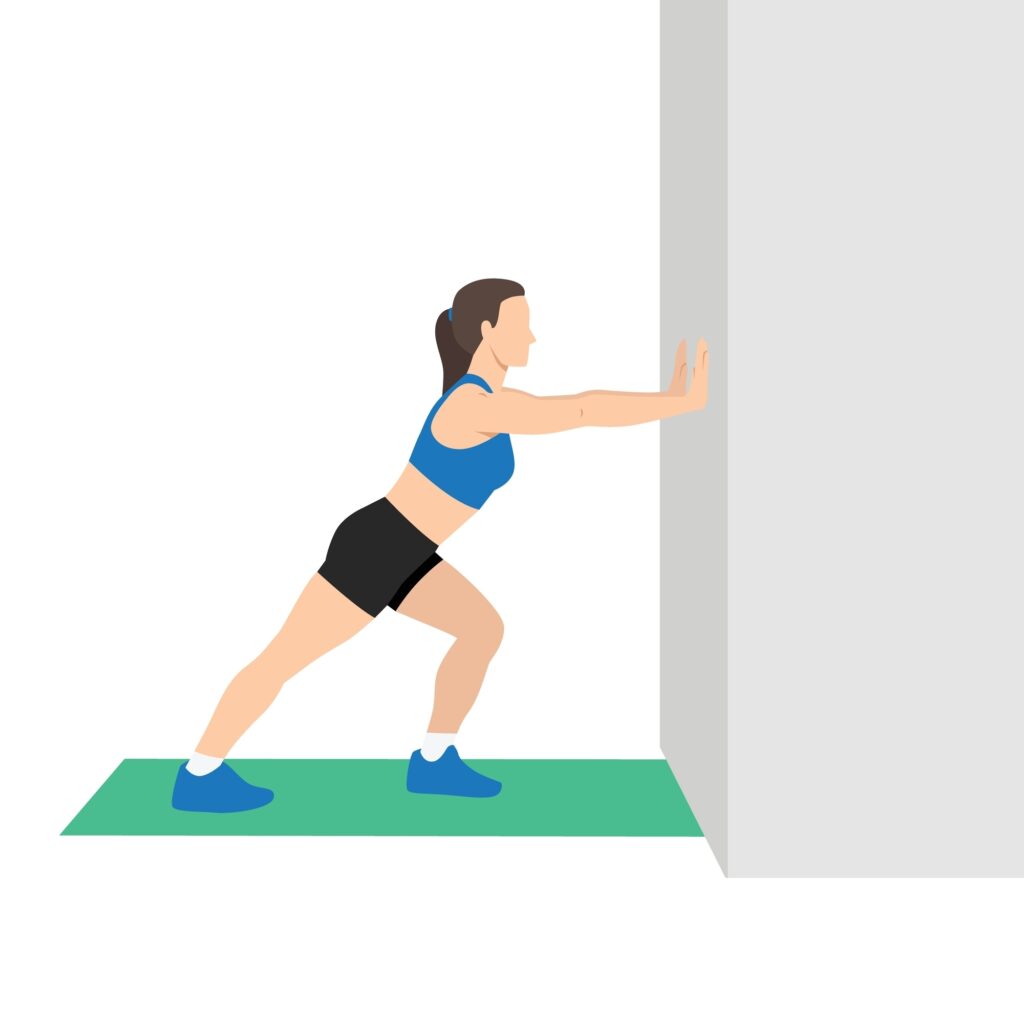
Gentle stretching helps the knee move more freely. Use slow, steady motions without bouncing. You should feel a mild pull, not pain. A simple option is the calf stretch.
Calf Stretch Instructions
Face a wall with your feet together. Place your palms on the wall with a slight bend in the elbows.
Step one foot back. Keep the front knee bent and the back knee straight.
Lean forward while keeping both heels on the floor until you feel a stretch in the back calf.
Hold for 15 to 30 seconds, then return to the start and switch legs. Repeat as instructed.
Lifelong Knee Protection
Even after you recover, it's essential to continue strengthening the muscles that support your knee. This ongoing work helps protect the joint from future injury and supports long-term health. Your provider may also recommend wearing a brace for high-risk activities.
Quick Summary
Get a prompt diagnosis to understand your specific injury.
Choose a treatment path with your personal goals in mind.
Control pain and swelling in the crucial early stages.
Commit to rehabilitation to restore strength, stability, and motion.
Prepare for surgery if it is the recommended option for you.
Follow recovery steps carefully and watch for any warning signs.
Protect your knees with long-term strategies for joint health.
Have Questions?
If you have any questions or concerns, please contact one of our offices. This information is provided solely for educational purposes and is not a substitute for personalized medical advice. For detailed advice please contact us at (609) 924-8131, text us at (609) 757-9992 or send us a message via our contact form.