Understand what a lumbar epidural injection does and how it can help manage pain.
Prepare ahead: review medications, follow fasting instructions, bring imaging, and arrange a ride home.
Know the steps involved during the procedure and be aware of common side effects.
Follow early recovery tips and watch for any warning signs that require a call to your doctor.
Use simple exercises and proper body mechanics to protect your back during and after recovery.
Stay in touch with your provider and build healthy habits for long-term back health.
What Is a Lumbar Epidural Injection?
A lumbar epidural injection delivers medicine directly to your lower back to help reduce inflammation—the swelling and irritation that can occur around spinal nerves. By calming this inflammation, the injection can ease pain in the low back, buttock, or leg. In some cases, the injection also serves as a diagnostic tool, helping your provider confirm the precise source of your pain.
How Injections Can Ease Pain
While this treatment may not eliminate all pain for every person, it often lowers pain and inflammation enough to break the cycle of pain and immobility. When pain limits your activity, healing can slow down, and muscles can weaken. Reducing pain can help you move more comfortably, participate in physical therapy, and support your overall recovery.
The level of relief varies from person to person. Some people may need more than one injection to experience meaningful improvement. Your provider will work with you to determine the best treatment plan for your specific needs.
Using Injections to Find the Pain Source
An injection can also be used for diagnosis. In a procedure known as a selective nerve block, medicine is used to briefly numb one or more specific spinal nerves. If your pain improves significantly after the injection, it confirms that the targeted nerve area is likely involved in your pain. If there is no change, your pain may be coming from another part of your spine or a different area of your body entirely.
Your Lower Back
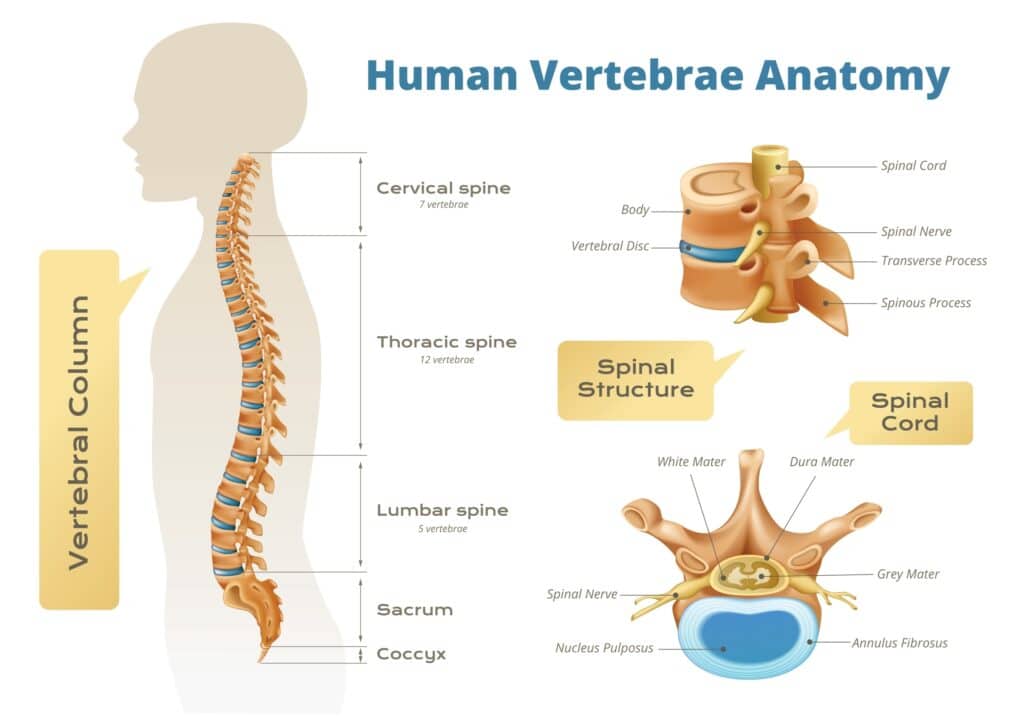
Understanding a few basics can make the procedure feel less overwhelming. Your lower back, or lumbar spine, is made of a stack of bones called vertebrae. These are separated by soft, cushion-like disks.
Spinal Canal: Inside the stack of vertebrae is a tunnel called the spinal canal, which houses the spinal nerves.
Nerve Roots: Nerves exit the spinal canal as nerve roots. When a disk is injured or tissue becomes inflamed, these nerve roots can become irritated, causing back, buttock, or leg pain.
Sciatic Nerve: The sciatic nerve is a large nerve formed from several lumbar nerve roots that runs down the back of each leg. When the nerve roots that form the sciatic nerve are inflamed, you may feel a traveling pain known as sciatica.
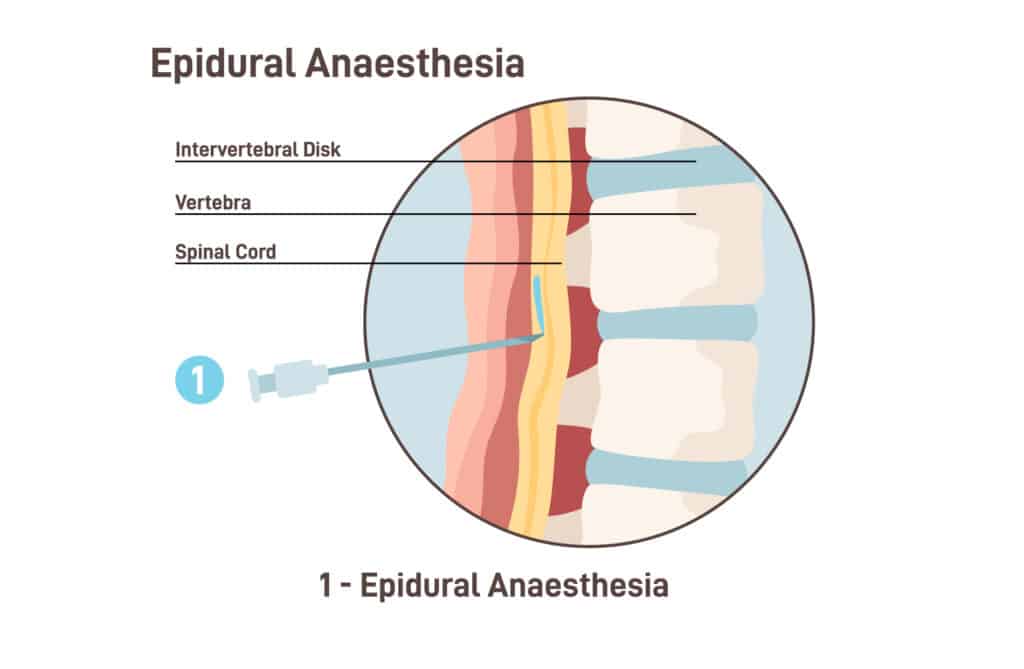
Epidural Space: This is the area that surrounds the nerves inside the spinal canal. For broad pain relief, medicine is placed here. For more targeted treatment, medicine may be placed around a specific nerve root.
Preparing for Your Appointment
Good preparation helps ensure your procedure day goes smoothly. Follow these steps:
Review Your Medications: Place all your medicines—including prescriptions, over-the-counter products, vitamins, and supplements—in a bag and bring them with you. Tell your provider if you use aspirin, anti-inflammatory drugs (like ibuprofen), or blood thinners, as you may be asked to pause them before the injection.
Fasting: Ask your provider whether you should stop eating or drinking before your visit and for how long.
Arrange a Ride: You will need an adult family member or friend to drive you home after the procedure.
Bring Imaging: If you have recent X-rays, CT scans, or MRIs from other clinics, bring them with you so your care team has a complete picture of your health.
The Day of the Procedure
Checking In
When you arrive, you will sign consent forms and may complete short surveys about your pain. Your provider might perform a brief physical exam. An IV line may be placed in your arm so that fluids or medication can be given if needed.
Risks and Possible Complications
Complications are uncommon, but it is important to be aware of the risks. These can include infection, bleeding, a spinal fluid leak causing a spinal headache, nausea, or nerve injury. Your provider will discuss any specific risks related to your condition and answer your questions.
What Happens During the Injection
You may receive medicine through the IV to help you relax. Monitors will be placed to track your heart rate, breathing, and blood pressure. You will lie on your stomach or side on a procedure table.
Your lower back will be cleaned with an antiseptic and covered with sterile towels. A local anesthetic is used to numb the skin at the injection site. Using fluoroscopy (a real-time X-ray) for guidance, the provider will carefully guide the epidural needle to the target area. A small amount of contrast dye may be injected to confirm the medicine will reach the correct spot. Finally, a local anesthetic for numbing, a corticosteroid to reduce inflammation, or both, will be injected into the epidural space or around the specific nerve root.
After the Injection
Immediate Recovery
You will rest in a recovery area for up to an hour for observation. Before you leave, you may be asked to complete another short pain survey. Some temporary side effects can occur, but they usually fade within a few days. These may include a temporary increase in pain, headache, flushing, or trouble sleeping. Steroid injections can also cause a temporary rise in blood sugar levels.
Care at Home
Gentle walking is encouraged, but avoid strenuous activity for the first day or two. Even if you feel better right away, do not perform tasks that could strain your back. Remember, a diagnostic injection may provide only brief pain relief, while a therapeutic injection can take up to two weeks to reach its full effect. It is common to feel more pain at first, followed by gradual improvement.
Take short walks as you are able.
Rest when needed, but try to stand and move every 30 minutes.
Use an ice pack wrapped in a thin towel for 15-20 minutes at a time for comfort.
Do not drive until your provider says it is safe.
Return to work or usual activities only when cleared by your provider.
Build Strength and Protect Your Back
Once your provider says it is safe, gentle exercises and good body mechanics can help prevent pain from returning. Body mechanics refers to how you stand, sit, and move during daily tasks. Stop if you feel new or lasting pain during exercise and contact your provider.
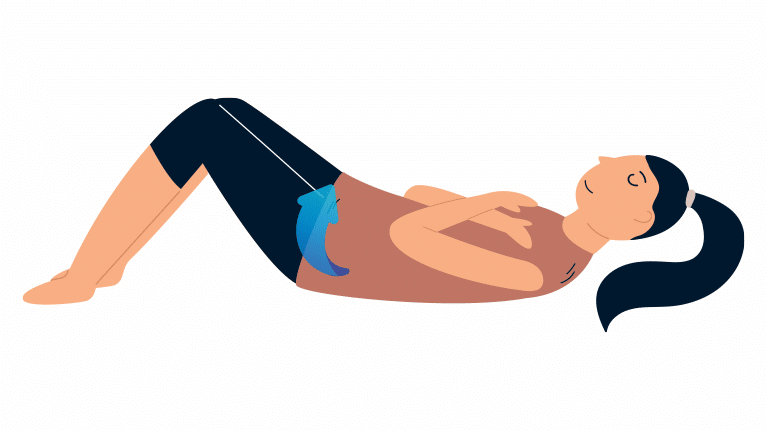
Pelvic Tilt
Lie on your back with your knees bent and feet flat on the floor.
Tighten your stomach and buttock muscles to gently press your low back into the floor.
Hold for 5 seconds, then relax. Repeat 10 times, twice a day.
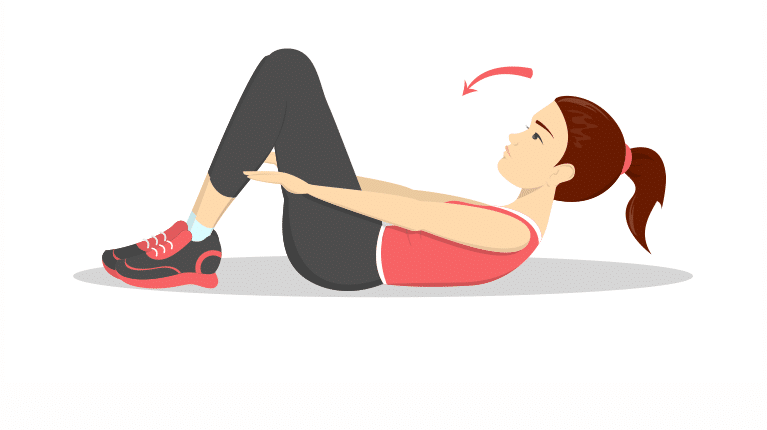
Partial Sit-Up
Lie on your back with your knees bent, feet flat, and arms crossed over your chest.
Slowly raise your head and shoulders off the floor, keeping your low back pressed down.
Hold for 5 seconds, then slowly lower back down. Repeat 10 times, twice a day.
How to Lift Safely
Stand close to the object you plan to lift.
Bend at your hips and knees, not your waist. Keep your back straight.
Hold the object close to your body as you lift.
Use the strength in your legs to press up, not your back.
Do not twist your body while lifting.
Quick Summary
Your injection is one part of a larger plan for your back health. Keep talking with your provider about how you feel and what matters most to you. Simple lifestyle habits can also support your progress and reduce future flare-ups:
Quit Smoking: Smoking is linked to a higher risk of low back problems.
Healthy Diet: Manage your weight with a balanced, low-fat, high-fiber diet.
Manage Stress: Use tools like deep breathing, stretching, or short walks.
Stay Active: Even light, regular walking can improve flexibility and strength.
Practice Good Posture: Be mindful of your back when you reach, bend, and lift.
Have Questions?
If you have any questions or concerns, please contact one of our offices. This information is provided solely for educational purposes and is not a substitute for personalized medical advice. For detailed advice please contact us at (609) 924-8131, text us at (609) 757-9992 or send us a message via our contact form.