Considering Lumbar Spine Surgery? Here's What You Need to Know.
From understanding your diagnosis to planning for a smooth recovery, our comprehensive guide walks you through every step of lumbar spine surgery. Learn about procedures, risks, and how to be an active partner in your healing journey.
Quick-Start Checklist
Start with a full medical evaluation and try nonsurgical care first.
Plan ahead for surgery and recovery at home.
Understand the procedure your surgeon recommends.
Know the risks and benefits of decompression and fusion.
Begin walking early in the hospital and increase activity at home.
Protect your back with good body mechanics and physical therapy.
Keep every follow-up visit and call if concerning symptoms arise.
A Patient-Centered Approach to Lumbar Spine Care
Living with low back pain can be exhausting. We know it limits what you love to do and can affect your mood, sleep, and energy. While there is no single quick fix, the right care plan can reduce pain and help you get back to daily life.
When Back Pain Changes Daily Life
Back pain looks different for each person. Your pain may flare with certain movements or persist all day. It can stay in the lower back or travel into the buttocks and legs.
Some people also notice tingling, numbness, or weakness. These symptoms can make simple tasks like lifting groceries or caring for a child feel daunting. Ongoing pain can affect mood and may lead to feelings of frustration or depression.
How Surgery May Help
If conservative care is not easing your symptoms, surgery may offer relief. Surgery often helps to:
Ease back and leg pain
Reduce pain with movement
Lessen numbness or weakness
Improve daily function and quality of life
Your Role in a Successful Recovery
You are a key partner in your care. Talk with your surgeon about your goals and what matters most to you. Keep in mind that recovery takes time, often several months, and your team will ask you to limit activities that stress your back.
Physical therapy is often part of healing. It builds strength, restores safe movement, and helps you return to the activities you enjoy.
Lumbar Spine Basics
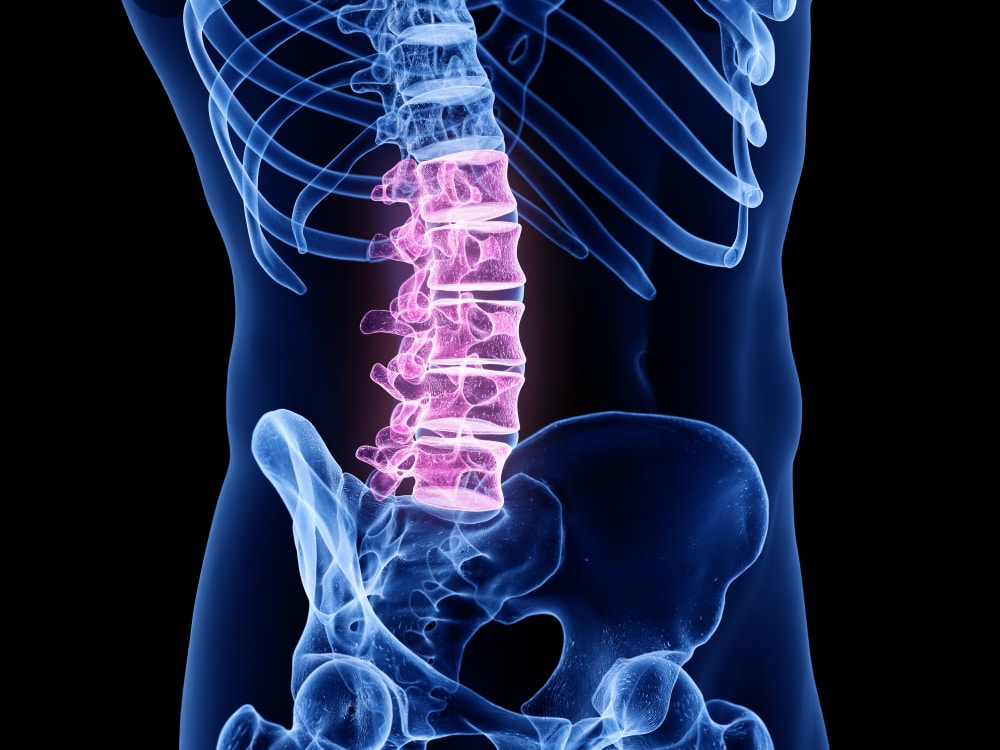
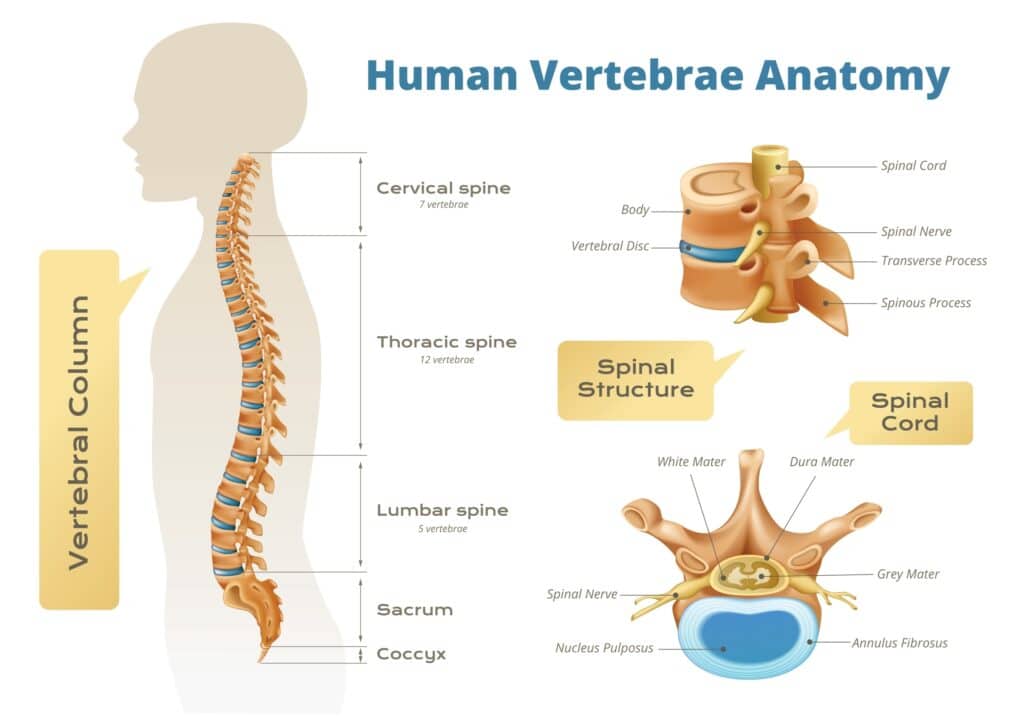
Your spine is made of bones called vertebrae that stack like building blocks. The lumbar spine is the lower section with five vertebrae. When these parts work well together, you can move with comfort.
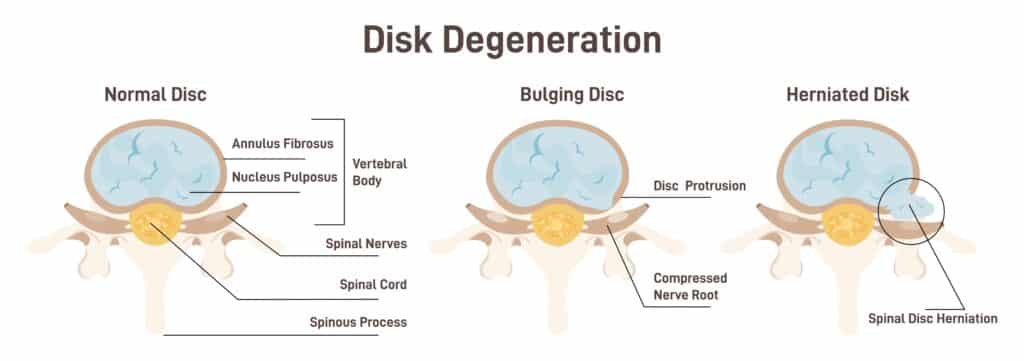
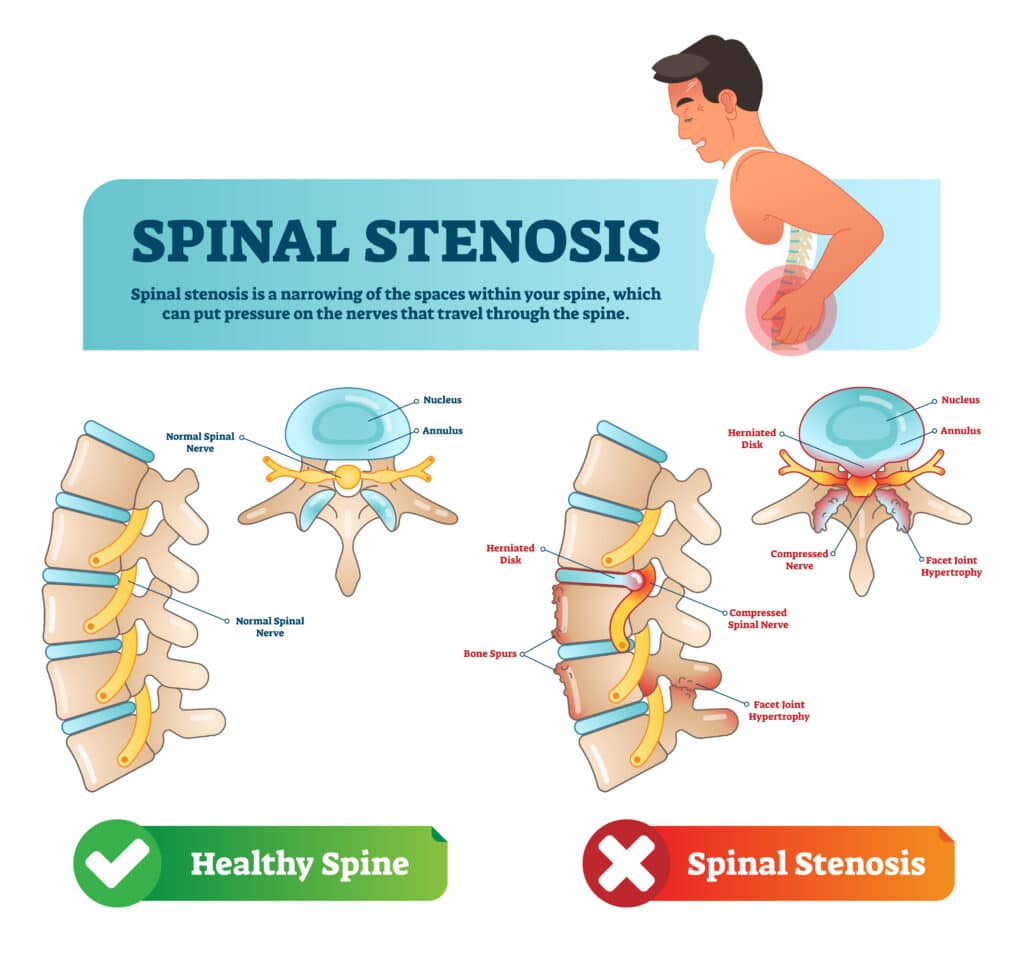
Between the vertebrae are disks, which are soft cushions that absorb shock. The tough outer ring is the annulus and the softer center is the nucleus. A tunnel called the spinal canal runs through the vertebrae, and spinal nerves branch out through side openings called foramina.
On the back of each vertebra is the lamina, a bony arch that forms the rear of the spinal canal. Facet joints connect neighboring vertebrae and help guide movement. Problems in any of these structures can lead to pain.
Why the Lower Back Can Hurt
Low back pain can result from several issues. A herniated disk happens when disk material bulges outward and presses on a nearby nerve. A contained herniation means the soft center is pushing out. An extruded herniation means the outer ring has torn and the soft center leaks through.
As disks age, they can thin, and the vertebrae may rub against each other. This can irritate nerves and lead to bone spurs. When bone spurs narrow the spinal canal or foramina, the result is stenosis, which can cause pain, numbness, or weakness.
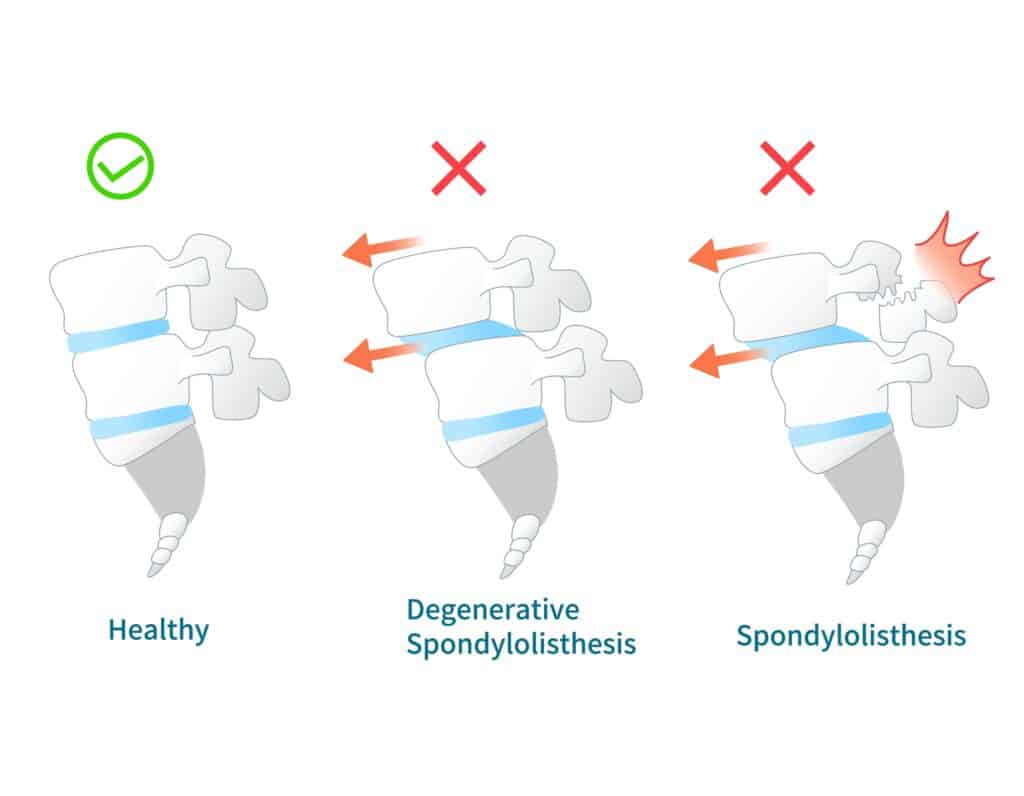
Sometimes the spine becomes unstable and a vertebra slips forward. This is called spondylolisthesis. It can irritate joints and nerves and may worsen stenosis.
Your Medical Evaluation
A thorough evaluation helps confirm the cause of your symptoms. Your doctor will review your health history, including any heart disease, high blood pressure, or diabetes. Be sure to list all medications, including aspirin, ibuprofen, supplements, and herbal products, and let your team know if you smoke.
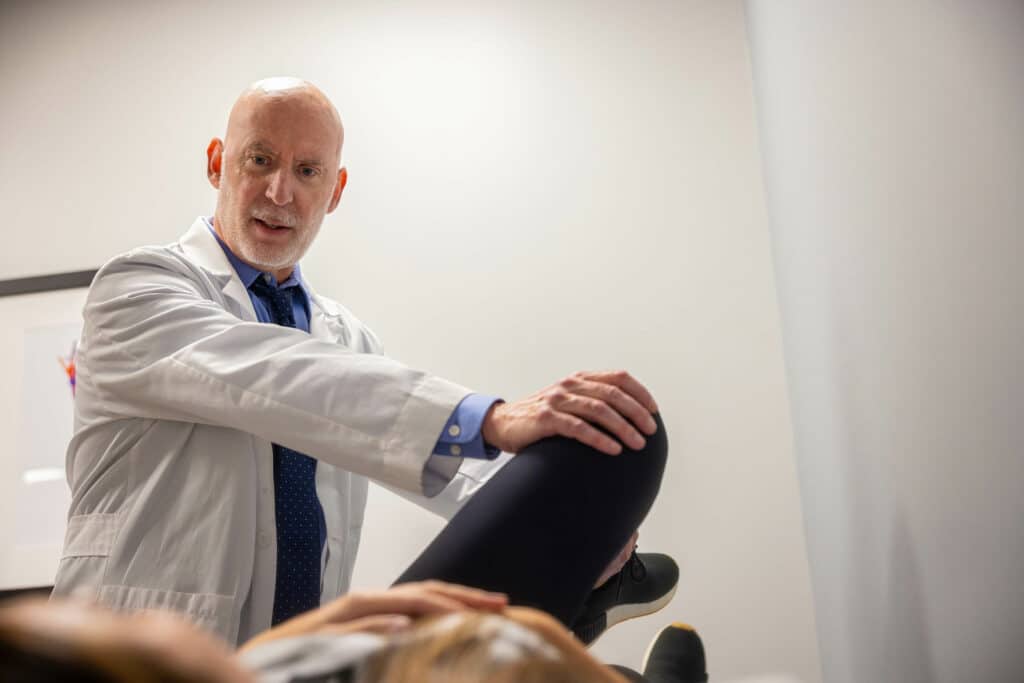
During the physical exam, your provider will check your spine and legs in different positions. Tests may include raising your leg to see if pain travels, checking strength and reflexes, and looking for areas of numbness.
Imaging tests can provide more detail. These may include X-rays, MRI, or CT scans to look at bones, disks, and nerves. Other tests may include a discogram, myelogram, or bone scan, sometimes with contrast dye. An EMG is a nerve and muscle test that can show nerve irritation or damage. Blood and urine tests may also be ordered.
Nonsurgical Care to Try First
Most people start with conservative treatment. Changes to daily activities can reduce strain, such as limiting heavy lifting, improving posture when sleeping and getting out of bed, and using supports like a lumbar roll to help align the spine.
Physical therapy often plays a central role. Your program may include walking or other gentle exercises for strength and flexibility, education on safe movement, and treatments like heat, cold, ultrasound, or massage to help reduce pain. Manual therapy can also improve spinal motion.
Medication may help with pain, muscle spasms, and inflammation. Some medicines are taken as pills, and others can be injected into joints or near irritated nerves or disks. Take your medicine exactly as directed rather than waiting until pain becomes severe.
Planning for Your Surgery
If nonsurgical care has not improved your quality of life, your surgeon may recommend an operation. Planning ahead makes recovery safer and smoother. Quitting smoking can help bones heal better. Ask your doctor about aids such as patches, gum, or medications.
Discuss blood management before surgery. Some people donate their own blood in advance or receive donor blood if needed. Your doctor may recommend a medicine called epoetin alfa before surgery to reduce the chance of needing a transfusion.
Organize your home for safety. Place everyday items between hip and shoulder height so you do not need to bend or reach. Arrange rides, since you may not be able to drive for at least a week. Closed-back slip-on shoes can make dressing easier without bending.
Before the Operation
Follow all preoperative instructions carefully. Stop taking aspirin and ibuprofen at least one week before surgery unless your doctor tells you otherwise. Ask about other medicines or supplements that should be paused.
Do not eat or drink after midnight the night before surgery. This includes mints, gum, and water. If you are told to take morning medications, swallow them with a small sip of water. Arrange for an adult to drive you home when you are discharged.
The Day of Surgery
Arrive on time. The team will check your vital signs and place an IV to give fluids and medications. You may receive medicine to help you relax. Your anesthesiologist will talk with you about anesthesia, which prevents pain during surgery.
Local or regional anesthesia numbs the surgical area. General anesthesia allows you to sleep through the procedure. Your team will recommend the safest option for your operation.
Understanding Surgical Procedures
How Surgeons Reach Your Spine
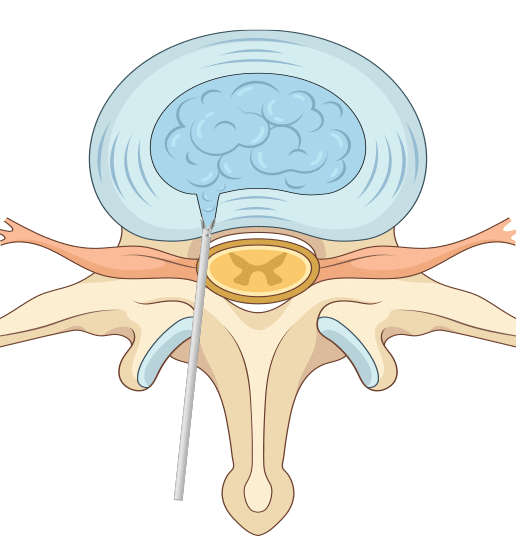
To access the spine, your surgeon makes an incision in your back, which is called a posterior approach, or in your abdomen, called an anterior approach. A microscope may be used to provide a detailed view of the area. At the end, the incision is closed with stitches or staples.
Posterior Approach
Your surgeon reaches the spine through your back. In some cases, a microscope is used to view damaged areas more clearly.
Anterior Approach
Your surgeon reaches the spine through your abdomen. This is done when your surgeon needs access to the front of your spine.
Decompression Procedures
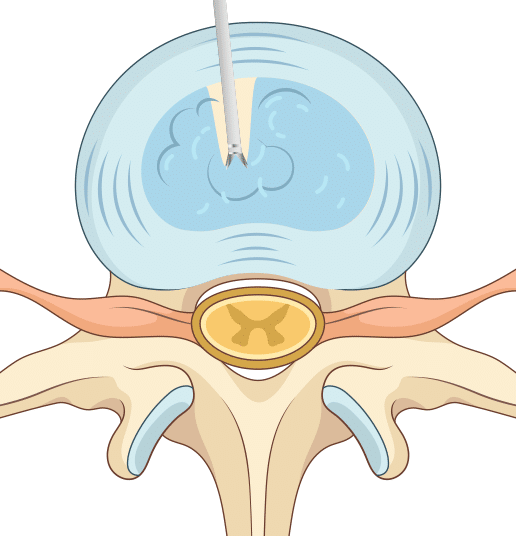
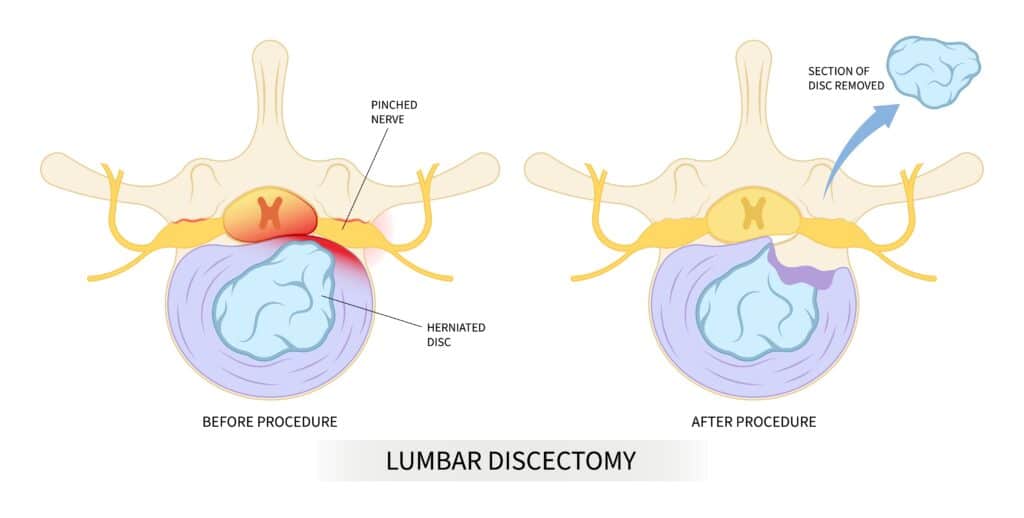
Decompression reduces pressure on irritated nerves. This can involve removing a small amount of bone or part of a disk. Sometimes a combination of procedures is used.
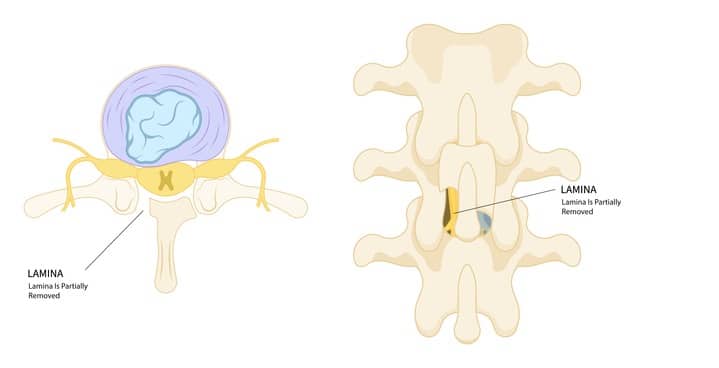
Laminotomy: A laminotomy removes a small portion of the lamina, which is the bony arch on the back of the spinal canal. This creates an opening that can ease nerve pressure. Surgeons often also remove a bone spur or a small part of a disk that is pressing on the nerve.
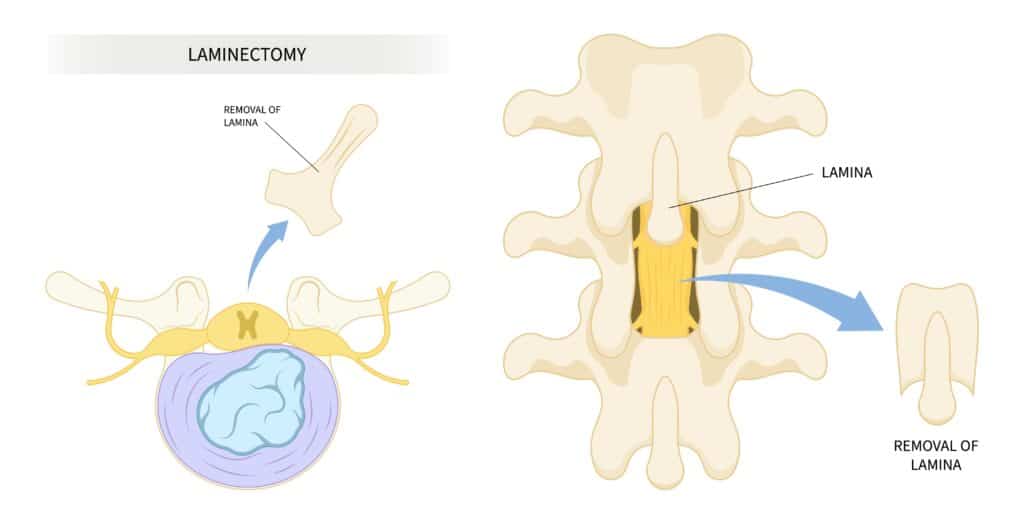
Laminectomy: A laminectomy removes the entire lamina to create more space. This can help when a bulging disk or thickened tissue squeezes a nerve. Your surgeon may also remove part of a disk or a bone spur and can enlarge the foramen to relieve stenosis. The strong back muscles protect the new opening.
Discectomy: A discectomy removes the portion of a damaged disk that presses on a nerve. Many surgeons use a surgical microscope, called a microdiscectomy, for a clearer view. A small laminotomy is often done first to access the disk, and any loose disk material that could cause future problems is removed. Enough disk remains to continue cushioning the vertebrae.
Risks and Possible Complications of Decompression
Infection
Bleeding or blood clots
Nerve injury
Spinal fluid leak
No improvement or worsening of pain
Need for another surgery
Paralysis (very rare)
Spinal Fusion Surgery and Bone Grafts
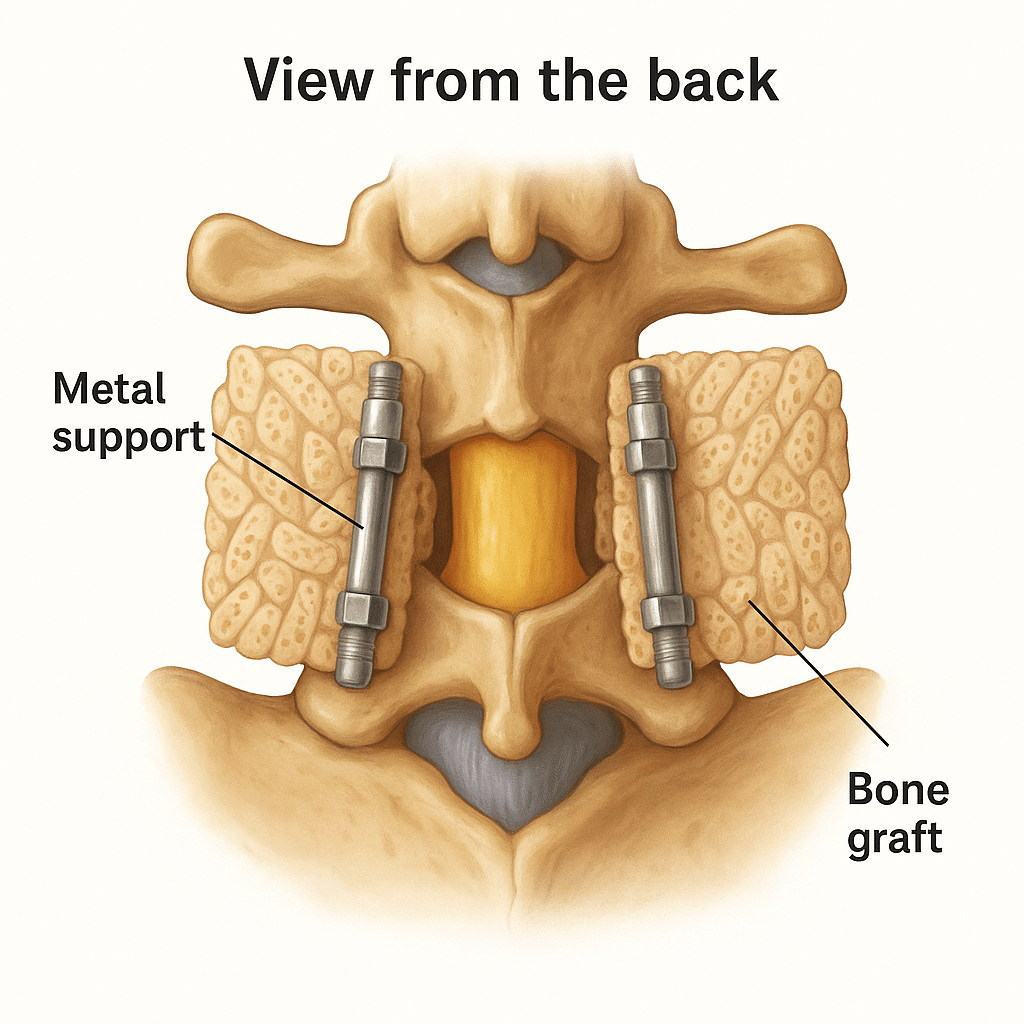
Spinal fusion improves stability when vertebrae move abnormally and cause pain. During fusion, two or more vertebrae are joined together with bone graft so they no longer shift and irritate nerves. This can reduce lower back and leg pain.
During the procedure, your surgeon may remove part of the disk between the vertebrae being fused. Small pieces of bone graft are packed between the bones. Over time, the graft and surrounding bone grow into a single solid unit.
Metal supports, such as screws and rods, may hold the spine steady while the bone heals. These supports usually remain in place. The incision is closed with stitches or staples.
ChatGPT Image Nov 5 2025 at 03 57 45 PM
Understanding Bone Graft Options
Bone graft is the material that helps the bones grow together. It can come from your own body, a donor bone bank, or artificial sources. In some cases, a bone growth protein called BMP is used to encourage fusion.
Risks and Possible Complications of Fusion
Infection
Bleeding or blood clots
Nerve injury
Bones not fusing (non-union) or graft shifting
No improvement or worsening of pain
Spinal fluid leakage
Need for another surgery
Paralysis (very rare)
Your Recovery Journey
Recovery in the Hospital
After surgery you will spend time in the Post-Anesthesia Care Unit (PACU), also called the recovery room, until you are fully awake. Most people stay there for a few hours before moving to a hospital room. Your length of stay depends on the type of surgery and how you are healing.
Grogginess, thirst, chills, or a sore throat are common right after surgery. You may have a drain, an IV for fluids and medicines, and a catheter to empty your bladder. Boots or compression stockings may be used to help prevent blood clots.
Pain control is a priority. Your nurse will give medications, or you might use a patient-controlled analgesia (PCA) pump to deliver small doses yourself. Some pain is expected, but tell your team if you are very uncomfortable.
Early movement helps recovery. You will be encouraged to sit up and walk as soon as it is safe. This keeps your blood and bowels moving and protects your lungs. A back brace may be provided for support, and a physical therapist will teach safe ways to move.
Healing at Home
Recovery takes time and gentle consistency. Increase your activity a little each day. Take all medications exactly as prescribed and ask questions if anything is unclear.
You will learn how to get in and out of bed safely. Helpful tools include reachers, shower railings, and an elevated toilet seat. Avoid lifting heavy items. Ask your doctor when it is safe to drive and return to work. Desk jobs often resume sooner than physically demanding jobs.
When to Call Your Doctor
Contact your care team right away if you have any of the following:
Increasing redness, drainage, or worsening pain at the incision
Fever over 100.4° F (38° C)
New or worsening leg pain, weakness, or numbness
Severe headache
Loss of bladder or bowel control
Building Strength and Protecting Your Back
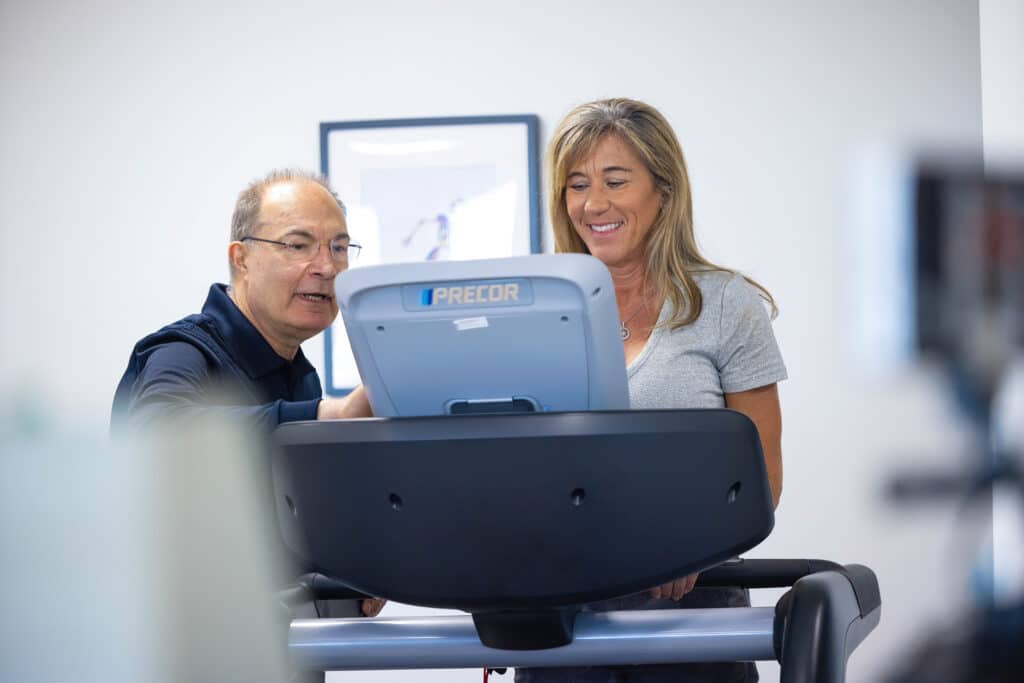
A doctor-guided exercise plan helps you heal and can reduce pain. Walking is one of the best early activities. Start with short, frequent walks and add a few minutes each day.
Water aerobics can be gentle on the back while strengthening muscles. Ask your surgeon when your incision can safely get wet. Your physical therapist can give you specific exercises tailored to your surgery and goals.
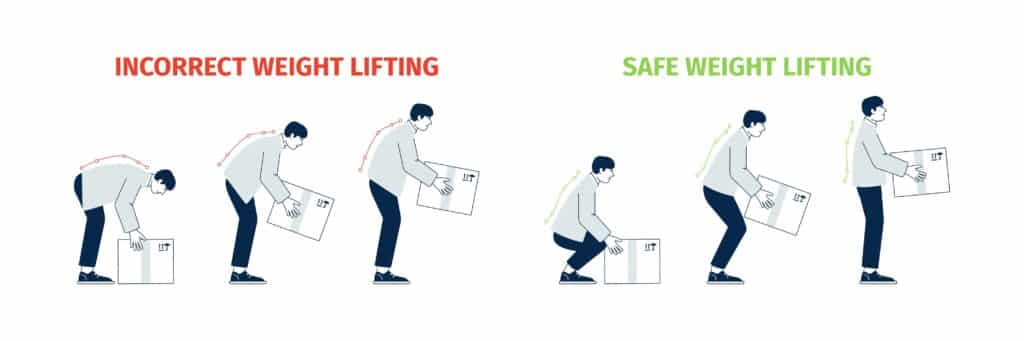
Use good body mechanics to protect your back. Use your legs to lift, keep objects close to your body, and wait to lift anything heavy until your doctor clears you. When sitting, avoid slumping and try to keep your ears, shoulders, and hips aligned. Bend at your knees instead of at your waist. Turn your whole body by moving your feet rather than twisting your back.
Follow-up visits allow your surgeon to check healing, adjust medications, and update your activity plan. Bring your questions so we can address concerns early. Staying connected with your team supports a smooth, steady recovery.
Quick Summary
Complete any tests your doctor orders.
Stop smoking.
Stop aspirin and ibuprofen ___ days before surgery as instructed.
Stop eating and drinking as directed before surgery.
Take these medicines the morning of surgery if instructed: __________
Schedule your first follow-up visit for ___ days after surgery.
Care for your incision and shower only as directed.
Complete your prescribed physical therapy program.
Restrict these activities until cleared by your surgeon: __________
Have Questions?
If you have any questions or concerns, please contact one of our offices. This information is provided solely for educational purposes and is not a substitute for personalized medical advice. For detailed advice please contact us at (609) 924-8131, text us at (609) 757-9992 or send us a message via our contact form.