Understanding Meniscus Tears and Your Treatment Options
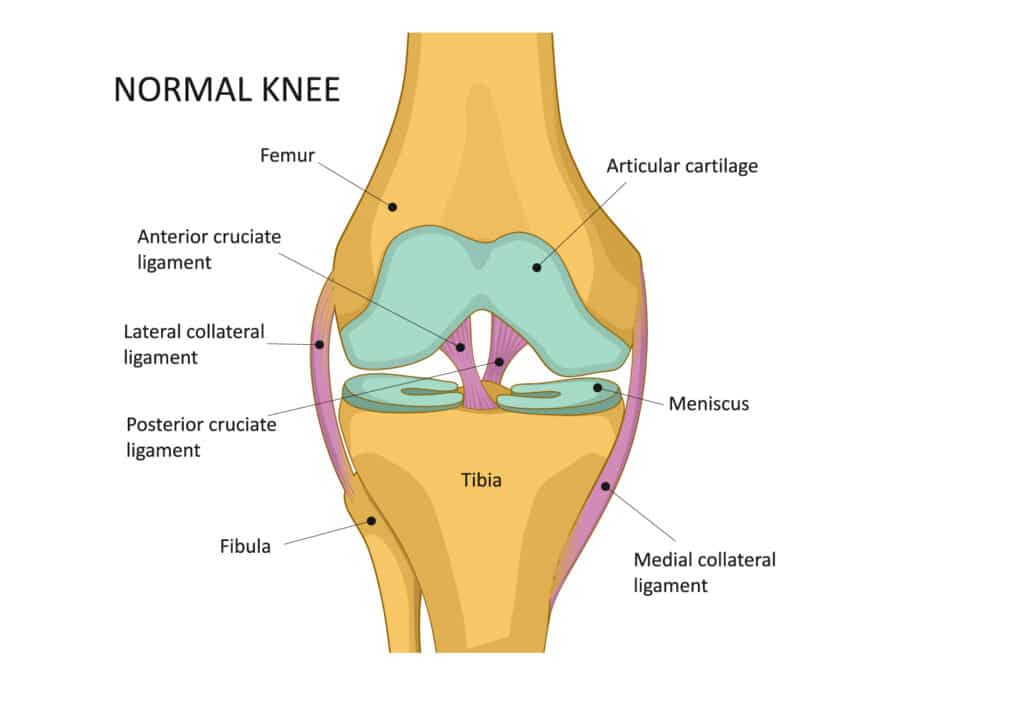
The meniscus is a C-shaped wedge of tough, rubbery cartilage that acts as a shock absorber between your shinbone (tibia) and thighbone (femur). You have two menisci in each knee—one on the inner (medial) side and one on the outer (lateral) side. They help cushion the joint, distribute weight, and provide stability.
When the meniscus tears, you might experience pain, swelling, stiffness, or a locking or catching sensation in your knee. While some people can still walk after a tear, significant or untreated tears can limit your daily life and lead to other knee problems over time. Fortunately, many treatment options are available, from nonsurgical care to minimally invasive arthroscopic surgery.
This guide will help you understand your condition and partner with your surgeon to choose the best path forward. Here's what you need to know:
Get a complete knee evaluation
Try nonsurgical care before surgery
Discuss the benefits, risks, and your personal goals
Understand how arthroscopic surgery works
Prepare for surgery day and anesthesia
Follow recovery, therapy, and safety steps
Know when to call your surgeon
How a Healthy Meniscus Works
A healthy meniscus distributes weight across the knee joint and absorbs shock during activities such as walking, squatting, and sports. It works together with the articular cartilage lining the bones and the ligaments that stabilize your knee.
Most of the meniscus has a limited blood supply, which affects its ability to heal on its own. Only the outer one-third, often called the "red zone," receives enough blood to support natural repair. Tears in the inner two-thirds (the "white zone") have less healing capacity without surgical intervention.
Common Meniscus Tear Patterns
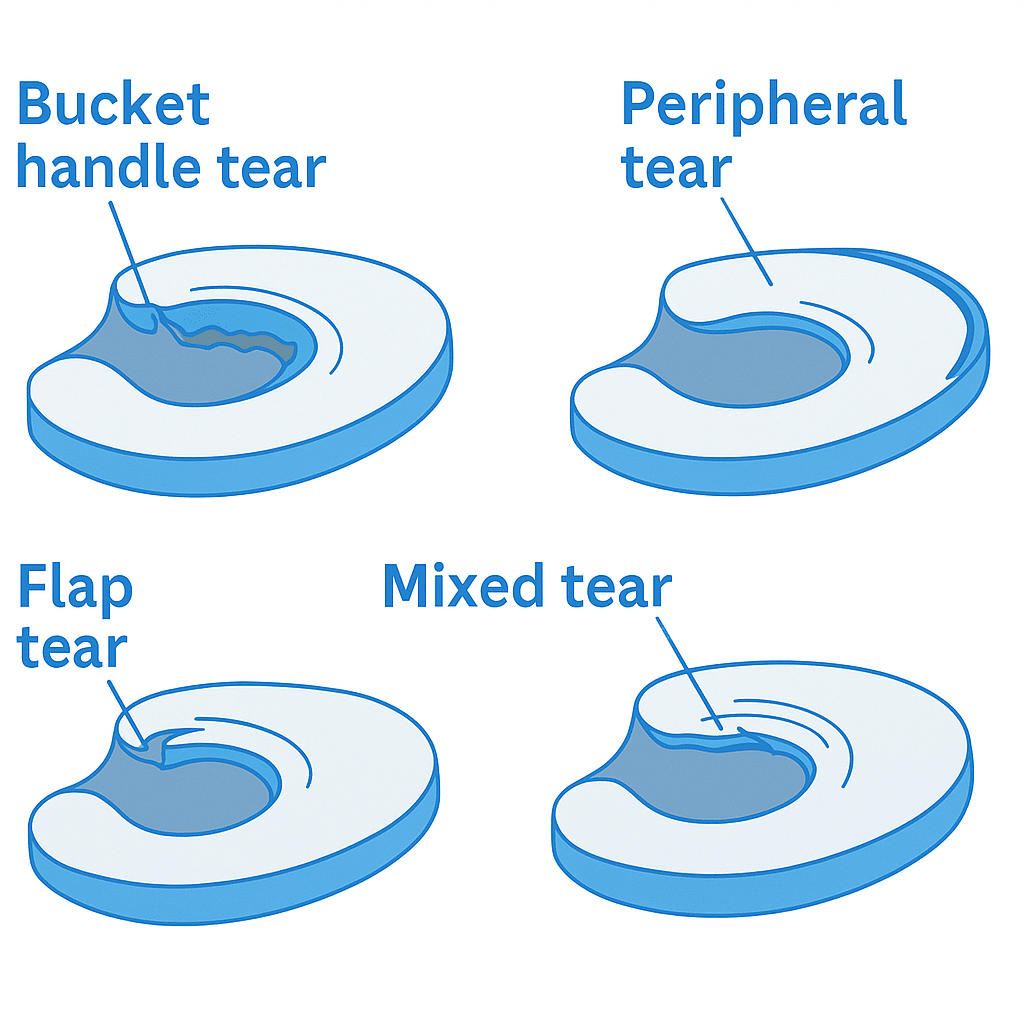
Meniscus tears can happen from a sudden twist during sports or from degenerative changes related to aging and everyday wear. Tears are classified by their appearance and location. Common patterns include:
Bucket handle tear: A large, longitudinal tear where a portion of the meniscus flips into the joint like a bucket handle.
Flap tear: A piece of the meniscus is torn and creates a flap that can catch in the joint.
Peripheral tear: A tear located near the outer rim, often in the well-vascularized "red zone."
Degenerative or complex tear: A combination of tear patterns, often with frayed edges, is common in older adults.
Evaluating Your Knee and Deciding on Treatment
Your Knee Evaluation
An orthopedic surgeon will begin by discussing your symptoms, activity level, and medical history. They will perform a physical examination of your knee to check for tenderness, range of motion, swelling, and stability. To get a clear picture of the meniscus and other structures in your knee, imaging tests like an X-ray or MRI may be ordered.
Considering Nonsurgical Treatment First
Many meniscus tears improve with simple, nonsurgical steps. This conservative approach often includes:
Rest, Ice, Compression, and Elevation (RICE): Reducing activity and using ice and compression to manage pain and swelling.
Medications: Over-the-counter anti-inflammatory drugs (like ibuprofen) can reduce pain.
Physical Therapy: Specific exercises can strengthen the muscles around the knee to support and stabilize the joint.
Injections: Corticosteroid injections can help reduce inflammation and pain.
Is Arthroscopic Surgery Right for You?
If your symptoms continue to limit your daily life despite nonsurgical treatment, surgery may be the next step. Before choosing surgery, it's crucial to understand the expected benefits and potential risks for your specific situation. Discuss your goals with your surgeon and ask what to expect during preparation and recovery. Being well-informed helps you make a confident decision.
What to Expect from Arthroscopic Meniscus Surgery
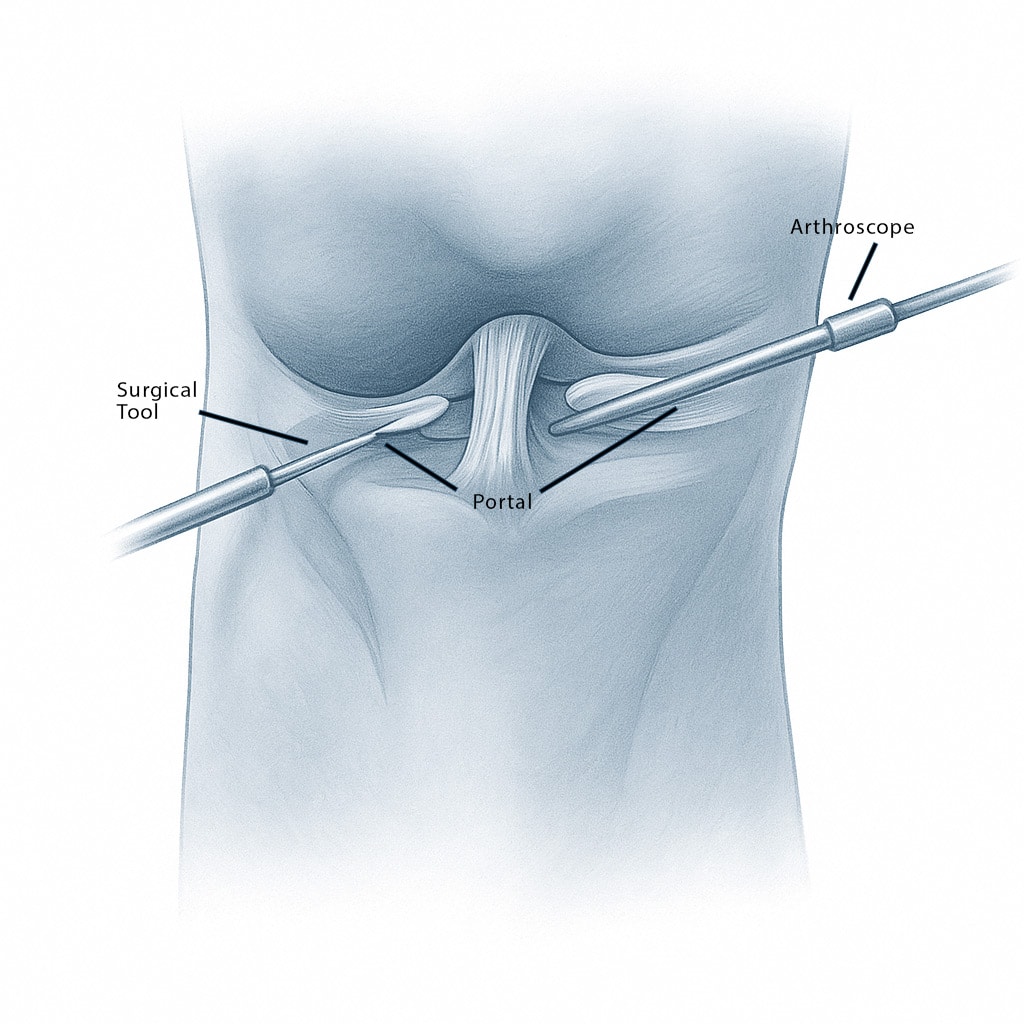
Meniscus surgery is typically performed using arthroscopy, a minimally invasive technique that allows the surgeon to treat the joint through small incisions called portals. Most patients can go home the same day.
Preparing for Surgery Day
You will receive detailed instructions, including when to stop eating and drinking. At the hospital, an IV will be placed in your arm for fluids and medication. As a safety measure, the surgical team will confirm your name, the procedure, and which knee is being operated on, and your surgeon will mark the correct knee.
You will receive anesthesia so you do not feel pain during the procedure. This may be general anesthesia (where you are fully asleep) or regional anesthesia with sedation (where you are relaxed and sleepy). Your care team will monitor you closely throughout.
The Surgical Procedure
During the procedure, your surgeon makes a few small incisions around the knee. A slender, lighted camera called an arthroscope is inserted through one portal, sending a live video feed to a monitor. This allows the surgeon to see inside your knee clearly. Tiny surgical instruments are passed through other portals to repair or remove the torn tissue. Sterile fluid is used to gently expand the knee joint for better visibility and access.
Repairing vs. Removing Torn Tissue
Your surgeon will choose the best approach based on the tear's size, type, and location, aiming to preserve as much healthy meniscus tissue as possible.
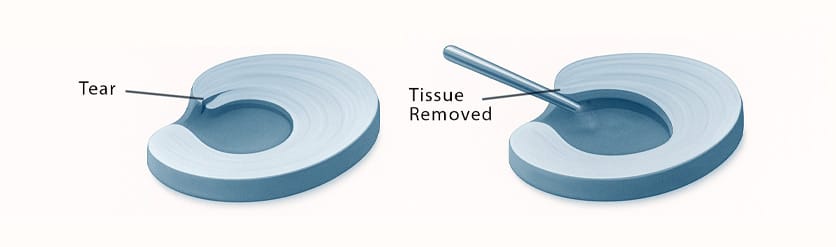
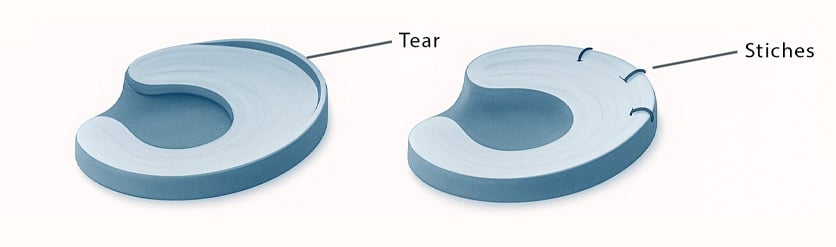
Partial Meniscectomy (Trimming): This is the most common procedure. The surgeon trims and removes the damaged, unstable portion of the meniscus, leaving a smooth, stable rim. This helps reduce catching and irritation. The meniscus does not grow back, so only the smallest amount necessary is removed.
Meniscus Repair: If a tear is located in the outer, blood-rich "red zone," it may be possible to repair it. The torn edges are held together with stitches (sutures) or special fasteners to allow the tissue to heal. Recovery after a repair is typically longer and involves more restrictions to protect the healing tissue.
Your Recovery Journey
Immediately After Surgery
Your incisions will be closed with stitches, surgical tape, or staples and covered with a dressing. You will rest in a recovery area while the care team monitors your comfort and circulation. A nurse or physical therapist will help you stand and move safely before you go home. You may be given crutches and a knee brace for support, along with clear instructions on how much weight you can put on your leg.
Potential Risks and Complications
All surgeries have risks. While complications from meniscus surgery are uncommon, they can include infection, blood clots, stiffness, and, rarely, injury to nearby blood vessels or nerves. Your team will take steps to minimize these risks and explain the warning signs to watch for.
Caring for Yourself at Home
A successful outcome depends heavily on your active participation in recovery. Follow these key steps:
Elevate your leg: Rest with your leg raised above the level of your heart to limit swelling.
Use ice: Apply an ice pack for 15-20 minutes at a time, several times a day. Place a thin cloth between the ice and your skin.
Manage pain: Take pain medication only as prescribed by your doctor.
Care for incisions: Keep your incisions clean and dry as instructed.
Use assistive devices: If you are given a brace or crutches, use them exactly as directed to protect your knee.
Physical Therapy: Rebuilding Strength and Motion
Physical therapy is essential for restoring knee motion, strength, and function. Your therapist will create a personalized plan and guide you through safe exercises. Stop any exercise that causes sharp or worsening pain and inform your therapist.
Sample Exercises
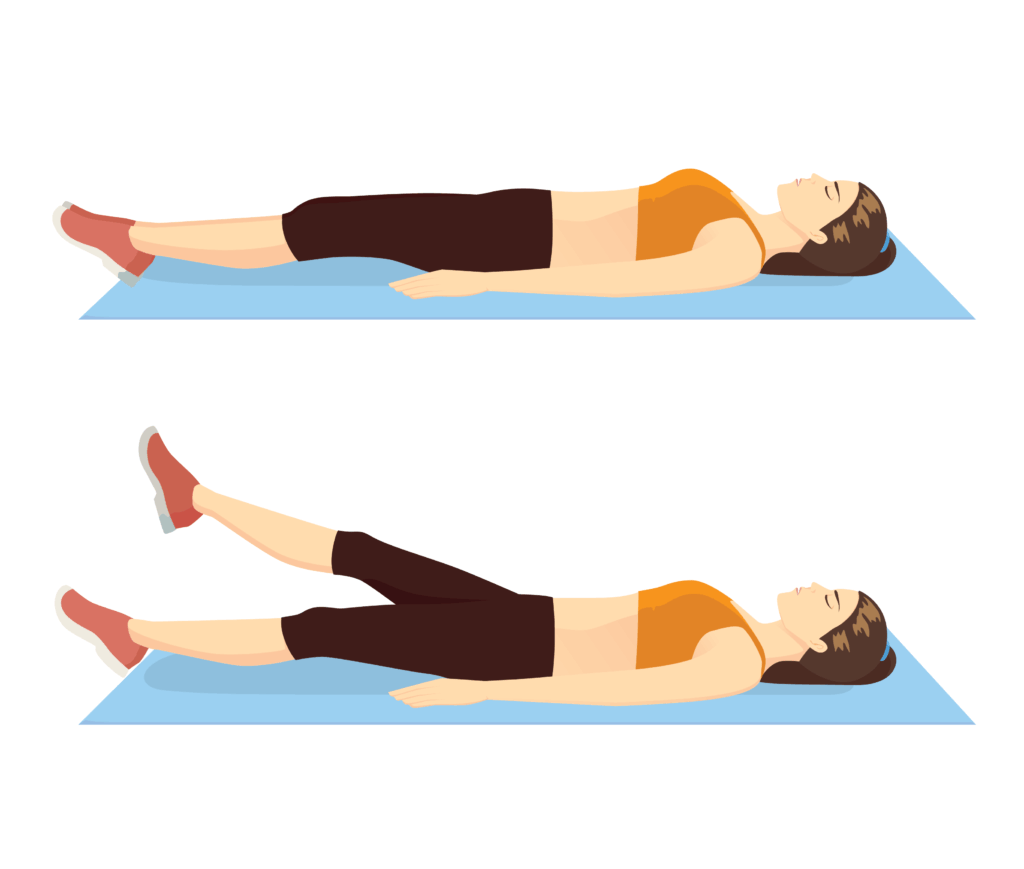
Straight Leg Raises
Lie on your back with your unoperated leg bent. Keeping your operated leg perfectly straight, tighten your thigh muscle and slowly lift your leg 8 to 12 inches off the surface. Hold for 5 seconds, then slowly lower it.
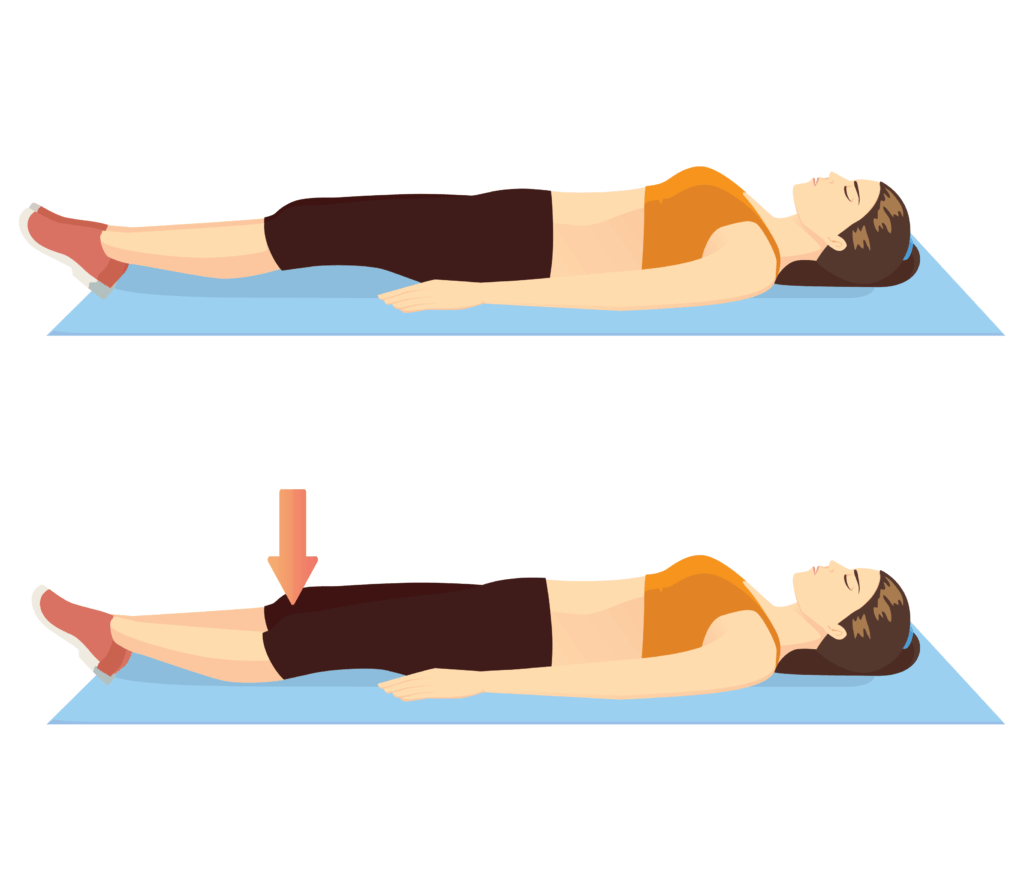
Quadriceps Sets
Lie on your back with your leg straight. Tighten the large muscle on the front of your thigh (quadriceps) and press the back of your knee down into the bed. Hold for 5-10 seconds, then relax.
Quadriceps Sets: While lying down, tighten your thigh muscles and gently press the back of your knee toward the floor. Hold for 5-10 seconds, then relax.
Straight Leg Raises: Lie on your back with your non-operated knee bent. Keeping your operated leg straight, tighten your thigh muscle and lift the leg 8-12 inches off the floor. Hold for 5 seconds, then lower slowly.
Learning to Use Crutches Safely
If you need crutches, follow your surgeon's or therapist's instructions. When walking, remember to support your weight with your hands and arms, not your armpits, to avoid nerve pressure.
Move both crutches and your operated leg forward together.
Lightly touch your foot to the ground between the crutches (if weight-bearing is allowed).
Step through with your non-operated leg, landing it about a foot in front of the crutches.
Shift your weight and repeat the pattern.
Your Surgery Checklist
Before Surgery:
Tell your surgeon about all medications, herbs, and supplements you take.
Follow all instructions on when to stop eating and drinking.
If you smoke, talk with your surgeon about quitting, as smoking can impair healing.
Arrange for a responsible adult to drive you home after your procedure.
After Surgery:
Rest with your leg elevated and use ice as directed.
Care for your incisions properly. Ask when you can shower.
Attend all follow-up appointments.
Commit to your physical therapy exercises.
Ask your surgeon when you can safely return to work, driving, and other activities.
When to Call Your Surgeon
Contact your surgeon's office immediately if you experience any of the following:
Fever of 100.4° F (38° C) or higher
Sharp or worsening pain not controlled by medication
Increasing redness, warmth, swelling, or drainage from the incisions
New or worsening swelling and tenderness in your calf muscle
Quick Summary
Arthroscopic meniscus surgery can significantly reduce pain, improve knee function, and help you return to the activities you enjoy.
A successful outcome starts with a strong partnership between you and your surgeon.
Be sure to discuss your goals and ask questions at every visit to ensure you are making informed decisions together.
Have Questions?
If you have any questions or concerns, please contact one of our offices. This information is provided solely for educational purposes and is not a substitute for personalized medical advice. For detailed advice please contact us at (609) 924-8131, text us at (609) 757-9992 or send us a message via our contact form.