Follow a 3-stage rehab plan with a physical therapist
Practice daily and agility movements safely
Know when surgery is considered and how recovery works
Keep strengthening to stay active for the long term
Is Front-of-Knee Pain Getting You Down?
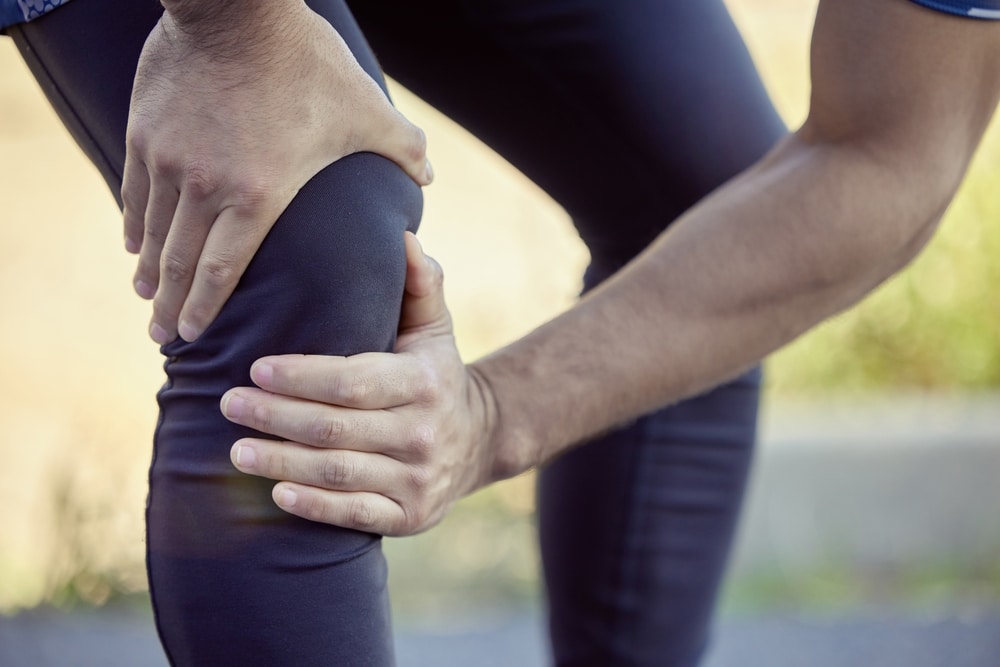
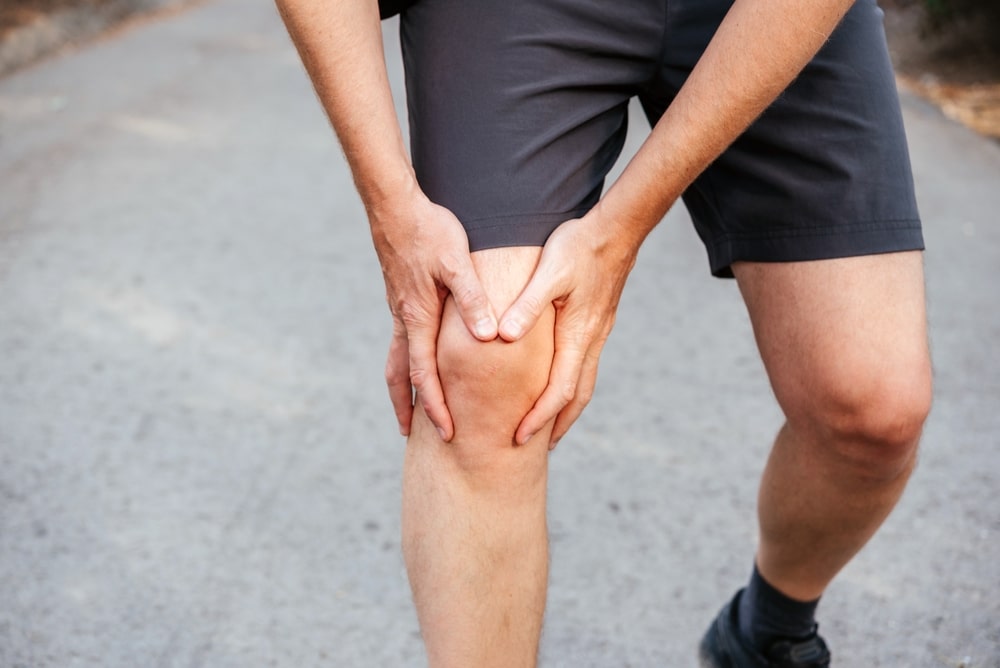
That familiar ache at the front of your knee can make simple tasks feel hard. You might try to ignore it, only to notice it again on stairs or during a short walk.
You do not have to live with those limits. There are clear steps you can take to understand the cause and start feeling better. This guide walks you through what to expect and how to move forward.
Note: This article is educational and not a substitute for care from a medical professional. Only your doctor can diagnose and treat a medical condition.
How Patella Pain Is Treated
Pain in the front of the knee often begins with a problem involving the patella, also called the kneecap. The goal of care is to reduce pain, improve movement, and get you back to your normal activities.
The goal of care is to reduce pain, improve movement, and get you back to your normal activities.
What we cover:
How the kneecap and knee work
Common kneecap problems
Your evaluation and tests
Rehabilitation with a physical therapist
Stage 1: Starting to heal
Stage 2: Improving knee function
Stage 3: Practicing everyday moves
Kneecap surgery and recovery
How the Kneecap and Knee Work
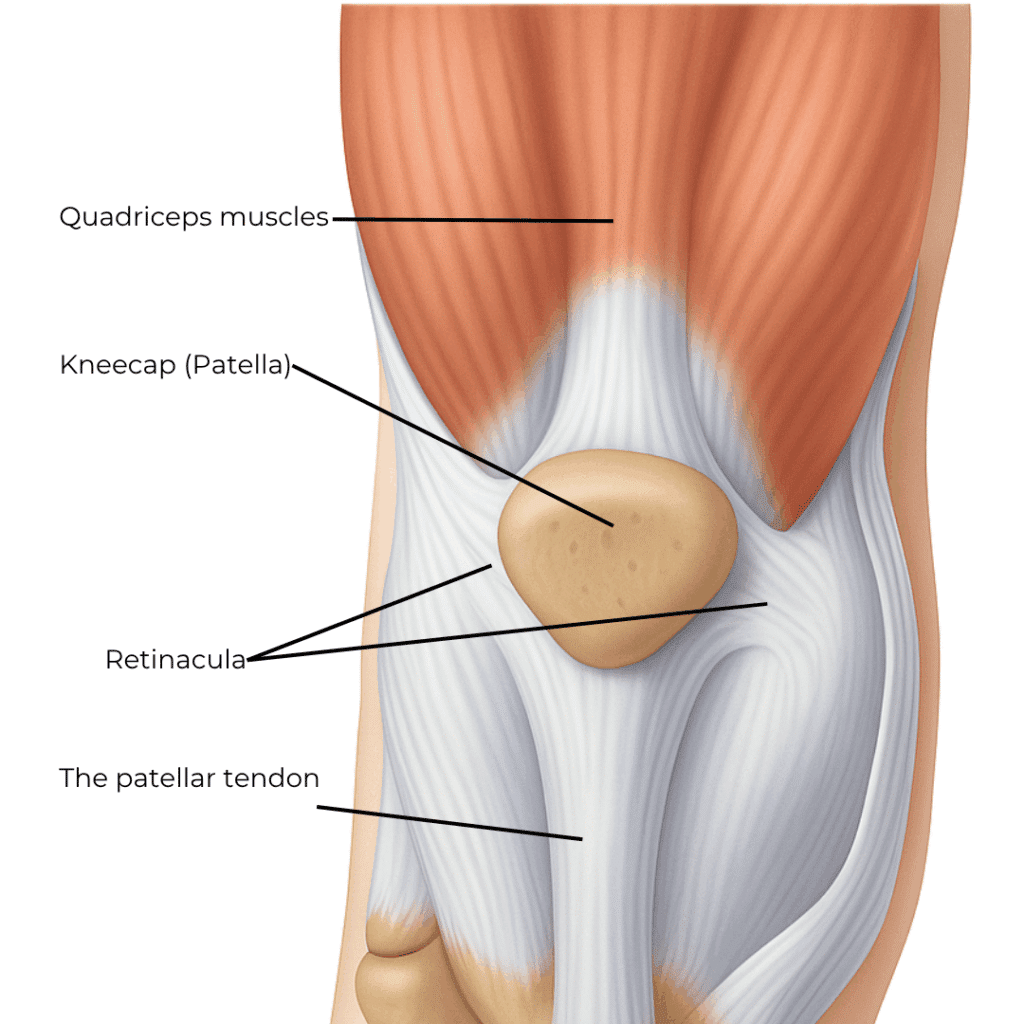
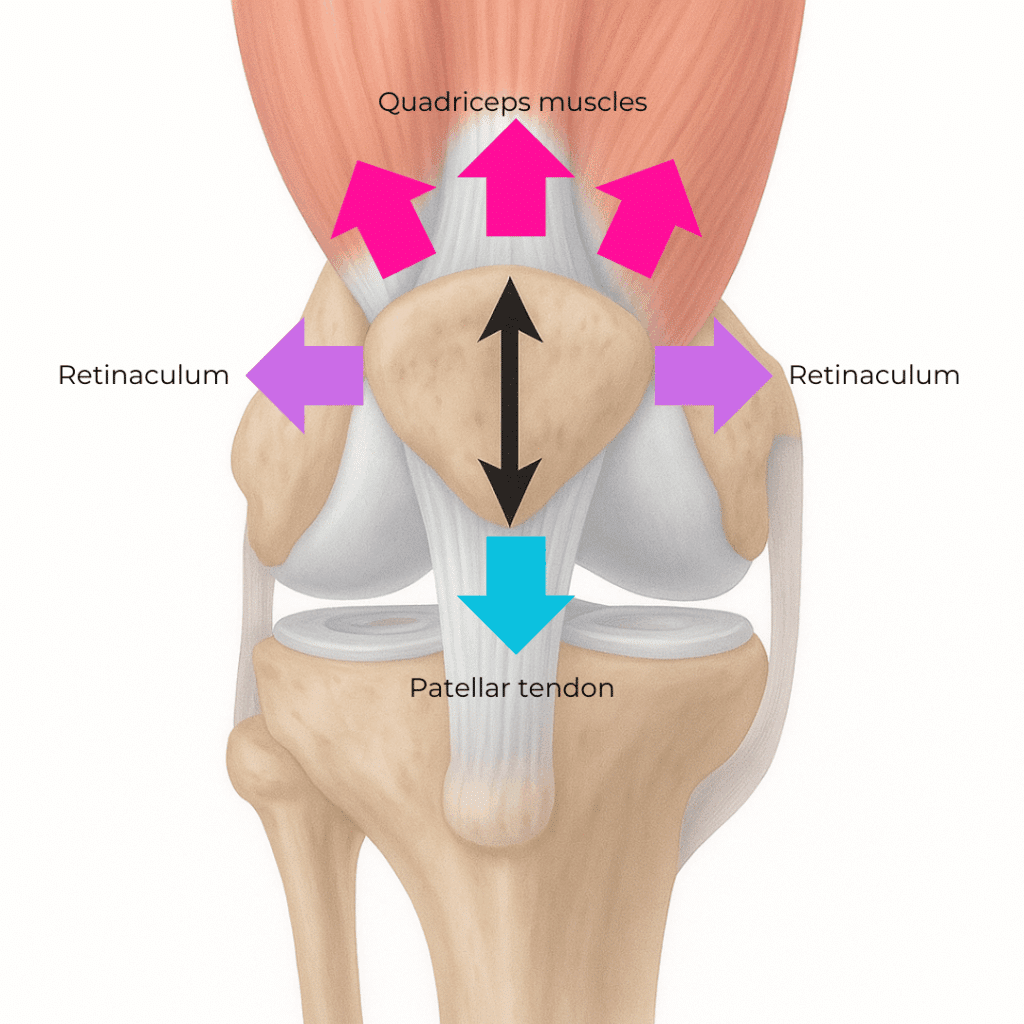
The kneecap is a small triangular bone that sits at the front of your knee joint. It works with muscles, ligaments, and bones to help you bend and straighten your leg.
Quadriceps muscles: The large muscles at the front of your thigh that help straighten the knee and guide the patella as your leg moves.
Retinacula: Tough fibrous bands along the sides of the knee that help keep the kneecap centered.
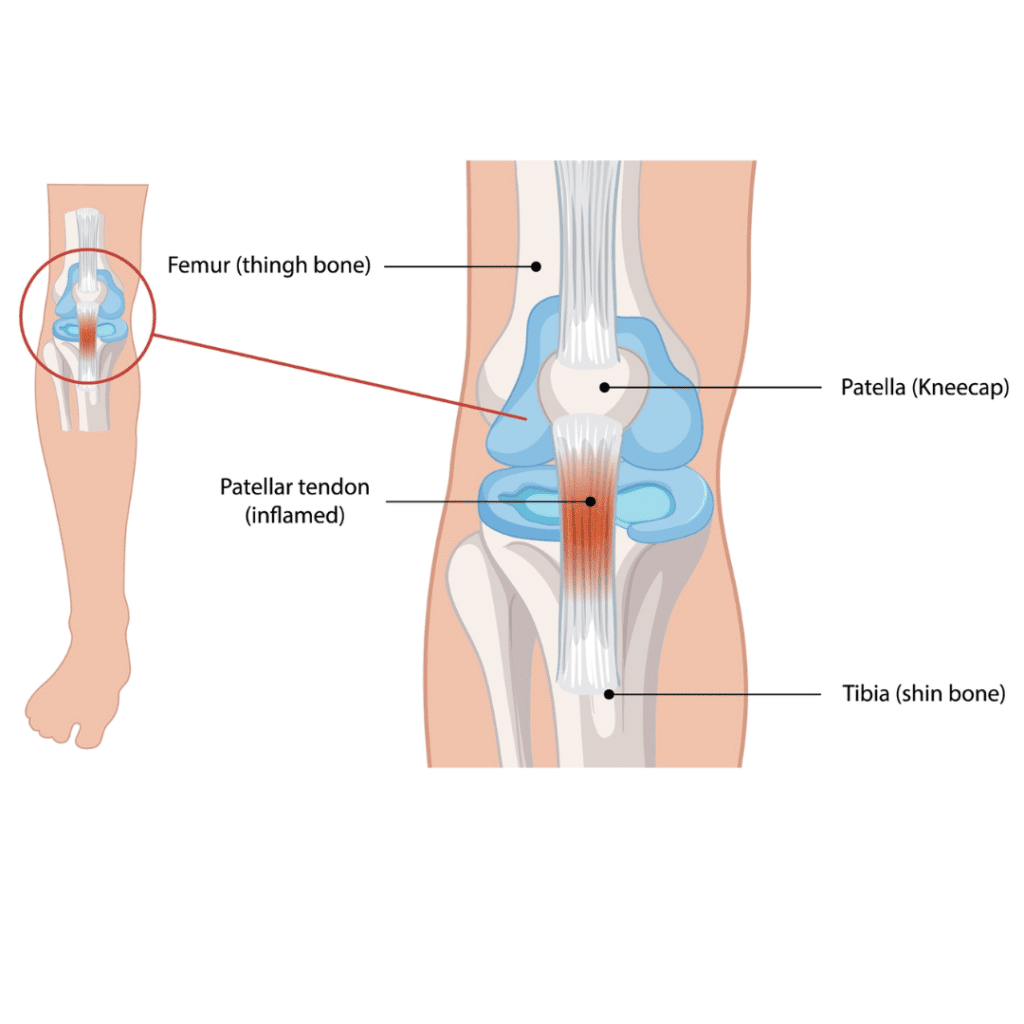
Patellar tendon: A strong cord of tissue that connects the kneecap to the shinbone.
The Kneecap Up Close
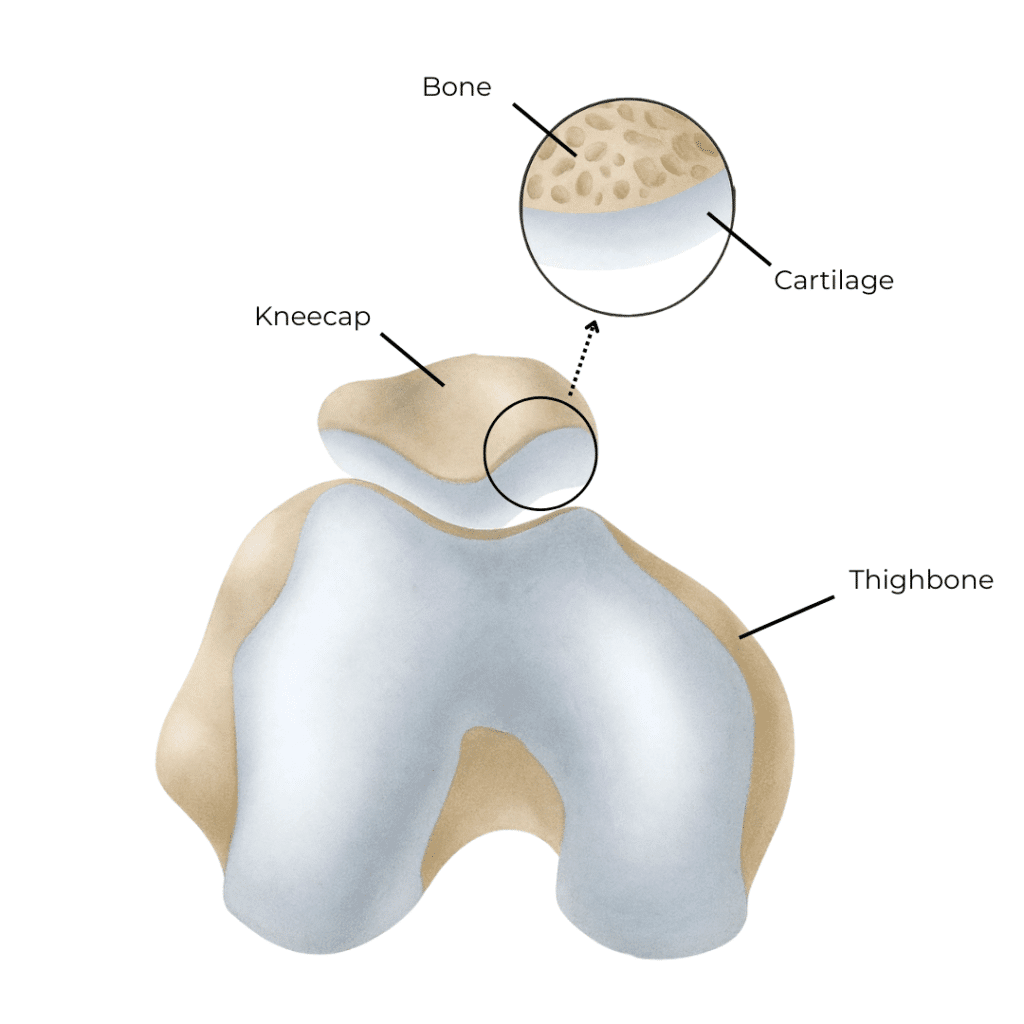
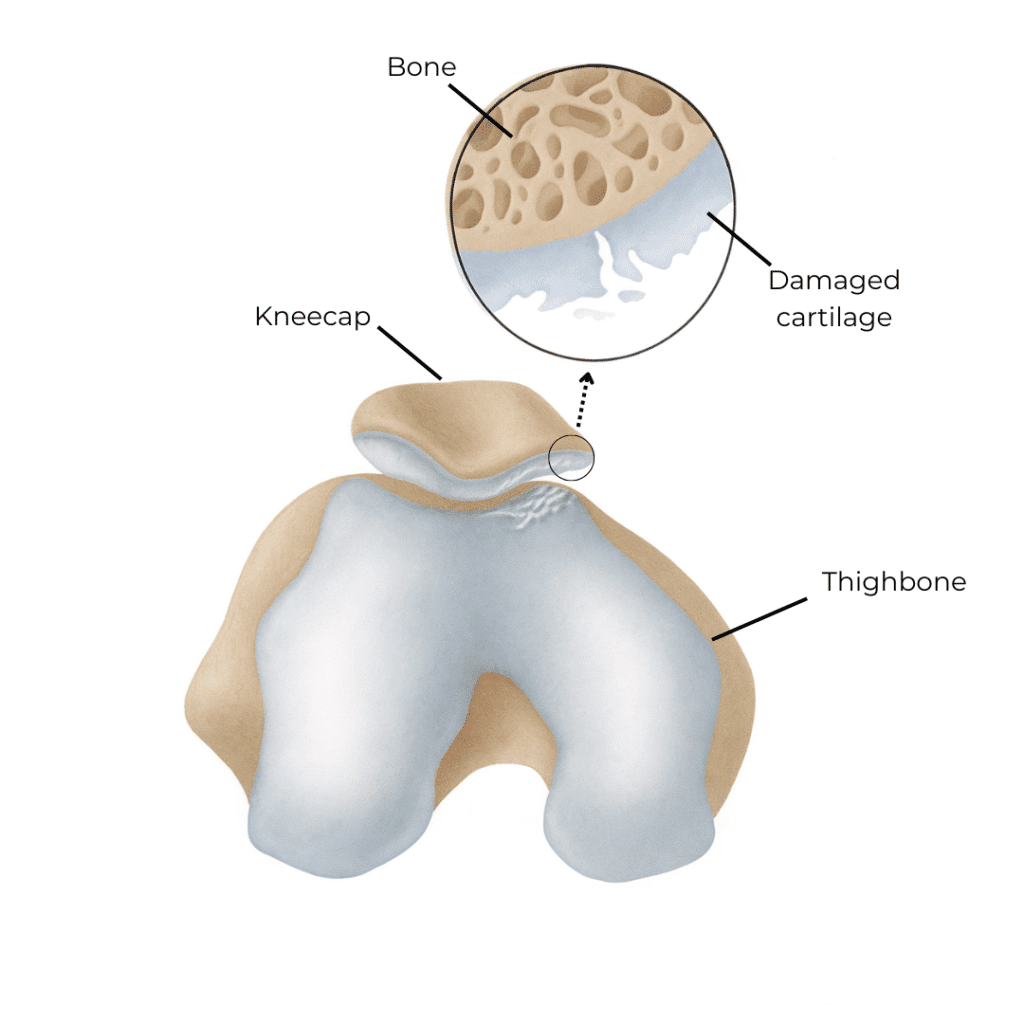
Cartilage is the slick, cushioning tissue that covers bone ends. It reduces friction and spreads pressure during movement.
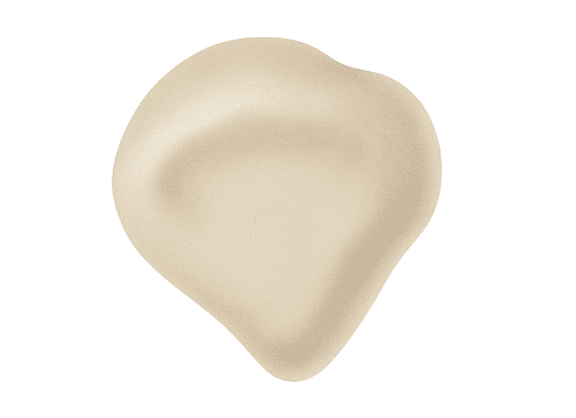
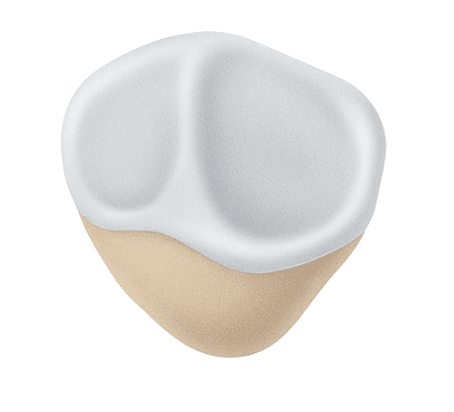
Front view: The patella looks like a small, rounded shield.
Back view: The underside of the kneecap is covered by smooth cartilage. This surface helps the patella glide easily against the thighbone.
Top view: The kneecap sits in a groove on the thighbone, often called the track.
The Kneecap in Motion
As you bend and straighten your leg, the kneecap slides up and down in its track on the thighbone. Position matters. Even a slight shift off the track can lead to pain or tissue irritation.
When the kneecap is on track
Muscles and ligaments act like a system of pulleys to guide the patella. When the quadriceps, retinacula, and patellar tendon pull in balance, the kneecap stays centered and glides smoothly. Pressure is spread evenly across the back of the kneecap.
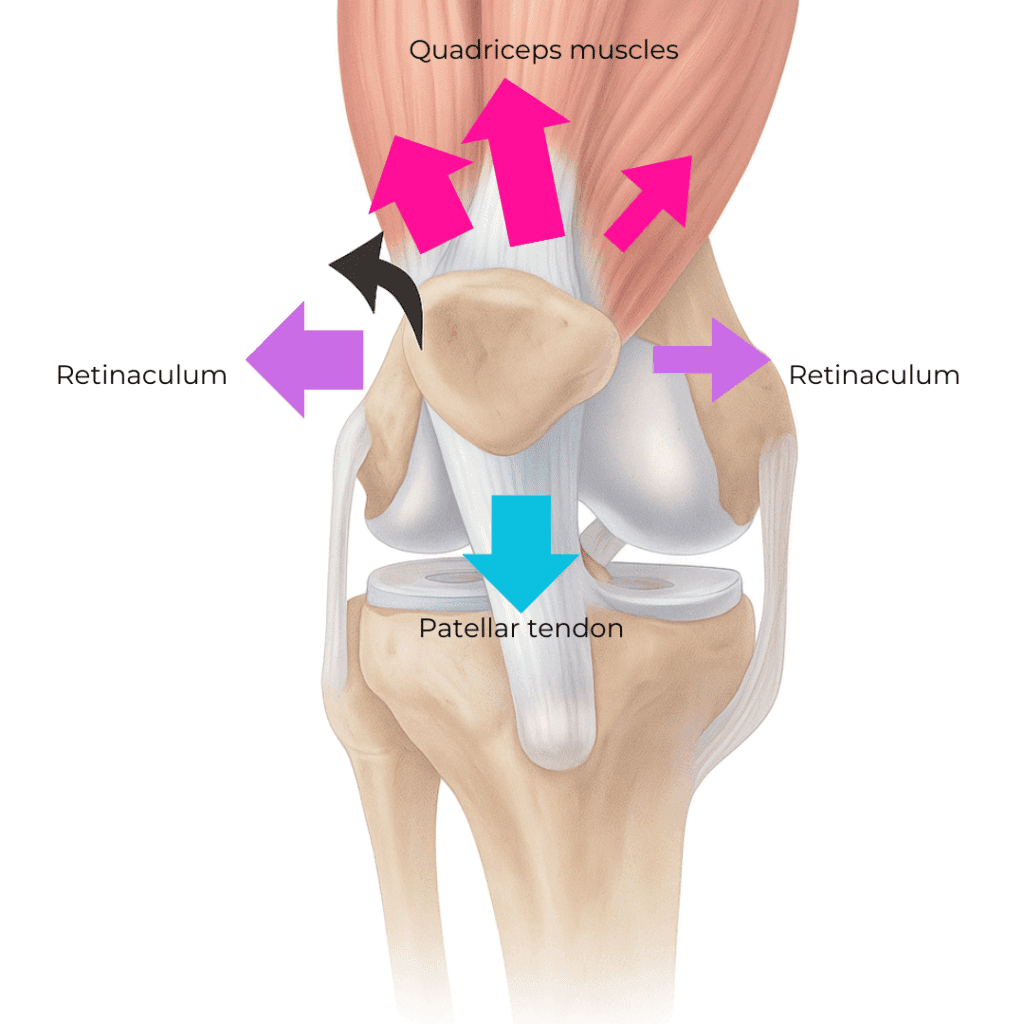
When the kneecap moves off track
Injury, tightness, weakness, or imbalance can change how tissues pull on the kneecap. If the patella drifts off its track, pressure becomes uneven. Over time, that can irritate cartilage and cause pain or stiffness.
Common Kneecap Problems
Even small tracking issues can create uneven pressure at the back of the kneecap. That can make daily movements like walking or going down stairs uncomfortable. Here are frequent causes of patella pain.
Cartilage Damage
Sometimes the cartilage on the back of the kneecap or in the groove of the thighbone is damaged. Damaged cartilage does not spread pressure evenly. Uneven pressure wears down the cartilage even further. This often leads to pain and stiffness. Since cartilage has little blood supply, it has a limited ability to heal.
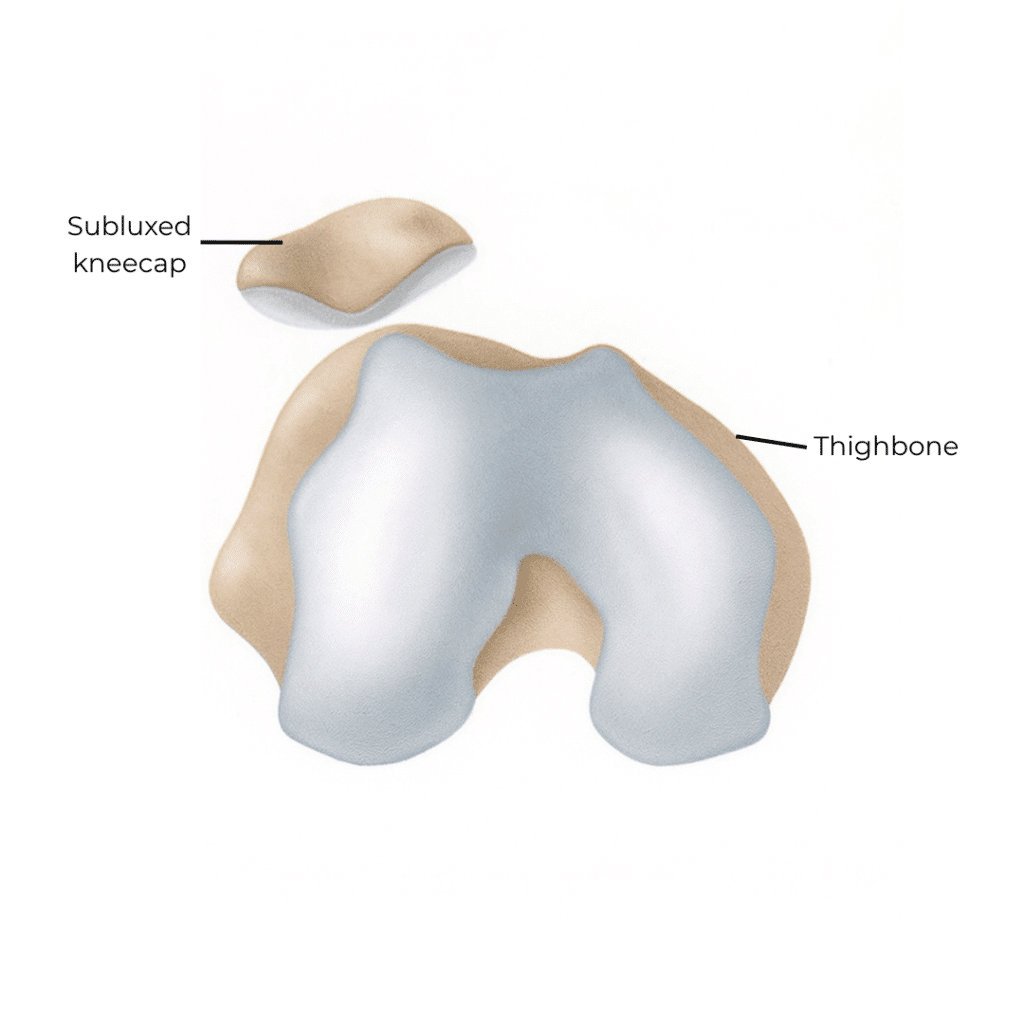
Dislocation
Sometimes a muscle or ligament in the knee is pulled the wrong way. Or the kneecap may be pushed too hard. Then the kneecap may move partly out of the groove (subluxation). It may even move completely out (dislocation). This can happen without warning. You may feel sudden, sharp pain or your knee may give out.
Patellar Tendinitis
Patellar tendinitis, often called jumper's knee, occurs when the quadriceps muscles are overused or tight. During movement, the patellar tendon absorbs more shock than usual. The tendon becomes irritated or damaged. This results in pain during motion or even when you are resting.
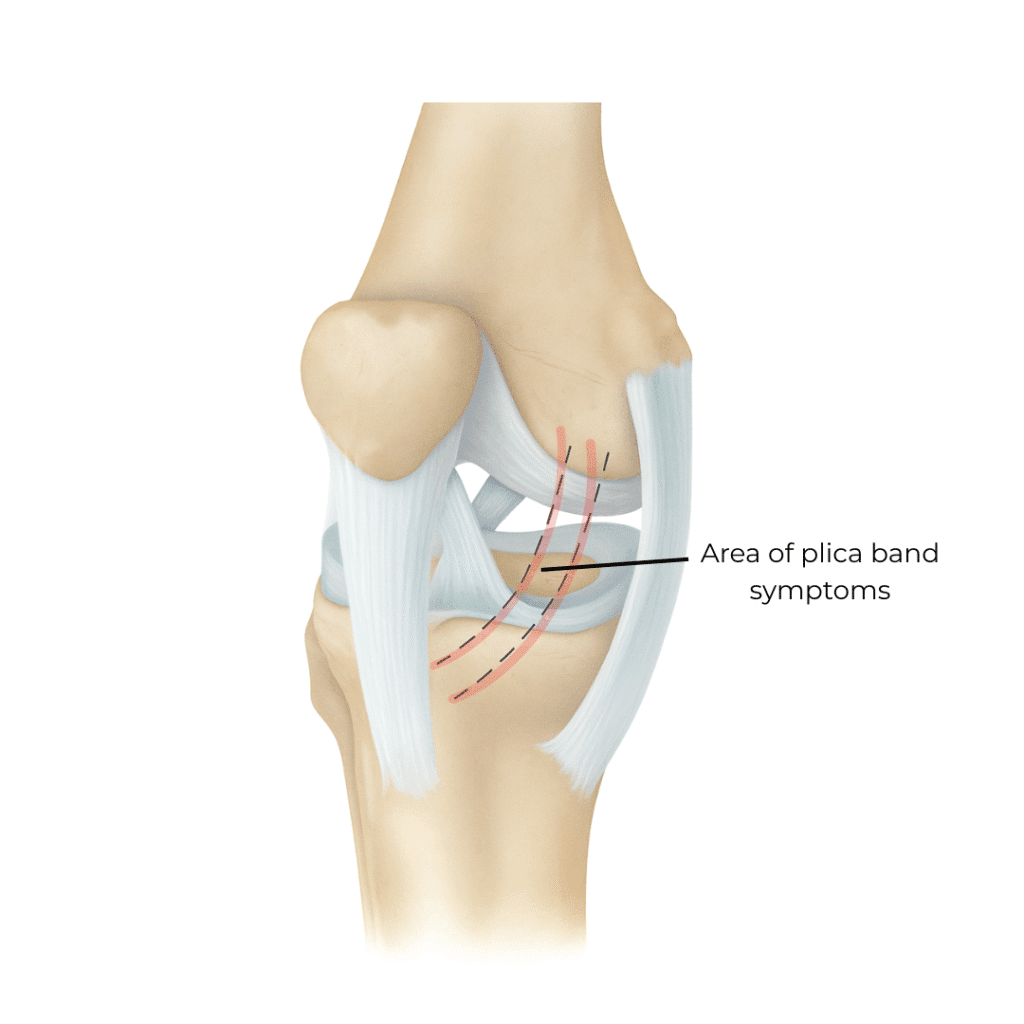
Plica Band Syndrome
Plica bands are tissue fibers that some people have near the kneecap. They usually cause no problems. But sometimes they can become irritated and inflamed. They may snap or catch on the end of the thighbone. This can cause wear and tear on the cartilage at the end of the bone.
Getting a Clear Diagnosis
A careful evaluation helps pinpoint the reason for your knee pain. Many people see an orthopaedist, a physician who specializes in bones, muscles, and joints. Your care team will partner with you to find the cause and shape a plan that fits your goals.
Your Medical History
Your doctor will ask about your symptoms, when pain occurs, and which activities make it worse. You will also discuss past injuries, prior knee problems, and your activity level or sports.
A Focused Knee Exam
Your clinician will look for swelling, tenderness, and how your kneecap moves as your leg bends and straightens. They will also test the stability of the joint and the strength and flexibility of nearby muscles. Findings from other joints can help explain movement patterns that stress your kneecap.
Tell Me Where It Hurts Creating a simple pain map can help. Mark an X where you feel pain and an O where you notice mild discomfort. Bring that map to your visit so you can point out the exact areas that trouble you.
Tests That May Be Used
Imaging and procedures can clarify what is happening inside the knee.
X-ray: Shows the position and alignment of bones and the kneecap.
CT scan: A computed tomography scan gives more detail about alignment.
MRI: Magnetic resonance imaging shows cartilage, bone, ligaments, and muscle.
Diagnostic arthroscopy: A small camera is placed through tiny incisions to view the joint from the inside. This can be done with local or general anesthesia.
Planning Your Treatment
Treatment depends on the cause of your pain and your personal goals. Most people start with nonsurgical care, which includes rehabilitation and anti-inflammatory medicine such as ibuprofen or aspirin if appropriate. A physical therapist often guides your exercises.
Surgery may be considered if symptoms are severe or do not improve with rehab. If surgery is needed, you will review potential risks and the recovery plan. Rehabilitation continues after healing to rebuild motion and strength.
Rehabilitation and the Physical Therapist's Role
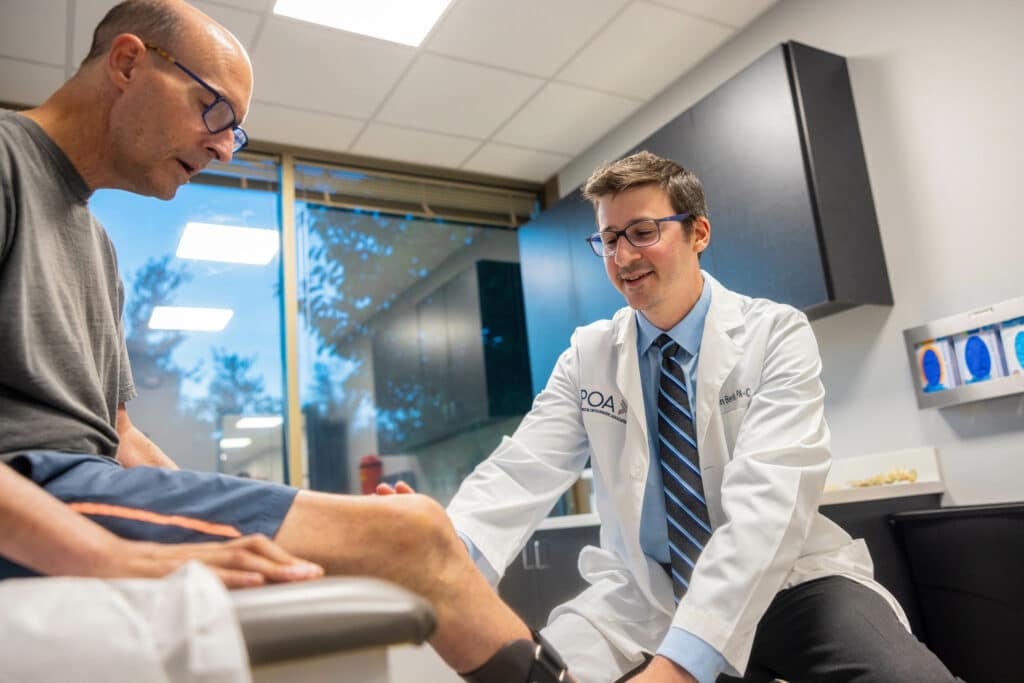
Whether you want to run again or simply walk to the corner store without pain, physical therapy can help you get there. Your therapist begins with an evaluation, then works with you to calm pain and swelling.
As symptoms improve, your plan progresses to flexibility and strengthening around the knee. This balanced approach reduces stress on the kneecap and supports long-term function.
Your Physical Therapy Exam
Your therapist will see how your kneecap tracks and which movements increase pain. They will check your range of motion, test muscle strength, and assess stability. They may also look at your hips, ankles, and feet to find patterns that affect your knee.
Your 3-Stage Rehab Program
Stage 1: Starting to heal. Lower pain and swelling, then begin gentle movement.
Stage 2: Improving knee's function. Build flexibility and strength in a safe, gradual way.
Stage 3: Practicing everyday moves. Prepare for daily activities with coordination and agility work.
Stage 1: Starting to Heal
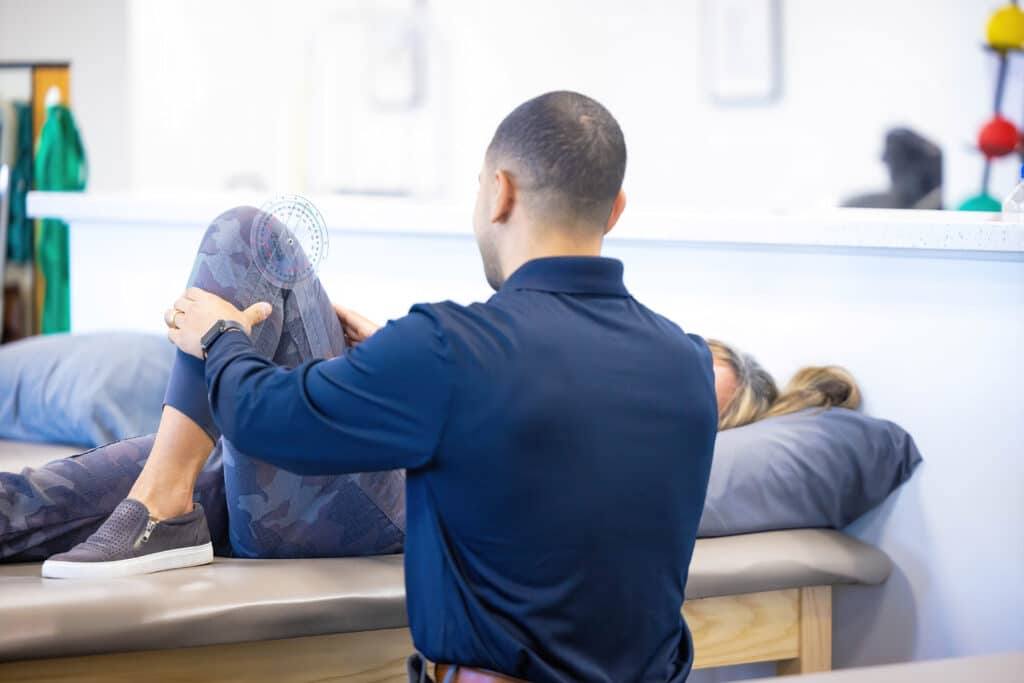
Pain relief and swelling control are the first priorities. Once your knee is calmer, you will begin to restore a pain-free range of motion. Your therapist will guide you in the clinic and give you strategies to use at home.
Reducing Pain and Swelling
Your care team may suggest one or more of the following:
Ice: Apply cold packs to limit swelling. You may be asked to ice several times per day.
Elevation: Rest with your knee above the level of your heart to help fluid drain.
Compression: Use an elastic bandage or a snug sleeve to limit fluid buildup.
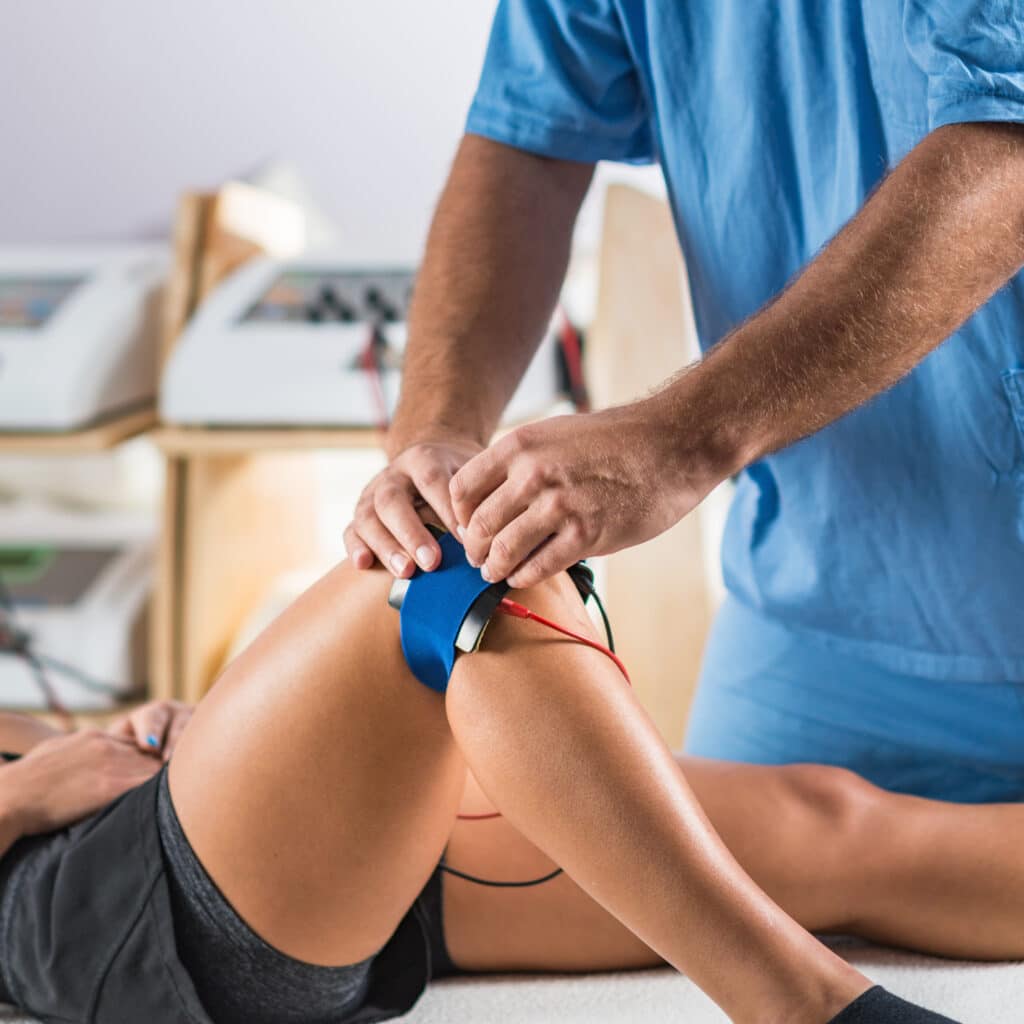
Electrical stimulation: A gentle current can help reduce excess fluid in the joint.
Anti-inflammatory medicine: Your doctor may recommend pills or, in some cases, injections.
Isometric exercises: Tighten key muscles without moving the joint to support the knee and assist with fluid control.
Massage: Hands-on techniques can encourage fluid to move away from the knee.
Improving Range of Motion
Swelling, tight muscles, or early scar tissue can limit how far your knee bends or straightens. These options can help restore motion:
Therapeutic ultrasound: Sound waves create deep warmth that increases blood flow and may limit or break down scar tissue.
Patella mobilization: Your therapist gently moves the kneecap to prevent stiffness and improve motion.
Bracing or taping: Supports can help correct tracking and guide movement.
Passive range of motion: Your leg is moved for you by your therapist or a machine.
Assistive range of motion: You move your knee with help from your therapist, your other leg, or a device.
Active range of motion: You bend and straighten your knee using your own muscles.
Developing Strong Muscles
Always warm up and stretch before strengthening. Stop any exercise that causes pain and review it with your therapist or doctor.
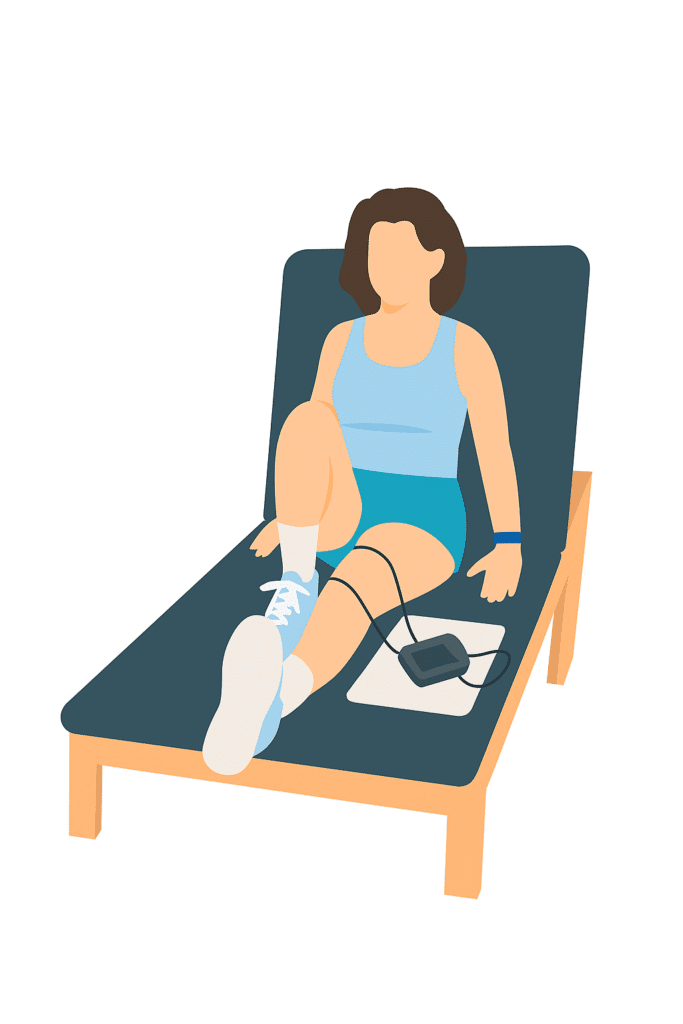
Electrical stimulation for quadriceps: A small device can help your quad muscles contract. As the unit activates, add your own muscle squeeze to increase the contraction. Your therapist may have you use the unit during certain exercises.
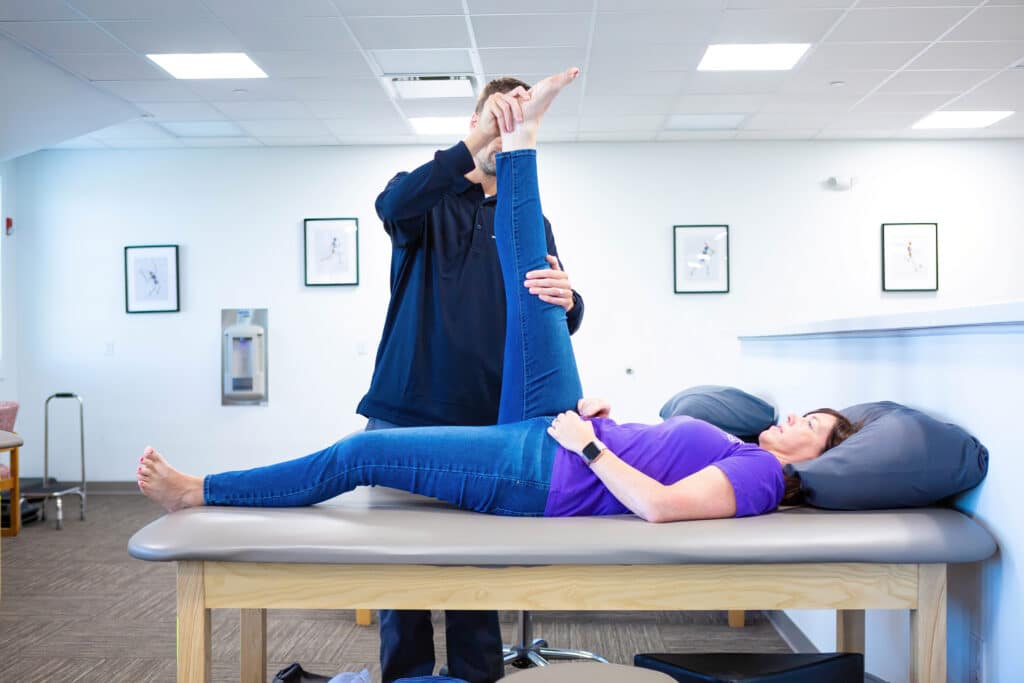
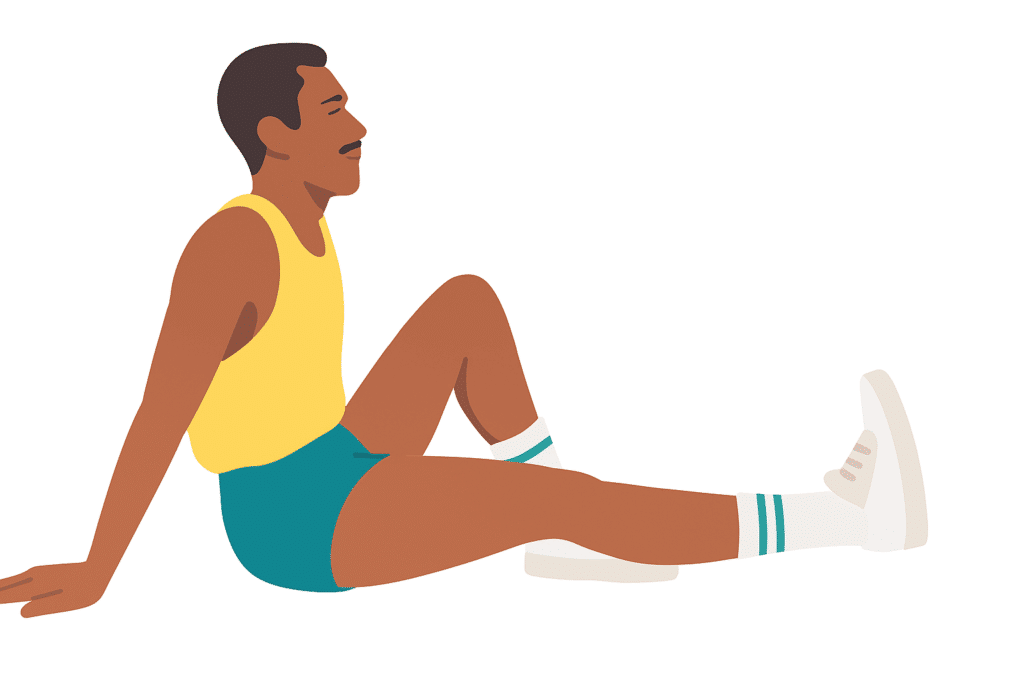
Straight leg raise: Sit with one leg straight and the other bent. Point the toes of your straight leg toward the ceiling. Lift that leg a few inches, hold briefly, then lower with control. Repeat with the toes turned slightly out to target inner thigh muscles.
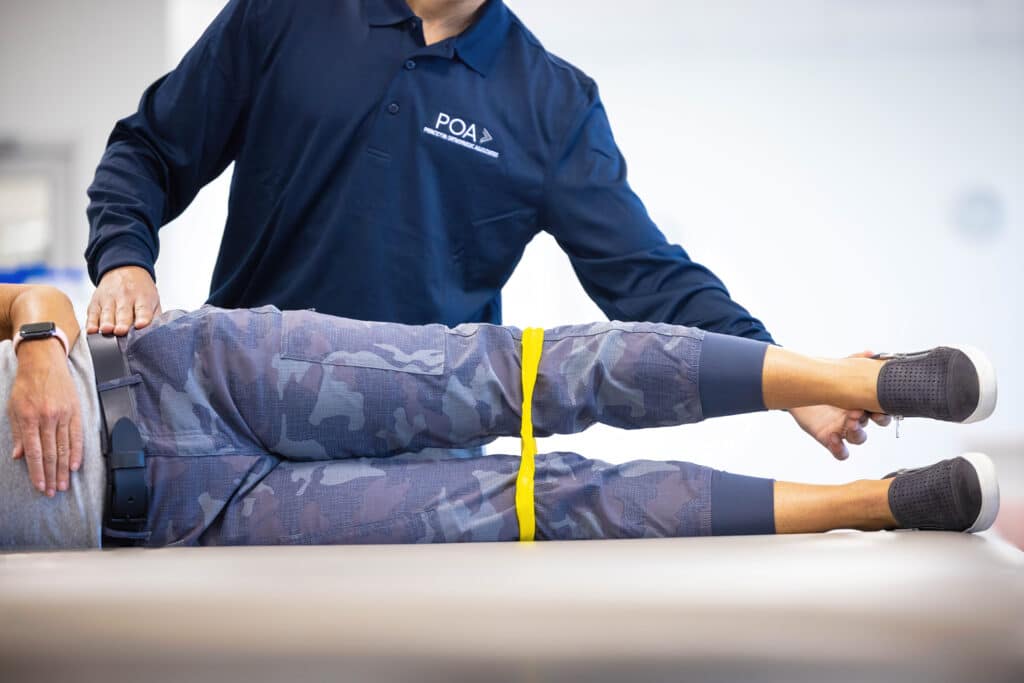
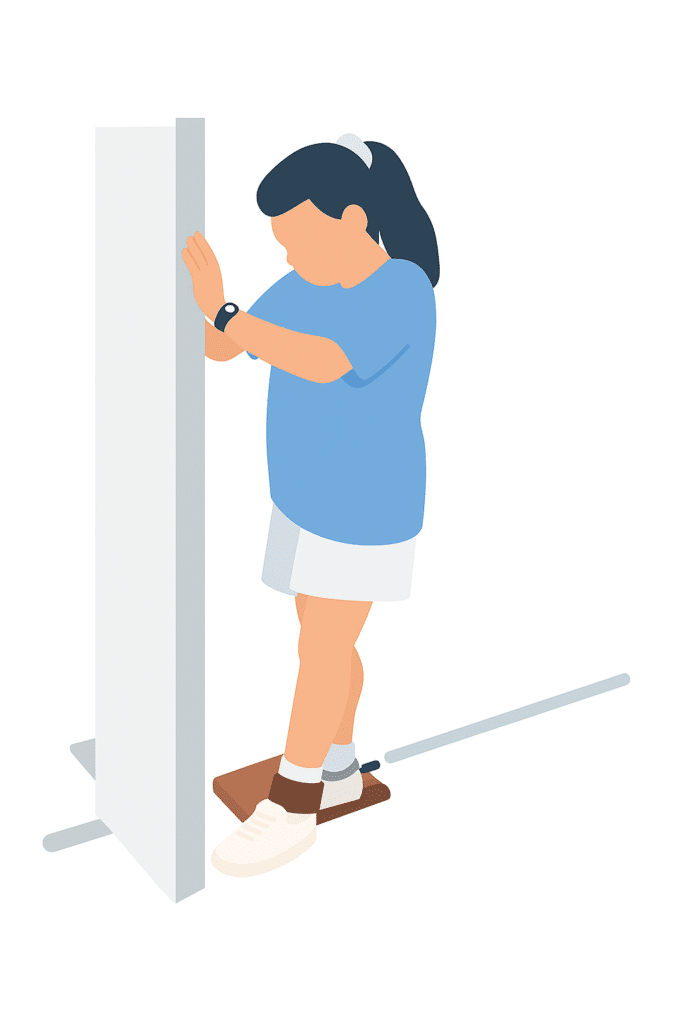
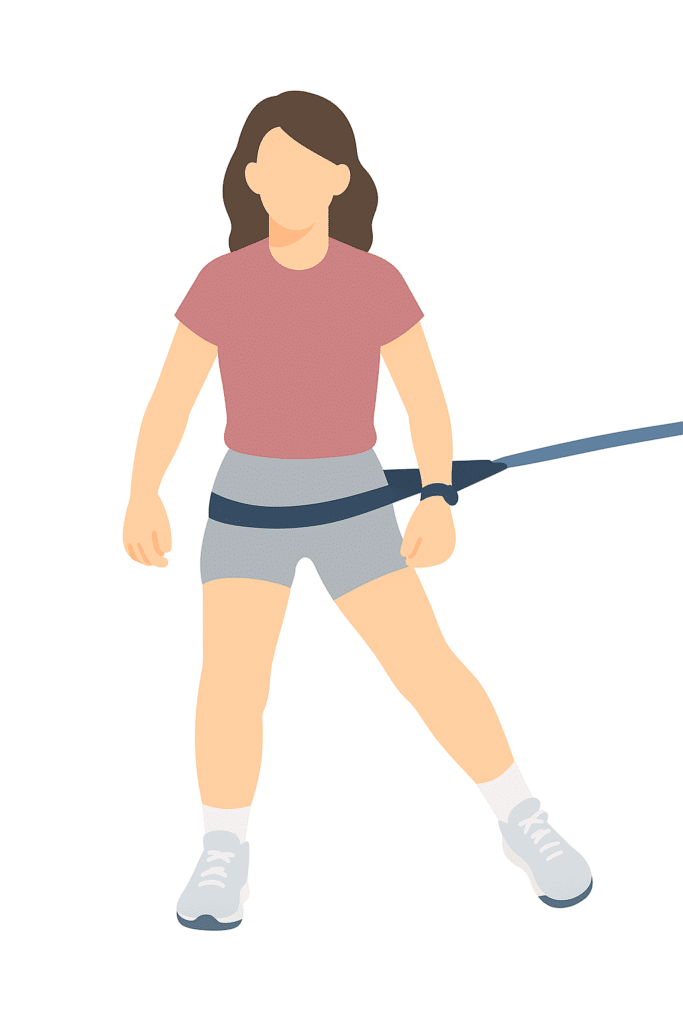
Hip pulls with band or pulley: Stand with one leg about a foot from a wall and the other leg attached to tubing behind you. Pull the attached foot forward while keeping the knee straight but not locked. Return slowly to the start. Point your toes straight ahead unless your therapist guides otherwise.
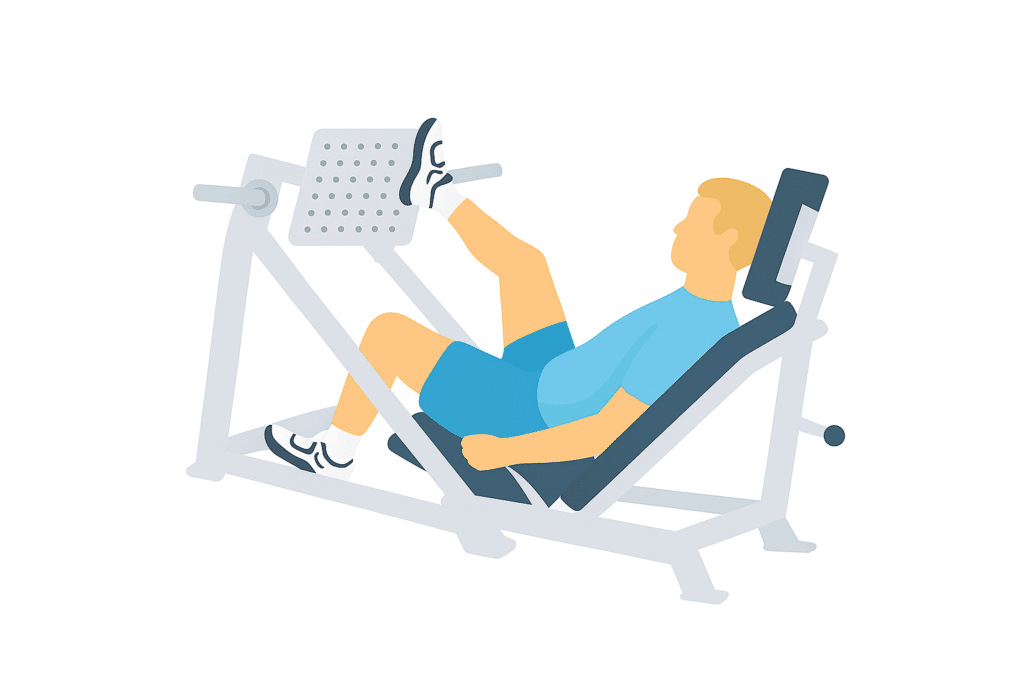
Leg press: Start with your knee bent to about 90 degrees. Press until the leg is almost straight, then return with steady control. Avoid locking the knee at the top.
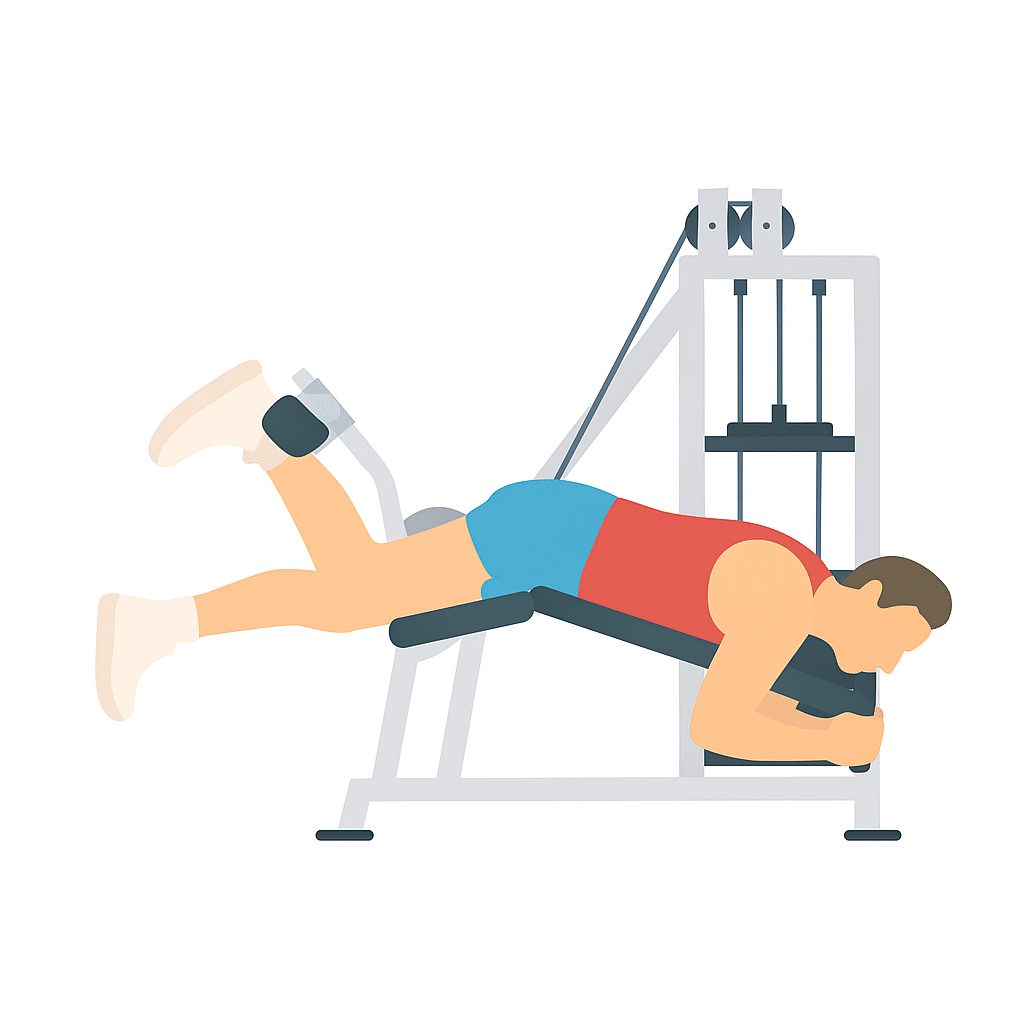
Hamstring curls: Lie on your stomach. Bend one knee as far as is comfortable, then slowly lower. Keep your back relaxed and avoid arching.
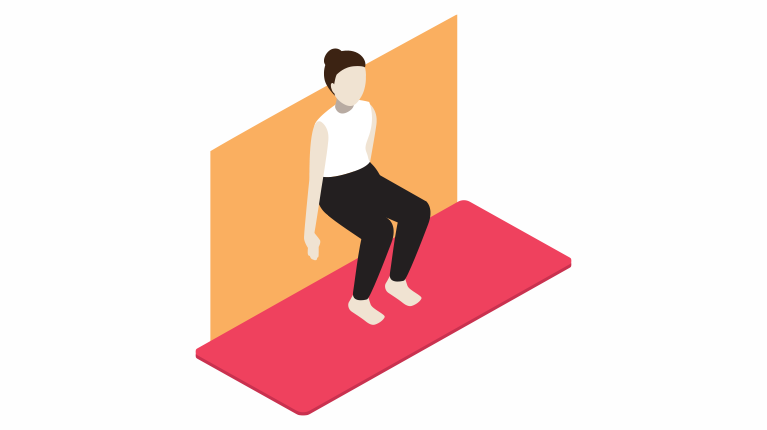
Wall slide: Stand with your back against a wall, feet about 18 inches away and hip-width apart. Slide down into a near-sitting position, keeping hips above knee level. Hold for about 20 seconds, then slide back up. Repeat with toes slightly turned out to recruit inner thigh muscles.
Stage 2: Improving Your Knee's Function
This stage begins with flexibility work to reduce pressure on the kneecap. It then progresses to strengthening so the knee is supported during daily activity. Follow your therapist's instructions for settings and repetitions.
Warming Up
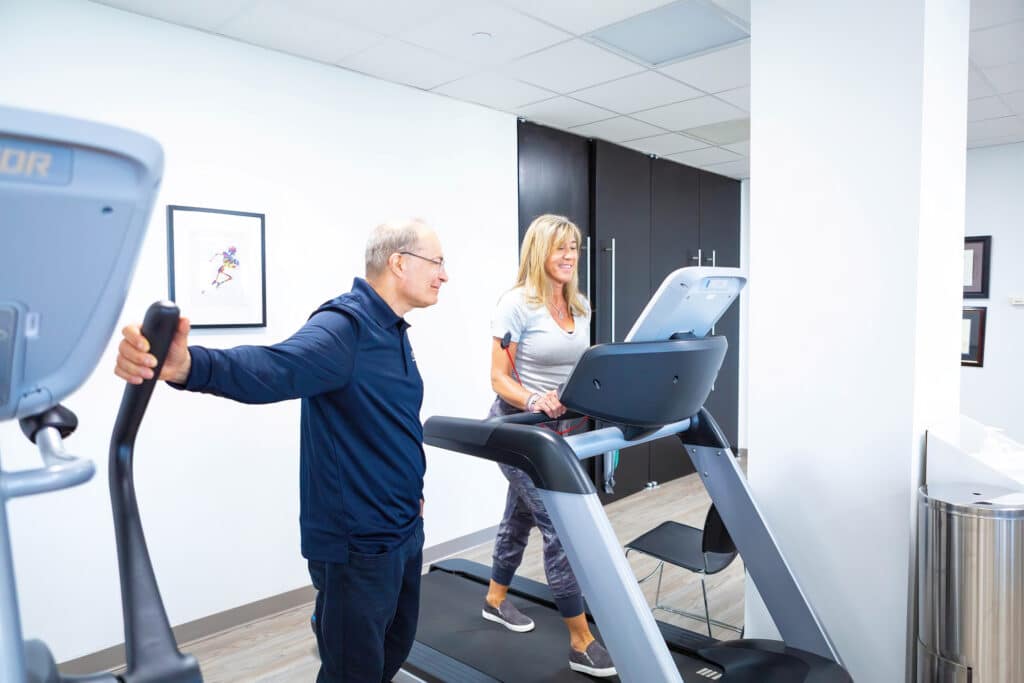
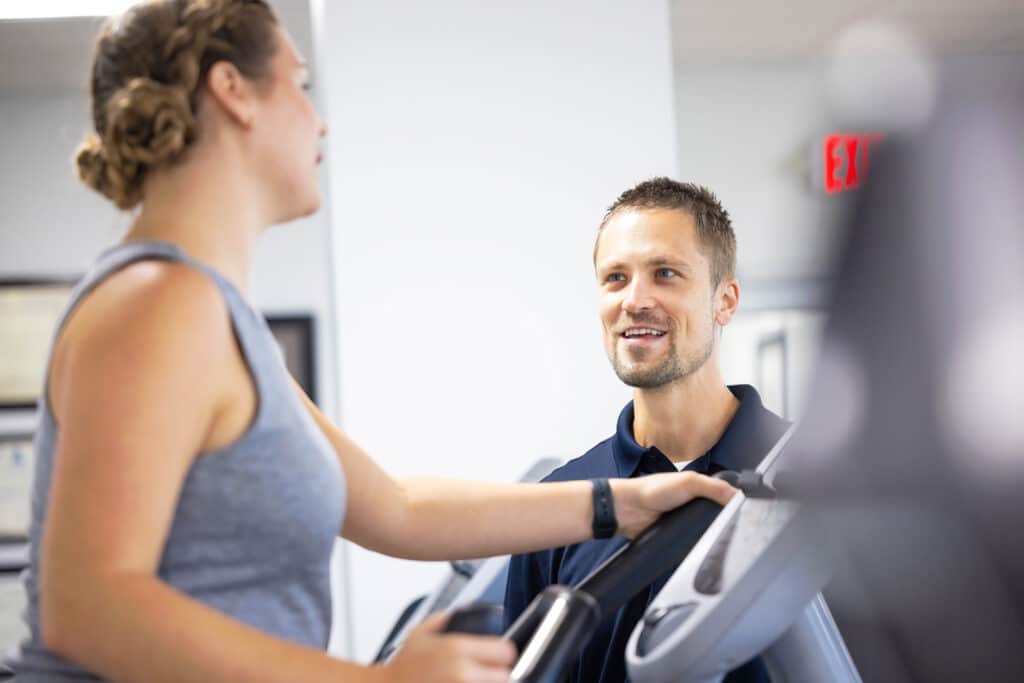
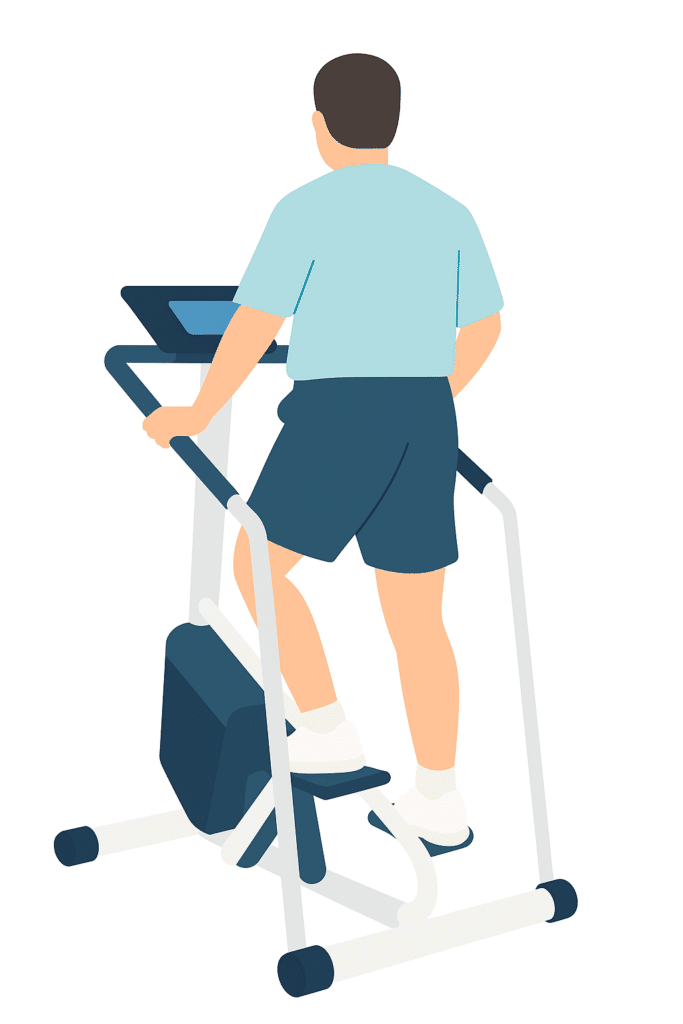
Elliptical trainer: Use your hands only for balance. Do not lean on the handles. Start with low resistance and incline. Gradually increase speed and time for 10 to 20 minutes.
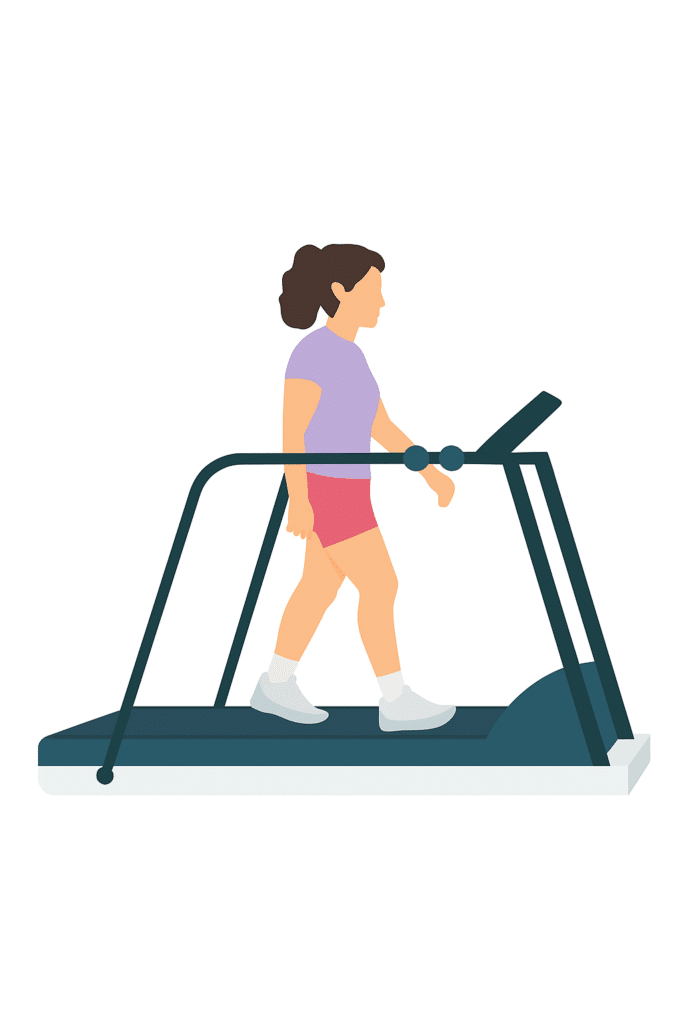
Treadmill walking: Begin slowly with a low incline. Build speed and duration over 10 to 20 minutes. Wear supportive shoes that fit well.
Muscle-Loosening Stretches
Stop any exercise that causes pain and talk with your therapist or doctor. Move slowly and avoid bouncing during stretches.
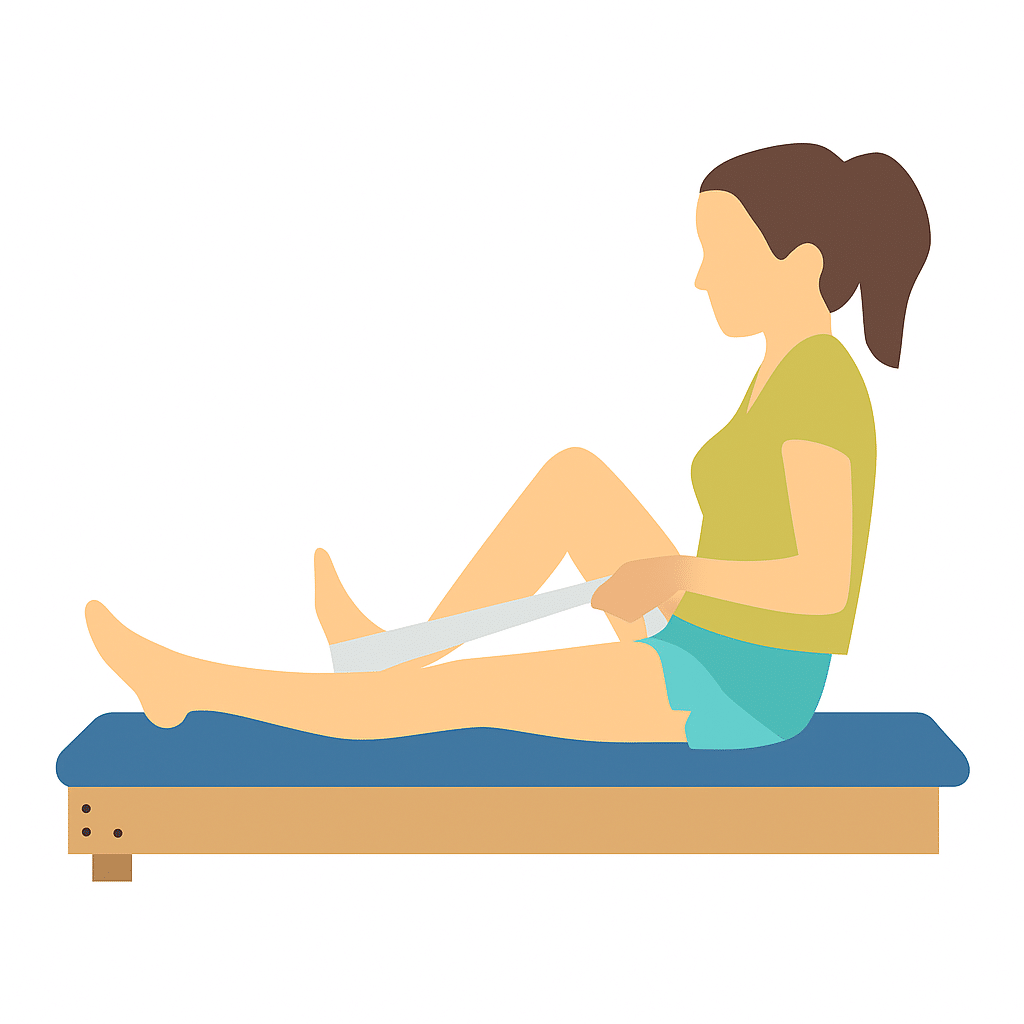
Knee flexion with a towel: Sit with both legs extended and your foot flexed. Loop a towel around your heel and pull gently, sliding your heel toward your hips while keeping it on the surface. Hold the stretch across the front of your knee for about 10 seconds, then return.
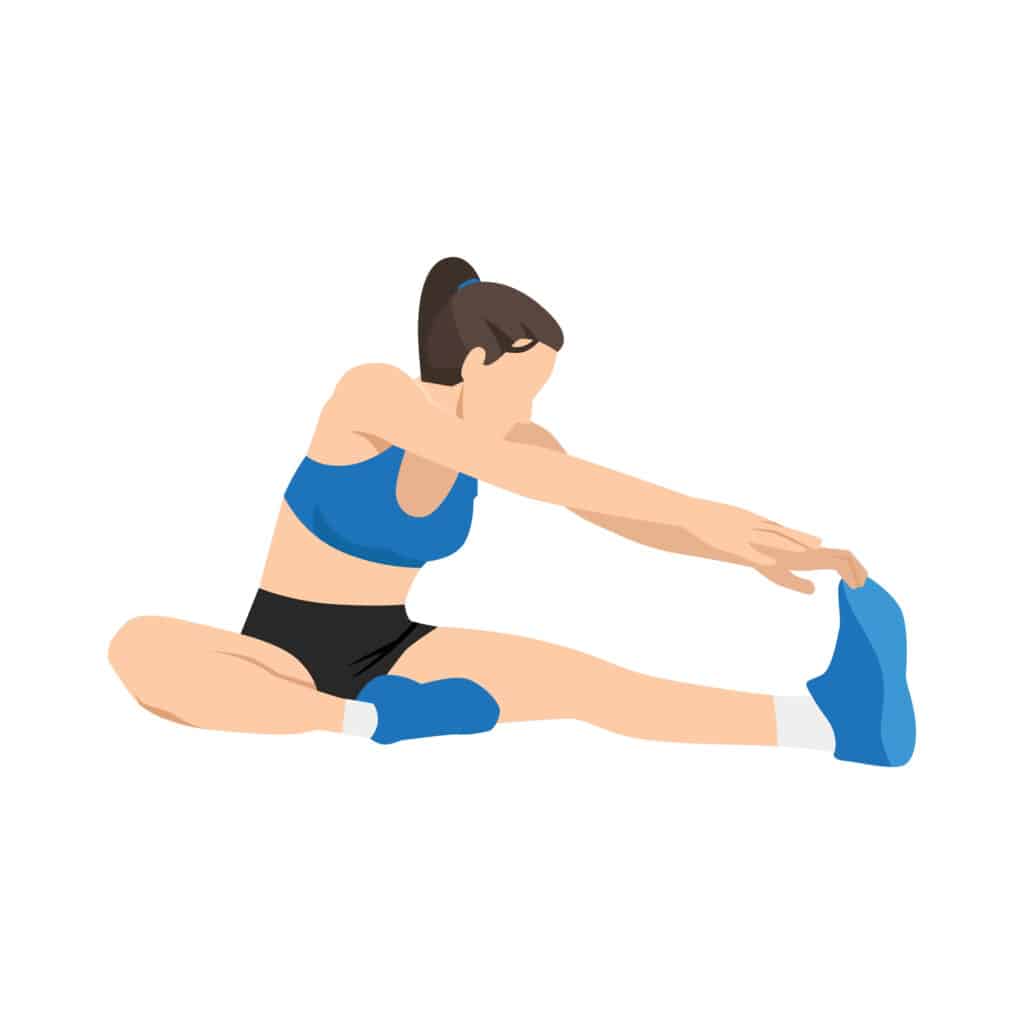
Hamstring stretch: Sit tall with one leg straight. Bend the other leg so the sole of your foot rests against your mid-thigh. Reach toward your ankle while keeping your knee, back, and neck straight. Feel the stretch at the back of your thigh.
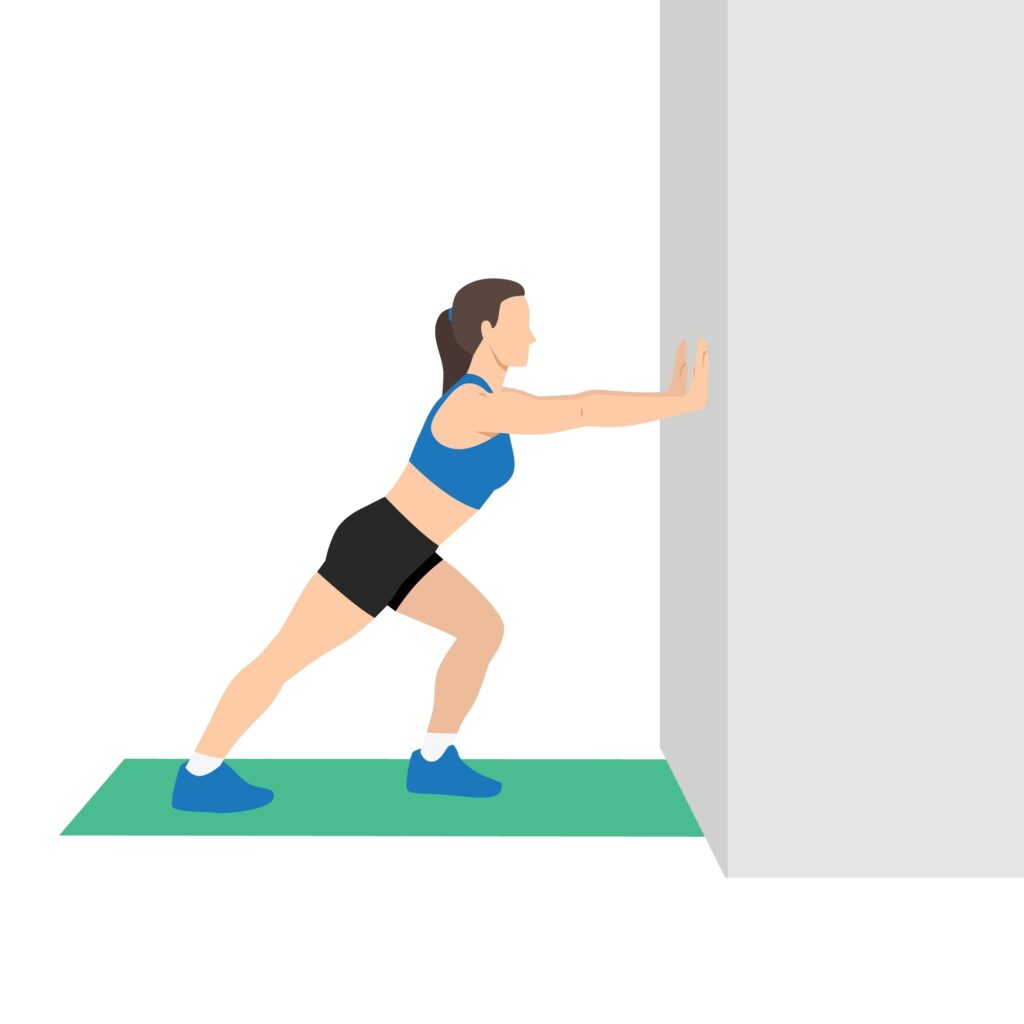
Calf stretch: Face a wall about two feet away. Step one foot forward, keeping the back knee straight and the front knee bent. Lean toward the wall with both heels flat. Repeat with the back knee slightly bent to target a different calf muscle.
Developing Strong Muscles
Always warm up and stretch before strengthening. Stop any exercise that causes pain and review it with your therapist or doctor.
Electrical stimulation for quadriceps: A small device can help your quad muscles contract. As the unit activates, add your own muscle squeeze to increase the contraction. Your therapist may have you use the unit during certain exercises.
Straight leg raise: Sit with one leg straight and the other bent. Point the toes of your straight leg toward the ceiling. Lift that leg a few inches, hold briefly, then lower with control. Repeat with the toes turned slightly out to target inner thigh muscles.
Hip pulls with band or pulley: Stand with one leg about a foot from a wall and the other leg attached to tubing behind you. Pull the attached foot forward while keeping the knee straight but not locked. Return slowly to the start. Point your toes straight ahead unless your therapist guides otherwise.
Leg press: Start with your knee bent to about 90 degrees. Press until the leg is almost straight, then return with steady control. Avoid locking the knee at the top.
Hamstring curls: Lie on your stomach. Bend one knee as far as is comfortable, then slowly lower. Keep your back relaxed and avoid arching.
Wall slide: Stand with your back against a wall, feet about 18 inches away and hip-width apart. Slide down into a near-sitting position, keeping hips above knee level. Hold for about 20 seconds, then slide back up. Repeat with toes slightly turned out to recruit inner thigh muscles.
Electrical stimulation for quadriceps: A small device can help your quad muscles contract. As the unit activates, add your own muscle squeeze to increase the contraction. Your therapist may have you use the unit during certain exercises.
Straight leg raise: Sit with one leg straight and the other bent. Point the toes of your straight leg toward the ceiling. Lift that leg a few inches, hold briefly, then lower with control. Repeat with the toes turned slightly out to target inner thigh muscles.
Hip pulls with band or pulley: Stand with one leg about a foot from a wall and the other leg attached to tubing behind you. Pull the attached foot forward while keeping the knee straight but not locked. Return slowly to the start. Point your toes straight ahead unless your therapist guides otherwise.
Leg press: Start with your knee bent to about 90 degrees. Press until the leg is almost straight, then return with steady control. Avoid locking the knee at the top.
Hamstring curls: Lie on your stomach. Bend one knee as far as is comfortable, then slowly lower. Keep your back relaxed and avoid arching.
Wall slide: Stand with your back against a wall, feet about 18 inches away and hip-width apart. Slide down into a near-sitting position, keeping hips above knee level. Hold for about 20 seconds, then slide back up. Repeat with toes slightly turned out to recruit inner thigh muscles.
Stage 3: Practicing Everyday Moves
Once flexibility and strength have improved, it is time to prepare for real-life activities. These drills help you handle stairs, walking on varied terrain, and quick changes in direction. Your therapist will tailor choices to your goals.
Relearning Daily Moves
Warm up and stretch before these activities, and do not lock your knees. Stop any exercise that causes pain and discuss it with your therapist or doctor.
Climbing: Use your hands for balance only. Keep your hips over your knees and your back straight. Start with 5 to 10 minutes and slowly increase time and step height. A stair-climbing machine can build strength with lower impact.
Walking: If you are on a treadmill, begin with low speed or resistance. Walk with a natural stride. Start with about 20 minutes and gradually add speed, incline, and time. When walking outside, choose soft, even surfaces to lower injury risk.
Side-to-side steps: With knees slightly bent, step sideways while keeping toes forward. Avoid twisting at your waist or knees. Start with 2 to 3 minutes and build up as tolerated.
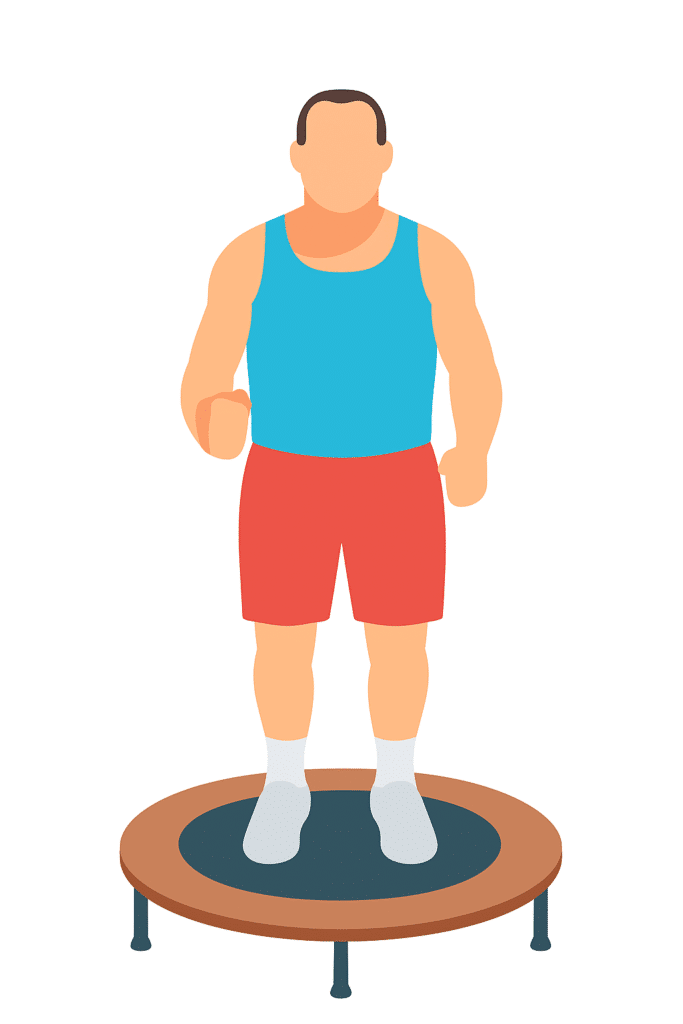
Jumping and landing: Keep your knees bent to absorb shock. Begin with 2 to 3 minutes and increase slowly. A trampoline helps you practice absorbing impact while bearing weight. A shuttle device lets you work on rebounding and landing without full body weight.
Increasing Your Agility
These drills build quickness and coordination for daily life and recreation. Always stretch before and after.
Figure 8s: Walk briskly or jog slowly in a large figure 8 for 2 to 3 minutes, then reverse direction. Over time, make the figure 8 smaller while you increase speed and duration. This helps you pivot and turn corners with control.
Short sprints: Sprint forward 10 to 15 feet, stop, then sprint backward. Continue for 2 to 3 minutes. Gradually increase distance, speed, and total time to prepare for quick stops and starts.
Cross steps: Begin with knees slightly bent and feet shoulder-width apart. Step your right foot across in front of your left, then step to the left with your left foot. Next, step your right foot behind your left, then step left again. Switch directions after a full sequence and repeat 10 times. This pattern prepares you for movements like dancing or skating.
Side steps: Start with knees bent and feet together. Step to the side with your left foot, then bring your right foot to meet it. Keep steps short and comfortable. Reverse direction and continue for 2 to 3 minutes. This drill helps with sports like tennis and racquetball.
From Rehab to Real Life
Rehab does not end when you return to daily routines. Your therapist may ask you to keep training a few times each week. Ongoing strength and flexibility work helps protect your knee and lowers the chance of future injuries.
Kneecap Surgery
Surgery is considered when pain severely limits your activity or when a well-run rehab program does not provide enough relief. Some procedures are arthroscopic, which uses tiny incisions and a camera to work inside the joint. Others require open surgery. Your surgeon will explain how to prepare and discuss potential risks and complications.
Kneecap Realignment
These procedures aim to improve how the patella tracks through its groove.
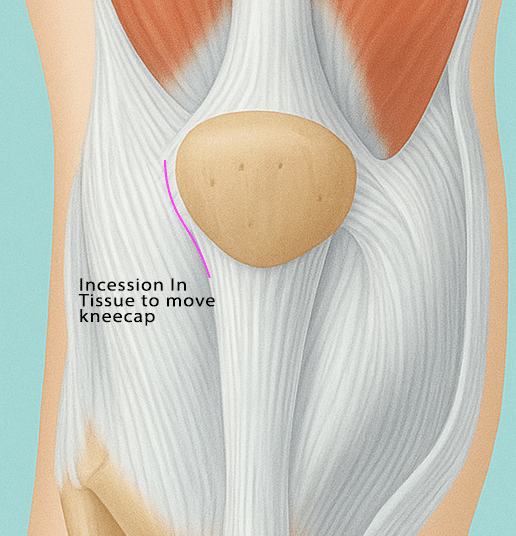
Lateral release: The surgeon releases part of the retinaculum, the tight tissue on the side of the knee, to reduce the pull that tugs the kneecap out of position. A plica band may also be released if it is causing pain.
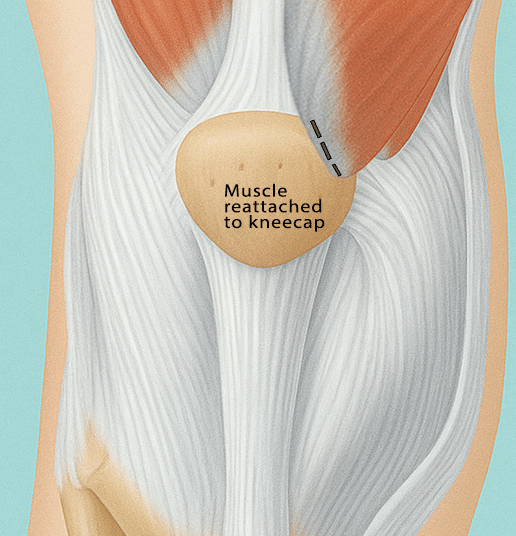
Quadriceps transfer: Part of a quadriceps muscle is detached and reattached to a new spot on the kneecap to balance forces from the upper leg.
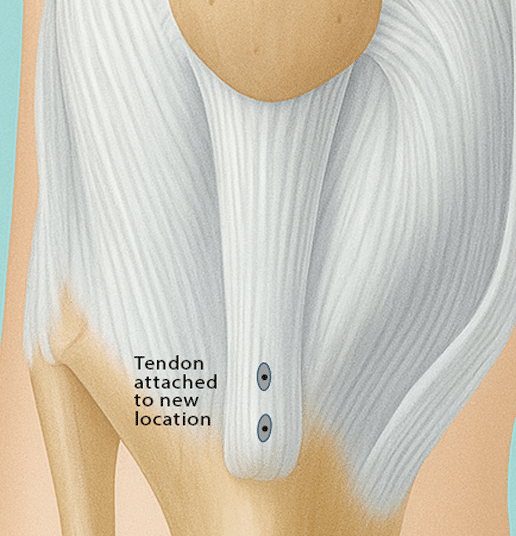
Patellar tendon realignment: The attachment of the patellar tendon and a small piece of the underlying bone are moved to a new position and secured with screws. This shifts the line of pull so the kneecap tracks better.
Cartilage Procedures
If cartilage is damaged, smoothing or stimulating new coverage can help.
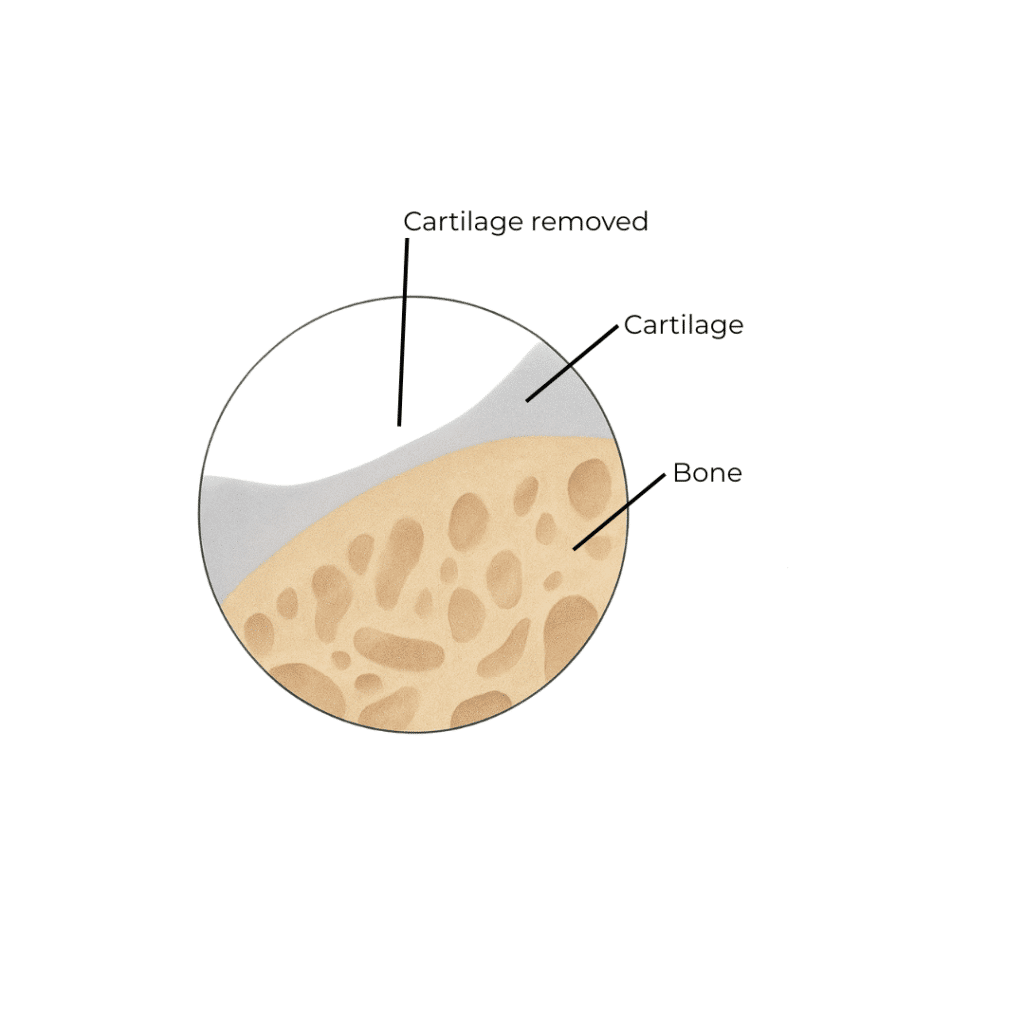
Debridement: Damaged cartilage is trimmed to create a smoother surface between the kneecap and thighbone.
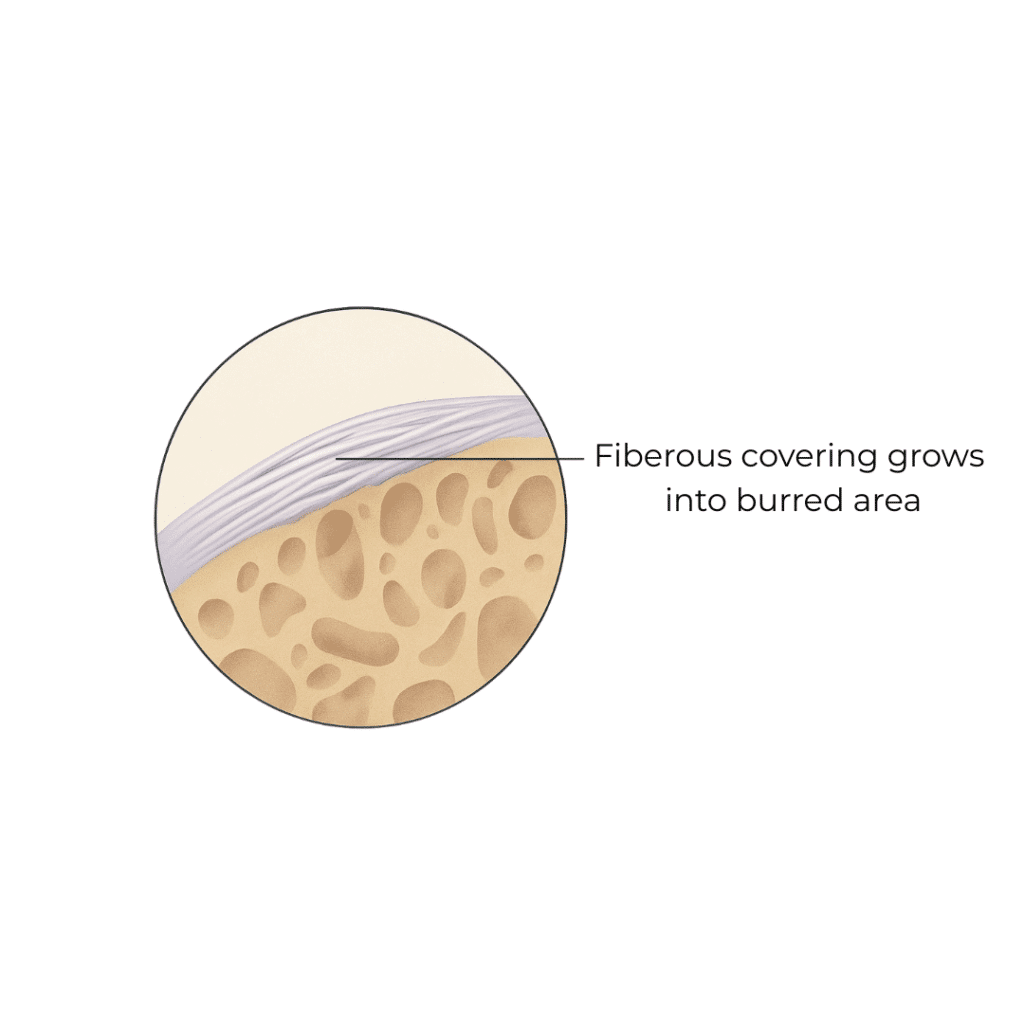
Burring to bone: When cartilage is worn to bare bone, the surgeon may lightly burr into the bone to reach the blood supply. This stimulates growth of a fibrous covering in the area.
Recovering From Surgery
After surgery, rest is key while the knee begins to heal. Your knee may be bandaged, wrapped, or iced to control swelling. A brace can protect the joint, help restore range of motion, and support healing.
Keep your leg elevated above your heart to reduce swelling. You will likely use crutches at first and may be given light exercises to begin gentle movement. A structured rehabilitation plan usually follows to rebuild strength and function.
Quick Summary
Consistency is the secret. Sticking with your exercise program during and after rehab maintains strength and flexibility around the kneecap. That support helps you stay active and reduces the chance of future knee problems.
Have Questions?
If you have any questions or concerns, please contact one of our offices. This information is provided solely for educational purposes and is not a substitute for personalized medical advice. For detailed advice please contact us at (609) 924-8131, text us at (609) 757-9992 or send us a message via our contact form.
Sequence rules uses cookies to track the order of requests a user has made and the time between requests and makes them available via Cloudflare Rules. This allows you to write rules that match valid or invalid sequences. The specific cookies used to validate sequences are called sequence cookies.
session
cf_ob_info
The cf_ob_info cookie provides information on: The HTTP Status Code returned by the origin web server. The Ray ID of the original failed request. The data center serving the traffic
session
cf_use_ob
The cf_use_ob cookie informs Cloudflare to fetch the requested resource from the Always Online cache on the designated port. Applicable values are: 0, 80, and 443. The cf_ob_info and cf_use_ob cookies are persistent cookies that expire after 30 seconds.
session
__cfwaitingroom
The __cfwaitingroom cookie is only used to track visitors that access a waiting room enabled host and path combination for a zone. Visitors using a browser that does not accept cookies cannot visit the host and path combination while the waiting room is active.
session
cf_chl_rc_i
These cookies are for internal use which allows Cloudflare to identify production issues on clients.
session
cf_chl_rc_ni
These cookies are for internal use which allows Cloudflare to identify production issues on clients.
session
cf_chl_rc_m
These cookies are for internal use which allows Cloudflare to identify production issues on clients.
session
__cfruid
Used by the content network, Cloudflare, to identify trusted web traffic.
session
__cf_bm
Cloudflare's bot products identify and mitigate automated traffic to protect your site from bad bots. Cloudflare places the __cf_bm cookie on End User devices that access Customer sites that are protected by Bot Management or Bot Fight Mode. The __cf_bm cookie is necessary for the proper functioning of these bot solutions.
session
__cflb
When enabling session affinity with Cloudflare Load Balancer, Cloudflare sets a __cflb cookie with a unique value on the first response to the requesting client. Cloudflare routes future requests to the same origin, optimizing network resource usage. In the event of a failover, Cloudflare sets a new __cflb cookie to direct future requests to the failover pool.
session
_cfuvid
The _cfuvid cookie is only set when a site uses this option in a Rate Limiting Rule, and is only used to allow the Cloudflare WAF to distinguish individual users who share the same IP address.
session
cf_clearance
Whether a CAPTCHA or Javascript challenge has been solved.
session
Google reCAPTCHA helps protect websites from spam and abuse by verifying user interactions through challenges.
Name
Description
Duration
_GRECAPTCHA
Google reCAPTCHA sets a necessary cookie (_GRECAPTCHA) when executed for the purpose of providing its risk analysis.
179 days
Google Tag Manager simplifies the management of marketing tags on your website without code changes.
Name
Description
Duration
cookiePreferences
Registers cookie preferences of a user
2 years
td
Registers statistical data on users' behaviour on the website. Used for internal analytics by the website operator.
session
These cookies are used for managing login functionality on this website.
Name
Description
Duration
wordpress_logged_in
Used to store logged-in users.
Persistent
wordpress_sec
Used to track the user across multiple sessions.
15 days
wordpress_test_cookie
Used to determine if cookies are enabled.
Session
WPForms is a user-friendly WordPress plugin for creating custom forms with drag-and-drop functionality.
Name
Description
Duration
wpfuuid
Used to track user interactions with forms.
11 years
Statistics cookies collect information anonymously. This information helps us understand how visitors use our website.
Google Analytics is a powerful tool that tracks and analyzes website traffic for informed marketing decisions.
Used to distinguish new sessions and visits. This cookie is set when the GA.js javascript library is loaded and there is no existing __utmb cookie. The cookie is updated every time data is sent to the Google Analytics server.
30 minutes after last activity
__utmc
Used only with old Urchin versions of Google Analytics and not with GA.js. Was used to distinguish between new sessions and visits at the end of a session.
End of session (browser)
__utmz
Contains information about the traffic source or campaign that directed user to the website. The cookie is set when the GA.js javascript is loaded and updated when data is sent to the Google Analytics server
6 months after last activity
__utmv
Contains custom information set by the web developer via the _setCustomVar method in Google Analytics. This cookie is updated every time new data is sent to the Google Analytics server.
2 years after last activity
__utmx
Used to determine whether a user is included in an A / B or Multivariate test.
18 months
_ga
ID used to identify users
2 years
_gali
Used by Google Analytics to determine which links on a page are being clicked
30 seconds
_ga_
ID used to identify users
2 years
_gid
ID used to identify users for 24 hours after last activity
24 hours
_gat
Used to monitor number of Google Analytics server requests when using Google Tag Manager
1 minute
_gac_
Contains information related to marketing campaigns of the user. These are shared with Google AdWords / Google Ads when the Google Ads and Google Analytics accounts are linked together.
90 days
__utma
ID used to identify users and sessions
2 years after last activity
__utmt
Used to monitor number of Google Analytics server requests
10 minutes
These cookies help us measure the effectiveness of our website content and understand how visitors find and use our site. This allows us to improve the experience and provide more helpful resources.
Facebook Pixel is a web analytics service that tracks and reports website traffic.