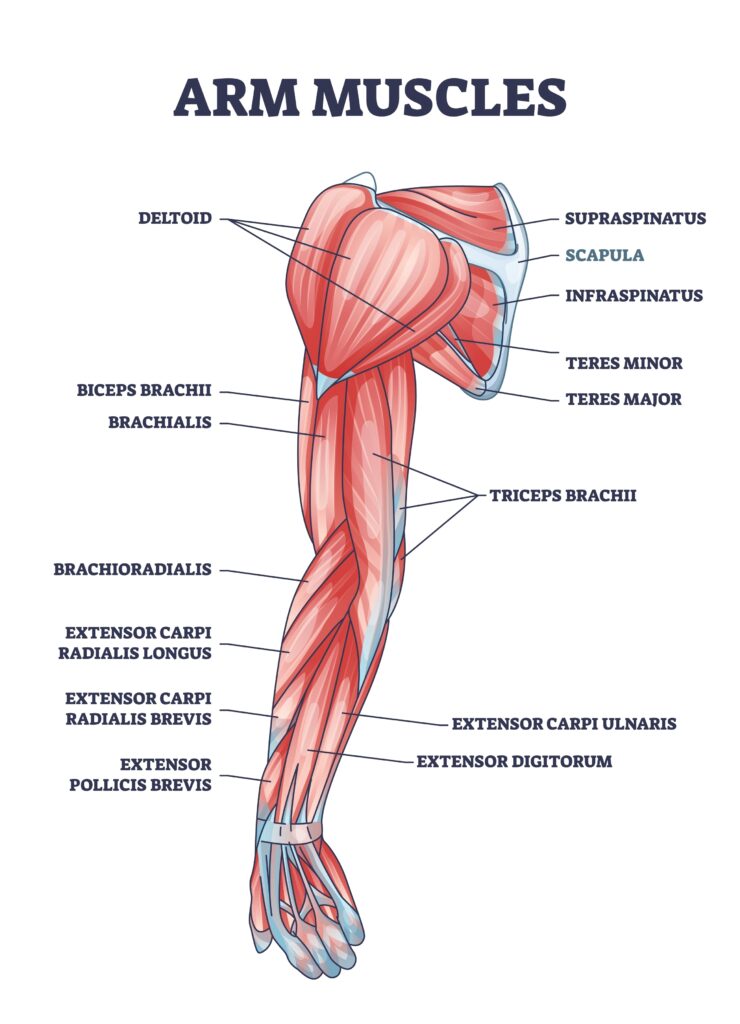
The shoulder is a wonderful and versatile joint that lets you throw a ball, scratch your back, or even bend down to pick up your child. When an injury occurs, however, it can cause pain and limit your movement; the good news is that most common shoulder issues are treatable, letting you get back to feeling like yourself again.
Shoulder problems can affect anyone regardless of age, fitness level, or lifestyle. There isn't a single cause; some issues stem from overuse or injuries while others are due to everyday wear and tear, and sometimes even underuse can be problematic.
Symptoms to watch for include pain, stiffness, and weakness. You might also experience discomfort in your neck or arms, especially when reaching or moving your arm in specific ways. It's important to remember that sometimes shoulder pain might originate from issues in another area of your body, a phenomenon known as referred pain.
What Causes Shoulder Problems?
Shoulder problems can affect anyone, young or old, active or not. There isn't just one reason they happen. Sometimes, shoulder pain comes from an injury or using the joint the wrong way. Other times, it's simply from everyday wear and tear. You might have pain from using your shoulder too much—or even from not using it enough.
Symptoms of Shoulder Problems
Shoulder problems can cause pain, stiffness, or weakness. You might also feel discomfort in your neck or down your arm. These symptoms often show up when you move your arm a certain way—like reaching overhead or behind your back. It's also important to know that shoulder pain doesn't always start in the shoulder. Sometimes, it's actually caused by another part of the body. This is known as referred pain.
What You Can Do
There are many ways to treat shoulder problems, and most don't require surgery. So don't let shoulder pain hold you back. The sooner you begin treatment, the sooner you can start moving your shoulder more comfortably and get back to doing what you love.
Getting Evaluated for Shoulder Issues
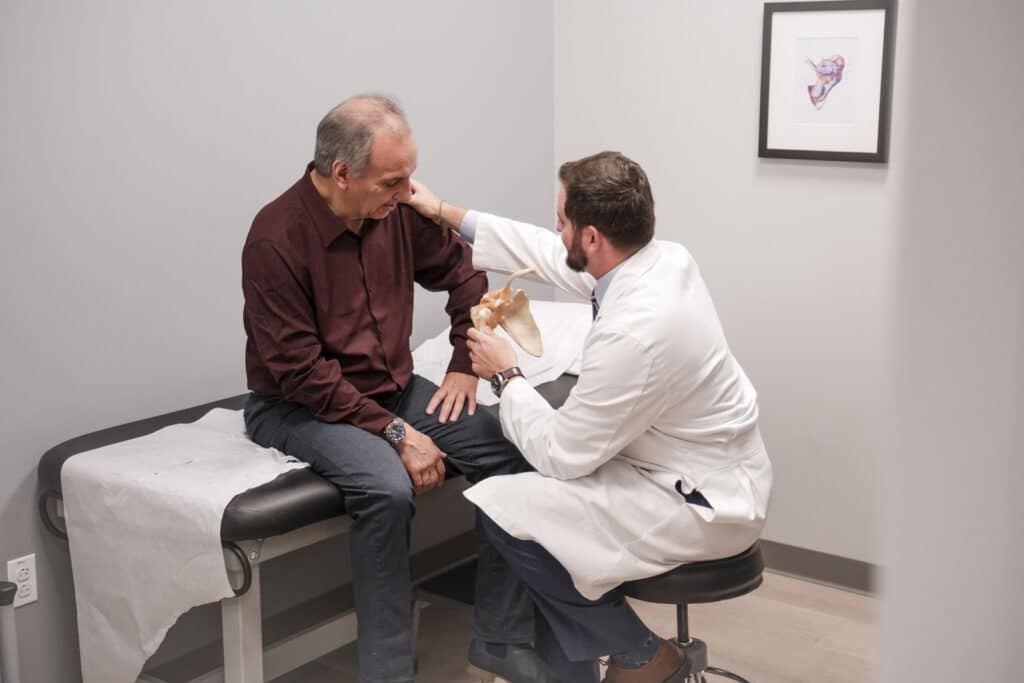
A thorough evaluation helps your healthcare provider determine what is behind your shoulder discomfort. This process typically includes a review of your medical history, a physical exam of the shoulder, and imaging tests to see inside the joint.
Your Medical History
During your appointment, you'll be asked about your overall health, any symptoms you're experiencing, and past shoulder injuries. Also discuss your work, sports activities, when the symptoms started, and if certain motions worsen the pain. Mention other health conditions like neck, heart, lung, or gallbladder problems, as these might contribute to your discomfort through referred pain.
The Shoulder Exam
Your provider will assess your shoulder, neck, and arm, checking to see if particular movements trigger any symptoms. The examination might be slightly uncomfortable but is essential for pinpointing the exact cause of your pain. Additional tests may be conducted to measure your shoulder's strength and flexibility.
Imaging Tests
Advanced imaging helps visualize the internal structures of your shoulder. These tests can also help rule out other conditions that might be causing your pain. You may undergo one or more of the following:
X-rays to detect fractures or dislocations
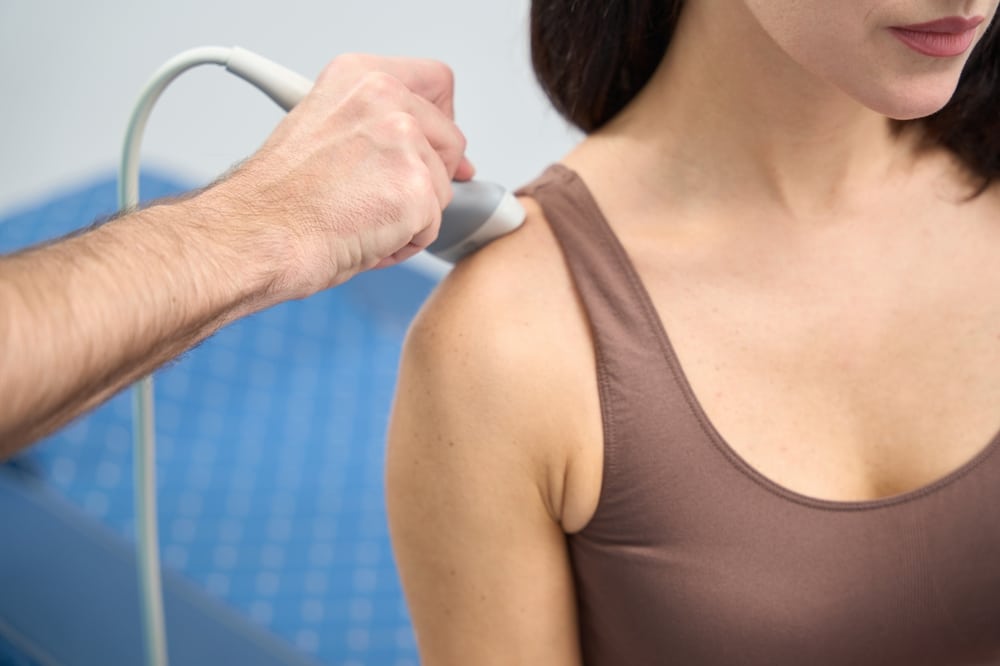
Ultrasound imaging which uses sound waves to view soft tissues like the rotator cuff
CT scans (computed tomography) for detailed images of the shoulder joint
MRI (magnetic resonance imaging) that employs strong magnets to produce images of soft tissues
Arthrograms that inject a special dye into the joint to clarify structures on x-rays or MRI
Anatomy of a Healthy Shoulder
A healthy shoulder is built on a solid design of bones, muscles, ligaments, and tendons. This flexible joint enables a full range of motion, letting your arm move in almost every direction. However, any damage or wear in these components can make movement painful and difficult.
Bone Structure
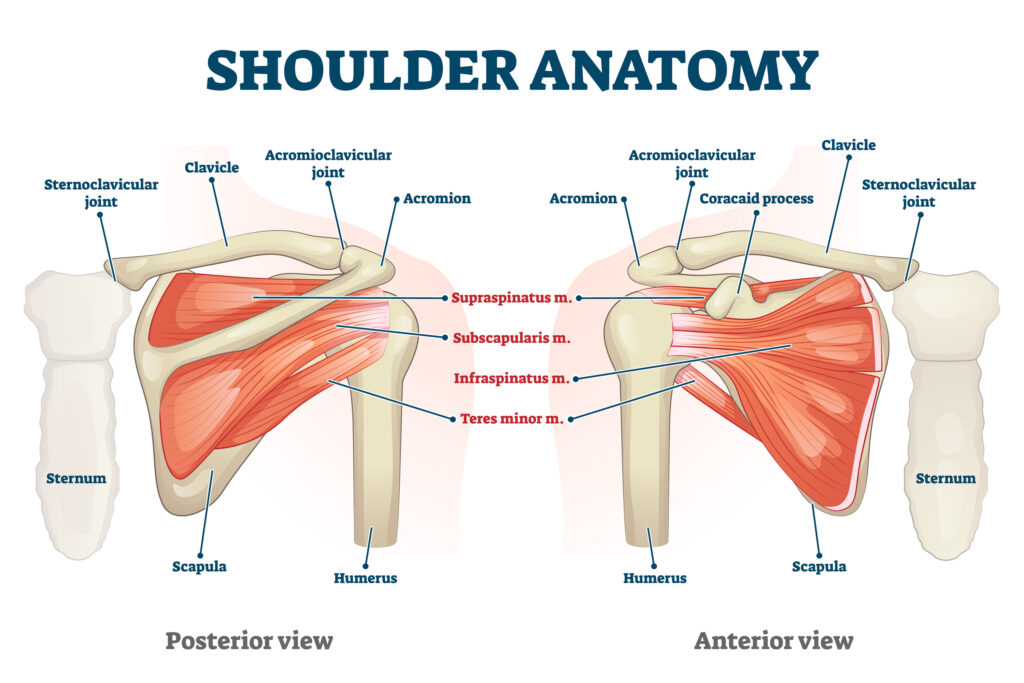
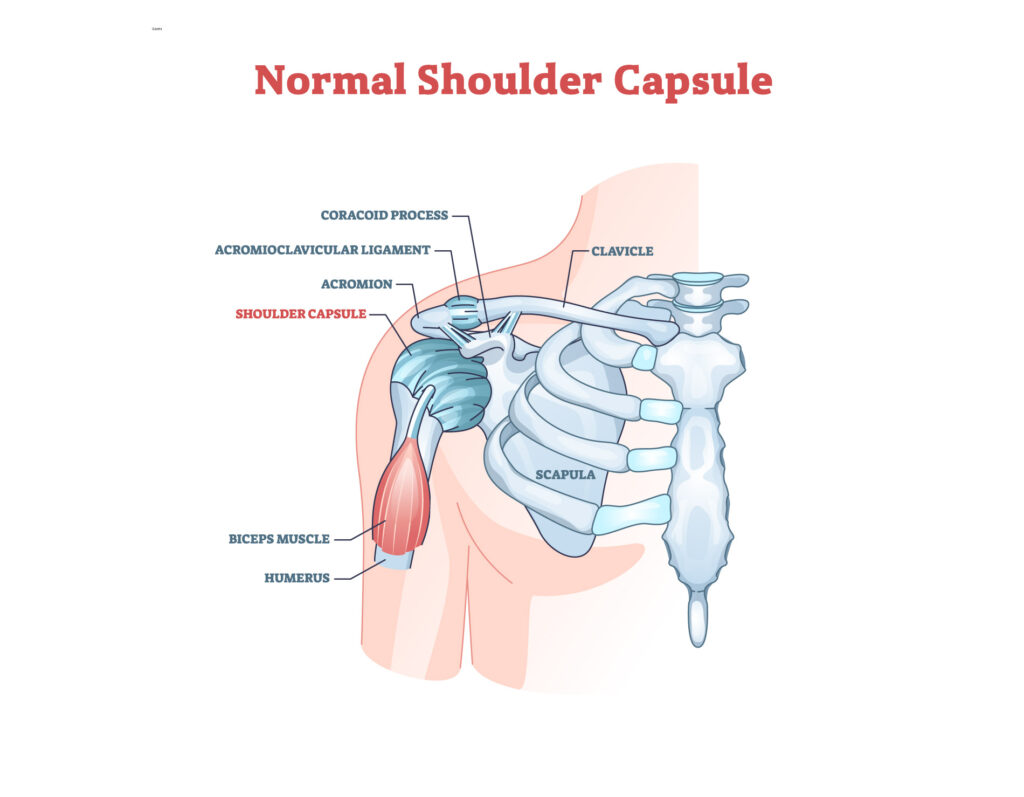
The shoulder's bones form two major joints. The primary joint, known as the glenohumeral joint, is where the upper arm bone (humerus) meets the shoulder blade (scapula) at a shallow socket called the glenoid. This configuration is similar to a golf ball resting on a tee, with smooth cartilage allowing easy movement.
The other joint, called the acromioclavicular (AC) joint, is where the collarbone (clavicle) connects with the top of the shoulder blade (acromion). This joint, along with supportive ligaments, helps stabilize the shoulder.
Ligaments and Stability
Ligaments are strong fibrous tissues that connect bones. In the shoulder, many ligaments form part of the joint capsule, a robust layer that secures the humerus within the glenoid socket and prevents dislocation. Additional ligaments help anchor the collarbone to the shoulder blade, maintaining joint stability.
Understanding the Rotator Cuff and Bursa
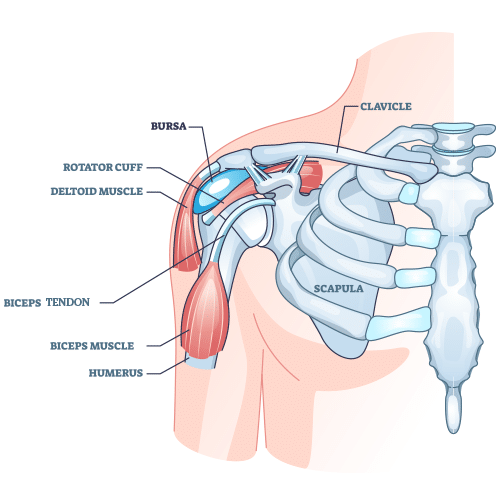
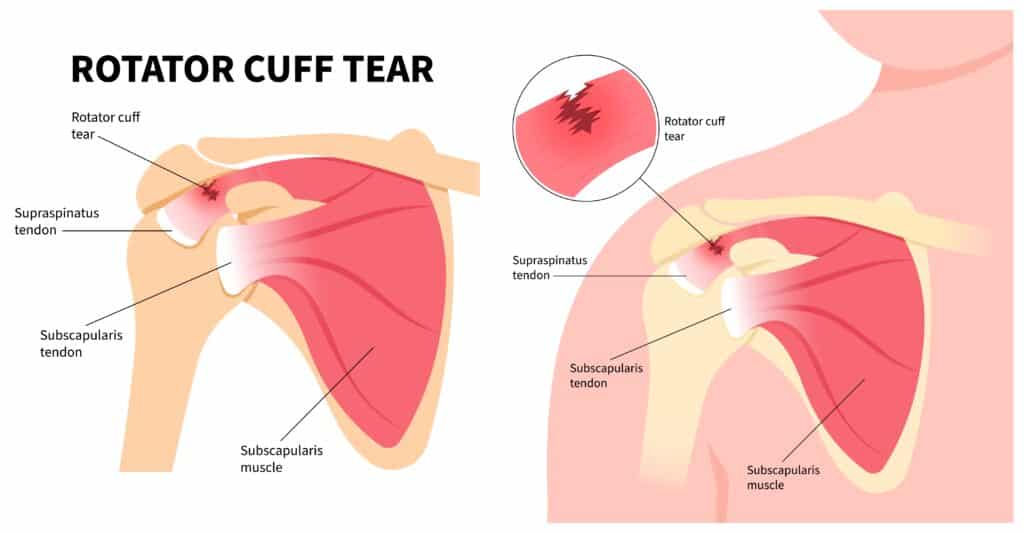
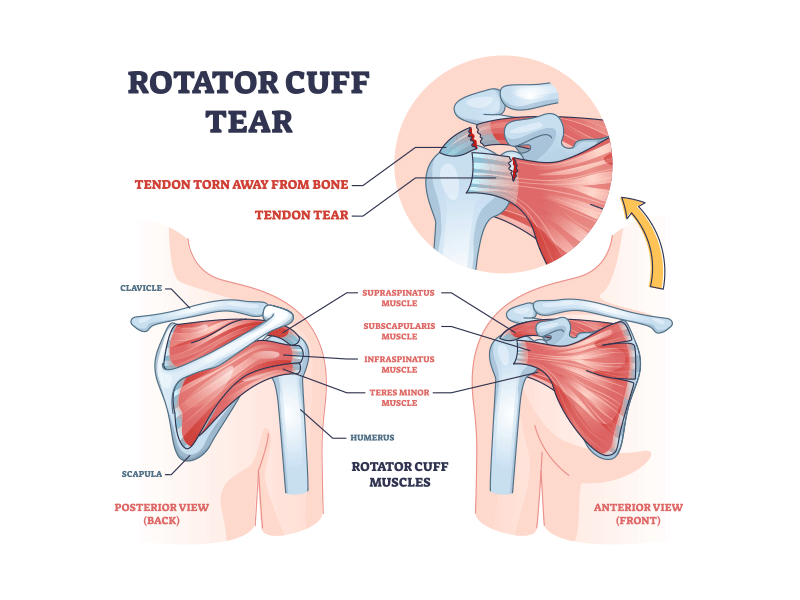
The rotator cuff is a collection of muscles and tendons that play a key role in shoulder movement and stabilization. These muscles let you lift and rotate your arm, while the tendons attach them to the bone, forming a supportive cuff around the head of the humerus.
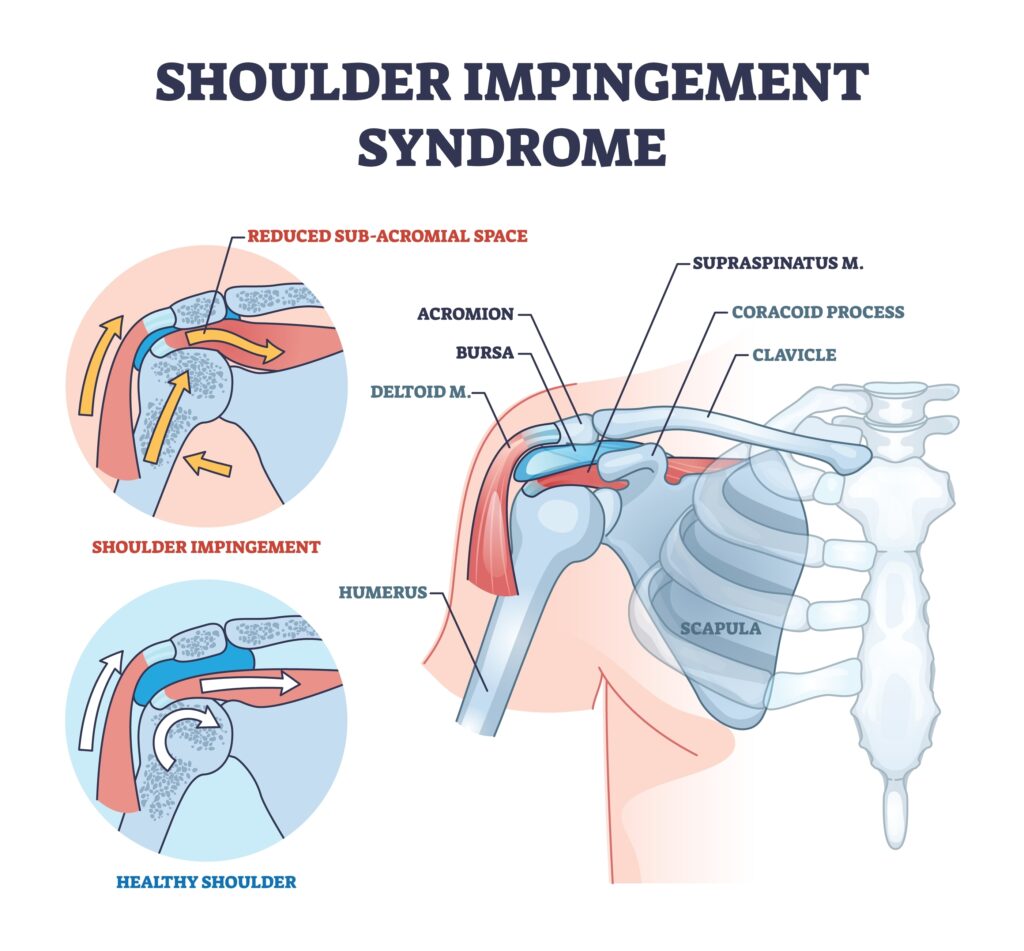
Additionally, the bursa is a small, slippery sac located between the rotator cuff and the acromion. It acts as a cushion to reduce friction during movement, adjusting its size as your arm is raised or lowered.
Muscles such as the deltoid and biceps further help power shoulder and arm movements. The deltoid lifts your arm overhead and gives your shoulder its rounded contour, while the biceps assist in bending the elbow.
The Effects of Daily Wear and Tear
Everyday activities can lead to inflammation and gradual deterioration in the shoulder tissues. When tissues become inflamed or begin to tear, you might experience pain and discomfort that can occur concurrently.
Bursitis, Tendinitis, & Impingement
Doing the same shoulder movements over and over can irritate and inflame the tissues in your joint. This may cause bursitis (inflammation of the fluid-filled sac called the bursa) or tendinitis (inflammation of a tendon). When these tissues swell, they can get pinched under a bone in your shoulder called the acromion. This is known as impingement, which can make it painful to do things like reach overhead or grab something from a high shelf.
Rotator Cuff Tear
Overuse or injury can irritate the tendons in your rotator cuff, causing soreness or weakness. This can lead to a tear, which might cause a clicking or grating sound. You may also have trouble lifting your arm. Tears can be partial or go all the way through the tendon.
Calcified Tendinitis and Calcific Bursitis
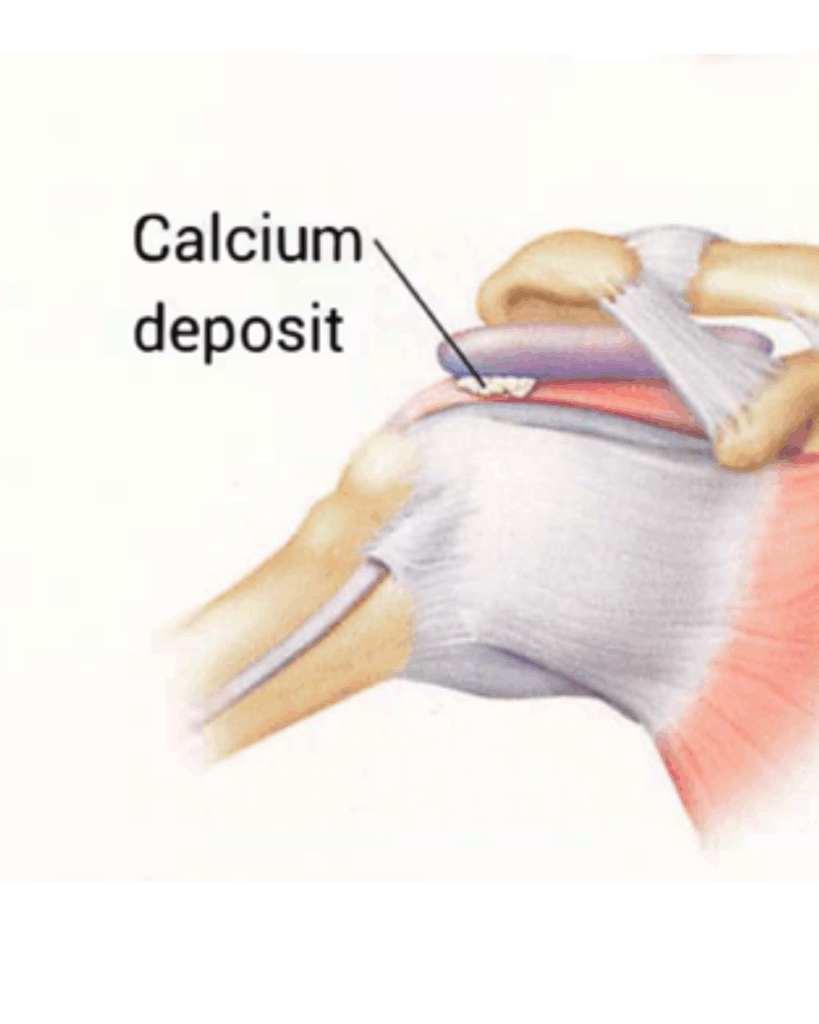
Inflammation or injury can cause calcium deposits in the shoulder. If they form in tendons, it's called calcific tendinitis. In the bursa, it's called calcific bursitis. These deposits may cause pain—or no symptoms at all.
Arthritis
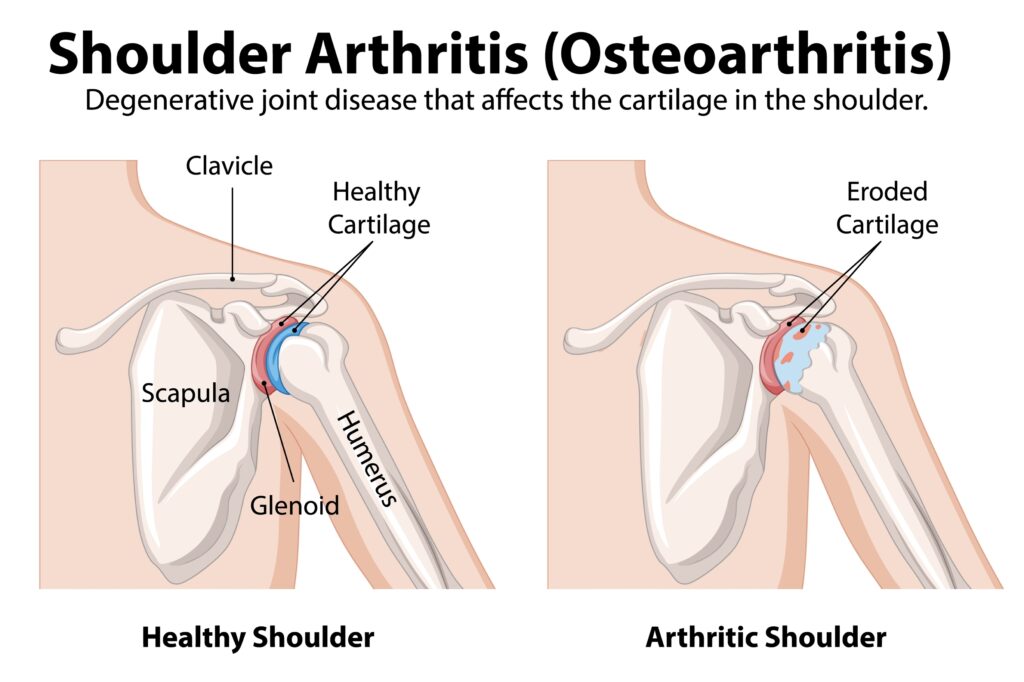
As we age, the smooth cartilage in the shoulder can wear down—a condition called arthritis. When this happens, bones may rub together, causing pain and swelling. Over time, bone spurs (extra bone growths) may also form.
Managing Shoulder Wear and Tear
A mix of self-care and professional treatment can help manage the effects of wear and tear on your shoulder. Some solutions can be implemented at home, while others require guidance from your healthcare provider.
Active Rest
It's important to avoid movements that increase pain, like heavy lifting or reaching overhead. Ask your provider which activities to limit, and while resting your shoulder, try not to stop using it completely; if it hurts, pause the action.
Icing and Heat Therapy
Applying ice can help reduce inflammation and pain—use an ice pack or frozen peas for 10 to 15 minutes, several times a day, always with a thin towel between the ice and your skin. Heat is useful for relaxing sore muscles and usually works best before exercising, though it should be avoided immediately after an injury.
Medications and Injections
Over-the-counter anti-inflammatory drugs such as aspirin and ibuprofen can ease swelling and discomfort. In cases of severe pain, your provider might recommend steroid or anesthetic injections, which can take a few hours to days to become fully effective.
Therapeutic Exercise
Certain exercises prescribed by your healthcare provider can strengthen the muscles supporting your shoulder and gently stretch tight areas to increase range of motion. These can be combined with other treatments to reduce inflammation and promote healing.
Shoulder Dislocation: Overview and Treatment
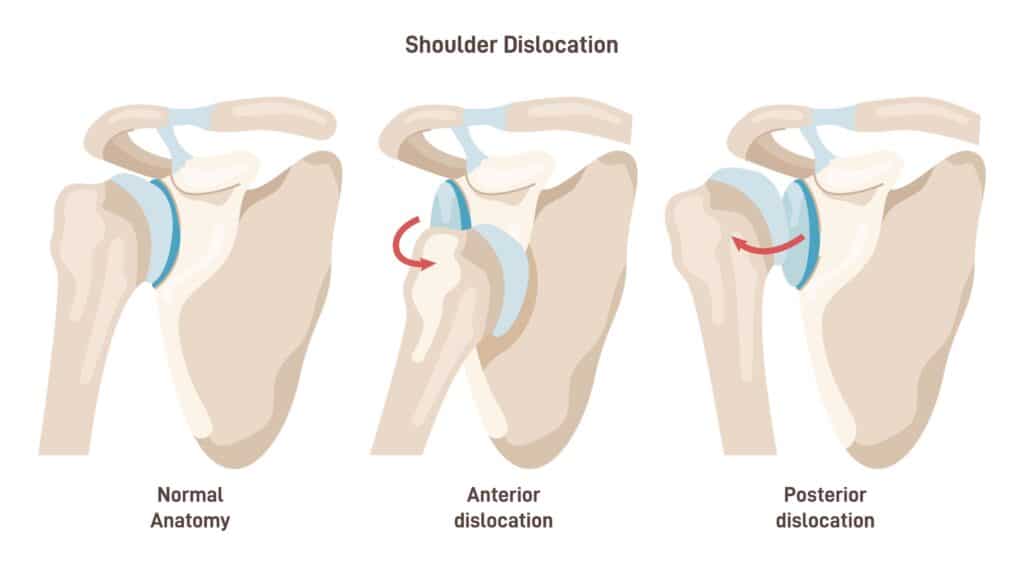
A shoulder dislocation happens when the head of the humerus is forced out of its socket, whether completely or partially (known as subluxation). This injury can occur if the arm is abruptly pulled or if you fall on an outstretched arm.
Dislocations cause intense pain and significant limitations in movement, along with swelling, bruising, and numbness. Immediate treatment by a healthcare provider is essential, and medications are often used to ease pain during the process of putting the bone back in place (reduced).
After reduction, you may need to wear a sling or shoulder immobilizer, take medications to manage pain and swelling, and later follow a program of exercises or physical therapy. Especially for younger individuals, surgery might be recommended to minimize the risk of future dislocations.
Sprains and Separations
Injuries from heavy lifting or falls can injure the acromioclavicular (AC) joint. A sprain happens when the ligaments in the joint stretch or partially tear, leading to pain, while a separation is a more severe tear where the joint essentially comes apart.
With a sprain, the ligaments elongate and may experience minor tears, while a complete tear results in the bones moving apart, often evident by a bump under the skin. These injuries can cause marked pain, swelling, and bruising, and though many heal with rest and ice packs, severe separations might need a sling or even surgery.
Fractures in the Shoulder
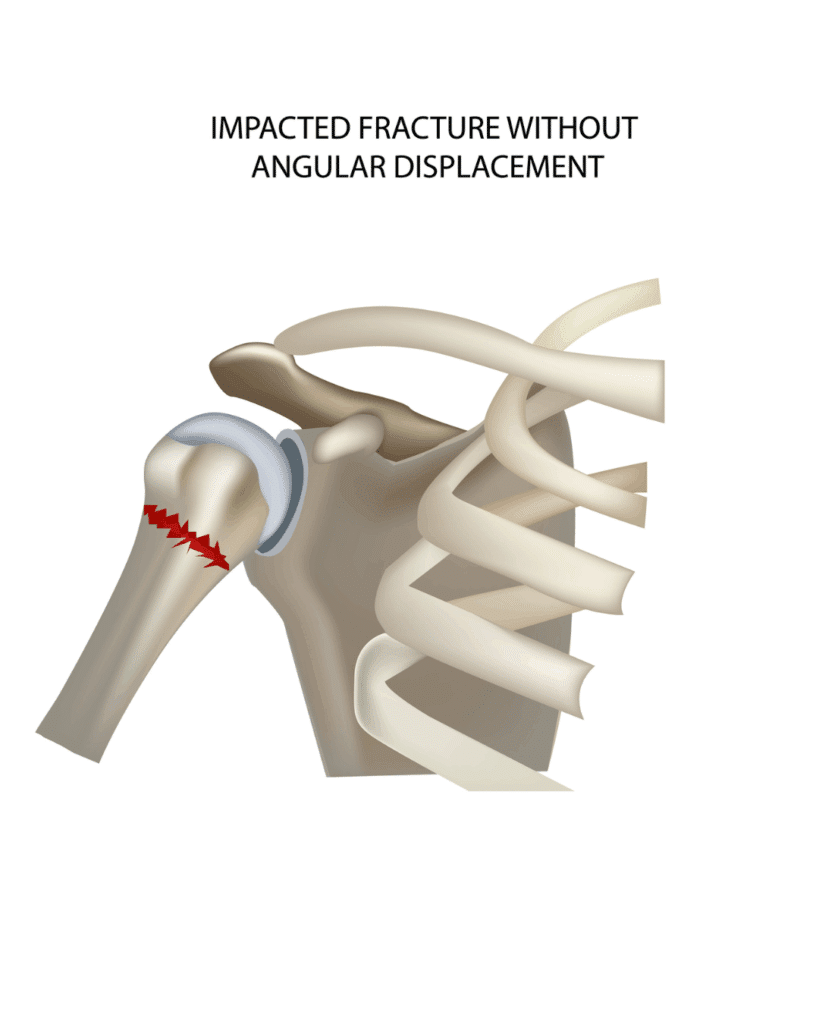
Fractures occur when a fall or direct impact breaks a bone in the shoulder. The two most common types are fractures of the collarbone (clavicle) and the upper arm bone (humerus).
Clavicle (Collarbone) Fractures
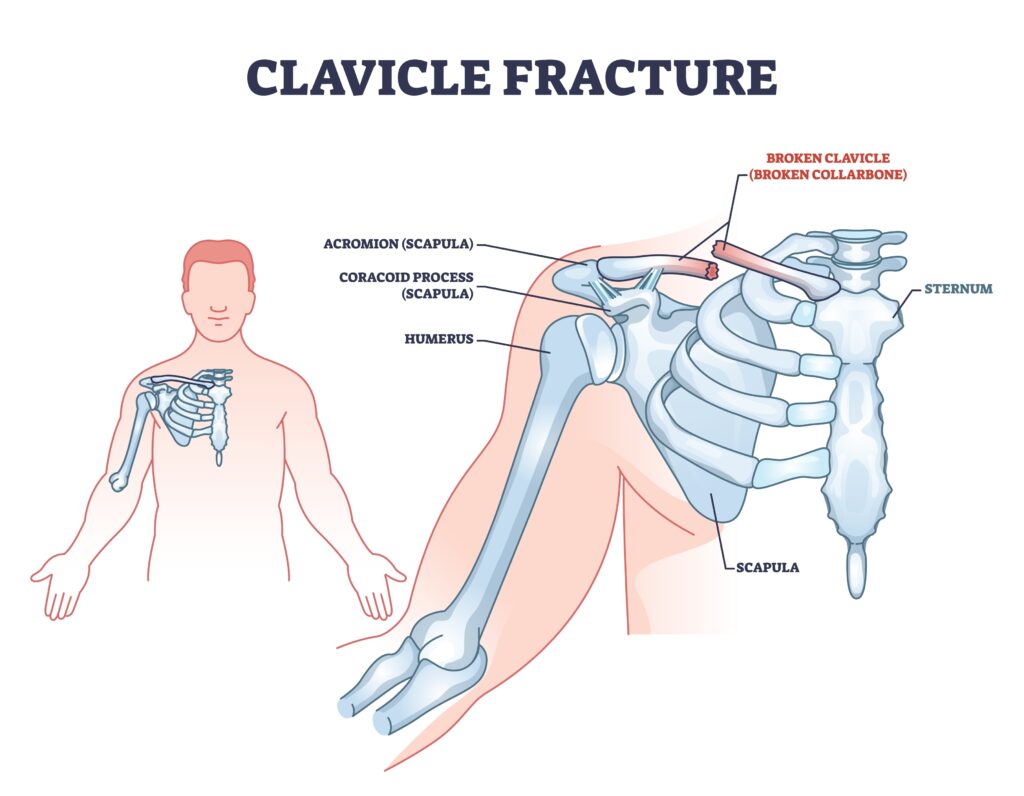
A broken collarbone is the most frequent shoulder fracture, often occurring near the center of the bone due to a direct impact or fall on an outstretched arm. This injury can lead to moderate to severe pain, bruising, and sometimes a visible bump.
Treatment typically involves rest, pain management with medications, and the use of a sling or strap for comfort over a period of 4 to 8 weeks, followed by exercises to restore strength and motion. Some residual bump may remain even after healing.
Humerus (Arm Bone) Fractures
A fracture of the humerus generally happens from a fall or impact and is commonly located in the upper section of the bone. This type of break causes significant pain, swelling, and bruising which can extend down to the hand.
Your treatment may involve immobilizing the arm with a sling, managing pain with medications, and possibly surgery in more serious cases. Rehabilitation exercises are key to regaining motion, although the arm might not regain its full strength or straight alignment immediately.
Frozen Shoulder: Causes and Treatments
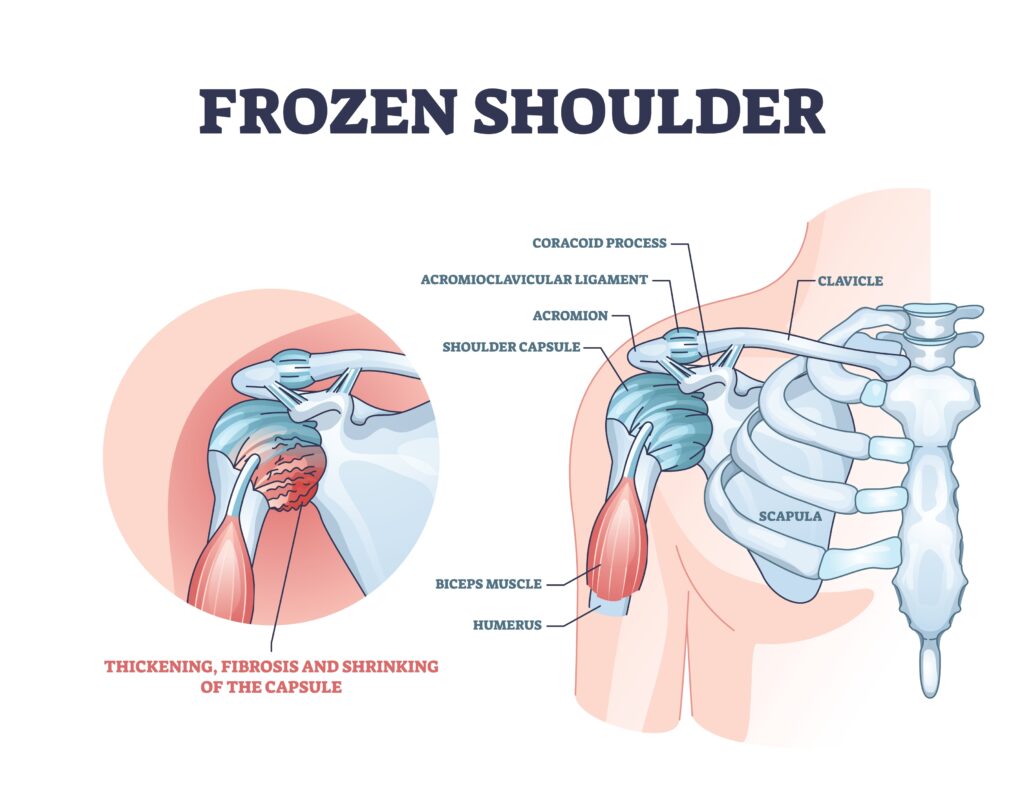
When shoulder movement becomes painful, you might instinctively avoid using the joint. This lack of motion can cause the shoulder capsule to thicken or develop adhesions (bands of scar tissue), ultimately leading to a condition known as frozen shoulder, or adhesive capsulitis.
The development of frozen shoulder is gradual and may sometimes be linked to injuries or simply from underuse. As the capsule develops adhesions and tightens, the humerus finds it harder to move within the joint, resulting in a limited range of motion. Treatment options include stretching exercises, anti-inflammatory medications, cortisone injections, manual physical therapy, and in severe cases, arthroscopic surgery to release the tightened tissues.
Rebuilding Shoulder Strength: Rehabilitation
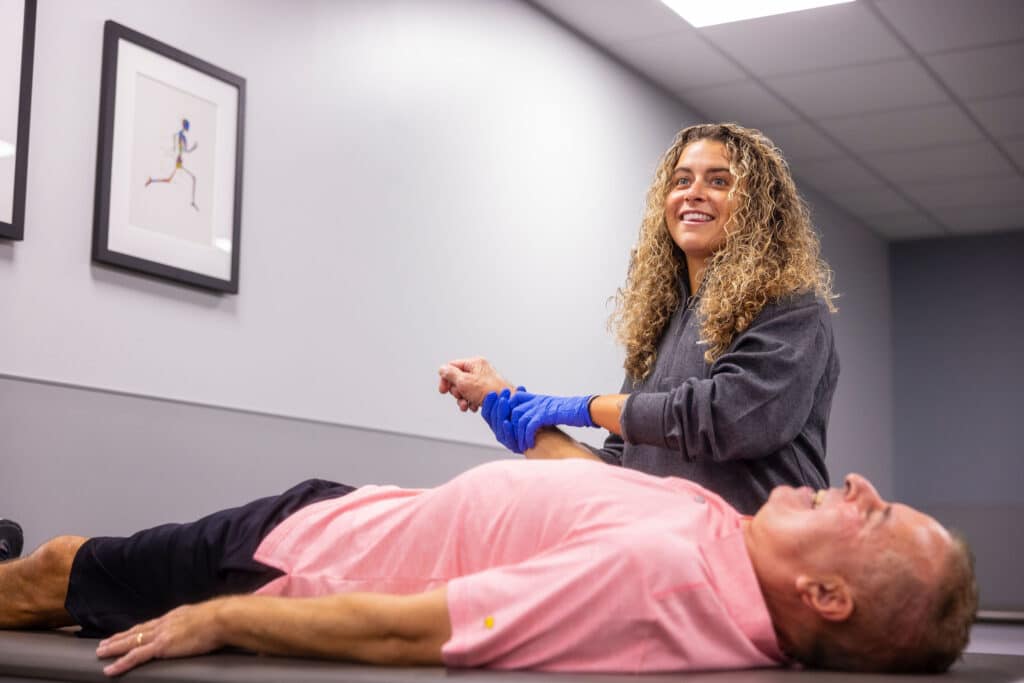
Rehabilitation plays a critical role in restoring your shoulder's strength and mobility. Working closely with a physical therapist (PT) or other healthcare provider, a tailored rehab program helps speed up your recovery, though it does take time and consistent effort.
PTs use several techniques to help reduce pain and rebuild function. Some common therapies include:
Ultrasound Therapy: Uses sound waves to gently heat deep tissues, which relaxes muscles and eases scar tissue.
Heat and Ice: Alternating between ice packs to reduce swelling and heat to relax muscles before and after exercise.
Tissue Mobilization: Involves massage-like techniques to help release tight tissues and restore movement.
Electrical Stimulation: Applies a low electrical current via small pads to improve blood flow, reduce swelling, and ease pain.
Stretching: Assists in regaining the shoulder's full range of motion through carefully guided stretching exercises.
Rehab Exercises
Rehab exercises can help restore shoulder function by improving flexibility and building strength. They may also reduce pain and help prevent future problems. Talk to your healthcare provider about your recovery goals so they can create a program that works for you.
Improving Flexibility: Some exercises focus on stretching the shoulder to improve range of motion. Your movement will be measured to track progress and guide your treatment. These exercises help restore movement and prevent stiffness, like frozen shoulder.
Building Strength: Other exercises target shoulder muscles to improve joint stability, balance, and coordination. Strengthening can also lower your risk of getting hurt again.
A Note About Exercising
Follow your healthcare provider's instructions closely. Use slow, steady movements and breathe normally. Stop if you feel sharp or new pain. If you're returning to work or sports, you may be given special exercises to help get you ready.
Home-Based Shoulder Exercises
In addition to professional physical therapy, simple exercises at home can help restore shoulder mobility and strength. Always ensure that these activities are safe for your specific condition by checking with your provider first, and if any exercise increases your pain, reassess your approach with help from your PT.
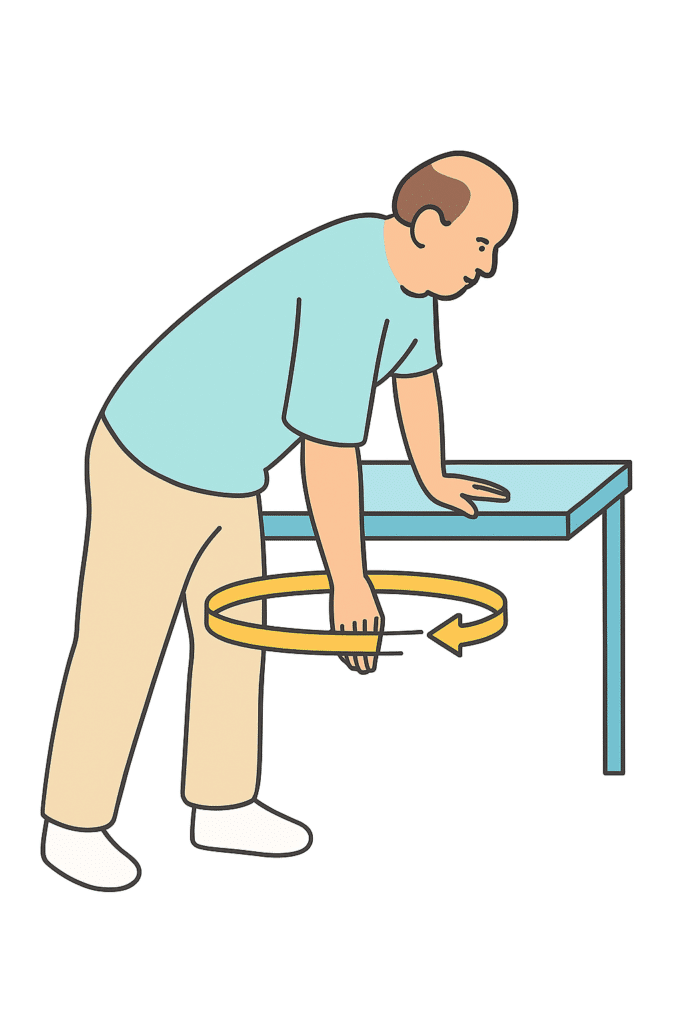
Pendulum Exercise
Lean over and support your good arm on a table or chair. Let your injured arm hang down freely.
Gently swing the relaxed arm back and forth, then side to side, and finally in small circles before reversing direction.
Note: Do this 3 or more times for 5 or more minutes per day. Change directions about once per minute.
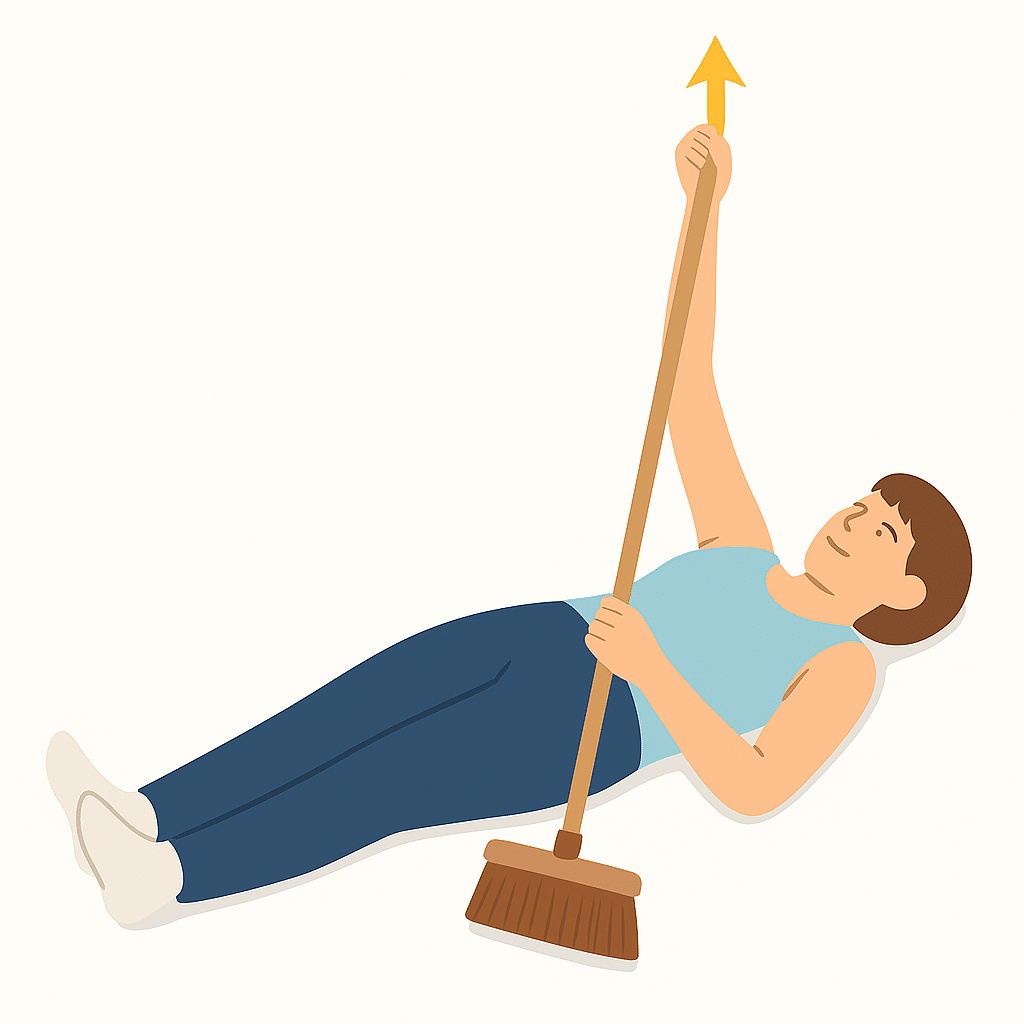
Broom Stretches
Hold a broom or cane so that your injured shoulder's hand is placed over its end. With your good hand, grasp the lower part of the stick.
Using your good arm, press the broom upward until your injured arm is raised as high as comfortably possible. Hold for ten seconds.
Return to the starting position and repeat three times.
Note: Avoid forcing the stretch; stop if you experience any pain.
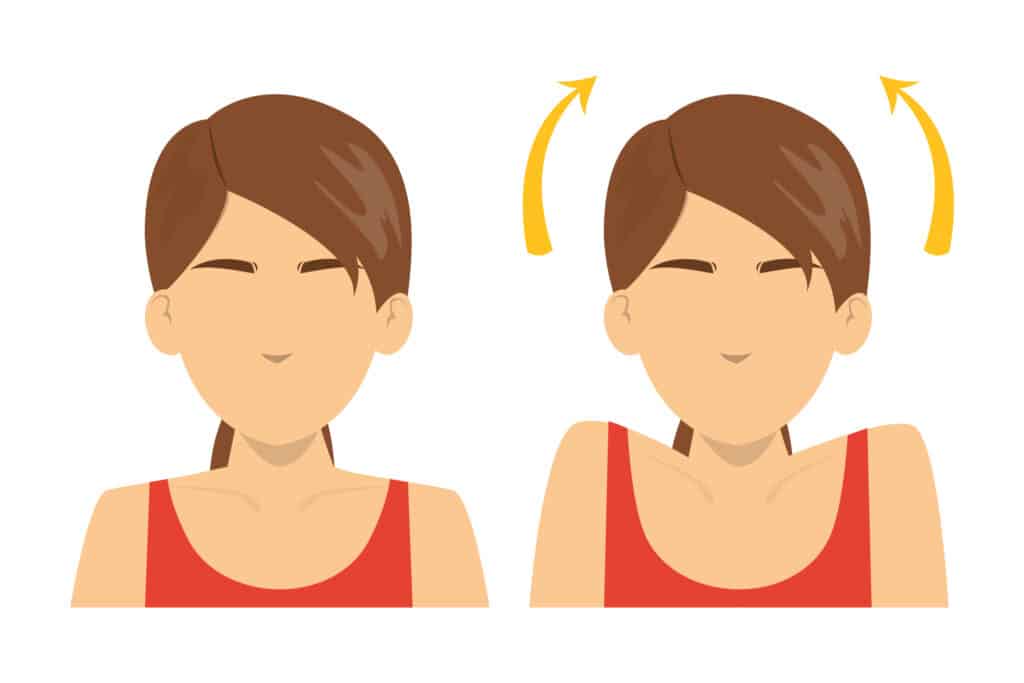
Shoulder Shrugs
Sit upright in a chair with your back straight and arms relaxed at your sides.
Slowly shrug your shoulders, lifting them toward your ears and holding for three seconds before releasing back to the starting position.
Perform ten repetitions, three times each day.
Note: Consult your provider about using light hand weights if appropriate.
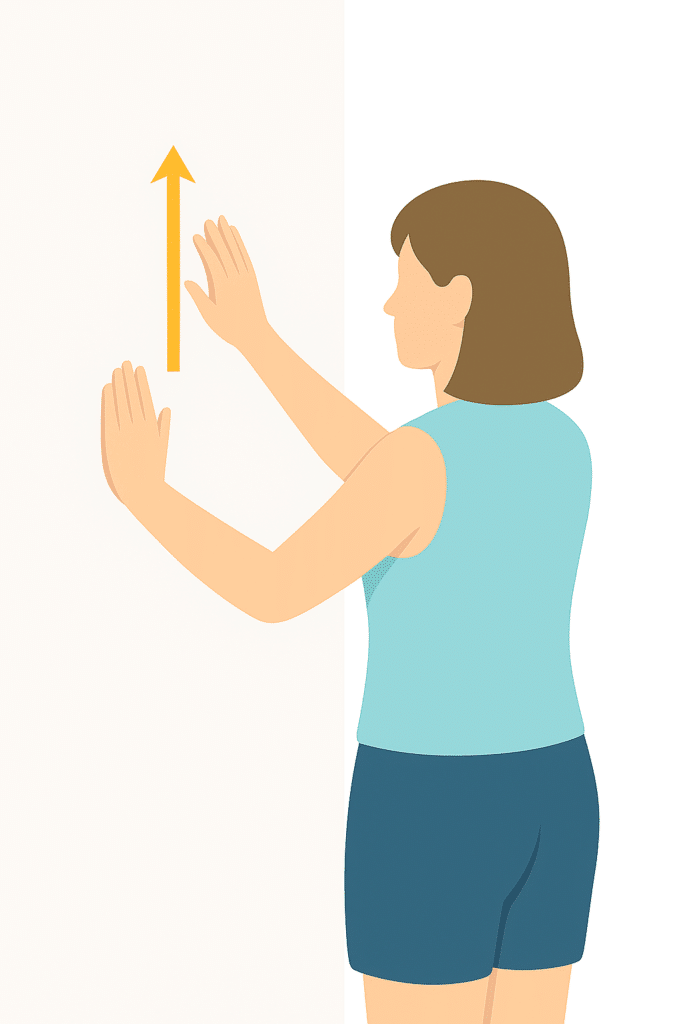
Wall Walk
Stand about two feet from a wall with your injured shoulder facing it.
Raise your arm to shoulder height and slowly 'walk' your fingers up the wall, going as high as comfortable, then walk them back down.
Hold each position for about ten seconds and repeat three times.
Note: Confirm with your PT if this stretch is safe for your shoulder.
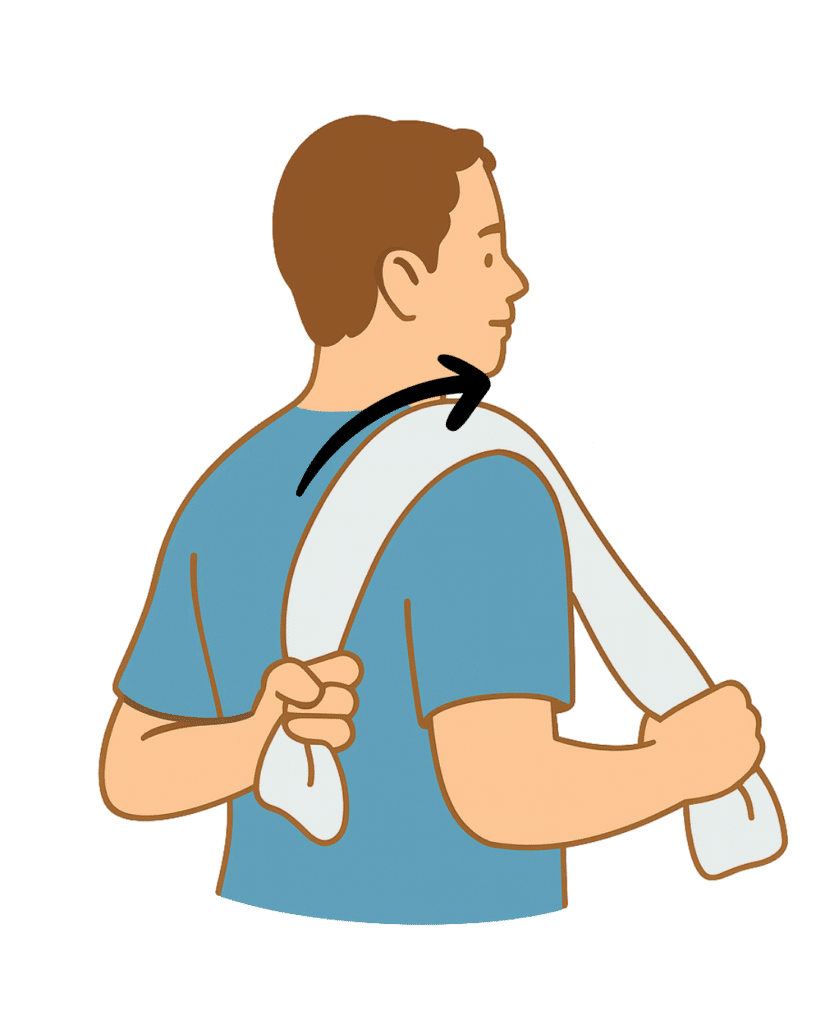
Towel Stretch
Stand straight and place the back of the hand of the injured shoulder flat against your lower back.
Throw a towel over your shoulder and grab the end behind your back.
With your front arm, gently pull down on the towel, letting the back arm slide up as high as comfortable. Repeat three times.
Note: Ask your PT if this stretch is safe for your shoulder.
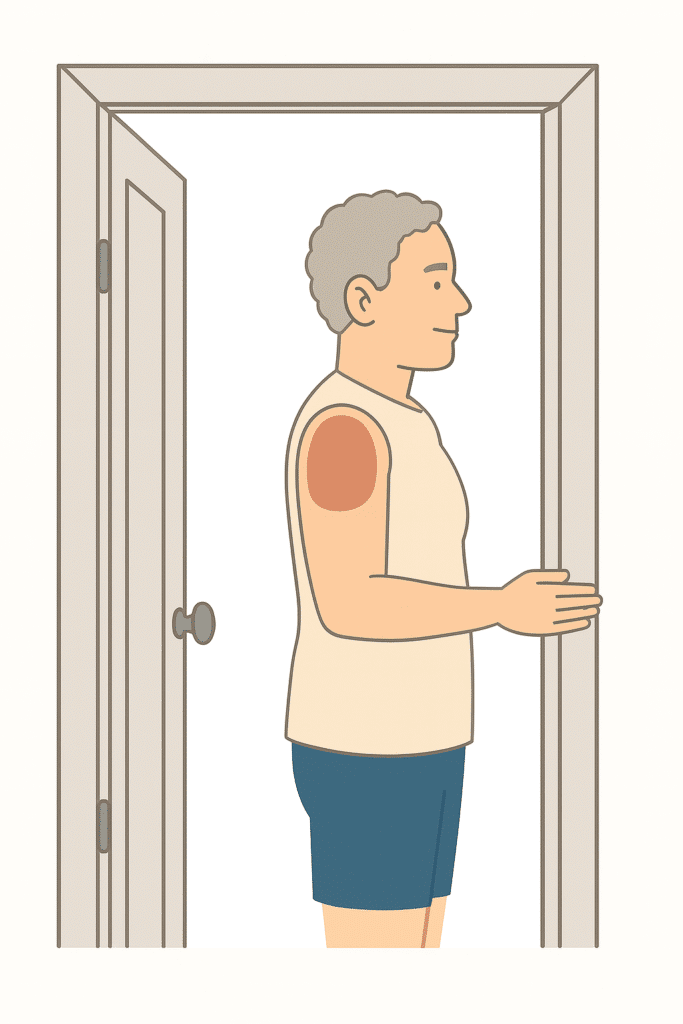
Isometric Exercises
Stand in front of an open door and bend your injured arm so that your elbow is at a 90-degree angle, with your palm resting against the doorframe. Press firmly for five seconds.
Then, turn to the opposite side of the doorway and press the back of your hand against the frame, holding for five seconds.
Repeat these steps three times each.
Preventing Future Shoulder Problems
Once you're feeling more comfortable, maintaining your shoulder's strength and flexibility will help ward off future issues. Keeping up with regular exercises and avoiding activities that trigger pain are key to long-term shoulder health.
Healthy Shoulder Tips
Engage in regular exercise that moves your shoulder through its full range of motion. Always start with a proper warm-up.
Steer clear of activities that overly strain your shoulder, like heavy lifting or repeated pulling motions.
Arrange your work environment so it fits your body. This minimizes slumping or relying too heavily on your arms.
When carrying items, hold them close to your body with bent elbows, and don't hesitate to ask for help with heavy objects.
Listen to your body: pain is a warning sign. Cease any activity that causes discomfort and contact your provider if pain lingers.
Your shoulder is a complex, dynamic joint capable of remarkable movement and strength. Whether you're dealing with an injury, wear and tear, or the effects of dislocation, proper evaluation and treatment can lead you back to full function. Following targeted rehabilitation and home exercise routines can help ensure that your shoulder remains healthy for years to come.
If you have any questions, please contact Princeton Orthopaedic Associates. This information is provided for educational purposes only and is not a substitute for professional medical advice.
Have Questions?
If you have any questions or concerns, please contact one of our offices. This information is provided solely for educational purposes and is not a substitute for personalized medical advice. For detailed advice please contact us at (609) 924-8131, text us at (609) 757-9992 or send us a message via our contact form.