The shoulder moves more than any other joint in your body, which makes it incredibly versatile but also vulnerable to injury. When the joint is pushed beyond its normal limits, it can become unstable, leading to pain and a lack of confidence in your arm. With the right diagnosis and a consistent treatment plan, most people can regain strength, stability, and full function.
Key Steps in Your Recovery
Recognize common symptoms and triggers of instability.
Get a thorough evaluation and imaging from an orthopaedic specialist.
Start physical therapy to reduce pain and build stabilizing strength.
Consider surgery if instability persists and limits your activities.
Prepare for surgery by understanding the procedure and its risks.
Follow a guided rehabilitation plan and home care instructions closely.
Work with your care team to track progress and achieve your goals.
How a Healthy Shoulder Works
A stable shoulder perfectly balances freedom of motion with precise control. Bones, cartilage, ligaments, and tendons all work together, allowing you to reach, swing, and lift comfortably. Tendons connect muscles to bone, enabling movement, while ligaments connect bone to bone, providing support.
Bones and Cartilage
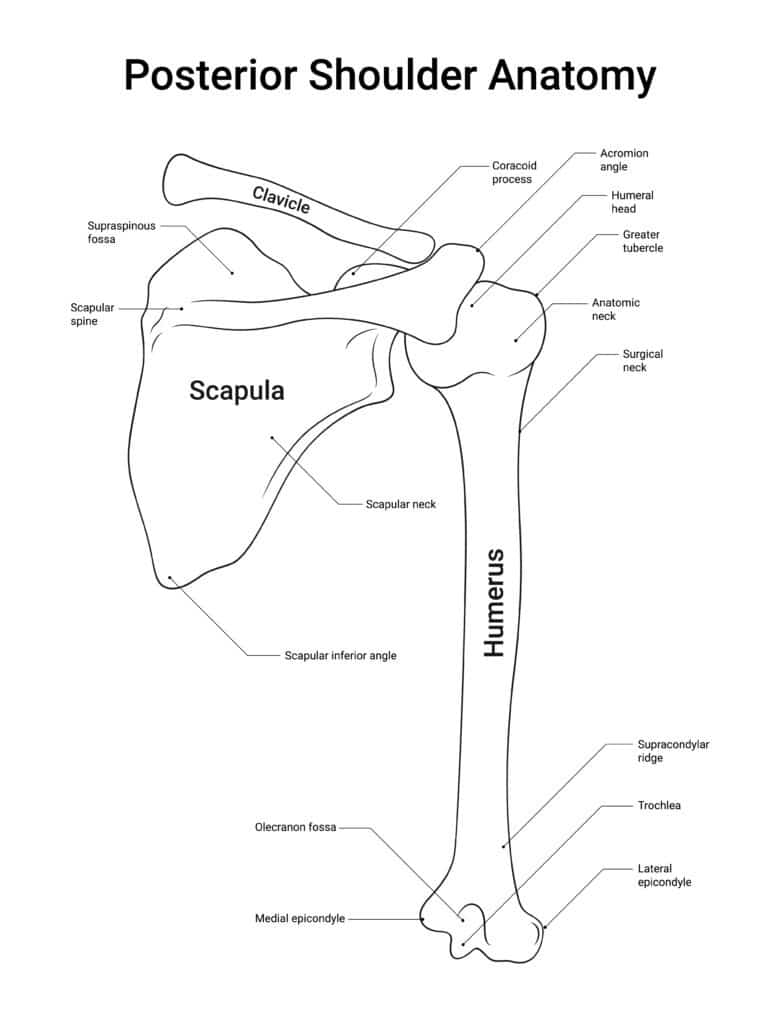
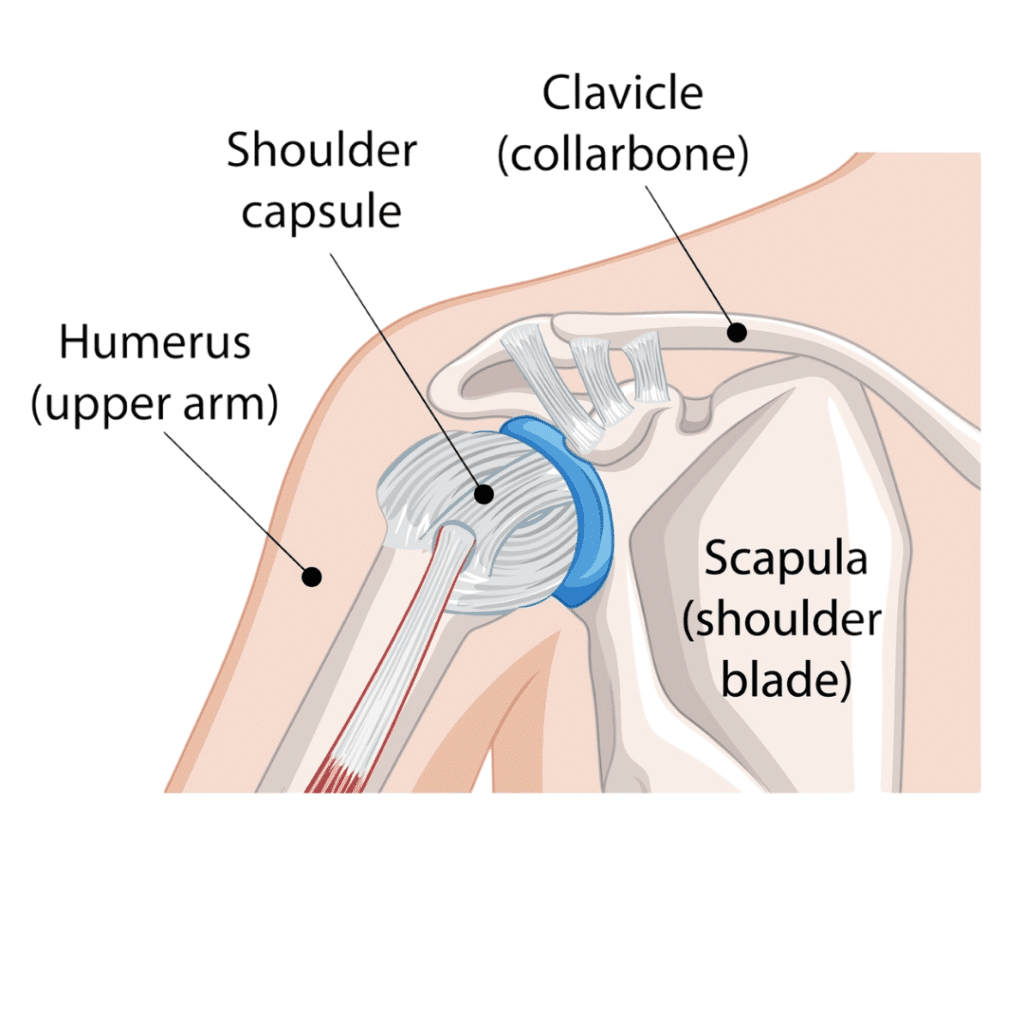
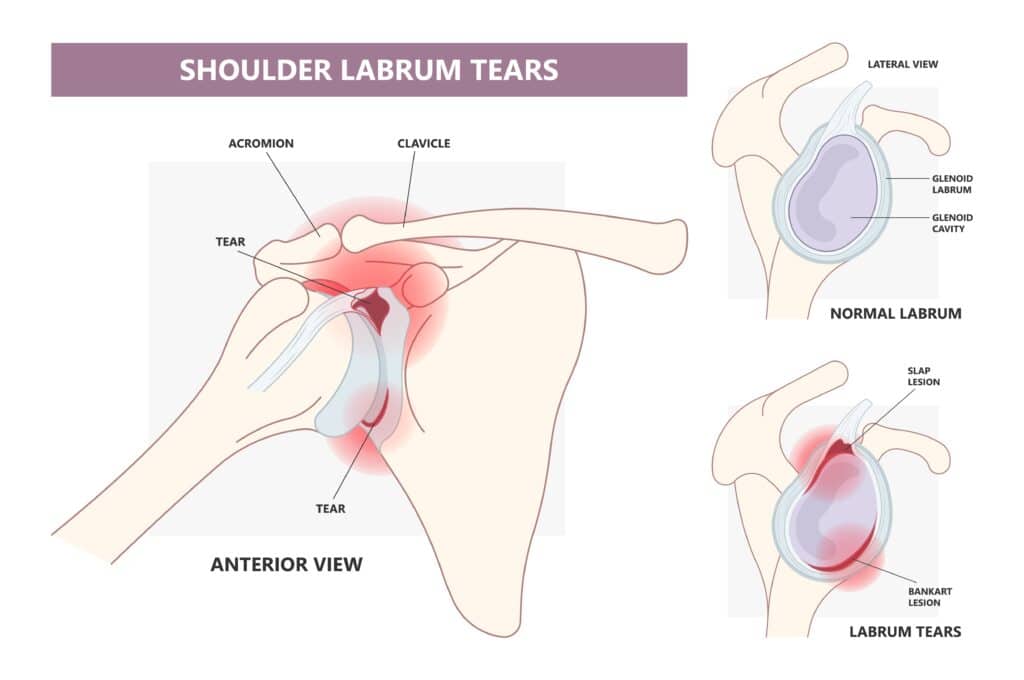
The shoulder is a shallow ball-and-socket joint. The ball is the humeral head (the top of the upper arm bone), and the socket is the glenoid (part of the shoulder blade). A rim of tough, flexible cartilage called the labrum surrounds the glenoid, deepening the socket for a better fit. Smooth cartilage covers the ball to reduce friction.
The Capsule and Other Stabilizers
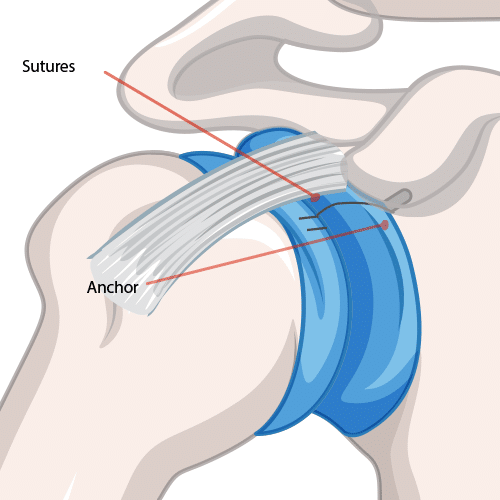
The joint capsule is a sleeve of ligaments that encloses the joint, connecting the humeral head to the glenoid. It is a static stabilizer, meaning it helps keep the ball centered in the socket at rest and during movement. The biceps tendon also attaches to the top of the glenoid and labrum, assisting with stability.
The Rotator Cuff
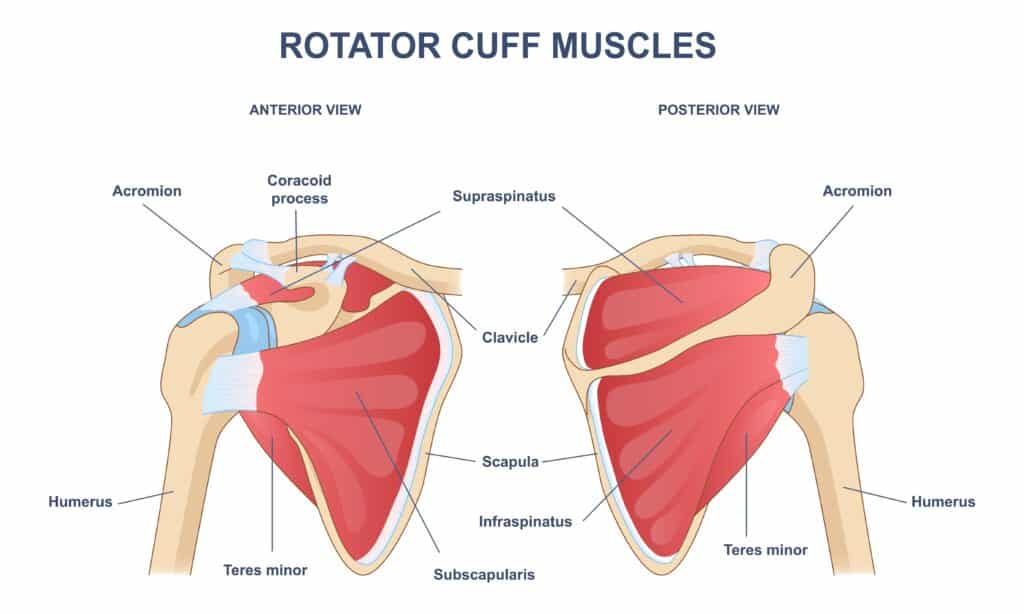
The rotator cuff is a group of four muscles and their tendons that span from the shoulder blade to the humeral head. These tissues guide motion and keep the ball aligned in the socket. Because they actively control movement, they are known as dynamic stabilizers.
Signs and Causes of Shoulder Instability
Symptoms of instability often appear in specific arm positions, like reaching overhead or behind your back. You may notice:
A sense that the shoulder could slip or pop out of place, often called apprehension.
Pain, especially with overhead activity.
Catching, locking, popping, or grinding inside the joint.
Weakness or a loss of confidence in using your arm.
What Makes a Shoulder Unstable?
Instability frequently follows an injury that forces the ball out of the socket. A full slip is a dislocation, while a partial slip is a subluxation. Both can damage the labrum and stretch or tear the joint capsule.
Injury or Dislocation: A forceful twist, a fall onto an outstretched arm, a direct blow to the shoulder, or a heavy lift can cause an acute injury.
Laxity (Looseness): Some people are born with looser connective tissues. Others develop laxity from repeated overhead motions common in sports like throwing, swimming, or volleyball.
Common Structural Injuries
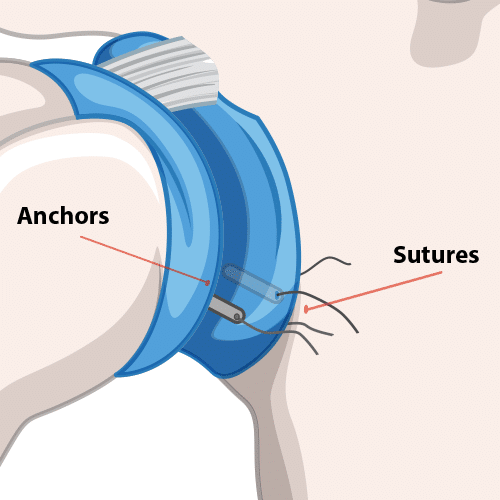
Torn Labrum: When the ball is pushed out of position, the labrum can tear away from the glenoid. A tear in the lower front part of the labrum is called a Bankart tear. A tear at the upper labrum where the biceps tendon attaches is a SLAP tear.
Stretched or Torn Capsule: A forceful injury or repetitive motion can stretch or tear the capsule. Once loose, the capsule may no longer be able to hold the joint securely, making the shoulder feel unstable during activity.
Getting a Diagnosis
Your provider will gather a full picture of your symptoms to determine the cause of your instability. This includes a medical history, a focused shoulder exam, and imaging tests.
Medical History: Be ready to share details about your symptoms, prior injuries, and the physical demands of your work and sports.
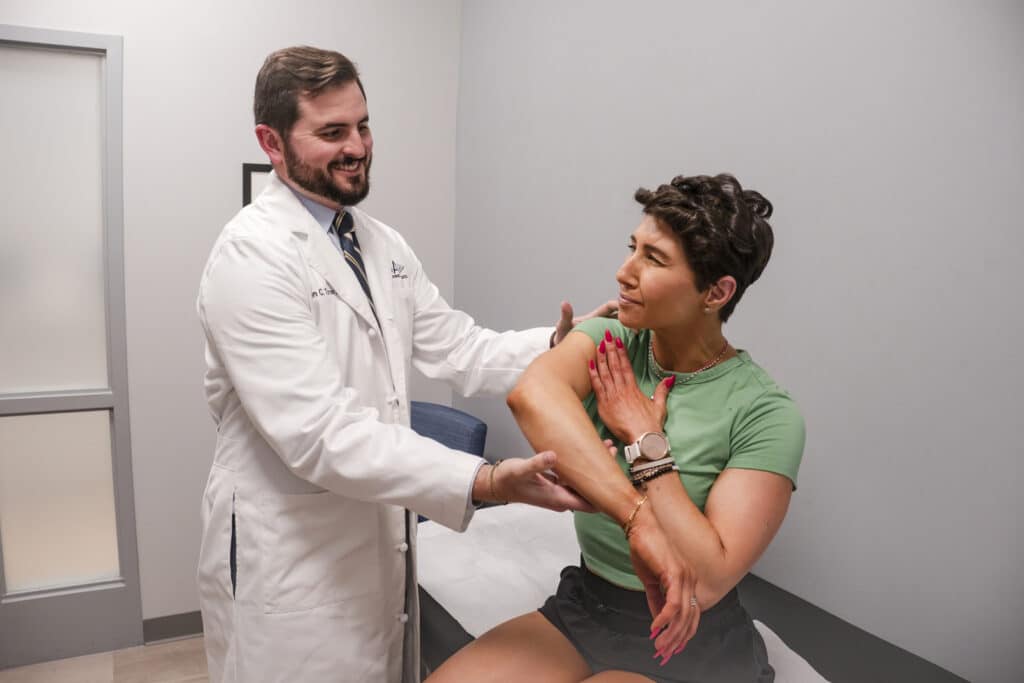
Shoulder Exam: Your provider will move your arm in different directions to find positions that trigger instability. This helps pinpoint the source of the problem.
Imaging Tests: X-rays are used to view bones, while an MRI or MR arthrogram (with contrast dye) provides a detailed look at soft tissues like the labrum and capsule. A CT scan may be used for a more detailed assessment of the bone structure.
Building Your Treatment Plan
Treatment aims to reduce pain and improve stability so you can use your arm safely. Plans often start with physical therapy and may include surgery if instability continues.
Physical Therapy
Therapy focuses on strengthening the rotator cuff and the muscles around the shoulder blade. The goal is to improve dynamic stability and control, allowing your shoulder to move without slipping. Sticking with your program is key to achieving the best results.
Surgery
If therapy doesn't fully restore stability, or if you plan to return to high-demand activities, your surgeon may recommend surgery to repair the damaged tissues. The procedure often involves tightening the joint to prevent future slipping. Your team will discuss the potential for a slight loss of flexibility as a tradeoff for improved stability.
What to Expect with Surgery
If surgery is your best option, it will be performed at a hospital or surgical center. Your surgeon will choose the best approach for your specific injury.
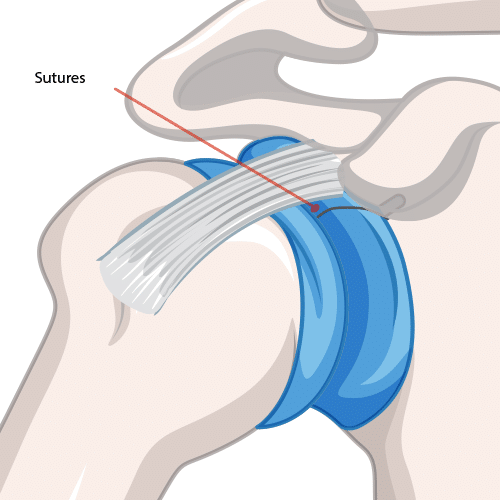
Arthroscopy: Uses small incisions and a tiny camera to view and repair the joint with specialized instruments.
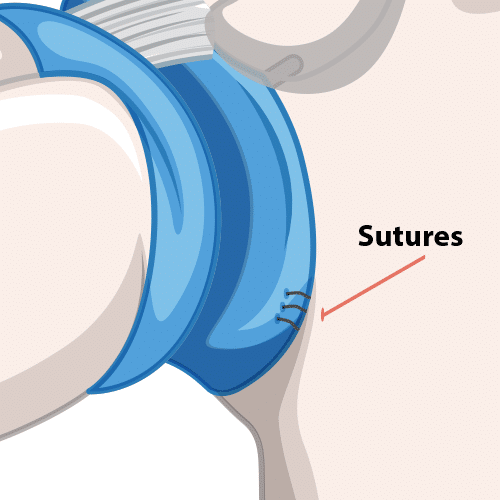
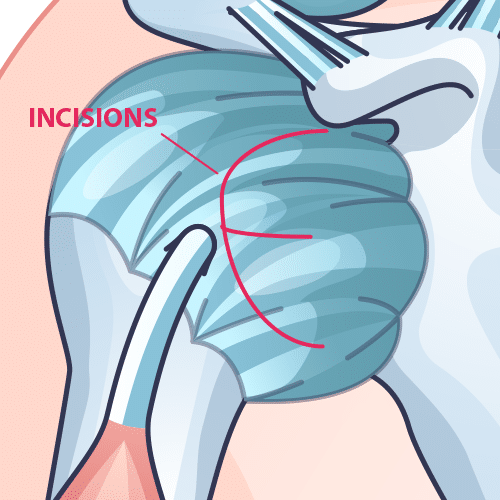
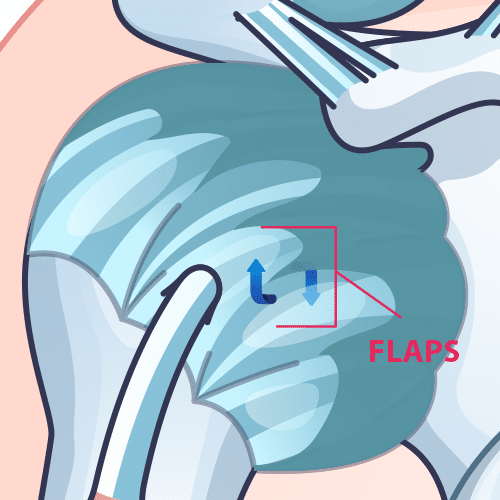
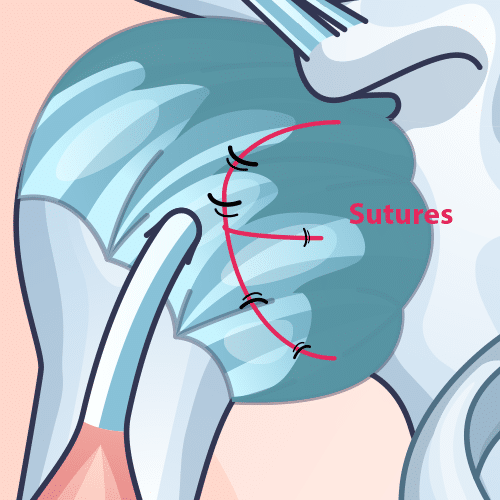
Open Surgery: Uses one larger incision to see and repair structures directly.
Common Surgical Repairs
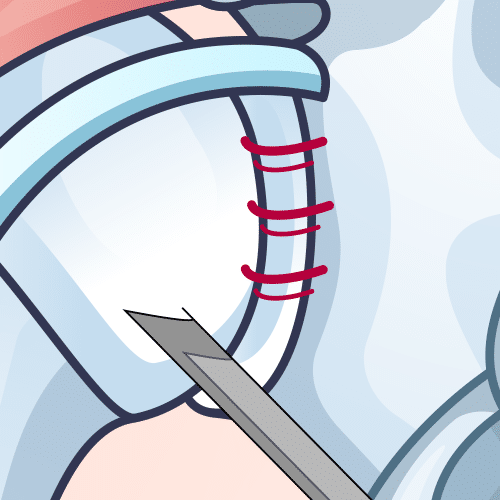
Bankart Repair: Small anchors are placed in the glenoid bone to secure sutures that reattach the torn lower labrum to the socket rim.
SLAP Repair: Sutures from anchors are used to secure the upper labrum back to the glenoid. In some cases, the biceps tendon is reattached elsewhere to improve stability and reduce pain.
Capsular Tightening (Capsulorrhaphy): If the capsule is too loose, your surgeon will use sutures to fold and tighten the excess tissue, reducing looseness and improving control.
Repairing a SLAP Tear
Repairing a Bankart Tear
Open Repair
Arthroscopic Repair
Possible Risks and Complications
All surgeries carry some risk. Your team will work to minimize them, but potential issues include infection, anesthesia-related risks, injury to blood vessels or nerves, stiffness, and recurrence of instability.
Your Recovery After Surgery
Following your post-operative instructions is critical for protecting the repair and ensuring proper healing.
At Home Care
Keep your incision clean and dry.
Take prescribed pain medications as directed.
Use ice or a cooling device to reduce pain and swelling.
Wear your sling as instructed to protect the shoulder.
When to Call Your Surgeon
Contact your surgeon's office right away if you experience:
Fever of 100.4°F (38°C) or higher.
Worsening pain, swelling, redness, or drainage at an incision.
Numbness in the arm or hand that is getting worse.
Pain that does not improve with your prescribed medications.
Rehabilitation and Exercises
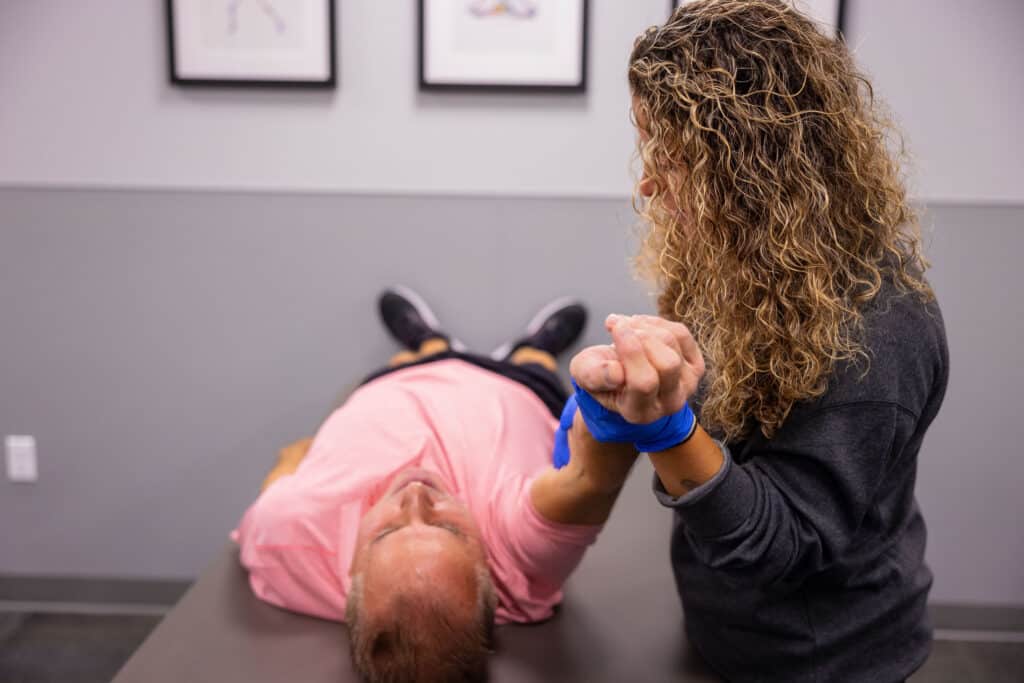
Physical therapy after surgery is essential for restoring motion, strength, and function. Your therapist will guide you through a phased program, teaching you how to move safely and avoid stressing the repair.
Only begin exercises when your surgeon or therapist says it is safe.
Early Motion Exercises
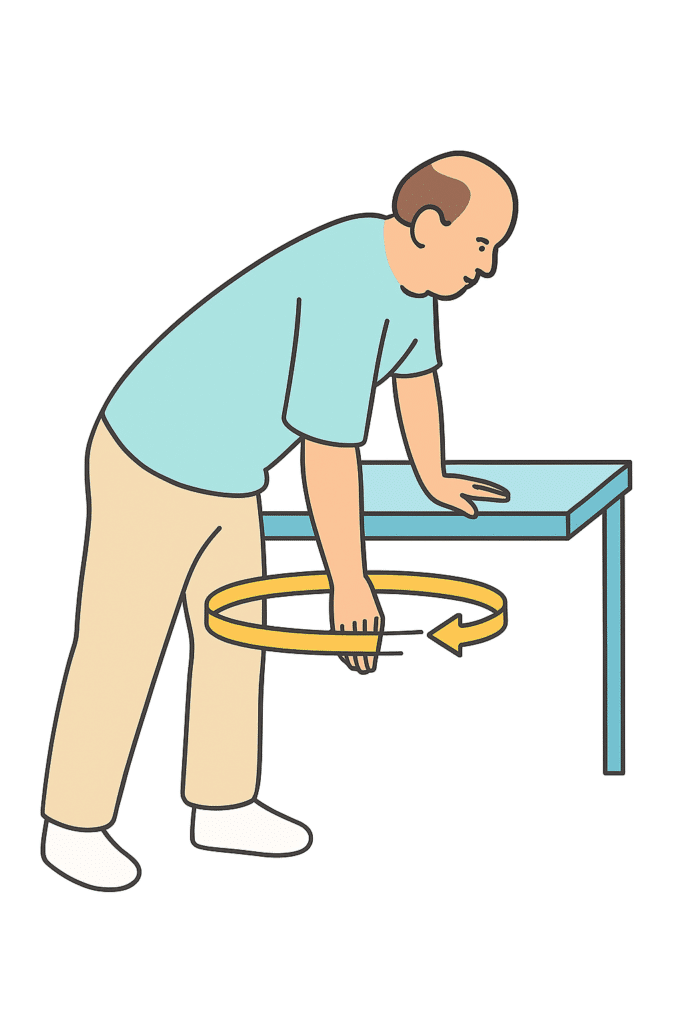
Pendulum Exercise: Lean forward, supporting yourself with your non-injured arm. Let the injured arm hang down and use your body to create small, gentle swings in circles, forward-and-back, and side-to-side.
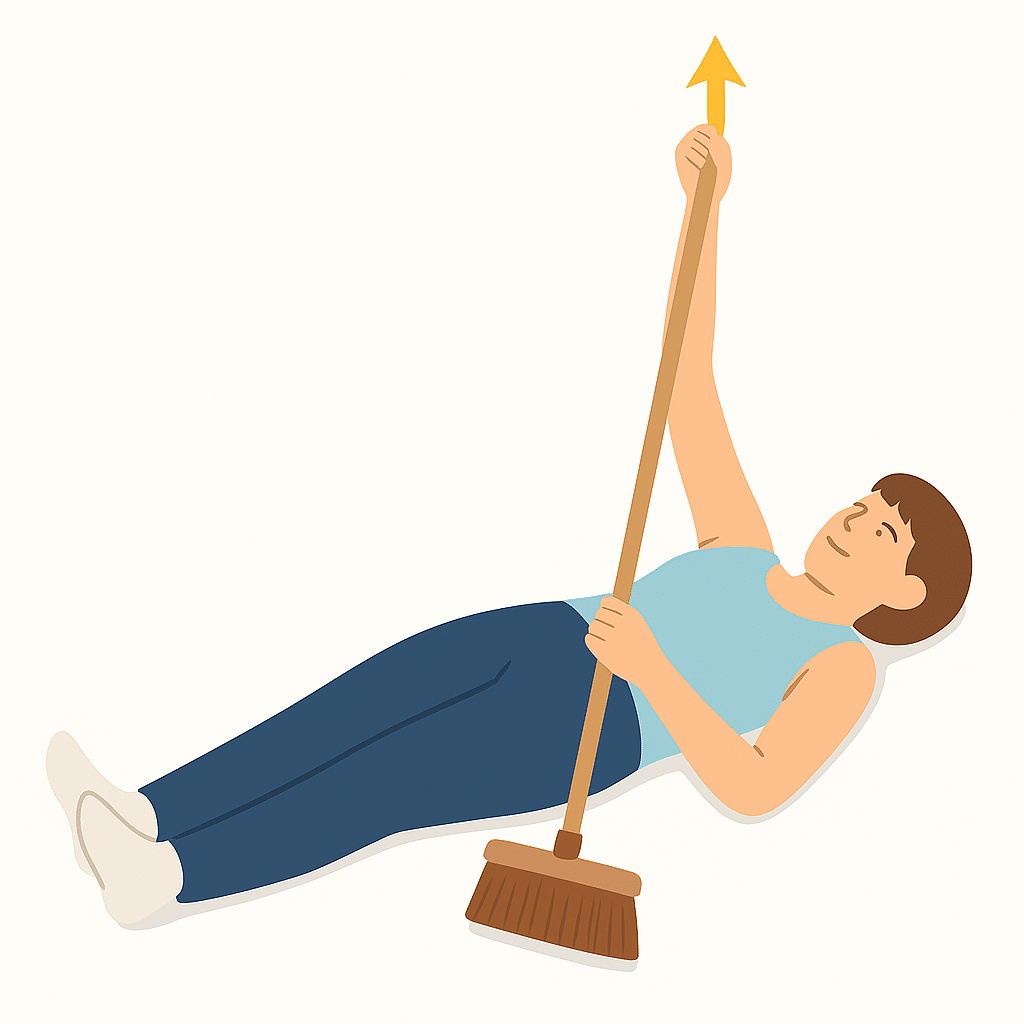
Broom or Cane Stretch: Lie on your back holding a cane. Use your good arm to gently push the injured arm upward to a comfortable height. Hold briefly and return.
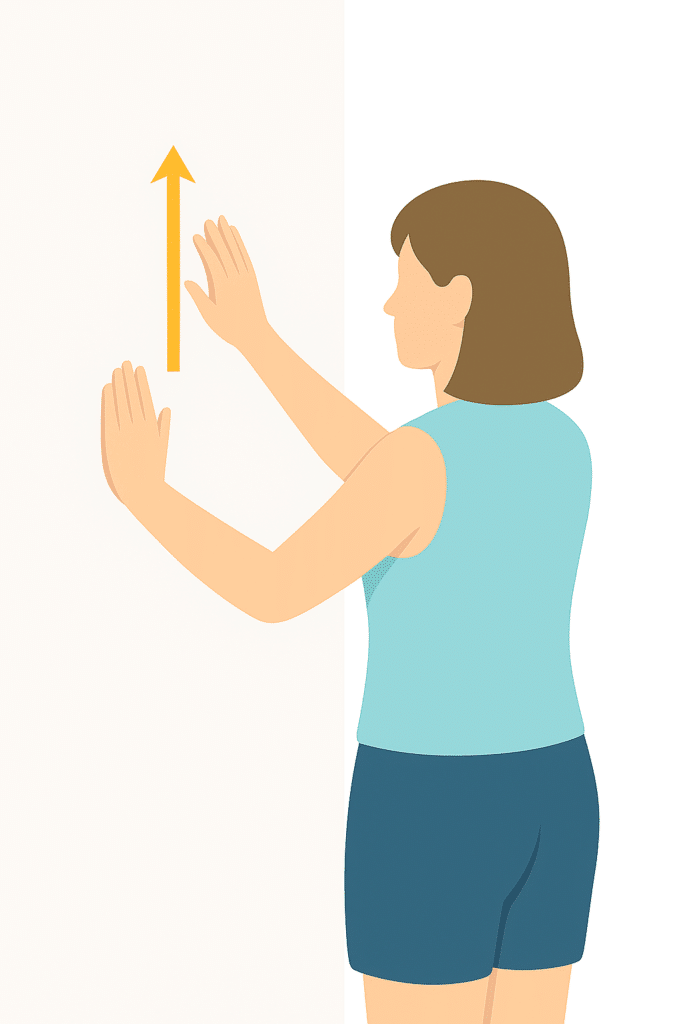
Wall Walk: Stand facing a wall. Place your fingers on the wall and slowly walk them up as far as is comfortable. Hold, then walk them back down.
Strengthening Exercises
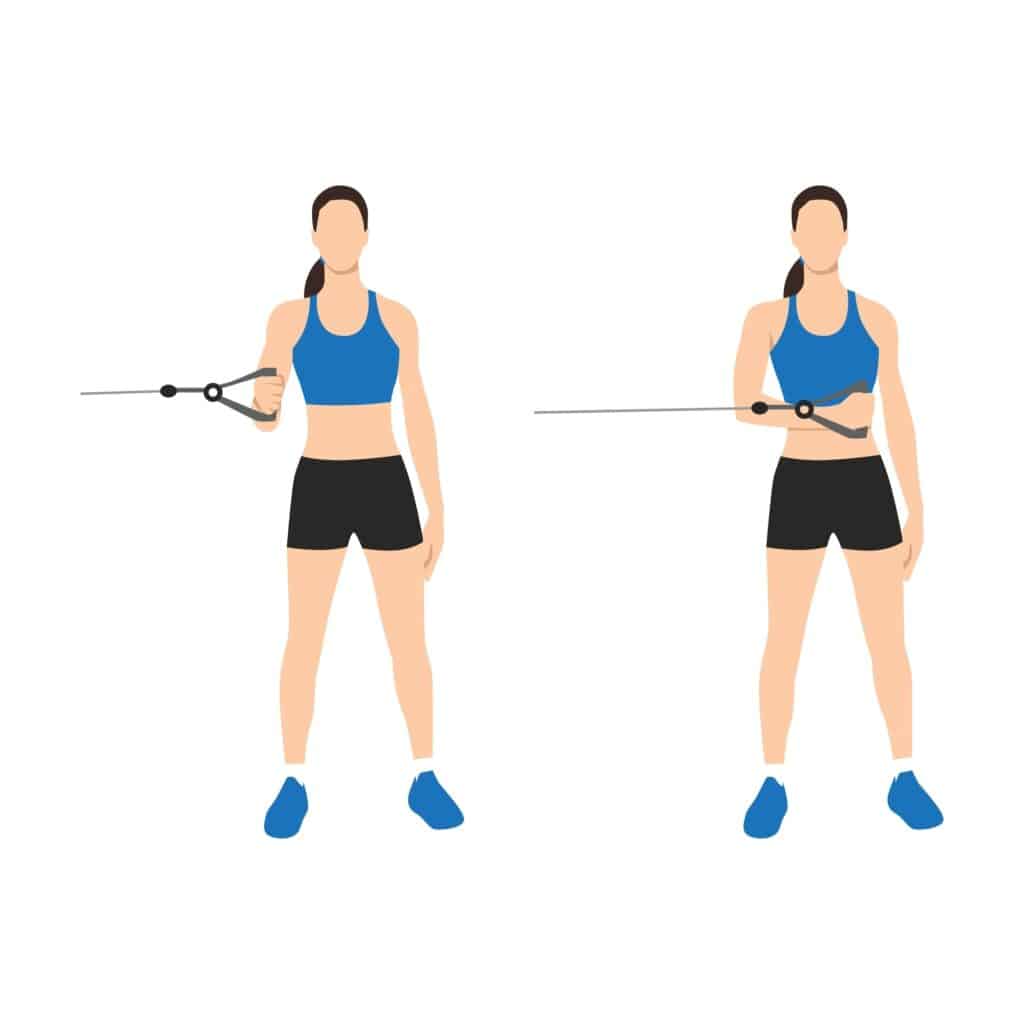
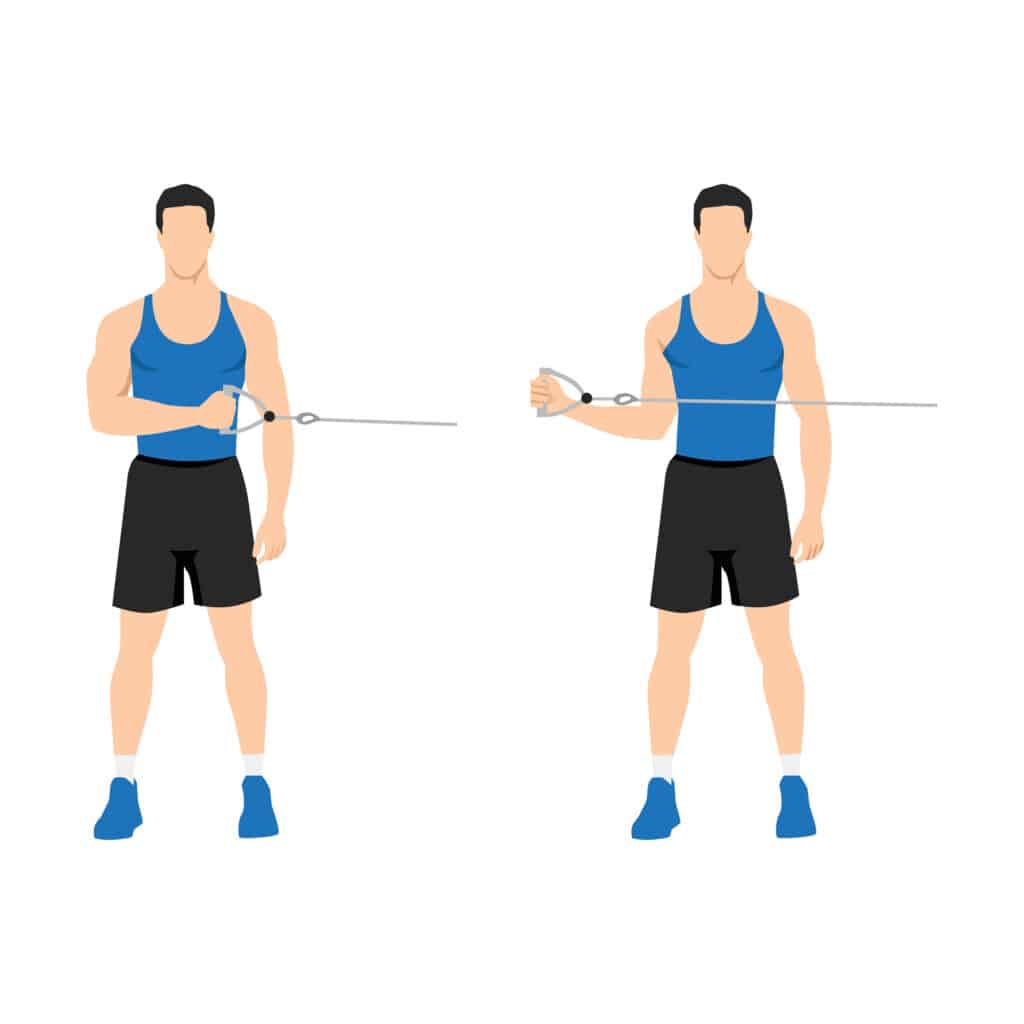
Internal Rotation with Band: Secure an exercise band in a doorway. Stand with your injured side toward the door, elbow bent at 90 degrees and tucked at your side. Pull the band across your body.
External Rotation with Band: Stand with your injured side away from the door, elbow bent at 90 degrees and tucked at your side. Pull the band away from your body.
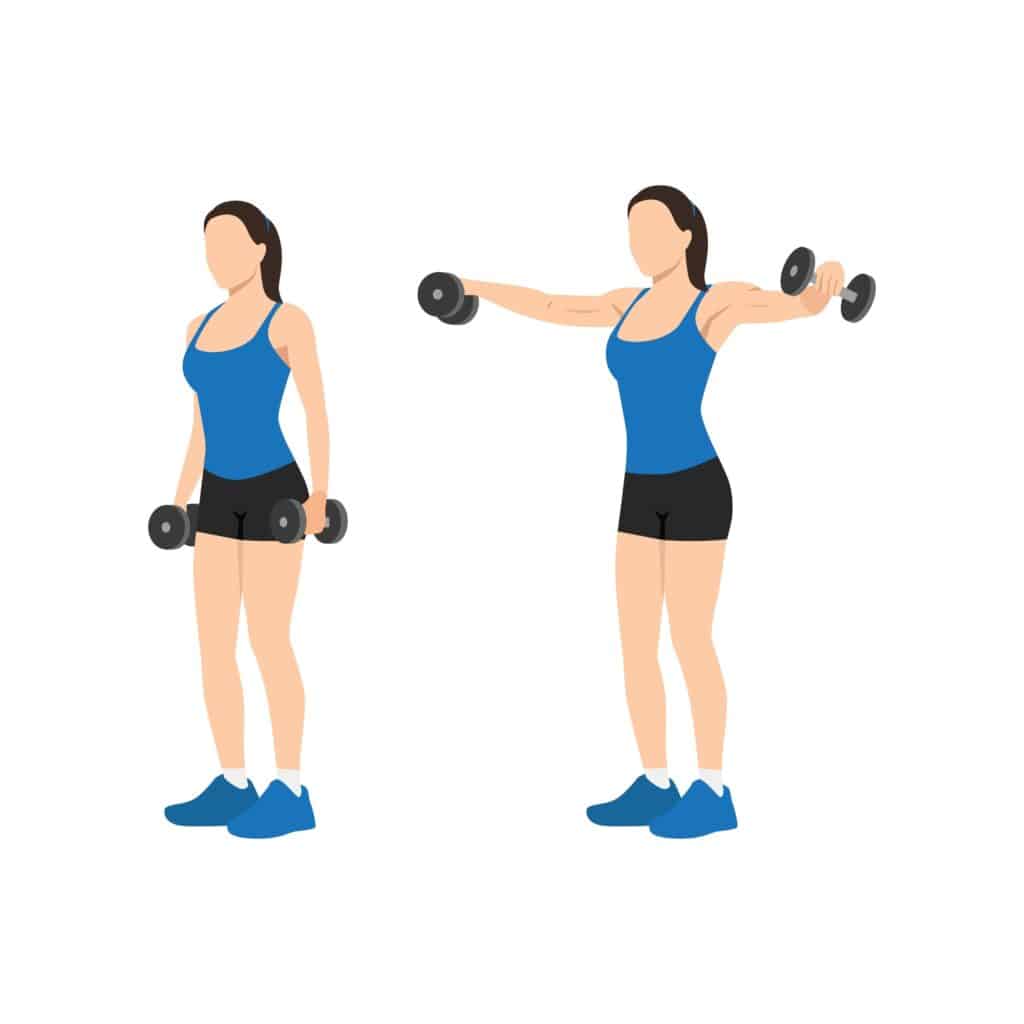
Wings: Stand tall with your arms at your sides. Keeping your elbows straight, slowly lift your arms out to the sides toward shoulder level. Lower with control.
Surgery Checklist
Use this list to prepare for your procedure and a smooth recovery.
Before Surgery
Tell your providers what prescription and over-the-counter medications, supplements, or herbal remedies you take. Ask if you should stop taking any of them before surgery.
Arrange for an adult family member or friend to give you a ride home from surgery.
Don't eat or drink anything for as long as instructed before surgery.
If you smoke or use any form of nicotine, ask your provider about stopping before surgery.
After Surgery
Use ice as instructed to reduce swelling and pain.
Wear your sling as directed.
Care for your incisions as directed.
See your provider for follow-up visits.
Talk to your provider about when you can drive and return to work.
Do PT exercises as prescribed.
Ask your provider to list any activities you should avoid.
Have Questions?
If you have any questions or concerns, please contact one of our offices. This information is provided solely for educational purposes and is not a substitute for personalized medical advice. For detailed advice please contact us at (609) 924-8131, text us at (609) 757-9992 or send us a message via our contact form.