Living with an injure, or arthritis-affected hip can be extremely challenging and painful. Everyday movements and routine activities may start causing discomfort over time. Many patients find that a total hip replacement could be an excellent solution to ease joint pain and restore mobility. In this guide, we break down what a hip replacement entails and answer many common questions you might have.
Identifying The Problem Hip
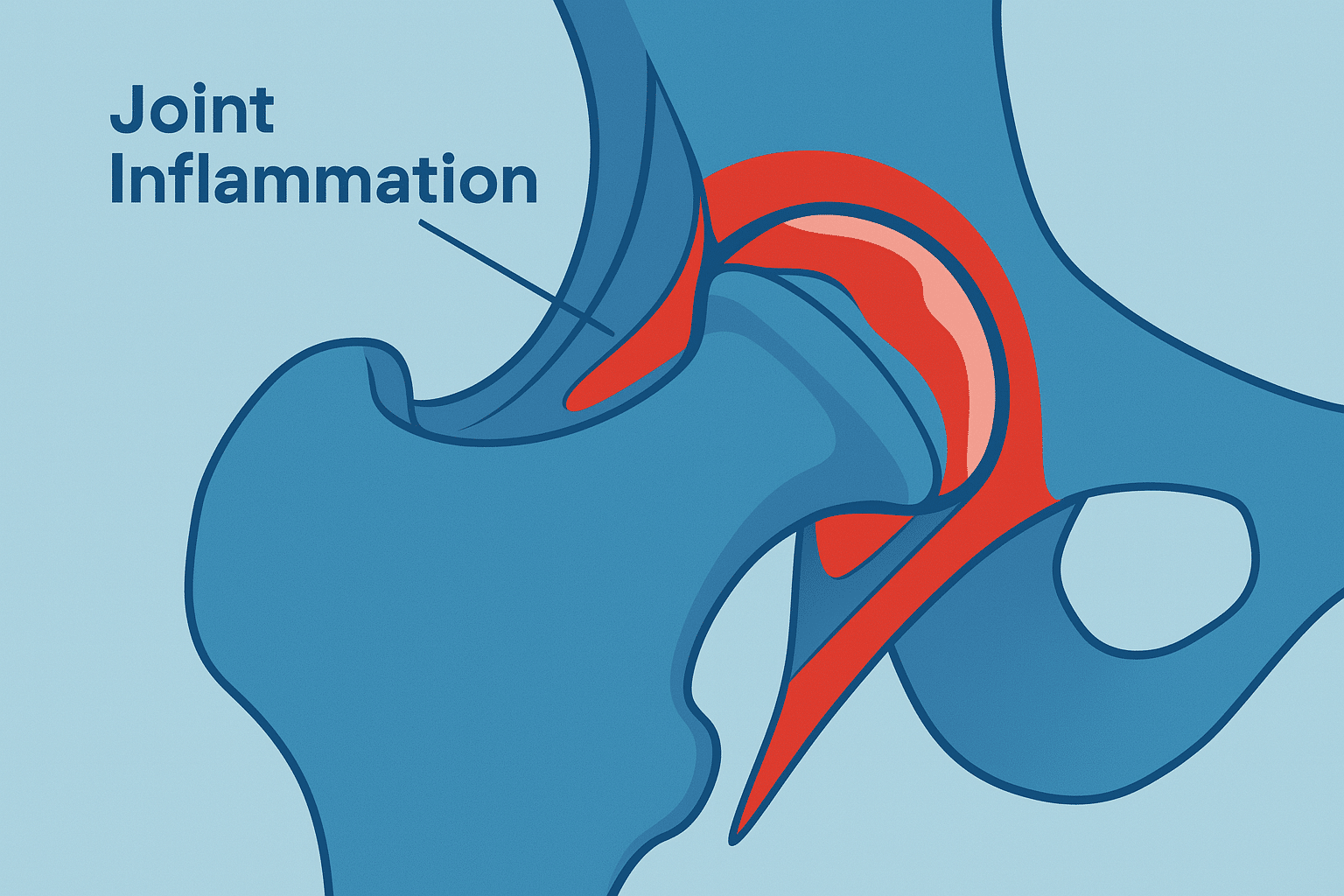
No matter your age, a hip problem can keep you from the activities you love, and the pain and stiffness can even make daily life difficult. Common causes of hip pain include:
Avascular Necrosis: The death of bone tissue in the hip joint.
Osteoarthritis: The natural wear and tear of the hip joint over many years.
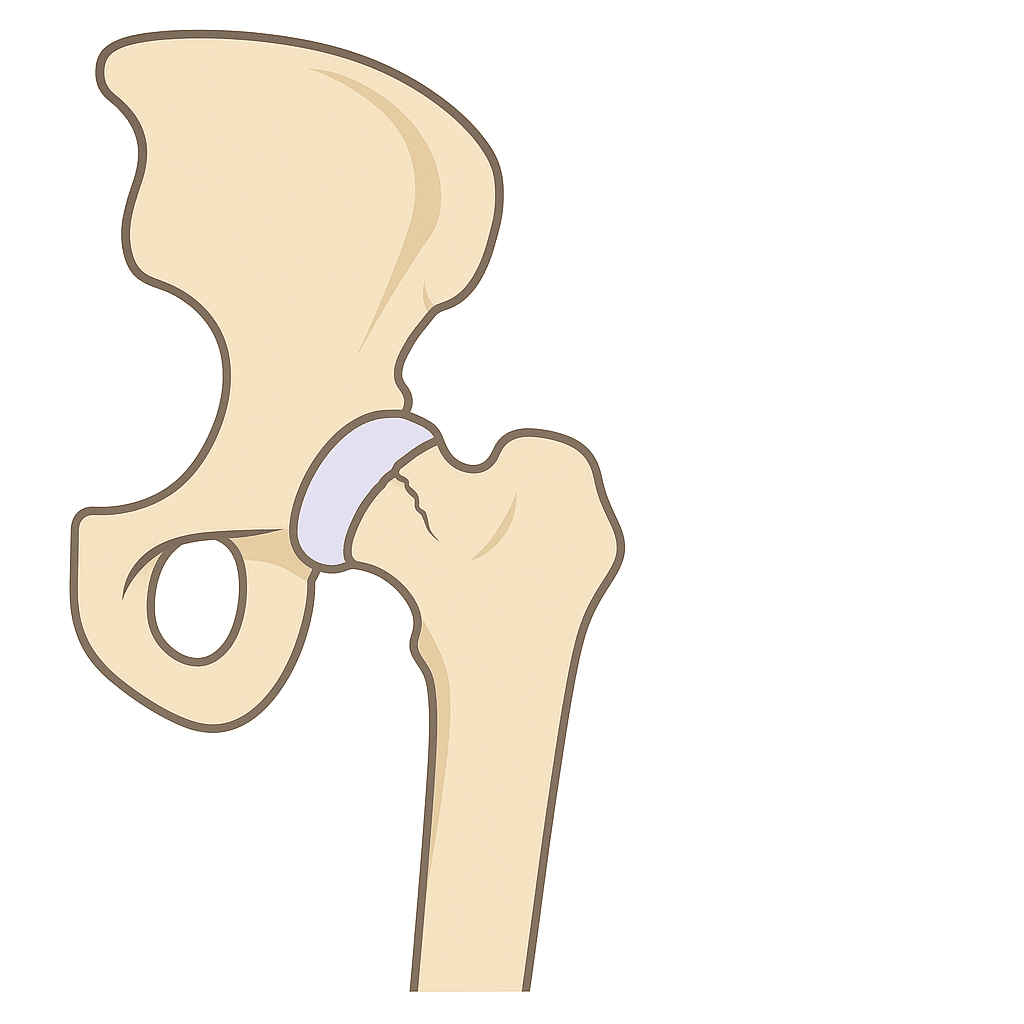
Previous Hip Fracture: Lingering issues from an old injury.
Inflammatory Illness: Conditions such as rheumatoid arthritis.
Hip Surgery or Replacement: Can It Help?
An orthopedic surgeon specializes in treating joint and bone issues and will work closely with you to decide if hip replacement is the right course of action. During the procedure, your damaged hip joint is replaced with an artificial joint, known as a prosthesis. This surgery not only eases or even eliminates chronic pain but also helps rebuild leg strength and improves your overall quality of life.
Most patients experience significant relief after total hip replacement. Typically, the surgery helps to:
Minimize or completely eliminate hip pain (even post-surgical pain usually subsides within weeks).
Boost leg strength, allowing you to build muscles without persistent discomfort.
Enhance your daily comfort, enabling you to complete everyday tasks with ease.
Offer long-lasting benefits, with many prostheses lasting 15 to 20 years or more.
How The Hip Works
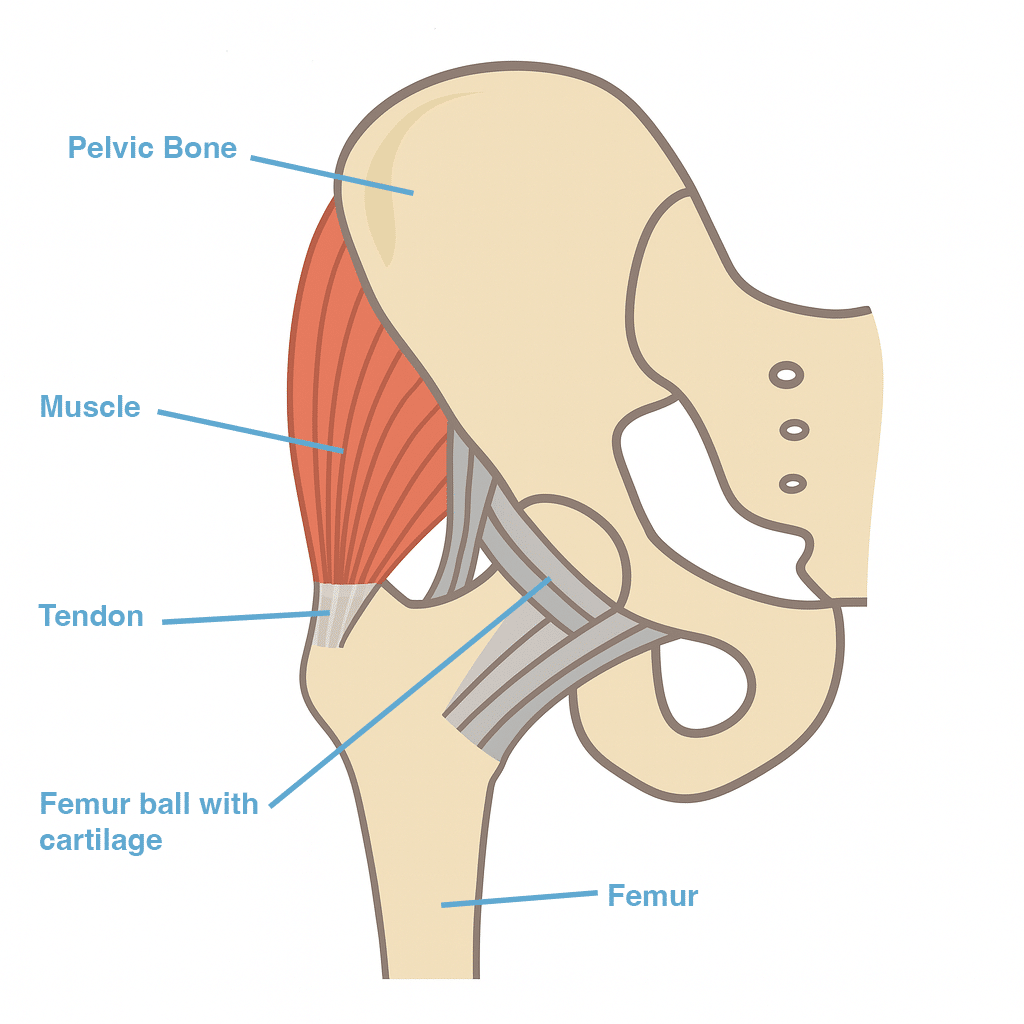
The hip joint is one of the largest weight-bearing joints in your body, formed as a ball-and-socket for stability during both twisting and wide ranges of motion. In a healthy hip, the rounded head of your thighbone fits snugly into the pelvic socket, both lined with smooth cartilage. This cartilage plays a crucial role in absorbing pressure and allowing your joint to glide effortlessly, while strong muscles enable smooth movement through tendons that anchor them to the bones.
Tendons: Attach the muscles to the bones.
Cartilage: A firm, smooth tissue that covers the ball and socket of the hip joint, absorbing stress and allowing it to glide easily.
Muscles: Power the hip and leg for movement.
When Your Hip Gets Damaged
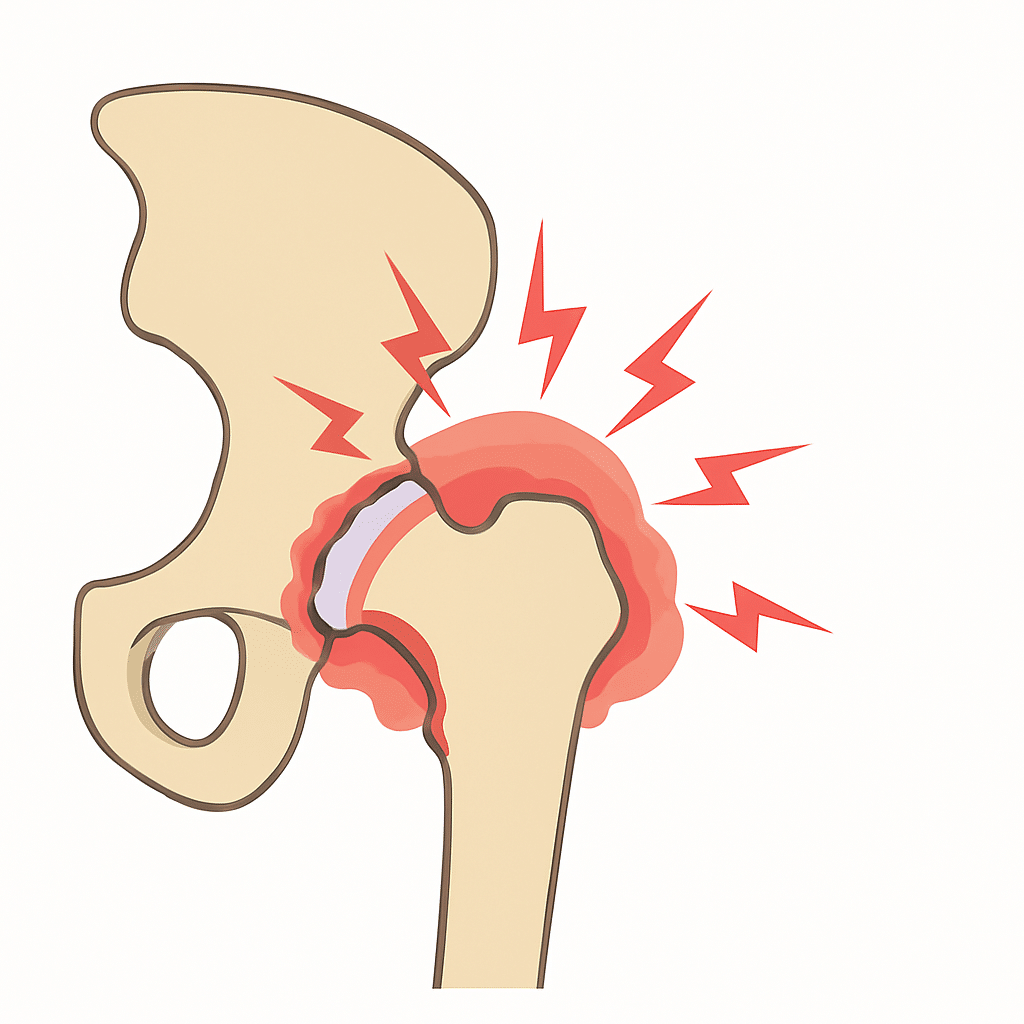
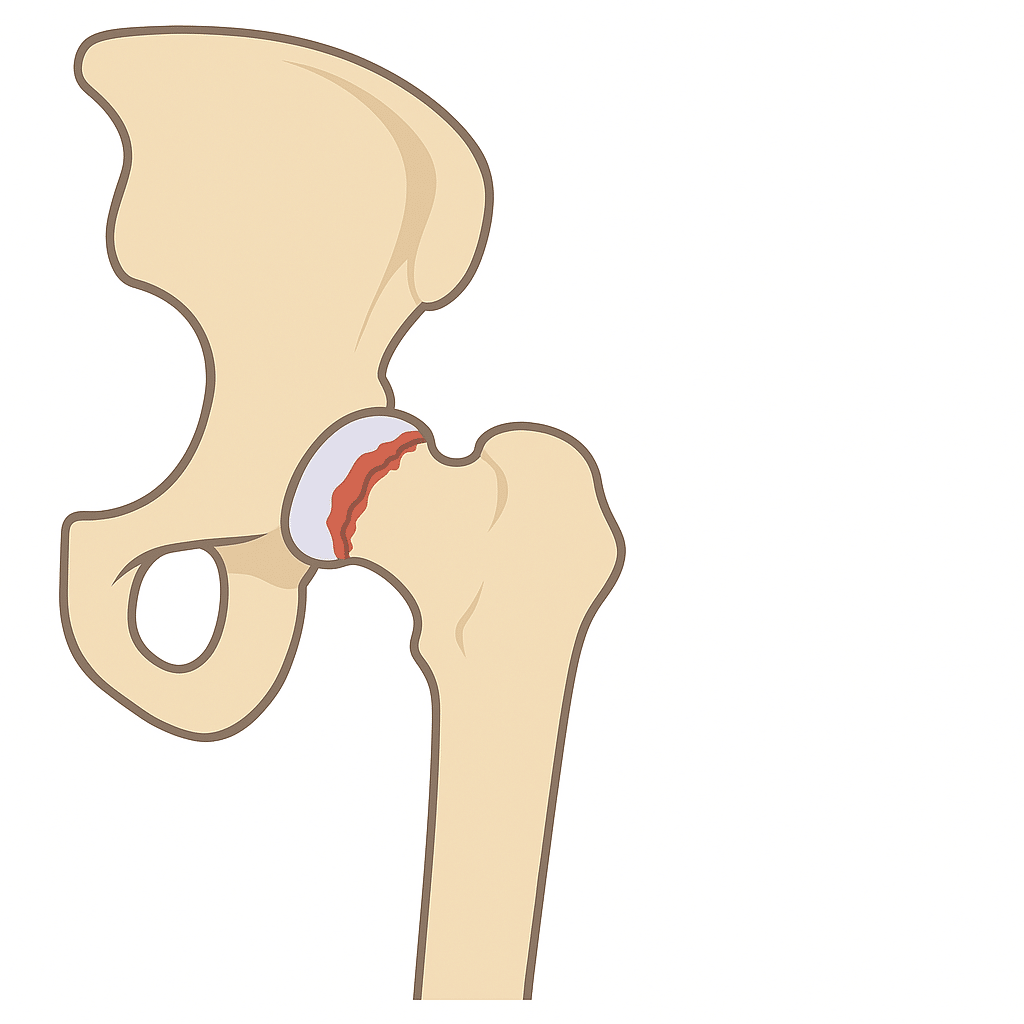
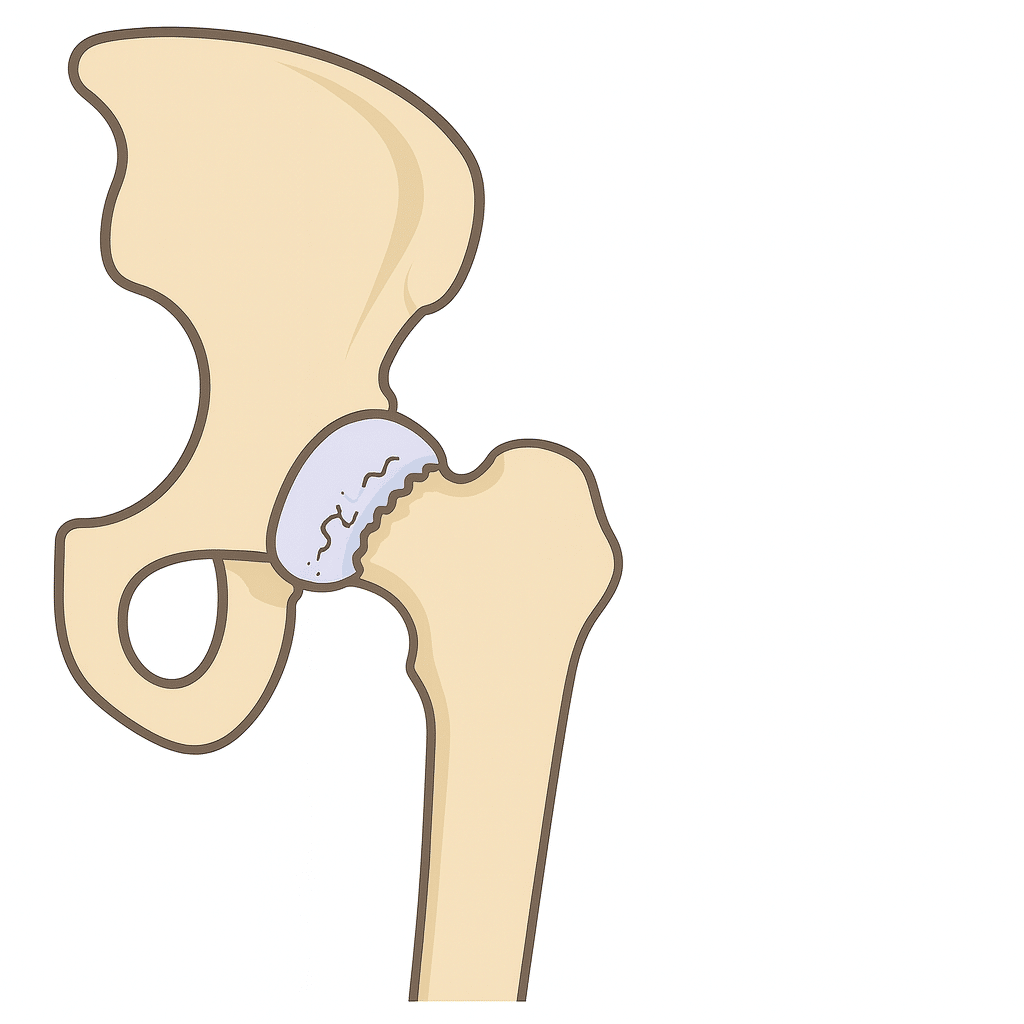
A hip's ability to move properly can be compromised when one or more components get damaged. Over time, cartilage may wear away, allowing bones to rub together. Conditions like osteoarthritis, inflammatory arthritis (such as rheumatoid arthritis or gout), fractures from falls, or even necrosis from injury or prolonged steroid use can result in joint deterioration and significant pain.
Fracture A hard fall impact or landing on the hip can cause a fracture If it doesnt heal correctly the joint may gradually wear outInflammatory Arthritis Diseases like rheumatoid arthritis or gout can inflame the joint lining Over time this may wear down cartilage and cause pain
Necrosis A major injury or long term alcohol or steroid use can reduce blood flow to the bone This may cause bone death necrosis and joint breakdownOsteoarthritis Over time normal wear and tear can break down cartilage Bones may rub together becoming rough and worn which damages the socket
Understanding Your Hip Pain
Your doctor will examine your hip to determine what’s causing your discomfort. Based on that diagnosis, you may have a number of treatment options. You and your surgeon will work together to review these choices and build a plan that makes sense for you. In many cases, hip replacement surgery offers the best chance at long-term relief.
Your Treatment Options
Once your evaluation is complete, your surgeon will go over potential treatment paths — explaining both the risks and the benefits of each. Depending on your condition, recommendations may include:
Nonsurgical treatments, such as:
Changes to diet and daily activity
Medications or supplements
Physical therapy and specific exercises
Use of walking aids
Weight loss
Other surgical treatments, including:
Hip resurfacing
Arthroscopy
Osteotomy
These options will be discussed in detail so you can make an informed decision about your care.
Potential Risk & Complications
Once your evaluation is complete, your surgeon will go over potential treatment paths — explaining both the risks and the benefits of each. Depending on your condition, recommendations may include:
Pain or stiffness in your hip joints.
Wearing of the implant that may require additional surgery.
Fractures or dislocations of the hip joints.
Infections
Bleeding or blood clots
Damage to nearby bone, nerves and blood vessels.
Change in leg length
All normal risks associated with surgery and anesthesia.
Preparing for Surgery
Before opting for surgery, getting your home and body ready can make all the difference. Start by modifying your living space to ensure safety, such as installing grab bars, removing clutter, and arranging necessities on accessible shelves. You should call on the help of family or friends for errands and post-surgery care, and if you live alone, consider in-home support or a short rehabilitation stay.
1) Arrange For Help
You won’t be able to drive for several weeks, so plan ahead:
Ask a friend or family member to help with groceries and errands.
If you live alone, arrange for someone to stay with you after surgery.
Consider hiring a home health aide if needed.
In some cases, a short stay at a rehabilitation facility may be recommended before returning home.
2) Prepare Your Space In Advance
To make recovery at home safer and easier after surgery:
Install helpful equipment such as grab bars in the bathroom and raised seats for the toilet or shower.
Set up a resting area on the main floor to avoid using stairs.
Remove tripping hazards—clear clutter, take up throw rugs, and tape down cords.
Store everyday items between waist and shoulder height to limit bending and reaching.
3) Complete Any Dental Work
Bacteria from untreated dental issues can enter your bloodstream and potentially infect your new joint. It’s important to complete any dental procedures and address any gum or tooth problems before your surgery.
4) Start Prehab if Recommended
Prehabilitation (prehab) can help you recover more quickly after surgery. This typically includes stretching and strengthening exercises prescribed by your care team. Some programs may also guide you through practicing everyday tasks in advance. Follow any prehab plan provided to you.
5) Review Your Medications
Let your surgeon know about all medications you’re currently taking—including prescriptions, over-the-counter drugs, vitamins, and herbal supplements. Certain medications, such as blood thinners, aspirin, or ibuprofen, can increase bleeding and may need to be stopped before your procedure.
6) Check in with Your Doctor
Your primary care doctor plays a key role in preparing you for surgery. They’ll help make sure you’re in the best health possible beforehand.
You may be asked to complete lab work, a chest X-ray, or an ECG (electrocardiogram).
Be sure to discuss any ongoing medical conditions like diabetes or high blood pressure so they can be managed ahead of time.
If you have any infections, your doctor will work with you to treat them before surgery.
The Day of Your Surgery
Follow your surgeon's instructions on when to stop eating or drinking before your operation. When you get to the hospital, a team of professionals will guide you through the process, which includes meeting your anesthesiologist. They ensure you remain comfortable and pain-free throughout, using methods such as intravenous medication. Your identity and the operative hip will be double-checked for safety, and the joint will be marked before beginning the procedure.
The New Hip
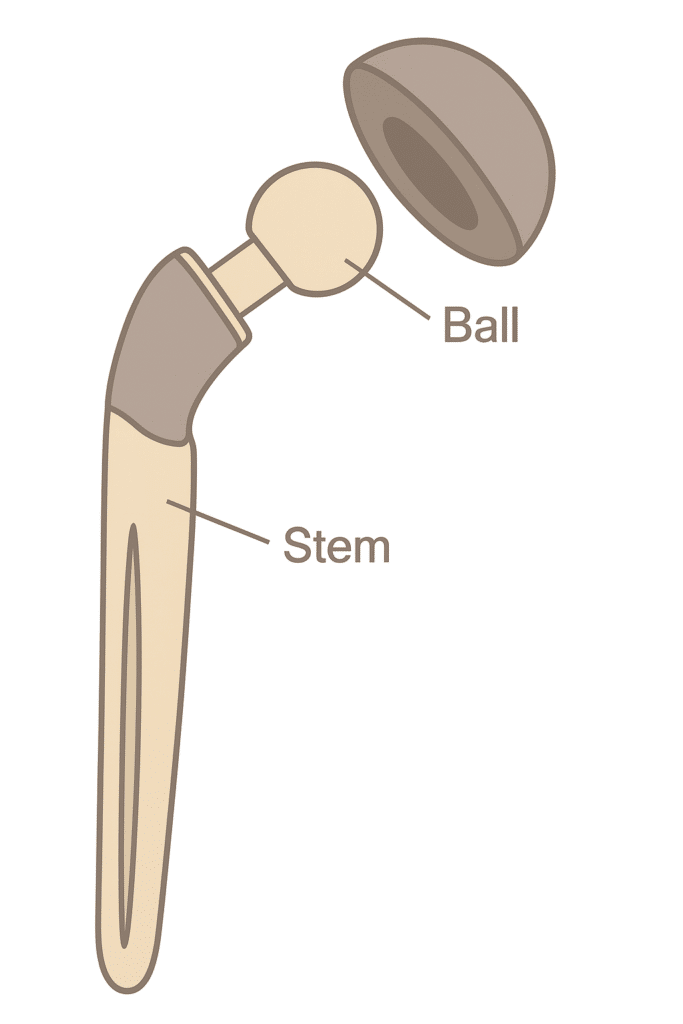
Your new hip prosthesis is engineered to function just like a natural joint with a ball-and-socket design. The materials may include ceramic, plastic, or metal, and your surgeon will explain the best option based on your personal needs.
Understanding the Surgical Process
The approach taken during surgery could be from the back, front, or side of the hip depending on your specific situation. The method involves removing the damaged components, smoothing out the joint surface, and preparing the socket for the prosthesis. The new hip is then carefully fitted into place, either with cement, screws, or through a press-fit process that allows your bone to grow into the implant, ensuring stability over time.
Recovering After Surgery
Post-surgery, you’ll be moved into a recovery area where tailored pain medications and precautions against blood clots and lung complications will be applied. The staff will instruct you on safe movements to protect your new hip while it heals. It’s perfectly normal to experience some discomfort, so be sure to communicate with your care team if your pain isn’t well controlled.
Preventing Blood Clots
Blood clots can form in the legs or pelvis after hip surgery. To help prevent them:
Your leg may need to be elevated above heart level at times during the day.
You might wear compression boots or support stockings.
Blood thinning medications may be prescribed.
Moving around is important—most patients are encouraged to get out of bed and walk within 24 hours of surgery.
Managing Pain
It’s normal to feel some pain after surgery, even when taking medication. If your pain isn’t well-managed, let your nurse know right away. Pain relief can be given in a few different ways—by mouth, injection, or through an IV. In some cases, you may use a PCA (patient-controlled analgesia) pump, which lets you safely give yourself small doses of pain medication when needed.
Clearing Your Lungs
After surgery, fluid can build up in the lungs and increase the risk of pneumonia. To prevent this:
Take deep breaths and cough several times each hour.
A nurse or respiratory therapist may teach you how to use an incentive spirometer—a simple tool that helps you breathe more deeply and keep your lungs clear.
Learning to Move Safely
Your new hip will have a limited range of motion while it heals. To protect it:
Your surgeon, physical therapist (PT), or occupational therapist (OT) will teach you specific precautions and safe ways to move.
These precautions can vary depending on the surgical approach used.
Be sure to follow all guidance from your care team to avoid injury and support healing.
Moving Safely & Additional Precautions
Moving Again
You’ll likely be up and walking within a few hours after surgery, using a mobility aid like a walker or crutches for support. If you still have an IV or catheter in place, it might feel a bit awkward—but your physical therapist will be there to guide you. They’ll show you how much weight you can safely put on your new joint and help you practice walking with confidence. You’ll also learn exercises to build strength and improve your hip’s range of motion. Be sure to follow their instructions closely as you begin your recovery.
Using Stairs
When using stairs, remember this simple rule: go up with your good leg first, then bring your operated leg up to meet it. On the way down, lead with your operated leg, followed by your good one. These techniques are designed to reduce strain on your new joint and support a safer, more comfortable recovery.
Sitting & Standing
To help protect your new hip and make everyday activities easier, your occupational or physical therapist will show you safer ways to move through your daily routine. When sitting down, back up to the chair until you feel it touch the back of your leg. Use the armrests to support your weight as you lower yourself, keeping your operated leg extended in front of you.
Getting Dressed
For getting dressed, especially when putting on socks or shoes, a long-handled tool like a grasper or hook can be helpful—slip-on shoes are often the easiest option. To wash your lower legs or feet, use a long-handled sponge along with a handheld shower hose.
Additional Precautions
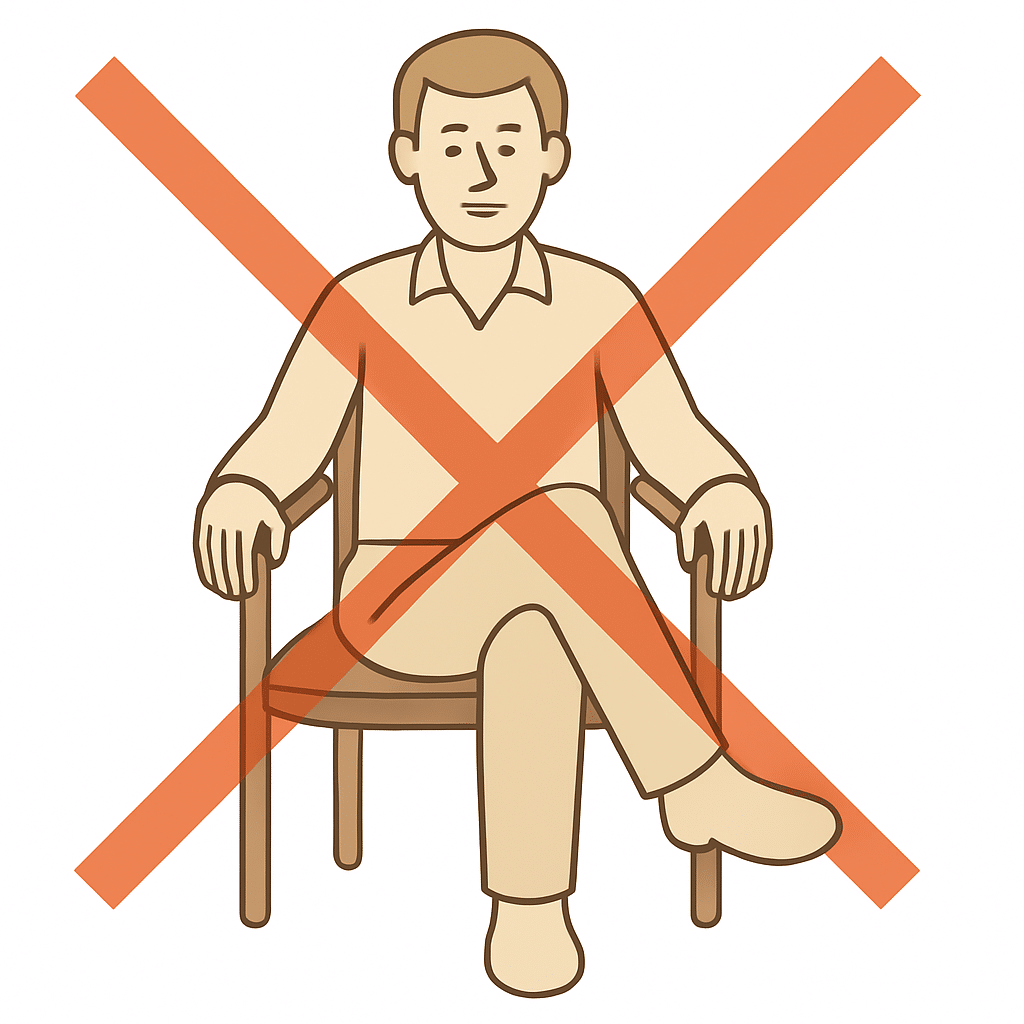
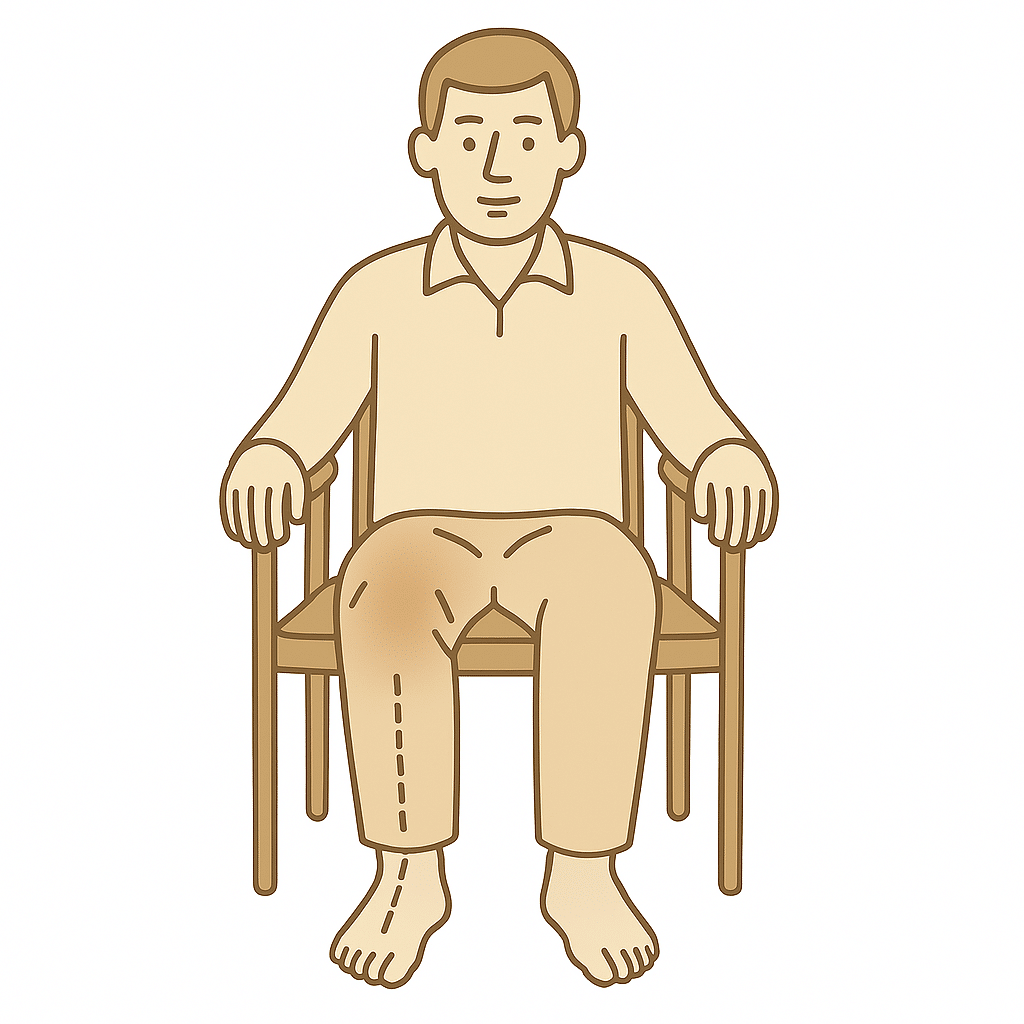
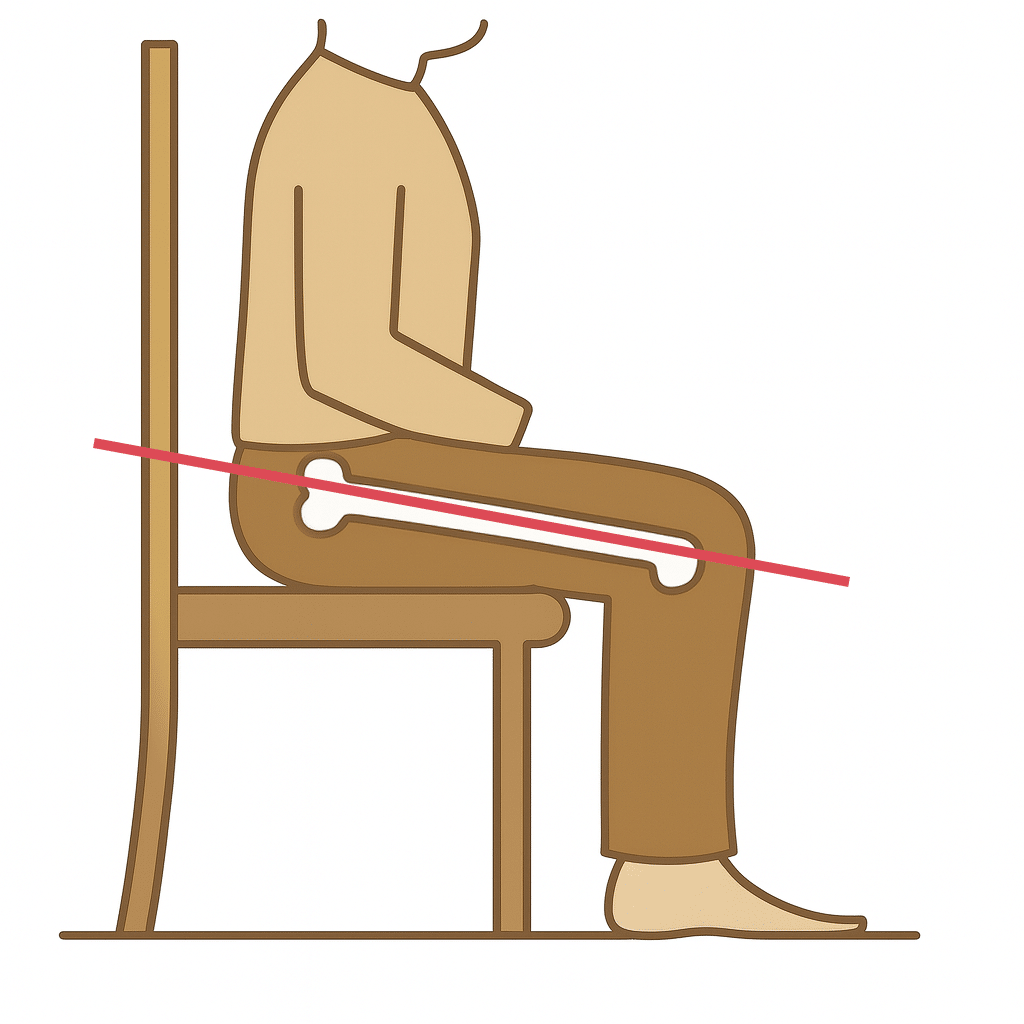
Sit with both feet on the floor. Do not let your knee cross the middle of your body, or, cross your legs!
Sit with both feet on the floor. Do not let your knee cross the middle of your body, or, cross your legs!
Sit with both feet on the floor. Do not let your knee cross the middle of your body, or, cross your legs!
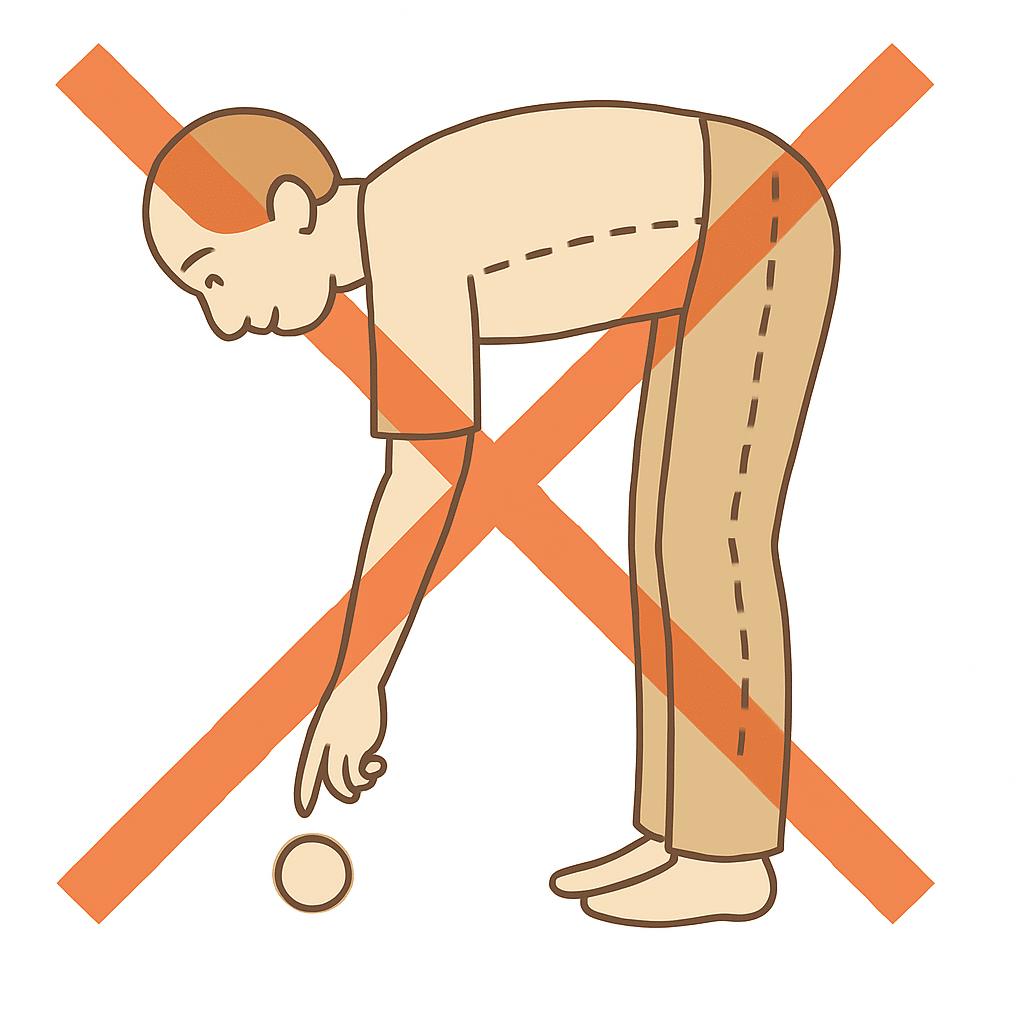
Try not to bend over in a way that puts your upper body lower than your hips.
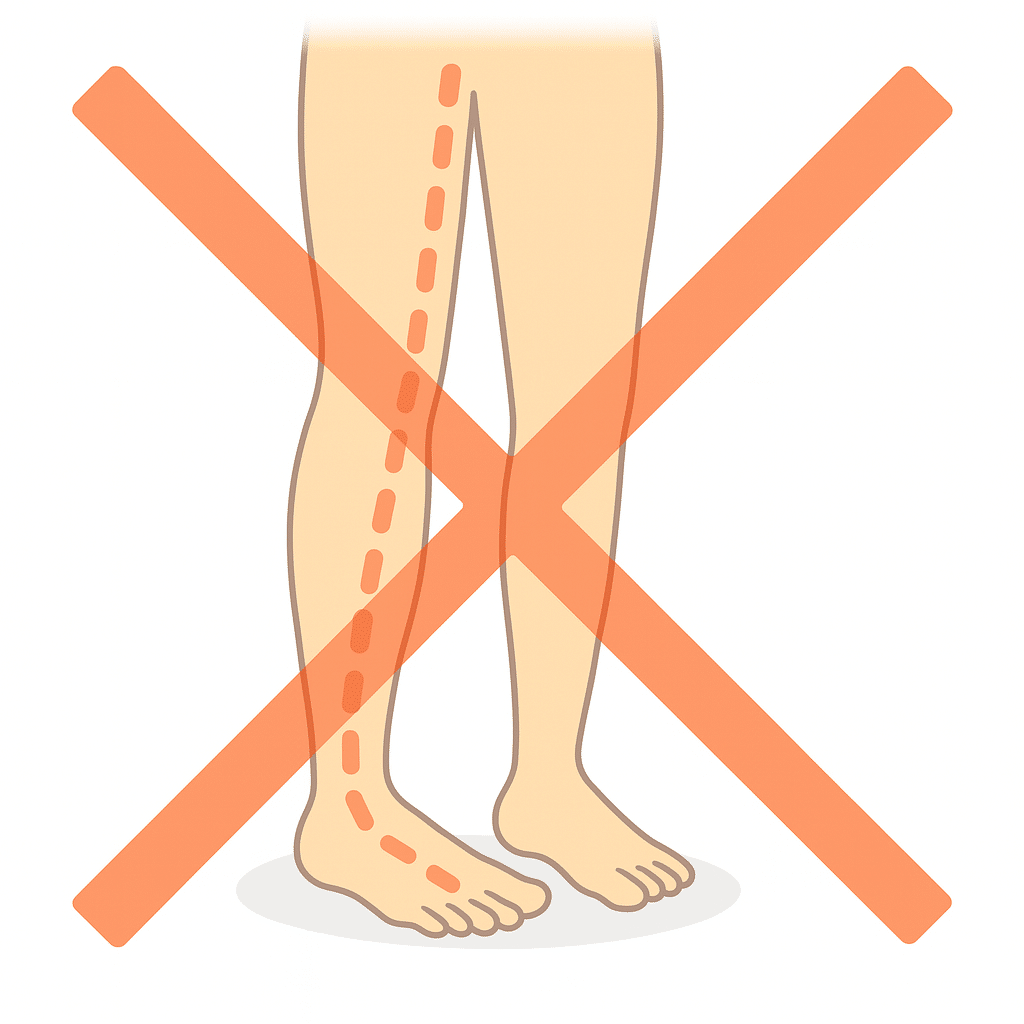
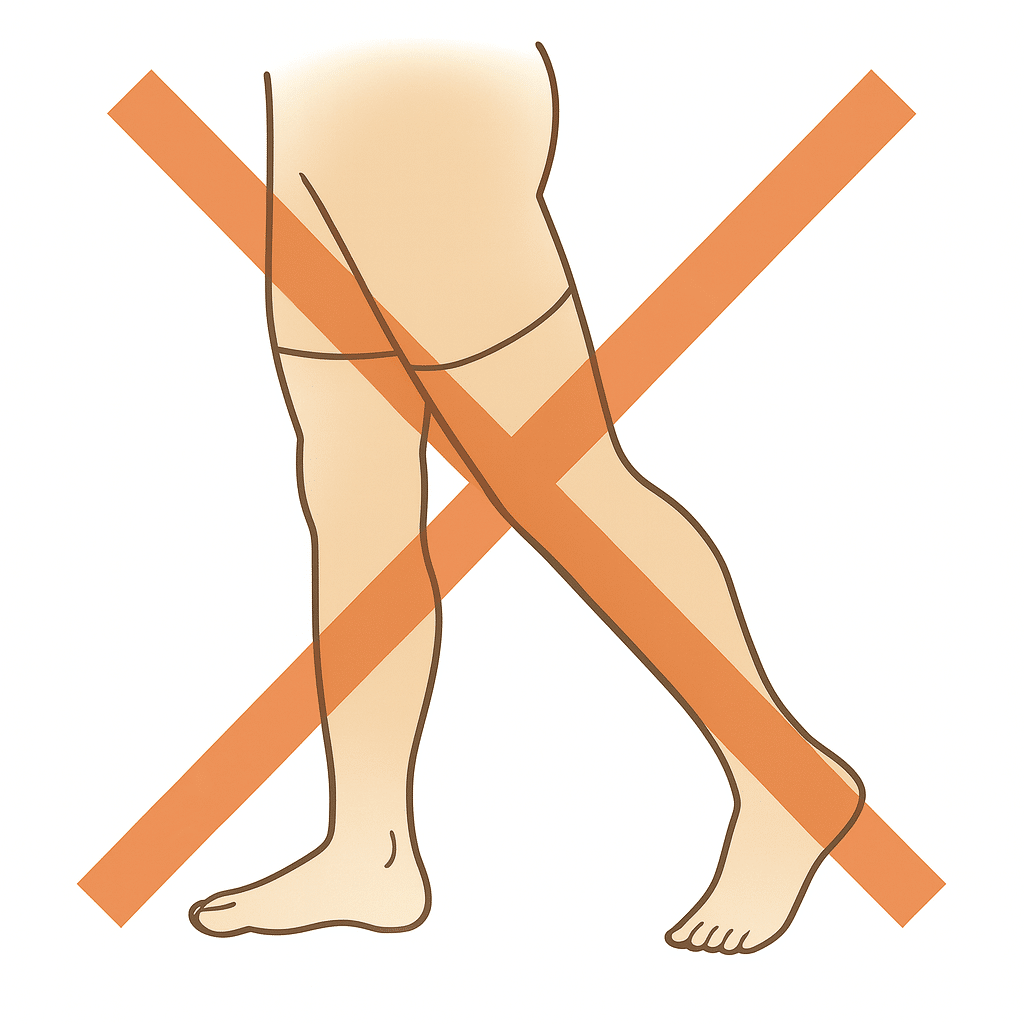
Don't turn your legs inward or outward in an unnatural way. Keep your feet straight.
Don't step too far forward or too far backwards. Try to take small, normal strides.
Returning to Daily Life and Long-Term Care
Daily walking routines and exercise will help rebuild strength. Your surgeon will advise when it’s safe to resume driving, working, or even certain sports and hobbies. When it comes to intimacy, discuss safe positions with your surgeon once your incision has healed and your range of motion has improved. Always mention your hip replacement to any new doctor or dentist to ensure you receive proper guidance and any necessary antibiotics prior to future procedures
Final Thoughts: Talk with Your Surgeon
Hip replacement can restore your ability to enjoy life without constant pain. Discuss your personal goals with your surgeon and have an open conversation about what the procedure can realistically achieve. Prepare well for surgery by following pre-op instructions, ensuring your overall health is optimal, and leaning on the support network available to you. Adhering to your rehabilitation program and attending all follow-up appointments is critical for a smooth recovery.
Have Questions?
If you have any questions or concerns, please contact one of our offices. This information is provided solely for educational purposes and is not a substitute for personalized medical advice. For detailed advice please contact us at (609) 924-8131, text us at (609) 757-9992 or send us a message via our contact form.