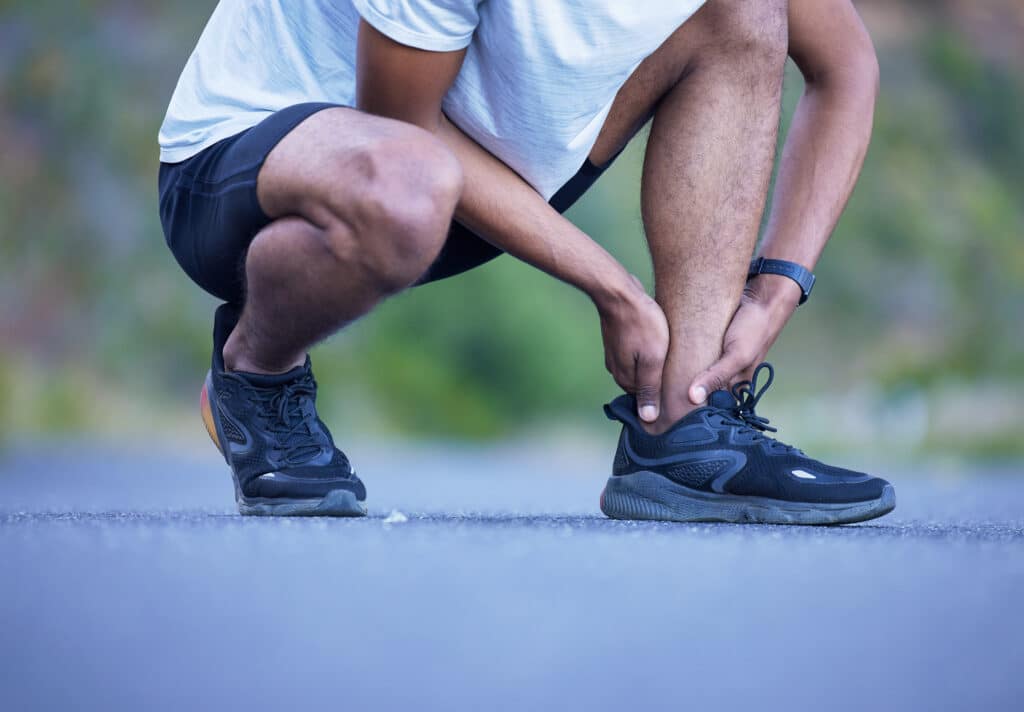
Peroneal tendonitis is a common yet also misunderstood condition affecting the outer portion of your ankle; it can cause you significant discomfort and interfere with your daily activities if left untreated. This condition often arises due to overuse, sudden changes in physical activity, or biomechanical issues that strain the peroneal tendons. While athletes and active individuals are particularly susceptible, anyone can develop peroneal tendonitis if the tendons are subjected to excessive stress. Understanding the anatomy, causes, symptoms, and appropriate care is crucial for effective management and prevention.
Understanding peroneal tendonitis, its anatomy, common causes, symptoms, treatment options, and how to prevent it can help you recover and get out of pain!
What Is Peroneal Tendonitis?
Peroneal tendonitis, also known as peroneal tendinopathy, can also be referred to by other names, including:
Peroneal tendonitis is the most commonly used term.
Peroneal tendinopathy is a medical term that describes any damage or disorder of the tendon without specifying inflammation.
Peroneal tendon inflammation is a more specific name indicating the inflammation of the peroneal tendons.
Peroneal tenosynovitis refers to inflammation of the synovial lining around the tendon, though this is a less common term.
Peroneal tendonitis refers to irritation or inflammation of the peroneal tendons, which run along the outer side of your ankle. These tendons are important for stabilizing your ankle joint and facilitating foot movement. When these tendons become inflamed, they can cause pain, swelling, and reduced mobility. This condition is most frequently seen in individuals who engage in repetitive ankle movements, but it can also arise from acute injuries or biomechanical abnormalities.
Specifically, there are two peroneal tendons involved in peroneal tendonitis:
Peroneus Longus: This tendon runs behind the bony prominence on the outer ankle (the lateral malleolus ) and extends underneath the foot to the arch. It helps turn the sole of the foot outward (foot eversion) and supports the foot's arch.
Peroneus Brevis: This tendon also runs behind the lateral malleolus but attaches to long bone of the outer edge of the foot. It assists with ankle stability and eversion.
Peroneal tendonitis typically develops due to overuse, resulting in micro-tears and inflammation within the tendons. This condition can occur in one ankle (unilateral) or, less commonly, in both ankles (bilateral).
Causes of Peroneal Tendonitis
Peroneal tendonitis can result from various causes, often related to repetitive motion or biomechanical stress. Identifying and addressing these underlying causes is key to both treatment and prevention.
Overuse or Repetitive Motion:
Athletes who engage in activities involving repetitive ankle movement (e.g., running, hiking, or sports requiring quick lateral motions) are at greater risk. Over time, repetitive stress can lead to micro-tears in the tendons, causing inflammation and pain.
Sudden Increase in Physical Activity:
If you have a rapid increase in exercise intensity or frequency, it can strain your peroneal tendons. For instance, starting a new running regimen or abruptly increasing training volume can place excessive stress on the tendons.
Wearing Improper Footwear:
If you wear shoes that lack proper support, they can increase stress on the peroneal tendons. Poor arch support or insufficient cushioning can alter your foot mechanics and contribute to the irritation of your tendons.
Foot and Ankle Misalignment:
High arches or an abnormal gait can increase tendon strain. Individuals with these anatomical variations are more prone to overloading the peroneal tendons.
Previous Ankle Injuries:
A past ankle injury, like an ankle sprain, can increase your risk of developing peroneal tendonitis. If you have a history of ankle sprains or instability, you can be more susceptible because these injuries can weaken the tendons, making them more prone to inflammation.
Ankle instability:
Weakness or poor coordination in the ankle can contribute to stress on the tendons.
Biomechanical issues:
Abnormalities in the way the foot moves (like flat feet or high arches) can lead to additional stress on the tendons.
Underlying conditions, such as inflammatory arthritis or connective tissue disorders, can also weaken the tendons or increase inflammation, predisposing people to peroneal tendonitis.
Symptoms of Peroneal Tendonitis
These are the common symptoms of peroneal tendonitis:
Experiencing pain along the outer side of your ankle: This pain is usually located behind the bump on the outside of your ankle, the lateral malleolus, and may worsen with movement.
Ankle Swelling and tenderness: The affected area of your ankle may become swollen, and the tendons themselves may also be tender to the touch.
Ankle pain that worsens with physical activity and improves with rest: Activities such as walking, running, or standing for long periods typically aggravate symptoms, but they reduce after rest and avoiding said activities.
A sensation of ankle instability or a snapping feeling: In some cases, the tendons may slip out of their normal position, causing a noticeable snapping sensation.
Stiffness or weakness: Individuals may experience stiffness when moving the ankle, as well as weakness during activities requiring ankle stability.
Home Care for Peroneal Tendonitis
If you suspect you have peroneal tendonitis, early intervention with home care is essential for symptom management and recovery. Consistent and proactive home care can prevent the condition from worsening and promote healing. Consider the following steps:
Rest: Avoid activities that exacerbate pain to allow the tendons to heal. Continuing strenuous physical activity can worsen inflammation and prolong recovery time.
Ice Therapy: Apply ice to the outside ankle area for 15-20 minutes. Do this every 2-3 hours to help reduce inflammation. Be sure to use a cloth between the ice and your skin to protect your skin and prevent frostbite.
Ankle Compression: Use an elastic bandage or ankle brace to provide support and minimize swelling. This can also offer additional stability to a weakened ankle.
Elevation: Keep the ankle elevated above heart level when resting to decrease swelling. Elevating the affected limb can reduce fluid buildup and ease discomfort.
Anti-Inflammatory Medications: Over-the-counter nonsteroidal anti-inflammatory drugs (NSAIDs) like ibuprofen can help relieve pain and inflammation. Follow dosage guidelines carefully and consult a healthcare provider if you have any concerns.
Why you can trust us:
We have multiple highly specialized, board-certified, fellowship-trained orthopaedic surgeons.
We know that we serve people - actual humans - not random orthopaedic conditions. That drives us to compassionate care.
The world of orthpaedics is constantly evolving. Our orthopaedic surgeons are constantly evaluating new techniques, tools and methods to serve our community even better.
We provide outcome-focused treatment. We work with our patients to achieve their goals, all while developing custom treatment plans that fit our patient's lives.
While mild cases of peroneal tendonitis may resolve with home care, we recommend you seek medical attention right away if you experience:
Persistent pain despite rest and self-care: If symptoms do not improve within a few weeks, a comprehensive medical evaluation may be necessary.
Significant swelling or bruising: Extensive swelling or discoloration around the outside of your ankle could indicate more severe tendon damage or an associated injury.
Ankle instability or difficulty bearing weight: Persistent instability or an inability to walk comfortably warrants a specialist's assessment.
Popping or snapping during movement: If you feel a popping or snapping sensationd uring movment, this may suggest tendon subluxation (displacement) or a partial tear which would require professional intervention.
Treatment depends on the severity of the condition and may include:
Physical Therapy: Customized exercise programs can restore strength and improve range of motion. Therapists may also use techniques like ultrasound therapy to help promote your healing.
Immobilization: Severe cases may require a walking boot or brace to limit motion and promote healing. Immobilization prevents further strain and allows the tendons to repair themselves.
Orthotics: Custom insoles can correct biomechanical issues and relieve tendon stress. Proper foot alignment reduces the likelihood of recurrence.
Steroid Injections: In some cases, corticosteroid injections may be discussed and can reduce persistent inflammation. Use of these injections will be determined by you and your treating physician.
Surgery: Rarely, surgery is required to repair tendon tears or address chronic instability. Surgical intervention may involve tendon repair, cleaning inflamed tissue, or stabilizing the tendons.
Preventing Peroneal Tendonitis
Proactive measures can reduce the risk of developing peroneal tendonitis, especially for those prone to ankle injuries. Consider incorporating the following strategies:
Strengthening Exercisesfor Peroneal Tendonitis: Targeting the ankle and foot muscles enhances stability and reduces strain. Examples include:
Ankle Eversion Exercise: Use a resistance band to strengthen the peroneal muscles. This improves tendon resilience and stability.
Calf Raises: Improve overall ankle strength by lifting onto your toes and slowly lowering down. Perform both double-leg and single-leg variations for comprehensive strengthening.
Balance Exercises: Perform single-leg stands to enhance proprioception and stability. Balance drills can help prevent future injuries by improving coordination.
Supportive Footwear: Choose shoes with enough arch support and cushioning, especially for high-impact activities. Custom orthotics may also be beneficial if you have high arches or foot misalignment.
Gradual Progression: Increase physical activity levels gradually to prevent overuse. Sudden increases in intensity or duration should be avoided.
Stretching Routine: Regularly stretch the calf muscles and ankles to maintain flexibility. Flexible tissues are less prone to injury and inflammation.
If you're experiencing persistent ankle pain or instability, it's essential to seek professional care. The specialists at Princeton Orthopaedic Associates are here to provide expert diagnosis and personalized treatment plans. Schedule a consultation today to get back to the activities you love with confidence.
Pickleball has skyrocketed in popularity, quickly becoming among the most exciting and engaging sports across the United States and beyond. It's a game for people of all ages, combining elements of tennis, badminton, and ping-pong. As the sport's popularity increases, so does the number of associated injuries. Among the most common and concerning pickleball injuries is the Achilles tendon rupture.
With the increase in popularity, pickleball injuries are becoming more and more common, especially Achilles ruptures. Keep reading to learn everything you need to know about Achilles ruptures, why they're common in pickleball, treatment options, and, most importantly, how to prevent them.
What Is the Achilles Tendon?
The Achilles tendon is the thick band of tissue connecting your calf muscles to your heel bone. It is one of the strongest tendons in the body, allowing you to perform activities like walking, running, and jumping by facilitating foot and ankle movement. However, because the Achilles tendon is so crucial to the lower-body movement, it's also vulnerable to injury, especially during activities involving sudden starts, stops, and changes in direction—like pickleball.
Why you can trust us:
We have multiple highly specialized, board-certified, fellowship-trained orthopaedic surgeons.
We know that we serve people - actual humans - not random orthopaedic conditions. That drives us to compassionate care.
The world of orthpaedics is constantly evolving. Our orthopaedic surgeons are constantly evaluating new techniques, tools and methods to serve our community even better.
We provide outcome-focused treatment. We work with our patients to achieve their goals, all while developing custom treatment plans that fit our patient's lives.
Pickleball is fun and engaging, but it requires rapid foot movements, sudden pivots, and quick bursts of acceleration, which can place significant stress on the Achilles tendon. Players are often required to move laterally across the court or quickly dash forward to reach the ball. These explosive movements can overwhelm the Achilles, especially if you aren't properly conditioned for this activity level or haven't warmed up adequately before playing.
Pickleball is particularly popular among older adults, who may not have the strength and flexibility they once did. Our tendons naturally become less flexible as we age, increasing the risk of injury during high-impact sports. In pickleball, Achilles ruptures are particularly common due to this combination of sudden movements and the demographic of players.
Signs and Symptoms of an Achilles Rupture
An Achilles rupture often occurs suddenly and is typically accompanied by a distinct popping or snapping sound, followed by intense pain in the back of your lower leg.
Some common symptoms of an Achilles rupture include:
Apopping sensation at the back of the ankle or calf.
Severe pain near the heel, making it difficult to walk or bear weight.
Swelling or stiffness around the ankle.
An inability to push off your foot when walking or running.
If you experience any of these symptoms, especially after a sudden movement or pivot, it's essential to seek medical attention immediately. Prompt treatment is crucial for your successful recovery.
Need Care Now? POA Has Six Urgent Care Facilities
Monroe
11 Centre Drive Monroe Twp., NJ 08831
Plainsboro
5 Plainsboro Road, Suite 100 Plainsboro, NJ 08536
Robbinsville
1 Union Street Suite 305 Robbinsville, NJ 08691
Princeton
325 Princeton Avenue Princeton, NJ 08540
Hillsborough
315 US Highway 206 Hillsborough Township, NJ 08844
There are two primary approaches to treating an Achilles tendon rupture: non-surgical and surgical treatments. The best option for each patient depends on factors like the severity of the rupture, the patient's age, activity level, and overall health.
Non-Surgical Treatment
Non-surgical treatment is typically recommended for less active individuals or those with a minor Achilles tear. This approach involves immobilizing the foot with a cast or boot, which allows the tendon to heal on its own. Over time, the tendon will reattach, and physical therapy can help restore strength and flexibility. While non-surgical treatment can be effective, the recovery process is longer, and the re-injury risk may be higher than surgical repair.
Surgical Treatment
For most active individuals, surgical repair is the preferred treatment option. Surgery involves reconnecting the torn ends of the Achilles tendon. In the past, this procedure required a large incision and a long period of immobilization, often leading to muscle atrophy, stiffness, and swelling. Patients would be placed in a long leg cast for months, followed by a lengthy rehabilitation period.
Fortunately, advances in orthopedic surgery now allow for minimally invasive procedures. Surgeons can repair the Achilles tendon through small incisions, reducing the risk of complications and allowing for quicker recovery times. With this technique, patients can begin physical therapy sooner, regain mobility faster, and reduce the risk of long-term stiffness or weakness.
Returning to Pickleball After an Achilles Rupture
The good news is that most people can return to the sports and activities they love with proper treatment. Whether you opt for non-surgical or surgical treatment, a comprehensive rehabilitation program is essential for regaining strength and mobility.
Rehabilitation typically involves:
Gradual range of motion exercises to help restore your flexibility.
Strength training to rebuild muscle in your calf and surrounding areas.
Balance and agility exercises to help improve your coordination and prevent future injuries.
When you see one of our orthopaedic specialists here at POA, they will create a personalized treatment plan for your specific situation. Following your surgeon's recommendations, which may include closely working with a physical therapist, helps to ensure a full recovery. With the right care, many pickleball players can return to the court within 6 to 12 months.
Preventing Achilles Ruptures in Pickleball
While Achilles ruptures can be a serious and painful injury, there are steps you can take to reduce your risk of experiencing one.
Here are some key prevention tips:
Make sure you warm up before playing pickleball. A proper warm-up is essential to reduce your risk of injury. Before playing pickleball, spend 5 to 10 minutes stretching your calf muscles and Achilles tendons. Include dynamic stretches such as calf raises, ankle circles, and gentle jogging to get your muscles warm and ready for action.
Strengthen Your Calf Muscles. Building strength in your calf muscles can help take the load off your Achilles tendon. Incorporate exercises such as heel raises, resistance band exercises, and leg presses into your routine to strengthen the muscles that support the Achilles.
Gradually increase your game activity. If you're new to pickleball or haven't played in a while, ease into the game. Avoid going all out in your first few sessions. Gradually increase the intensity and duration of your games to allow your body to adapt.
Wear Proper Footwear. Supportive shoes are key in protecting your Achilles tendon. Make sure your shoes have good arch support and cushioning to absorb the impact of quick stops and starts on the pickleball court.
Listen to Your Body. If you experience any pain or tightness in your Achilles, it's important that you take a break and rest. Overworking the tendon can increase your risk of injury. Make sure you pay attention to how your body feels, and don't push through discomfort!
Meet our Foot & Ankle Specialists
Pickleball is an exciting and fast-growing sport! It's important to pay attention to the injury risks associated with it, particularly Achilles ruptures. While the injury can be serious, advances in treatment—such as minimally invasive surgery—allow for faster recovery and a return to the activities you love. By taking preventative measures like warming up, strengthening your muscles, and wearing proper footwear, you can reduce your risk of injury and continue enjoying the game.
If you do experience an Achilles injury, seek medical attention immediately. The sooner you receive treatment, the better your chances of a full recovery. With the right care and rehabilitation, many players can return to the pickleball court stronger than ever.
This blog post is meant to be informative and should not act as a self-diagnosis tool. If you’d like to see one of our doctors, please contact us here.
The Achilles tendon is a strong band of tissue that connects the muscles in your calf to your heel bone. It is the largest tendon in your body and is important for activities like walking, running, and jumping because it helps your foot push off the ground. The Achilles tendon is made up of two main muscle groups: the gastrocnemius and the soleus. These muscles work together to help you move and keep your ankle stable. Since the Achilles tendon is used a lot during physical activities, it can get injured or develop problems, such as Achilles tendonitis or ruptures. That’s why it’s important to take care of it and keep it flexible.
Living with Achilles Tendon Pain
Imagine waking up in the morning, swinging your feet out of bed, and feeling a sharp, persistent pain at the back of your ankle. You stand up, but each step feels like a battle, with every move reminding you that something isn’t quite right. Whether you’re an athlete or simply someone going about your regular daily activities, dealing with Achilles tendon pain can severely impact your life. Whether it's climbing stairs to walking short distances, every motion becomes a conscious, painful effort. Over time, the discomfort can worsen, which makes it difficult for you to carry out even the simplest tasks, like getting out of bed or standing for extended periods.
Although achilles tendon injuries range in severity, they are all disruptive. Understanding the causes of issues, symptoms, and treatment options can help you prevent long-term damage and help you manage the pain effectively.
The Achilles tendon, which is the strongest and largest tendon in the body, connects your calf muscles to your heel bone. It transmits the force generated by your muscles to your foot and plays an essential role in walking, running, and jumping. You can imagine that the importance of this tendon also makes it vulnerable to a range of injuries due to overuse, improper footwear, and sudden stress.
The most common Achilles tendon injuries include:
Achilles Tendonitis: Inflammation of the tendon, often caused by repetitive strain or overuse. It is common among runners, athletes, and those who engage in high-impact activities without proper warm-up or technique.
Achilles Tendon Rupture: A rupture is a partial or complete tear of the tendon, often caused by sudden, forceful movements, such as jumping or pivoting quickly. Ruptures are more severe and typically require medical intervention.
Achilles Tendonosis: Degeneration of the tendon tissue due to chronic overuse or untreated tendonitis. This condition leads to stiffness and reduced mobility and increases the risk of rupture.
Symptoms: How to Identify Achilles Tendon Issues
Achilles tendon problems are characterized by pain and stiffness, but depending on the type of injury, the location and intensity of your pain can vary.
Common symptoms include:
Pain: The pain is usually localized to the back of the ankle, just above the heel. In the case of Achilles tendonitis, the pain may worsen during physical activity or after long periods of inactivity, such as when getting up after sitting for an extended time. In more severe cases, like a rupture, you may experience sudden, sharp pain and even hear a popping sound.
Swelling: Swelling around the Achilles tendon is another hallmark sign of injury. This swelling can occur with tendonitis or a tear and is often accompanied by warmth and tenderness in the affected area.
Stiffness: Stiffness in the morning or after resting is a common symptom, especially with Achilles tendonitis. If your condition worsens, it becomes more difficult to flex your foot or walk without discomfort.
Weakness: You may notice weakness in your calf muscles, making it hard to stand on your tiptoes or push off your foot while walking.
Why Does Achilles Tendon Pain Occur?
Achilles tendon pain occurs primarily due to inflammation, degeneration, or tearing of the tendon fibers. These injuries tend to form because of repetitive stress, improper biomechanics, or sudden high-impact movements.
Some causes of Achilles tendon pain:
Overuse: Overuse such as repetitive movements in sports, exercise, or even daily tasks can put excessive stress on the Achilles tendon. If you increase their training intensity too quickly,you are at higher risk.
Sudden Movements: Quick, sudden movements like jumping, pivoting, or pushing off forcefully during activities like basketball, tennis, or running can lead to tendon tears.
Tight Muscles: Tight calf muscles or inadequate stretching can increase strain on the tendon, making it more susceptible to injury.
Improper Footwear: Wearing shoes that lack proper support or cushioning can misalign the feet and increase stress on the Achilles tendon.
Age: As we age, the Achilles tendon becomes less flexible and more prone to injury, particularly in individuals who remain active without proper conditioning.
Meet Our Sports Medicine Doctors
Preventing Achilles Tendon Injuries
Preventing Achilles tendon injuries requires a combination of good habits and awareness of your body’s limits.
Here are some effective prevention strategies:
Stretch Regularly: By regularly stretching your calf muscles and Achilles tendon you will help to maintain flexibility. Focus on slow, controlled stretches, especially before and after exercise.
Strengthening Exercises: Strengthen your calf muscles with exercises such as heel raises and resistance band workouts. Stronger muscles will help support the tendon and reduce the risk of injury.
Gradual Progression: Gradually increase your workout or training levels to allow your body to adapt. Suddenly increasing the intensity or duration of your physical activities can cause issues, so make sure to avoid those.
Wear Supportive Footwear: Invest in shoes that provide proper support and cushioning for your feet. This is especially important for athletes and those who spend long periods on their feet.
How to Care for Achilles Tendon Injuries
If you’ve injured your Achilles tendon, it’s crucial to address it immediately to prevent further damage. Here are key steps for caring for Achilles tendon issues:
At-Home Treatments
Rest: Limit activities that put a strain on the Achilles tendon. Avoid running, jumping, or engaging in high-impact sports until the pain subsides.
Ice Therapy: Apply ice to the affected area for 15-20 minutes, multiple times daily, to reduce inflammation and swelling.
Compression: Use a compression bandage. This helps to support the tendon and minimize your swelling.
Elevation: Elevate your foot whenever possible to reduce swelling.
Over-the-Counter Pain Relief: Non-steroidal anti-inflammatory drugs (NSAIDs) like ibuprofen can help manage pain and inflammation.
What to Avoid
Sudden Movements: Avoid sudden, jerky movements that can strain the tendon further.
Prolonged Immobility: While rest is important, prolonged immobility can lead to stiffness. Engage in gentle range-of-motion exercises to keep the tendon flexible.
Exercises for Recovery and Prevention
Incorporating specific exercises can aid in recovery and prevent future injuries:
Heel Raises:
Stand on a step with your heels hanging off the edge. Slowly rise onto your toes, then lower your heels below the level of the step. This exercise strengthens the calf muscles and Achilles tendon.
Towel Stretch:
Sit with your legs extended our in front of you and loop a towel around the ball of your foot. Gently pull the towel towards you while you keep your knee straight.
Eccentric Calf Raises:
Stand on one leg, rise onto your toes, and slowly lower yourself down. This exercise focuses on strengthening the tendon while it lengthens.
When to Seek Help from a POA Orthopaedic Surgeon
While at-home care can often alleviate mild Achilles tendon pain, certain symptoms indicate the need for professional intervention:
Persistent Pain: If the pain doesn’t improve with rest and at-home treatment, it’s time to see an orthopaedic specialist.
Sudden Injury: If you experience a sudden, sharp pain or hear a popping sound, seek urgent care immediately, as these are signs of an Achilles tendon rupture.
Inability to Walk: If you’re unable to walk without significant pain or weakness, it’s critical to see a specialist.
What Type of Orthopaedic Surgeon Should You See?
For Achilles tendon issues, you will want to consult with a sports medicine specialist or a foot and ankle specialist. These surgeons have specific expertise in treating tendon injuries and can offer tailored treatment plans based on your condition.
Medical Treatment from an Orthopaedic Surgeon
When you visit a POA orthopaedic surgeon, the treatment plan may include:
Physical Therapy: Tailored exercises assigned to you to improve flexibility, strength, and mobility.
Immobilization: Preventing movement by using a cast, brace, or walking boot allows the tendon to heal.
Surgery: In severe cases of Achilles tendon rupture, surgery may be necessary to repair the torn tendon. The surgeon will reattach the tendon and prescribe a rehabilitation plan for recovery.
When to Seek Urgent Care
If you suspect a rupture or experience intense, sudden pain, don’t wait—seek urgent medical attention. Ruptured tendons require immediate intervention to avoid long-term disability.
Need Care Now? POA Has Six Urgent Care Facilities
Monroe
11 Centre Drive Monroe Twp., NJ 08831
Plainsboro
5 Plainsboro Road, Suite 100 Plainsboro, NJ 08536
Robbinsville
1 Union Street Suite 305 Robbinsville, NJ 08691
Princeton
325 Princeton Avenue Princeton, NJ 08540
Hillsborough
315 US Highway 206 Hillsborough Township, NJ 08844
Achilles tendon injuries can be debilitating, but with proper care and timely treatment, they are manageable. If you’re dealing with persistent Achilles tendon pain or suspect a rupture, it’s essential to schedule an appointment with one of POA’s highly trained orthopaedic surgeons. Whether you need physical therapy, non-invasive treatments, or surgical intervention, our specialists are here to guide you every step of the way. Don’t let Achilles tendon pain keep you from living your life—contact POA today to schedule your consultation.
This blog post is meant to be informative and should not act as a self-diagnosis tool. If you’d like to see one of our doctors, please contact us here.
Meet Our New Specialist: Dr. Levi - Your Expert in Foot and Ankle Care
We are thrilled to introduce the latest addition to our team of podiatrists, Dr. Levi, a highly skilled specialist in foot and ankle care. Dr. Levi brings a wealth of knowledge, experience, and a strong commitment to patient well-being, making her an invaluable asset to our practice. Whether you're experiencing foot and ankle issues or seeking expert guidance, Dr. Levi is here to provide you with exceptional care.
Educational Excellence
Dr. Levi's journey to becoming a renowned podiatric physician began with her undergraduate education at Rutgers University. Her thirst for knowledge and dedication to healthcare led her to Temple University School of Podiatric Medicine, where she earned her Doctor of Podiatric Medicine degree in 2019.
Residency and Surgical Expertise
To further hone her skills and expertise, Dr. Levi completed an intensive four-year surgical residency program in foot and ankle surgery at Temple University Hospital, a level-1 trauma center known for its commitment to excellence. Her dedication and exceptional performance during her residency were recognized as she was voted chief resident by her peers.
Exceptional Opportunities
During her residency training, Dr. Levi had the privilege of serving as part of Temple's Limb Salvage team, where she played a vital role in preserving patients' limbs and improving their quality of life. She also had the honor of rotating through the prestigious Rubin Institute of Advanced Orthopedics in Baltimore, MD, gaining exposure to a wide variety of rare foot and ankle pathologies.
Passion for Education and Community
In addition to her clinical work, Dr. Levi obtained an associate professorship at Temple University School of Podiatric Medicine. This role allowed her to give back to student and resident education, reflecting her belief that community engagement and education are at the core of being a physician.
Your Path to Better Foot and Ankle Health
Dr. Levi is dedicated to providing compassionate care and innovative solutions to address your foot and ankle concerns. Whether you're dealing with common podiatric issues, complex pathologies, or simply seeking guidance on maintaining optimal foot and ankle health, Dr. Levi's expertise is at your service.
You can learn more about Dr. Levi here. Don't hesitate to contact our office today to schedule your appointment with Dr. Levi. We look forward to helping you achieve better foot and ankle health.
Welcoming Dr. Horling: Your Expert in Podiatric Medicine
We are delighted to introduce Dr. Horling, a highly skilled specialist in podiatric medicine. Dr. Horling joined our team earlier this year. Her impressive background and two decades of experience make her an invaluable asset to our practice. Whether you need foot care, treatment for sports injuries, or wound care, Dr. Horling is here to provide you with exceptional care.
Educational Excellence
Dr. Horling's journey to becoming a renowned podiatric physician began with her undergraduate education at Ursinus College, where she earned a Bachelor of Science Degree in Biology. Her passion for healthcare and dedication to improving patients' lives led her to the Temple University School of Podiatric Medicine, where she obtained her Doctor of Podiatric Medicine Degree in 2000.
Residency Training
To further enhance her skills and expertise, Dr. Horling completed a rigorous three-year residency program at Frankford Hospital (now Jefferson Health) in Philadelphia, PA. This comprehensive program focused on medicine for the first year and then two years of intensive foot and ankle surgery training. Her dedication and commitment to excellence set her on a path to becoming double board certified.
Board Certifications
Dr. Horling's commitment to the highest standards of care is demonstrated through her double board certifications. She is certified in Foot Surgery by the American Board of Foot and Ankle Surgery and in Podiatric Primary Care by the American Board of Multiple Specialties in Podiatry. These certifications reflect her dedication to providing comprehensive podiatric services.
Active Engagement in Podiatric Community
Dr. Horling is an active member of the American Podiatric Medical Society and the New Jersey Podiatric Medical Society. She currently serves on the Board of the NJPMS as the secretary for the Capital Division, further highlighting her commitment to advancing the field of podiatry.
Experience You Can Trust
With over 20 years of practice, Dr. Horling has a wealth of experience treating patients with various conditions, including podiatric medicine, sports injuries, and wound care. Her expertise was further showcased during her tenure as a panelist at the RWJ Wound Care Center in Hamilton for an impressive ten years.
Your Path to Better Foot Health
If you're seeking compassionate care and advanced solutions for your foot and ankle needs, Dr. Horling is here to provide you with exceptional treatment. Don't hesitate to contact our office today to schedule your appointment with Dr. Horling. You can see Dr. Horling's bio here. We look forward to helping you achieve better foot health and overall well-being.
Common Sports and Orthopaedic Injuries of Summer: Knee, Shoulder, and Ankle:
Summertime brings a range of activities, but it also increases the risk of orthopaedic injuries. Let's dive into the most common summertime injuries and how they can happen, and what you can do to prevent them:
Knee Injuries:
Knee pain can be a common concern during the summer, particularly for those engaged in outdoor activities and sports.
ACL tears occur when the ligament connecting the thigh bone to the shin bone is stretched or torn due to sudden stops or changes in direction.
Meniscus tears, on the other hand, result from twisting or forceful impact, leading to cartilage damage within the knee joint.
Patellofemoral pain syndrome (PFPS), also known as runner's knee, causes discomfort around the kneecap, typically associated with repetitive knee bending or overuse.
Summer Shoulder Injuries:
Engaging in sports and outdoor pursuits heightens the risk of shoulder injuries.
Rotator cuff tears are prevalent, involving damage or tears to the tendons supporting the shoulder joint due to repetitive overhead movements or sudden trauma.
Shoulder dislocations occur when the upper arm bone's ball-shaped head dislodges from the shoulder socket, often caused by falls or intense physical contact.
Shoulder impingement syndrome results from inflamed or irritated tendons in the rotator cuff, typically due to repetitive overhead activities or poor posture.
Summer Ankle Injuries:
Outdoor activities and sports can also pose risks for ankle injuries.
Ankle sprains and strains frequently occur from missteps, falls, or sudden twists during physical activities. These injuries involve stretched or torn ligaments surrounding the ankle joint.
Achilles tendonitis, characterized by inflammation or irritation of the Achilles tendon, often arises from overuse or repetitive stress.
Additionally, ankle fractures can result from falls during water sports, hiking accidents, or tripping on uneven terrain, leading to the breaking of ankle bones.
We always recommend seeing a proven, licensed professional before you suspect you have any knee or sports-related injury. If you suspect a knee, shoulder, or ankle injury, it is crucial to seek immediate medical attention. Our physicians at Princeton Orthopaedic Associates will conduct a thorough physical examination, assess symptoms and medical history, and may order diagnostic imaging tests such as X-rays, MRIs, or ultrasound scans for an accurate diagnosis. Consulting with an orthopedic specialist or a sports medicine physician is recommended to receive a tailored treatment plan. Treatment options may include rest, immobilization, physical therapy, or, in severe cases, surgery. Timely evaluation and accurate diagnosis are essential for effective treatment and successful recovery.
By understanding these common summer orthopaedic injuries and promptly seeking professional care, you can ensure appropriate treatment and make a smooth return to enjoying your favorite summertime activities.
Ankle pain is an incredibly common issue among people of all ages, and can range from mild to severe. Whether you’ve been dealing with nagging ankle discomfort for a while or have recently suffered an injury, it’s important to understand the different types of symptoms, causes and treatments associated with it. In this blog post we will discuss Ankle Pain: its symptoms, causes, treatments and prevention options so you can make an informed decision about treatment and care. We hope that by understanding more about what could be causing your own ankle pain—or the pain of someone close to you—you can decide on the best way to manage potential issues before they become serious problems.
Understanding Ankle Pain – Defining Symptoms, Causes and Risk Factors
Ankle pain can be a frustrating and debilitating condition, making it difficult to participate in daily activities that require mobility. Understanding the symptoms, causes and risk factors associated with ankle pain is an important step in finding a solution. Symptoms of ankle pain can include swelling, bruising, stiffness and difficulty moving the affected joint. Causes of ankle pain can range from a sudden injury or sprain, to chronic condition such as arthritis or gout. Risk factors such as obesity and poor footwear choices can also contribute to the development of ankle pain. By understanding these factors and seeking prompt medical attention when needed, individuals can take steps towards managing and preventing ankle pain from affecting their quality of life.
Common Symptoms of Ankle Pain and What They Can Mean
Ankle pain can be caused by a variety of issues, from minor injuries to serious medical conditions. Common symptoms of ankle pain include swelling, stiffness, instability, and difficulty walking or standing. These symptoms may indicate a sprain, strain, or even a more serious ligament tear or fracture. It's important to seek medical attention if ankle pain persists or if you are unable to bear weight on the affected ankle. Your doctor can perform an examination and recommend a course of treatment to alleviate your symptoms and restore normal function. Don't ignore ankle pain - it can have a serious impact on your mobility and overall health.
Potential Causes of Ankle Pain, From Trauma to Degenerative Conditions
Ankle pain can be a major inconvenience, hindering mobility and impairing day-to-day activities. While there are numerous potential causes for this discomfort, ranging from trauma to degenerative disorders, there are a few common culprits that often lead to ankle pain. Ankle sprains, for instance, occur when the ligaments connecting the bones in the ankle become stretched or torn. Meanwhile, arthritis is a degenerative condition that wears down the protective cartilage in the joints, leading to swelling, pain, and stiffness. Other potential causes of ankle pain include Achilles tendonitis, gout, and nerve damage. Whatever the root cause may be, it's important to seek medical attention and take steps to address the issue, so that you can get back to optimal health and functioning.
Diagnosis for Ankle Pain – Imaging Tests and Physical Exam Methods
Ankle pain can be a frustrating and debilitating issue, but proper diagnosis is key to finding the right treatment. A combination of physical exam methods and imaging tests are often utilized to pinpoint the source of the discomfort. Physical exams may include assessing range of motion, examining the affected area, and testing for stability and strength. Imaging tests, such as X-rays, ultrasounds, MRI scans, and CT scans, can provide more detailed information about the bones, ligaments, and tendons in the ankle. By using these methods in tandem, healthcare providers can create a comprehensive picture of the issue and determine the most effective course of treatment. Whether it's a sprain, strain, or fracture causing the discomfort, a proper diagnosis is the first step on the road to recovery.
Treatments for Ankle Pain – How to Manage the Discomfort
Ankle pain can be a real nuisance, especially if it limits your movement and activities. Fortunately, there are several ways to manage the discomfort and get relief. One of the most common treatments for ankle pain is RICE: Rest, Ice, Compression, and Elevation. This involves taking a break from any strenuous activities, applying ice packs to the affected area, wearing a compression sleeve or wrapping, and elevating the ankle to reduce swelling. Pain medication and physical therapy may also be recommended by a doctor. Remember, it's important to address ankle pain as soon as possible to prevent any further damage or complications. With the right treatment and management, you can get back on your feet in no time.
Prevention Tips for Avoiding Injury or Re-injury
Staying injury-free can be a challenge, especially if you're an athlete or lead an active lifestyle. However, there are many prevention tips you can follow to avoid getting hurt or reinjured. One of the most important things you can do is to stretch and warm up before any physical activity to prepare your muscles and joints. It's also important to wear appropriate gear and equipment, such as helmets or protective pads, to protect vulnerable areas of your body. Another key tip is to listen to your body and take breaks when you feel tired or sore. Rest and recovery are essential parts of injury prevention. By following these tips, you can reduce your risk of injury and keep yourself healthy and active for the long haul.
In sum, there's a myriad of potential causes and treatments when it comes to ankle pain, depending on the severity and chronicity of the discomfort. While acute ankle injuries are usually accompanied by sudden pain, swelling and discoloration, chronic or degenerative conditions might come with nonspecific symptoms such as weakness or numbness. Imaging tests and physical exams may be necessary for an accurate diagnosis. Treatment options can range from conservative measures such as stretching exercises, bracing for additional support or crutches for mobility to medical interventions like corticosteroid injections or surgical intervention in severe cases. The best defense against ankle injury is Knowledge – if you arm yourself with information about what symptoms to look out for and key prevention tips, you are better equipped to handle any ankle issues that may arise before they become a bigger issue.