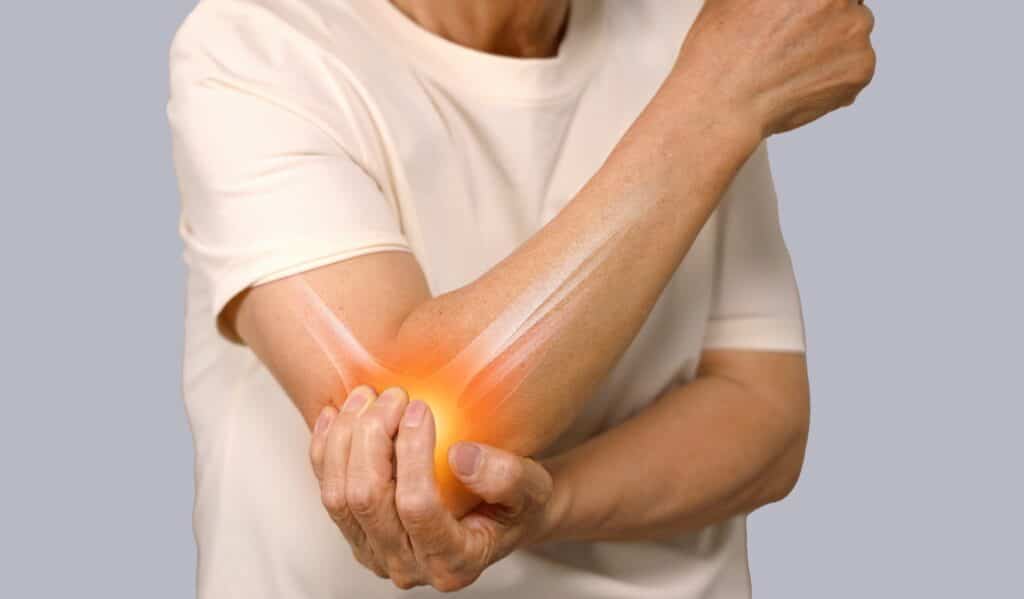
Elbow Tendinopathy: What It Is and How We Treat It at Princeton Orthopaedic Associates
Elbow tendinopathy is a common overuse injury that causes pain and tenderness in the tendons around the elbow. It happens when these tendons—connecting muscle to bone—become irritated from repeated stress. In this blog, you’ll find simple home treatments that can help relieve symptoms and learn when it’s time to see a specialist.
Quick overview
We’ll cover what causes elbow tendinopathy, the differences between lateral and medial types, practical home care tips, rehab strategies like strengthening and stretching, and when injections or surgery might be needed.
What Is Elbow Tendinopathy?
Elbow tendinopathy is an overuse condition where the tendons around your elbow become irritated. Tendons connect muscles to bone, and when they’re overloaded they can be painful and tender.
There are two common forms. Lateral elbow tendinopathy affects the outer elbow and is often called tennis elbow. Medial elbow tendinopathy affects the inner elbow and is often called golfer's elbow. Both share similar causes and treatments.
What Causes Elbow Tendinopathy?
Repeated or forceful wrist and arm motions are the usual culprits. These motions create small tears and inflammation in the tendon where it attaches to the bone.
Repeated gripping or twisting of the wrist
Working with vibrating tools or heavy lifting
Poor technique in sports or tasks that load the forearm
Weakness in the wrist or shoulder that shifts stress to the elbow
Simple Steps You Can Try at Home
Many people feel better with early conservative care. Try these measures for several weeks while monitoring symptoms.
Modify activities that cause pain and avoid repetitive motions when possible
Ice the area for 10 to 15 minutes every few hours to reduce pain and swelling
Use over the counter anti inflammatory medication if it’s safe for you and your doctor agrees
Wear a counterforce strap or supportive brace during aggravating activities
Rehabilitation: Exercises and Therapy
Physical therapy is the mainstay for lasting relief. A therapist will show you targeted exercises to rebuild tendon health and correct movement patterns.
Eccentric strengthening of the wrist extensor or flexor muscles helps rebuild tendon tolerance
Grip strengthening and progressive loading programs are used once pain improves
Stretching and manual therapy help reduce tightness in the forearm and shoulder
Other Medical Treatments
If symptoms persist despite conservative care, your provider may discuss additional options. These are considered after a careful evaluation.
Corticosteroid injections may offer short term relief in select cases, but guidelines warn about potential tendon weakening or rupture with repeated use. A careful, shared decision process helps decide if this option fits your goals and activity level [AAOS guidelines 2020; NICE guidelines 2021].
PRP injections, a type of biologic treatment, may be discussed when appropriate. Current evidence is mixed and appears to depend on the specific tendinopathy and stage of injury; decisions should be individualized based on patient needs [Cochrane review on PRP for tendinopathy 2019; AAOS guidelines 2020].
Surgery is rarely needed and is reserved for persistent tendon damage that affects function
Recovery Timeline
Recovery varies with how long symptoms have been present and how consistently you follow rehab recommendations.
Therapy and strengthening restore function for most people
Chronic
2 months or longer
May need advanced treatments and extended rehab for full recovery
Preventing Recurrence
Once your pain improves, keep working on strength, flexibility, and technique. Those steps reduce the chance that tendinopathy will come back.
Practice ergonomic changes at work and during activities
Use proper form for sports and lifting
Build balanced strength in the forearm, shoulder, and core
Gradually increase activity load rather than jumping back in too fast
When You Should See Us
Contact our team if pain lasts despite home care, limits your daily tasks, or if you’re losing strength. We’ll evaluate your elbow, identify the root cause, and recommend a personalized plan.
Schedule an exam with one of our sports medicine doctors or physical therapists to get targeted treatment and a clear recovery plan.
This blog post is meant to be informative and should not act as a self-diagnosis tool. If you’d like to see one of our doctors, please contact us here.
Understanding Cubital Tunnel Syndrome
If you are living with cubital tunnel syndrome, it can make your daily functioning uncomfortable and challenging. Imagine waking up daily with tingling sensations in your pinky and ring fingers, sometimes accompanied by sharp pain radiating from your elbow down to your hand. Pain like this causes everyday activities like typing, using your phone, or even holding a cup can become cumbersome. Many people describe feeling a "clumsy" grip or dropping things unexpectedly. This frustrating condition arises from the ulnar nerve, which runs from your shoulder to your hand, being compressed at the elbow, often resulting in persistent discomfort and limited mobility. Read on to learn more about cubital tunnel syndrome.
What Causes Cubital Tunnel Syndrome?
Cubital tunnel syndrome, sometimes confused with carpal tunnel syndrome, occurs when the ulnar nerve, a nerve that runs along the inner side of your elbow, becomes compressed.
Several factors contribute to this compression:
Repetitive Elbow Flexion: Frequent bending of your elbow, such as during work or sports, can irritate your ulnar nerve.
Elbow Injury: Trauma to your elbow, such as fractures or dislocations, can lead to swelling or bone spurs that pinch the nerve.
Anatomical Factors: Some people may have a naturally narrower cubital tunnel which increases the likelihood of nerve entrapment.
Posture: Poor posture while sitting or sleeping can place undue stress on the elbow and nerve.
Cubital Tunnel Syndrome Symptoms
The symptoms of cubital tunnel syndrome often manifest as follows:
A numbness or tingling in your ring and pinky fingers.
Weakness in your grip strength, particularly in your affected hand.
A feeling of clumsiness when you are handling objects.
Pain that radiates from your elbow to your hand, especially when your elbow is flexed for prolonged periods.
If you're experiencing hand pain but these symptoms don't match up, take a look at our comprehensive blog on numbness and tingling in your hands.
Why you can trust us:
We have multiple highly specialized, board-certified, fellowship-trained orthopaedic surgeons.
We know that we serve people - actual humans - not random orthopaedic conditions. That drives us to compassionate care.
The world of orthpaedics is constantly evolving. Our orthopaedic surgeons are constantly evaluating new techniques, tools and methods to serve our community even better.
We provide outcome-focused treatment. We work with our patients to achieve their goals, all while developing custom treatment plans that fit our patient's lives.
Cubital Tunnel Syndrome Symptoms vs. Carpal Tunnel Syndrome Symptoms
While cubital tunnel syndrome and carpal tunnel syndrome share some similarities, they affect distinctly different areas and nerves. By name, it can seem easy to confuse, but once you understand each condition, you can better determine which may be causing your pain.
Below is a quick comparison of the symptoms:
Cubital Tunnel Syndrome
Affects the ulnar nerve at the elbow
Pain radiates from elbow to hand
Symptoms include pinky and ring finger numbness
Symptoms may worsen with elbow flexion
Carpal Tunnel Syndrome
Affects the median nerve at the wrist
Pain typically radiates from wrist to hand
Symptoms include thumb and index finger numbness
Symptoms worsen with wrist flexion
What Causes Cubital Tunnel Syndrome Symptoms?
Symptoms of cubital tunnel syndrome arise due to compression or irritation of the ulnar nerve. When your ulnar nerve is compressed, it can lead to dysfunction in the hand, causing numbness, weakness, and pain.
Cubital Tunnel Syndrome Treatment
Prevention can be the first line of treatment for cubital tunnel syndrome. You can help prevent it by making some easy lifestyle adjustments.
Common lifestyle adjustments for cubital tunnel prevention may include:
Modify Activities: Reduce repetitive elbow bending and take frequent breaks if your job or activities require it.
Maintain Good Posture: Ensure your workspace is ergonomically friendly to minimize strain on your elbows.
Use Proper Protective Gear: If you plan to participate in activities that have a risk of elbow injury, wearing a protective brace or padding can help prevent cubital tunnel syndrome.
Caring for Cubital Tunnel Syndrome
Once diagnosed, it is important to take the proper steps to manage and alleviate your symptoms effectively.
At-Home Treatments
Rest: Allow your elbow to recover by reducing activities that exacerbate symptoms.
Cold Therapy: Apply ice to your elbow for 15-20 minutes at a time to help reduce your pain and inflammation.
Cubital Tunnel Syndrome Brace: Wearing a brace can help keep the elbow straight and reduce pressure on the ulnar nerve.
Pain Relief: Over-the-counter medications, such as ibuprofen or acetaminophen, can help you manage the discomfort.
What to Avoid
Prolonged Elbow Flexion: Avoid activities that require holding the elbow bent for extended periods, such as talking on the phone without a headset.
Repetitive Movements: Limit repetitive movements that irritate the elbow, like typing or playing musical instruments.
Cubital Tunnel Syndrome Exercises
Performing cubital tunnel syndrome exercises, gentle stretches and strengthening exercises, can help relieve tension around the ulnar nerve. Here are a few recommended exercises:
Nerve Glides:
To do this exercise, gently move your wrist and fingers while keeping your elbow straight to help stretch the ulnar nerve.
Wrist Flexor Stretch:
Extend your arm and pull back your fingers gently to stretch the wrist flexors. This works by helping to alleviate pressure on the nerve.
Elbow Straightening:
Straighten your arm and hold for a few seconds, repeating several times to promote flexibility.
If cubital tunnel syndrome symptoms persist despite at-home care, it may be time to consult an orthopaedic surgeon.
Here are signs that indicate the need for professional intervention:
Persistent pain or numbness that disrupts daily activities.
Weakness in grip strength that is affecting your ability to perform tasks.
Symptoms that worsen over time or do not improve with home treatment.
What Type of Orthopaedic Surgeon Should Be Seen?
When seeking help for cubital tunnel syndrome, look for an orthopaedic surgeon specializing in elbow, hand and wrist, and upper extremities. These specialists have the expertise to provide comprehensive care tailored to your needs.
What Does Treatment Look Like?
Treatment for cubital tunnel syndrome may vary based on the severity of the condition:
Non-Surgical Options: Initial treatments may include physical therapy, corticosteroid injections, and continued use of a cubital tunnel syndrome brace. A physical therapist may be able to help you with specific exercises that can improve flexibility and strength.
Surgical Options: If conservative treatment approaches aren't providing you relief, surgery may be necessary to decompress the ulnar nerve. Surgical options may include:
Cubital Tunnel Release: Enlarging the cubital tunnel to alleviate pressure on the nerve.
When to Seek Urgent Care for Cubital Tunnel Syndrome Symptoms
If you experience sudden loss of sensation, severe pain, or an inability to move your fingers, seek urgent medical attention. These intense symptoms may indicate a more serious issue requiring immediate intervention. When in doubt, we recommend visiting one of our urgent care locations as soon as possible.
Need Care Now? POA Has Six Urgent Care Facilities
Monroe
11 Centre Drive Monroe Twp., NJ 08831
Plainsboro
5 Plainsboro Road, Suite 100 Plainsboro, NJ 08536
Robbinsville
1 Union Street Suite 305 Robbinsville, NJ 08691
Princeton
325 Princeton Avenue Princeton, NJ 08540
Hillsborough
315 US Highway 206 Hillsborough Township, NJ 08844
Although living with cubital tunnel syndrome can be a daily challenge, with the right knowledge and proactive care, you can manage your symptoms effectively. Understanding the condition, seeking timely help from the right orthopaedic specialist, and implementing preventive measures can significantly improve your quality of life.
If you are struggling with symptoms or suspect you may have cubital tunnel syndrome, don't hesitate to schedule an appointment with POA's specialists. Our experienced team is dedicated to providing personalized care with a treatment plan tailored to your needs.
This blog post is meant to be informative and should not act as a self-diagnosis tool. If you’d like to see one of our doctors, please contact us here.
Understanding Elbow Bursitis: A Comprehensive Guide
Elbow bursitis is a condition that can cause discomfort and limited mobility in the elbow joint. Below is a guide to help you understand this condition, its symptoms, when to seek help from an orthopaedic specialist, potential causes, and available treatment options.
What is Elbow Bursitis?
Elbow bursitis is the inflammation of the bursa, a small sac filled with fluid that cushions the bones, tendons, and muscles near the joint. In the case of the elbow, the bursa is located at the tip.
What Elbow Bursitis Feels Like: Symptoms of Elbow Bursitis
Pain: Individuals with elbow bursitis often experience pain, which can range from mild to severe.
Swelling: Swelling around the tip of the elbow is a common symptom.
Tenderness: The affected area may be tender to the touch.
Limited Range of Motion: Difficulty in fully extending or flexing the elbow.
Warmth: The skin around the elbow may feel warm due to inflammation.
What Causes Elbow Bursitis
Repetitive Pressure: Continuous leaning on the elbow or repeated motions can irritate the bursa.
Trauma: A direct blow to the elbow can lead to inflammation.
Infection: Bacterial infection in the bursa can cause bursitis.
When to Get Help for Elbow Bursitis from an Orthopaedic Specialist
It's advisable to consult with an orthopaedic specialist if:
Pain Persists: If elbow pain persists for more than a few days despite home care.
Limited Mobility: Difficulty in using the arm or performing daily activities.
Swelling Worsens: If swelling increases or doesn't improve with rest and ice.
Recurrent Symptoms: If elbow bursitis becomes a recurring issue.
Rest: Avoid activities that aggravate the symptoms.
Ice: Applying ice packs can help reduce swelling and alleviate pain from elbow bursitis.
Compression: Wearing a compression bandage may provide support.
Elevation: Keeping the elbow elevated can minimize swelling.
Medical Interventions. Seek advice from an orthopaedic specialist and they can guide you with a treatment plan that may include:
Anti-Inflammatory Medications: Nonsteroidal anti-inflammatory drugs (NSAIDs) can alleviate pain and reduce inflammation.
Physical Therapy: Targeted exercises can improve strength and flexibility.
Aspiration: In severe cases, fluid may be drained from the bursa to relieve pressure.
Long-Term Outlook:
Varies by Severity: Recovery time can range from weeks to several months.
Recurrence Prevention: Proper ergonomics and avoiding repetitive stress can prevent recurrence.
Most Cases Resolvable: With appropriate care, many cases of elbow bursitis can be resolved without long-term issues.
Elbow bursitis is a manageable condition, and seeking timely medical advice can significantly impact the recovery process. By understanding the symptoms, causes, and treatment options, individuals can take proactive steps toward a full recovery and minimize the risk of recurrence. If you experience persistent elbow pain or swelling, consulting with an orthopaedic specialist is crucial for personalized and effective care.
What is Tennis Elbow? Understanding Symptoms, Causes, and Effective Treatments
Discover insights into elbow tendonitis, or tennis elbow, also known as lateral epicondylitis, a widespread condition impacting individuals beyond the tennis court. This blog post aims to delve into the symptoms, causes, and effective treatments for elbow tendonitis, offering valuable information to enhance your understanding and management of this ailment. Princeton Orthopaedic Associates is ready to provide exceptional care and support if you or a loved one faces elbow tendonitis.
Recognizing Elbow Tendonitis Symptoms
Elbow tendonitis presents distinct symptoms:
Outer Elbow Pain: Notable pain around the lateral epicondyle, a common indicator of elbow tendonitis.
Surgery (Rare Cases): Tendon repair considered if conservative treatments prove ineffective.
Effectively managing elbow tendonitis is crucial. Seek professional care at Princeton Orthopaedic Associates for top-tier treatment. Our orthopedic specialists are committed to delivering comprehensive care, facilitating strength and mobility restoration. Do not let elbow tendonitis hinder your progress—contact us for personalized treatment options. Schedule an appointment with our experts to start your journey to recovery.
Understanding and Managing Tennis Elbow: Symptoms, Causes, and Effective Treatments
Tennis elbow, or elbow tendonitis, medically known as lateral epicondylitis, is a common condition that can affect anyone, not just tennis players. It can be a painful and frustrating ailment that hinders your daily activities. In this blog post, we will delve into the symptoms, causes, and effective treatments for tennis elbow to help you better understand and manage this condition. If you or a loved one is struggling with tennis elbow, Princeton Orthopaedic Associates is here to provide top-notch care and support.
Recognizing the Symptoms of Tennis Elbow
Tennis elbow manifests itself through several distinct symptoms, including:
Pain on the Outer Elbow: The most common and noticeable symptom of tennis elbow is pain on the outer part of the elbow, specifically around the bony bump called the lateral epicondyle.
Weakness in Grip: You may experience weakness in your grip, making it difficult to hold objects, shake hands, or perform routine tasks.
Stiffness: Stiffness in the elbow joint, particularly after periods of inactivity or upon waking up in the morning.
Tenderness: The affected area may become tender to touch, indicating inflammation.
Radiating Pain: In some cases, the pain may radiate down the forearm, making it even more uncomfortable.
Understanding the Causes of Tennis Elbow
Understanding the underlying causes of tennis elbow is crucial in preventing its onset. The primary causes include:
Repetitive Overuse: Engaging in repetitive activities that involve gripping and twisting motions, such as tennis, gardening, or even excessive typing, can strain the tendons in your forearm, leading to tennis elbow.
Improper Technique: Using incorrect techniques or equipment while participating in sports or performing manual labor can increase the risk of developing this condition.
Age and Gender: Tennis elbow is more common in individuals between the ages of 30 and 50 and tends to affect men and women equally.
Muscular Imbalance: Imbalances in forearm muscles can contribute to the development of tennis elbow, so strengthening exercises can be beneficial in preventing its occurrence.
Effective Treatments for Tennis Elbow
Fortunately, there are various treatments available to alleviate the symptoms of tennis elbow and promote healing. Some effective options include:
Rest and Immobilization: Reducing or modifying activities that aggravate the condition is essential. Immobilizing the affected arm with a brace or splint can aid in the healing process.
Physical Therapy: A physical therapist can develop a customized exercise plan to strengthen the forearm muscles and improve flexibility.
Pain Management: Over-the-counter pain relievers, like ibuprofen, can help reduce pain and inflammation. Your healthcare provider may also recommend corticosteroid injections for more severe cases.
Eccentric Exercises: These specialized exercises focus on lengthening the affected tendons to promote healing.
Surgery (in Rare Cases): If conservative treatments prove ineffective, surgical options like tendon repair may be considered.
Tennis elbow can be a painful and disruptive condition, but with the right approach, it can be managed effectively. If you or someone you know is struggling with tennis elbow, seek professional care at Princeton Orthopaedic Associates. Our experienced team of orthopedic specialists is dedicated to providing you with the highest level of care and helping you regain your strength and mobility. Don't let tennis elbow hold you back – contact us today for personalized and comprehensive treatment options. Contact us to schedule with one of our experts. Your journey to recovery starts here.
Are you suffering from an elbow injury? Whether it’s tennis elbow, golfer's elbow, a fracture or strain – elbow pain can lead to reduced mobility and the inability to enjoy simple everyday activities. While understanding how to prevent injuries is beneficial for all age groups, learning how to properly address any existing conditions is equally important. In this blog post we take a deeper look into the causes of different types of elbow pain, their treatments as well as useful methods to avoid future injuries. It is our aim that by being better informed about these common afflictions we can help promote happier and healthier lifestyles!
Overview of Elbow Pain - What is it and What Causes It
Elbow pain is a common complaint among individuals that can greatly impact their daily activities. Essentially, elbow pain is any discomfort or pain that is located in or around the elbow joint. It can be caused by a variety of factors such as overuse, injury, or medical conditions such as arthritis. Overuse injuries are often seen in individuals who perform repetitive motions or activities, such as tennis players or construction workers. Traumatic injuries, such as dislocations or fractures, are also a common cause of elbow pain. Furthermore, medical conditions such as rheumatoid arthritis or osteoarthritis can lead to chronic elbow pain. Understanding the causes and symptoms of elbow pain can help individuals seek the appropriate treatment to alleviate their discomfort and improve their daily activities.
Types of Elbow Pain
Elbow pain can be a real game-changer when it comes to your daily routine. It's one of those nagging aches that never quite goes away and can make even simple tasks feel unbearable. But did you know that there are different types of elbow pain that can occur for various reasons? Tennis elbow, golfer's elbow, and bursitis are just a few of the possible culprits causing this discomfort. Understanding the distinct symptoms and causes of each type can help you pinpoint exactly what's causing your elbow pain and, more importantly, how to treat it. So, let's dive into the world of elbow pain and explore the different types and underlying causes.
Tennis Elbow
Tennis elbow is a common injury that occurs due to overuse of the forearm muscles and tendons. Despite its name, this condition doesn't only affect tennis players. Anyone who repeatedly uses their forearm muscles in twisting or gripping motions is at risk for developing tennis elbow. Symptoms include pain and tenderness on the outside of the elbow, weakness in the affected arm, and difficulty gripping objects. While tennis elbow can be painful and frustrating, it is typically treatable with rest, ice, physical therapy, and in some cases, surgery. By taking steps to prevent this injury and seeking treatment early on, individuals can return to their normal activities with minimal disruption.
Golfer's Elbow
Golf might seem like a relatively low-impact sport, but the repetitive motion of swinging a club can take a toll on the body. One common injury among golfers is golfer's elbow, a painful condition that affects the tendons connecting the forearm muscles to the elbow. While it's named after golf, the injury can actually result from any activity that puts repeated stress on the elbow, from tennis to gardening. The good news is that most cases of golfer's elbow can be treated with rest, ice, and physical therapy exercises. With proper care, golfers and other athletes can get back to doing what they love without worrying about elbow pain.
Rheumatoid Arthritis
Rheumatoid arthritis is a chronic inflammatory condition that affects the joints and causes pain, swelling, and stiffness. It's an autoimmune disease, which means that the body's immune system mistakenly attacks healthy cells, leading to joint damage and other symptoms. Although it can occur at any age, rheumatoid arthritis typically first appears between the ages of 30 and 60 and affects women more often than men. Even though there is no cure for this condition, treatments are available that can help manage the symptoms and slow the progression of joint damage. With early diagnosis and proper management, people with rheumatoid arthritis can lead a full and active life.
Treatment Options for Elbow Pain
Elbow pain can be a debilitating issue that affects daily activities such as typing, carrying luggage, and even leisure activities like playing sports. Luckily, there are several treatment options available to those suffering from this condition. One effective option is physical therapy, which includes exercises and stretches to alleviate pain and improve mobility. Another option is medication, such as anti-inflammatories or painkillers, to manage symptoms. In severe cases, surgery may be required to repair damaged ligaments or tendons. Regardless of the treatment method chosen, it's important to address elbow pain early on to prevent further injury and ensure the fastest possible recovery.
Non-Surgical Treatments
Non-surgical treatments are becoming increasingly popular when it comes to enhancing one's appearance. Whether it be for wrinkle reduction or body contouring, there are numerous non-invasive options available that can produce fantastic results without the need for surgery. These treatments use a variety of techniques, such as lasers and radiofrequency energy, to target problem areas and stimulate collagen production. Not only are non-surgical treatments effective, but they also typically involve little to no downtime. So if you're looking to enhance your appearance without going under the knife, non-surgical treatments may be the perfect solution for you.
Physical Therapy
Physical therapy is a vitally important aspect of healthcare, helping individuals recover from injury, surgery, or chronic conditions that impact their ability to move and function normally. Through targeted exercises, stretching, and other techniques, physical therapists work with patients to reduce pain, improve flexibility and strength, and restore optimal mobility. Whether someone has experienced a sports injury, suffered from a stroke, or is living with a chronic issue such as arthritis or multiple sclerosis, physical therapy can provide immense benefits. With a focus on personalized treatment plans, physical therapy can help patients achieve their goals and get back to doing the things they love.
Over-the-Counter Medications
Over-the-counter medications play a vital role in today's healthcare industry. They provide accessible and affordable relief for common health issues, including headaches, allergies, and fever. It's no secret that many people rely on over-the-counter medications to alleviate symptoms and avoid unnecessary trips to the doctor's office. However, it's important to remember that even though these medications don't require a prescription, they still come with risks. It's crucial to read labels carefully and follow usage instructions to avoid potential side effects. While over-the-counter medications can be incredibly helpful, it's also essential to practice safe and responsible usage.
Topical Creams
Topical creams are an essential part of many people's skincare routines. Whether you're dealing with acne, dry or sensitive skin, wrinkles or other skin concerns, a topical cream can go a long way in improving the overall health and appearance of your skin. The beauty of topical creams is that they are easy to apply, absorb quickly into the skin and often contain beneficial ingredients like antioxidants, vitamins, and peptides. By incorporating a topical cream into your daily skincare routine, you can give your skin the nourishment and care it needs to stay healthy and vibrant. So, why not give a topical cream a try and see the difference it can make for your skin?
Surgical Treatments
Surgery has revolutionized the way we treat many medical conditions. Advancements in technology and surgical techniques have made it possible to cure or manage diseases that were once thought untreatable. Surgical treatments can be used to relieve pain, repair damaged tissues, or even save lives. From open surgeries to minimally invasive procedures, surgeons have various options to cater to the specific needs of each patient. Despite the risks involved, surgical treatments have been proven to be highly effective in improving the quality of life of patients. With the constant advancements in surgical techniques, we can expect even more promising outcomes in the future.
Prevention Strategies for Avoiding Future Elbow Pain
Elbow pain can be debilitating and frustrating, interfering with everyday activities. Fortunately, there are steps you can take to prevent the onset of this discomfort. One key strategy is to avoid overuse of the arm and elbow, especially when participating in repetitive activities such as sports or work tasks that require repetitive movements. Another effective prevention strategy is to stretch your arm and hand muscles regularly to reduce the risk of stiffness and strain. It's also important to maintain proper posture and body mechanics while performing activities that involve your arms and elbows. By incorporating these strategies into your daily routine, you can help avoid future elbow pain and maintain optimal arm and elbow health.
Wear Protective Gear When Engaging in High-Impact Activities
Participating in high-impact activities can be a thrilling and exhilarating experience. However, it is important to take proper precautions to prevent injury. One of the most effective ways to safeguard yourself is by wearing protective gear. Whether you are hitting the slopes on a snowboard or playing a game of basketball with friends, wearing the right gear can make all the difference. Protective gear, such as helmets, knee pads, and wrist guards, can help reduce the risk of injury and keep you safe while participating in these activities. So, the next time you are planning to engage in a high-impact activity, don't forget to gear up!
Stretch Before Exercise to Help Reduce Stress on Joints
When it comes to exercise, it's important to take care of your body in order to prevent injury. This is especially true when it comes to the joints, which can take a lot of stress during physical activity. One way to reduce this stress is to stretch before you start exercising. Not only does stretching help to increase flexibility, but it also helps to warm up the muscles and lubricate the joints, making them more mobile and less susceptible to injury. By taking the time to stretch properly, you can ensure that your body is prepared for whatever workout you have planned, and that you're doing everything you can to protect your joints and prevent pain and discomfort both during and after exercise.
Take Breaks During Activities That Involve Repetitive Motion
In our fast-paced world, it's easy to get caught up in activities that require repetitive motion. Whether it's typing at a computer, playing an instrument, or crafting, we may find ourselves invested in these pursuits for hours on end. But it's important to remember that taking breaks is crucial for our physical and mental well-being. By stepping away from the repetitive motions and allowing our muscles to rest and recover, we can prevent discomfort and injury. Additionally, taking a break gives us a chance to refresh our minds and come back to our task with renewed focus and energy. So, the next time you find yourself caught up in a repetitive activity, remember to take a few moments to pause and reset. Your body and mind will thank you for it.
All in all, elbow pain is an uncomfortable and disruptive condition that can roll up suddenly either due to trauma or overuse. To alleviate the pain and combat any underlying causes it's important to look into treatments, both non-surgical and surgical if necessary. With options such as physical therapy, medications and many more, those dealing with elbow pain have a variety of solutions at their disposal. Employing preventative strategies can be beneficial too; acting proactively can help to avoid possible episodes of inflammation in the future. It is ultimately important to remain conscious of our activities impacting our elbows so that discomfort remains minimal or altogether avoided.
Sequence rules uses cookies to track the order of requests a user has made and the time between requests and makes them available via Cloudflare Rules. This allows you to write rules that match valid or invalid sequences. The specific cookies used to validate sequences are called sequence cookies.
session
cf_ob_info
The cf_ob_info cookie provides information on: The HTTP Status Code returned by the origin web server. The Ray ID of the original failed request. The data center serving the traffic
session
cf_use_ob
The cf_use_ob cookie informs Cloudflare to fetch the requested resource from the Always Online cache on the designated port. Applicable values are: 0, 80, and 443. The cf_ob_info and cf_use_ob cookies are persistent cookies that expire after 30 seconds.
session
__cfwaitingroom
The __cfwaitingroom cookie is only used to track visitors that access a waiting room enabled host and path combination for a zone. Visitors using a browser that does not accept cookies cannot visit the host and path combination while the waiting room is active.
session
cf_chl_rc_i
These cookies are for internal use which allows Cloudflare to identify production issues on clients.
session
cf_chl_rc_ni
These cookies are for internal use which allows Cloudflare to identify production issues on clients.
session
cf_chl_rc_m
These cookies are for internal use which allows Cloudflare to identify production issues on clients.
session
__cfruid
Used by the content network, Cloudflare, to identify trusted web traffic.
session
__cf_bm
Cloudflare's bot products identify and mitigate automated traffic to protect your site from bad bots. Cloudflare places the __cf_bm cookie on End User devices that access Customer sites that are protected by Bot Management or Bot Fight Mode. The __cf_bm cookie is necessary for the proper functioning of these bot solutions.
session
__cflb
When enabling session affinity with Cloudflare Load Balancer, Cloudflare sets a __cflb cookie with a unique value on the first response to the requesting client. Cloudflare routes future requests to the same origin, optimizing network resource usage. In the event of a failover, Cloudflare sets a new __cflb cookie to direct future requests to the failover pool.
session
_cfuvid
The _cfuvid cookie is only set when a site uses this option in a Rate Limiting Rule, and is only used to allow the Cloudflare WAF to distinguish individual users who share the same IP address.
session
cf_clearance
Whether a CAPTCHA or Javascript challenge has been solved.
session
Google reCAPTCHA helps protect websites from spam and abuse by verifying user interactions through challenges.
Name
Description
Duration
_GRECAPTCHA
Google reCAPTCHA sets a necessary cookie (_GRECAPTCHA) when executed for the purpose of providing its risk analysis.
179 days
Google Tag Manager simplifies the management of marketing tags on your website without code changes.
Name
Description
Duration
cookiePreferences
Registers cookie preferences of a user
2 years
td
Registers statistical data on users' behaviour on the website. Used for internal analytics by the website operator.
session
These cookies are used for managing login functionality on this website.
Name
Description
Duration
wordpress_logged_in
Used to store logged-in users.
Persistent
wordpress_sec
Used to track the user across multiple sessions.
15 days
wordpress_test_cookie
Used to determine if cookies are enabled.
Session
WPForms is a user-friendly WordPress plugin for creating custom forms with drag-and-drop functionality.
Name
Description
Duration
wpfuuid
Used to track user interactions with forms.
11 years
Statistics cookies collect information anonymously. This information helps us understand how visitors use our website.
Google Analytics is a powerful tool that tracks and analyzes website traffic for informed marketing decisions.
Used to distinguish new sessions and visits. This cookie is set when the GA.js javascript library is loaded and there is no existing __utmb cookie. The cookie is updated every time data is sent to the Google Analytics server.
30 minutes after last activity
__utmc
Used only with old Urchin versions of Google Analytics and not with GA.js. Was used to distinguish between new sessions and visits at the end of a session.
End of session (browser)
__utmz
Contains information about the traffic source or campaign that directed user to the website. The cookie is set when the GA.js javascript is loaded and updated when data is sent to the Google Anaytics server
6 months after last activity
__utmv
Contains custom information set by the web developer via the _setCustomVar method in Google Analytics. This cookie is updated every time new data is sent to the Google Analytics server.
2 years after last activity
__utmx
Used to determine whether a user is included in an A / B or Multivariate test.
18 months
_ga
ID used to identify users
2 years
_gali
Used by Google Analytics to determine which links on a page are being clicked
30 seconds
_ga_
ID used to identify users
2 years
_gid
ID used to identify users for 24 hours after last activity
24 hours
_gat
Used to monitor number of Google Analytics server requests when using Google Tag Manager
1 minute
_gac_
Contains information related to marketing campaigns of the user. These are shared with Google AdWords / Google Ads when the Google Ads and Google Analytics accounts are linked together.
90 days
__utma
ID used to identify users and sessions
2 years after last activity
__utmt
Used to monitor number of Google Analytics server requests
10 minutes
These cookies help us measure the effectiveness of our website content and understand how visitors find and use our site. This allows us to improve the experience and provide more helpful resources.
Facebook Pixel is a web analytics service that tracks and reports website traffic.