Hand cramps are sudden, involuntary squeezes of the muscles in your hand or fingers. They can happen during activity or at rest and often respond to simple measures, but sometimes they point to an underlying issue that needs professional care.
What Are Hand Cramps?
A hand cramp is a tight, often painful contraction of one or more hand muscles that you cannot relax immediately. They usually happen without warning and can last from a few seconds to several minutes.
Squeezing or knotting feeling in the palm or fingers
Difficulty opening the hand while the muscle is tight
Sometimes a visible twitch or hard lump under the skin
Common Triggers for Hand Cramps
Several everyday factors can make hand cramps more likely. Often more than one factor is involved.
Muscle overuse from repetitive tasks like typing, sewing, or gripping tools
Muscle fatigue after unusual or prolonged hand activity
Dehydration or mineral imbalances such as potassium, magnesium, or calcium can contribute in some contexts, but not all cramps require supplementation
Nerve irritation or compression in the wrist or forearm
Certain medications or medical conditions that affect nerves or muscles
What a Hand Cramp Feels Like
Hand cramps can vary from a mild tightness to a painful spasm. They may affect one finger, several fingers, or the whole hand. Symptoms often come on suddenly and can interfere with normal hand use until the muscle relaxes.
Sharp or aching pain during the spasm
Stiffness or reduced grip strength afterwards
Occasional tingling if a nerve is involved
Immediate Steps to Ease a Cramp
If a cramp starts, try these simple measures to help the muscle relax. These steps are safe for most people and often work quickly.
Stop the activity that triggered it and gently stretch the affected finger or hand
Massage the tight muscle using light pressure to increase blood flow
Apply a warm compress if the muscle feels tight, or cold if there is sharp pain after activity
Drink water; if dehydration or electrolyte imbalance is suspected, seek clinician guidance and appropriate testing; routine potassium or magnesium supplementation for isolated hand cramps is not universally recommended
Try shaking your hand or opening and closing the fingers slowly to help the spasm pass
Note: If cramps happen frequently, or are severe, it is important to get a medical review to find the cause.
Longer Term Strategies to Prevent Recurrence
Preventing hand cramps often means addressing how you use your hands and caring for overall muscle and nerve health. Small daily changes can reduce episodes significantly.
Take regular short breaks during repetitive tasks to rest and stretch
Use ergonomic tools and adjust your workspace to reduce strain on the wrist and hand
Strengthen hand and forearm muscles with guided exercises if recommended by a therapist
Stay hydrated and eat a balanced diet that includes minerals important for muscle function
Consider splinting at night if cramps wake you from sleep or if a nerve problem is suspected
When to See a Doctor
See a clinician if cramps are persistent, frequent, worsening, occur at rest without clear triggers, or are accompanied by numbness and weakness. Those signs may indicate a nerve or systemic issue that needs evaluation.
Who Can Help
Specialist
When to Choose
Notes
Primary Care Provider
First evaluation, blood tests, medication review
Good starting point to rule out common causes
Orthopaedic Hand Specialist
Suspected structural or nerve problems in the hand or wrist
Helps correct movement patterns and build hand endurance
Neurologist
Frequent cramps with weakness or other neurological signs
Assesses nerve disorders and coordination
Treatment Options Your Specialist May Discuss
Treatment depends on the cause. Many people improve with conservative measures. In select cases, targeted therapies may be recommended.
Activity modification and ergonomic changes
Guided hand and forearm exercise programs with a therapist
Medication review and correction of electrolyte or metabolic issues
Botulinum toxin injections are not standard for routine hand cramps. They are generally considered only in rare focal dystonias or specific nerve related conditions, and carry risks such as focal weakness
Simple Hand Stretches You Can Try
These gentle stretches may reduce tightness and build resilience. Stop if they cause sharp pain and check with a clinician if you have an injury.
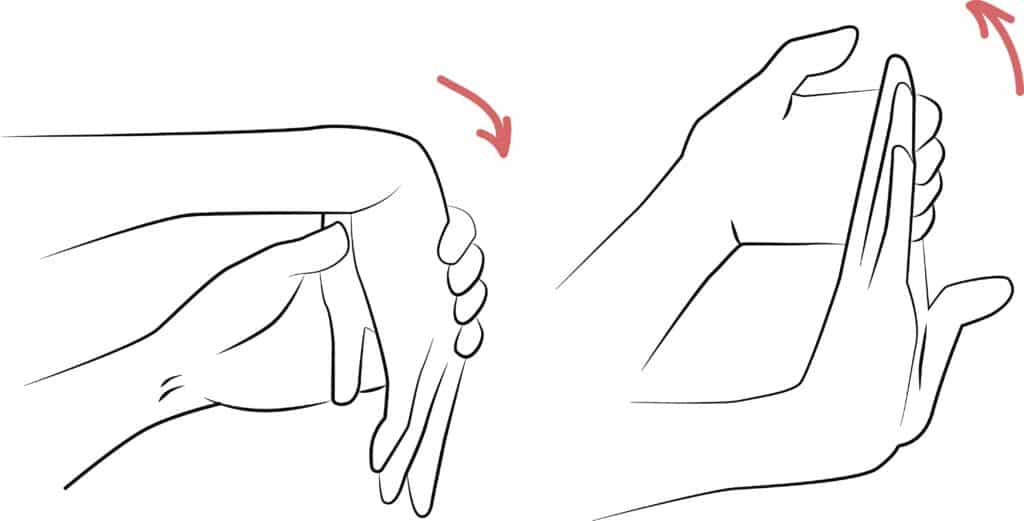
Finger extension: gently bend the fingers back with the other hand and hold for 15 to 30 seconds
Thumb stretch: pull the thumb away from the palm and hold for 15 seconds
Wrist flexor stretch: straighten the arm, bend the wrist down with the palm facing out, and hold
How Long Until I Feel Better?
Recovery varies by cause and how soon you begin appropriate care. Many people improve within days when the issue is temporary. If cramps come from nerve compression or a chronic condition, recovery may take weeks to months with therapy and targeted treatment.
Typical Pattern
Timeframe
What Helps
Acute, activity related
Days to weeks
Rest, hydration, stretching
Recurrent with overuse
Several weeks
Ergonomic changes, therapy
Nerve-related (peripheral nerve compression) or other nerve-related causes
Weeks to months
Specialist evaluation and targeted care
Living With Occasional Hand Cramps
Most people can manage occasional cramps with simple self-care and small changes to daily routines. If cramps limit your work or hobbies, we can help find the right plan so you can stay active and comfortable.
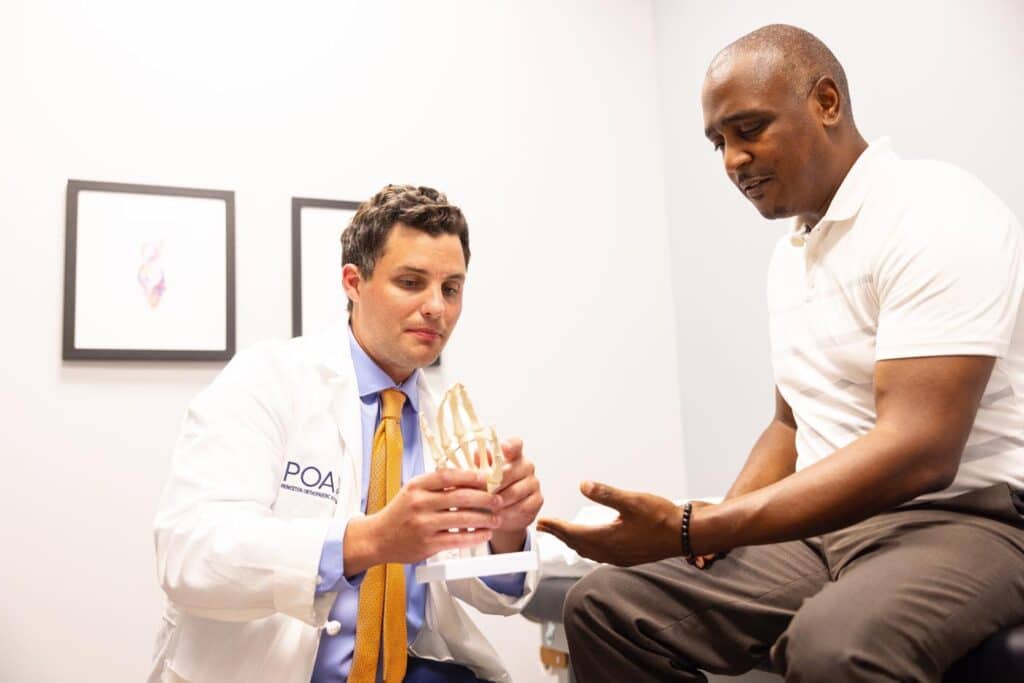
If your cramps are persistent or troubling, schedule an exam with one of our hand specialists. We will review your history, examine your hand, and recommend tests or therapy if needed. Together we will create a plan tailored to your needs.
This blog post is meant to be informative and should not act as a self-diagnosis tool. If you’d like to see one of our doctors, please contact us here.
If you're experiencing hand cramps, or muscle cramps in your hands, it can significantly affect your daily activities. Whether you're typing on a keyboard, cooking a meal, or simply opening a bag or a jar, hand cramps can make these simple, everyday tasks frustrating and sometimes painful. For some people, hand cramps may start subtly—a slight stiffness or discomfort that comes and goes. Over time, the cramps may become more intense and frequent, interfering with work, hobbies, and everyday routines.
Hand cramps are a common yet bothersome issue that can affect anyone. These sudden, involuntary muscle contractions in the hands can cause discomfort, disrupt daily routines, and strike at the most inconvenient times. Understanding why you're experiencing hand cramps is the first step toward finding relief and preventing future episodes.
What Are Muscle Cramps in Hands?
Hand cramps are involuntary muscle spasms or contractions in your hands and fingers. They can appear gradually and range from mild twitching to intense pain and stiffness. Initially, you may notice a mild tightening or twitching sensation in your fingers or palm. As the cramps progress, the stiffness can become more pronounced, sometimes accompanied by sharp or throbbing pain. You might experience involuntary muscle spasms, making it difficult to control fine motor movements.
They can last a few seconds or persist for several minutes and worsen without intervention, making it difficult to use your hands comfortably. Occasional hand cramps may be harmless, but persistent or severe cramping could indicate an underlying health issue that needs attention.
Symptoms of Hand Cramps
It can be easy to ignore or push away the issues you are having with hand cramps, but recognizing the symptoms of when hand cramps are an issue can help you identify and manage them effectively.
While the individual intensity and duration of cramps can vary, the following symptoms are common:
Sudden Muscle Contractions:
Experiencing sudden, involuntary tightening or spasms in the hand muscles that occur unexpectedly and range from mild to severe.
Tingling or Numbness:
Experiencing a prickling sensation or temporary loss of feeling, often caused by poor circulation or nerve compression, may accompany you hand cramps.
Stiffness:
Reduced flexibility in the hands and fingers can make movement difficult and impede the completion of daily tasks.
Pain and Discomfort:
It's common to experience mild to severe aching or sharp pain accompanying muscle cramps; this pain may also linger after the cramp subsides.
Tightness or Swelling:
Experiencing a sensation of fullness or visible swelling in the affected area can indicate muscle strain or fluid retention, further contributing to discomfort.
Fingers Curling or Locking:
Temporary and involuntary bending of the fingers, causing temporary stiffness or difficulty straightening them.
Difficulty Gripping Objects:
Struggling to hold or carry items due to hand stiffness, weakness, or sudden cramps.
Why you can trust us:
We have multiple highly specialized, board-certified, fellowship-trained orthopaedic surgeons.
We know that we serve people - actual humans - not random orthopaedic conditions. That drives us to compassionate care.
The world of orthpaedics is constantly evolving. Our orthopaedic surgeons are constantly evaluating new techniques, tools and methods to serve our community even better.
We provide outcome-focused treatment. We work with our patients to achieve their goals, all while developing custom treatment plans that fit our patient's lives.
Certain daily activities can increase the likelihood of experiencing hand cramps due to muscle strain or fatigue. Identifying your specific triggers can help you make changes to reduce the frequency and intensity that you experience issues with your hands cramping.
Common daily-life causes of muscle cramps in your hands:
Frequent Typing and Desk Work: Extended periods of typing or using a mouse can strain hand muscles. Poor ergonomics and repetitive movements increase the risk of muscle fatigue, leading to cramps. If you spend hours working on a computer without adequate breaks, your hand muscles may become overworked and become prone to spasms.
Lifting Heavy Objects: Frequent lifting or gripping heavy items can overwork the hand muscles, causing painful cramps and muscle tightness. This is particularly common in professions requiring manual labor or during intensive household tasks.
Waking Up From Sleep: Sleep positions that restrict blood flow or place pressure on the hands can lead to morning hand cramps. You may experience a tight, clenched sensation upon waking up, especially if your hands were in an awkward position during the night.
Cooking and Food Preparation: Repetitive hand motions like chopping, cutting, and stirring can cause muscle strain, resulting in sudden cramping sensations. Prolonged food preparation sessions without breaks can exacerbate the issue.
Sports and Physical Activity: Activities that require repeated or forceful hand movements, such as tennis, golf, or weightlifting, can cause cramping due to muscle overuse. Athletes and fitness enthusiasts who push their muscles without sufficient recovery time are particularly vulnerable.
Physical and medical causes of muscle cramps in your hands:
Several physical factors can contribute to hand cramps. Identifying the underlying cause is crucial for effective treatment and prevention.
Here are the most common causes:
Muscle Overuse and Fatigue: Repetitive hand movements without adequate rest can fatigue the muscles, causing cramps. This is common in individuals who type extensively, play musical instruments, or perform manual labor. Overuse can lead to muscle strain, which increases the likelihood of involuntary contractions.
Dehydration: Insufficient hydration can disrupt the balance of electrolytes like potassium and magnesium, leading to muscle cramps. Muscles rely on proper fluid levels to contract and relax efficiently, so staying well-hydrated is essential to maintain optimal muscle function.
Poor Circulation: Conditions that impair blood flow, such as Raynaud's disease or carpal tunnel syndrome, can cause hand cramps by limiting oxygen delivery to muscles. Restricted circulation reduces the availability of essential nutrients, increasing the risk of cramping.
Nutrient Deficiencies: A lack of essential minerals, particularly magnesium, potassium, and calcium, can increase the likelihood of muscle cramps. These nutrients play a vital role in muscle contraction and nerve function, and a deficiency may lead to frequent spasms.
Underlying Medical Conditions: Chronic health issues like arthritis, diabetes, and thyroid dysfunction can affect nerve and muscle health, leading to frequent hand cramps. Neuromuscular conditions can interfere with the normal function of your muscles and cause persistent cramping.
What to do For Muscle Cramps in Hands
If you want to get rid of muscle cramps in your hands, several strategies can provide immediate relief and help prevent future occurrences. Implementing these techniques can reduce the severity and frequency of cramps:
Stretching and Gentle Exercise: Perform regular hand and finger stretches to maintain flexibility and reduce muscle tension. Gentle stretching increases blood flow, helps muscles relax, and alleviates cramps while preventing future occurrences.
Stay Hydrated: Ensure you drink plenty of water throughout the day to prevent dehydration and maintain proper electrolyte balance. Hydrated muscles are less likely to cramp, especially during periods of physical activity.
Warm Compress: Applying a warm compress or soaking your hands in warm water can soothe cramped muscles and enhance blood flow, relieving stiffness and discomfort. Heat therapy can be particularly effective when cramps are caused by poor circulation or muscle fatigue.
Massage Therapy: Gently massaging the cramped muscles improves circulation and promotes muscle relaxation. Apply light pressure to the affected area using your opposite hand to ease tension and encourage blood flow.
Ergonomic Adjustments: Optimize your workstation with ergonomic tools to reduce strain on your hands. Use a comfortable chair, position your keyboard properly, and take regular breaks to stretch. These adjustments can prevent repetitive strain and muscle fatigue.
Dietary Supplements: If you have a confirmed nutrient deficiency, consider taking magnesium or potassium supplements after consulting with a healthcare professional. These minerals play a crucial role in muscle relaxation and nerve signaling, which can prevent future cramps.
While occasional hand cramps are usually harmless, persistent or severe cramps may indicate an underlying medical condition. You should consult an orthopaedic hand specialist if you experience:
Frequent or worsening hand cramps.
Persistent numbness or tingling.
Hand weakness or loss of function.
Cramping that interferes with daily activities.
Our hand specialists can diagnose the cause of your hand cramps and recommend appropriate treatments, such as physical therapy, medication, or specialized care.
Prevention: How to Stop Muscle Cramps in Hands
If you are prone to experiencing hand cramps, you can reduce the frequency and intensity of hand cramps by taking proactive measures.
Similar to treatment for hand cramps but not quite the same, here are some prevention tips:
Hydrate Adequately: Drink sufficient water daily to maintain muscle function and prevent cramps.
Maintain Balanced Nutrition: Ensure your diet includes essential minerals like magnesium, potassium, and calcium.
Practice Regular Stretching: Incorporate hand and finger stretches into your routine to maintain muscle flexibility.
Use Ergonomic Tools: Adjust your work environment to minimize hand strain and fatigue.
Take Breaks: Allow your hands to rest during repetitive tasks to prevent overuse and muscle exhaustion.
Experiencing hand cramps can be uncomfortable and disruptive to your daily functioning. Understanding their causes and adopting preventive measures can help you manage and reduce their occurrence. However, if you are dealing with persistent symptoms, seeking medical advice is essential to identify and address any underlying health conditions and set you down the right treatment path.
This blog post is meant to be informative and should not act as a self-diagnosis tool. If you’d like to see one of our doctors, please contact us here.
If you’ve been experiencing numbness, tingling, or pain in your wrist and fingers, you might be wondering if you have carpal tunnel syndrome. Carpal tunnel is a common condition that affects millions of people. It can significantly impact daily activities. Understanding carpal tunnel syndrome can help you take steps toward relief and prevention.
The Daily Struggle with Carpal Tunnel Syndrome
Living with carpal tunnel syndrome can be incredibly frustrating and disruptive. Simple daily tasks like typing, holding a phone, gripping a steering wheel, or even buttoning a shirt can become painful and difficult. Many people struggle with sleep due to tingling and numbness, waking them up in the middle of the night. Even work productivity can suffer, especially for those in jobs requiring repetitive hand movements, such as office workers, hairstylists, and factory workers. If you have hobbies involving heavy use of your hands, like crocheting, cooking, or playing an instrument, carpal tunnel syndrome can cause them to become challenging. Dealing with this persistent discomfort and unpredictability of symptoms can be frustrating and lead to fatigue, impacting your overall well-being and quality of life.
Carpal Tunnel Syndrome, What is It?
It's a pretty commonly known condition, but what is it? Carpal tunnel syndrome (CTS) happens when the median nerve, running from your forearm into your hand, becomes compressed at your wrist. This nerve passes through the carpal tunnel, which is a narrow passageway in your wrist that is surrounded by your bones and ligaments. This tunnel can become too narrow due to swelling or inflammation, and when this happens, it puts pressure on the median nerve, which leads to the symptoms accompanying carpal tunnel syndrome.
Symptoms of Carpal Tunnel Syndrome
Carpal tunnel symptoms often start gradually and may worsen over time, making it important to know the common signs.
Common signs of possible carpal tunnel syndrome include:
Tingling or numbness: This often affects the thumb, index, middle, and ring fingers, but specifically not the pinky. The sensation can also extend up the arm.
Pain or discomfort: It is common for many people to feel aching or burning pain in the wrist, palm, or forearm.
Weakness: If you have carpal tunnel, you might notice that your grip strength has weakened, making it harder to hold objects or perform fine motor tasks.
Nighttime symptoms: With carpal tunnel syndrome, your symptoms will often worsen at night, sometimes waking you up from sleep with a need to shake out your hands.
The gradual onset of carpal tunnel symptoms can sometimes make it more difficult to realize what might be going on. If you have some or all of these symptoms, we recommend seeing one of our orthopaedic hand & wrist specialists. Seeking a proper diagnosis will help you get set on the right treatment plan for you and relieve your discomfort.
Why you can trust us:
We have multiple highly specialized, board-certified, fellowship-trained orthopaedic surgeons.
We know that we serve people - actual humans - not random orthopaedic conditions. That drives us to compassionate care.
The world of orthpaedics is constantly evolving. Our orthopaedic surgeons are constantly evaluating new techniques, tools and methods to serve our community even better.
We provide outcome-focused treatment. We work with our patients to achieve their goals, all while developing custom treatment plans that fit our patient's lives.
Carpal Tunnel Syndrome Symptoms vs. Cubital Tunnel Syndrome Symptoms
While carpal tunnel syndrome and cubital tunnel syndrome share some similarities, they affect distinctly different areas and nerves. It can seem easy to confuse by name, but once you understand each condition, you can better determine which may be causing your pain.
Below is a quick comparison of the symptoms:
Cubital Tunnel Syndrome
Affects the ulnar nerve at the elbow
Pain radiates from elbow to hand
Symptoms include pinky and ring finger numbness
Symptoms may worsen with elbow flexion
Carpal Tunnel Syndrome
Affects the median nerve at the wrist
Pain typically radiates from wrist to hand
Symptoms include thumb and index finger numbness
Symptoms worsen with wrist flexion
Causes and Risk Factors
Carpal tunnel syndrome can be caused by anything that puts pressure on the median nerve.
Some common causes and risk factors include:
Repetitive hand movements: Frequent typing, using a mouse, or assembly line work can contribute to CTS by causing repetitive strain on the wrist and tendons, leading to swelling.
Wrist position: Holding the wrist in a bent position for long periods, such as when using a phone, sleeping, or driving, can increase the likelihood of nerve compression.
Medical conditions: Conditions such as diabetes, rheumatoid arthritis, thyroid disorders, and obesity can increase inflammation or fluid retention, which may contribute to carpal tunnel syndrome.
Injury or swelling: Fractures, sprains, or direct trauma to the wrist can lead to swelling and narrowing of the carpal tunnel, putting pressure on the median nerve.
Hormonal changes: Pregnancy and menopause can cause issues with fluid retention and swelling. Which increases the risk of developing CTS.
Genetics: It is possible to be genetically prone to carpal tunnel syndrome. Some people can simply be born with a smaller carpal tunnel. Having this smaller tunnel can make you more prone to nerve compression.
Work environment: Jobs that require forceful or repetitive hand movements, vibrating tools, or prolonged wrist flexion can heighten the risk of developing CTS.
If you suspect you have CTS, it's important to see an orhtopaedic specialist to evaluate your symptoms and condition. An orthopaedic hand doctor can accurately diagnose the condition and set you on the right path to finding relief.
What will an orhtopaedic hand doctor do to diagnose your condition:
Physical exam: Checking for tingling, numbness, and muscle weakness.
Tinel’s test: Tapping on the median nerve to see if it triggers tingling.
Phalen’s test: Holding your wrists in a flexed position to see if symptoms develop.
Nerve conduction studies: Measuring how well electrical signals travel through the median nerve.
Imaging: MRI or an ultrasound can create detailed images of the carpal tunnel, helping to confirm CTS and identify any other underlying issues.
Carpal Tunnel Syndrome Treatment
If you are struggling with possible carpal tunnel pain in your wrists, the good news is that carpal tunnel syndrome is treatable! The treatment options for your CTS may vary depending on the severity of your symptoms and may include:
Lifestyle changes: Adjusting work habits such as improving ergonomics, and taking breaks can help relieve pressure on the nerve.
Wrist splints: Wearing a wrist splint, especially at night, can help keep your wrist in a neutral position, letting it rest, and reduce symptoms.
Ice and anti-inflammatory medications: Over-the-counter pain relievers like ibuprofen can be useful to help reduce swelling and discomfort.
Exercises and physical therapy: Specific stretches and strengthening exercises can improve wrist mobility and nerve function.
Steroid injections: For some, steroid injections are a great option to address the pain you are experiencing from your carpal tunnel syndrome. Corticosteroid shots can help reduce the inflammation in your wrist and provide you temporary relief from your pain.
Surgery: In severe cases, a procedure called carpal tunnel release surgery can create more space for the median nerve, relieving symptoms.
While not all cases of CTS can be prevented, you can take steps to lower your risk of developing it.
Here are a few examples of steps you can proactively take to prevent carpal tunnel syndrome:
Maintain proper wrist posture: With the prevalence of desk and keyboard work, improper ergonomics can greatly impact your wrist issues. It can be beneficial to help prevent this if you focus on proper ergonomics and keep your wrists straight while typing and using your mouse.
Take breaks: If your work or hobbies involve performing repetitive tasks, it is important to make sure you give your hands a rest.
Stretch regularly: Regularly doing simple hand and wrist stretches can help keep your median nerve from becoming compressed.
Use ergonomic tools: A well-designed keyboard, mouse, or wrist support can reduce strain.
Stay active and healthy: Managing conditions like diabetes and arthritis can help prevent CTS from developing.
Carpal Tunnel Syndrome Stretches
Here are some simple hand and wrist stretches to help with carpal tunnel syndrome relief:
1. Wrist Flexor Stretch
Extend one arm straight with your palm facing up.
Use your other hand to gently pull your fingers down and back.
Hold for 15–30 seconds, then switch hands.
2. Wrist Extensor Stretch
Extend one arm straight with your palm facing down.
Use your other hand to pull your fingers toward you.
Hold for 15–30 seconds, then switch hands.
3. Prayer Stretch
Place your palms together in front of your chest (like a prayer).
Slowly lower your hands while keeping your palms together until you feel a stretch.
Hold for 15–30 seconds.
4. Median Nerve Glide
Make a fist with your thumb tucked in.
Slowly open your fingers, extending them straight.
Then extend your thumb outward and stretch your wrist back slightly.
Repeat 5–10 times on each hand.
5. Shake It Out
Gently shake your hands for 10–15 seconds to relieve stiffness.
Try doing these 2–3 times a day to help with flexibility and reduce tension.
When to See a Doctor
If you’re experiencing persistent symptoms that are gradually worsening and interfere with daily activities, it’s best to see a healthcare provider. Seeking early intervention can prevent your condition from worsening and help you find relief sooner.
Carpal tunnel syndrome is a common but manageable condition. Understanding the symptoms, causes, and treatment options can help you take the right steps to relieve your discomfort and protect your hands! If you suspect you have CTS, making small changes now can make a big difference in your long-term hand health!
This blog post is meant to be informative and should not act as a self-diagnosis tool. If you’d like to see one of our doctors, please contact us here.
Understanding Cubital Tunnel Syndrome
If you are living with cubital tunnel syndrome, it can make your daily functioning uncomfortable and challenging. Imagine waking up daily with tingling sensations in your pinky and ring fingers, sometimes accompanied by sharp pain radiating from your elbow down to your hand. Pain like this causes everyday activities like typing, using your phone, or even holding a cup can become cumbersome. Many people describe feeling a "clumsy" grip or dropping things unexpectedly. This frustrating condition arises from the ulnar nerve, which runs from your shoulder to your hand, being compressed at the elbow, often resulting in persistent discomfort and limited mobility. Read on to learn more about cubital tunnel syndrome.
What Causes Cubital Tunnel Syndrome?
Cubital tunnel syndrome, sometimes confused with carpal tunnel syndrome, occurs when the ulnar nerve, a nerve that runs along the inner side of your elbow, becomes compressed.
Several factors contribute to this compression:
Repetitive Elbow Flexion: Frequent bending of your elbow, such as during work or sports, can irritate your ulnar nerve.
Elbow Injury: Trauma to your elbow, such as fractures or dislocations, can lead to swelling or bone spurs that pinch the nerve.
Anatomical Factors: Some people may have a naturally narrower cubital tunnel which increases the likelihood of nerve entrapment.
Posture: Poor posture while sitting or sleeping can place undue stress on the elbow and nerve.
Cubital Tunnel Syndrome Symptoms
The symptoms of cubital tunnel syndrome often manifest as follows:
A numbness or tingling in your ring and pinky fingers.
Weakness in your grip strength, particularly in your affected hand.
A feeling of clumsiness when you are handling objects.
Pain that radiates from your elbow to your hand, especially when your elbow is flexed for prolonged periods.
If you're experiencing hand pain but these symptoms don't match up, take a look at our comprehensive blog on numbness and tingling in your hands.
Why you can trust us:
We have multiple highly specialized, board-certified, fellowship-trained orthopaedic surgeons.
We know that we serve people - actual humans - not random orthopaedic conditions. That drives us to compassionate care.
The world of orthpaedics is constantly evolving. Our orthopaedic surgeons are constantly evaluating new techniques, tools and methods to serve our community even better.
We provide outcome-focused treatment. We work with our patients to achieve their goals, all while developing custom treatment plans that fit our patient's lives.
Cubital Tunnel Syndrome Symptoms vs. Carpal Tunnel Syndrome Symptoms
While cubital tunnel syndrome and carpal tunnel syndrome share some similarities, they affect distinctly different areas and nerves. By name, it can seem easy to confuse, but once you understand each condition, you can better determine which may be causing your pain.
Below is a quick comparison of the symptoms:
Cubital Tunnel Syndrome
Affects the ulnar nerve at the elbow
Pain radiates from elbow to hand
Symptoms include pinky and ring finger numbness
Symptoms may worsen with elbow flexion
Carpal Tunnel Syndrome
Affects the median nerve at the wrist
Pain typically radiates from wrist to hand
Symptoms include thumb and index finger numbness
Symptoms worsen with wrist flexion
What Causes Cubital Tunnel Syndrome Symptoms?
Symptoms of cubital tunnel syndrome arise due to compression or irritation of the ulnar nerve. When your ulnar nerve is compressed, it can lead to dysfunction in the hand, causing numbness, weakness, and pain.
Cubital Tunnel Syndrome Treatment
Prevention can be the first line of treatment for cubital tunnel syndrome. You can help prevent it by making some easy lifestyle adjustments.
Common lifestyle adjustments for cubital tunnel prevention may include:
Modify Activities: Reduce repetitive elbow bending and take frequent breaks if your job or activities require it.
Maintain Good Posture: Ensure your workspace is ergonomically friendly to minimize strain on your elbows.
Use Proper Protective Gear: If you plan to participate in activities that have a risk of elbow injury, wearing a protective brace or padding can help prevent cubital tunnel syndrome.
Caring for Cubital Tunnel Syndrome
Once diagnosed, it is important to take the proper steps to manage and alleviate your symptoms effectively.
At-Home Treatments
Rest: Allow your elbow to recover by reducing activities that exacerbate symptoms.
Cold Therapy: Apply ice to your elbow for 15-20 minutes at a time to help reduce your pain and inflammation.
Cubital Tunnel Syndrome Brace: Wearing a brace can help keep the elbow straight and reduce pressure on the ulnar nerve.
Pain Relief: Over-the-counter medications, such as ibuprofen or acetaminophen, can help you manage the discomfort.
What to Avoid
Prolonged Elbow Flexion: Avoid activities that require holding the elbow bent for extended periods, such as talking on the phone without a headset.
Repetitive Movements: Limit repetitive movements that irritate the elbow, like typing or playing musical instruments.
Cubital Tunnel Syndrome Exercises
Performing cubital tunnel syndrome exercises, gentle stretches and strengthening exercises, can help relieve tension around the ulnar nerve. Here are a few recommended exercises:
Nerve Glides:
To do this exercise, gently move your wrist and fingers while keeping your elbow straight to help stretch the ulnar nerve.
Wrist Flexor Stretch:
Extend your arm and pull back your fingers gently to stretch the wrist flexors. This works by helping to alleviate pressure on the nerve.
Elbow Straightening:
Straighten your arm and hold for a few seconds, repeating several times to promote flexibility.
If cubital tunnel syndrome symptoms persist despite at-home care, it may be time to consult an orthopaedic surgeon.
Here are signs that indicate the need for professional intervention:
Persistent pain or numbness that disrupts daily activities.
Weakness in grip strength that is affecting your ability to perform tasks.
Symptoms that worsen over time or do not improve with home treatment.
What Type of Orthopaedic Surgeon Should Be Seen?
When seeking help for cubital tunnel syndrome, look for an orthopaedic surgeon specializing in elbow, hand and wrist, and upper extremities. These specialists have the expertise to provide comprehensive care tailored to your needs.
What Does Treatment Look Like?
Treatment for cubital tunnel syndrome may vary based on the severity of the condition:
Non-Surgical Options: Initial treatments may include physical therapy, corticosteroid injections, and continued use of a cubital tunnel syndrome brace. A physical therapist may be able to help you with specific exercises that can improve flexibility and strength.
Surgical Options: If conservative treatment approaches aren't providing you relief, surgery may be necessary to decompress the ulnar nerve. Surgical options may include:
Cubital Tunnel Release: Enlarging the cubital tunnel to alleviate pressure on the nerve.
When to Seek Urgent Care for Cubital Tunnel Syndrome Symptoms
If you experience sudden loss of sensation, severe pain, or an inability to move your fingers, seek urgent medical attention. These intense symptoms may indicate a more serious issue requiring immediate intervention. When in doubt, we recommend visiting one of our urgent care locations as soon as possible.
Need Care Now? POA Has Six Urgent Care Facilities
Monroe
11 Centre Drive Monroe Twp., NJ 08831
Plainsboro
5 Plainsboro Road, Suite 100 Plainsboro, NJ 08536
Robbinsville
1 Union Street Suite 305 Robbinsville, NJ 08691
Princeton
325 Princeton Avenue Princeton, NJ 08540
Hillsborough
315 US Highway 206 Hillsborough Township, NJ 08844
Although living with cubital tunnel syndrome can be a daily challenge, with the right knowledge and proactive care, you can manage your symptoms effectively. Understanding the condition, seeking timely help from the right orthopaedic specialist, and implementing preventive measures can significantly improve your quality of life.
If you are struggling with symptoms or suspect you may have cubital tunnel syndrome, don't hesitate to schedule an appointment with POA's specialists. Our experienced team is dedicated to providing personalized care with a treatment plan tailored to your needs.
This blog post is meant to be informative and should not act as a self-diagnosis tool. If you’d like to see one of our doctors, please contact us here.
After a long day of typing away at your desk, you finally sit down to relax. As you unwind, you start noticing a twitching in your thumb that you can't control. The tiny, repetitive jerks are persistent and a bit unsettling, making you wonder if something from your busy day is catching up with you and causing this issue.
What Is Thumb Twitching?
Thumb twitching, also known as thumb fasciculation, is an involuntary movement of the thumb that can be subtle or pronounced. This twitching is usually harmless but can be bothersome and cause concern. The thumb may twitch or jerk sporadically, often without any accompanying pain or discomfort.
Symptoms Associated with Thumb Twitching
The primary symptom of thumb twitching is the involuntary movement of the thumb. Other associated symptoms might include:
Muscle Twitching: Involuntary muscle contractions in the thumb.
Tremors: Slight shaking or trembling of the thumb.
Discomfort: If you have mild discomfort or a feeling of tightness in your the thumb.
Why is My Thumb Twitching?
Your thumb twitching can arise from multiple factors, at various times, and under different conditions.
Here's when you might experience thumb twitching:
During Periods of Stress or Anxiety:
If you have high levels of stress or anxiety regulary, this can lead to muscle twitches. Muscle twitching, including in the thumb, can be a physical manifestation of this stress or anxiety. The thumb is a common area where this might occur due to its frequent use.
Mental Health:
Chronic stress, anxiety, or mental health issues can contribute to muscle twitching. Addressing these factors through counseling or therapy may help alleviate symptoms.
After Repetitive Use:
Engaging in activities that involve repetitive thumb movements, such as typing, texting, or playing musical instruments, can lead to muscle fatigue and thumb twitching.
Lack of Sleep:
Poor sleep can contribute to muscle spasms and twitching.
When Tired or Fatigued:
Overuse of the thumb, especially in activities requiring repetitive motion (like typing or texting), can lead to muscle fatigue and twitching. Overuse or lack of rest can cause muscle spasms or twitching. If you've been using your thumb extensively without breaks, you might experience twitching.
During Relaxation or Rest:
Sometimes, you might notice your thumb twitching while at rest or falling asleep; this can occur as the muscles transition from an active to a relaxed state.
After Consuming Stimulants:
If you are consuming excessive caffeine or other stimulantsit can lead to muscle spasms and twitching. You might feel it after drinking coffee, energy drinks, or taking stimulant medications.
During or After Exercise:
Muscle twitching can occur after intense physical activity or exercise, especially if your thumb muscles are involved in your activities.
Dehydrated or Nutritionally Deficient:
Low levels of essential nutrients or dehydration can contribute to muscle twitching. You might feel it if you haven't been drinking enough water or have a poor diet. It can also cause muscle twitches if you are lacking essential nutrients, such as magnesium or potassium.
Medication Side Effects:
Certain medications can cause muscle twitching as a side effect. If you've started a new medication and notice twitching, it might be related.
Cold Weather:
Exposure to cold temperatures can cause muscles to contract and twitch. If you're in a cold environment, you might feel your thumb twitching more.
Neurological Issues:
In some cases, thumb twitching can be linked to neurological conditions. It may warrant further investigation if you notice persistent or unusual twitching, especially if other symptoms accompany it. Although less common, thumb twitching can be a symptom of neurological conditions such as Parkinson's disease or multiple sclerosis.
Recognizing when and under what conditions thumb twitching occurs can help identify potential triggers and contribute to effective management and treatment strategies.
How to Treat Thumb Twitching
In many cases, thumb twitching resolves on its own without the need for medical intervention. However, there are several strategies to alleviate and manage the condition:
Reduce Stress:
Practicing relaxation techniques such as deep breathing, meditation, or yoga can help you to manage stress levels.
Adjust Your Diet:
Ensure you get adequate vitamins and minerals. A balanced diet helps prevent deficiencies that cause muscle twitches.
Limit Caffeine and Stimulants:
Reduce caffeine intake and other stimulants to see if it alleviates the twitching.
Take Breaks:
If you use your thumb extensively, you should take regular breaks to rest and stretch the muscles.
Stay Hydrated:
It is important to drink plenty of water; this will help to keep your muscles hydrated and functioning properly.
Consult a Specialist:
If the twitching is persistent or is accompanied by other symptoms, it may be beneficial for you to consult with an orthopedic specialist so they can help you address your thumb twitching issues.
If thumb twitching is persistent, worsening, or associated with other symptoms like pain, weakness, or difficulty moving the thumb, it's advisable to seek medical attention. An orthopedic specialist at POA can help diagnose underlying conditions that may be contributing to the twitching and provide appropriate treatment.
When to Seek Immediate Help
Severe Symptoms: If you experience severe pain, loss of function, or other neurological symptoms (like significant weakness, numbness, or changes in sensation), seek immediate medical attention. Severe symptoms like this could indicate a more serious underlying condition.
Progressive Changes: If the twitching worsens or you notice other concerning symptoms, it's essential to consult with a healthcare professional promptly.
Related Hand and Finger Issues
Thumb twitching can sometimes be related to other hand or finger issues, including:
Carpal Tunnel Syndrome: If you have compression of the median nerve in your wrist, it can lead to symptoms such as tingling, numbness, and muscle twitching in the hand.
Tendonitis: Inflammation of the tendons in the thumb can cause discomfort and twitching.
Trigger Finger: This is a condition in which the fingers or thumb get stuck in a bent position and may twitch or snap when moving.
Other Helpful Tips for Your Thumb Twitching
Monitoring and Documentation
Keep a Journal
Documenting when the twitching occurs, its duration and any associated activities or triggers can help identify patterns and potential causes. Sharing this information at an appointment with an orthopaedic hand specialist can be helpful in diagnosing and treating the condition.
Lifestyle Adjustments
Ergonomic Adjustments:
If your thumb twitching is related to repetitive tasks, adjusting your workspace to be more ergonomic might help. For example, using an ergonomic keyboard or adjusting your hand position can reduce strain on your thumb.
Physical Therapy:
In some cases, a physical therapist can provide you with exercises and techniques that will strengthen your muscles and improve flexibility, which can help alleviate your thumb twitching.
Alternative Therapies
Acupuncture:
Some people find relief from muscle twitching through alternative therapies like acupuncture, which may help balance energy and reduce stress.
Massage Therapy:
Gently massaging the affected area can help relax the muscles and reduce twitching.
Thumb twitching is usually benign and temporary. Understanding the causes, symptoms, and triggers can help you effectively manage and alleviate the problem. If you have concerns or the twitching is persistent, seeking advice from an orthopedic specialist at POA can provide clarity and ensure appropriate care. Remember, caring for your hands and fingers is essential for overall well-being and quality of life.
This blog post is meant to be informative and should not act as a self-diagnosis tool. If you’d like to see one of our doctors, please contact us here.
Understanding Bone Spurs
Have you ever experienced a sharp pain in your foot when taking your first steps in the morning or a nagging ache in your shoulder that won't go away? You might be dealing with a foot or shoulder bone spur. These small, bony growths can develop in various parts of the body, causing discomfort and limiting your mobility.
What is a Bone Spur?
A bone spur, also known as osteophyte, is a bony projection that forms along the edges of bones. These growths typically develop where bones meet each other in the joints. While bone spurs are not necessarily painful, they can cause problems when they rub against nearby nerves or tissues.
What Causes Bone Spurs?
Bone spurs often develop in response to pressure, rubbing, or stress on a bone over time.
Common causes include:
Osteoarthritis
Osteoarthritis is a degenerative joint disease and one of the most common causes of bone spurs. As the protective cartilage between bones wears down over time, the body may respond by forming extra bone around the affected joint edges, resulting in bone spurs.
Repetitive Stress or Overuse
Activities that involve repetitive motions or stress on specific joints, such as regularly lifting heavy objects, running, or jumping, can lead to the formation of bone spurs. Over time, the constant pressure on the bones can cause them to develop extra bony growths.
Age-related Wear and Tear
As people age, the cartilage in their joints naturally begins to deteriorate. This can result in increased bone friction, leading to bone spurs, especially in weight-bearing joints like the spine, knees, or hips.
Joint Diseases
Inflammatory joint conditions such as rheumatoid arthritis, ankylosing spondylitis, or gout can cause inflammation and damage to the joint tissues, leading to bone spur formation as the body tries to repair itself.
Poor Footwear
Regularly wearing footwear that doesn't provide adequate support or has an improper fit, such as narrow shoes and high heels, can lead to the development of bone spurs in the feet, particularly in the heel area.
Trauma or Injury
Previous joint injuries, such as fractures, dislocations, or ligament tears, can cause the body to produce extra bone in the healing process; this has the potential to lead to the formation of bone spurs in the affected area.
Genetics
Some individuals can have a genetic predisposition to developing bone spurs. Certain inherited conditions or structural abnormalities can increase the likelihood of spur formation, even without other contributing factors.
Obesity
Excess body weight is known to put added stress on joints, such as the spine, knees, and hips. Over time, this increased pressure can lead to wear and tear and the development of bone spurs.
Understanding these common causes can help individuals take preventive measures and seek appropriate treatment if they experience symptoms of bone spurs.
Why you can trust us:
We have multiple specialists who treat these conditions every day.
Our orthopaedic doctors are specialized, which means you can see a doctor who works solely with the part of the body you are having issues with.
We have a whole-body health approach when it comes to orthopaedic health, and along with orthopaedic specialists, we have a team of physiatrists and physical therapists here to help you get back to the things you love.
A bone spur can form in various parts of the body, including:
Foot:
A bone spur in the foot, especially the heel (heel spurs), can cause sharp pain, particularly during activities like walking or standing.
Symptoms: Heel pain, tenderness, difficulty bearing weight on the affected foot.
Shoulder:
A shoulder bone spur can form on the acromion (the bony process on the shoulder blade) or on the joint surfaces where the collarbone and shoulder blade meet. These spurs can result from overuse, injury, or age-related wear and tear.
Symptoms: Shoulder pain, stiffness, weakness, difficulty raising the arm.
Elbows:
Bone spurs in the elbows can develop in conditions like tennis elbow (lateral epicondylitis) or golfer's elbow (medial epicondylitis), where the tendons attaching to the elbow become inflamed and may develop spurs over time.
Symptoms: Elbow pain, tenderness, difficulty bending or straightening the arm.
Hands:
Bone spurs can form in the joints of the fingers or thumbs, often due to osteoarthritis or repetitive use of the hands.
Symptoms:
Joint pain,
swelling,
stiffness,
bony nodules.
Knees:
Bone spurs in the knees can form around the joint due to osteoarthritis or other conditions that cause wear and tear on the joint cartilage.
Symptoms: Knee pain, swelling, stiffness, decreased range of motion.
Spine:
Bone spurs in the spine, also called osteophytes, can occur along the edges of vertebrae. They can develop due to degenerative conditions where the cartilage between vertebrae breaks down, like osteoarthritis, causing bone-on-bone contact.
Symptoms: Back pain, stiffness, radiating pain or numbness.
Hips:
Hip bone spurs can develop in the hip joint, particularly in individuals with hip osteoarthritis or a condition known as femoroacetabular impingement (FAI), where abnormal contact between the ball and socket of the hip joint occurs.
Symptoms:
Hip pain,
stiffness,
reduced range of motion.
What Does a Bone Spur Feel Like?
While your symptoms can vary depending on the location of the bone spur, common signs include the following:
If you suspect you have a bone spur, it's essential to consult with a healthcare professional. Your doctor, typically an orthopedic surgeon, will perform a physical examination, ask questions, and may order diagnostic tests such as X-rays or MRI scans to confirm the diagnosis.
Bone Spur Treatment Options
Fortunately, there are several treatment options available for bone spurs, ranging from conservative measures to surgical intervention:
Medication: Over-the-counter pain relievers may be recommended to help alleviate discomfort. OTC pain relievers such as ibuprofen or acetaminophen.
Physical Therapy: Stretching and strengthening exercises are often recommended because they can improve flexibility and reduce symptoms.
Orthotics: With a foot bone spur, orthotics may be recommended. These custom shoe inserts help provide support and relieve pressure on the affected area.
Injections: Corticosteroid injections may be recommended to reduce the inflammation and help alleviate your pain.
Surgery: In more severe cases where conservative treatments are unsuccessful, it may be recommended to have surgical removal of the bone spur.
How to Dissolve Bone Spurs Naturally
While there's limited scientific evidence to support natural remedies for dissolving bone spurs, some people find relief through:
A healthy diet consisting of anti-inflammatory foods such as fruits, vegetables, as well as omega-3 fatty acids may help reduce inflammation.
Maintaining a healthy weight to lessen the added strain on your joints, potentially slowing the progression of bone spurs.
Some individuals report benefits from supplements like glucosamine and chondroitin, though results vary.
While there is limited scientific evidence that these techniques will dissolve bone spurs naturally, they are great lifestyle choices and will contribute to your overall well-being even if they don't.
Don't Live with Bone Spurs - Seek Help
Living with bone spurs can significantly impact your quality of life, but you don't have to suffer in silence. If you're experiencing persistent pain or discomfort, schedule an appointment with one of our specialists. They can thoroughly evaluate and recommend the most effective treatment plan to help you get back to doing what you love. Don't let bone spurs hold you back any longer!
What Are Common Finger Issues?
From simple tasks like typing on a keyboard to more complex activities like playing sports, our fingers are integral to almost everything we do. Whether it's the discomfort of trigger finger or the frustration of thumb twitching, these common issues can make even the simplest tasks challenging. Understanding their causes, symptoms, and available treatments is essential for effectively managing these conditions and returning to living without constant discomfort.
With how integral our hands are in our day-to-day activities, it's not surprising that there are problems that can arise.
Why Is My Finger Stuck?
It can be a bit scary if your finger gets stuck or locked in a position. This condition is known as Trigger Finger. Trigger finger is caused by the tendons in the finger becoming inflamed and thickened, making it difficult for the tendon to move smoothly through its sheath. This can result in the finger getting stuck in a bent position, accompanied by pain, stiffness, and a popping or clicking when moving the finger. For more information, see our blog on trigger finger.
Causes: Repetitive gripping or activities involving the hands, tendon inflammation, or underlying medical conditions.
Symptoms: Finger stiffness, popping or clicking sensation when moving the finger, pain at the base of the affected finger, difficulty straightening or bending the finger.
Common Treatments: Rest, splinting, anti-inflammatory medication, corticosteroid injections, physical therapy, surgery to release the affected tendon.
If you have a twitching thumb, it may be a condition called Thumb Twitching. This is involuntary movements of twitches in the thumb. This can be caused by overuse of the thumb muscles, stress, fatigue, or underlying neurological conditions such as carpal tunnel syndrome or nerve compression. It often presents with weakness, tingling, or numbness in the thumb.
Causes: Overuse of thumb muscles, stress, fatigue, neurological conditions like carpal tunnel syndrome or nerve compression.
Symptoms: Involuntary thumb movements or twitches, weakness, tingling, or numbness in the thumb.
Common Treatments: Rest, stress reduction techniques, addressing underlying neurological conditions if present.
Why Do I Have Numbness In My Fingers?
Numbness in fingers can be indicative of Carpal Tunnel Syndrome. This condition is caused by compression of the median nerve in the wrist and can lead to numbness, tingling, weakness, or pain in the thumb, index, middle, and half of the ring finger. It may be exacerbated by repetitive motions, injury, or underlying health conditions like arthritis. Learn more from our Carpal Tunnel Syndrome 101 blog.
Causes: Compression of the median nerve in the wrist due to repetitive motions, injury, or underlying health conditions like arthritis.
Symptoms: Numbness, tingling, or weakness in the thumb, index, middle, and half of the ring finger, pain or discomfort in the wrist or hand.
Common Treatments: Wrist splinting, anti-inflammatory medication, corticosteroid injections, physical therapy, surgery to release the carpal tunnel.
Why Do I Have Stiff Fingers?
Sometimes inflammation of the joints in your fingers can be caused by Arthritis, either Osteoarthritis or Rheumatoid Arthritis. Arthritis is inflammation of the joints that can affect your fingers and thumb. Osteoarthritis results from degenerative changes in joint cartilage. Rheumatoid arthritis is an autoimmune condition that causes joint inflammation. Symptoms include joint pain, stiffness, swelling, and reduced range of motion. Learn more about Hand Arthritis.
Causes: Degenerative changes in joint cartilage (osteoarthritis) or autoimmune inflammation (rheumatoid arthritis).
Symptoms: Joint pain, stiffness, swelling, reduced range of motion, deformities in the fingers or thumb.
Common Treatments: Pain medication, anti-inflammatory drugs, corticosteroid injections, physical therapy, splinting, joint protection techniques, surgery in severe cases.
Why Do I Have Stiff Fingers?
That wasn't a typo! Stiff fingers can also be caused by Tendonitis. How do you tell the difference? As mentioned above, the root of stiff fingers with Arthritis is inflammation of the joints. Tendonitis is inflammation of the tendons, often due to overuse, repetitive motions, or injury. It commonly presents with pain, swelling, tenderness, or warmth around the affected tendon, along with limited mobility.
Causes: Overuse, repetitive motions, injury, or inflammatory conditions.
Symptoms: Pain, swelling, tenderness, or warmth around the affected tendon, limited mobility.
Common Treatments: Rest, ice, anti-inflammatory medication, physical therapy, corticosteroid injections, splinting, and modifying activities.
Why Can't I Straighten My Fingers Out?
If your fingers won't straighten it may be Dupuytren's Contracture, a condition characterized by the thickening of tissue in the palm, leading to fingers being pulled into a bent position. The cause is often unknown but may involve genetic factors, injury, or certain medical conditions. It can result in finger stiffness and an inability to fully straighten the fingers.
Causes: Unknown, but may involve genetic factors, injury, or certain medical conditions.
Symptoms: Thickening of tissue in the palm, finger stiffness, inability to fully straighten the fingers.
Common Treatments: Observation for mild cases, collagenase injections, needle aponeurotomy, surgery (fasciectomy).
Why Is There Pain at The Base of My Thumb?
De Quervain's Tenosynovitis is inflammation of the tendons at the base of the thumb. It typically occurs due to overuse, repetitive thumb movements, or direct injury. Symptoms include pain, swelling, and tenderness at the base of the thumb, often accompanied by difficulty gripping or pinching.
Causes: Overuse, repetitive thumb movements, direct injury, or inflammatory conditions.
Symptoms: Pain, swelling, or tenderness at the base of the thumb, difficulty gripping or pinching.
Common Treatments: Rest, splinting, anti-inflammatory medication, corticosteroid injections, physical therapy, surgery (in severe cases).
Why Do I Have a Lump In My Wrist?
Ganglion Cysts are non-cancerous lumps or masses that typically form along the tendons or joints of the wrist or fingers. The cause is often unclear, but they may result from joint or tendon irritation, trauma, or unknown factors. Symptoms include pain or discomfort and a visible lump that may interfere with movement. Read more about Understanding Ganglion Cysts.
Causes: Joint or tendon irritation, trauma, or unknown causes.
Symptoms: Pain or discomfort, visible lump or mass, may interfere with movement.
Common Treatments: Observation, aspiration (draining the fluid), corticosteroid injections, surgery (excision).
Mallet Finger, also known as Baseball Finger, is caused by an injury to the extensor tendon at the tip of the finger, leading to an inability to fully straighten the fingertip. This often happens due to direct trauma or forceful impact, such as during sports activities.
Causes: Direct trauma or forceful impact on the tip of the finger, often during sports activities.
Symptoms: Inability to straighten the fingertip, drooping finger, pain, swelling.
Common Treatments: The fingertip is splinted in extension for 6-8 weeks, and sometimes, surgery may be needed in severe cases.
What Is Jersey Finger?
Jersey Finger is not something that can only happen in New Jersey. Jersey Finger is an injury to the flexor tendon in the finger, typically occurring when forcefully trying to extend the finger while it is flexed. This can happen during sports or physical activities and results in an inability to flex the finger at the distal joint.
Causes: Forceful extension of a flexed finger, often during sports or physical activities.
Symptoms: Inability to flex the finger at the distal joint, pain, swelling, and tenderness.
Common Treatments: Surgical repair of the torn tendon, sometimes followed by rehabilitation.
Should I See an Orthopaedic Hand & Wrist Doctor?
These finger conditions, from trigger finger to arthritis, can disrupt your daily routine and cause significant discomfort. While mild cases may respond well to at-home treatments such as rest, ice, splinting, and over-the-counter pain medications, more severe or persistent symptoms may require intervention from an orthopedic surgeon.
If you experience persistent pain, swelling, or difficulty performing everyday tasks despite home remedies, it's crucial to seek help from a specialist. Our orthopaedic hand specialists will provide a thorough evaluation, diagnosis, and a tailored treatment plan to address your specific needs. Don't let finger problems hold you back from enjoying life to the fullest. Take your first step towards relief and contact us to schedule today. Your fingers will thank you!
This blog post is meant to be informative and should not act as a self-diagnosis tool. If you’d like to see one of our doctors, please contact us here.
Knowing When to Seek Help From a Hand Doctor for Hand Issues
Experiencing discomfort or limitations in your hand's function can disrupt your daily life. Knowing when to consult a hand doctor is essential for getting the proper care, whether it's from an injury or a persistent condition. But what exactly is a hand doctor, and when should you consider seeing one?
What Is a Hand Doctor?
Hand doctors, often orthopedic specialists, are experts in diagnosing, treating, and preventing disorders affecting the hand, wrist, and forearm. With their deep understanding of the intricate network of tissues and bones in the hand, they provide tailored care for people of all ages dealing with hand-related issues.
Seeing a hand specialist, such as an orthopedic surgeon or a hand surgeon, can offer several advantages over seeing a general doctor for hand issues:
Expertise
Hand specialists have specific training and experience in diagnosing and treating conditions that affect the hands, wrists, and forearms. They possess a deeper understanding of the complex anatomy and biomechanics of the hand, allowing for more accurate diagnosis and effective treatment.
Specialized treatment options
Hand specialists are familiar with a wide range of treatment options specific to hand conditions, including conservative approaches such as physical therapy and splinting and surgical interventions if necessary. They can tailor treatment plans to address individual patient needs and preferences.
Advanced procedures
In cases where surgery is required, hand specialists are trained in advanced surgical techniques specific to hand and wrist conditions. They have the skills and experience to perform delicate procedures with precision, minimizing risks and maximizing outcomes.
Comprehensive care
Hand specialists often work closely with other healthcare professionals, such as physical therapists, to provide comprehensive care for hand conditions. They can coordinate multidisciplinary treatment plans to optimize recovery and functional outcomes.
Better outcomes
Research has shown that patients receiving care from specialists tend to have better outcomes than those treated by general practitioners. Hand specialists can offer specialized expertise and personalized care, leading to improved symptom relief, functional recovery, and overall satisfaction with treatment outcomes.
While general doctors can provide initial evaluation and basic treatment for hand issues, seeing a hand specialist can offer specialized expertise and tailored care that may lead to better outcomes in the long run. If you're experiencing hand problems, consulting with a hand specialist can help ensure you receive the most tailored, appropriate, and effective care for your condition.
Meet Our Orthopaedic Hand & Wrist Specialists
Why you can trust us:
We have multiple Orthopaedic Hand & Wrist Specialists who treat hand & wrist-related injuries every day.
We believe in the power of specialization. That means that our patients receive care from doctors, therapists, and orthopaedic wrist, forearm, and hand specialists who treat orthopaedic wrist, forearm, and hand issues on a daily basis.
We have a whole-body health approach when it comes to orthopaedic hand and wrist and we will make sure that your condition is treated as thoroughly as possible so that you can get back to living life.
From arthritis to nerve problems and fractures, various conditions can affect hand health. Whether from sudden injuries or gradual wear and tear, these issues can impair function and cause discomfort.
These are some of the common hand issues that can cause pain or discomfort:
Arthritis: Both osteoarthritis and rheumatoid arthritis can affect the hands, causing pain, stiffness, and reduced mobility.
Carpal Tunnel Syndrome: Compression of the median nerve in the wrist can lead to numbness, tingling, and pain in the hand and fingers.
Tendonitis: Inflammation of the tendons in the hand, such as De Quervain's tenosynovitis or trigger finger, can cause pain and limited movement.
Fractures: Broken bones in the hand, fingers, or wrist can result from trauma or repetitive stress, causing pain and swelling.
Dupuytren's Contracture: Thickening of tissue in the palm can cause fingers to bend inward, resulting in discomfort and difficulty with hand function.
Nerve Entrapment Syndromes: Conditions like cubital tunnel syndrome or radial tunnel syndrome can lead to pain, numbness, and weakness in the hand and forearm.
Ganglion Cysts: Fluid-filled sacs near joints or tendons can cause discomfort and may interfere with hand movement.
Tendon Injuries: Injuries to the flexor or extensor tendons of the hand can cause pain, swelling, and difficulty with gripping and extending the fingers.
Hand Injuries: Traumatic injuries such as lacerations, crush injuries, or dislocations can cause significant pain and functional impairment.
Wrist Instability: Weakness or laxity in the wrist ligaments can lead to pain, instability, and difficulty with activities requiring wrist movement.
Recognizing symptoms and seeking timely evaluation and treatment from a hand specialist can help alleviate pain and prevent long-term complications.
Treatment for hand conditions varies based on diagnosis and severity. In many situations these non-surgical methods are often attempted first. However, surgical intervention might be necessary if these methods prove ineffective or if significant damage exists.
Non-Surgical Hand Treatment
Therapy
Splinting
Medications
Surgical Treatment
Tendon repair
Joint reconstruction
Nerve surgery
These procedures aim to both alleviate pain and restore function, offering hope for improved quality of life.
When Should I Seek Out A Hand Doctor Near Me?
Hand pain and issues may fluctuate, potentially arising from overuse or a previous injury. Sometimes though, more attention is required.
Here are some signs that it's time to find an orthopaedic hand specialist near you:
Persistent Pain
Even when resting, ongoing discomfort in your hand warrants attention.
Limited Mobility
Difficulty moving your hand, wrist, or fingers as usual could indicate an underlying problem.
Weak Grip
Struggling to hold objects or experiencing weakness in your grip might signify an issue.
Swelling or Redness
If you're experiencing swelling or redness, especially if these symptoms worsen with activity, it may require professional evaluation.
Tingling or Numbness
Sensations of tingling or numbness in your hand or fingers can indicate nerve-related issues.
Loss of Muscle Tone
Don't discount or ignore noticeable changes in the strength or tone of your hand muscles.
Daily Tasks Becoming Challenging
If activities like brushing your hair become painful or difficult, it's time to seek help.
Lack of Improvement
If symptoms persist despite rest or self-care measures, it's wise to consult a specialist.
Your hands play a vital role in daily activities, making it crucial to address any issues affecting their function promptly. By recognizing symptoms and seeking timely care from a hand specialist, you can embark on a journey toward better hand health and overall well-being.
If you're experiencing hand and wrist pain keep these things in mind:
Monitor Symptoms: Keep an eye out for persistent pain, weakness, or numbness in your hand.
Seek Professional Evaluation: Don't hesitate to schedule an appointment if symptoms persist or worsen.
Explore Non-Surgical Options: Consider therapy, medications, or splinting as initial treatment avenues.
Discuss Surgical Options: If conservative treatments fail, consult your specialist about surgical options.
Follow Through with Rehabilitation: Commit to post-treatment rehabilitation for optimal recovery.
Preventive Measures: Adopt ergonomic practices and regular hand-strengthening exercises. This can help to minimize the risk of future injuries.
Welcoming Dr. Martin E. Griffis: Your Trusted Hand and Upper Extremity Specialist
We are excited to introduce another recent addition to our exceptional team here at POA, Dr. Martin E. Griffis, a renowned specialist in hand and upper extremity care. Dr. Griffis brings a wealth of expertise and a dedication to patient well-being that perfectly aligns with our commitment to providing top-tier, individualized care.
Exceptional Education and Training
Dr. Griffis's journey to becoming a leading orthopaedic surgeon is marked by exceptional education and rigorous training. He holds a Doctor of Medicine degree from Drexel University College of Medicine, a prestigious institution known for producing exceptional medical professionals. Following his degree, he completed a comprehensive internship at Drexel University/Hahnemann University Hospital.
His commitment to excellence continued with an Orthopaedic Surgery Residency at the esteemed Hospital of the University of Pennsylvania. Further honing his specialization in hand and upper extremity care, Dr. Griffis pursued a fellowship at NYU Langone Hospital for Joint Diseases, known for its dedication to pioneering orthopaedic treatments.
Dedicated to Excellence and Compassion
Dr. Griffis's commitment to patient care goes beyond his extensive education and training. He is a member of the Alpha Omega Alpha Honor Medical Society (AOA) and the Gold Humanism Honor Society, reflecting his dedication to compassionate healthcare.
His exceptional contributions to orthopaedics have not gone unnoticed. Dr. Griffis is a recipient of the Oscar Corn Award for Excellence in Orthopaedic Surgery, an acknowledgment of his dedication to advancing the field.
Innovative Techniques and Research
As a member of the American Academy of Orthopaedic Surgeons and the American Society for Surgery of the Hand (Candidate Member), Dr. Griffis is at the forefront of orthopaedic advancements. His specialization in hand and upper extremity care positions him as a sought-after expert in the field.
Your Path to Better Health
Dr. Martin E. Griffis is here to provide you with exceptional care for your hand and upper extremity concerns. If you're seeking specialized treatment, innovative surgical techniques, and compassionate patient care, Dr. Griffis is ready to assist you on your journey to improved health.
You can learn more about Dr. Griffis here. Don't hesitate to contact our office today to schedule your appointment with Dr. Griffis. We look forward to helping you achieve optimal well-being.
Understanding Numbness or Tingling in Your Hands: Causes and Solutions
Numbness or tingling in your hands can be a perplexing and uncomfortable sensation. While it may seem alarming, it's crucial to understand that there are various potential causes, many of which are manageable or treatable. In this blog, we'll explore the diverse range of factors that can lead to numbness or tingling in your hands, shedding light on common and uncommon causes alike. By the end of this article, you'll be equipped with the knowledge to discuss your symptoms with confidence and find effective solutions.
What Causes Numbness or Tingling in Your Hands?
Nerve Issues:
Hand numbness can occur when a nerve or a nerve branch in your arm and wrist is damaged, irritated, or compressed. This often stems from conditions like carpal tunnel syndrome, cubital tunnel syndrome, or brachial plexus injury.
Peripheral Nerve Diseases:
Diseases affecting peripheral nerves, such as diabetes, can lead to numbness in your hands. However, it's important to note that diabetes typically causes numbness in the feet first.
Brain and Nervous System Conditions:
Uncommonly, numbness may be related to problems in your brain or spinal cord. In such cases, you may also experience arm or hand weakness or loss of function. Fortunately, numbness alone is rarely linked to serious conditions like strokes or tumors.
Chronic Conditions:
Chronic conditions like diabetes, multiple sclerosis, or autoimmune disorders such as Sjogren's syndrome can contribute to hand numbness.
Trauma or Overuse Injuries:
Physical injuries, including trauma or overuse of your hands and wrists, can result in temporary or chronic numbness.
Infectious Diseases:
Infections like Lyme disease or syphilis can sometimes cause numbness in the hands, though these cases are less common.
Treatment Side Effects:
Certain medical treatments, such as chemotherapy or HIV drugs, may lead to numbness as a side effect.
Environmental Factors:
Extreme cold, as seen in cases of frostbite, can cause temporary numbness or tingling in the hands.
Other Causes:
Rarely, conditions like ganglion cysts, vasculitis, or vitamin B-12 deficiency can be responsible for hand numbness.
Seeking a Diagnosis and Treatment For Numbness or Tingling in Your Hands
If you're experiencing numbness or tingling in your hands, it's essential to consult a healthcare professional. Your doctor will require detailed information about your symptoms to accurately diagnose the underlying cause. Various tests may be necessary to confirm the diagnosis before initiating a suitable treatment plan.
While numbness in your hands may be unsettling, remember that many of the causes are manageable or treatable with proper medical guidance. By addressing the root cause and following your healthcare provider's recommendations, you can work towards restoring sensation and function in your hands, ensuring a happier and healthier future. Don't hesitate to seek help, as early intervention often leads to better outcomes.
Sequence rules uses cookies to track the order of requests a user has made and the time between requests and makes them available via Cloudflare Rules. This allows you to write rules that match valid or invalid sequences. The specific cookies used to validate sequences are called sequence cookies.
session
cf_ob_info
The cf_ob_info cookie provides information on: The HTTP Status Code returned by the origin web server. The Ray ID of the original failed request. The data center serving the traffic
session
cf_use_ob
The cf_use_ob cookie informs Cloudflare to fetch the requested resource from the Always Online cache on the designated port. Applicable values are: 0, 80, and 443. The cf_ob_info and cf_use_ob cookies are persistent cookies that expire after 30 seconds.
session
__cfwaitingroom
The __cfwaitingroom cookie is only used to track visitors that access a waiting room enabled host and path combination for a zone. Visitors using a browser that does not accept cookies cannot visit the host and path combination while the waiting room is active.
session
cf_chl_rc_i
These cookies are for internal use which allows Cloudflare to identify production issues on clients.
session
cf_chl_rc_ni
These cookies are for internal use which allows Cloudflare to identify production issues on clients.
session
cf_chl_rc_m
These cookies are for internal use which allows Cloudflare to identify production issues on clients.
session
__cfruid
Used by the content network, Cloudflare, to identify trusted web traffic.
session
__cf_bm
Cloudflare's bot products identify and mitigate automated traffic to protect your site from bad bots. Cloudflare places the __cf_bm cookie on End User devices that access Customer sites that are protected by Bot Management or Bot Fight Mode. The __cf_bm cookie is necessary for the proper functioning of these bot solutions.
session
__cflb
When enabling session affinity with Cloudflare Load Balancer, Cloudflare sets a __cflb cookie with a unique value on the first response to the requesting client. Cloudflare routes future requests to the same origin, optimizing network resource usage. In the event of a failover, Cloudflare sets a new __cflb cookie to direct future requests to the failover pool.
session
_cfuvid
The _cfuvid cookie is only set when a site uses this option in a Rate Limiting Rule, and is only used to allow the Cloudflare WAF to distinguish individual users who share the same IP address.
session
cf_clearance
Whether a CAPTCHA or Javascript challenge has been solved.
session
Google reCAPTCHA helps protect websites from spam and abuse by verifying user interactions through challenges.
Name
Description
Duration
_GRECAPTCHA
Google reCAPTCHA sets a necessary cookie (_GRECAPTCHA) when executed for the purpose of providing its risk analysis.
179 days
Google Tag Manager simplifies the management of marketing tags on your website without code changes.
Name
Description
Duration
cookiePreferences
Registers cookie preferences of a user
2 years
td
Registers statistical data on users' behaviour on the website. Used for internal analytics by the website operator.
session
These cookies are used for managing login functionality on this website.
Name
Description
Duration
wordpress_logged_in
Used to store logged-in users.
Persistent
wordpress_sec
Used to track the user across multiple sessions.
15 days
wordpress_test_cookie
Used to determine if cookies are enabled.
Session
WPForms is a user-friendly WordPress plugin for creating custom forms with drag-and-drop functionality.
Name
Description
Duration
wpfuuid
Used to track user interactions with forms.
11 years
Statistics cookies collect information anonymously. This information helps us understand how visitors use our website.
Google Analytics is a powerful tool that tracks and analyzes website traffic for informed marketing decisions.
Used to distinguish new sessions and visits. This cookie is set when the GA.js javascript library is loaded and there is no existing __utmb cookie. The cookie is updated every time data is sent to the Google Analytics server.
30 minutes after last activity
__utmc
Used only with old Urchin versions of Google Analytics and not with GA.js. Was used to distinguish between new sessions and visits at the end of a session.
End of session (browser)
__utmz
Contains information about the traffic source or campaign that directed user to the website. The cookie is set when the GA.js javascript is loaded and updated when data is sent to the Google Anaytics server
6 months after last activity
__utmv
Contains custom information set by the web developer via the _setCustomVar method in Google Analytics. This cookie is updated every time new data is sent to the Google Analytics server.
2 years after last activity
__utmx
Used to determine whether a user is included in an A / B or Multivariate test.
18 months
_ga
ID used to identify users
2 years
_gali
Used by Google Analytics to determine which links on a page are being clicked
30 seconds
_ga_
ID used to identify users
2 years
_gid
ID used to identify users for 24 hours after last activity
24 hours
_gat
Used to monitor number of Google Analytics server requests when using Google Tag Manager
1 minute
_gac_
Contains information related to marketing campaigns of the user. These are shared with Google AdWords / Google Ads when the Google Ads and Google Analytics accounts are linked together.
90 days
__utma
ID used to identify users and sessions
2 years after last activity
__utmt
Used to monitor number of Google Analytics server requests
10 minutes
These cookies help us measure the effectiveness of our website content and understand how visitors find and use our site. This allows us to improve the experience and provide more helpful resources.
Facebook Pixel is a web analytics service that tracks and reports website traffic.