That Aching or Sharp Pain in Your Shin Might Be Shin Splints
Whether you’re just trying to stay active, chasing after your kids, or if it's your teen pushing through practices and games, shin splints can stop you in your tracks. That aching, sometimes sharp pain along the front of the leg isn’t only for athletes running marathons, it’s surprisingly common in everyday life. Kids in fall sports like soccer, football, and cross-country often run into it, but parents and adults who spend long hours on their feet or squeeze in workouts can feel it too. What starts as a dull soreness after activity can quickly turn into a daily frustration, making simple things like walking, climbing stairs, or enjoying playtime harder than they should be. Shin splints don’t just interrupt sports; they interrupt life. This post explains what causes shin splints, how they feel, how we diagnose them, and practical steps you can take to feel better. We cover common triggers, home care, when to see a specialist, and what recovery usually looks like.
What this article will help you understand
You’ll learn why shin splints happen, what symptoms to watch for, which everyday habits make them worse, and how we at Princeton Orthopaedic Associates approach treatment and recovery.
What Are Shin Splints?
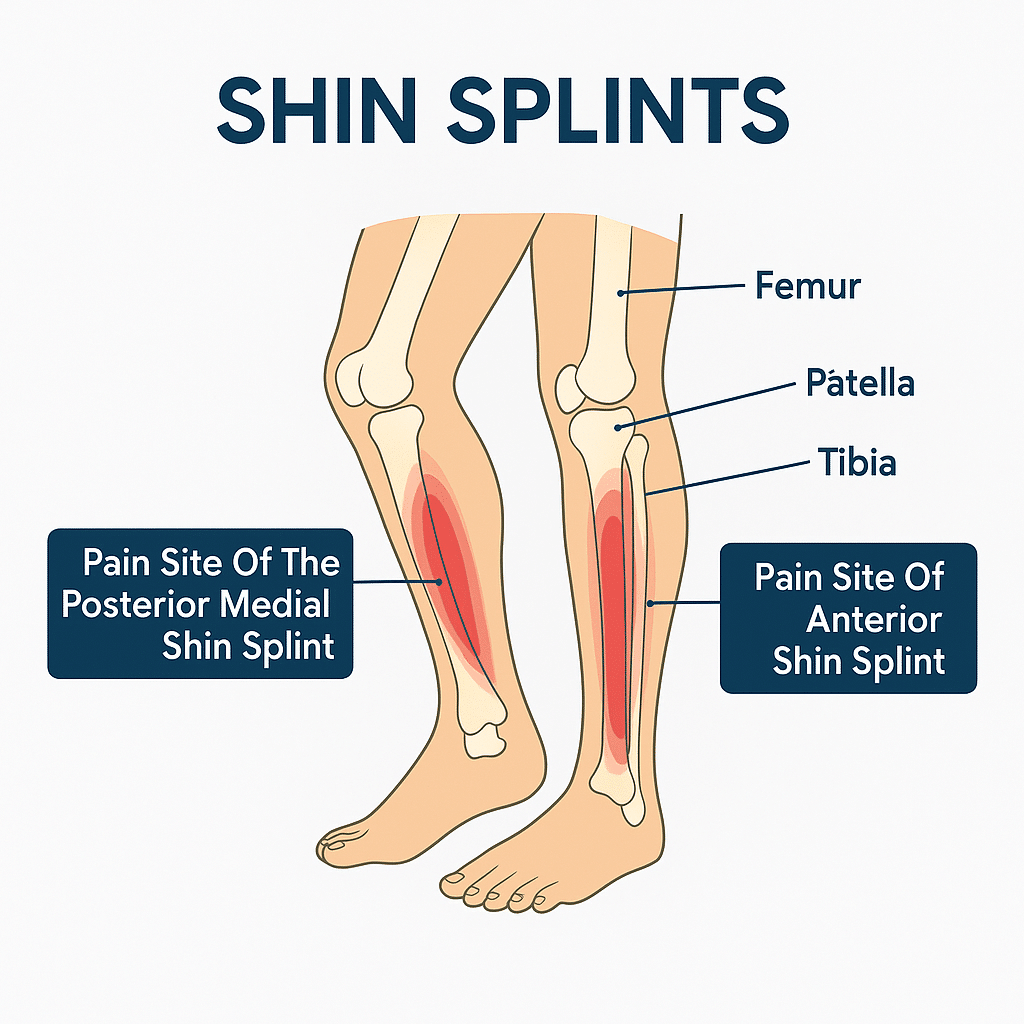
Shin splints is a common name for pain along the shin bone that starts with activity. Classic shin splints most commonly refer to medial tibial stress syndrome, or MTSS, which presents as a diffuse aching along the posteromedial, or inner, border of the lower tibia near the distal half of the shin. Persistent pain over the front of the shin is less typical for MTSS and may indicate a tibial stress fracture or exertional compartment syndrome, so those symptoms should be evaluated.
MTSS is not just simple surface inflammation. It sits on a bone stress continuum where repeated overload affects the tibial cortex and the periosteum, and traction from muscles such as the soleus and tibialis posterior contributes to symptoms. We keep explanations simple but want you to know the pain often reflects mechanical overload of bone and the tissues attached to it.
How Shin Splints Typically Feel
Symptoms of shin splints usually start as a dull, aching pain along the inner edge of the lower leg, often felt during activity and easing with rest early on. The pain typically covers a broader segment along the posteromedial tibia rather than a single sharp spot.
Tenderness when you press along the shin, usually over a longer segment along the inner border
A dull, aching pain during or after exercise that may improve with rest at first
Visible swelling is uncommon in shin splints; marked swelling should prompt evaluation for other causes
Pain that gets worse if activity continues without change
By contrast, a tibial stress fracture more often causes focal point tenderness, a small spot that is exquisitely painful to press. Exertional compartment syndrome may produce tightness, cramping, numbness, or weakness during activity. If your pain is sharp, highly localized, wakes you at night, or makes it hard to walk, see a clinician promptly to check for these possibilities.
Common Causes and Who’s at Risk
Shin splints come from repetitive stress on the lower leg. You don’t have to be a runner to get them; they happen with many forms of exercise and work that increase load on the shin.
Sudden increases in training distance, speed, or duration
Starting a new activity without gradually building up
Running on hard or uneven surfaces
Worn or unsupportive shoes
Flat feet, high arches, or poor foot mechanics
Tight calf muscles or weak muscles that stabilize the ankle and foot
How We Confirm the Diagnosis
Diagnosis starts with a careful history and a physical exam. We check the pattern of pain, how it changes with activity, and look at your foot and ankle mechanics. The exam helps distinguish shin splints from a focal stress fracture or from exertional compartment syndrome.
If needed, imaging can help rule out a stress fracture or other conditions when symptoms are severe, very focal, or not improving with appropriate rest. X-rays are often the first test but can be normal early on. If concern persists, an MRI is more sensitive and can confirm a bone stress injury.
Treatment You Can Start at Home
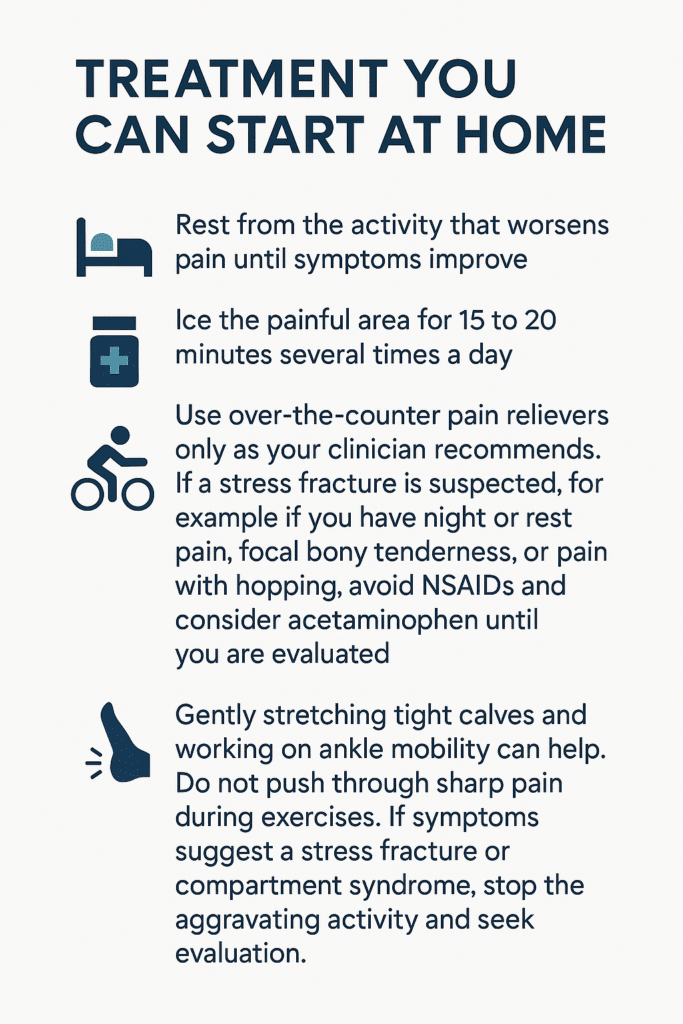
Rest from the activity that worsens pain until symptoms improve
Ice the painful area for 15 to 20 minutes several times a day
Use over-the-counter pain relievers only as your clinician recommends. If a stress fracture is suspected, for example if you have night or rest pain, focal bony tenderness, or pain with hopping, avoid NSAIDs and consider acetaminophen until you are evaluated
Try low-impact cross-training like swimming or cycling while you recover
Gently stretching tight calves and working on ankle mobility can help. Do not push through sharp pain during exercises. If symptoms suggest a stress fracture or compartment syndrome, stop the aggravating activity and seek evaluation.
Hands-on Care and Rehab
If symptoms persist, physical therapy is often the next step. A therapist will guide you through strengthening and flexibility work to correct the forces that stress the shin and help you return to activity safely.
Strengthening exercises for the calves, foot muscles, and hips
Progressive return-to-activity plans to avoid re-injury
Gait and footwear assessment, orthotics when appropriate
How Long Recovery Usually Takes
Recovery time varies based on severity and how quickly you address the cause. The table below gives a general idea.
Severity
Typical Recovery
Notes
Mild
2 to 4 weeks
Relative rest, icing, and gradual return usually helps.
Moderate
4 to 8 weeks
Often needs formal rehab and footwear changes.
Severe or Persistent
8 weeks or more
May require imaging and a structured rehab plan to avoid stress fracture risk.
Tips to Prevent Shin Pain from Returning
Increase training load slowly, by no more than 10 percent per week
Choose supportive shoes and replace them when they wear out
Add strength work for calves, hips, and foot muscles
Mix in low-impact cross-training to reduce repetitive stress
Run on softer surfaces when possible and avoid sudden downhill training
When You Should See a Provider
Seek care if pain is severe, gets worse despite rest, or you cannot put weight on the leg. Also see a clinician if pain wakes you at night, if you have marked swelling, or if you have new numbness or weakness.
Be alert for signs that need prompt or urgent evaluation, including:
Severe pain or inability to bear weight
Night pain or pain at rest that does not improve
Focal bony tenderness that is very painful to press, or pain with hopping, which may suggest a stress fracture
Escalating tightness in the lower leg during or after activity, new numbness or tingling, increasing weakness, foot drop, or pain that is out of proportion to the findings and does not settle with rest, which could indicate compartment syndrome
Worsening symptoms despite rest and conservative care
When foot mechanics, orthotics, or surgical options are considered
Helpful if foot structure contributes to repeat problems
Getting Back to Activity Safely
Return to activity should be gradual and guided by pain. Increase load slowly and stop if symptoms flare. A simple progression to consider is pain-free walking, then a pain-free single-leg hop, then light jogging. If those steps are comfortable, gradually increase duration and intensity while continuing strengthening and mobility work.
If you are unsure whether your pain is caused by shin splints or something more serious, schedule an exam so we can check you and recommend the right next steps.
This blog post is meant to be informative and should not act as a self-diagnosis tool. If you’d like to see one of our doctors, please contact us here.
If you're experiencing pain in the front of your lower leg, especially after running or engaging in high-impact activities, you could be dealing with shin splints. Shin splints affect many athletes, hikers, and fitness enthusiasts, causing discomfort and sometimes even limiting physical activity. If you're struggling with shin pain, you're not alone. But what are shin splints? Let's take a look at shin splints, what causes them, and how to recognize the symptoms and prevent them in the future.
What Are Shin Splints?
Shin splints, formally known as medial tibial stress syndrome (MTSS), refer to the pain felt along the inner edge of the shinbone (tibia). This condition happens when the muscles, tendons, and bone tissue around the tibia become overworked due to repetitive stress. Usually, shin splints occur in runners, but anyone participating in physical activities like hiking, basketball, or dance can develop this type of leg pain.
Shin Splints Symptoms
Recognizing the symptoms of shin splints is key to getting the right treatment.
The most common symptoms include:
A dull, aching pain in the shin: This pain is typically located along the front or inner part of the lower leg and can intensify during or after exercise.
Tenderness or soreness along the shinbone: Pressing on the affected area often causes discomfort.
Swelling in the lower leg: Some people experience mild swelling in the shins, particularly after exercising.
Shin pain that worsens with activity: As the condition progresses, the pain may worsen during physical activities like running or jumping and may persist even during rest
If you're experiencing any of these symptoms, it's important to take steps to reduce the pain and prevent further damage.
What Causes Shin Splints?
The primary cause of shin splints is repetitive stress to the lower leg. This stress can lead to inflammation of the muscles and tendons surrounding the shinbone, causing pain.
Some of the most common causes of shin splints include:
Sudden increases in physical activity: Ramping up your workout intensity or duration too quickly can place extra stress on your shins.
Running on hard surfaces: Pavement or concrete surfaces don't absorb impact well, increasing stress on your legs.
Improper footwear: Wearing worn-out or unsupportive shoes can contribute to shin splints.
Flat feet or high arches: These foot conditions can alter your biomechanics, placing more stress on the shins.
Poor running form: Incorrect running technique, such as overstriding or landing too heavily on your heels, can lead to shin pain.
Understanding the causes of your shin splints is important to help you prevent future occurrences.
Need Care Now? POA Has Six Urgent Care Facilities
Monroe
11 Centre Drive Monroe Twp., NJ 08831
Plainsboro
5 Plainsboro Road, Suite 100 Plainsboro, NJ 08536
Robbinsville
1 Union Street Suite 305 Robbinsville, NJ 08691
Princeton
325 Princeton Avenue Princeton, NJ 08540
Hillsborough
315 US Highway 206 Hillsborough Township, NJ 08844
If you're wondering how to get rid of shin splints, the good news is that in most cases they can be treated at home with simple home remedies and changes to your workout routine.
Here are ways to care for shin splints at home:
Rest: The most important aspect of treating shin splints is giving your legs time to heal. Avoid high-impact activities that aggravate the pain, like running or jumping.
Ice the affected area: Apply ice packs to your shins for 15-20 minutes several times a day. This helps to reduce inflammation and pain.
Compression: Wearing compression sleeves can help reduce swelling and provide support to the affected area.
Elevation: Elevating your legs after exercise can help decrease swelling and improve circulation.
Over-the-counter pain relievers: Non-steroidal anti-inflammatory drugs (NSAIDs) like ibuprofen can reduce pain and inflammation.
How to Prevent Shin Splints
Preventing shin splints is crucial to avoiding recurrent pain.
Here are some strategies to keep your shin splints at bay:
Wear proper footwear: Invest in supportive running shoes. Get fitted for shoes that provide adequate cushioning and stability for your specific feet. Shoes that are worn-out and have lost their cushining and support can fail to properly absorb the impact of your foot hitting the ground. When that shock isn't absorbed by your shoes, it transfers more stress to your lower legs, increasing the risk of develping shin splints. Shoes that don’t provide adequate arch support or cushioning can contribute to shin splints, especially if you have flat feet, high arches, or other foot mechanics issues. Shoes designed specifically for your foot type and activity level can help distribute the forces evenly and prevent overloading your shins.
Stretch and strengthen: Regularly stretching your calves and strengthening the muscles in your lower legs can hlep improve flexibility and reduce your risk of developing shin splints.
Run on softer surfaces: Whenever possible, run on grass, trails, or a track instead of concrete or asphalt. Running on these softer surfaces can help reduce the impact on your legs, as these surfaces absorb more shock. This will lessen the stress put on your shinbones and surrounding tissues, lowering the likelihoo of developing shin splints. Running on hard surfaces increases your risk of developing shin splints. Surfaces like concrete and asphalt don’t absorb the impact of your steps, meaning the force is transmitted back up through your legs, putting additional stress on your muscles and bones which can lead to inflammation and pain in your shins.
Ease into new workouts: Gradually increase the intensity and duration of your exercise routine to give your body time to adapt.
Improve your running form: Pay attention to your stride and landing mechanics. Landing softly and maintaining a shorter stride can help distribute impact more evenly.
Dealing with Shin Splints: When to See a Specialist
If your shin splints aren't improving with rest and home treatment, or if the pain becomes severe, it may be time to see a sports medicine specialist. A sports med doctor can help determine if your shin splints are caused by an underlying issue like a stress fracture, or they may suggest more advanced treatment options.
Here are signs you should see a sports medicine doctor:
Pain persists despite rest and home care.
You experience severe pain even when not exercising.
Swelling in the shin area is increasing.
There's concern about a potential stress fracture.
Sports medicine specialists can perform imaging tests like X-rays or MRIs to rule out more serious injuries. They may also recommend other treatments such as physical therapy to help you strengthen the muscles around your shins, custom orthotics to correct any biomechanical issues, or even gait analysis to improve your running form.
What is Gait Analysis?
Gait analysis is a way of studying how you walk or run to understand your movement patterns. It looks at how your feet hit the ground, how your legs move, and how your body stays balanced. The goal is to identify any imbalances or issues that could lead to injuries, like shin splints or knee pain.
During a gait analysis, a specialist might watch you walk or run or use technology like a treadmill and cameras to get a detailed view. Based on the results, they might recommend specific shoes, insoles, or exercises to improve your form and reduce the risk of injury.
Meet Our Sports Medicine Doctors
Advanced Treatment Options for Shin Splints
If basic treatments aren't effective, your specialist may suggest advanced interventions. These may include:
Physical therapy: A physical therapist can guide you through exercises that strengthen the muscles supporting your shins and improve your flexibility.
Custom orthotics: If flat feet or high arches are contributing to your shin splints, custom shoe inserts can provide the support you need.
Long-Term Treatment and Prevention
Once you've recovered from shin splints, it's important to make long-term adjustments to avoid future injuries. Follow these tips:
Stick to a well-rounded workout routine: To help give our legs a break from high-impact activities you can ncorporate low-impact exercises like cycling or swimming into your routine.
Continue strengthening and stretching: Regularly strengthening the muscles in your legs and stretching your calves and Achilles tendons can reduce stress on your shins.
Cross-train: Mix up your workouts with different types of exercise to avoid overloading your shins with repetitive impact.
Shin Splints Don't Have to Hold You Back
Shin splints can definitely be painful and frustrating especially if you're in the middle of training, but with the right treatment and preventative strategies, you can recover and get back to your favorite activities. Remember, rest is key to healing, and making gradual changes, instead of sudden, to your workout routine can help you avoid shin splints in the future. If your symptoms persist, don't hesitate to seek help from a sports medicine specialist, who can provide a tailored treatment plan to get you back on track.
This blog post is meant to be informative and should not act as a self-diagnosis tool. If you’d like to see one of our doctors, please contact us here.