Improve Your Posture: Simple Steps You Can Start Today
Good posture means your head, shoulders, and hips line up with your spine. This helps your body work well and move with less pain. Small, steady changes can add up over days and weeks. This guide explains why posture matters, common reasons it slips, safe exercises, and quick ergonomic setup ideas you can use at home or work to feel better and move more easily.
Good posture helps distribute forces evenly across your joints and muscles. When posture is poor, some muscles take on extra work while other areas weaken, which can lead to neck, shoulder, or back pain. The encouraging part is that steady, small changes usually lead to meaningful improvements.
What This Guide Covers
What healthy posture looks like and why it matters.
Common causes of posture problems.
Easy daily habits, stretches, and strengthening moves.
Simple ergonomic changes for home and office.
When to seek clinical care.
What is Good Posture?
Good posture means your head, shoulders, and hips line up so your spine is supported and muscles can work efficiently. It doesn’t mean you must sit perfectly rigid. Instead, aim for balance: a neutral spine with relaxed shoulders and an engaged core.
When your posture is balanced, less stress sits on joints and soft tissues, and you’re less likely to develop pain from overuse or compensatory movement patterns.
Why Posture Matters for Everyday Comfort
Posture affects pain, breathing, and how you move. Slouching can make neck and upper back muscles work harder. It can also change how your shoulders and hips move, which may lead to recent or gradual pain.
Poor posture can increase neck, shoulder, and lower back strain
It can reduce your tolerance for standing or walking for long periods
Correcting posture helps with balance and reduces the chance of developing compensatory injuries
Common Reasons Posture Slips
Sitting for long stretches without breaks
Weakness in the mid-back, glutes, or core muscles
Tight chest or hip flexor muscles
Poor workstation setup or unsupportive shoes
Holding one-sided positions, like carrying a heavy bag on one shoulder
Daily Habits You Can Start Today
Set a timer to stand and move every 30 minutes
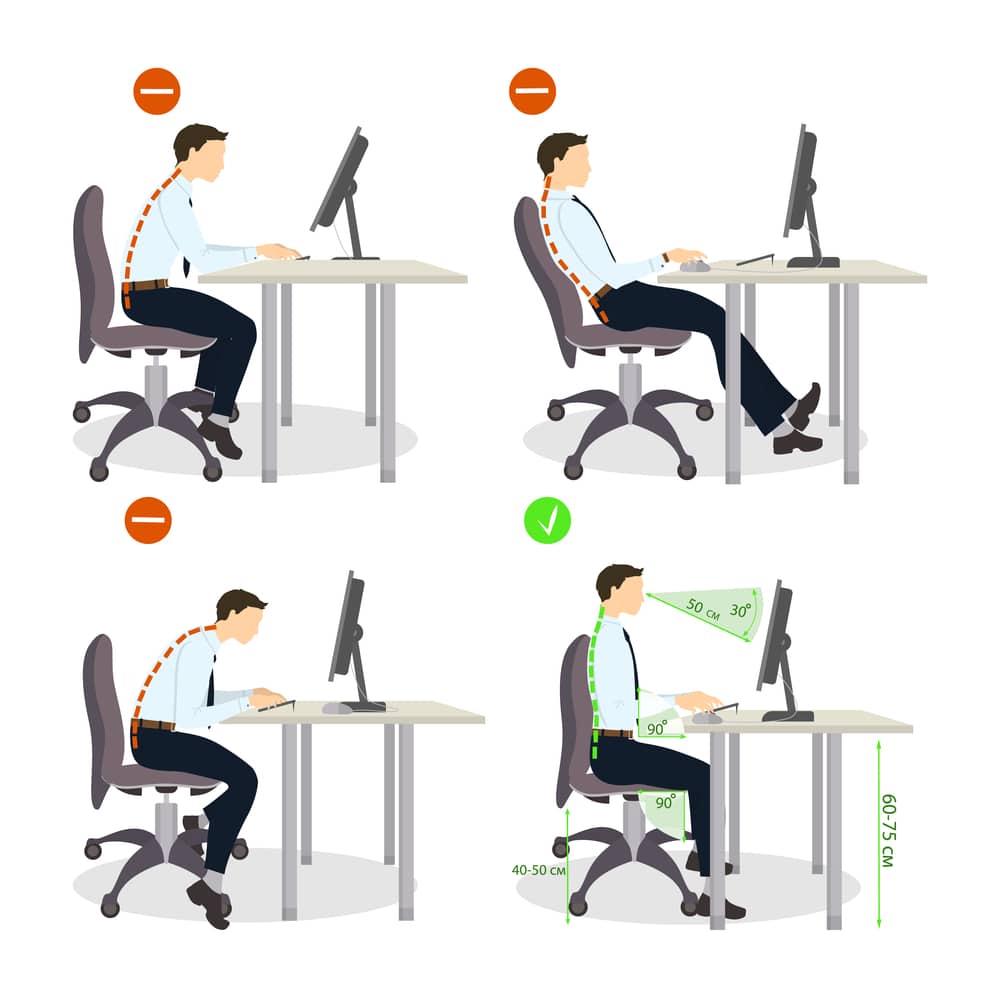
When sitting, keep your feet flat, hips level, and shoulders relaxed
Use a rolled towel or lumbar roll for lower back support if needed
Switch which hand you use for tasks that are one-sided, such as carrying groceries
Simple Stretches and Strengthening Moves
These choices are low-risk and can be done at home. Start gently and increase repetitions over weeks as you feel stronger. Evidence from major guidelines supports regular practice, with adults typically performing strengthening 2 to 3 days per week and stretches held for 20 to 30 seconds, gradually increasing as tolerated. (ACSM guidelines 2023)
Chin tucks: Slide your head back, keeping eyes forward to strengthen deep neck muscles. Do 8 to 12 reps. Safety: keep a neutral neck and avoid tucking the chin so far you feel pain or strain. If you have neck pain, numbness, or tingling, stop and consult a clinician. Frequency: 2–3 days per week.
Thoracic extensions: Sit upright and gently arch the mid-back over a chair back to improve upper spine mobility. Repeat 8 to 10 times. Safety: maintain a tall spine, do not strain the neck, and stop if you feel joint pain. Frequency: 2–3 days per week.
Glute bridges: Lie on your back, press hips up while squeezing glutes to build hip support. Do 10 to 15 reps. Safety: keep the spine in a neutral line, press through the heels, and stop if you feel sharp back pain. Frequency: 2–3 days per week.
Wall angels: Stand with your back to a wall and slide arms up and down to open the chest and strengthen the mid-back. Do 8 to 12 reps. Safety: keep head, shoulders, and butt against the wall; avoid arching the lower back. Frequency: 2–3 days per week.
Hip flexor stretch: Kneel on one knee and push hips forward to stretch the front of the hip. Hold 20 to 30 seconds each side. Safety: keep the pelvis level, avoid overarching the lower back, and stop if you feel pain. Frequency: 2–3 days per week.
Ergonomic Fixes That Help
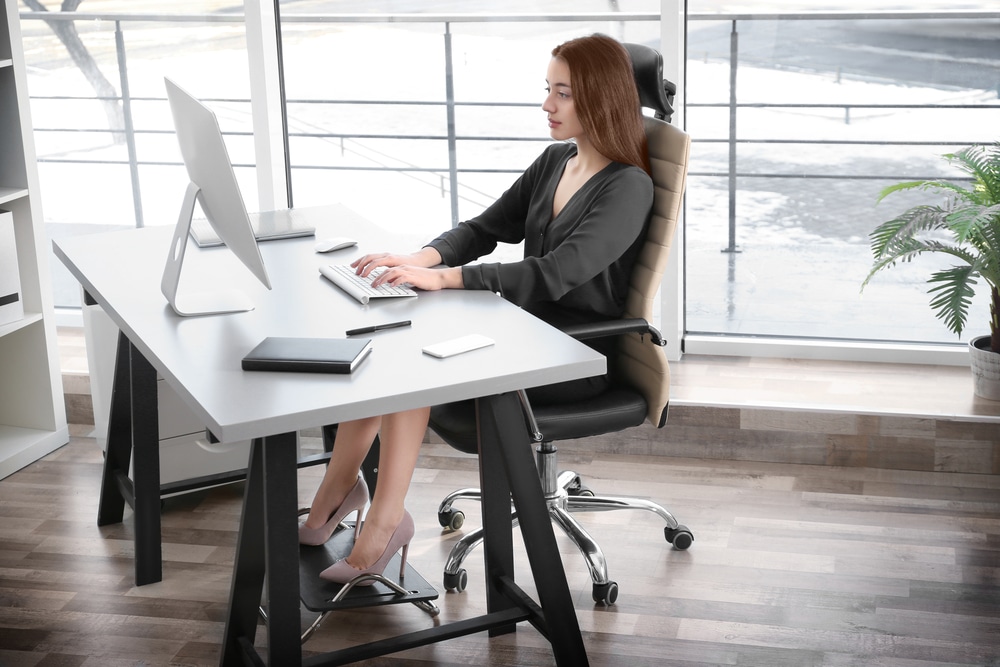
Position your monitor at eye level to support a neutral spine and an ergonomic setup
Use a chair that supports the curve of your lower back
Keep frequently used items within easy reach
Try a sit-stand routine if you work at a desk
Choose shoes with good support for standing jobs
What Progress Looks Like and How Long It Takes
People improve at different speeds. Small changes can show up in a few weeks if you practice regularly. Bigger, longer standing posture problems take longer to improve and may need a tailored plan. A steady mix of simple strengthening moves, daily posture habits, and help from a clinician or physical therapist can help you move better and reduce pain.
Issue
Typical time to notice change
Notes
Minor slouching
2 6 weeks
Daily breaks and basic exercises usually help.
Moderate postural imbalance
4 6 weeks
Requires consistent strengthening and ergonomic changes.
Long-standing posture-related pain
2+ months
Often needs a tailored program from a clinician or physical therapist.
When You Should See a Clinician
Try the self-care tips for a week or two. See a specialist sooner if pain limits your daily activities, if you change how you walk or move to avoid pain, or if home measures don’t help.
Provider
What they help with
Primary care or sports medicine
Initial evaluation and recommendations for non-surgical care
Physical therapist
Hands-on treatment, personalized exercise programs, posture training
Physiatrist
Complex movement problems, chronic pain management, coordinate care
At Princeton Orthopaedic Associates, we assess the root cause of posture problems and work with you to build a practical plan. We focus on restoring function and helping you return to activities with less pain.
Getting Started: An Easy Plan
Set small goals: three short sessions per day of targeted exercises
Add movement breaks: stand and walk for a few minutes each half hour
Adjust your workspace: monitor height, seat support, and footwear
Track progress: note changes in comfort and ability to do daily tasks
If you need help customizing a program or you have persistent pain, schedule an exam so we can evaluate you and design a specific plan.
This blog post is meant to be informative and should not act as a self-diagnosis tool. If you’d like to see one of our doctors, please contact us here.
Living with a Herniated Disc: Understanding the Condition and Treating the Pain
You’re bending over to tie your shoe, or maybe you just lifted a laundry basket off the floor—and suddenly, something shifts. A sharp, electric jolt shoots through your lower back and radiates down your leg. Within days, sitting becomes excruciating. You feel tingling in your foot. Or worse—your leg feels weak, like it might buckle underneath you.
It's not just a sore back. You could be dealing with a herniated disc—a spine condition that can disrupt your daily life, mobility, and comfort. But the good news? It’s treatable, and in many cases, you can fully recover without surgery.
What Is a Herniated Disc (And Is It the Same as a Slipped Disc)?
Your spine is made up of 33 vertebrae, and between most of them are intervertebral discs—soft, cushion-like pads that absorb shock and allow flexibility in your back.
Each disc has two parts:
A soft, gel-like inner core (the nucleus pulposus)
A tough, fibrous outer shell (The annulus fibrosus)
A herniated disc, also known as a ruptured disc or colloquially as a “slipped disc”, occurs when the inner core pushes out through a crack or tear in the outer shell. This herniation can press against nearby nerves, triggering pain, numbness, tingling, or weakness—depending on the location and severity of the compression.
Slipped disc vs. herniated disc: While the term "slipped disc" is commonly used, nothing actually “slips” out of place. The disc material bulges or leaks, which is more accurately described as a herniation.
The Difference Between a Bulging Disc and a Herniated Disc
Herniated Disc
Bulging Disc
What it is
The disc's inner gel-like material breaks through a tear in the tough outer layer. The outer wall is torn or ruptured.
The disc extends outward beyond its normal boundary, usually evenly around the disc's circumference. The outer wall remains intact but stretched out.
Severity
Typically, more severe than a bulging disc. Especially if it compresses nearby nerves.
Often considered less severe than a herniated disc and can often be asymptomatic.
Symptoms
Sharp pain, sciatica, numbness, tingling, or weakness in the limbs.
Mild back pain or none at all. Sometimes asymptomatic.
Causes
Trauma, heavy lifting, or progression of a bulging disc.
Degeneration from aging, posture, and repetitive stress.
Treatment
May need physical therapy, injections, or even surgery if conservative care fails.
Often responds to conservative care and lifestyle changes.
Symptoms of a Herniated Disc
Symptoms of a herniated disc depend on the location of the herniation and which nerves are affected. In general, the most common areas are the lumbar (lower back) and cervical (neck) spine.
Lumbar Herniated Disc Symptoms:
Sharp or burning low back pain:
This may feel like a stabbing pain that worsens when you move, bend, or sit.
Sciatica:
Pain that radiates from your lower back into your buttocks and down one leg, sometimes reaching the foot.
Numbness or tingling in the legs or feet:
A “pins and needles” sensation along the path of the affected nerve.
Muscle weakness:
You may find it harder to lift your foot (foot drop), stand on your toes, or walk normally.
Pain that worsens with activity:
Especially while sitting, coughing, sneezing, or straining.
Cervical Herniated Disc Symptoms:
Neck pain:
Often persistent and sharp.
Radiating arm pain:
From the neck down into the shoulder, arm, and even into the hand.
Tingling or numbness in the fingers:
Often felt in specific fingers depending on the affected nerve root.
Arm weakness:
Difficulty gripping or lifting objects.
Do Herniated Discs Heal on Their Own?
In many cases, herniated discs heal without surgical intervention. Your body has the ability to reabsorb the protruding disc material and reduce inflammation around the affected nerve.
How Long Does It Take to Heal?
The recovery timeline depends on the severity of the herniation and the treatment used. It can take time and varies depending on your health, age, and activity level:
Severity
Differentiator
Recovery Timeframe
Mild-Moderate
Responds to rest, physical therapy, and medication.
4-6 weeks
Persistent
Involves nerve compression or recurrent flare-ups.
8-12+ weeks
Chronic or Severe
Presents with significant neurological symptoms.
Extensive treatment or surgical intervention
What Causes a Herniated Disc?
The most common causes of a herniated disc can include:
Age-related disc degeneration: As we get older, discs lose hydration and elasticity, making them more prone to tearing.
Repetitive stress or motion: Frequent bending, lifting, or twisting can wear down the outer disc layers.
Sudden trauma: Car accidents, sports injuries, or heavy lifting with improper form can cause acute disc rupture.
Poor posture and sedentary lifestyle: Slouching and weak core muscles put extra stress on the spine.
Obesity: Extra weight increases pressure on spinal discs.
Smoking: Reduces oxygen supply to spinal tissues and accelerates disc degeneration.
What Should You Do Immediately If You Suspect a Herniated Disc?
If you experience sudden back or neck pain along with radiating symptoms, take the following steps:
Stop any strenuous activity: Avoid lifting, twisting, or bending.
Apply cold packs (for the first 48 hours): Reduces inflammation and pain.
Switch to heat after 2–3 days: Relaxes tight muscles and improves circulation.
Over-the-counter medications: NSAIDs (like ibuprofen) help reduce swelling and pain.
Stay mobile—lightly: Short walks are better than prolonged bed rest, which can weaken muscles and delay healing.
Track your symptoms: Take note of any numbness, tingling, or weakness.
Meet Our Orthopaedic Spine Specialists
Seeing a Doctor for a Herniated Disc
When Should You See an Orthopaedic Specialist?
If you suspect you have a herniated disc, don’t wait. If you have any of the following symptoms you should seek care as soon as possible:
Pain that doesn’t improve after a week of rest and home care
Numbness or tingling that spreads or worsens
Muscle weakness, especially in your legs or arms
Trouble with your balance or coordination
Loss of bladder or bowel control (this is a medical emergency called cauda equina syndrome)
What Kind of Specialist Should You See?
For the best outcomes, consult with an orthopaedic specialist. At POA, these may include:
Orthopaedic Spine Surgeons: Our orthopaedic surgeons who are experts in surgical and nonsurgical care of spinal disorders.
Physical Medicine & Rehabilitation Physicians: Thes physicians focus on conservative and physical rehabilitation approaches.
Pain Management Specialists: If more agressive care is not neede our spesialists may offer injections, nerve blocks, or other targeted treatments.
Every person is unique so every treatment approach and plan is tailored for your specific needs.
How Is a Herniated Disc Diagnosed?
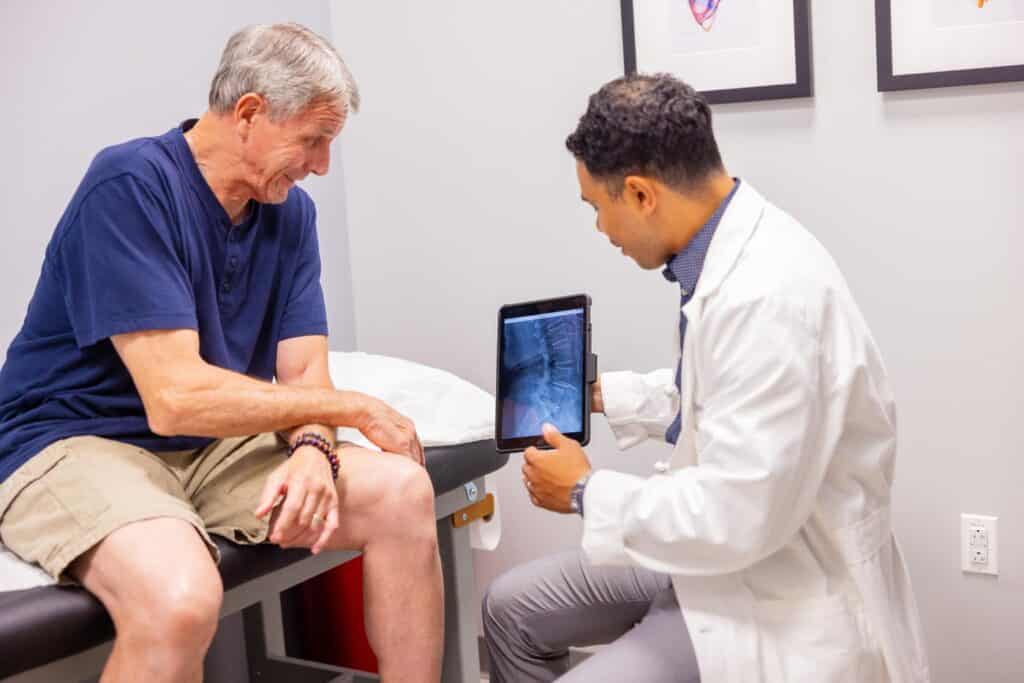
A typical diagnosis can include a review of your medical history such as prior injuries, sumptom patterns, lifestyle, and your work habits. It also involves a physical exam which may include reflex testing, muscle strength, raings of motion, and nerve response.
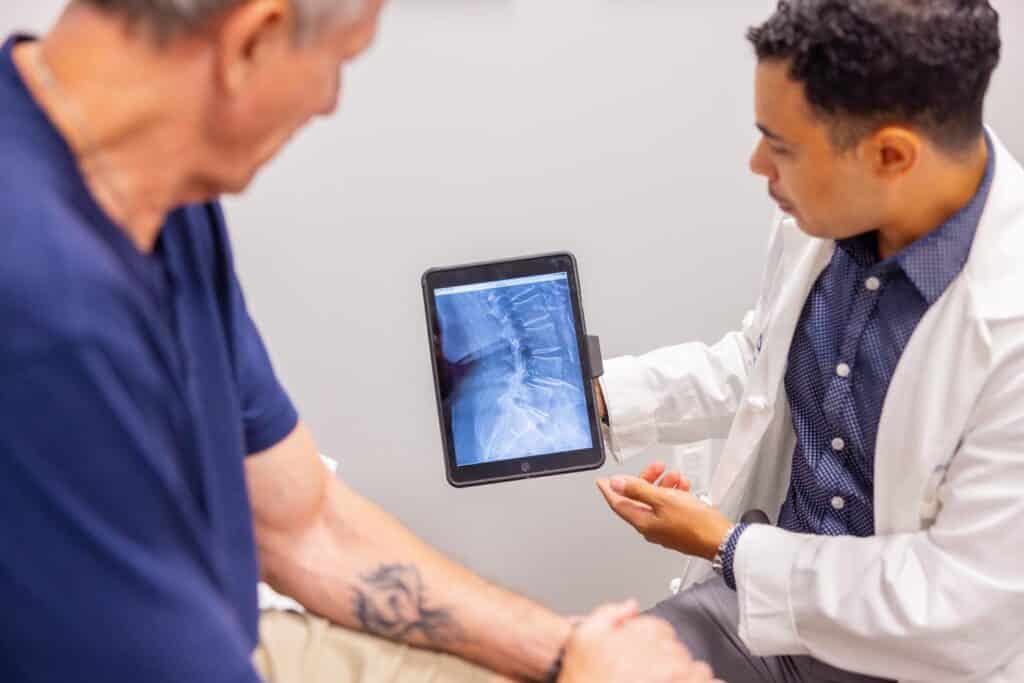
Imaging may also be ordered to assist in a comprehensive evaulation.
Imaging to evaluate a herniated disc may include:
MRI (Magnetic Resonance Imaging): Shows disc herniation and nerve impingement in detail
CT Scan (Computed Tomography): Offers detailed bone and disc imaging
X-rays: Useful to rule out fractures or arthritis but won’t show disc herniation directly
EMG (Electromyography): Measures how well nerves and muscles function and detects damage
Treatment For Herniated Disc
Conservative (Non-Surgical) Treatments:
Physical Therapy: Core strengthening, stretching, and posture correction exercises to relieve pressure on the affected nerve.
Medications:
NSAIDs (ibuprofen, naproxen) for pain and inflammation
Muscle relaxants for spasms
Nerve pain medications (gabapentin or pregabalin)
Activity Modification: Limiting activities that aggravate symptoms while staying gently active.
Epidural Steroid Injections: Reduce inflammation around the nerve root and provide temporary relief.
Minimally Invasive Surgical Options(if conservative care fails):
Microdiscectomy: This is where a small portion of the disc is removed to free the compressed nerve.
Endoscopic Discectomy: Performed through a thin tube using a camera, often with quicker recovery.
Extensive Surgical Options(for severe cases):
Laminectomy: Removes part of the vertebra to relieve pressure on nerves.
Spinal Fusion: Joins two or more vertebrae together to stabilize the spine when discs are severely damaged.
Why Choose a POA Spine Specialist?
At POA, we specialize in restoring comfort, strength, and movement—without rushing to surgery.
What sets us apart:
✅ Board-certified spine specialists with years of experience in both conservative and advanced surgical care.
✅ Personalized treatment plans: Tailored to your body, lifestyle, and goals.
✅ Commitment to conservative care first: We explore every non-surgical option before recommending surgery.
✅ Multidisciplinary approach: Orthopaedic surgeons, physical therapists, and pain specialists collaborate on your care.
✅ Advanced diagnostics: Immediate access to imaging and nerve studies for fast, accurate diagnosis
Whether you’re newly injured or have struggled with back pain for months, POA’s spine experts can help you get your life back on track.
You Deserve to Feel Better
A herniated disc can feel like a life-altering injury, but it doesn’t have to be. With the right care team and a focused treatment plan, recovery is not only possible—it’s probable. Don’t wait in pain! Schedule with one of our Orthopaedic Spine Specialists today and take your first step toward relief and recovery.
This blog post is meant to be informative and should not act as a self-diagnosis tool. If you’d like to see one of our doctors, please contact us here.
Could Your Neck Pain Be a Pinched Nerve in the Neck?
You wake up with a stiff neck, thinking you just slept in an odd position. But as the day goes on, the pain doesn't go away. Instead, it radiates down your shoulder and into your arm. Simple tasks like turning your head, reaching for your phone, or even sitting at your desk become uncomfortable. You think, maybe you just slept weird and it will feel better tomorrow, except the pain doesn't improve, it continues for days, even weeks. This is what living with a pinched nerve in the neck can feel like—persistent discomfort that affects your daily life.
What is a Pinched Nerve in the Neck?
A pinched nerve in the neck, also known as cervical radiculopathy, occurs when excessive pressure is applied to a nerve root in the cervical spine (neck area). This pressure can come from surrounding structures such as bones, cartilage, muscles, tendons, or swollen tissues, leading to nerve irritation or compression. This compression disrupts the nerve's normal function and can lead to pain, tingling, weakness, or numbness in your neck.
Symptoms of a Pinched Nerve in the Neck
The symptoms you experience from a pinched nerve in the neck can vary from person to person, but generally speaking, the most common symptoms often involve a discomfort that radiates beyond your neck. You may experience a sharp or burning pain that extends into the shoulder, arm, or even down to the fingers, sometimes worsening with certain movements or prolonged positions. With the pain, there may be an unusual tingling or buzzing sensation, almost like the affected area has "fallen asleep," which can become persistent or intermittent. You may also notice weakness in their grip or find it harder to perform tasks requiring fine motor skills, as the nerve's ability to send signals to the muscles is compromised. In more severe cases, prolonged compression can lead to a feeling of numbness or loss of sensation in certain areas, making it difficult to tell if you're touching something or feeling temperature changes properly.
Symptoms of a pinched nerve in the neck:
Pain in your neck: Sharp, aching, or burning pain localized in the neck area.
Radiating pain or discomfort extending from your neck to your shoulder, arm, or even fingers.
Limited range of motion – Difficulty turning your head or tilting your neck without pain.
Numbness or tingling: A sensation of reduced or lost feeling in the affected area, sometimes accompanied by a "pins and needles" or prickling feeling.
Muscle weakness – Difficulty lifting objects or performing everyday tasks due to weakened muscles.
Why you can trust us:
We have multiple highly specialized, board-certified, fellowship-trained orthopaedic surgeons.
We know that we serve people - actual humans - not random orthopaedic conditions. That drives us to compassionate care.
The world of orthpaedics is constantly evolving. Our orthopaedic surgeons are constantly evaluating new techniques, tools and methods to serve our community even better.
We provide outcome-focused treatment. We work with our patients to achieve their goals, all while developing custom treatment plans that fit our patient's lives.
The causes of a pinched nerve in the neck can vary from person to person, but generally speaking, they stem from excessive pressure or irritation affecting the nerves in your spine in the neck. In many cases, age-related changes in the spine, such as degenerating discs or bone spurs, gradually narrow the space where nerves exit, leading to compression. Injuries, like sudden whiplash from a car accident or repetitive strain from poor posture, can also cause misalignments or inflammation that presses on the nerve. For some people, long hours spent looking down at a phone or sitting at a desk with improper ergonomics contribute to chronic strain, gradually leading to nerve irritation. Inflammatory conditions, like arthritis, or acute issues, such as a herniated disc leaking fluid onto nearby nerves, can also increase pressure, intensifying symptoms over time.
Causes of a pinched nerve in the neck:
Poor posture – Slouching or looking down at screens for long periods strains your neck.
Herniated disc – When the soft inner material of a spinal disc pushes through its outer layer. When doing so, it can create pressure on nearby nerves, leading to pain and discomfort.
Bone spurs – Overgrowth of bone in your spine can narrow the spaces where nerves travel.
Arthritis – Inflammation and degeneration of joints can lead to nerve compression.
Injury – Sudden impacts from accidents or sports can lead to nerve irritation.
Repetitive motions – Constant strain from work or activities like texting or carrying heavy bags can contribute.
When to Seek Care from an Orthopedic Spine Specialist
Pain persists for several weeks despite home treatments.
Weakness in your arms or hands affects daily tasks.
Loss of coordination or balance signals nerve damage beyond just discomfort.
Symptoms worsen over time, even with rest and self-care.
Loss of bowel or bladder control can sometimes happen and may indicate a more serious spinal condition requiring immediate attention.
How to Treat a Pinched Nerve in the Neck at Home
A pinched nerve can cause discomfort ranging from mild tingling to sharp, radiating pain that disrupts daily life. Whether it’s in your neck, back, or another area, this condition occurs when surrounding tissues—such as muscles, tendons, or bones—put excess pressure on a nerve. While severe cases may require medical attention, many pinched nerves can be relieved at home with simple, effective treatments.
From gentle stretches and posture adjustments to anti-inflammatory remedies and nerve-soothing techniques, here’s how you can ease pain and support your body’s natural healing process:
Rest and avoid aggravating movements – Rest is always important when it comes to home treatment. Try to minimize activities that strain your neck. Continued stress can worsen your inflammation and lengthen the time it takes for you to heal. Resting allows the affected nerve to recover without further irritation.
Apply heat or ice – Applying an ice pack to your neck within the first 48 hours of injury can help reduce swelling and numb pain. After the initial inflammation subsides, switching to a heating pad or warm compress can help improve blood circulation and relax tense muscles around the nerve.
Use over-the-counter pain relievers – Medications such as ibuprofen or naproxen can help alleviate pain and reduce inflammation, making it easier to perform daily tasks while healing.
Adjust your sleeping position – Sleeping with a supportive pillow, one that keeps your neck aligned with your spine, can relieve pressure on your pinched nerve. Sleeping on your back or side rather than your stomach is also beneficial to avoid excessive neck strain.
Gentle stretching – Performing slow and controlled neck stretches can help release the pinched nerve and improve mobility. Simple exercises such as chin tucks, neck tilts, and shoulder rolls can gradually reduce tension and enhance flexibility.
Maintain good posture – Practicing proper posture while sitting, standing, and using electronic devices can prevent further nerve compression. Keeping your shoulders back and your head aligned with your spine can significantly reduce neck strain.
Massage therapy – Massaging your neck and shoulder muscles can help improve circulation, reduce muscle tension, and promote relaxation.
Meet Our Orthopaedic Spine Specialists
How to Prevent a Pinched Nerve in the Neck
Preventing a pinched nerve in the neck starts with maintaining good posture, keeping muscles strong and flexible, and avoiding repetitive strain. Poor posture, prolonged screen time, and sleeping in awkward positions can all contribute to nerve compression, leading to pain, stiffness, and discomfort. By making small adjustments—such as improving ergonomics, incorporating regular stretching, and strengthening the neck and shoulders—you can reduce the risk of nerve irritation and keep your neck healthy and pain-free.
Here’s how to take proactive steps to prevent a pinched nerve before it starts.
Practice good posture – Keeping your head aligned with your spine reduces unnecessary strain on your neck. When working at a desk, ensure your monitor is at eye level, and your shoulders remain relaxed.
Take breaks from screens – Looking down at your phone or computer screen for long periods stresses your cervical spine. Taking frequent breaks, using a stand for devices, and adjusting screen height can help minimize the risk of nerve compression.
Strengthen your neck and shoulder muscles – Strengthening exercises such as chin tucks, shoulder blade squeezes, and resistance training can provide better support for your neck, reducing the likelihood of nerves becoming pinched.
Use proper ergonomics – Adjusting your workstation to include a supportive chair, a desk at the correct height, and a keyboard to encourage natural wrist alignment can prevent awkward neck positions contributing to nerve compression.
Avoid carrying heavy bags on one side – Carrying a heavy purse, backpack, or briefcase on one shoulder creates an imbalance that strains your neck muscles. Opt for a backpack with even weight distribution or frequently switch sides to help reduce stress on your cervical spine.
Sleep with proper support – Choosing a pillow that maintains the natural alignment of your neck and adopting a sleep position that keeps your spine in a neutral posture can help reduce strain and prevent excessive pressure on cervical nerves.
Maintain an active lifestyle – Regular exercise promotes flexibility, strengthens muscles, and improves overall spinal health, reducing the risk of nerve compression over time.
Exercises to Help Release and Heal a Pinched Nerve
When dealing with a pinched nerve, gentle movement and stretching can help alleviate pressure, improve mobility, and promote healing.
Below is a more detailed explanation of how to perform each exercise effectively:
1. Chin Tucks
Purpose: Strengthens the deep neck flexors, improves posture, and reduces strain on the cervical spine.
How to Do It:
Sit or stand with your spine straight.
Gently pull your chin straight back (as if making a double chin), keeping your head level.
Hold for 5-10 seconds, then relax.
Repeat 8-10 times.
Tip: Avoid tilting your head up or down—think of sliding your head straight back.
2. Neck Side Bends (Lateral Flexion Stretch)
Purpose: Stretches the muscles along the sides of your neck to reduce tension.
How to Do It:
Sit or stand with your shoulders relaxed.
Slowly tilt your head to one side, bringing your ear toward your shoulder.
Hold for 15-30 seconds, feeling the stretch along the opposite side of your neck.
Switch sides and repeat 3-5 times per side.
Tip: Keep your shoulders down and relaxed to get the full benefit of the stretch.
3. Neck Rotations
Purpose: Increases flexibility and reduces stiffness in the neck.
How to Do It:
Sit or stand with a straight back.
Slowly turn your head to the right, trying to look over your shoulder.
Hold for 5-10 seconds, then return to the center.
Repeat on the left side.
Do this 5-8 times on each side.
Tip: Move slowly and avoid forcing the stretch. If you feel pain, stop immediately.
4. Shoulder Rolls
Purpose: Relieves tension in the shoulders and neck, improving blood flow.
How to Do It:
Sit or stand with your arms relaxed at your sides.
Roll your shoulders forward in a circular motion 10 times.
Reverse the motion and roll them backward 10 times.
Tip: Perform this exercise slowly and deliberately, focusing on releasing tension in your upper back and neck.
5. Upper Trapezius Stretch
Purpose: Helps release tightness in the upper shoulders and neck, which can contribute to nerve compression.
How to Do It:
Sit or stand with a straight posture.
Tilt your head toward one shoulder.
Use your hand on the same side to apply light pressure, gently deepening the stretch.
Hold for 15-30 seconds, then switch sides.
Repeat 3-5 times per side.
Tip: Keep your opposite shoulder relaxed and down to maximize the stretch.
Final Tips:
Perform these exercises gently—never force a stretch.
Consistency is key; do them daily for best results.
If you experience sharp pain or worsening symptoms, stop immediately and consult a healthcare provider.
A pinched nerve in your neck can make daily activities difficult, but you don't have to live with chronic pain. You can find relief and restore normal function with proper care, treatment, and lifestyle adjustments. Our spine specialists here at Princeton Orthopaedics Associates are here to help if your symptoms persist or worsen. Reach out today for expert care and personalized treatment options to get you back to living pain-free.
This blog post is meant to be informative and should not act as a self-diagnosis tool. If you’d like to see one of our doctors, please contact us here.
What is Degenerative Disc Disease Like?
Degenerative disc disease (DDD) can make even the simplest daily tasks feel like insurmountable challenges. The pain starts as a constant, dull ache, but it can flare into sharp, stabbing sensations that shoot down your back, legs, or neck, making sitting or standing for even short periods excruciating. Everyday things like bending down to tie your shoes, reaching up high for something, or taking a short walk become frustrating obstacles.
As the discs in your spine lose their cushioning ability and nerves become compressed, the stiffness and discomfort may come and go, but there's always an underlying tension. It's hard to predict when a flare-up will strike, and this uncertainty can disrupt work, social gatherings, and family time. You might feel isolated or sidelined, as the things you used to do effortlessly now require careful planning and pacing.
The constant reminder of how much your condition limits your mobility and quality of life can feel overwhelming, leaving you frustrated and drained. The good news is that Princeton Orthopaedic Associates has orthopaedic surgeons who are sub-specialized in conditions of the spine. Our spine doctors also collaborate with
Degenerative Disc Disease: Causes, Symptoms, and Treatments
Degenerative disc disease (DDD) is a common yet often misunderstood condition. Despite its name, DDD is not truly a disease but rather a condition in which the wear and tear of spinal discs leads to varying levels of discomfort. Depending on the specifics of your individual condition, your symptoms can range from mildly annoying to severely debilitating.
What Is Degenerative Disc Disease?
Degenerative disc disease occurs when the spinal discs, which act as shock absorbers between your vertebrae, begin to break down. While aging is a natural cause of disc degeneration, not everyone will experience significant discomfort or disability. In degenerative disc disease, the damaged disc causes pain and can lead to other symptoms that vary in severity.
Factors such as aging, daily activities, sports, and accidents contribute to disc deterioration. Treatment options for alleviating symptoms include both surgical and non-surgical approaches, such as disc replacement, acupuncture, back braces, and pain management therapies.
Anatomy of Spinal Discs: How They Work
Spinal discs serve as cushions between the bones of the spine (vertebrae), enabling flexibility and absorbing forces exerted on your back. Each disc has two main parts:
Nucleus Pulposus: This is the jelly-like center. Proteins within this core can irritate nearby tissues, resulting in swelling and discomfort if they leak into the nerve-rich outer layer.
Anulus Fibrosus: This is the tough outer layer containing nerves. Tears in this layer can cause significant pain.
Unlike many other body parts, spinal discs have a limited blood supply, which means that once they are damaged, they cannot heal effectively. Unfortunately, the nature of this leads to a cycle of deterioration that typically spans 20 to 30 years, progressing through three stages:
Acute Pain Phase: Initial injury causes difficulty in moving the back.
Instability Phase: The spine becomes unstable, causing recurring pain.
Stabilization Phase: The injured area stabilizes, often resulting in reduced but persistent discomfort.
What Causes Degenerative Disc Disease
Degenerative disc disease is primarily caused by age-related wear and tear, but several other factors contribute:
Disc Drying: Discs are about 80% water at birth. Over time, they lose hydration, reducing their ability to absorb shock.
Micro-Tears: Daily activities and sports can create small tears in the disc's outer layer, leading to degeneration.
Excessive Strain: High-impact activities or repetitive movements can accelerate wear and tear, causing inflammation and instability in the spine.
By age 60, most people will experience some degree of disc degeneration, though not all develop symptoms.
Degenerative Disc Disease Symptoms
Although symptoms of degenerative disc disease can vary widely, some common signs include:
Increased pain when sitting, as discs experience three times more pressure compared to standing.
Pain that worsens with bending, lifting, or twisting.
Pain relief when walking, running, or changing positions.
Episodes of severe discomfort that come and go, lasting days or months.
Numbness, tingling, or muscle weakness in the arms or legs.
In severe cases, foot drop or leg weakness due to nerve root damage.
How Is Degenerative Disc Disease Diagnosed?
Diagnosing degenerative disc disease involves a combination of a review of your medical history, a physical examination, and possibly imaging tests like magnetic resonance imaging (MRI). While imaging can detect disc damage, it's not definitive for diagnosing DDD, as many people with disc degeneration remain asymptomatic.
Options for Degenerative Disc Disease Treatment
Treatment for degenerative disc disease aims to reduce pain and improve function. Options include:
Non-Surgical Treatments for Degenerative Disc Disease:
Pain management techniques such as acupuncture and physical therapy.
Back braces to provide support and alleviate discomfort.
Degenerative Disc Disease Surgery:
Artificial disc replacement.
Procedures like spinal fusion or microdiscectomy to stabilize the spine and relieve nerve compression.
Related Procedures and Conditions to Explore
Patients with degenerative disc disease may also explore treatments like:
Posterior cervical foraminotomy.
Lumbar microdiscectomy.
Steroid injections.
Conditions commonly associated with DDD include spinal stenosis, cervical radiculopathy, and arthritis of the spine.
Meet Our Orthopaedic Spine Specialists
Things to Avoid With Degenerative Disc Disease
If you have degenerative disc disease (DDD), it's important to avoid activities and habits that could worsen symptoms or accelerate the degeneration of the discs. Here are some things to avoid:
1. Heavy Lifting: Lifting heavy objects, especially with improper form, can put excessive pressure on your spine and exacerbate pain and disc degeneration.
2. High-Impact Activities: Activities such as running, jumping, or contact sports can strain the spine and increase discomfort, particularly in the affected discs.
3. Prolonged Sitting or Standing: If you are sitting or standing in one position for an extended period of time, this can lead to stiffness and increased pressure on the spine. You can take frequent breaks and change positions regularly to decrease these risks.
4. Poor Posture: Slouching or poor posture while sitting or standing can contribute to further stress on the spine and worsen symptoms.
5. Sudden Twisting Movements: If you make quick, jerking movements or twisting motions, these can cause additional strain on the spinal discs and muscles, leading to increased pain.
6. Weight Gain: Carrying excess weight puts added pressure on your spine, which can worsen degenerative changes and pain. Maintaining a healthy weight is crucial.
7. Smoking: Since smoking can impair blood flow to the spine and speed up the degeneration of discs, as well as reduce the effectiveness of your body’s natural healing processes, it's recommended to not smoke.
8. Ignoring Pain: Pushing through significant pain can cause further damage. It’s important to listen to your body and avoid activities that aggravate symptoms.
If you have degenerative disc disease, consult one of POA's spine doctors for personalized advice on exercises and lifestyle modifications you can make to help manage your condition effectively.
Why Choose Princeton Orthopaedic Associates for Degenerative Disc Disease Treatment?
At Princeton Orthopaedic Associates, we combine cutting-edge techniques with compassionate care to help you manage conditions like degenerative disc disease. Our team of spine specialists is dedicated to guiding you toward improved health and mobility.
This blog post is meant to be informative and should not act as a self-diagnosis tool. If you’d like to see one of our doctors, please contact us here.
Sciatica Information Articles
We are proud to be a leading resource for those seeking information about sciatica, a common and often debilitating condition. Understanding how challenging sciatica can be, we've gathered all our valuable resources in one convenient location, making it easier for you to access the information you need. Whether you're looking for treatment options, tips for managing symptoms, or guidance on prevention, our goal is to provide you with reliable and comprehensive support to help you navigate your journey toward relief.
Sciatica is a condition that can cause excruciating pain and discomfort. In this blog, we'll provide an overview of what sciatica is, helping you understand the basics of this common nerve-related ailment.
Sciatica is a term used to describe a set of symptoms rather than a specific medical condition. It refers to pain that radiates along the path of the sciatic nerve. This pain can vary from mild to severe and is often accompanied by other symptoms like numbness and tingling. It occurs when the sciatic nerve, which is the longest nerve in the human body, becomes irritated or compressed. The sciatic nerve runs from the lower back, through the buttocks, and down the back of each leg. Sciatica typically affects only one side of the body.
Understanding the fundamentals of sciatica is the first step in managing this condition. Look at our other blogs, where we'll delve deeper into sciatica causes, symptoms, and exercises, helping you identify if you might be experiencing this nerve-related pain.
If you think you are suffering from Sciatica, it's crucial to consult with a healthcare professional, especially if you have a severe or chronic condition. They can provide personalized guidance and ensure your chosen exercises are safe and appropriate for your situation. You can contact us to schedule with one of our experts here: Schedule an Appointment.
Sciatica Information Articles
We are proud to be a leading resource for those seeking information about sciatica, a common and often debilitating condition. Understanding how challenging sciatica can be, we've gathered all our valuable resources in one convenient location, making it easier for you to access the information you need. Whether you're looking for treatment options, tips for managing symptoms, or guidance on prevention, our goal is to provide you with reliable and comprehensive support to help you navigate your journey toward relief.
Sciatica is a painful condition characterized by a range of symptoms, primarily radiating pain along the path of the sciatic nerve. Understanding the underlying causes of sciatica is essential in its effective management. Common causes include herniated discs, bone spurs, tumors, or diseases like diabetes. Identifying the root cause of your sciatica is a vital step toward tailored treatment plans that can alleviate pain and improve your quality of life. If you suspect you may have sciatica, seeking professional care, such as that provided by Princeton Orthopaedic Associates, can help diagnose the cause and initiate appropriate treatment for lasting relief. Understanding the causes of sciatica is vital to effectively managing this condition. In this blog, we'll delve into the primary factors that lead to the development of sciatica.
Causes of Sciatica
Herniated Disc: A herniated disc in the spine can exert pressure on the sciatic nerve, leading to sciatica.
Bone Spurs: Overgrowth of bone, known as bone spurs, on the spinal bones can impinge on the nerve, causing sciatica.
Tumors: While rare, tumors can put pressure on the sciatic nerve, leading to the development of sciatica.
Underlying Diseases: Conditions like diabetes can damage the nerve, increasing the risk of sciatica.
Understanding the root causes of sciatica is essential for tailoring appropriate treatment plans. In our upcoming blog, we'll explore the various treatment options available for managing sciatica and alleviating its symptoms.
If you think you are suffering from Sciatica, it's crucial to consult with a healthcare professional, especially if you have a severe or chronic condition. They can provide personalized guidance and ensure your chosen exercises are safe and appropriate for your situation. You can contact us to schedule with one of our experts here: Schedule an Appointment.
We are proud to be a leading resource for those seeking information about sciatica, a common and often debilitating condition. Understanding how challenging sciatica can be, we've gathered all our valuable resources in one convenient location, making it easier for you to access the information you need. Whether you're looking for treatment options, tips for managing symptoms, or guidance on prevention, our goal is to provide you with reliable and comprehensive support to help you navigate your journey toward relief.
Sciatica is characterized by a distinctive set of symptoms that can significantly impact one's daily life. It typically involves radiating pain along the path of the sciatic nerve, stretching from the lower back down through the hips, buttocks, and into the legs. This pain can vary in intensity, ranging from a mild ache to sharp, burning sensations, often compared to electric shocks. Activities like coughing, sneezing, or prolonged sitting can exacerbate the pain, which usually affects only one side of the body. Additionally, individuals with sciatica may experience numbness, tingling, or muscle weakness in the leg or foot, leading to varying sensations in different parts of the leg. Recognizing these symptoms is crucial for timely diagnosis and effective treatment.
What Does Sciatica Feel like: Symptoms of Sciatica
Pain Along the Nerve Pathway: The hallmark symptom of sciatica is pain that follows the route of the sciatic nerve, typically from the lower back to the buttock, thigh, and calf.
Diverse Pain Sensations: Sciatica pain can range from a mild ache to a sharp, burning sensation, often compared to an electric shock.
Exacerbating Factors: Activities like coughing, sneezing, or prolonged sitting can worsen the pain, usually affecting only one side of the body.
Numbness and Weakness: Some individuals experience numbness, tingling, or muscle weakness in the leg or foot, leading to varying sensations in different parts of the leg.
Recognizing the symptoms of sciatica is essential for seeking timely medical attention. In our next blog, we'll explore the underlying causes of sciatica, shedding light on why this condition occurs. If you think you are suffering from Sciatica, it's crucial to consult with a healthcare professional, especially if you have a severe or chronic condition. They can provide personalized guidance and ensure your chosen exercises are safe and appropriate for your situation. You can contact us to schedule with one of our experts here: Schedule an Appointment.
When you suffer from sciatica, it can feel like your world has come to an end. You might not know what is happening to you and how long you will have to live with these painful symptoms. Treating this condition can be difficult because most exercises and stretches that you find online aren’t specific for sciatica. This means the general advice about stretching won’t help much in this case. This article will help you understand the causes of sciatica, as well as different treatments for it. So keep reading for more information about the best stretches for sciatica pain and how to get rid of it fast.
What is Sciatica?
Sciatica is a condition in which the sciatic nerve, the largest of the spinal nerves, is irritated by either a herniated disk in the back or some other structural problem in the spine. The pain usually starts from your lower back and radiates to your buttocks and down one leg. In most cases, sciatica can be treated with exercises, stretching, and medication. The goal when treating this condition is to reduce inflammation and muscle spasm around the sciatic nerve so that it will heal properly.
How to Get Rid of Sciatica Pain
Sciatica is a nerve disorder that causes pain in the lower back and down the legs. The sciatic nerve is the longest nerve in your body, so when it becomes pinched or inflamed, it can cause intense pain. Most people who experience sciatica feel pain in the back of their thigh or buttock, as well as shooting pain into one of their legs. Fortunately, there are ways to get rid of this pain for good. The best stretches for sciatica relief are stretches that target the piriformis muscle. Piriformis syndrome occurs when the piriformis muscle goes too long without being stretched. This muscle helps stabilize and rotate your hip joint and causes inflammation when it becomes tight or overworked. To stretch this muscle, sit on the floor with both feet flat on the ground about shoulder-width apart. Stretch your arms out in front of you so they’re at a right angle with your torso and place one hand on either side of your hips. Press into your hands to move yourself forward and backward until you find a comfortable stretch in your hips and buttocks and hold for 30 seconds before releasing slowly. These simple stretches can help relieve sciatica pain quickly while also strengthening those muscles so they don’t go into spasm again!
Which Stretches are Best for Sciatica?
There are many stretches that can help relieve sciatica pain. At the same time, there are also some stretching routines that you should avoid. For example, exercises like deep squats or lunges will only worsen your pain. So what are the best stretches for sciatica?
One of the most effective stretches is the standing hamstring stretch. This stretch can be done anywhere and on any surface, so it's a great option for when you're traveling or at work. You can also use your office chair as a prop for this exercise. By bending your leg up on the chair, you'll be placing your foot on the seat in front of it and leaning forward until you feel a mild pull in your lower back muscles. Perform this stretch 10 times and then switch legs.
Another way to do a hamstring stretch is to lie on your back and then pull one leg up so it reaches towards the ceiling. Have a towel or other item wrapped around your foot to keep the leg from sliding down. Bend at the knee of the other leg and try to place it as flat on the floor as possible. Hold this stretch for 30 seconds and do three reps in each direction (left and right).
Another good stretch is the seated hamstring stretch, which is another type of exercise that requires no props - all you need to do is sit in a chair with one leg straight out in front of you and bend forward towards that foot until you feel tension in your hamstrings (back of thigh). This can also be done lying down if sitting up feels too uncomfortable for you right now.
Cat-Cow: This position helps stretch out your spine to relieve pressure on your nervous system. All you need to do is lie on your hands and knees with your palms flat on the floor while lifting up your chest and rounding your back like a cat (flexing) before lowering yourself into downward dog (extending). You should hold each position for 10 breaths before moving onto the next one. Do three sets of this exercise daily.
Kneeling hip stretch: This stretch strengthens weak hip muscles while also stretching out tight hip flexors that may be contributing to sciatica pain . To do this exercise, kneel on all fours with both hands and knees touching each other. Bring one knee forward towards the opposite hand until you feel a slight pull at the front of that thigh then return to starting position (this shows you how far to push for maximum effect).
The piriformis stretch: Sit on a chair or bench with one leg stretched out in front of you and your other leg crossed over top of it, close to its hip. Reach behind you with both hands to hold your thigh firmly above the knee. The closer you get to your heel, the deeper this stretch will be. Keep holding for 30 seconds before switching sides.
Conclusion
Sciatica is a condition that can affect your lower back, buttocks and legs. It's usually caused by a pinched sciatic nerve in your spine that results in pain and discomfort. Sciatica pain can be debilitating, but there are steps you can take to get relief. The best way to treat sciatica is through stretching, which will help you maintain a healthy spine and lessen the chance of future flare-ups. You can also do exercises that strengthen your core and lower body, which may help to decrease pain. In addition to stretching and exercising, you should consult a doctor who specializes in sciatica treatment for the most effective care. Sciatica is a painful condition that can cause discomfort for people of all ages. The good news is that there are steps you can take to get relief. The best way to treat sciatica is through stretching, which will help you maintain a healthy spine and lessen the chance of future flare-ups. You can also do exercises that strengthen your core and lower body, which may help to decrease pain. In addition to stretching and exercising, you should consult a doctor who specializes in sciatica treatment for the most effective care.
Sciatica Information Articles
We are proud to be a leading resource for those seeking information about sciatica, a common and often debilitating condition. Understanding how challenging sciatica can be, we've gathered all our valuable resources in one convenient location, making it easier for you to access the information you need. Whether you're looking for treatment options, tips for managing symptoms, or guidance on prevention, our goal is to provide you with reliable and comprehensive support to help you navigate your journey toward relief.
Sciatica Exercise: Your Comprehensive Guide to Alleviating Pain
Are you experiencing the discomfort and pain associated with sciatica? You're not alone. Sciatica is a prevalent condition characterized by radiating pain from the lower back down the leg, often due to compression or irritation of the sciatic nerve. Like you, many people find themselves trying to figure out how to relieve sciatica nerve pain or how to stop sciatica pain. Among the various available treatments, targeted exercises have proven highly effective in managing sciatica. In this blog, we will explore the world of sciatica exercises, providing you with a comprehensive guide to help relieve your pain and restore your mobility.
Understanding Sciatica and the Benefits of Exercise
Before we delve into specific exercises, it's essential to understand why exercise is so beneficial for sciatica:
Muscle Strengthening: Sciatica frequently arises from muscle imbalances or weaknesses. Certain exercises can focus on and strengthen the muscles that support the spine, thereby alleviating pressure on the sciatic nerve.
Enhanced Flexibility: Exercises can improve the flexibility of the lower back, pelvis, and legs, reducing tension on the sciatic nerve.
Improved Circulation: Physical activity enhances blood flow and nutrient delivery to the affected area, facilitating the healing process.
Pain Relief: Regular exercise triggers the release of endorphins, the body's natural painkillers, which can help alleviate discomfort associated with sciatica.
Sciatica Stretches and Sciatica Exercise
1. Pelvic Tilt:
Lie on your back with your knees bent and feet flat on the floor.
Engage your abdominal muscles and gently press your lower back into the floor.
Hold for a few seconds, and then release.
Repeat this 10-15 times.
2. Knee to Chest Stretch:
Lie on your back with your knees bent.
Gently bring one knee toward your chest, holding it with your hands.
Maintain for 20-30 seconds, then switch sides.
Repeat 2-3 times on each side.
3. Cat-Cow Stretch:
Assume a hands-and-knees position with wrists under shoulders and knees under hips.
Inhale, arch your back (cow position).
Exhale, round your back (cat position).
Repeat this movement 10-15 times.
4. Child's Pose:
Start in a kneeling position with toes touching and knees apart.
Sit back onto your heels, reaching your arms forward, and resting your forehead on the ground.
Hold for 20-30 seconds, then return to the starting position.
Repeat 2-3 times.
5. Piriformis Stretch:
Lie on your back with knees bent.
Cross one ankle over the opposite knee.
Gently pull the lower knee toward your chest.
Maintain for 20-30 seconds, then switch sides.
Repeat 2-3 times on each side.
6. Walking:
Regular walking can enhance circulation, reduce stiffness, and offer overall relief.
Aim for at least 30 minutes of brisk walking most days of the week.
Incorporating a regular routine of sciatica-specific exercises can significantly contribute to managing and alleviating your pain. However, it's crucial to consult with a healthcare professional or physical therapist before initiating any exercise program, especially if you have a severe or chronic condition. They can provide personalized guidance and ensure that your chosen exercises are safe and appropriate for your specific situation. You can contact us to schedule with one of our experts here: Schedule an Appointment.
Remember, consistency is key, and, over time, these exercises can lead to improved mobility, reduced pain, and a better quality of life.
We are proud to be a leading resource for those seeking information about sciatica, a common and often debilitating condition. Understanding how challenging sciatica can be, we've gathered all our valuable resources in one convenient location, making it easier for you to access the information you need. Whether you're looking for treatment options, tips for managing symptoms, or guidance on prevention, our goal is to provide you with reliable and comprehensive support to help you navigate your journey toward relief.
Sciatica is a painful condition characterized by radiating pain along the path of the sciatic nerve, often accompanied by symptoms like numbness and weakness in the leg. It can be caused by various factors, including herniated discs, bone spurs, tumors, or underlying diseases like diabetes. Effective management of sciatica typically involves a combination of treatments, ranging from conservative measures like rest and medications to physical therapy and, in severe cases, surgical interventions. Seeking professional care and a tailored treatment plan, such as those provided by Princeton Orthopaedic Associates, is crucial for alleviating pain, improving mobility, and enhancing one's overall quality of life.
Conservative Measures: Mild cases of sciatica can often be managed with rest, hot or cold packs, and over-the-counter pain relievers.
Physical Therapy: A customized exercise plan designed by a physical therapist can help strengthen the back and improve posture.
Medications: In some cases, prescription medications, such as muscle relaxants or anti-inflammatory drugs, may be recommended to alleviate pain and inflammation.
Injections: Epidural steroid injections can provide relief by reducing inflammation around the affected nerve.
Surgery (in Severe Cases): When conservative treatments fail to provide relief, surgical interventions like discectomy or laminectomy may be considered.
Effective treatment for sciatica can significantly improve your quality of life. If you're experiencing sciatica symptoms, it's essential to seek professional care for a tailored treatment plan. Princeton Orthopaedic Associates is here to assist you on your journey to relief and recovery. You can contact us to schedule with one of our experts here: Schedule an Appointment.
Sequence rules uses cookies to track the order of requests a user has made and the time between requests and makes them available via Cloudflare Rules. This allows you to write rules that match valid or invalid sequences. The specific cookies used to validate sequences are called sequence cookies.
session
cf_ob_info
The cf_ob_info cookie provides information on: The HTTP Status Code returned by the origin web server. The Ray ID of the original failed request. The data center serving the traffic
session
cf_use_ob
The cf_use_ob cookie informs Cloudflare to fetch the requested resource from the Always Online cache on the designated port. Applicable values are: 0, 80, and 443. The cf_ob_info and cf_use_ob cookies are persistent cookies that expire after 30 seconds.
session
__cfwaitingroom
The __cfwaitingroom cookie is only used to track visitors that access a waiting room enabled host and path combination for a zone. Visitors using a browser that does not accept cookies cannot visit the host and path combination while the waiting room is active.
session
cf_chl_rc_i
These cookies are for internal use which allows Cloudflare to identify production issues on clients.
session
cf_chl_rc_ni
These cookies are for internal use which allows Cloudflare to identify production issues on clients.
session
cf_chl_rc_m
These cookies are for internal use which allows Cloudflare to identify production issues on clients.
session
__cfruid
Used by the content network, Cloudflare, to identify trusted web traffic.
session
__cf_bm
Cloudflare's bot products identify and mitigate automated traffic to protect your site from bad bots. Cloudflare places the __cf_bm cookie on End User devices that access Customer sites that are protected by Bot Management or Bot Fight Mode. The __cf_bm cookie is necessary for the proper functioning of these bot solutions.
session
__cflb
When enabling session affinity with Cloudflare Load Balancer, Cloudflare sets a __cflb cookie with a unique value on the first response to the requesting client. Cloudflare routes future requests to the same origin, optimizing network resource usage. In the event of a failover, Cloudflare sets a new __cflb cookie to direct future requests to the failover pool.
session
_cfuvid
The _cfuvid cookie is only set when a site uses this option in a Rate Limiting Rule, and is only used to allow the Cloudflare WAF to distinguish individual users who share the same IP address.
session
cf_clearance
Whether a CAPTCHA or Javascript challenge has been solved.
session
Google reCAPTCHA helps protect websites from spam and abuse by verifying user interactions through challenges.
Name
Description
Duration
_GRECAPTCHA
Google reCAPTCHA sets a necessary cookie (_GRECAPTCHA) when executed for the purpose of providing its risk analysis.
179 days
Google Tag Manager simplifies the management of marketing tags on your website without code changes.
Name
Description
Duration
cookiePreferences
Registers cookie preferences of a user
2 years
td
Registers statistical data on users' behaviour on the website. Used for internal analytics by the website operator.
session
These cookies are used for managing login functionality on this website.
Name
Description
Duration
wordpress_logged_in
Used to store logged-in users.
Persistent
wordpress_sec
Used to track the user across multiple sessions.
15 days
wordpress_test_cookie
Used to determine if cookies are enabled.
Session
WPForms is a user-friendly WordPress plugin for creating custom forms with drag-and-drop functionality.
Name
Description
Duration
wpfuuid
Used to track user interactions with forms.
11 years
Statistics cookies collect information anonymously. This information helps us understand how visitors use our website.
Google Analytics is a powerful tool that tracks and analyzes website traffic for informed marketing decisions.
Used to distinguish new sessions and visits. This cookie is set when the GA.js javascript library is loaded and there is no existing __utmb cookie. The cookie is updated every time data is sent to the Google Analytics server.
30 minutes after last activity
__utmc
Used only with old Urchin versions of Google Analytics and not with GA.js. Was used to distinguish between new sessions and visits at the end of a session.
End of session (browser)
__utmz
Contains information about the traffic source or campaign that directed user to the website. The cookie is set when the GA.js javascript is loaded and updated when data is sent to the Google Anaytics server
6 months after last activity
__utmv
Contains custom information set by the web developer via the _setCustomVar method in Google Analytics. This cookie is updated every time new data is sent to the Google Analytics server.
2 years after last activity
__utmx
Used to determine whether a user is included in an A / B or Multivariate test.
18 months
_ga
ID used to identify users
2 years
_gali
Used by Google Analytics to determine which links on a page are being clicked
30 seconds
_ga_
ID used to identify users
2 years
_gid
ID used to identify users for 24 hours after last activity
24 hours
_gat
Used to monitor number of Google Analytics server requests when using Google Tag Manager
1 minute
_gac_
Contains information related to marketing campaigns of the user. These are shared with Google AdWords / Google Ads when the Google Ads and Google Analytics accounts are linked together.
90 days
__utma
ID used to identify users and sessions
2 years after last activity
__utmt
Used to monitor number of Google Analytics server requests
10 minutes
These cookies help us measure the effectiveness of our website content and understand how visitors find and use our site. This allows us to improve the experience and provide more helpful resources.
Facebook Pixel is a web analytics service that tracks and reports website traffic.