Your knees handle a lot of force each day, from walking and stairs to sports and getting up from a chair. Because the knee has many moving parts and must stay stable, injuries can range from mild sprains to problems that make it hard to move normally.
Some knee problems show up right after a twist, fall, or awkward landing. Others develop slowly from overuse. When you understand common symptoms, you can recognize concerns early and know when it is time to get medical care.
Knee Injuries Patients Often Ask About
What You Should Know
Common significant knee injuries people often ask about include ACL tears, meniscus tears, MCL injuries, PCL injuries, and patellar tendon tears.
Sports can cause these injuries, but everyday slips, sudden turns, and falls can also lead to them.
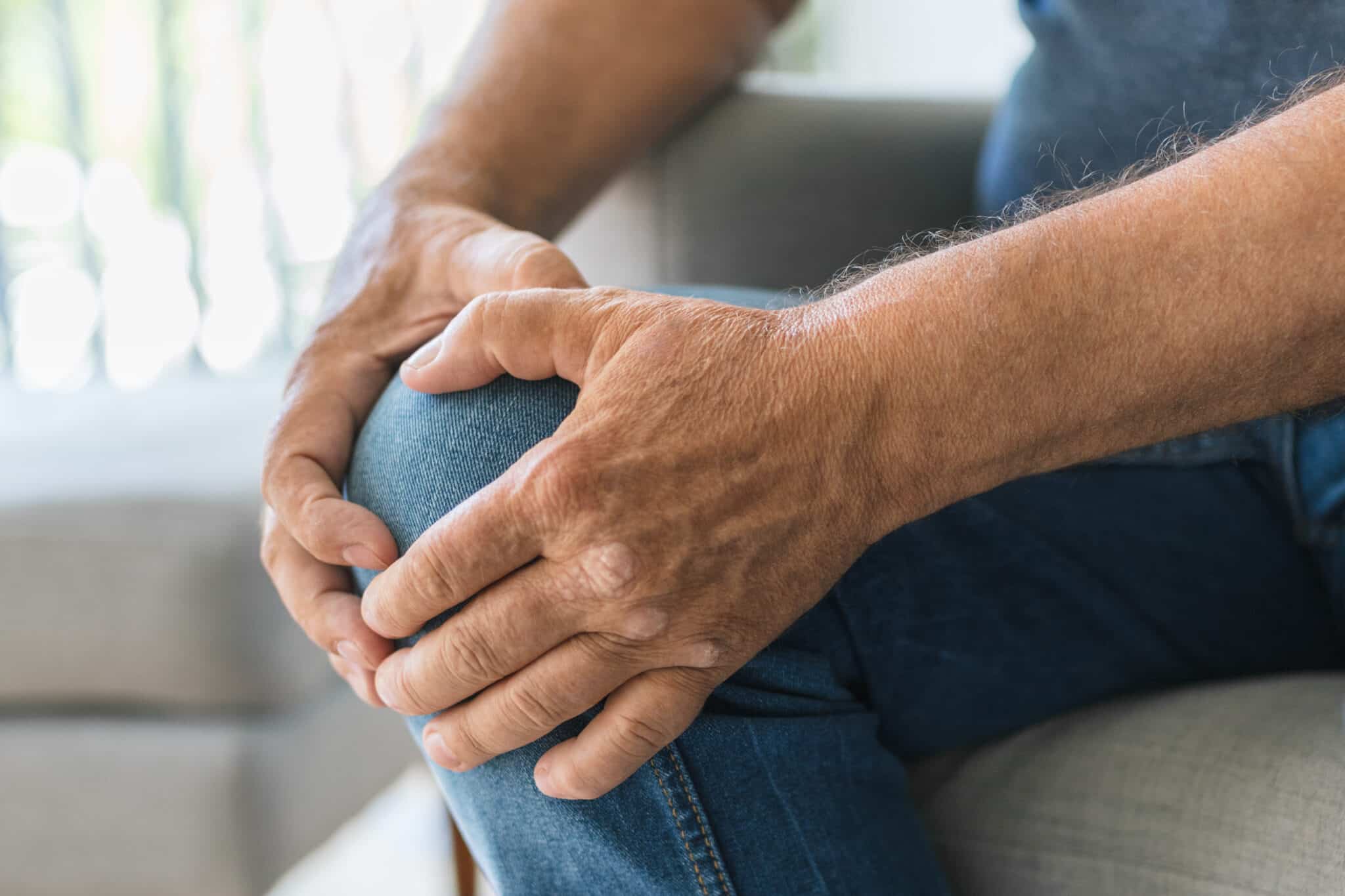
Typical symptoms include pain, swelling, a sense that the knee is not stable, locking or stiffness, and trouble bearing weight.
Not every knee injury needs surgery, but getting checked matters because some injuries can worsen if they are ignored.
Treatment usually depends on what structure is hurt, how severe it is, and your activity goals.
Early care may include rest, bracing, physical therapy, and changing what activities you do for a while.
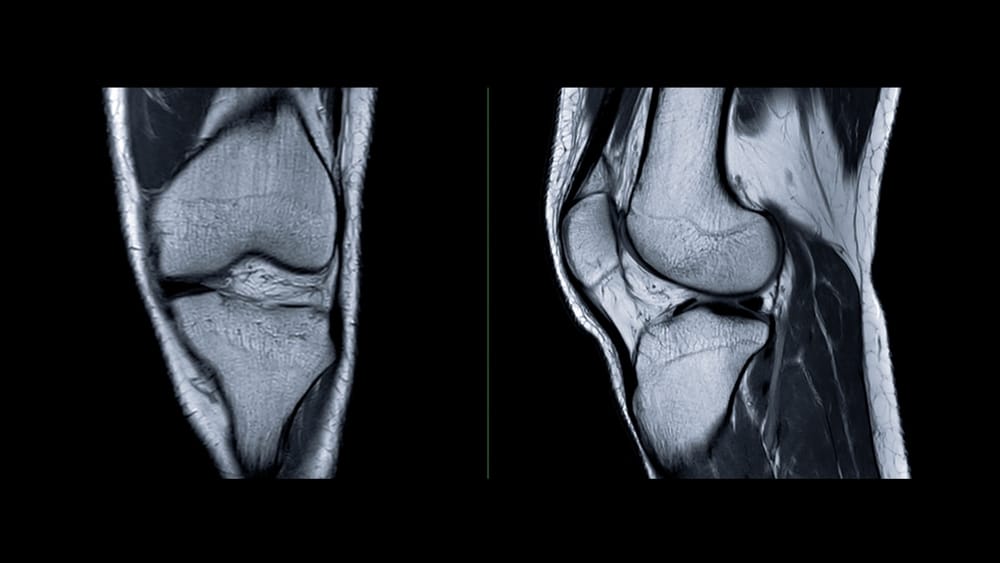
X-rays or MRI may be used to confirm the diagnosis and check for injuries to bones, ligaments, cartilage, or tendons.
Seek orthopaedic care if the knee gives out, swells quickly, or cannot bend or straighten fully.
Why Knee Injuries Are So Common
The knee is a complex joint made up of bones, ligaments, cartilage, tendons, and muscles. It needs strong support to carry your body weight and also needs smooth motion for bending, straightening, and turning.
This mix of stability and movement makes the knee vulnerable. A forceful twist, a direct hit, a sudden stop, or an awkward landing can overload one part of the joint and lead to injury.
A Quick Comparison of Common Knee Injuries
Injury
What It Affects
Common Symptoms
ACL tear
Main stabilizing ligament in the center of the knee
Pain, swelling, feeling of looseness, discomfort with weight-bearing
Patellar tendon tear
Tendon connecting the kneecap to the shinbone
Pain below the kneecap, weakness, trouble straightening the knee
1. ACL Tears
The anterior cruciate ligament, or ACL, helps keep the knee stable, especially during cutting, pivoting, and sudden changes in direction. ACL tears are well known in sports, but they can also happen after a fall or an awkward twist.
Many people describe feeling or hearing a pop at the time of injury. Swelling often starts soon after, and the knee may feel unstable, like it could give way when you turn or try to change direction.
Often caused by pivoting, landing, or sudden stopping
May include a pop at the moment of injury
Often followed by swelling and instability
2. Meniscus Tears
The meniscus is cartilage that acts like a cushion between the thighbone and shinbone. Each knee has two menisci, and they help with shock absorption and joint stability.
A meniscus tear can happen after a twist or deep squat, especially when the foot stays planted. In some people, the tissue can also wear down with age. Symptoms may include pain, swelling, stiffness, and a feeling that the knee catches or locks.
Can happen with twisting or deep bending
May cause catching, locking, or clicking
Sometimes occurs from wear over time rather than a single injury
3. MCL Injuries
The medial collateral ligament, or MCL, runs along the inner side of the knee. It helps resist forces that push the knee inward.
MCL injuries often happen after a blow to the outside of the knee, which is common in contact sports. You may notice pain and tenderness on the inner side of the knee, along with swelling or a feeling that the knee is less stable than usual.
4. PCL Injuries
The posterior cruciate ligament, or PCL, sits behind the ACL and helps keep the shinbone from moving too far backward. PCL injuries are less common than ACL tears, but they can still cause significant symptoms.
These injuries often happen when the front of the bent knee strikes something hard, such as during a fall or motor vehicle collision. Pain, swelling, and a sense that the knee is not moving normally are common complaints.
Signs Your Knee Injury Shouldn’t Be Ignored
Swelling that starts soon after the injury
A knee that buckles or feels unstable
Locking or inability to fully bend or straighten the knee
Difficulty walking or putting weight on the leg
Pain that does not improve with rest
If you have a traumatic knee injury and you cannot bear weight, cannot actively straighten the knee, have rapid or severe swelling, see deformity, feel numbness, notice the leg is cold, or suspect dislocation or fracture, get urgent medical evaluation.
5. Patellar Tendon Tears
The patellar tendon connects your kneecap to your shinbone and helps you straighten your knee. This tendon is important for walking, climbing stairs, standing up, and jumping.
A tear can happen when the tendon is overloaded, often during a forceful jump or landing. Pain is usually felt below the kneecap, and a more serious tear can make it very hard to straighten the leg or support your weight.
How Knee Injuries Are Diagnosed
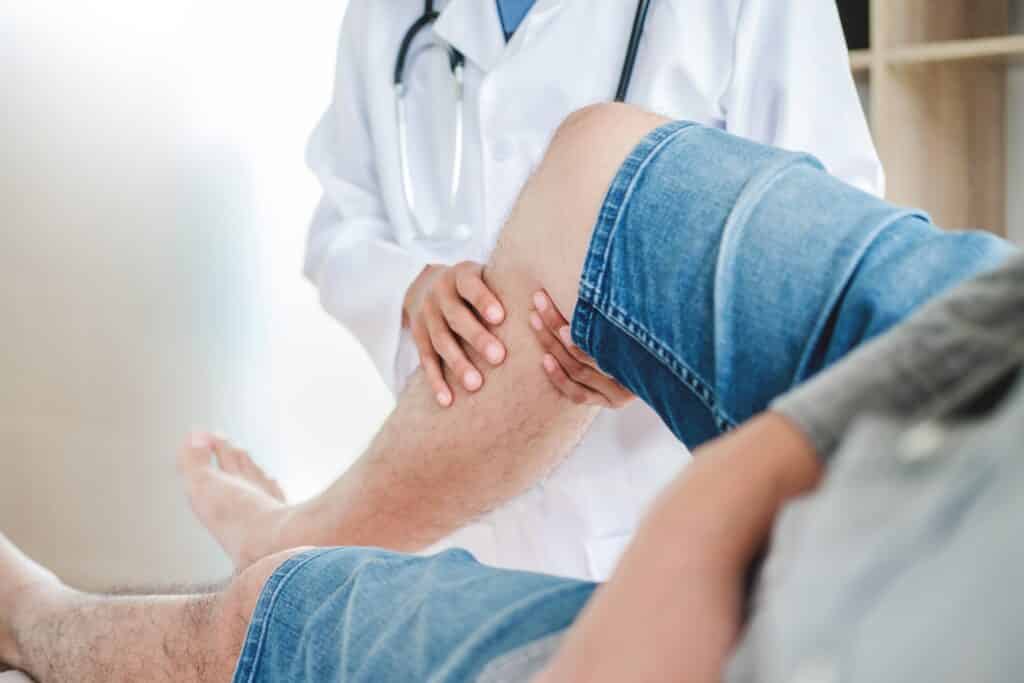
A clinician will start with your history and a physical exam. How the injury happened, where the pain is located, whether the knee swelled right away, and whether the knee feels unstable can all help guide next steps.
Imaging may also be used. X-rays can help rule out fractures, while MRI is often used to look at soft tissues like ligaments, cartilage, and tendons.
Treatment Depends on the Injury
There is no single plan for every knee injury. Care is based on which structure is hurt, how severe the damage is, your symptoms, and what you want to return to in daily life or sports.
Rest and activity changes may help protect the knee early on
Bracing can help support the knee for some ligament injuries
Physical therapy can work on strength, motion, and stability
Some problems may need surgery, especially if there is a suspected complete tendon rupture, major ligament injury, a fracture, or a locked knee
When to See an Orthopaedic Specialist
Get checked soon if your knee pain is severe, if you heard or felt a pop, or if the joint swells quickly after an injury. It also matters if the knee feels like it will give out, gets stuck, or keeps you from walking normally.
A timely evaluation can help prevent additional damage and may help you start the right treatment sooner. If the cause of your symptoms is not clear, a specialist can help you sort out what might be injured and what to do next.
Symptom
Why It Matters
Rapid swelling
Can suggest a significant ligament or internal knee injury
Instability or buckling
May point to ligament damage
Locking or catching
Can happen with meniscus tears or other internal issues
Inability to straighten the knee
May indicate a tendon problem or mechanical block
Pain with weight-bearing
Needs evaluation if it does not quickly improve
Getting Back to Daily Life Safely
A knee injury affects more than sports. It can change work tasks, sleep, exercise routines, and confidence walking on uneven ground or using stairs.
With an accurate diagnosis and a treatment plan that fits your needs, many people can return to their usual activities safely. Focus on healing and guidance, rather than pushing through pain.
This blog post is meant to be informative and should not act as a self-diagnosis tool. If you’d like to see one of our doctors, please contact us here.
Why Is My Thumb Twitching?
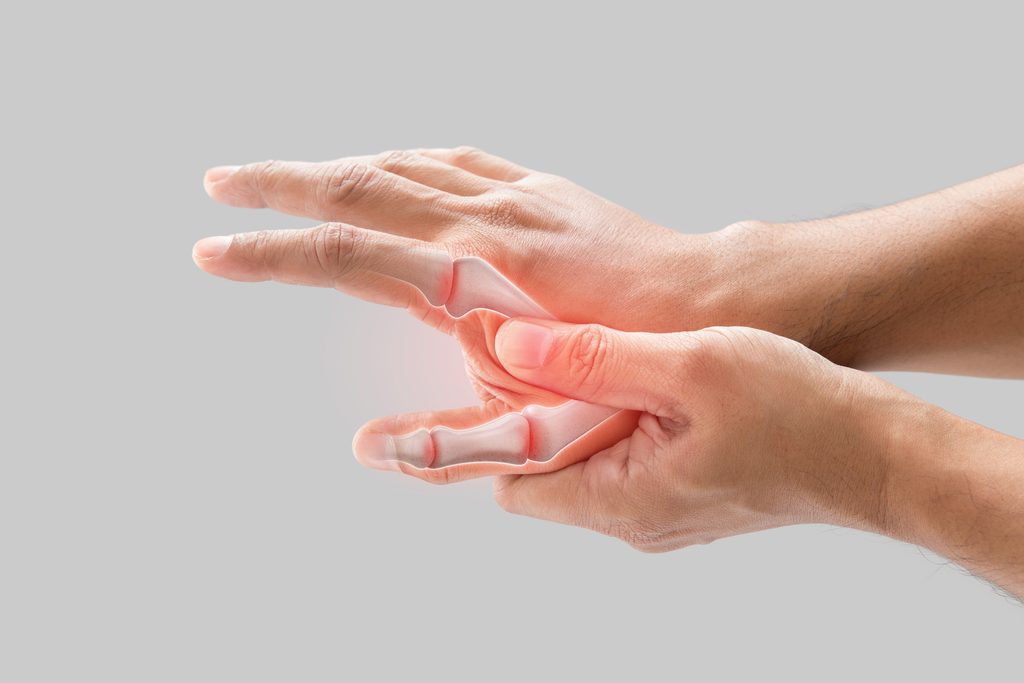
Thumb twitching can feel worrying, especially when it starts without an obvious reason. In many cases, the jerks are linked to muscle fatigue, stress, caffeine, dehydration, or insufficient sleep. Repetitive hand use can also play a role. Often, the twitching is brief and settles on its own, but it's wise to get checked if it keeps going.
Your thumb does a lot more than most people realize. It helps with texting, typing, gripping tools, cooking, and lifting. The small muscles and the tendons around your thumb work together many times a day. When they are overused, they can become irritated or fatigued, and you may notice small, on and off twitching.
Learning the common triggers can help you try safe, simple changes first. It can also guide you on when it is time to ask for an evaluation from an orthopaedic or hand specialist, especially if symptoms affect comfort or hand function.
Key Points About Thumb Twitching
What You Should Know
Thumb twitching is often related to muscle fatigue from repetitive use, stress, or too much caffeine.
Daily triggers can include typing, gaming, texting, writing, and repeated gripping.
Twitching can happen when small hand muscles get tired or irritated.
Dehydration, lack of sleep, and long periods without recovery can make twitching more likely.
Many episodes are temporary, but ongoing symptoms should not be ignored.
Twitching can also come with pain, cramping, weakness, numbness, or a tired feeling.
Nerve signals in the hand, wrist, arm, or neck can contribute to twitching.
Rest, hydration, reducing repetitive activity, and limiting stimulants may help.
If twitching lasts, worsens, or affects hand use, a medical evaluation is important.
An orthopaedic specialist can help sort out whether muscles, tendons, or nerves are involved.
What Causes a Thumb to Twitch?
A twitch is a small, involuntary change in muscle activity. In the thumb, it often comes from brief, small muscle contractions or from nerve signals that affect those muscles. This can feel like brief jumping, pulsing, or a fluttering sensation that comes and goes. The tendon or joint irritation may be present too, especially when use has been heavy.
In many people, the cause is not serious and does not last long. Overuse is a common reason, especially after lots of phone time, keyboard time, or repetitive hand work. When the hand is working in the same way for long periods, the muscles can become tired and more reactive.
Stress, caffeine, dehydration, poor sleep, and general fatigue can also make twitching more noticeable. If you notice the twitching after these triggers, it can point to a temporary muscle or nerve irritation pattern.
Common Triggers You Might Not Realize
Thumb twitching often shows up with everyday habits. Because the thumb helps with many small actions, routine tasks can place extra strain on nearby muscles and on the tendon area. The twitching may increase after a long workday or after you change your usual routine for a few days.
Frequent texting or scrolling on a smartphone
Long hours of typing or using a mouse
Video gaming or repetitive controller use
Writing, crafting, or needlework
Using hand tools or gripping repeatedly at work
Stress and muscle tension
Too much caffeine or other stimulants
Not drinking enough fluids or having poor sleep
When Overuse Is the Likely Cause
Thumb twitching that starts after a busy day of hand activity may be due to overuse. The thumb uses small muscles in the hand and forearm that can become irritated with repeated gripping, pinching, or fast finger movements. The twitching may show up more after work, at night, or after long stretches of screen time.
You might also notice the thumb or hand feels sore, tight, or tired. These feelings can happen at the same time as twitching because tendon and joint irritation can coexist with muscle fatigue. When overuse is the main issue, symptoms often improve after a short period of rest and activity changes.
Taking breaks, changing how you hold the hand, and limiting repetitive activity for several days may reduce symptoms. Gentle movement and avoiding long, steady positions can also help your muscles calm down.
Could It Be Related to a Nerve?
Sometimes thumb twitching is more than muscle fatigue. It can also happen when a nerve that helps control thumb muscles becomes irritated or compressed. This can occur in the hand, wrist, elbow, or even in the neck.
If a nerve is involved, twitching may come with other symptoms like tingling, numbness, burning pain, weakness, or trouble gripping. When twitching is paired with these signs, it is a good idea to seek medical care rather than waiting it out.
Other Symptoms That May Happen With Thumb Twitching
A twitch by itself is often less concerning than twitching plus other changes. It helps to notice what else you feel and whether the symptoms interfere with daily tasks like opening jars, holding a phone, or using tools. Keep track of when symptoms happen and what you were doing right before they started.
Thumb or hand pain
Cramping or stiffness
Numbness or tingling
Weak grip or dropping objects
Swelling near the thumb or wrist
Symptoms that spread into the fingers, forearm, or arm
Possible Causes and What They May Feel Like
Possible Cause
What You May Notice
Common Trigger
Muscle fatigue
Brief twitching or fluttering without major pain
Heavy hand use or repetitive motion
Stress or caffeine
Twitching that comes and goes, sometimes in other areas too
Poor sleep, stress, anxiety, stimulants
Overuse irritation
Twitching along with soreness or tightness
Typing, texting, gaming, gripping
Nerve irritation
Twitching along with numbness, tingling, or weakness
Compression in the hand, wrist, arm, or neck
What You Can Do at Home
If the twitching is mild and started recently, a few simple steps may help. The main goal is to lower strain on the thumb and give the muscles time to recover. These steps are generally safe, especially when there is no worsening weakness or numbness.
Rest from repetitive thumb activities
Take frequent breaks from phones, keyboards, and tools
Drink enough fluids through the day
Cut back on caffeine if you have had more than usual
Work on sleep and stress relief
Adjust hand position and posture during work or device use
If symptoms improve with rest and activity changes, overuse or fatigue may be the likely cause. If symptoms do not improve or keep returning, it is reasonable to get evaluated so the correct source of irritation can be found.
When Should You See a Doctor?
Consider an evaluation if thumb twitching lasts more than a short period, becomes more frequent, or starts to affect how your hand works. It is also important to get care if twitching happens with pain, weakness, numbness, or trouble with coordination. A primary care clinician, neurologist, or orthopaedic or hand specialist can help determine the cause.
In some cases, ongoing or worsening twitching can be linked to systemic or neurologic factors, such as electrolyte imbalance, thyroid problems, or medication or stimulant effects. Benign fasciculation syndrome can also be considered by a clinician, especially if the pattern fits and your exam is otherwise reassuring.
The twitching does not improve after rest, hydration, and reduced caffeine
You have pain in the thumb, hand, or wrist that keeps returning
You notice numbness, tingling, or burning sensations
Your grip feels weak or objects are harder to hold
Symptoms interfere with work, sleep, or daily tasks
Red flags to be evaluated promptly: progressive weakness, muscle wasting, loss of coordination, twitching that spreads to other body areas, significant numbness, severe pain, or symptoms affecting more than one area of the body
How an Orthopaedic Evaluation Can Help
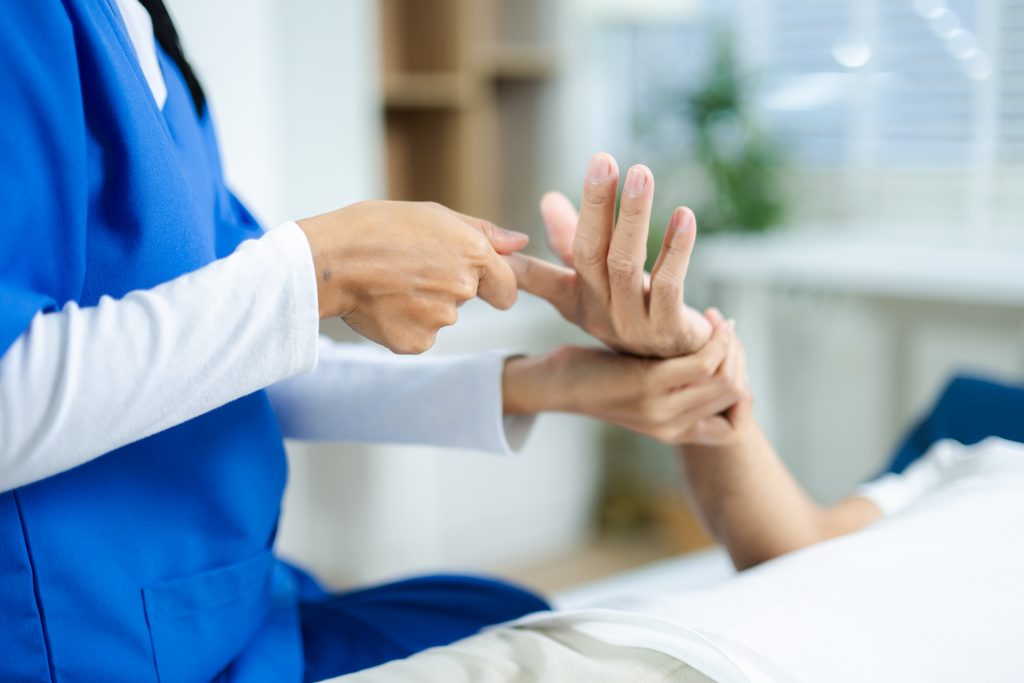
When thumb twitching does not improve, an orthopaedic evaluation helps look at the full pattern. Clinicians may review your symptoms, hand and wrist movement, what activities trigger the twitching, and whether there are signs of tendon, joint, or nerve involvement.
The evaluation may focus on where the twitching seems to start, whether any weakness or sensory changes are present, and how the thumb is functioning during daily tasks. From there, next steps can be recommended to reduce irritation, support healing, and protect hand function.
May help improve grip and reduce strain from repetitive motion while you recover
Don’t Ignore Ongoing Thumb Twitching
Occasional thumb twitching can be linked to overuse or temporary muscle irritation. If twitching keeps happening, makes you feel weaker, or affects daily hand use, a proper diagnosis can help you move forward with the right plan. If symptoms do not improve, schedule an exam with a qualified clinician.
This blog post is meant to be informative and should not act as a self-diagnosis tool. If you’d like to see one of our doctors, please contact us here.
Common Causes of Foot Pain and When to Get It Checked
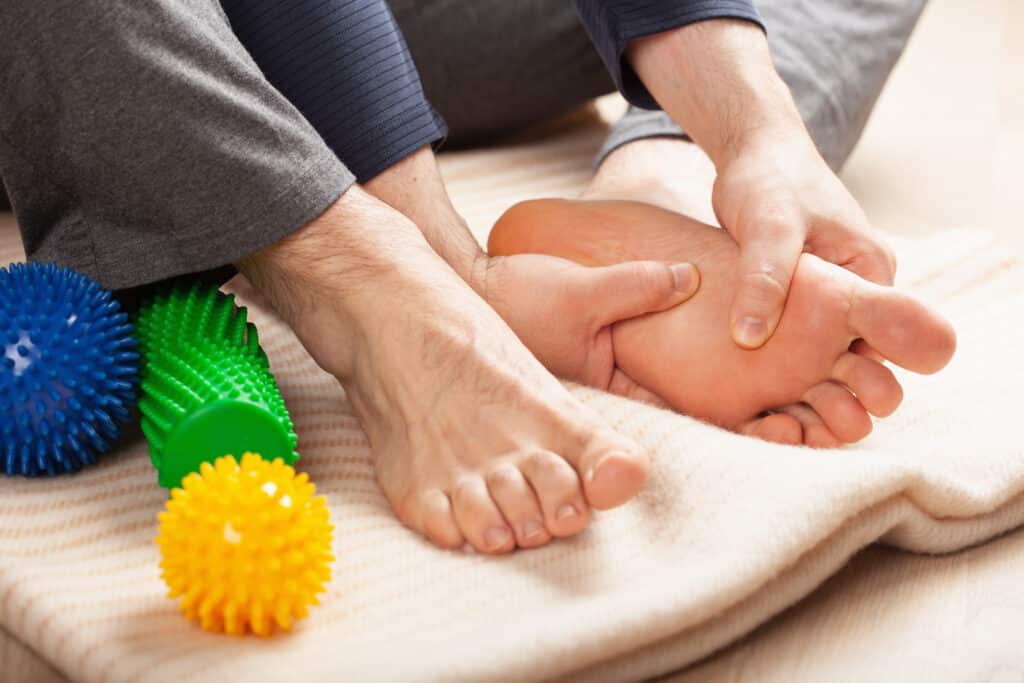
There is no question that foot pain can put a damper on the day to day. You might notice it in the morning as you get out of bed, after you have been on your feet for a long walk, or simply from wearing a particular pair of shoes. The cause is not uniform; an ache in the heel, arch, toes or the front and middle of the foot could be indicative of entirely different matters requiring their own treatment.
Given that the feet take a good deal of force with each step, minor things have a way of compounding. It is therefore worth paying attention to the nature of the discomfort and what aggravates it. Such observations will inform whether a change of footwear and some rest are in order, or if a consultation with an orthopaedic specialist is called for.
Foot Pain Often Follows a Pattern
What You Should Know
Pain in different parts of the foot can suggest different underlying problems.
Heel pain is often linked to plantar fasciitis, especially when pain is worse with your first steps in the morning.
Pain near the big toe may be caused by a bunion, arthritis, or a painful inflammatory condition such as gout.
Burning, tingling, or numbness can indicate nerve-related problems rather than joint or tendon issues.
Toe pain may come from deformities like hammertoes, ingrown toenails, arthritis, or injury.
Arch pain can be related to overuse, strain, tendon problems, or changes in foot shape.
Sudden swelling, redness, or severe tenderness can be a sign of inflammation, infection, or another urgent condition.
Supportive shoes, activity changes, and early evaluation can often help stop symptoms from getting worse.
If pain lasts, affects how you walk, or follows an injury, it should be checked.
#image_title
Why Foot Pain Can Feel So Different From One Person to Another
With its array of small bones, joints and soft tissues, not to mention ligaments, tendons and nerves, the foot is a complex structure. The proximity of all these elements means there are any number of ways for pain to set in. And since some of the culprits can present in much the same way at first, one has to be particular about the details.
Where the pain is situated is telling; what is felt in the heel will have different origins than trouble in the toes or ball of the foot. It is useful to note if the discomfort is sharp or dull, does it radiate, and which activities serve to aggravate or relieve it.
A Quick Look at Where Foot Pain Happens
Location of Pain
Possible Causes
Common Clues
Heel
Plantar fasciitis, heel pad irritation, stress injury
Pain with first steps, soreness after standing or walking
Arch
Strain, tendon irritation, overuse
Aching through the middle of the foot, worse with activity
Ball of foot
Metatarsalgia, nerve irritation, overload
Burning or pressure under the front of the foot
Big toe joint
Bunion, arthritis, gout
Bump, stiffness, swelling, redness, pain with push-off
Toes
Hammertoe, ingrown nail, arthritis, fracture
Crooked toe shape, shoe pressure, swelling, tenderness
Plantar fasciitis is a frequent culprit when it comes to heel pain. The condition has its origins in the plantar fascia, that thick band of tissue running along the sole of the foot which is responsible for arch support. Irritation of this tissue is enough to make standing or walking uncomfortable.
Those suffering from it will typically feel a sharp, stabbing sensation at the base of the heel. It is most pronounced with the first few steps out of bed in the morning or one gets up after being seated for some time. While the discomfort might subside with a bit of movement, it has a way of coming back once there has been prolonged standing or walking.
Pain is usually felt at the underside of the heel
Symptoms are often worst when you first stand up
Long periods on your feet can make it worse
Unsupportive shoes may increase discomfort
Pain in the Ball of the Foot
An overloading of the metatarsal bones and the soft tissues in their vicinity can give rise to pain at the front of the foot. It is an area that endures considerable stress from activities like running or walking, or even just standing for long periods, particularly when one is not wearing shoes with adequate support.
The way it is experienced varies; some will have a bruised or aching feeling while for others there may be a burning, tingling or numbness indicative of nerve irritation. Take these symptoms seriously if they keep getting worse.
Discomfort may feel like you are walking on a pebble
Pain may worsen in narrow or high heeled shoes
Numbness or burning can suggest nerve involvement
Big Toe Pain, Bunions, and Joint Problems
It is not unusual to experience pain in the big toe joint, and there are a number of possible origins for it. Take the bunion, for instance: as the joint at the base of the toe goes out of alignment, a bump forms that is plain to see and can get irritated from shoe friction.
Then there is arthritis, which will make the joint stiff and swollen, causing discomfort when one puts weight on it while walking. The area can turn red and hot, becoming extremely tender. Gout is one form of inflammatory arthritis that has a way of coming on with little warning.
Bunions often cause a bump and pressure from footwear
Arthritis may limit how well the toe bends
Gout often causes sudden pain, swelling, and redness
Toe Pain and Toe Deformities
There are a number of possible causes for toe pain, from injury and nail issues to arthritis or hammertoes. The latter is an abnormal bending of the toe at a joint that will put pressure on the foot and cause it to rub and hurt inside one’s shoes.
Then there is the matter of ingrown toenails; these can be quite painful and often result in some redness and swelling at the nail’s edge. And should a toe swell up after being stubbed or following a fall, it would be prudent to have any sprain or fracture ruled out.
Arch Pain and Mid foot Discomfort
With the arch serving to take the shock and spread out the weight, any strain there is bound to make walking a discomfort. One might feel pain in the middle of the foot or through the arch as a result of overuse, an irritated tendon or some alteration in the way the foot bears the body’s load.
Such pain does not always come on all at once; it can be a gradual thing. Then again, it may set in after an active day on one’s feet, a shift in routine or from shoes lacking in proper support. It is well to note these kinds of triggers when it comes to treatment.
When Nerves May Be Involved
The source of foot pain is not always the bones or joints. When one experiences a burning, tingling or numbness, or something akin to an electric shock, it can be indicative of an underlying nerve issue. Such sensations will make themselves known in various parts of the foot, from the toes and ball of the foot to more extensive areas.
It is worth giving these symptoms some consideration, particularly should they begin to worsen, alter your gait or put your balance at risk.
Signs You Shouldn’t Ignore
For the most part, self-care is a suitable course of action when one is dealing with mild symptoms that are likely to pass in short order. Should any red flags make an appearance, however, it is wiser to seek a medical evaluation without delay. A prompt diagnosis will do much to address problems like infection, fracture, gout, or a blood flow issue.
Pain that does not improve with rest, or keeps coming back
Swelling that keeps increasing or becomes severe, especially if it happens quickly
Spreading redness or skin that feels warm and tender, especially if you also have a fever
Inability to bear weight
Pain that starts suddenly and becomes very severe
Numbness or loss of sensation
A cold, pale, or blue foot or toes
Open wounds, blisters, puncture marks, or any drainage
Signs that infection may be present, such as warmth, increasing pain, redness, fever, or pus-like drainage
Recent injury, a twist, or a fall followed by worsening pain or swelling
Symptoms in a person with diabetes, neuropathy, immune suppression, or poor circulation
A change in foot shape or toe position after injury
Common Factors That Can Make Foot Pain Worse
Many foot conditions are made worse by repeated stress and poor support. Even when the cause is different, the same daily habits can keep symptoms going. Small changes can help, but they should not delay care when red flags are present.
Wearing shoes that are tight, worn out, or unsupportive
Suddenly increasing walking, running, or other exercise
Standing for long hours on hard surfaces
Ignoring pain and continuing activities that clearly make it worse
Changes in foot alignment or toe shape over time
What You Can Do at Home
For a case of mild foot pain, home remedies are an option as one monitors for any betterment. The approach taken ought to be in keeping with the nature of the symptoms and how the discomfort came about. But there is no place for home care when red flags are present; do not use home care if you have red flags such as inability to bear weight, rapidly increasing swelling, or signs of infection.
Rest from activities that clearly make the pain worse
Choose shoes with better cushioning and support
Avoid tight shoes if you have bunion irritation or toe pain
Use ice if the area feels sore or swollen
Track whether symptoms are improving, staying the same, or spreading
When to See an Orthopaedic Specialist
It is advisable to have foot pain seen to if there is no sign of improvement, or should it alter your gait or follow an injury. Left to its own devices, such pain can be persistent and lead to compensatory habits that put the back, hip, knee or ankle under strain.
An orthopaedic assessment will determine if the problem lies in the soft tissues, nerves, tendons, joints or bone. With the root cause established, one can then put in place a treatment plan suited to the condition rather than merely addressing the symptom.
When Foot Pain Needs Medical Attention
There are certain causes that call for a timely diagnosis and course of treatment, not least gout, infection or fractures. Vascular issues and more serious forms of inflammation fall into this category as well. In the event of any red flags, or should symptoms be on the upturn, it is advisable to seek medical counsel without delay.
Situation
Why It Matters
Next Step
Pain lasts more than a few days or keeps returning
May suggest an ongoing structural or inflammatory problem
Schedule an evaluation
You cannot bear weight
Could indicate a more significant injury or other urgent issue
Seek prompt care
Severe or rapidly worsening swelling
May signal inflammation, injury, or infection that needs fast help
Get medical guidance
Spreading redness or warmth, especially with fever
May suggest infection or inflammatory flare
Get medical guidance soon
Open wounds or drainage
May indicate infection
Seek prompt care
Numbness, tingling, or loss of sensation
May suggest nerve involvement or another urgent problem
Have it assessed
Pain began after a twist, fall, or direct injury
A sprain or fracture may need treatment
Seek orthopaedic evaluation
Symptoms in diabetes, neuropathy, immune suppression, or poor circulation
Higher risk of complications
Seek prompt medical advice
Cold, pale, or blue foot
May signal circulation problems
Get urgent evaluation
Getting the Right Diagnosis Matters
One can be forgiven for thinking foot ailments are all the same, yet the right course of treatment is a matter of getting to the root of it. Heel pain does not automatically mean plantar fasciitis, nor is every case of toe pain a bunion. Even a burning sensation may have nothing to do with the fit of one
u2019s shoes. An accurate diagnosis is what will point the way to the safest approach.
Should the pain in your feet get in the way of your day, an evaluation is in order to determine the source and the best remedy. There is much to be said for early intervention; in many cases, early care can reduce pain and lower the chance of a small issue turning into a longer-term problem.
Schedule an exam if your foot pain is persistent, worsening, or making it hard to stay active comfortably, or if you have any red flags like inability to bear weight or suspected infection.
This blog post is meant to be informative and should not act as a self-diagnosis tool. If you’d like to see one of our doctors, please contact us here.
Sequence rules uses cookies to track the order of requests a user has made and the time between requests and makes them available via Cloudflare Rules. This allows you to write rules that match valid or invalid sequences. The specific cookies used to validate sequences are called sequence cookies.
session
cf_ob_info
The cf_ob_info cookie provides information on: The HTTP Status Code returned by the origin web server. The Ray ID of the original failed request. The data center serving the traffic
session
cf_use_ob
The cf_use_ob cookie informs Cloudflare to fetch the requested resource from the Always Online cache on the designated port. Applicable values are: 0, 80, and 443. The cf_ob_info and cf_use_ob cookies are persistent cookies that expire after 30 seconds.
session
__cfwaitingroom
The __cfwaitingroom cookie is only used to track visitors that access a waiting room enabled host and path combination for a zone. Visitors using a browser that does not accept cookies cannot visit the host and path combination while the waiting room is active.
session
cf_chl_rc_i
These cookies are for internal use which allows Cloudflare to identify production issues on clients.
session
cf_chl_rc_ni
These cookies are for internal use which allows Cloudflare to identify production issues on clients.
session
cf_chl_rc_m
These cookies are for internal use which allows Cloudflare to identify production issues on clients.
session
__cfruid
Used by the content network, Cloudflare, to identify trusted web traffic.
session
__cf_bm
Cloudflare's bot products identify and mitigate automated traffic to protect your site from bad bots. Cloudflare places the __cf_bm cookie on End User devices that access Customer sites that are protected by Bot Management or Bot Fight Mode. The __cf_bm cookie is necessary for the proper functioning of these bot solutions.
session
__cflb
When enabling session affinity with Cloudflare Load Balancer, Cloudflare sets a __cflb cookie with a unique value on the first response to the requesting client. Cloudflare routes future requests to the same origin, optimizing network resource usage. In the event of a failover, Cloudflare sets a new __cflb cookie to direct future requests to the failover pool.
session
_cfuvid
The _cfuvid cookie is only set when a site uses this option in a Rate Limiting Rule, and is only used to allow the Cloudflare WAF to distinguish individual users who share the same IP address.
session
cf_clearance
Whether a CAPTCHA or Javascript challenge has been solved.
session
Google reCAPTCHA helps protect websites from spam and abuse by verifying user interactions through challenges.
Name
Description
Duration
_GRECAPTCHA
Google reCAPTCHA sets a necessary cookie (_GRECAPTCHA) when executed for the purpose of providing its risk analysis.
179 days
Google Tag Manager simplifies the management of marketing tags on your website without code changes.
Name
Description
Duration
cookiePreferences
Registers cookie preferences of a user
2 years
td
Registers statistical data on users' behaviour on the website. Used for internal analytics by the website operator.
session
These cookies are used for managing login functionality on this website.
Name
Description
Duration
wordpress_logged_in
Used to store logged-in users.
Persistent
wordpress_sec
Used to track the user across multiple sessions.
15 days
wordpress_test_cookie
Used to determine if cookies are enabled.
Session
WPForms is a user-friendly WordPress plugin for creating custom forms with drag-and-drop functionality.
Name
Description
Duration
wpfuuid
Used to track user interactions with forms.
11 years
Statistics cookies collect information anonymously. This information helps us understand how visitors use our website.
Google Analytics is a powerful tool that tracks and analyzes website traffic for informed marketing decisions.
Used to distinguish new sessions and visits. This cookie is set when the GA.js javascript library is loaded and there is no existing __utmb cookie. The cookie is updated every time data is sent to the Google Analytics server.
30 minutes after last activity
__utmc
Used only with old Urchin versions of Google Analytics and not with GA.js. Was used to distinguish between new sessions and visits at the end of a session.
End of session (browser)
__utmz
Contains information about the traffic source or campaign that directed user to the website. The cookie is set when the GA.js javascript is loaded and updated when data is sent to the Google Analytics server
6 months after last activity
__utmv
Contains custom information set by the web developer via the _setCustomVar method in Google Analytics. This cookie is updated every time new data is sent to the Google Analytics server.
2 years after last activity
__utmx
Used to determine whether a user is included in an A / B or Multivariate test.
18 months
_ga
ID used to identify users
2 years
_gali
Used by Google Analytics to determine which links on a page are being clicked
30 seconds
_ga_
ID used to identify users
2 years
_gid
ID used to identify users for 24 hours after last activity
24 hours
_gat
Used to monitor number of Google Analytics server requests when using Google Tag Manager
1 minute
_gac_
Contains information related to marketing campaigns of the user. These are shared with Google AdWords / Google Ads when the Google Ads and Google Analytics accounts are linked together.
90 days
__utma
ID used to identify users and sessions
2 years after last activity
__utmt
Used to monitor number of Google Analytics server requests
10 minutes
These cookies help us measure the effectiveness of our website content and understand how visitors find and use our site. This allows us to improve the experience and provide more helpful resources.
Facebook Pixel is a web analytics service that tracks and reports website traffic.