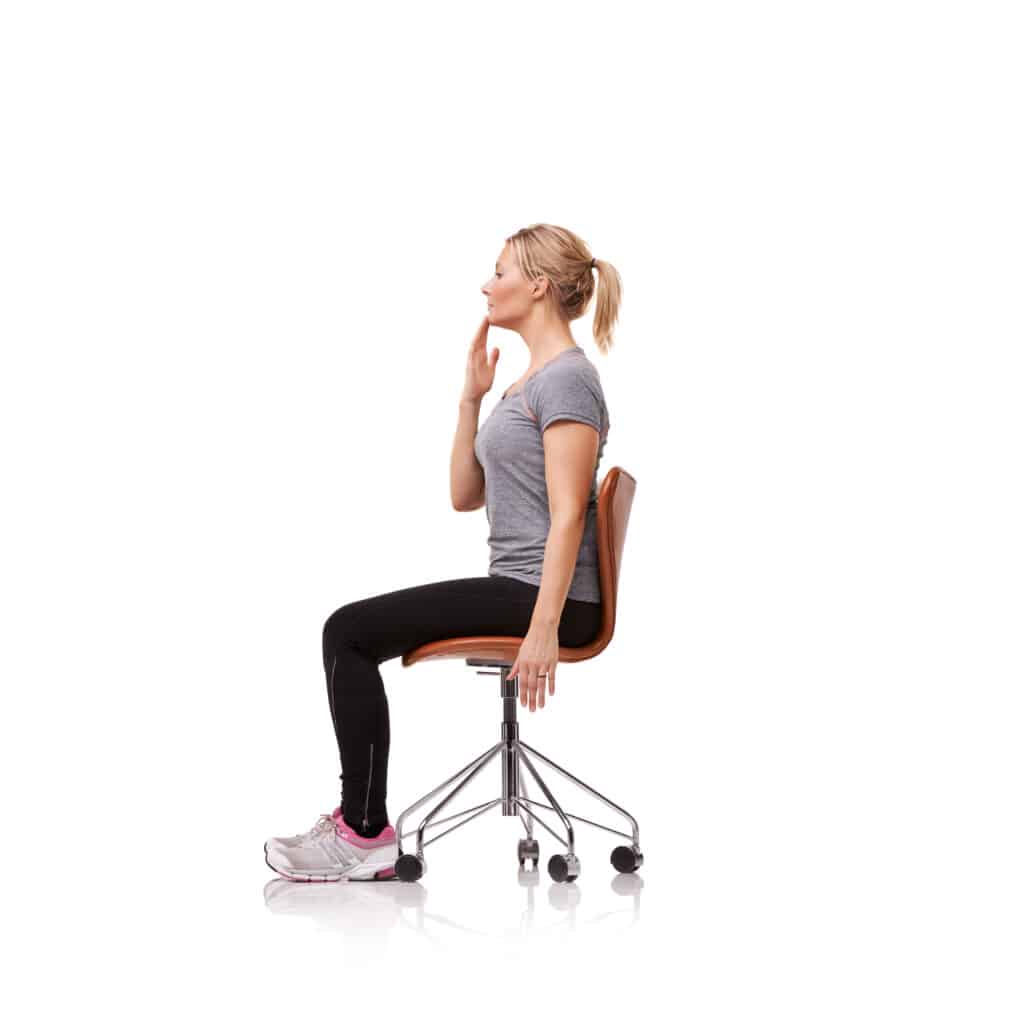
Gentle Neck and Back Stretches for Pain Relief at Home
by Princeton Orthopaedic Associates
Gentle Neck and Back Stretches You Can Do At Home
If your neck or back feels tight, daily tasks like work, sleep, and exercise can become more difficult. This simple guide offers safe stretches to ease stiffness, improve posture, and help you move more comfortably. You'll learn when to stretch, how long to hold each stretch, and when it might be time to consult a clinician or physical therapist.
Before You Start: Safe Stretching Basics
Move slowly and stay in a comfortable stretch, not in pain. You should feel gentle tension that eases with steady breathing.
Hold most stretches 15 to 30 seconds, repeat 2 to 4 times per side, once or twice daily.
Stop and contact a clinician if you notice numbness, tingling, weakness, or pain that spreads into an arm or leg.
If you have osteoporosis, a recent injury, surgery, or active sciatica, ask your doctor or physical therapist which movements are best for you.
A Quick Daily Routine
Warm up with a short walk around the room for 1 to 2 minutes.
Do the neck sequence below, then the back sequence.
Finish with 3 slow breaths, in through your nose and out through your mouth, to help muscles relax.
Neck Stretches
These movements target common areas of tightness that can contribute to neck pain, tension headaches, and poor posture.
1) Chin Tucks
Sit or stand tall. Gently draw your chin straight back, as if making a small double chin. Keep your eyes level.
Hold 3 to 5 seconds, relax. Repeat 8 to 10 times.
Helps strengthen the deep neck flexors and counters forward head posture.
2) Upper Trapezius Stretch
Sit tall and hold the edge of your chair with your right hand. Tilt your left ear toward your left shoulder to feel a stretch on the right side of your neck.
Option: Rest your left hand lightly on the right side of your head for a gentle assist. Avoid pulling.
Hold 15 to 30 seconds, repeat 2 to 4 times each side.
3) Levator Scapulae Stretch
Turn your head about 45 degrees to the left, then tuck your chin toward your left armpit.
Place your left hand lightly on the back of your head to guide the stretch. You should feel it along the back and side of the neck.
Hold 15 to 30 seconds, repeat 2 to 4 times each side.
4) Doorway Chest Stretch
Tight chest muscles can pull the shoulders forward, which can increase neck strain.
Stand in a doorway with your forearms on the doorframe and elbows at shoulder height.
Step one foot forward and gently shift your weight until you feel a stretch across the chest and front of the shoulders.
Hold 15 to 30 seconds, repeat 2 to 3 times.
Back Stretches
These stretches focus on the upper and lower back, hips, and the muscles that support your spine.
1) Cat‑Cow Mobility
Start on hands and knees. Inhale as you gently let your belly lower and lift your chest. Exhale as you round your back and tuck your chin.
Move slowly through 8 to 12 repetitions.
2) Child’s Pose
From hands and knees, sit your hips back toward your heels and reach your arms forward.
Relax your shoulders and breathe into your sides and lower back.
Hold 20 to 30 seconds, repeat 2 to 3 times.
3) Single Knee‑to‑Chest
Lie on your back with knees bent. Bring one knee toward your chest, hands on the shin or behind the thigh.
Hold 15 to 30 seconds, then switch. Repeat 2 to 4 times each side.
4) Lower Trunk Rotations
Lie on your back with knees bent and feet flat. Gently let both knees fall to one side while keeping your shoulders on the floor.
Hold 10 to 20 seconds, then switch sides. Repeat 5 to 10 times total.
5) Prone Press‑Ups
The prone press up can help ease stiffness in the lower back for some people. If you feel more pain in your legs, numbness, tingling, or a change in how your legs or feet feel during the move, stop right away. Do not push through nerve symptoms, and talk with your clinician before trying again.
Lie on your stomach and prop up on your elbows, letting your low back relax.
Option: Press into your hands to raise your chest a bit higher if comfortable. Keep hips on the floor.
Hold 5 to 10 seconds, repeat 8 to 10 times.
6) Hamstring Stretch
Lie on your back. Loop a towel or strap around one foot and gently straighten the knee toward the ceiling until you feel a stretch in the back of the thigh.
Keep the other leg bent for comfort. Hold 15 to 30 seconds, switch sides, repeat 2 to 3 times.
7) Figure‑4 Hip Stretch
Lie on your back, cross your right ankle over your left knee. Lift the left leg and hold behind the thigh.
Feel the stretch in the right hip or buttock. Hold 15 to 30 seconds, switch sides, repeat 2 to 3 times.
How Often Should You Stretch?
Doing stretches regularly matters more than doing long, hard sessions. If you practice a little every day, you are more likely to keep your joints flexible and your back strong. Use the chart below to plan how often you stretch, how long to hold each stretch, and how many times to repeat.
Goal
Frequency
Hold Time
Repetitions
Ease stiffness
Daily or 5 days per week
15 to 30 seconds
2 to 4 per side
Posture support
Daily micro‑breaks
5 to 10 seconds for resets
Little and often throughout the day
Warm up
Before activity
Gentle, shorter holds
8 to 10 easy reps of mobility moves
Ergonomic Habits That Help
Set a reminder to stand and move for 1 to 2 minutes every 30 to 60 minutes.
Keep screens at eye level and your keyboard close so your shoulders stay relaxed.
Use a supportive chair, and place feet flat on the floor or on a small footrest.
Choose a pillow height that keeps your neck in a neutral position.
When To Contact Princeton Orthopaedic Associates
If your pain lasts more than a week or two despite trying home care, or if it wakes you at night or keeps you from daily tasks, you should seek an evaluation. Call if you notice numbness, tingling, weakness, or new changes in bowel or bladder control, as these need urgent attention.
Pain lasts more than 1 to 2 weeks despite home care.
Pain wakes you at night or limits daily tasks.
You notice numbness, tingling, or weakness in an arm or leg.
Pain began after a fall or accident.
There are changes in bowel or bladder control. This is urgent and needs immediate care.
Our team can diagnose the source of pain, tailor a stretching and strengthening plan, and coordinate physical therapy when needed.
Next Step
If your neck or back pain keeps returning, a personalized plan usually helps most. Schedule an exam with Princeton Orthopaedic Associates so we can identify what is driving your symptoms and guide you through the right exercises for long‑term relief.
This blog post is meant to be informative and should not act as a self-diagnosis tool. If you’d like to see one of our doctors, please contact us here.