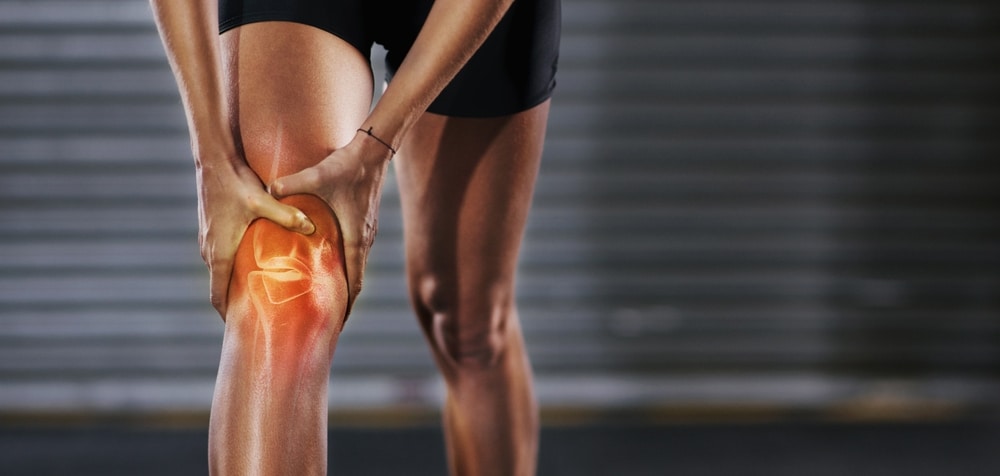

Knee pain after a run is common, whether you are new to running or building mileage. Below you will find the most frequent causes, how to tell what is driving your pain, simple steps to feel better, and when it is time to schedule an exam with our team at Princeton Orthopaedic Associates.

Use this guide to match your pain pattern with likely sources. An exam is the best way to confirm the diagnosis.
| Location of Pain | Possible Cause | Common Triggers |
|---|---|---|
| Front of the knee or behind the kneecap | Patellofemoral pain syndrome (runner’s knee) | High-impact mileage, prior injuries, and age-related changes |
| Sprinting, jumping, high-load quad work | Iliotibial band syndrome | Downhills, slanted roads, sudden mileage increases |
| Outside of the knee | Patellar tendinopathy | Hills, stairs, prolonged sitting, weakness of the hips or quads |
| Repetitive kneeling, direct pressure, and overuse | Meniscal irritation or tear | Twisting, deep knee bends, uneven terrain |
| Stiffness and swelling after activity | Knee osteoarthritis | Inside line of the knee or catching sensation |
| Warmth or tenderness near the kneecap | Bursitis | Repetitive kneeling, direct pressure, overuse |
Running multiplies the force through your knees with every step. Small issues in strength, flexibility, or form can add up over thousands of strides.

These steps are safe for most runners and are intended to reduce irritation while protecting the knee. Start by reducing hard miles and hills, then gradually resume activity as comfort returns. If pain persists for more than a week despite rest, or if you notice swelling, catching, or weakness, consult a clinician promptly.
These conditions often respond well to targeted rehab and training changes.
| Condition | What It Is | Helpful Strategies |
|---|---|---|
| Patellofemoral pain | Irritation where the kneecap tracks over the femur | Hip and quad strengthening, taping or bracing, cadence work, hill modification |
| Iliotibial band syndrome | Compression/impingement of tissues over the lateral femoral epicondyle and adjacent fat pad (commonly referred to as IT band syndrome). | Gradual loading, eccentric and isometric quad exercises, and manage jumping volume |
| Patellar tendinopathy | Overload of the tendon below the kneecap | Reduce twisting and deep knee bends, progressive strengthening, and imaging if persistent |
| Meniscal irritation | Stress or tearing of shock-absorbing cartilage | Strength, low-impact cardio, weight management, activity modification |
| Knee osteoarthritis | Wear of joint cartilage with age or prior injury | Gradual loading, eccentric and isometric quad exercises, and managing jumping volume |
If knee pain is keeping you from the miles you love, we can help you identify the cause and build a clear plan back to comfortable running.

Please contact us! We'd love to help.
If you have pain, please contact us and schedule an appointment. We have urgent care facilities all over New Jersey for your convenience.
This blog post is meant to be informative and should not act as a self-diagnosis tool. If you’d like to see one of our doctors, please contact us here.
© 2026 Princeton Orthopaedic Associates. The contents of PrincetonOrthopaedic.com are licensed under a Creative Commons Attribution-NonCommercial 4.0 International License. Copying without permission is forbidden. HIPAA Notice of Privacy Practices | Privacy Policy | AccessibilityÂ