Foot Pain: Common Causes, Symptoms, and Treatment Options
Foot pain can come from many sources, from irritated tendons and tight fascia to nerve irritation and arthritis. Here, you’ll find a clear overview of why feet hurt, how to tell what might be going on, and the proven ways we help people heal and stay active.
Whether your foot pain is new or has lasted for months, know how your pain acts, where it hurts, and how it changes with walking or standing. This helps you find relief faster. You can start practical steps today and use the medical options we choose when home care does not work.
Foot Pain at a Glance: What to Know
Location matters. Heel, arch, forefoot, toes, top of foot, or ankle pain often points to different causes.
Common culprits include plantar fasciitis, tendon irritation, stress fractures, arthritis, and nerve problems.
Training errors, worn shoes, long days on your feet, or sudden changes in activity can trigger pain.
Early care helps. Activity changes, ice, supportive footwear, and guided exercises often ease symptoms.
See a specialist if pain is severe, you can’t bear weight, there’s deformity, or symptoms persist despite rest.
Imaging, such as X-rays, ultrasound, or MRI, may be used when a fracture, tendon tear, or arthritis is suspected.
Most cases improve without surgery through physical therapy, orthotics, and targeted treatments.
Persistent bunions, neuromas, severe arthritis, or unstable injuries sometimes need surgical care.
Good shoes, gradual training, and strengthening reduce the odds of recurring pain.
Your plan should match your specific diagnosis, goals, and activity demands.
#image_title
How Your Foot Works and Why It Can Hurt
Your foot has 26 bones, numerous joints, strong ligaments, and powerful tendons. This complex design allows it to absorb shock, stabilize the body, and push you forward with every step.
Problems arise when tissues are overworked, inflamed, worn by arthritis, or irritated by pressure or footwear. The plantar fascia, Achilles tendon, and small nerves between the toes are frequent sources of symptoms.
Where It Hurts Can Point to the Cause
Use this guide to match common pain locations with frequent causes and typical clues. A precise diagnosis still requires an exam.
Pain with lacing shoes tightly, swelling on top, pain with push-off
Outer Foot / Ankle
Ankle sprain, peroneal tendinitis
Tenderness along outer ankle or foot, pain on uneven ground
Big Toe Joint
Bunion, hallux rigidus, turf toe, gout
Prominent bunion, stiffness or grinding, sudden redness and swelling with gout
Common Causes by Area
Heel Pain
Plantar fasciitis: Irritation of the band of tissue under the foot that supports the arch. Often worse with the first steps in the morning.
Achilles tendinitis: Overuse irritation of the tendon connecting the calf to the heel. Common with increased training or tight calves.
Heel spur: A bony growth at the heel that may accompany plantar fasciitis. Pain usually comes from the irritated soft tissues, not the spur itself.
Bursitis or retrocalcaneal irritation: Inflammation of cushioning sacs near the Achilles insertion at the back of the heel.
Stress fracture: Tiny crack in the heel bone from repetitive load. Tender to touch, often worse with weight bearing.
Arch and Bottom of the Foot
Plantar fasciitis: The most common cause of arch pain, related to overload of the plantar fascia.
Posterior tibial tendon problems: This tendon supports the arch. Irritation or insufficiency can cause aching along the inside of the ankle and arch, sometimes with a flattening of the foot.
Flatfoot strain: Flexible flat feet may ache after prolonged standing or walking, especially on hard surfaces.
Ball of the Foot and Toes
Metatarsalgia: Pain under the ball of the foot from overload or footwear pressure.
Morton neuroma: Thickening of a small nerve between the toes, causing burning, tingling, or a sock-bunched-up feeling.
Sesamoiditis: Irritation of the small bones under the big toe joint, often in push-off athletes or with flexible forefeet.
Hammertoe irritation: A toe deformity that rubs in shoes and can cause corns or calluses.
Stress fractures: Small cracks in the metatarsal bones from repetitive impact.
Top of Foot and Midfoot
Extensor tendinitis: Irritation of the tendons on top of the foot, sometimes from tight laces or increased activity.
Midfoot arthritis: Wear of the joints in the middle of the foot, causing stiffness and aching, often worse with push-off.
Lisfranc sprain: Injury to the midfoot ligaments that needs careful evaluation if pain and swelling persist. Persistent midfoot pain, inability to bear weight, or bruising on the bottom of the foot warrants prompt evaluation.
Stress fracture: Overuse injury of the midfoot bones, common with training spikes or sudden activity changes.
Outer Foot and Ankle
Ankle sprain: Ligament injury after rolling the ankle. Pain, swelling, and tenderness on the outside are typical.
Peroneal tendinitis: Irritation of the tendons that run behind the outer ankle bone, often aggravated by uneven ground.
Big Toe Joint
Bunion (hallux valgus): A bony prominence and angulation at the base of the big toe that can cause shoe pressure and pain.
Hallux rigidus: Arthritis and stiffness of the big toe joint that makes push-off painful.
Turf toe: Sprain of the big toe joint from a hyperextension injury.
Gout: Sudden, intense pain, redness, and swelling at the big toe joint due to crystal inflammation.
When to Seek Care Urgently
Severe pain or swelling after an injury, or visible deformity
Inability to bear weight or take four steps
Numbness, tingling, or weakness in the foot
Fever, redness, warmth, or an open wound near a painful area
Pain that persists beyond a couple of weeks despite rest and home care
How To Diagnose Foot Pain
Your specialist begins with a careful history and hands-on exam. We look at where it hurts, when it hurts, your footwear, and how you walk.
Physical exam: Tender points, flexibility, strength, alignment, and gait
Imaging as needed: X-rays for bones and joints, ultrasound for soft tissues, MRI for complex or persistent problems
Nerve testing in select cases when symptoms suggest nerve entrapment
The goal is a clear diagnosis, so your treatment targets the true source of pain.
Treatment Options That Help
Most foot pain improves with a combination of activity changes, shoe adjustments, focused exercises, and targeted medical care. Your plan will be tailored to your diagnosis and goals.
Self-Care and Rehabilitation
Activity changes: Reduce high-impact activities while symptoms settle
Ice and elevation for swelling or after activity as needed. Avoid prolonged direct skin contact. If you have diabetes with neuropathy or peripheral vascular disease, consult a clinician before icing.
Supportive footwear and, when appropriate, cushioned insoles or custom orthotics
Stretching tight calves and plantar fascia, plus strengthening foot and ankle stabilizers
Physical therapy to correct mechanics, restore mobility, and build resilience
Medical Treatments
Medications such as anti-inflammatories, when appropriate
Cushioning pads or offloading for pressure points under the forefoot or heel
Immobilization or a walking boot for stress fractures or significant sprains
Image-guided corticosteroid injections for select conditions,s such as plantar fasciitis or a neuroma. They are typically reserved for cases that do not respond to conservative care and carry small risks, such as plantar fascia rupture or fat pad atrophy, so they should be used judiciously.
Surgery is considered when pain persists despite comprehensive nonoperative care, or when structural problems require correction
Prevention Tips to Protect Your Feet
Wear supportive shoes that match your activity and replace them when worn
Increase training volume gradually and vary your activities
Warm up, stretch calves and hamstrings, and maintain ankle and foot strength
Use orthotics or padding if your provider recommends them for alignment or offloading
Address new pain early to prevent chronic irritation
Getting Back on Your Feet
If foot pain is limiting your day, we’re here to help you find the cause and create a clear plan forward. Schedule an exam with a Princeton Orthopaedic Associates specialist to start moving comfortably again.
This blog post is meant to be informative and should not act as a self-diagnosis tool. If you’d like to see one of our doctors, please contact us here.
Strengthen Your Posterior Chain to Move Better and Hurt Less
A strong back line, called the posterior chain, helps you stand tall and move well. It may help protect your spine, and it supports everyday tasks like lifting, climbing stairs, and getting up from a chair. It covers what the posterior chain includes, why it matters for back and knee comfort, easy form cues, and safe exercises you can start today.
We’ll also outline how often to train, common mistakes to avoid, and when it may be helpful to see a clinician at Princeton Orthopaedic Associates for personalized care and safer progress.
Disclaimer
Please note that these exercises are listed here as examples. You will absolutely need to consult with a qualified doctor, trainer, or medical professional to decide if this information is right for you. You can cause harm to yourself by doing exercises incorrectly or those that do not align with your body or desired outcomes. Please be careful!
Quick highlights
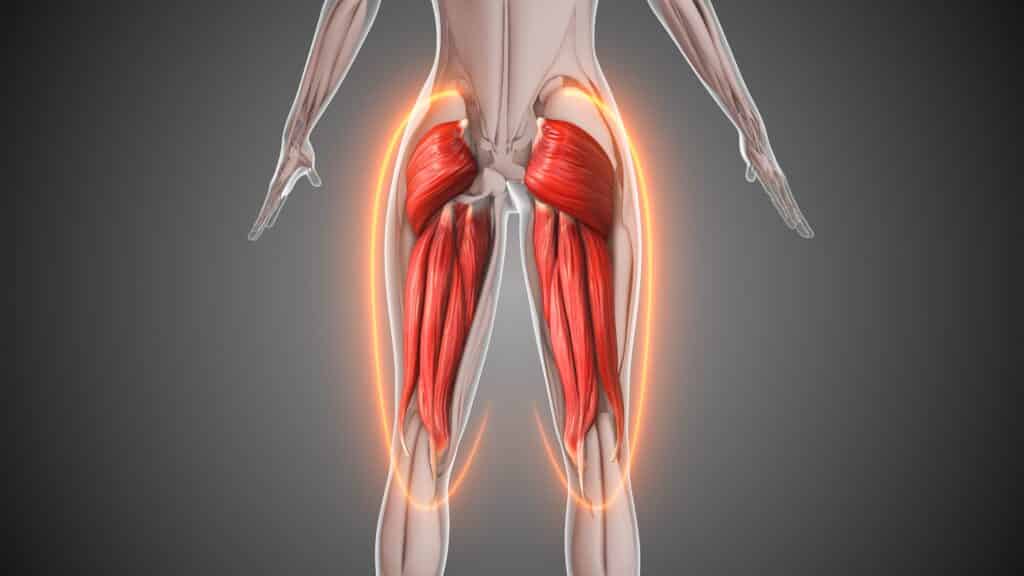
The posterior chain includes the glutes, hamstrings, calves, and the muscles that support your spine.
Training these muscles improves posture, balance, and lifting mechanics while reducing strain on the knees and lower back.
Start with hip-hinge patterns and bodyweight exercises, then progress to resistance as control improves.
What Is the Posterior Chain?
The posterior chain runs along the back of the body and is made of muscles that help keep the spine steady and allow the hips to extend. These muscles work together with many daily activities, such as standing, walking, lifting, and climbing stairs, so keeping them strong can support good posture and ease movement. Keeping this area strong supports your posture and reduces strain during daily activities.
The gluteal muscles in the hips generate power and control hip alignment
Hamstrings are in the back of the thigh, which assist hip extension and bend the knee
Calves, which help you push off the ground and keep the ankle stable
Spinal and core stabilizers, which keep the trunk steady so the hips can do their job
Why Building These Muscles Matters
Supports healthy posture and reduces stress on the lower back
Improves hip control to help reduce knees collapsing inward during squats, steps, or runs
Enhances balance and reduces the chance of slips during daily activities
Makes lifting, carrying, and stair climbing feel easier and safer
Master the Hip Hinge First
The hip hinge is the foundation of many posterior chain moves. Instead of bending your back, shift your hips back while keeping your spine in a comfortable neutral range so the glutes and hamstrings do the work.
Hinge cues
Stand tall, unlock your knees, and keep your chest lifted
Push your hips back toward a wall while maintaining a comfortable neutral range in your spine
Feel a stretch in the hamstrings; stop before the back rounds
Drive through your heels and squeeze the glutes to return to standing
Practice by lightly touching your hips to a wall behind you or sliding your palms down your thighs to learn the pattern.
Posterior Chain Exercises You Can Start Today
Choose 3 to 5 movements that feel comfortable and fit your body. Do each with slow, controlled reps and steady breathing. Focus on keeping good muscle control rather than rushing to finish. This careful approach helps you learn the pattern and build strength safely.
Exercise
Main Muscles
How to Do It
Reps
Glute Bridge
Glutes, hamstrings
Lie on your back, knees bent, feet hip-width. Exhale and lift hips until shoulders, hips, and knees line up. Pause, then lower with control.
8 to 12
Hip Hinge to Wall
Glutes, hamstrings
Stand a foot from a wall. Push hips back to tap the wall while maintaining a comfortable neutral range in your spine, then stand tall.
8 to 12
Romanian Deadlift (light dumbbells)
Glutes, hamstrings, back stabilizers
Hold weights by your thighs. Hinge at the hips with soft knees until you feel hamstring tension, then press through heels to stand.
6 to 10
Hamstring Curl (exercise ball or sliders)
Hamstrings, glutes
Bridge hips, then bend knees to roll the ball or sliders toward you. Keep hips lifted and trunk steady.
8 to 12
Bird Dog
Spinal stabilizers, glutes
On hands and knees, brace your core. Reach opposite arm and leg long without arching the back. Pause, switch sides.
6 to 10 each side
Step-up
Glutes, calves
Stand a foot from a wall. Push your hips back to tap the wall while maintaining a comfortable neutral spine, then stand tall.
8 to 12 each side
How Often Should You Train?
Most people benefit from training the posterior chain on nonconsecutive days so the muscles have time to rest and recover. Spacing workouts helps you keep good form and avoid overload. Consistent practice slowly builds strength and control while protecting your knees and back.
Level
Frequency
Sets x Reps
Notes
Beginner
2 days per week
1 to 2 sets of 8 to 12 reps
Prioritize form and slow tempo; stop a rep or two before fatigue changes your form.
Intermediate
2 to 3 days per week
2 to 3 sets of 6 to 12 reps
Increase load gradually when all reps feel steady and controlled.
Common Mistakes to Avoid
Rounding or overextending your lower back during hinges and deadlifts
Letting knees collapse inward during squats, step-ups, or bridges
Moving too fast and using momentum instead of muscle control
Loading heavy before you can keep a neutral range and steady knee alignment
Safety Tips
Warm up with 5 minutes of light cardio and dynamic movements like leg swings
Brace your midsection as if preparing for a gentle cough to protect the spine
Stop if you feel sharp pain, tingling, or symptoms traveling down a leg
Progress weight slowly and give your body at least 24 to 48 hours between sessions
Safety note: Individuals with osteoporosis, acute low back or radicular pain, or recent postoperative status should consult a clinician before hip hinging or deadlifting.
Who Benefits From Posterior Chain Training?
Desk workers looking to counteract long hours of sitting
Walkers, runners, and cyclists who want better hip control and stride efficiency
Parents and caregivers who lift and carry throughout the day
Adults seeking better balance and confidence with daily activities
When to See an Orthopaedic Specialist
If pain limits your daily activities, you’re unsure about your form, or you have had a recent injury, consider seeing an orthopaedic specialist. Getting advice early can help you avoid delays, keep your movement safe, and build strength steadily. A clinician can check your technique and tailor exercises to your needs.
At Princeton Orthopaedic Associates, we evaluate the way you move, identify which muscles need attention, and create a clear plan to reach your goals. If needed, we coordinate care with physical therapy to help you progress step by step.
This blog post is meant to be informative and should not act as a self-diagnosis tool. If you’d like to see one of our doctors, please contact us here.
Knee Pain After Running: Causes, Relief, and When to See a Specialist
Knee pain after a run is common, whether you are new to running or building mileage. Below you will find the most frequent causes, how to tell what is driving your pain, simple steps to feel better, and when it is time to schedule an exam with our team at Princeton Orthopaedic Associates.
Quick Takeaways
The location of pain often points to the cause. Pain behind or around the kneecap is usually patellofemoral pain. Pain on the outside of the knee is often associated with iliotibial band irritation. Pain just below the kneecap can be patellar tendinopathy.
Training errors, poor mechanics, and worn shoes are common triggers. Hills, downhills, sudden increases in mileage, and slanted roads can exacerbate symptoms.
Early care focuses on reducing irritation, improving hip and leg strength, and adjusting running mechanics.
See a specialist if pain limits walking, if the knee locks or gives way, or if symptoms last more than one to two weeks despite rest.
Where It Hurts Can Help Identify the Cause
Use this guide to match your pain pattern with likely sources. An exam is the best way to confirm the diagnosis.
Location of Pain
Possible Cause
Common Triggers
Front of the knee or behind the kneecap
Patellofemoral pain syndrome (runner’s knee)
High-impact mileage, prior injuries, and age-related changes
Hills, stairs, prolonged sitting, weakness of the hips or quads
Repetitive kneeling, direct pressure, and overuse
Meniscal irritation or tear
Twisting, deep knee bends, uneven terrain
Stiffness and swelling after activity
Knee osteoarthritis
Inside line of the knee or catching sensation
Warmth or tenderness near the kneecap
Bursitis
Repetitive kneeling, direct pressure, overuse
Why Knee Pain Flares With Running
Running multiplies the force through your knees with every step. Small issues in strength, flexibility, or form can add up over thousands of strides.
Training load: Rapid changes in mileage or intensity do not allow tissues time to adapt.
Surface and terrain: Downhills and slanted roads increase stress on the kneecap and IT band.
Footwear: Worn-out shoes reduce shock absorption and support.
Strength and control: Weak hips and core allow the knee to collapse inward, which stresses the kneecap and outer knee.
Mobility: Tight quads, hamstrings, calves, or hip flexors change how the knee tracks and loads.
What You Can Try Now
These steps are safe for most runners and are intended to reduce irritation while protecting the knee. Start by reducing hard miles and hills, then gradually resume activity as comfort returns. If pain persists for more than a week despite rest, or if you notice swelling, catching, or weakness, consult a clinician promptly.
Calm Irritation
Relative rest: Reduce mileage and hills until walking and daily activities are comfortable.
Apply ice for 15 to 20 minutes after activity to reduce soreness and swelling.
Use anti-inflammatory medication only if recommended by your doctor.
Adjust Training
Shorten your stride and increase cadence by about 5 to 10 percent to reduce knee load.
Avoid downhills and slanted road shoulders until pain settles.
Use run-walk intervals and add mileage gradually, usually no more than 10 percent per week.
Cross-train with low-impact activities such as cycling, swimming, or the elliptical trainer.
Strength and Mobility
Strengthen hips, glutes, and core to control knee position.
Build quad and hamstring strength with controlled, pain-free ranges.
Stretch quads, hamstrings, calves, and hip flexors to improve tracking.
Foam roll surrounding muscles such as quads, glutes, and the tensor fasciae latae near the hip.
Footwear and Support
Replace running shoes regularly, often every 300 to 500 miles.
Choose shoes that match your foot type and training surfaces.
Consider orthotics if advised after an exam and gait assessment.
Common Running-Related Knee Conditions
These conditions often respond well to targeted rehab and training changes.
Condition
What It Is
Helpful Strategies
Patellofemoral pain
Irritation where the kneecap tracks over the femur
Hip and quad strengthening, taping or bracing, cadence work, hill modification
Iliotibial band syndrome
Compression/impingement of tissues over the lateral femoral epicondyle and adjacent fat pad (commonly referred to as IT band syndrome).
Gradual loading, eccentric and isometric quad exercises, and manage jumping volume
Patellar tendinopathy
Overload of the tendon below the kneecap
Reduce twisting and deep knee bends, progressive strengthening, and imaging if persistent
Gradual loading, eccentric and isometric quad exercises, and managing jumping volume
When to Pause Running and See a Specialist
Severe pain, swelling, or inability to bear weight.
Knee catching, locking, or giving way.
Numbness or tingling in the legs.
Pain that interferes with sleep or daily activities.
Symptoms lasting longer than one to two weeks despite rest and activity changes.
How We Diagnose Knee Pain
History and exam to pinpoint the irritated structures and movement patterns.
Gait and running form are reviewed as needed.
Imaging, such as X-rays or MRI, should be used only when findings suggest structural injury or if symptoms do not improve.
Treatment Options at Princeton Orthopaedic Associates
Targeted physical therapy to restore strength, mobility, and control.
Training and form guidance, including cadence, stride, and hill management.
Taping or bracing for short-term support when appropriate.
Medications as directed to manage pain and inflammation.
Injections are not used for a kneecap tendon problem because steroids can weaken tendons and raise the chance of tearing. If they are clearly needed, image-guided injections may be used for joint arthritis or for certain bursitis near the tendon or IT band inflammation, as decided by your specialist.
Returning to Running Safely
Start with pain-free walking, then use short run-walk intervals.
Increase total weekly running time gradually, often by 10 percent or less.
Run on level, predictable surfaces at first. Add hills later.
Perform strength training two to three days per week to maintain progress.
Use a simple pain rule: discomfort during a run should be mild and should settle within 24 hours. If it lingers or worsens, scale back.
If knee pain is keeping you from the miles you love, we can help you identify the cause and build a clear plan back to comfortable running.
This blog post is meant to be informative and should not act as a self-diagnosis tool. If you’d like to see one of our doctors, please contact us here.