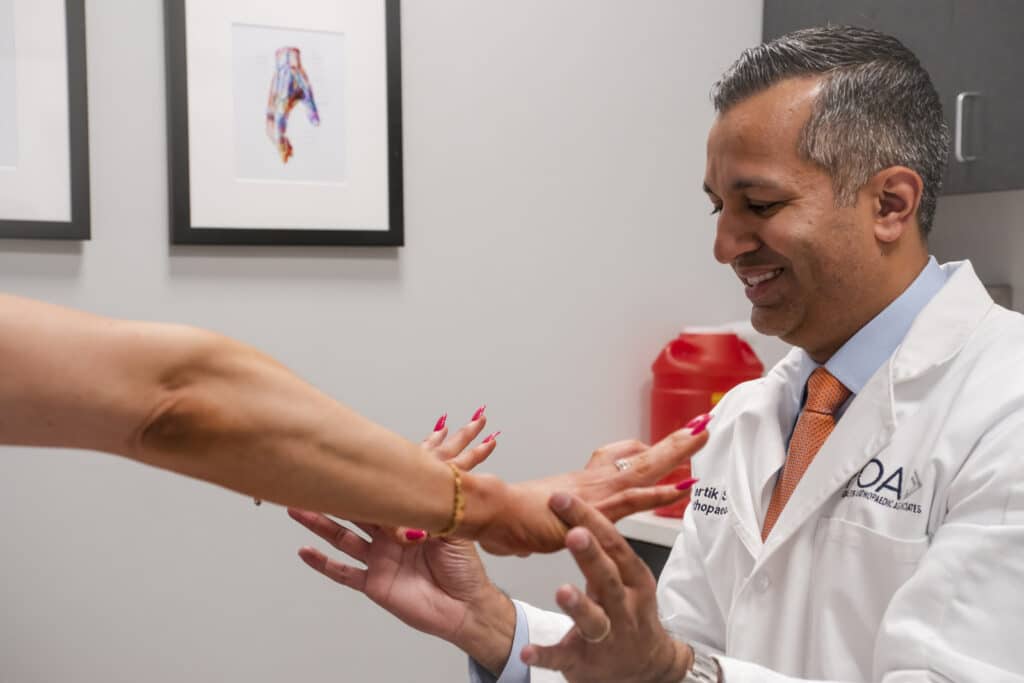
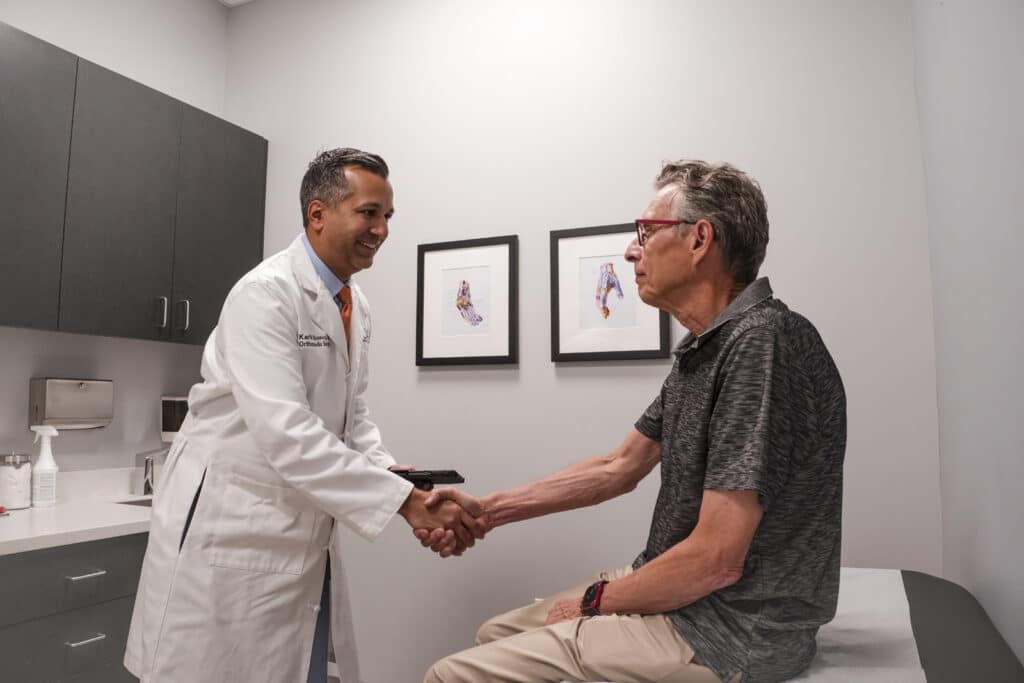
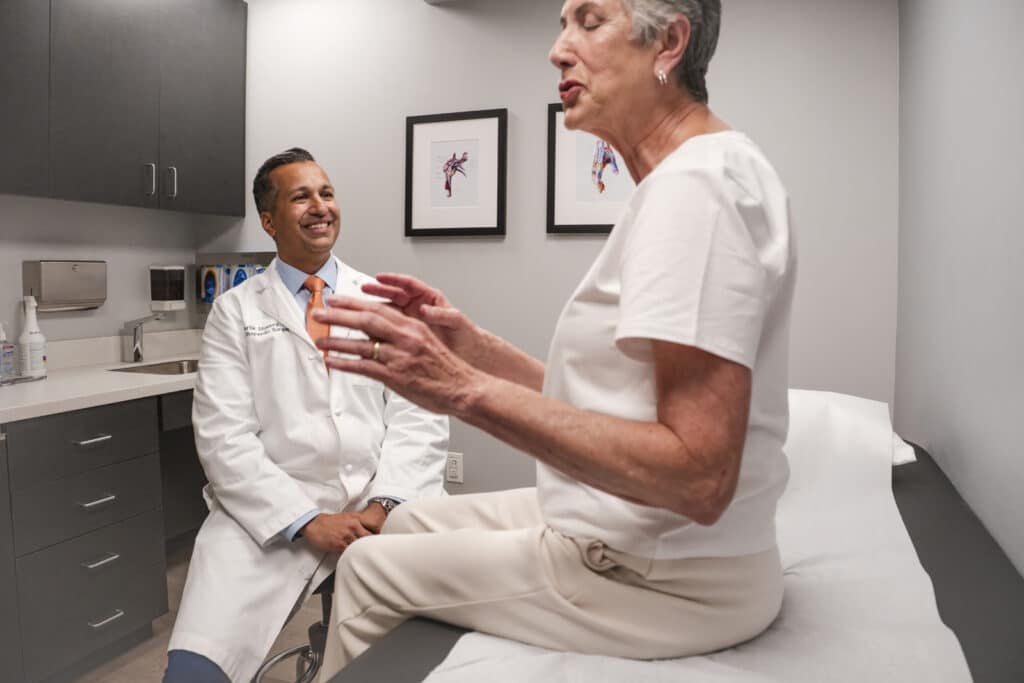
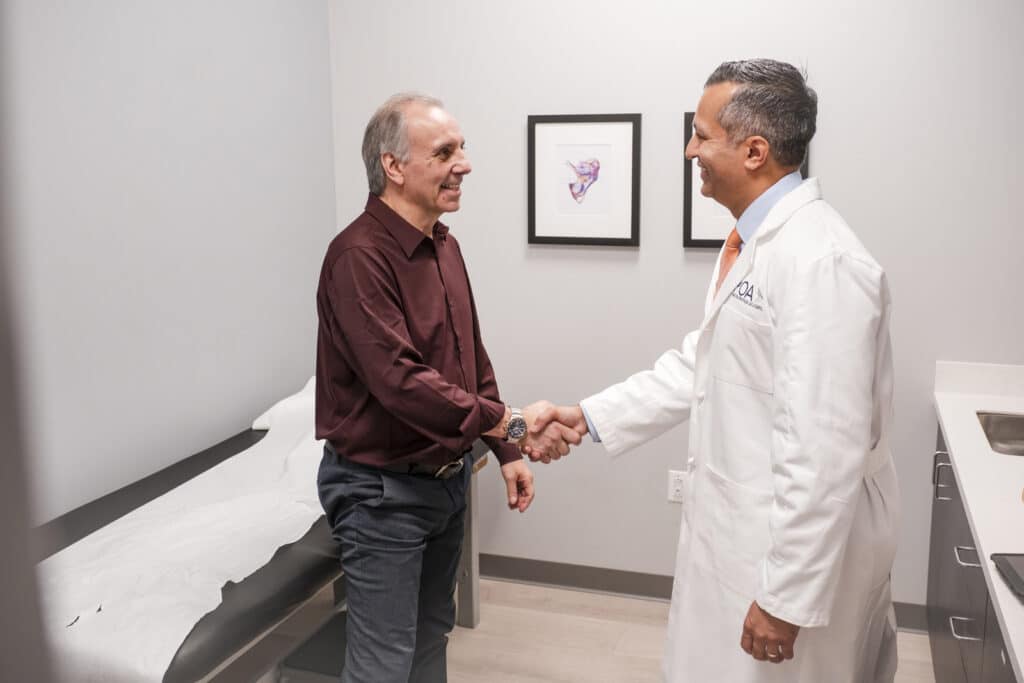
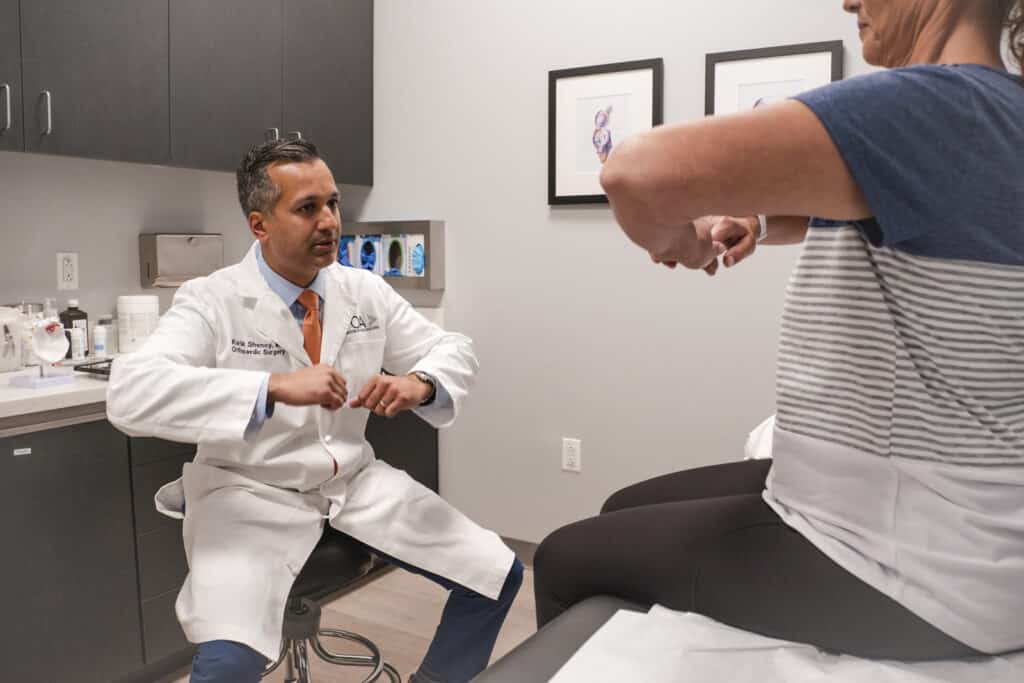
Welcome Dr. Shenoy: Board-Certified Orthopaedic Spine Surgeon
Dr. Kartik Shenoy, a board-certified orthopaedic spine surgeon who treats all conditions of the spine. With a distinguished career that spans military service, academic research, and advanced surgical training, Dr. Shenoy brings exceptional expertise to our practice. Whether you are dealing with chronic back pain, a disc condition, or a complex spinal disorder, Dr. Shenoy is here to restore your movement, relieve your pain, and help you get back to living fully.
A Distinguished Career in Service
Prior to joining Princeton Orthopaedic Associates, Dr. Shenoy served as a Lieutenant Colonel in the United States Air Force. He held the role of Chief of Spine Surgery and Orthopaedic Medical Director at Nellis Air Force Base in Las Vegas, Nevada, and deployed to the Middle East during his service. This experience reflects his commitment to providing the highest level of care under any circumstances, a dedication he now brings to every patient he treats.
Educational Excellence
Dr. Shenoy earned his Bachelor of Science from Cornell University before completing his Doctor of Medicine degree at Albert Einstein College of Medicine. He went on to complete his orthopaedic surgery residency at NYU Hospital for Joint Diseases and Langone Orthopedic Hospital in New York City.
He then completed his orthopaedic spine surgery fellowship at the renowned Rothman Orthopaedic Institute in Philadelphia, where he trained under internationally recognized leaders in spine surgery, Drs. Alex Vaccaro and Alan Hilibrand.
An Accomplished Academic Surgeon
Dr. Shenoy has authored numerous peer-reviewed publications, book chapters, and presentations focusing on spinal disorders, surgical techniques, and outcomes research. His work has appeared in leading journals such as The Spine Journal, Clinical Spine Surgery, and World Neurosurgery. He also serves as Deputy Editor of Surgical Techniques for the Clinical Spine Surgery journal and is a board member of the Clinical Orthopaedic Society.
Comprehensive Spine Care
Dr. Shenoy performs all spine procedures, including disc replacement, minimally invasive surgery, laminectomy, microdiscectomy, and cervical and lumbar fusions. He has a particular interest in cervical and endoscopic spine surgery, using the latest technology and individualized treatment plans to deliver the best possible outcomes for his patients.
Your Path to Recovery
"Your spine is central to your life. My goal is to restore your movement, relieve your pain, and help you get back to living fully using the latest technology and individualized treatment plans." Outside of the clinic, Dr. Shenoy was born and raised in Long Island, New York, and enjoys spending time with his family, skiing, and playing golf.
You can learn more about Dr. Shenoy here. Don't hesitate to contact our office today to schedule your appointment with Dr. Shenoy. We look forward to helping you achieve optimal health and recovery.
Pectoralis Major Tendon Injuries: What You Need to Know
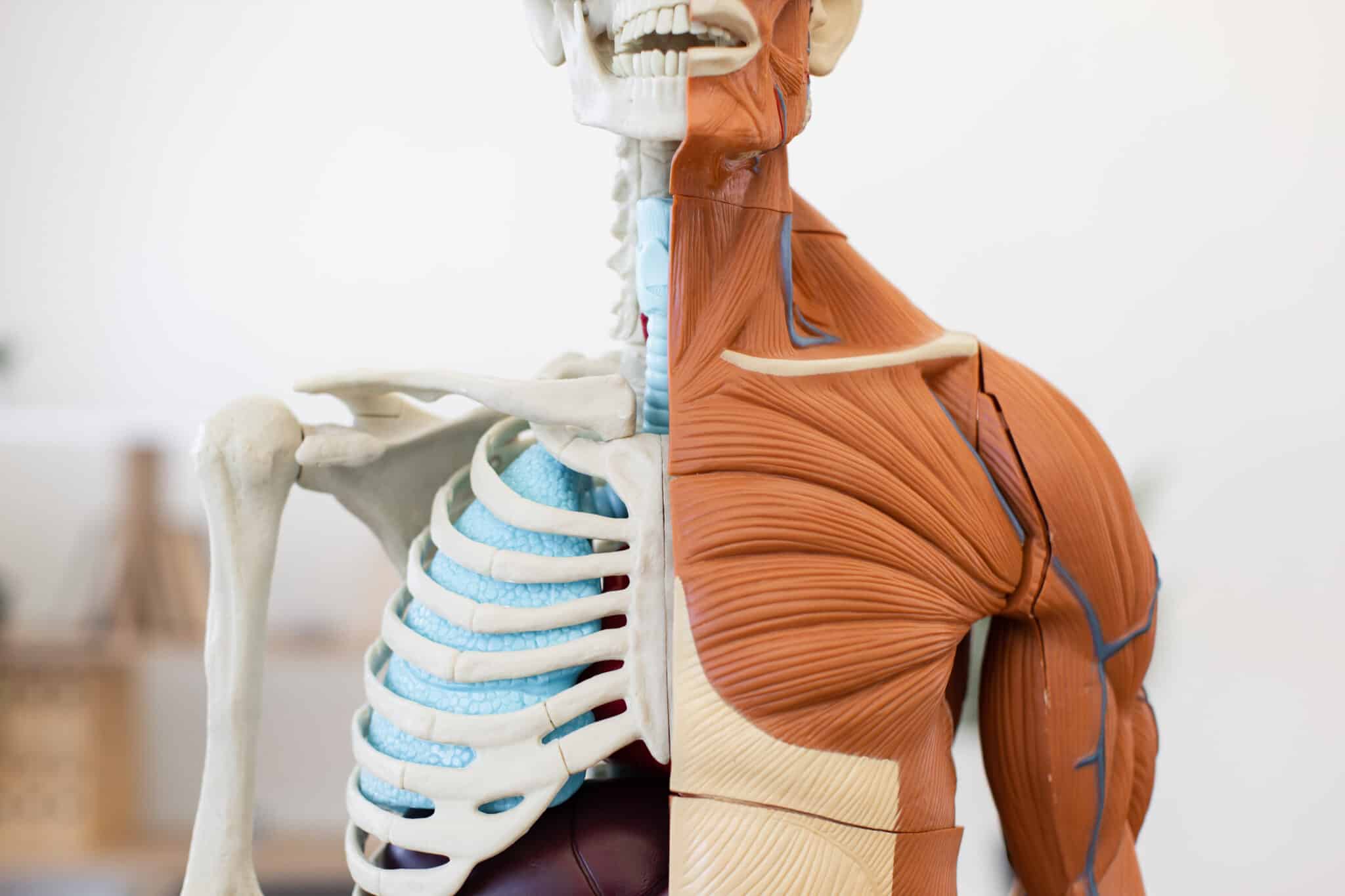
The pectoralis major is the substantial chest muscle responsible for inward rotation as well as pushing and lifting with the arm; an injury to its tendon can be a significant matter. You are most likely to sustain such an injury while weightlifting, the bench press in particular. What begins as a minor strain has the potential to develop into a full tear of the tendon from the bone.
Should there be a sudden pop in the shoulder or chest followed by weakness, bruising or pain, a proper evaluation is warranted. An early diagnosis will allow your care team to determine if rest and rehabilitation will suffice or if surgery is called for to get function back.
Those who find they are having difficulty with their workouts or sports, or with simple acts of pushing and lifting, would do well to be aware of the typical symptoms. Knowing what to look for means you can put together a treatment plan suited to the demands of their activity level and get the necessary care without delay.
Key Points About Pectoralis Major Tendon Tears
What You Should Know:
The pectoralis major is the large chest muscle that helps move and stabilize your shoulder and arm.
These injuries often happen during heavy weightlifting, especially while lowering the bar during a bench press.
A sudden pop, pain, swelling, bruising, or weakness can be signs of a tendon tear.
Some injuries are partial tears, while others are complete tears where the tendon separates from its attachment.
Prompt evaluation is important because treatment choices can be time-sensitive.
Mild injuries may improve with rest, activity changes, and physical therapy.
Complete tears may require surgery, especially for active people seeking to regain strength.
Doctors often use a physical exam and an MRI to confirm the injury. Ultrasound may help in some cases.
Without proper care, some patients are left with ongoing weakness or a chest shape change.
Recovery often includes protecting the area first, then guided rehabilitation.
#image_title
What Is the Pectoralis Major Tendon?
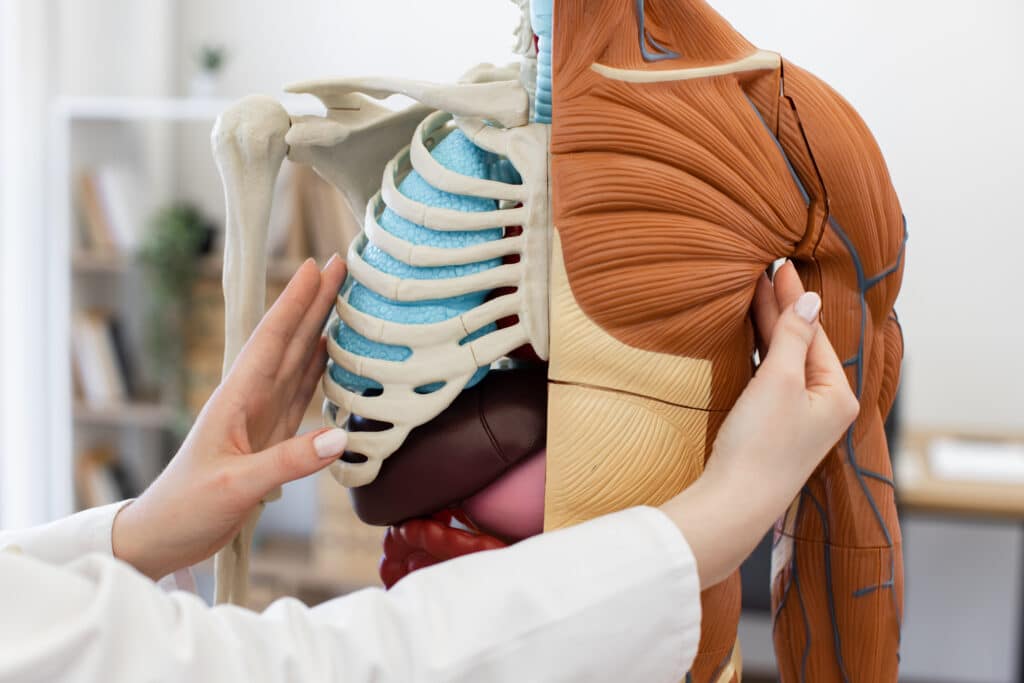
Situated on the front of the chest, the pectoralis major is a broad muscle. Its function is to drive power in pushing movements while also drawing the arm in and rotating it toward the body.
As the muscle nears the humerus, or upper arm bone, it tapers off into a tendon. A tear in the pectoralis major may occur in the muscle belly itself, at the musculotendinous junction or where the tendon inserts. In fact, you will often see avulsions of the tendon in the vicinity of the humerus.
How These Injuries Usually Happen
A tear of the pectoralis major tendon is frequently the result of some forceful exertion. One need only consider the heavy bench press for a typical example; it is in the lowering part of the movement, with the muscle on a stretch and bearing weight, that such injuries are most common.
Contact sports like football or wrestling are another culprit, as is any activity that puts an abrupt strain on the shoulder and chest. Those who have suffered it will often recount a sharp pain and the distinct feeling of something giving way.
Common Signs and Symptoms
Symptoms can vary depending on whether the injury is a strain, a partial tear, or a full rupture. A complete tear often causes stronger pain and noticeable weakness right away, but some partial injuries may look less dramatic at first.
A sudden pop or tearing feeling in the chest or shoulder
Pain in the chest, front of the shoulder, or upper arm
Swelling and bruising, sometimes spreading down the arm
Weakness with pushing, lifting, or bringing the arm inward
A change in the contour of the chest or armpit area
Tenderness where the tendon normally attaches near the upper arm
Some patients notice one side of the chest looks flatter or uneven compared with the other side. This visible change can suggest the tendon has separated or the muscle is not working the way it should.
Who Is Most at Risk?
These injuries often occur in active adults, especially men between the ages of 20 and 40 who do strength training. Heavy bench pressing is a well-known risk factor, particularly when form breaks down under heavy load.
That said, the injury is not limited to competitive lifters. Anyone who puts a sudden, strong force across the chest and shoulder can develop a pectoralis major tendon tear.
How We Diagnose a Pectoralis Major Tear
A clinician will begin the diagnostic process by hearing your account of the incident and then conducting a thorough physical examination. There he or she is looking for any signs of bruising, tenderness or weakness in the chest muscle, as well as alterations in its shape.
To verify a tear and determine if it is partial or complete, an MRI is the usual course of action; it provides a clear picture of the extent of tissue involvement and the location of the tendon injury. An ultrasound can be of some use in certain circumstances.
Types of Pectoralis Major Injuries
Injury Type
What It Means
Typical Effect
Strain
The muscle or tendon is overstretched but not fully torn.
Pain and soreness, but strength may still be fairly good.
Partial tear
Only part of the tendon or muscle is torn.
Pain, weakness, and some loss of function.
Complete tear
The tendon fully separates, often near the upper arm bone.
More significant weakness, bruising, and chest contour change.
When Non-Surgical Treatment May Help
In certain cases, a non-surgical approach is the sensible course of action. This applies to partial tears or damage to the muscle belly, and for those whose occupation or sporting pursuits do not demand maximum strength or heavy lifting. Treatment usually focuses on protecting the area, managing pain, and slowly restoring motion with physical therapy.
Short period of rest and activity modification
Sling use when recommended for comfort
Ice and other pain-control strategies
Physical therapy to improve motion and rebuild strength
Even when surgery is not needed, evaluation still matters. Some problems that feel like a strain turn out to be a tendon tear, and the treatment plan may change based on what is actually injured.
When Surgery Is More Likely to Be Recommended
In the case of a complete tendon tear, surgery is an option to be weighed. This is particularly so for active individuals looking to put in the work to get their strength back and resume sports or weight training, or those with physically taxing jobs. The intent is to put the tendon back together once it has been separated, provided the circumstances are right.
How one proceeds with treatment will hinge on a number of factors: where and how bad the tear is, when it occurred, and what your objectives are. There is often an advantage to having an evaluation done in short order after the injury; before scar tissue has a chance to form and the tendon retracts, the repair can be more straightforward. The care team is there to put things in perspective and let you know what can be expected.
You should be evaluated promptly if you notice:
A pop during bench press or another forceful movement
Rapid bruising across the chest or upper arm
Visible asymmetry of the chest muscle
Sudden weakness with pushing or lifting
Early assessment helps confirm the injury and guides the treatment plan. Getting care sooner can give you more options, especially when a tear is suspected.
What Recovery Usually Involves
The extent of the injury and any need for surgery will dictate the course of recovery. You have to be patient with the healing process; after all, the shoulder and chest are inextricably linked in everything from lifting to the more mundane movements of the day.
Rehab is typically a matter of stages. In the beginning, the focus is on protecting whatever repair has been done or giving a tear time to settle. As things progress, the aim is to put strength and motion back into the shoulder so that, with the care team’s input, a return to sports or heavy lifting can be made in good order.
General Recovery Overview
Stage
What to Expect
Early phase
Rest, protection, pain control, and limited use of the arm.
Rehabilitation phase
Gradual return of shoulder motion and supervised strengthening.
Return to activity
Progressive increase in daily activity, gym exercises, and sports as advised by your care team.
Why Early Care Matters
Treatment is not as straightforward when a diagnosis has been put off. Over time, a torn tendon may retract, and the muscle can lose some of its normal function and look.
Should one experience pain, a deformity in the chest or persistent weakness following an injury from lifting, it is unwise to think the matter will resolve on its own. An early and proper diagnosis is the best way to safeguard shoulder function and strength for the long term.
When to See an Orthopaedic Specialist
You should schedule an evaluation if you had a sudden chest or shoulder injury and now have pain, bruising, weakness, or a change in chest shape. This is especially important if the injury happened during weightlifting or contact sports.
You heard or felt a pop during exercise
Your chest or upper arm bruised quickly after the injury
You have lost strength with pressing or pushing
One side of your chest looks different than the other
You are having trouble returning to work, sports, or lifting
The team at Princeton Orthopaedic Associates is here to evaluate the injury and, where necessary, look over any imaging. We will then have a conversation about what course of action befits your objectives, be it non-surgical or a repair. For those with concerns over a chest tendon tear, an exam is in order to put together a definitive plan of action; do not hesitate to make an appointment.
This blog post is meant to be informative and should not act as a self-diagnosis tool. If you’d like to see one of our doctors, please contact us here.
PLEASE NOTE: This is provided for your general information only. If you are concerned about a Torn ACL or suspect you've sustained an ACL injury, consult a doctor immediately. Misunderstanding or misusing this information can cause harm. This information is provided only as general information about Torn ACLs and ACL injuries.
Torn ACL: Symptoms, Treatment Options, and Recovery
A torn anterior cruciate ligament, or ACL, can make your knee feel unstable and limit daily activities as well as sports. Below you will find what an ACL does, how tears happen, the signs to watch for, how we diagnose the injury, and the nonsurgical and surgical treatments that can help you return to what you love.
Experiencing a knee that suddenly pops, swells quickly, or feels unstable after an injury can be scary and confusing. You are not alone in this experience. People of many ages and from different athletic backgrounds come to our clinic with one shared goal: to move well again. We listen to each person, learn about their daily life and the demands of sport, and then create a plan that fits how they move, what they want to do, and what is safest for their knee as it heals. This plan can adapt over time as symptoms change, goals shift, and strength improves, always aiming for a safe return to the activities that matter most.
Key Points About ACL Tears
The ACL is a stabilizing ligament inside the knee that helps control twisting and sudden changes in direction.
ACL tears often occur during cutting, pivoting, or awkward landings. They can also occur during contact plays.
Common signs include a popping sensation, rapid swelling, and a feeling that the knee may buckle.
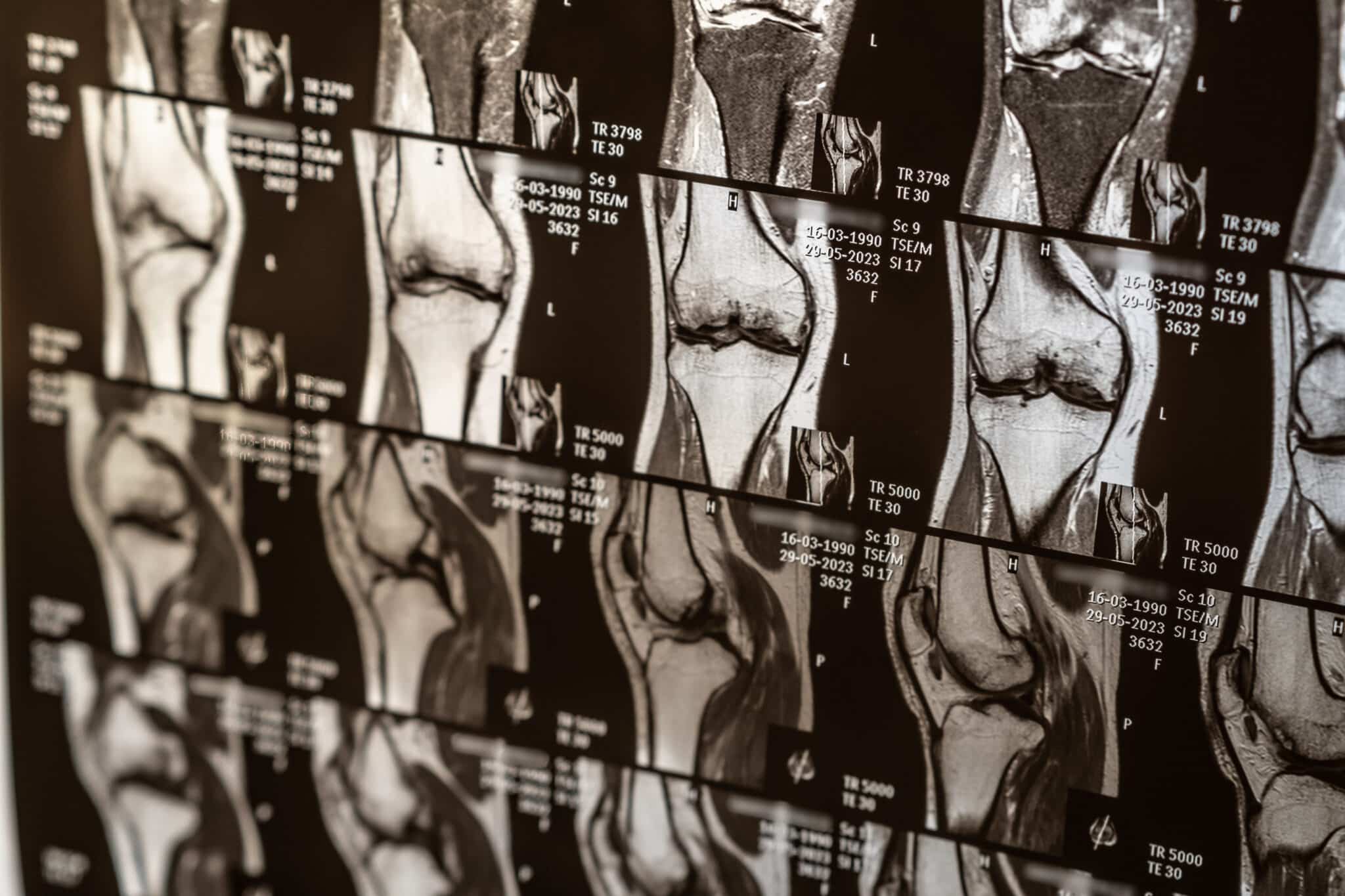
Diagnosis involves a careful exam and often an MRI to assess the ACL and look for related injuries like meniscus tears.
Treatment ranges from bracing and physical therapy to ACL reconstruction. The choice depends on your symptoms, activity demands, and goals.
Return to cutting and pivoting sports usually requires several months of structured rehabilitation and meeting strength and movement milestones.
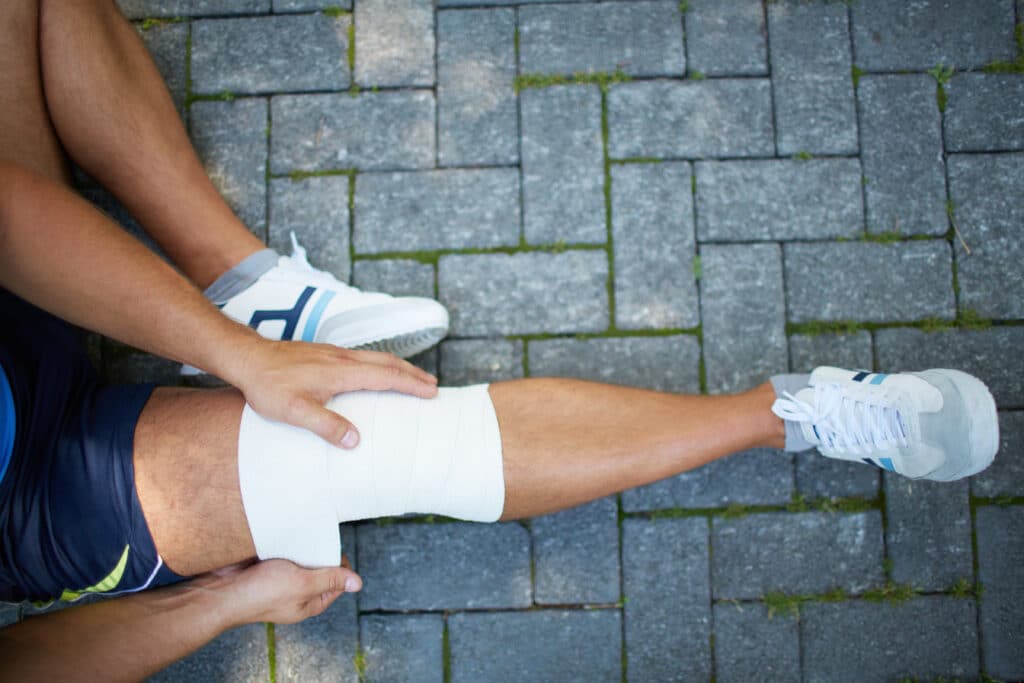
#image_title
What Is the ACL and Why Does It Matters
The ACL is one of four major ligaments that connect the thigh bone to the shin bone. It runs diagonally through the center of the knee, preventing the shin bone from sliding forward and the knee from twisting too far.
When the ACL is torn, the knee can feel loose or unstable, especially during sudden stops, pivots, or side-to-side movements. This instability can limit both everyday activities and sports.
How ACL Tears Happen
Many ACL injuries are noncontact. A quick cut, a sudden stop, or a landing where the knee collapses inward can overload the ligament. Direct blows to the knee can also cause tears, especially in contact sports.
ACL tears are common in sports that involve jumping, cutting, and pivoting such as soccer, basketball, football, lacrosse, and skiing. Certain factors can raise risk.
Sudden changes in direction or awkward landings
Playing on uneven or slick surfaces
Muscle strength or control imbalances around the hip and knee
Limited flexibility and poor landing mechanics
Higher risk among female athletes due to a combination of anatomical and neuromuscular factors
Common Signs and Symptoms
Symptoms can vary, but many people report several of the following right after injury or when returning to activity.
A popping sound or sensation at the moment of injury
Rapid swelling that develops within a few hours
Pain and difficulty putting weight on the leg
A feeling that the knee may give way with turning or pivoting
Limited range of motion because of pain or swelling
Seek care promptly if your knee swells quickly or feels unstable. Early evaluation can reduce complications and speed recovery.
Diagnosing an ACL Tear
We start with a detailed history and a focused knee exam. Specific tests like the Lachman test and pivot shift help assess ACL stability.
X-rays can check for fractures or other bone injuries. An MRI is often ordered to confirm an ACL tear and evaluate the meniscus, cartilage, and other ligaments. This full picture guides the best treatment plan for you.
Immediate Care After Injury
In the first few days, simple steps can help control pain and swelling and protect the knee.
Rest from painful activities and use crutches if weight bearing hurts
Ice for 15 to 20 minutes several times per day
Compression with an elastic bandage or sleeve
Elevation to reduce swelling
Over-the-counter anti-inflammatory medication if approved by your clinician
Early gentle range-of-motion and quadriceps activation as guided by your care team
Treatment Paths: Nonsurgical and Surgical
Some people can do well without surgery, especially if their knee feels stable during daily life and they do not plan to return to cutting or pivoting sports. Others benefit from ACL reconstruction to restore stability and protect the knee during higher-demand activities. The decision is based on your symptoms, goals, activity level, knee stability, and any associated injuries.
Approach
Who It May Suit
What It Includes
Pros
Considerations
Nonsurgical Management
Lower-demand lifestyles, no significant instability, ability to avoid pivoting sports
Recurrent instability, desire to return to cutting and pivoting sports or high-demand work, combined with injuries
Avoids surgery and graft harvest
May not prevent giving way during cutting or pivoting activities
ACL Reconstruction
Recurrent instability, desire to return to cutting and pivoting sports or high-demand work, combined injuries
Arthroscopic reconstruction with a graft, followed by structured rehabilitation
Restores knee stability for higher-demand tasks
Requires surgery and several months of rehabilitation
For skeletally immature patients, surgeons use growth-friendly techniques to protect growth plates and allow ongoing bone development as the knee heals.
Who Often Benefits From ACL Reconstruction
Athletes in sports that require cutting, pivoting, or rapid deceleration
People who experience repeated giving way in daily life
Those with associated injuries such as significant meniscus tears
Workers whose jobs require rapid directional changes or ladder work
Graft Options for ACL Reconstruction
Reconstruction uses a tendon graft to create a new ACL. Grafts come from your own body, called an autograft, or from a donor, called an allograft. Your surgeon will discuss the options based on your age, sport, and personal preferences.
Graft Type
Source
Advantages
Considerations
Patellar Tendon Autograft
Middle third of the patellar tendon with bone plugs
Strong fixation, commonly used in high-demand athletes
Possible front-of-knee discomfort and kneeling sensitivity
Hamstring Tendon Autograft
Semitendinosus and sometimes gracilis tendons
Semitendinosus and sometimes the gracilis tendons
Possible hamstring weakness during early recovery
Quadriceps Tendon Autograft
Portion of the quadriceps tendon, with or without bone plug
Thick graft size and reliable strength
Possible tenderness above the kneecap during early healing
Allograft
Donor tendon
No graft harvest site, shorter operative time
Higher retear rates reported in young, high-demand patients
What to Expect From Surgery
ACL reconstruction is typically performed arthroscopically through small incisions. The surgeon prepares tunnels in the thigh bone and shin bone, places the graft, and secures it so it can heal in place. Most patients go home the same day with a brace and crutches. It’s important to know that ACL reconstruction does not eliminate the risk of knee arthritis later in life.
Early rehabilitation focuses on reducing swelling, restoring gentle motion, and activating the quadriceps. Your care team will guide you step by step and progress your plan based on healing and testable milestones.
Recovery and Return to Sport
Time is only one part of recovery. Safe return to sport depends on strength, balance, hop testing, and movement quality. In most cases, return to cutting or pivoting sports should be based on clear milestones, not just how many weeks have passed. Your surgeon and physical therapist will assess these criteria and only clear higher-level activity after you meet them.
Phase
Typical Timing
Primary Goals
Protection and Early Motion
Weeks 0 to 2
Control pain and swelling, regain gentle extension and flexion, activate quadriceps
Foundation Strength
Weeks 2 to 6
Normalize gait, improve range of motion, begin closed-chain strengthening and balance
Progressive Strength and Control
Weeks 6 to 12
Advance lower extremity strength, balance, and movement mechanics
Running and Agility Preparation
Months 3 to 6
Introduce light jogging, agility drills, and plyometrics when cleared
Return to Cutting and Pivoting Sports
Around 9 to 12 months or later
Meet strength and functional testing criteria and demonstrate safe movement patterns
Possible Risks and How We Reduce Them
Stiffness or loss of motion which is addressed with early, guided range-of-motion work
Graft retear, which we help reduce through progressive strengthening and movement training
Front-of-knee discomfort which is managed with targeted rehabilitation and activity modification
Blood clots or infection which are uncommon and monitored closely after surgery
Prevention Strategies
Not all ACL tears can be prevented, but careful training can lower your chances. Programs that improve how your muscles work, along with good form, help protect the knee during fast movements. Focus on strong hips and legs, balance, and flexible calves and thighs. This is especially helpful in sports that involve quick cuts and jumps.
Structured warm-up programs that teach safe jumping and landing
Strengthening of the hips, hamstrings, and core for better knee control
Balance and single-leg control drills
Consistent flexibility work for the calves, quads, and hamstrings
Appropriate footwear and sport-specific technique coaching
When to See a Knee Specialist
Schedule an evaluation if your knee swells quickly after injury, feels unstable, or keeps giving way during daily life or sports. Prompt diagnosis and a clear plan can protect your knee and support a confident return to activity.
We will help you understand your options, choose a treatment path that fits your goals, and guide you through each stage of recovery. To get started, schedule an exam with our team.
This blog post is meant to be informative and should not act as a self-diagnosis tool. If you’d like to see one of our doctors, please contact us here.
Heart Rate Variability and What It Can Tell You About Recovery
There is a certain simplicity to HRV, or heart rate variability, despite the technical ring of the term. It is a matter of observing the minute time differences from one heartbeat to the next. A healthy system is not as regular as a metronome; rather, the nervous system will make its own adjustments and the spacing between beats will vary in response to what the body requires at any given moment.
By way of those small changes, you can gain some valuable perspective on how the body is coping with everything from exercise and sleep to stress and recovery. For anyone looking to be more attuned to their training and see how they are responding on a daily basis, HRV serves as a handy instrument.
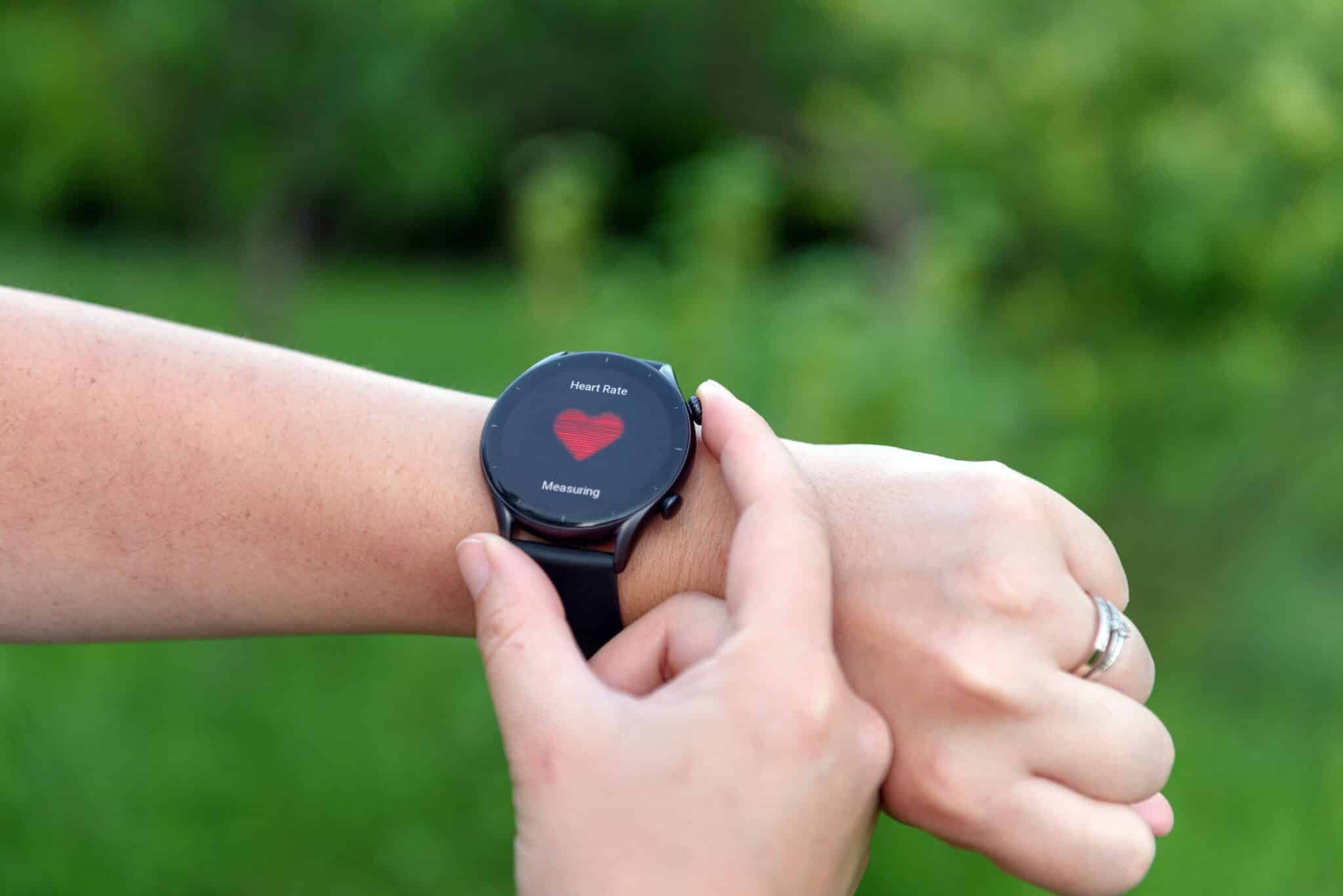
#image_title
Key Points About HRV
What You Should Know
HRV measures the variation in time between one heartbeat and the next.
It reflects how your autonomic nervous system is responding to stress and recovery.
A higher HRV is often linked with better recovery and more flexibility in the nervous system, within your own normal pattern.
A lower HRV can suggest your body is under more strain from illness, poor sleep, hard training, or emotional stress.
Your own trend over time matters more than comparing your number to someone else’s.
HRV naturally changes from day to day and can be influenced by age, fitness level, hydration, and medications.
Wearables and fitness trackers estimate HRV, and results can vary by device, software algorithm, time of day, sensor quality, and body position.
HRV readings should be used as one piece of the picture, not as a diagnosis by itself.
For active people, HRV can help guide recovery days, training intensity, and return to activity.
If you have symptoms such as chest pain, fainting, or trouble breathing, medical care matters more than any wearable reading.
What Does Heart Rate Variability Mean?
HRV describes the natural variation in timing between heartbeats. Even if your pulse is 60 beats per minute, those beats are not always exactly one second apart. That small variation is normal.
The autonomic nervous system is what drives this pattern, seeing to the body’s functions that require no conscious effort like digestion, breathing and heart rate. There are two sides to it: the sympathetic, which has a way of being associated with action or stress, and the parasympathetic for rest and recovery.
As a rule, if these systems are in balance and responsive you will see HRV run higher. Put the body under some strain, however, and it is not uncommon for HRV to fall.
Why HRV Matters for Active People
Those who put in the work with regular exercise, are in the process of an orthopedic recovery or putting in the hours for sports training might find HRV to be a useful measure of how the body is faring. It is not meant to supersede the advice of one’s care team, a physical exam or what you feel on any given day; rather it offers some further context for your daily decisions.
Take a dip in HRV below the norm as a possible sign that a lighter session is in order, or that more time for rest and sleep is called for. On the other hand, a trend that is improving or holding steady could be taken as evidence of sound adaptation to the training.
What Can Affect Your HRV?
There are a number of things that can put an influence on HRV. In some cases the variation is in keeping with actual changes in recovery, but at other times it is merely an artefact of the measurement. You should bear in mind that what a smartwatch or fitness tracker puts out is only an estimate; the make of the device and its algorithm, to say nothing of minor setup variations, will all have an effect on the numbers.
Then there is the matter of reliability. An irregular heart, frequent ectopic beats or a pacemaker can throw off thse readings. So can a bad sensor, or bad sensor contact And if symptoms are of concern, do not be swayed by an HRV figure that appears normal or better; seek medical attention.
Sleep quality and sleep duration
Physical training load and recovery time
Emotional stress
Illness or infection
Hydration and nutrition
Alcohol use
Age and overall fitness
Certain medications and medical conditions
Because so many factors affect HRV, one isolated reading usually does not mean much on its own. Looking at patterns over time is more useful than focusing on a single number.
Common reasons HRV may be lower than usual
A poor night of sleep
A very intense workout or competition
Dehydration
Travel, especially across time zones
Increased life stress
Feeling run-down or getting sick
Seeing a short-term drop does not always mean something is wrong. It may simply be a sign that your body needs more time to recover.
Is Higher HRV Always Better?
Generally speaking, a higher HRV tends to point to a nervous system in good shape, one that is more adaptable and recovers well. But then again, HRV is an individual matter. A high figure is only as good as it is consistent with your own normal way of being.
Unusually high, erratic, or sudden changes are not automatically good. Such anomalies can be nothing more than an artifact of the measurement, or they may be indicative of an illness, rhythm irregularity, or simply overreaching. If you see the numbers change quickly it is worth taking a closer look at how you are feeling.
Since age, genetics, conditioning and overall health all play a part, there is considerable variation from one person to the next. Because of that you will find it more useful to have a handle on your own typical range and to be on the lookout for any changes.
How to Measure HRV
There are a number of ways to put HRV in numbers, from an electrocardiogram to the sort of wearables you might have on hand: a chest strap, smartwatch or fitness tracker will do. Remember that not all devices estimate HRV in the same way; for the sake of spotting trends it is best to stick with a particular device and routine.
Consistency is what really counts. Some will find their readings altered by even minor variations in body position or activity, depending on the wearable. Many people make a point of taking their HRV first thing in the morning to get a baseline reading.
Ways to Make HRV Tracking More Useful
Tip
Why It Helps
Measure at the same time each day
Improves consistency and makes trends easier to compare.
Use the same device
Different tools may calculate HRV differently.
Track trends, not single readings
Day to day values can fluctuate for many reasons.
Pair HRV with symptoms and recovery habits
Sleep, soreness, stress, and energy level help give context.
Do not use HRV by itself to make medical decisions
It is a helpful marker, but not a diagnosis.
How HRV Connects to Recovery and Orthopaedic Care
Those in the process of healing from an overtraining spell, a musculoskeletal injury or surgery can turn to HRV as a means of gauging how well the body is coping with stress. In the course of rehabilitation it is useful for keeping a proper day to day pace. Of course, it is best employed in conjunction with other indicators such as pain levels, swelling, strength and range of motion, as well as fatigue and sleep quality and functional gains, not to mention the input of one’s physical therapist or clinician.
Take the case where your HRV is running below normal and you are feeling more sore or run down than is typical; in that instance it makes sense to scale back. On the other hand, a steadier trend and good tolerance of therapy would be consistent with building up your activity a bit. But do not let HRV be the sole arbiter on when to get back to sport or the extent of post surgical progress.
What HRV Cannot Do
HRV can be helpful, but it has limits. It cannot tell you exactly why your body is stressed. It also cannot diagnose a heart condition, an injury problem, or another medical issue on its own.
It does not replace a medical evaluation.
It should not be used alone to push through warning signs or through pain.
It is only one part of understanding your health and recovery.
When to Pay Closer Attention
If your HRV stays lower than usual for several days and you also feel unwell, overly fatigued, dizzy, or unable to bounce back from the day's activities, speak with a healthcare professional. This matters more if you have a pre-existing heart condition or are concerned about any other symptoms.
Seek medical care right away if you have
Chest pain
Fainting
Trouble breathing
A racing or irregular heartbeat with symptoms
Severe weakness or dizziness
#image_title
A Practical Way to Use HRV
Do not view HRV as a figure to be put on a pedestal; treat it more like a daily check in. When the readings are within your usual range and you are in good form, the body is likely primed for its normal routine. But should the numbers dip and you find yourself feeling sore or under stress, it is time to turn your attention to the fundamentals of recovery, sleep and hydration.
Active adults and athletes need not strive for perfection with these metrics. It is about understanding how one
can make sounder choices. That can help lower the chance of burnout or setbacks.
Need Help Returning to Activity Safely?
When you find that staying active is a struggle due to pain, an injury, overtraining or simply a slow recovery, the orthopaedic specialists on our team are here to assist. We put in the time with our patients and athletes to assess how they move and determine the right course of treatment, all while formulating a plan for recovery in line with their objectives.
For those looking to put more confidence back into their exercise, sports or day to day routine, we invite you to set up an evaluation at Princeton Orthopaedic Associates.
This blog post is meant to be informative and should not act as a self-diagnosis tool. If you’d like to see one of our doctors, please contact us here.
Sequence rules uses cookies to track the order of requests a user has made and the time between requests and makes them available via Cloudflare Rules. This allows you to write rules that match valid or invalid sequences. The specific cookies used to validate sequences are called sequence cookies.
session
cf_ob_info
The cf_ob_info cookie provides information on: The HTTP Status Code returned by the origin web server. The Ray ID of the original failed request. The data center serving the traffic
session
cf_use_ob
The cf_use_ob cookie informs Cloudflare to fetch the requested resource from the Always Online cache on the designated port. Applicable values are: 0, 80, and 443. The cf_ob_info and cf_use_ob cookies are persistent cookies that expire after 30 seconds.
session
__cfwaitingroom
The __cfwaitingroom cookie is only used to track visitors that access a waiting room enabled host and path combination for a zone. Visitors using a browser that does not accept cookies cannot visit the host and path combination while the waiting room is active.
session
cf_chl_rc_i
These cookies are for internal use which allows Cloudflare to identify production issues on clients.
session
cf_chl_rc_ni
These cookies are for internal use which allows Cloudflare to identify production issues on clients.
session
cf_chl_rc_m
These cookies are for internal use which allows Cloudflare to identify production issues on clients.
session
__cfruid
Used by the content network, Cloudflare, to identify trusted web traffic.
session
__cf_bm
Cloudflare's bot products identify and mitigate automated traffic to protect your site from bad bots. Cloudflare places the __cf_bm cookie on End User devices that access Customer sites that are protected by Bot Management or Bot Fight Mode. The __cf_bm cookie is necessary for the proper functioning of these bot solutions.
session
__cflb
When enabling session affinity with Cloudflare Load Balancer, Cloudflare sets a __cflb cookie with a unique value on the first response to the requesting client. Cloudflare routes future requests to the same origin, optimizing network resource usage. In the event of a failover, Cloudflare sets a new __cflb cookie to direct future requests to the failover pool.
session
_cfuvid
The _cfuvid cookie is only set when a site uses this option in a Rate Limiting Rule, and is only used to allow the Cloudflare WAF to distinguish individual users who share the same IP address.
session
cf_clearance
Whether a CAPTCHA or Javascript challenge has been solved.
session
Google reCAPTCHA helps protect websites from spam and abuse by verifying user interactions through challenges.
Name
Description
Duration
_GRECAPTCHA
Google reCAPTCHA sets a necessary cookie (_GRECAPTCHA) when executed for the purpose of providing its risk analysis.
179 days
Google Tag Manager simplifies the management of marketing tags on your website without code changes.
Name
Description
Duration
cookiePreferences
Registers cookie preferences of a user
2 years
td
Registers statistical data on users' behaviour on the website. Used for internal analytics by the website operator.
session
These cookies are used for managing login functionality on this website.
Name
Description
Duration
wordpress_logged_in
Used to store logged-in users.
Persistent
wordpress_sec
Used to track the user across multiple sessions.
15 days
wordpress_test_cookie
Used to determine if cookies are enabled.
Session
WPForms is a user-friendly WordPress plugin for creating custom forms with drag-and-drop functionality.
Name
Description
Duration
wpfuuid
Used to track user interactions with forms.
11 years
Statistics cookies collect information anonymously. This information helps us understand how visitors use our website.
Google Analytics is a powerful tool that tracks and analyzes website traffic for informed marketing decisions.
Used to distinguish new sessions and visits. This cookie is set when the GA.js javascript library is loaded and there is no existing __utmb cookie. The cookie is updated every time data is sent to the Google Analytics server.
30 minutes after last activity
__utmc
Used only with old Urchin versions of Google Analytics and not with GA.js. Was used to distinguish between new sessions and visits at the end of a session.
End of session (browser)
__utmz
Contains information about the traffic source or campaign that directed user to the website. The cookie is set when the GA.js javascript is loaded and updated when data is sent to the Google Analytics server
6 months after last activity
__utmv
Contains custom information set by the web developer via the _setCustomVar method in Google Analytics. This cookie is updated every time new data is sent to the Google Analytics server.
2 years after last activity
__utmx
Used to determine whether a user is included in an A / B or Multivariate test.
18 months
_ga
ID used to identify users
2 years
_gali
Used by Google Analytics to determine which links on a page are being clicked
30 seconds
_ga_
ID used to identify users
2 years
_gid
ID used to identify users for 24 hours after last activity
24 hours
_gat
Used to monitor number of Google Analytics server requests when using Google Tag Manager
1 minute
_gac_
Contains information related to marketing campaigns of the user. These are shared with Google AdWords / Google Ads when the Google Ads and Google Analytics accounts are linked together.
90 days
__utma
ID used to identify users and sessions
2 years after last activity
__utmt
Used to monitor number of Google Analytics server requests
10 minutes
These cookies help us measure the effectiveness of our website content and understand how visitors find and use our site. This allows us to improve the experience and provide more helpful resources.
Facebook Pixel is a web analytics service that tracks and reports website traffic.