Muscle tears are a severe type of soft tissue injury that can impact your mobility, strength, and daily activities. These injuries range from mild to severe, with some requiring surgical intervention. Understanding the symptoms and treatment options for muscle tears is essential for proper care and recovery.
A muscle tear occurs when the skeletal muscle fibers are stretched beyond their limit, causing partial or complete tearing of the tissue. The tendon connecting the muscle to the bone may also be damaged in severe cases. Muscle tears are commonly seen in areas like the hamstring, shoulder, calf, and quadriceps.
Signs and Symptoms of a Muscle Tear
Muscle tears can range in severity, but typical signs and symptoms include:
Immediate, intense pain during injury.
Swelling or bruising around the injured area.
A sensation of popping or snapping during movement.
Tenderness and restricted mobility in the affected muscle.
A visible deformity or indentation where the tear occurred.
Weakness or difficulty supporting weight on the injured limb.
Common Causes and Risk Factors
Muscle tears are often caused by:
Overexertion or improper technique during sports or physical activity
Sudden, forceful movements like sprinting, jumping, or lifting
Skipping warming up and stretching before exercise
Previous injuries or lack of physical fitness
Overuse from repetitive motion in sports or activities
Athletes are particularly prone to injuries like a torn hamstring, Achilles tendon, or rotator cuff, especially in high-impact sports.
How are Muscle Tears Treated?
Treatment depends on the severity of the tear. Mild to moderate muscle tears can often be managed with the R.I.C.Emethod:
Rest: Limit activity to allow healing.
Ice: Apply an ice pack or cold compression therapy to reduce inflammation and pain.
Compression: Use an elastic bandage to control swelling.
Elevation: Raise the injured limb to reduce fluid buildup.
Over-the-counter medications like ibuprofen can help with pain and swelling. Severe muscle tears may require additional treatments such as:
Physical therapy to restore range of motion, strength, and flexibility.
Immobilization with a splint or brace.
Surgery to repair completely torn muscles or tendons.
When to See a Doctor?
Consult a healthcare provider if:
Pain and swelling are severe or do not improve with rest and home care.
You notice a visible deformity or muscle gap.
The injured limb cannot bear weight or perform basic movements.
The injury involves a high-risk area, such as the Achilles tendon or shoulder.
A physical examination and imaging tests like an MRI can confirm the extent of the tear and guide treatment.
Rehabilitation and Recovery
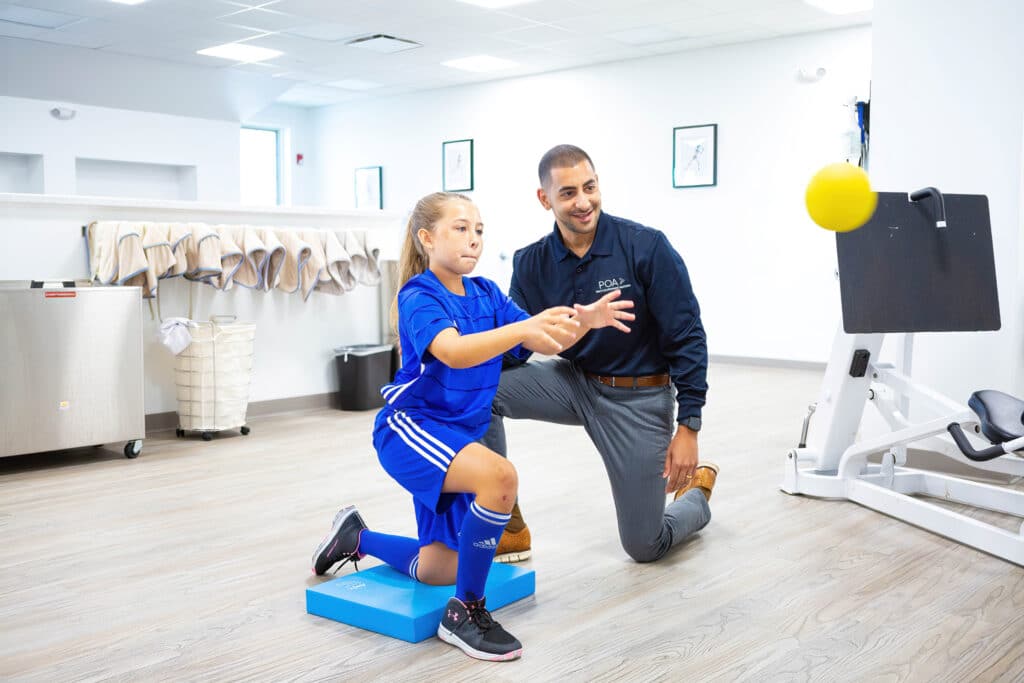
Rehabilitation aims to rebuild muscle strength and reduce the likelihood of future injuries. Physical therapy is a key part of recovery, which can involve:
Targeted stretching and exercises to restore range of motion.
Strength training to repair and fortify the injured muscle.
Exercises designed to enhance balance and promote joint stability.
Depending upon the severity of the tear, the recovery period can take weeks to months for an injury to fully heal.
Prevention Tips
To prevent risk of injury, it's encouraged that you:
Perform warm up exercises before activity and cool down afterward
Focus on improving flexibility and strength through regular training.
Use proper techniques when lifting or engaging in physical activity.
Avoid overtraining or pushing beyond your limits.
Wear appropriate footwear for your activity to ensure support.
Expert Care for Muscle Tears at Princeton Orthopaedic Associates
Princeton Orthopaedic Associates provides extraordinary care for muscle tears and other injuries. Their team of Orthopaedic experts will help you heal and regain strength from your initial evaluation to personalized therapy plans. Whether it’s physical therapy or advanced treatments, you'll be supported every step of the way. experiencing these potentially debilitating injuries and maintain their overall health and fitness.