Exceptional Talent, Tools and Techniques
POA has some of the most talented and recognized orthopaedic physicians in the world - not just in New Jersey.
Meet Our Team

We are both proud and honored to bring extraordinary talent, extraordinary tools, and extraordinary techniques as we serve central New Jersey with world-class, world-recognized orthopaedic care.
POA has some of the most talented and recognized orthopaedic physicians in the world - not just in New Jersey.
We work with our patients to achieve their goals all while developing custom treatment plans that fit our patients lives.
Our community of doctors daily collaborate to ensure Central New Jersey is getting the best service possible.
We serve people - actual humans - not orthopaedic conditions. That drives us to compassionate care.
We are both proud and honored to bring extraordinary talent, extraordinary tools, and extraordinary techniques as we serve central New Jersey with world-class, world-recognized orthopaedic care.
Maintain health by repairing and preserving cartilage. Learn More
POA's deep expertise in foot and ankle orthopaedic care. Learn More
POA's approach to wrist and hand orthopaedics. Learn More
Joint replacement and orthopaedic joint therapy. Learn More
See your non-surgical orthopaedic care options. Learn More
POA provides physiatry and non-surgical care. Learn More
Physical therapy and physical therapists options. Learn More
See our approach to podiatry orthopaedics care. Learn More
POA's Center for Spine Excellence and spine care. Learn More
Sports medicine and orthopaedic sports injuries. Learn More
POA's approach to trauma and trauma-related injuries. Learn More
Our orthopaedic urgent care centers are eager to see you. Learn More
Maintain health by repairing and preserving cartilage. Learn More
POA's deep expertise in foot and ankle orthopaedic care. Learn More
POA's approach to wrist and hand orthopaedics. Learn More
Joint replacement and orthopaedic joint therapy.Learn More
See your non-surgical orthopaedic care options. Learn More
POA provides physiatry and non-surgical care. Learn More
Physical therapy and physical therapists options. Learn More
See our approach to podiatry orthopaedics care. Learn More
POA's Center for Spine Excellence and spine care. Learn More
Sports medicine and orthopaedic sports injuries. Learn More
POA's approach to trauma and trauma-related injuries. Learn More
Our orthopaedic urgent care centers is eager to see you. Learn More
Our team of Sports Medicine Specialists will get you back in the game!
Our patients know they can rely on physicians who bring years of experience and specialized training to both treat and prevent illness and injury. Our Sports Medicine Specialists work with individuals to maximize function and minimize disability and time away from sports, work, or school. That means our patients can get back to doing what they love to do — faster.
POA has multiple Orthopaedic Shoulder Specialists on staff.
That means that our patients receive care orthopaedic shoulder specialists who treat shoulder issues on a daily basis - from Tennis Shoulder all the way to Total Shoulder Replacements - our orthopaedic shoulder specialists and physicians treat it almost daily; so you can trust the care you'll receive at POA.
We're proud to have multiple Orthopaedic Elbow Specialists who daily treat elbow related injuries.
That means that our patients receive care from doctors, therapists and orthopaedic elbow specialists who treat orthopaedic elbow issues on a daily basis. Whether it's Tennis Elbow, Elbow Tendinitis, or Elbow Overuse Injuries - our orthopaedic elbow team has seen it and treated it. That's the kind of care and specialization we believe patients with elbow related injuries deserve.
Our Orthopaedic Wrist, Forearm, and Hand Specialists daily treat wrist, forearm, and hand related injuries.
We believe in the power of specialization. That means that our patients receive care from doctors, therapists, and orthopaedic wrist, forearm, and hand specialists who treat orthopedic wrist, forearm, and hand issues on a daily basis. Whether it's a Broken Wrist, Bone Dislocation, or Carpal tunnel syndrome - our orthopaedic wrist, forearm, and hand team see it every week; so you can trust the care you'll receive at POA.
POA's Orthopaedic Join Specialists work exclusively to treat joint-related illness and injury. That's why we're so good at what we do!
Our physicians, therapists, and orthopaedic joint specialists treat orthopaedic joint problems on a daily basis. That's the level of care and expertise we think patients with joint-related injuries deserve. Whether it's arthritis of the hip or knee, osteoarthritis, or osteoporosis that you're dealing with, our orthopedic joint team sees it and works to treat and prevent issues every day!
Princeton Orthopaedic Associates is proud to have multiple Orthopaedic Ankle and Foot Specialists who daily treat ankle and foot-related injuries.
We believe in the power of specialization. That means that our patients receive care from doctors, therapists and orthopaedic ankle and foot specialists who treat orthopaedic ankle, and foot issues on a daily basis. Whether it's a Broken Ankle, Tibial Open Reduction Internal Fixation, or Ankle and Foot Physical Therapy- our orthopaedic ankle and foot team sees it every week; so you can trust the care you'll receive at POA. That's the kind of care and specialization we believe patients with ankle and foot-related orthopaedic issues deserve.
One of the main benefits of choosing POA for your spine and back orthopaedic care is our Spine and Back Institute. The Spine and Back Institute is a team of world-recognized back specialists, orthopaedists and therapists who have just focused on back, neck and spine health issues for over 15 years.
Princeton Orthopaedic Associates is proud to have multiple Orthopaedic Spine & Back Specialists who daily treat spine & back related injuries.
We believe in the power of specialization. That means that our patients receive care from doctors, therapists and orthopaedic spine & back specialists who treat orthopaedic spine & back issues on a daily basis. Whether it's Spinal Fusion, Pedicle Screw Fixation, Minimally Invasive Spinal Surgery or Lumbar Microdiscectomy - our orthopaedic spine & back team sees it every week; so you can trust the care you'll receive at POA. That's the kind of care and specialization we believe patients with spine & back related orthopaedic issues deserve.
Princeton Orthopaedic Associates is proud to have multiple Orthopaedic Physiatric Specialists who daily treat nonsurgical injuries.
We believe in the power of specialization. That means that our patients receive care from doctors, therapists and orthopedic physiatric specialists who treat orthopaedic nonsurgical issues on a daily basis. Whether it's a hamstring injury, muscle strain, throwing elbow injury, or torn labrum - our orthopaedic physiatric team sees it every week; so you can trust the care you'll receive at POA. That's the kind of care and specialization we believe patients with physiatric related orthopaedic issues deserve.
Our podiatrists are experts in foot and ankle problems.
That means that we have doctors, therapists, and orthopaedic specialists who specialize in treating orthopedic foot and ankle problems every single day. Whether it's a break, sprain, heel discomfort, or arthritis - our podiatry team sees it every week. So you can be confident that the care you'll receive at POA will be second to none.
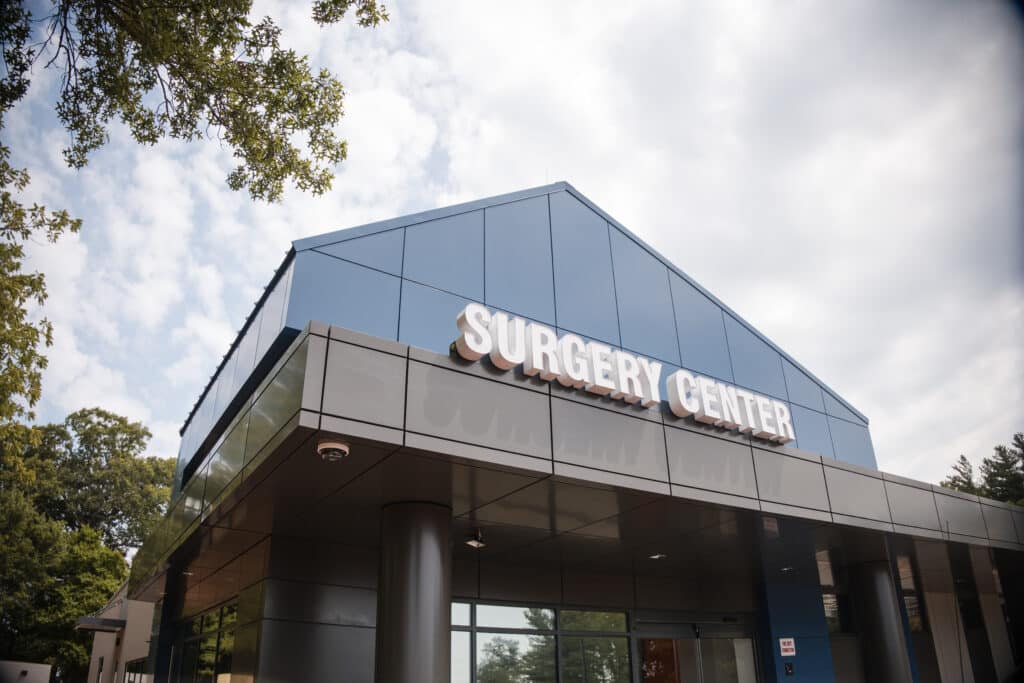
The POA Surgery Center is a new three-room, standalone surgical facility owned, operated and designed by the surgeons of Princeton Orthopaedic Associates. That means much less waiting, a team that does orthopaedics every day, decisions made by your surgeon, advanced care close to home, and recovering in your own bed.
Some things can't wait.
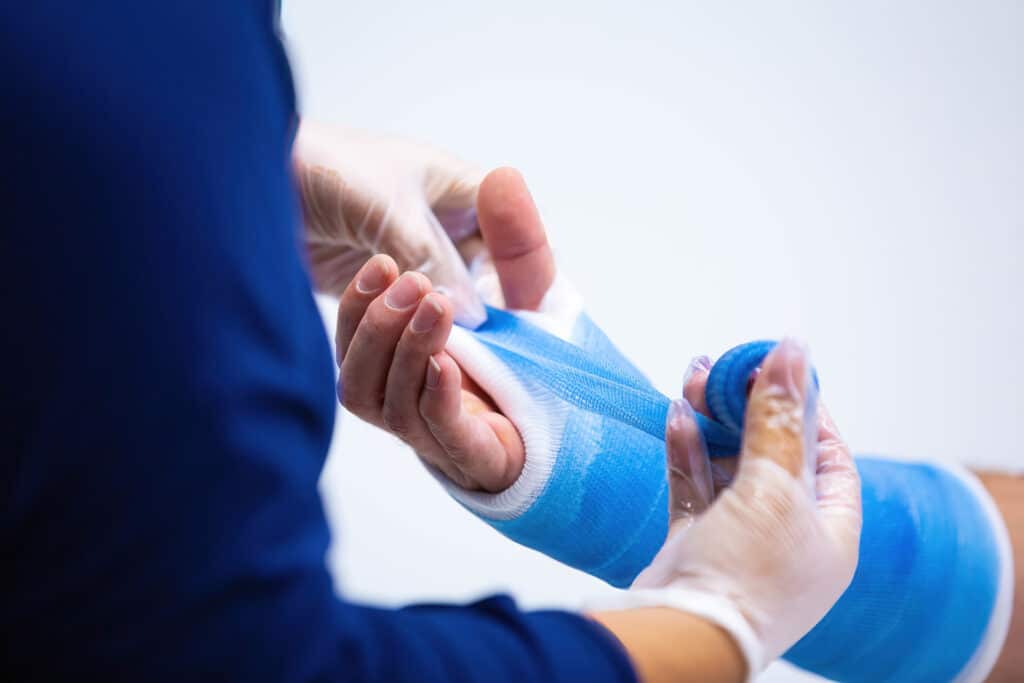
Princeton Orthopaedic Association offers Urgent Care for Orthopaedic injuries. POA's Orthopaedic Urgent Care centers provides immediate walk-in care for all your aches and breaks without the hassle and expense of the emergency room!
Princeton Orthopaedic Associates is committed to offering high-quality surgical and non-surgical care for injuries and conditions affecting the musculoskeletal system. That is why we now offer the proven Prescribe FIT at-home lifestyle coaching program. With Prescribe FIT, patients are matched with a health coach who offers personalized support to improve their health at home.


Avoid the long waiting times in the Hospital Emergency Departments and give us a call at (609) 924-8131 to visit us at our Plainsboro.