Wash and dry your feet daily, paying special attention to the area between your toes.
Trim toenails straight across and wear shoes that fit comfortably from the start.
Choose breathable shoes and socks, and rotate pairs to allow them to dry completely.
Test your shoe fit at the forefoot to ensure enough room for your toes.
Address foot pain early with self-care and seek timely medical guidance if it persists.
Stretch your calves and hamstrings before and after physical activity.
Why Your Feet Deserve Attention
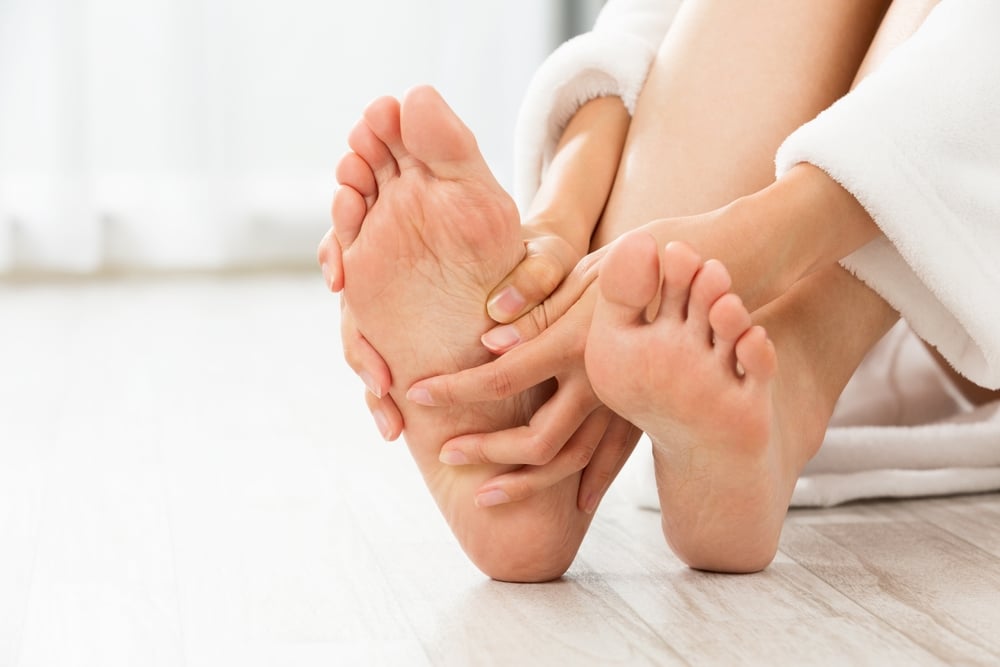
Most of us only notice our feet when they ache. Yet, your feet are engineered to carry you more than 100,000 miles in a lifetime, absorbing thousands of pounds of force with every step. This incredible workload makes proper care and protection essential for your overall well-being.
Tight, poorly fitting shoes and overuse can set the stage for a variety of painful problems. The good news is that many common foot issues can be prevented or improved with simple lifestyle changes and early treatment. This guide explains common conditions, smart self-care strategies, and when to consult a foot and ankle specialist.
Everyday Foot Care Basics
A simple daily routine can prevent many future problems and keep your feet feeling their best.
Wash and Dry: Wash your feet daily with soap and water, then rinse and dry them thoroughly, especially between the toes.
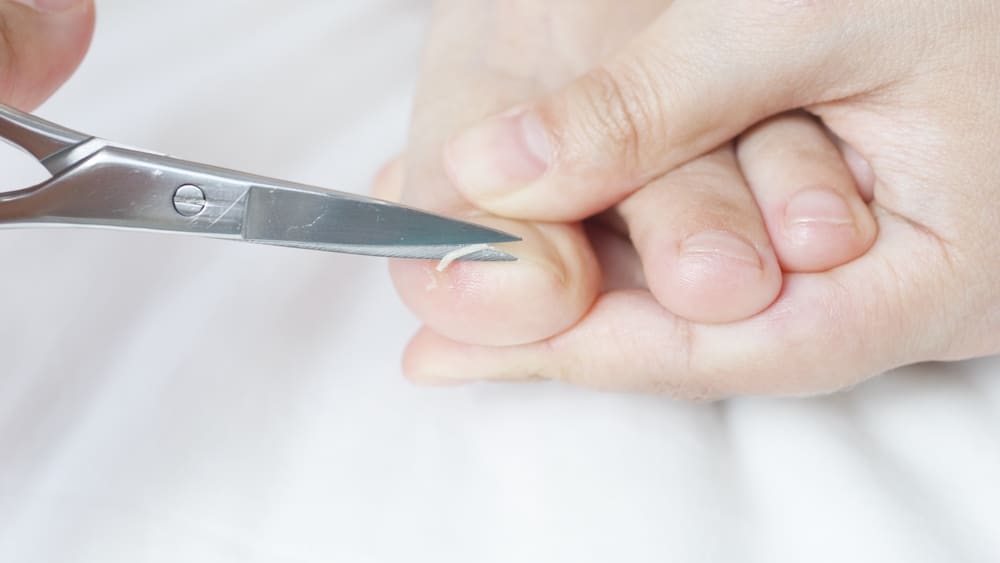
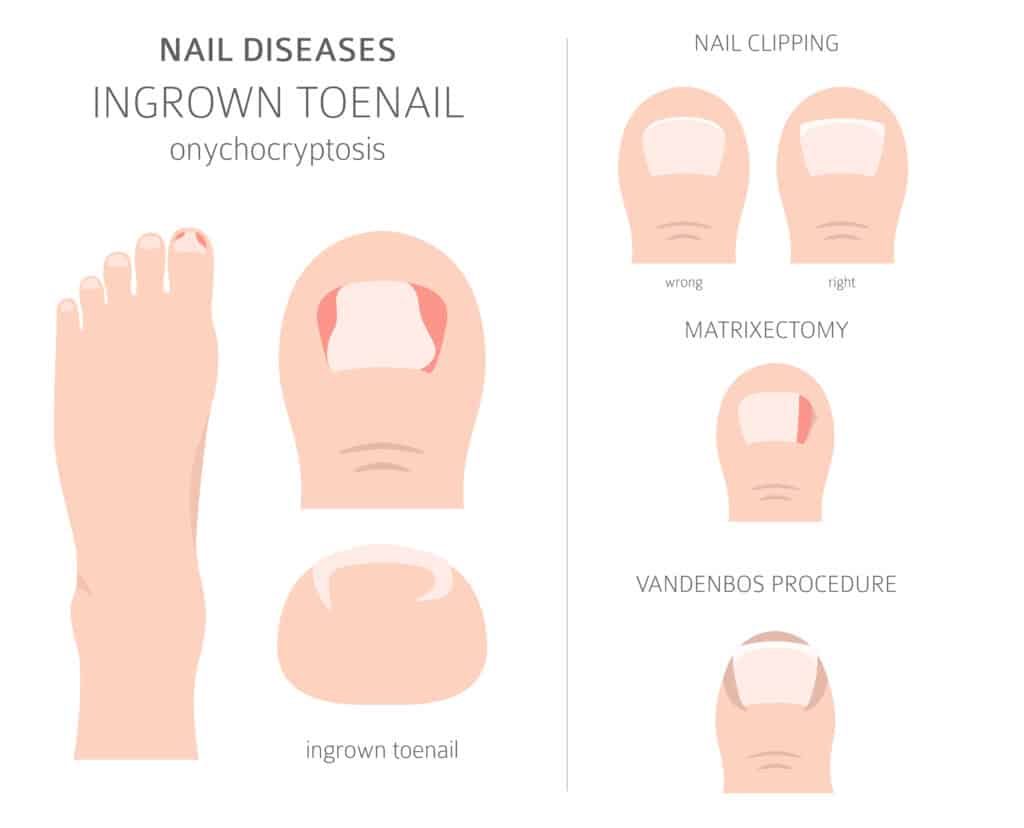
Trim Nails Properly: Trim toenails straight across and avoid cutting them too short. Never dig into the corners, as this can lead to ingrown nails.
Handle Corns and Calluses with Care: Skip at-home trimming or chemical removers for corns and calluses. These methods can injure the skin and invite serious infection.
Choose the Right Socks: Wear clean, well-fitting cotton socks or tights, and change them every day to keep feet dry.
Focus on Fit, Not Size: Choose shoes that fit the unique shape of your feet, not just the number on the box.
If Your Feet Tend to Sweat
Pick breathable footwear like leather or canvas, or wear sandals that allow for airflow.
Rotate your shoes so each pair has a chance to dry out completely between wears.
Wear cotton socks to help absorb moisture and keep your skin dry.
See your healthcare provider if persistent odor, rash, or dampness continues.
Foot Care for People with Diabetes
Individuals with diabetes or poor circulation have a higher risk of developing serious infections from minor foot injuries. Daily checks are crucial to prevent small problems from becoming urgent medical issues.
Protect Your Feet: Wear sturdy shoes and soft socks. Avoid tight socks, stockings, or shoes that restrict circulation. Before putting on shoes, always check inside for any debris, such as pebbles or loose material.
Inspect Daily: Look and feel for blisters, cracks, redness, or sores on your feet at least once a day. If you have reduced sensation (neuropathy), you may not feel injuries, so check more often, especially when wearing new shoes.
Act Quickly: Call your healthcare provider right away if you notice any signs of infection, color changes, new blisters, tingling, or numbness.
Prevent Burns: Always test bath water with your hand or elbow before stepping in to avoid accidental burns.
Understanding Your Foot's Anatomy
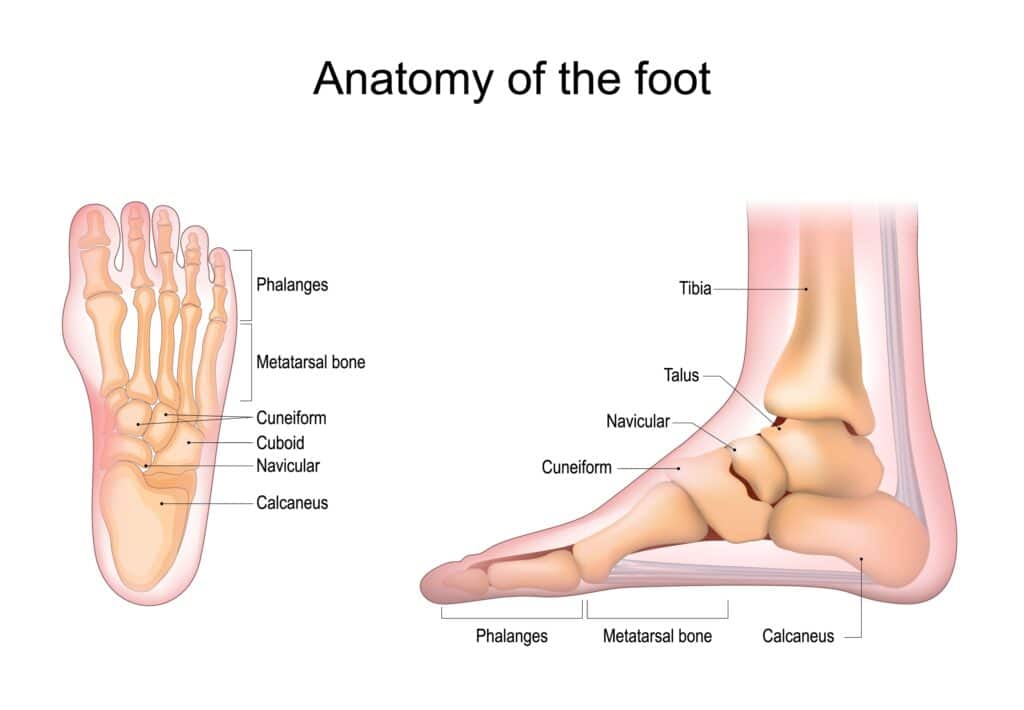
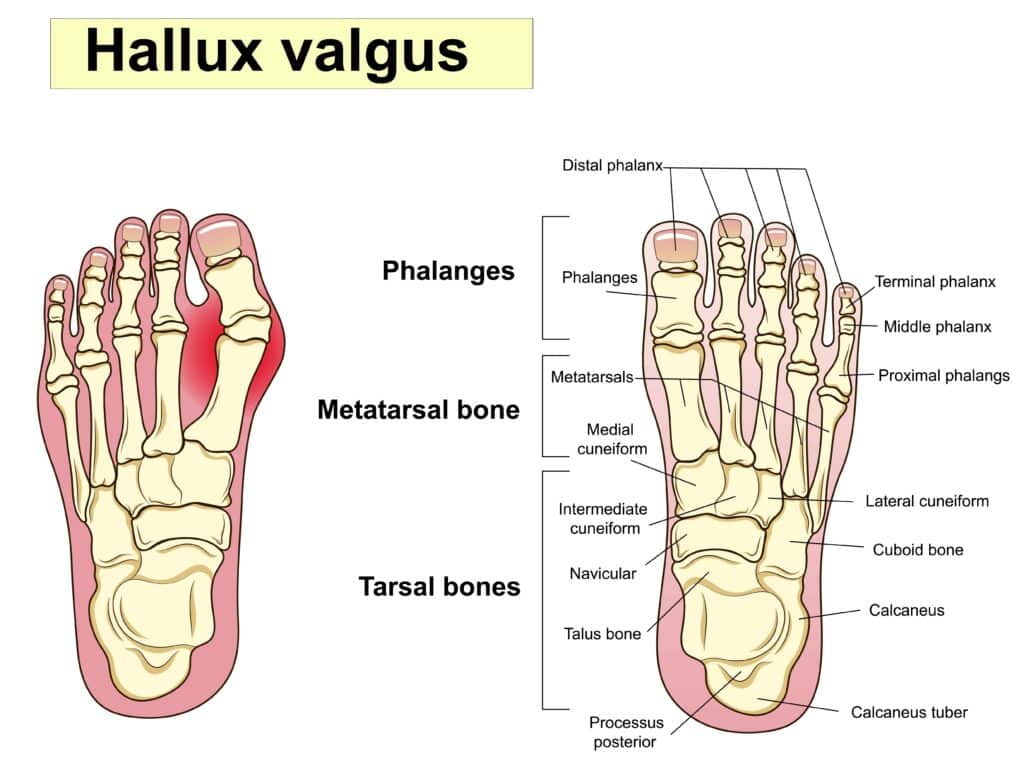
Each foot is a complex structure containing 26 bones and 33 joints that provide strength and flexibility. Approximately 20 muscles move the foot, with tendons connecting each muscle to the bone for smooth, controlled movement. More than 100 ligaments stabilize this intricate framework. Key parts include the heel bone (calcaneus), tarsal bones near the ankle, metatarsals in the forefoot, and toe bones (phalanges).
The Role of Your Arches
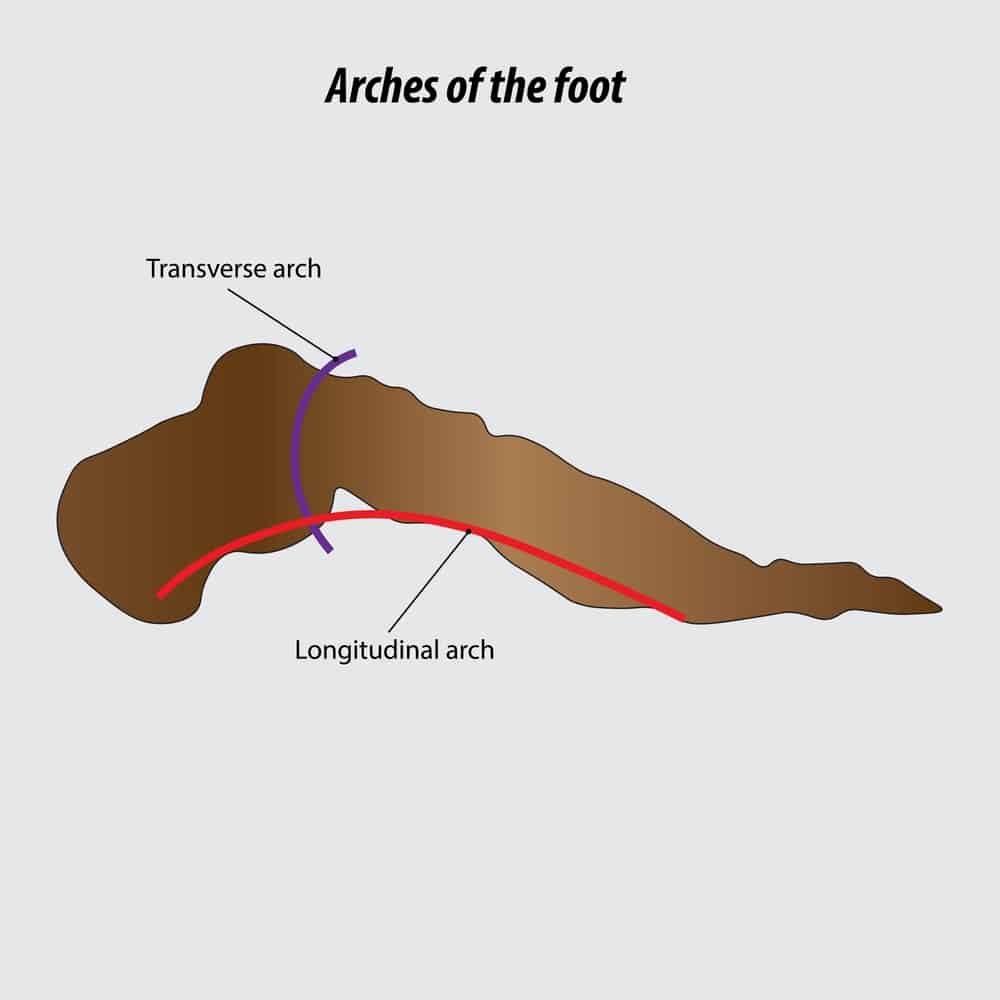
Your feet have two main arches. The transverse arch runs across the ball of the foot, bearing a significant portion of your body weight. The longitudinal arch runs from the heel to the toes, flattening slightly to absorb shock when you stand and shortening when you rest. While low arches (flat feet) rarely cause problems, rigid, high arches are more likely to lead to discomfort. Ligaments like the plantar fascia are vital for supporting these arches through every step.
How We Walk
Each person has a unique way of walking, known as their gait. However, normal foot movement follows several common patterns. The big toe provides the main push-off and helps maintain balance, while the metatarsal bones adjust to uneven ground. During proper movement, the body’s weight stays centered over the feet.
Children's Feet
Babies often seem flat-footed because of a natural fat pad on the soles of their feet. As your child grows, their feet and legs typically straighten on their own without the need for special splints or surgery. Your child’s gait and foot development will be monitored during regular well-child checkups.
How to Find Shoes That Help, Not Hurt
The wrong shoes can trigger or worsen foot pain, while the right pair can help prevent issues before they start. Use these fit and construction tips the next time you shop for footwear.
Fit Tips
Comfort is Key: If a shoe isn't comfortable in the store, don't buy it. Shoes should not require a "break-in" period.
Measure Every Time: Feet often get wider or longer with age. Measure both feet each time you shop and buy for the larger foot.
Shop in the Afternoon: Your feet naturally swell throughout the day, so shopping later ensures you get a more accurate fit.
Ignore the Number: Shoe sizing varies by brand. Let comfort and proper fit be your guide, not the size on the label.
Wiggle Room: The toe box should be wide and high enough to allow all your toes to move freely.
Secure the Heel: Your heel should be snug without pinching, and the sides of the shoe should not gape or slip.
Construction Matters
Choose shoes with cushioned insoles for comfort and shock absorption.
Look for supportive arch features to help distribute weight more evenly.
Limit time spent in high heels and minimize walking in them.
Ensure the soles are strong but flexible, with good traction.
Replace athletic shoes regularly, as worn tread and compressed cushioning reduce protection and support.
Check Your Forefoot Fit
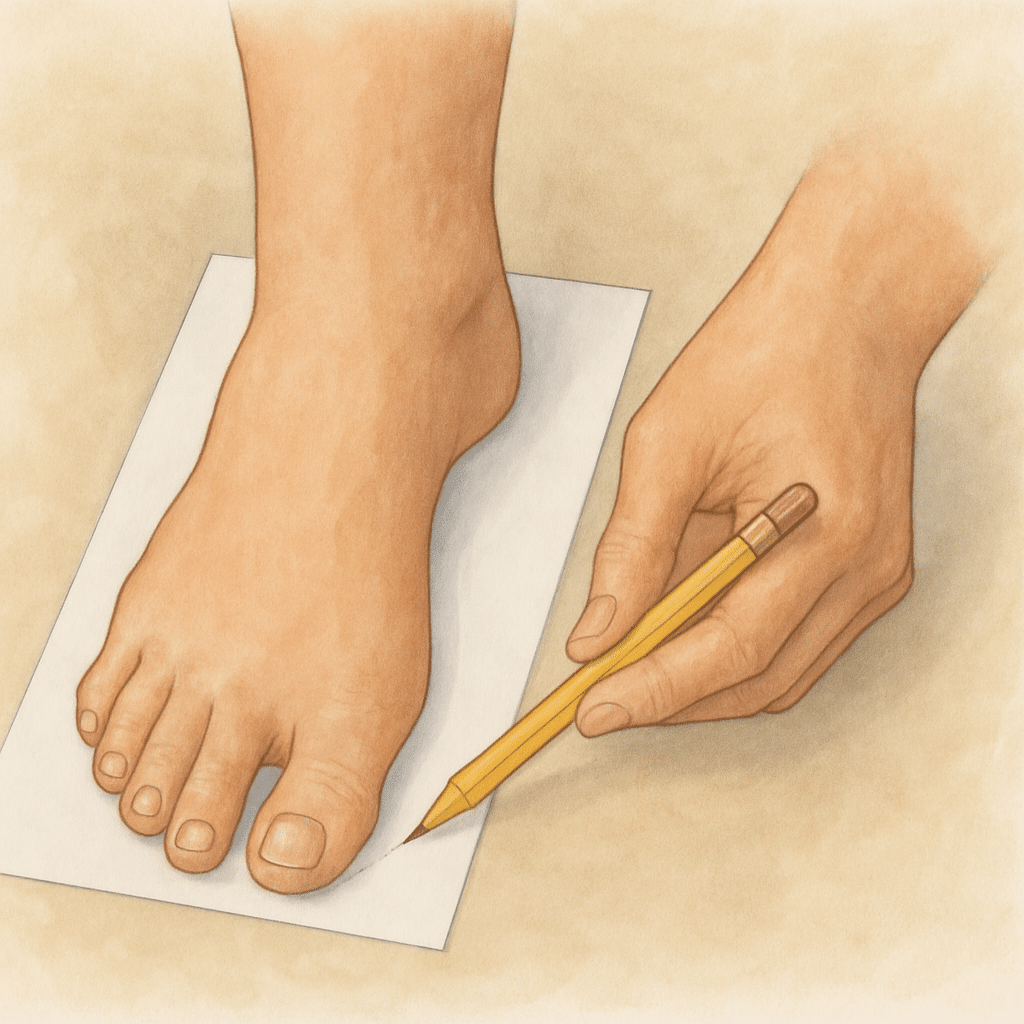
Many people notice their forefoot widens with age, but most shoes taper at the front. This mismatch can squeeze the toes and lead to problems. Try this quick test:
Trace the outline of your bare foot on a piece of paper.
Place your shoe on top of the tracing.
If the outline of your forefoot is wider than the shoe, the shoe is too narrow for you.
Orthotic Devices
For painful feet, orthotic devices such as pads, orthotic supports, bards, or heal cups may be prescribed. These devices can be placed in or on the shoe. They change the way the bones and muscles work when you're on the go. Orthotic devices also help to treat problems in your feet by shifting weight off painful areas.
Shoes for Children
Shoes aren't needed before a child begins to walk.
Flexible shoes with a rubber sole are best. High topped shoes aren't needed.
Check often to be sure shoes aren't too small.
Don't have children wear hand-me-down shoes.
Common Foot Problems and Treatments
Most foot issues stem from poorly fitting shoes, overuse, or general wear and tear. Many improve with simple self-care, but it's important to know when to seek medical advice.
Ingrown Toenails
What it is: An ingrown nail, often on the big toe, occurs when the edge of the nail grows into the surrounding skin. Tight shoes and improper nail trimming are common causes.
What helps: Trim nails straight across and wear roomy shoes. Soak the foot in warm water for 15 minutes a few times a day. If pain or swelling persists, a clinician may need to remove part of the nail to prevent it from returning.
Blisters
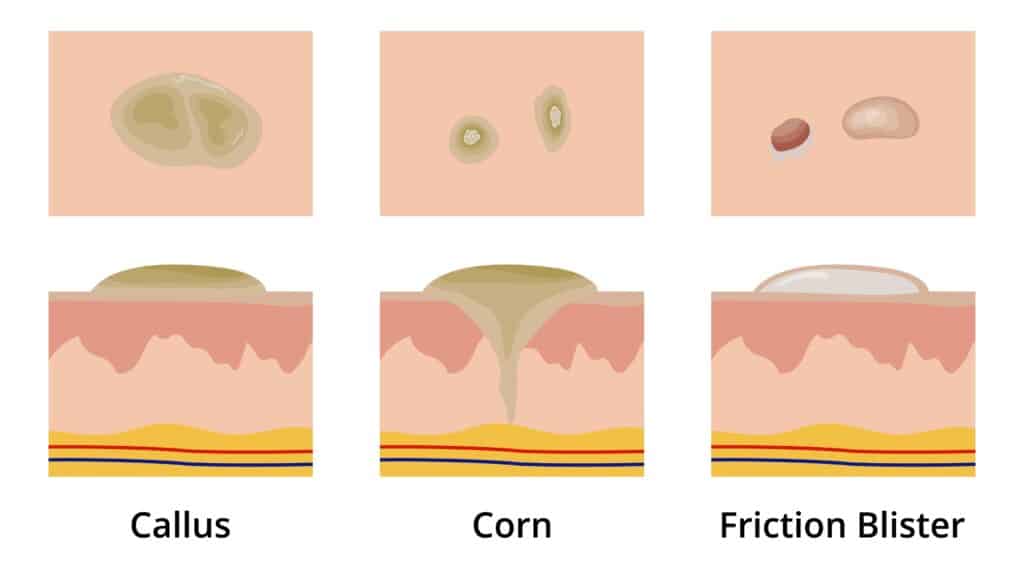
What it is:Blisters form when footwear repeatedly rubs against the skin, creating friction and fluid buildup.
What helps: To prevent them, avoid shoes that cause irritation and use moleskin or padding to protect sensitive areas.Do not pop blisters, as this increases the risk of infection. If a blister breaks on its own, keep the area clean and cover it with a sterile bandage until it heals. Seek medical attention if you notice redness, swelling, or signs of infection around the blister.
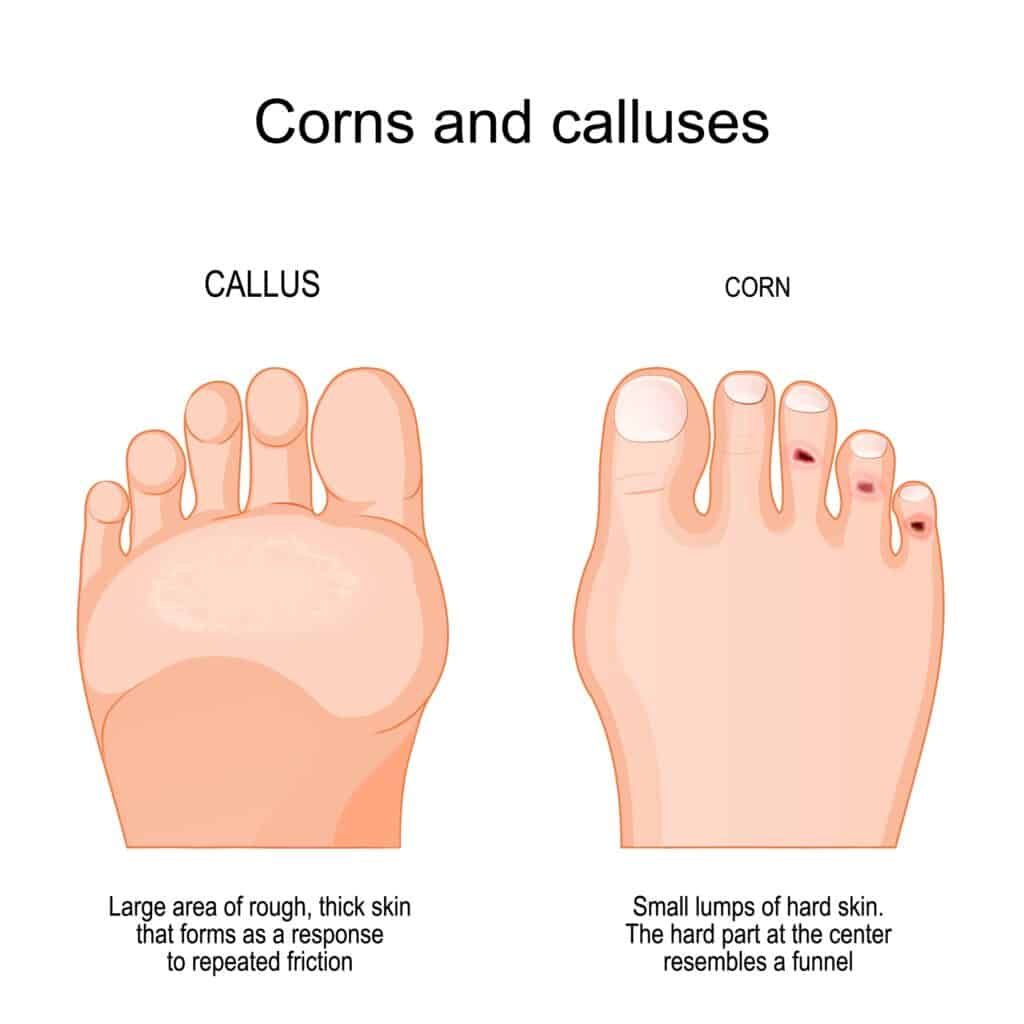
Corns and Calluses
What they are: Thickened layers of skin caused by pressure or friction. Corns typically appear on toes, while calluses form on weight-bearing areas.
What helps: Warm soaks and moisturizing lotion can help soften the skin. Wearing properly fitting shoes often reduces the pressure, allowing them to improve. Avoid trimming them yourself or using medicated pads, which can cause injury and infection.
Soft Corns
What it is: Soft corns are a type of callus that develop between the toes. They form when a bony prominence, or spur, on one toe presses against the adjacent toe. Tight or narrow shoes that crowd the toes can make this condition worse.
What helps: or self-care, soak your feet in warm water, wear shoes with ample toe space, and place cotton or lamb’s wool between the affected toes to reduce friction. Avoid using sharp instruments or over-the-counter corn removers, as these can cause injury or infection. If discomfort persists, your healthcare provider may recommend surgical removal of the bony prominence, after which the soft corn typically resolves over time.
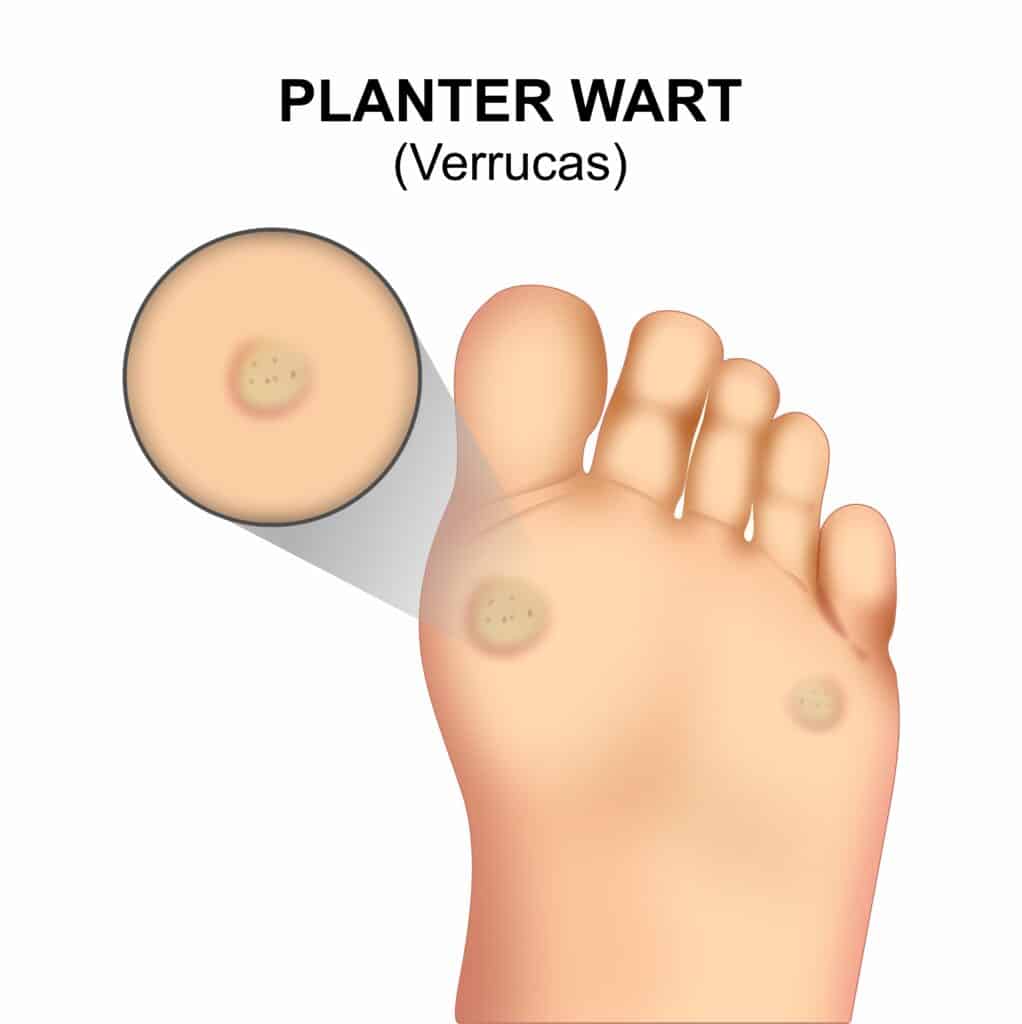
Plantar Warts
What it is: Plantar warts may look like hard, painful calluses, but they are actually viral skin infections that develop on the soles of the feet. They tend to be round rather than oval and often have a small crater or dark spot in the center.
What helps: Self-treatment is not recommended—avoid using over-the-counter medications or acids to try to remove the wart. Because plantar warts can be stubborn and difficult to eliminate, it’s best to seek medical care. Your healthcare provider can discuss safe and effective treatment options for removal.
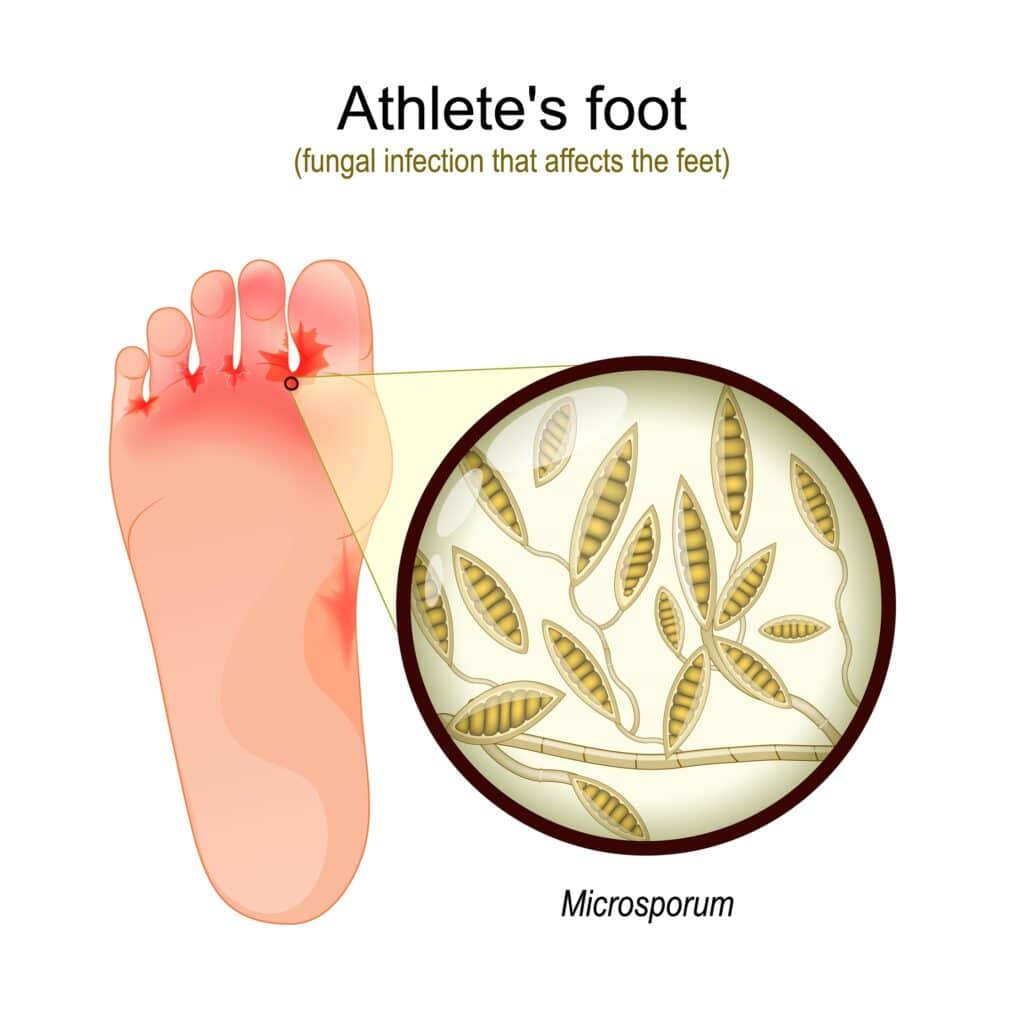
Fungal Infections
What it is:Fungal infections, commonly known as athlete’s foot, develop in warm, moist areas of the feet—such as between the toes, around the nails, and along the bottoms or sides. Symptoms can include itching, burning, or pain between the toes, cracked or scaly skin, and thickened, discolored nails that may appear yellow, green, black, or brown.
What helps:
Wash and dry your feet—especially between the toes—thoroughly each day.
Use over-the-counter antifungal creams or sprays as directed.
Change shoes and socks daily, and choose footwear that keeps your feet cool and dry.
Avoid scratching, as this can spread the infection.
Wear nonslip shower shoes in locker rooms, public showers, or pool areas.
Medical care may involve prescription antifungal creams or oral medications. In some cases, thickened nails may need to be trimmed or filed down, and severe nail infections may require partial or complete nail removal for proper healing.
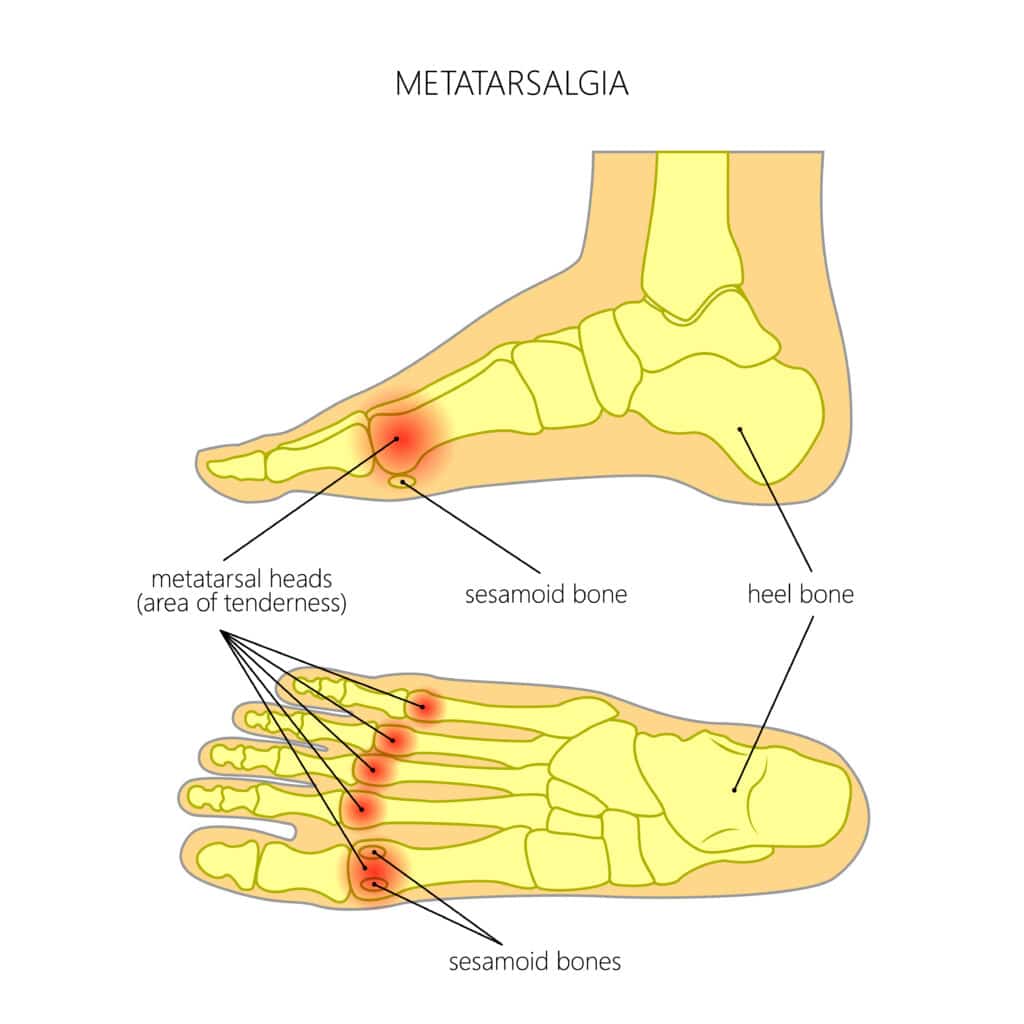
Metatarsalagia
What it is: This condition causes pain in the ball of the foot. It may result from a rigid, high-arched foot or from the widening of the forefoot—both of which can be inherited. Calluses often develop in the affected area as well.
What helps: earing shoes with low heels, a wide toe box, and soft cushioning can reduce forefoot pressure. If pain continues, your provider may order X-rays, prescribe anti-inflammatory medication, or recommend metatarsal pads, bars, or custom orthotics for support. In severe cases, surgery may be needed to realign or remove part of the metatarsal bone, followed by recovery in a cast.
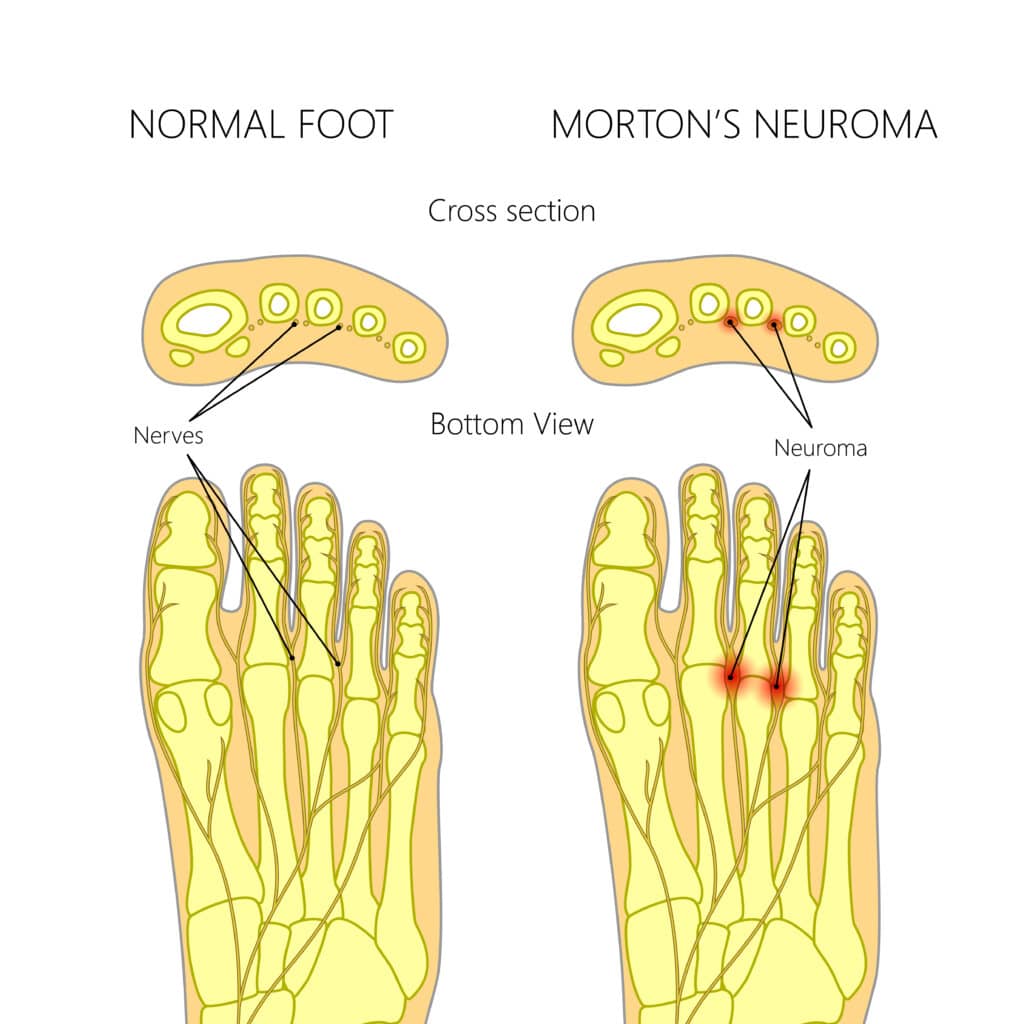
Plantar Neuroma (Morton's Neuroma)
What it is: A plantar neuroma is a thickening of a nerve in the ball of the foot. It occurs when the nerve between two metatarsal heads becomes pinched or irritated, often from tight, pointed shoes or repetitive impact to the foot. Common symptoms include pain or numbness between the toes and a sensation similar to “walking on a pebble.”
What helps:Medical treatment may involve orthotic supports to relieve pressure or a cortisone injection to reduce inflammation. If conservative measures fail, surgery may be performed to remove the enlarged portion of the nerve, which results in permanent numbness in the affected area.
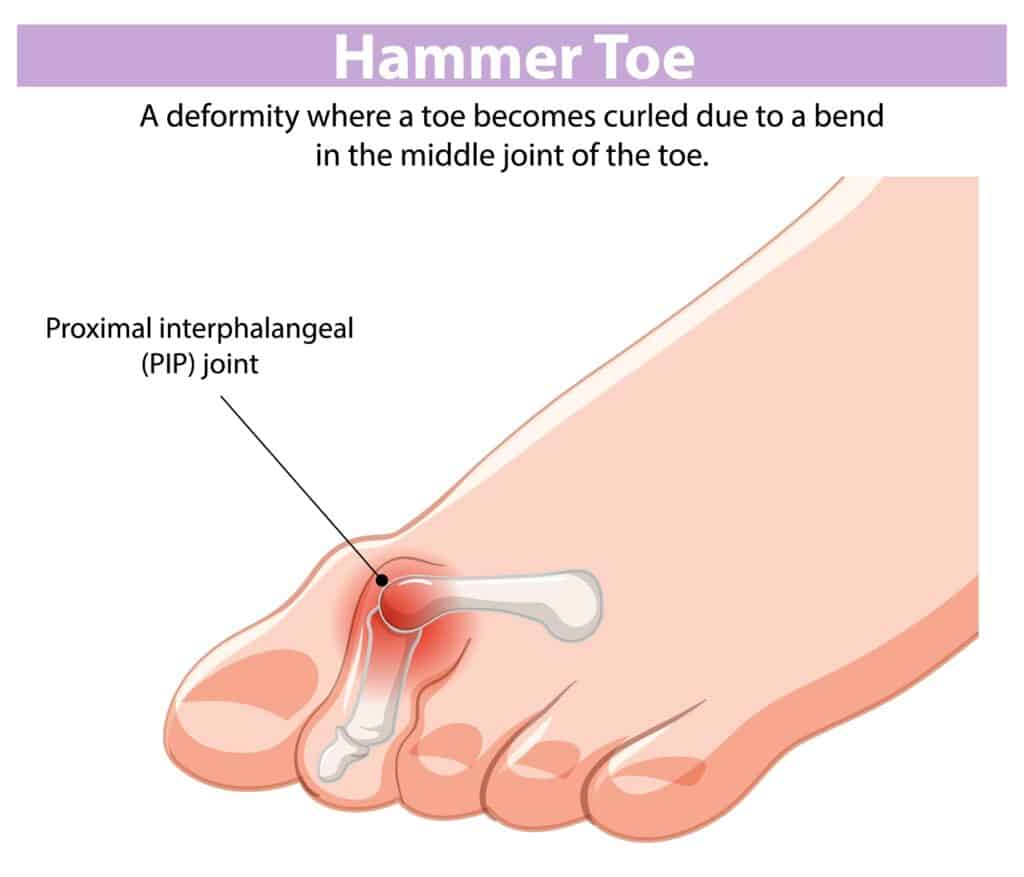
Hammer and Claw Toes
What they are: A bending of the smaller toe joints, often caused by tight shoes or a muscle imbalance. Corns may form where the bent toes rub against shoes.
What helps: Choose shoes with a soft, roomy toe box. If the condition is painful, surgery can straighten the toe.
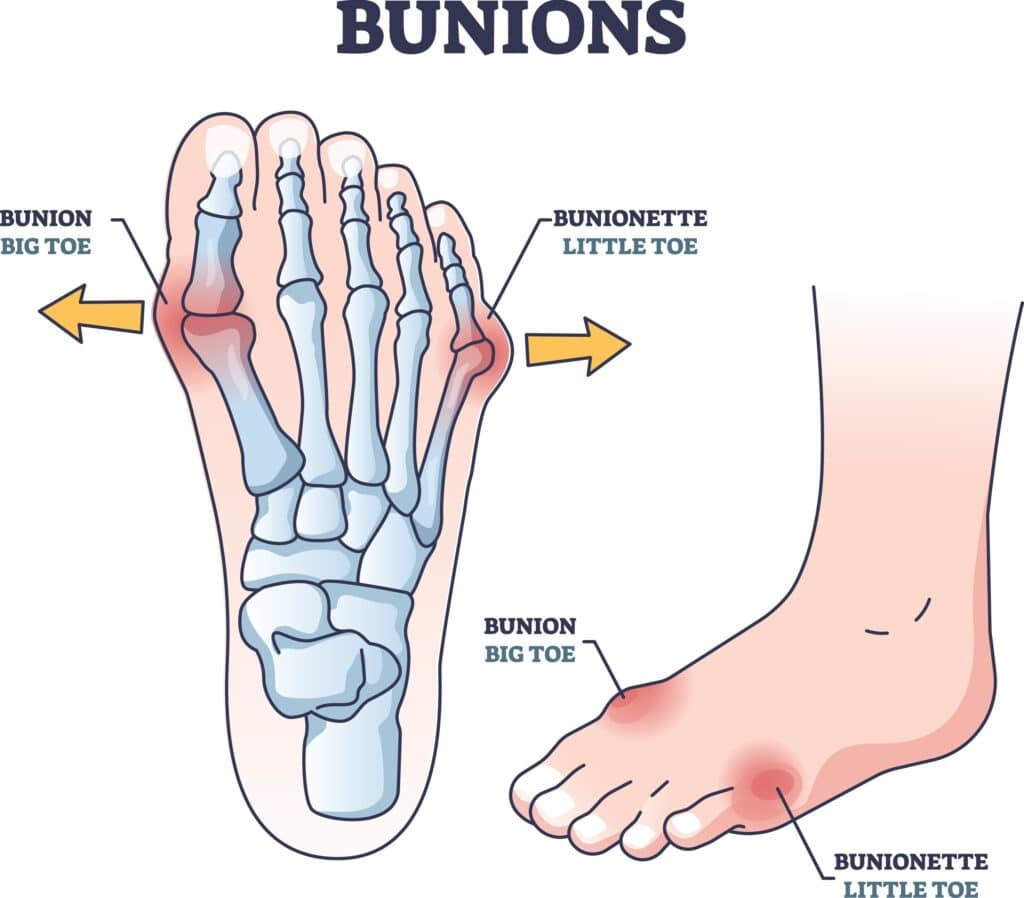
Bunions (Hallux Valgus)
What it is: A bony bump that forms at the base of the big toe, causing it to angle toward the other toes. This can be hereditary and is often aggravated by narrow shoes.
What helps: Wear low-heeled shoes with a wide toe box to reduce pressure. If pain continues, surgery can realign the toe and remove the bump.
Bunionettes
What it is: A bunionette, also known as a tailor’s bunion, is similar to a bunion but forms at the base of the little toe.
What helps:Treatment typically involves wearing shoes with a wider toe box to reduce pressure on the area. In more severe cases, surgery may be performed to remove the bony prominence and realign the joint.
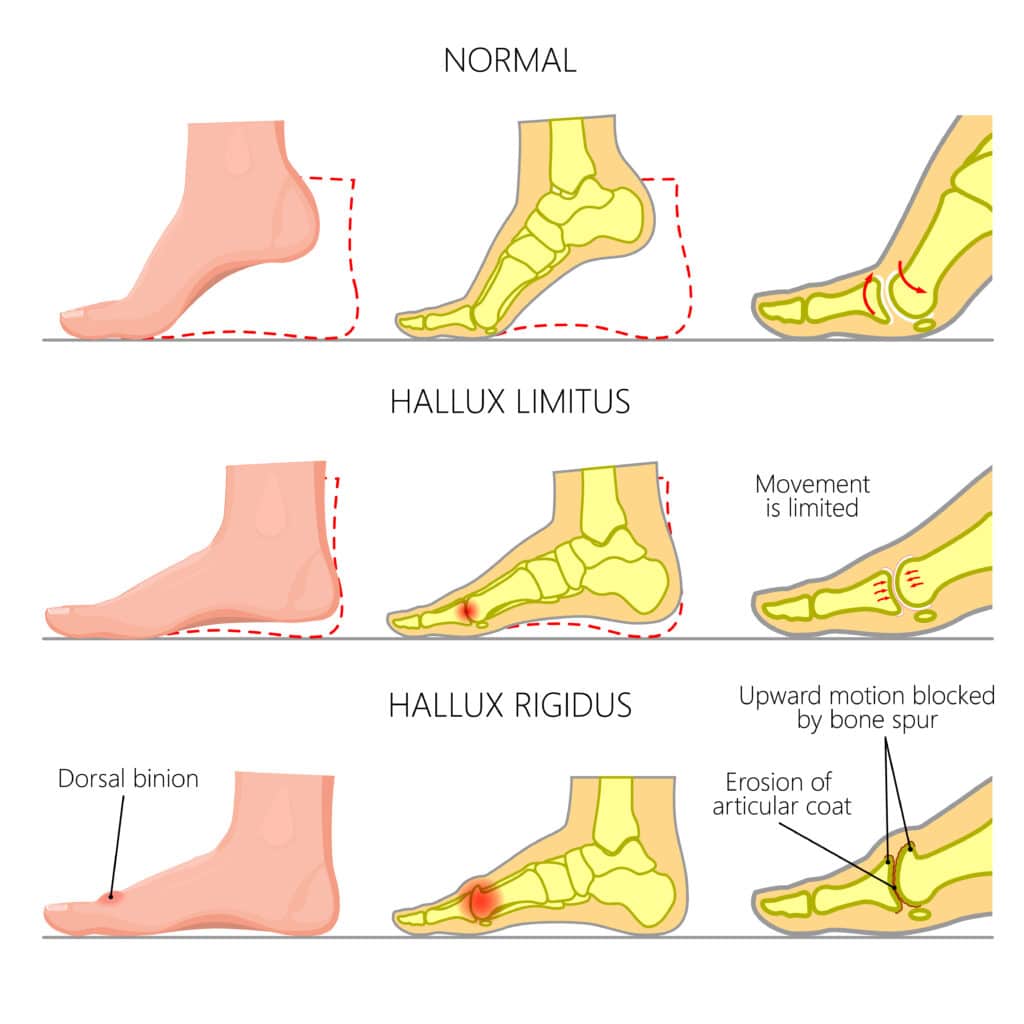
Hallux Rigidus
What it is:Hallux rigidus causes stiffness, pain, and swelling at the base of the big toe, usually due to arthritis from a prior injury.
What helps: Treatment may include anti-inflammatory medication, joint padding, or cortisone injections to relieve pain and swelling. In severe cases, surgery may be needed to remove bone spurs, rebuild or fuse the joint, or replace it to restore movement and reduce discomfort.
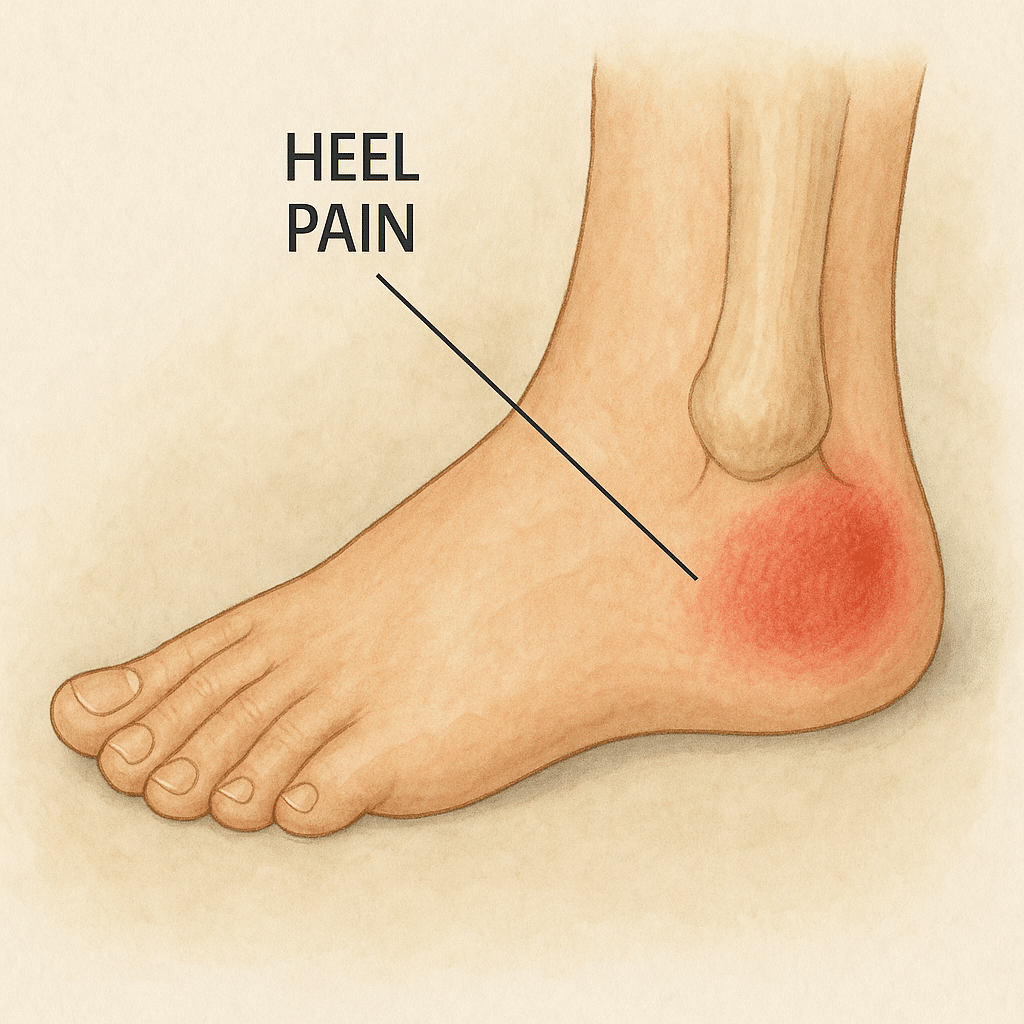
Heel Pain
What it is:Heel pain can affect anyone and often results from issues with posture, walking patterns, or strain on the ligaments and tissues of the foot. It may also stem from injury or systemic conditions such as arthritis.
What helps: Rest, warm soaks, supportive shoes with cushioned insoles, and gentle stretching or massage. Medical treatment may involve anti-inflammatory medication, heel pads or orthotic supports to reduce pressure, or cortisone injections if pain persists. Surgery is rarely required.
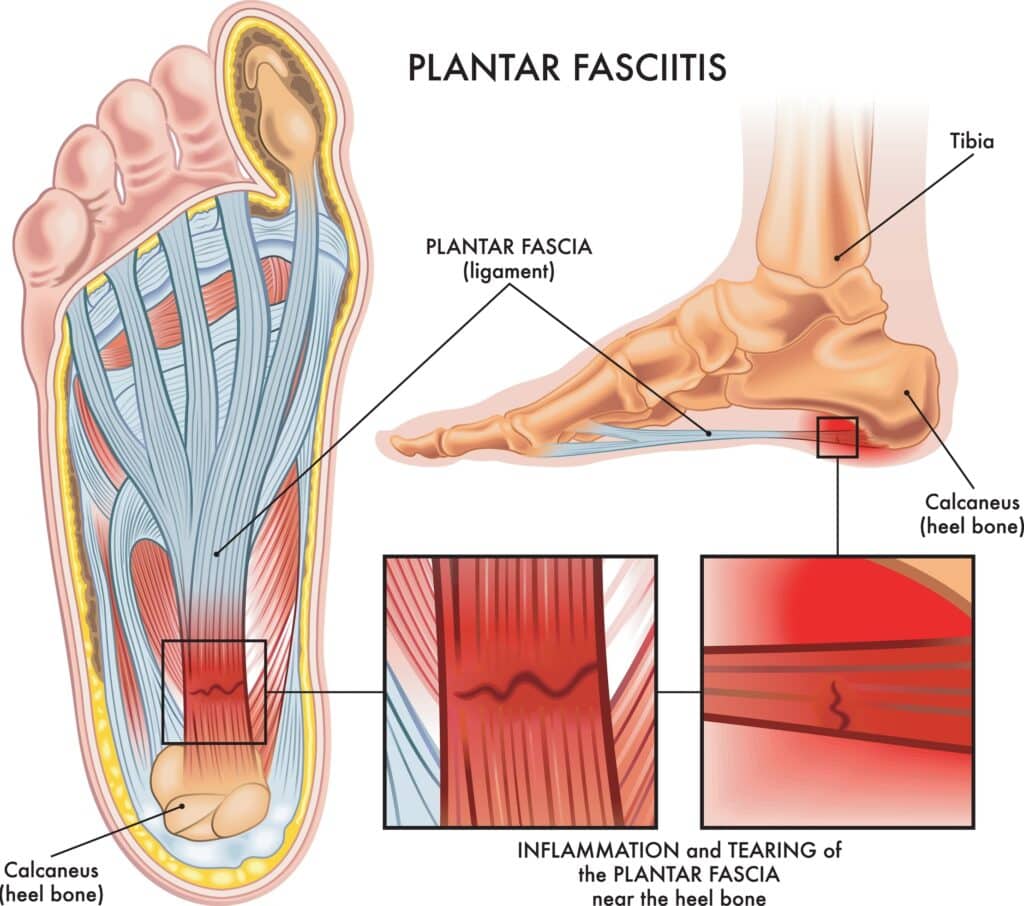
Plantar Fasciitis
What it is: Inflammation of the plantar fascia, the thick band of tissue connecting your heel to your toes. This is a common cause of heel pain.
What helps: Rest, gentle stretching, and supportive shoes or arch supports can provide relief. Ice can reduce inflammation after activity. If pain persists, your provider may recommend physical therapy, custom orthotics, or a cortisone injection.
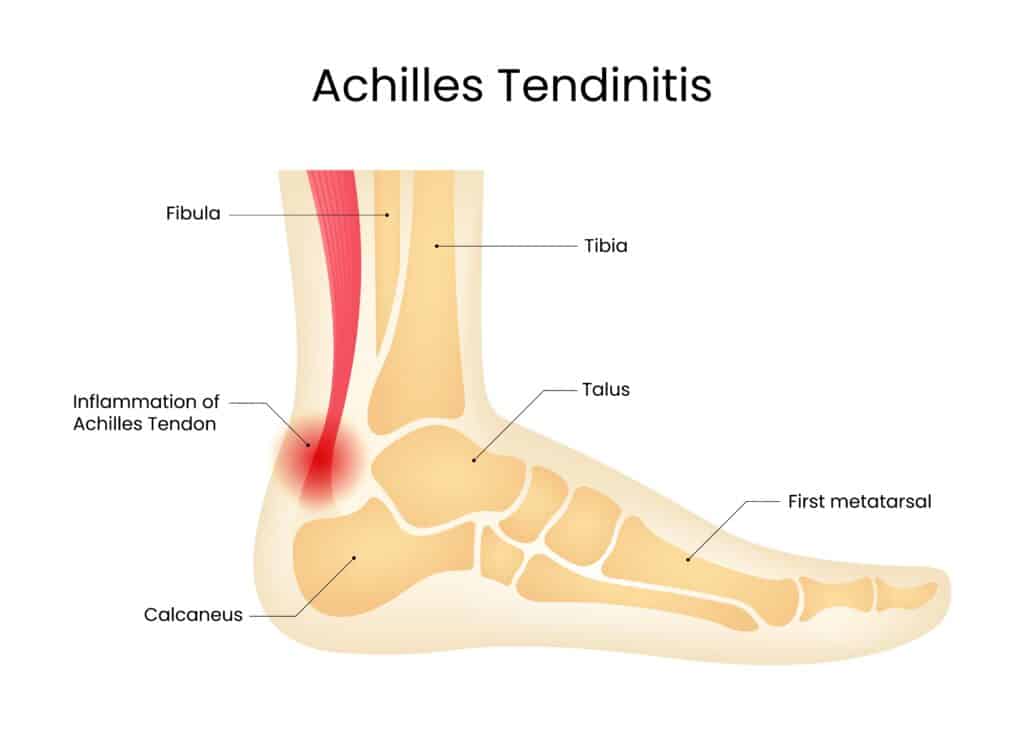
Achilles Tendinitis
What it is: Irritation and inflammation of the Achilles tendon, which connects the calf muscles to the heel. Pain often occurs after a rapid increase in physical activity.
What helps: Rest from weight-bearing exercise. Gentle calf stretches and wearing shoes with a slight heel lift can help. Pushing through the pain can lead to a more serious tendon rupture.
To Consider After Foot Surgery:
If you need foot surgery, keep the following points in mind:
Avoid soaking your feet while stitches or wires are in place. You may need to keep your foot completely dry—ask your healthcare provider for specific bathing or showering instructions.
Multiple foot issues may be treated together. It’s common for surgeons to correct several problems during a single procedure.
Recovery can take longer than expected. Your surgeon will explain what to expect before and after surgery, including activity limits and healing timelines.
Contact your surgeon immediately if you notice worsening pain, redness, swelling, or any drainage from your incision site.
Keep Active, Protect Your Feet
The right shoes and a quick warm-up can help you stay comfortable and injury-free. Try these two stretches before and after you exercise.
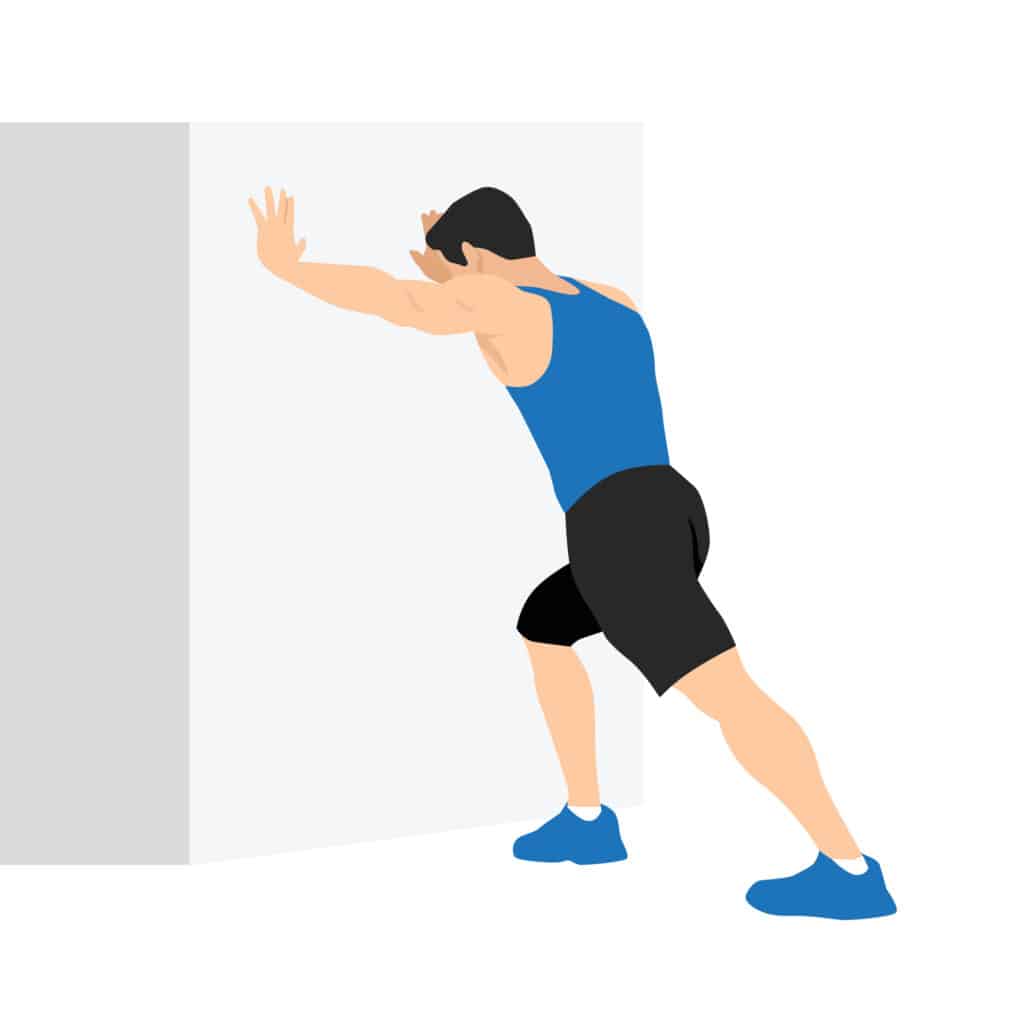
Calf Stretch
Stand facing a wall with your hands on it for support.
Step one foot back, keeping the leg straight, and press the back heel firmly into the floor.
Bend your front knee until you feel a stretch in the calf of your back leg.
Hold for 20-30 seconds and repeat 2-3 times on each leg.
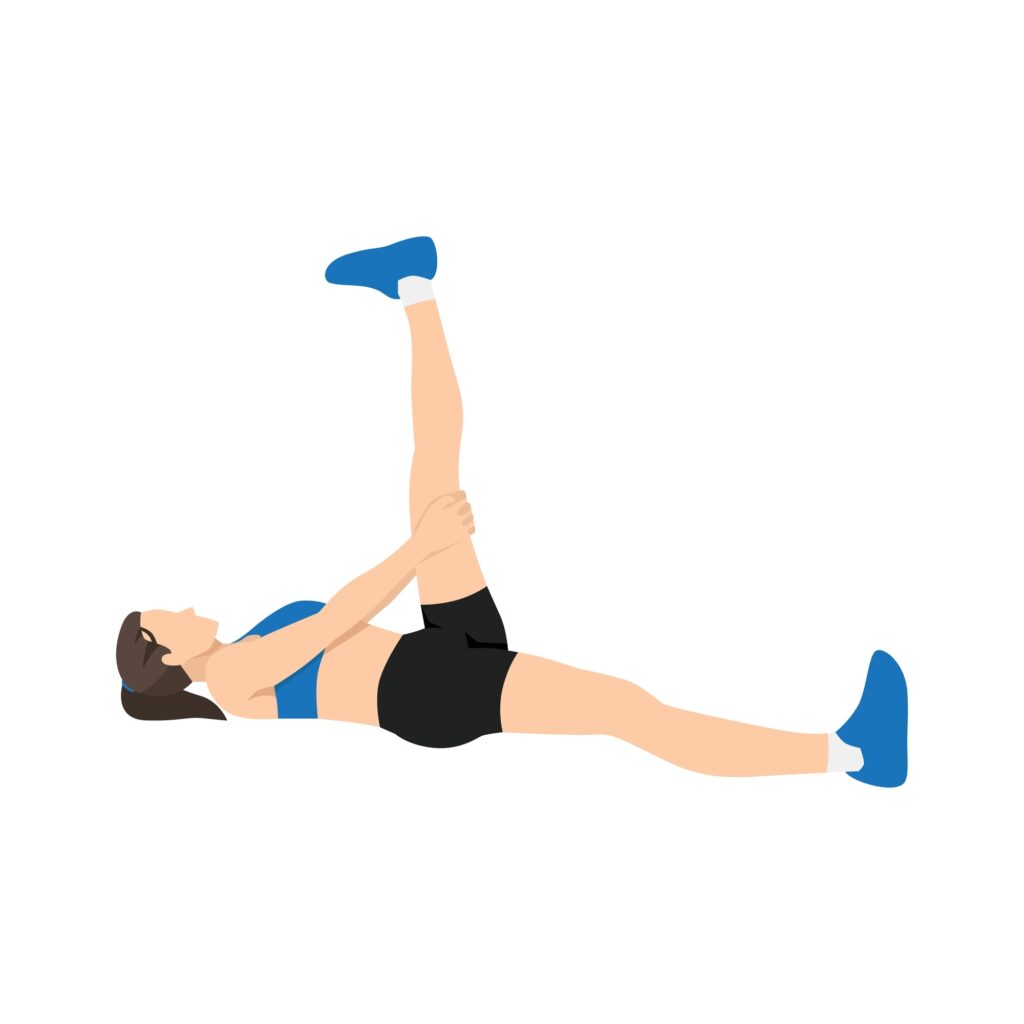
Hamstring Stretch
Lie on your back with both knees bent.
Raise one leg toward the ceiling, supporting the thigh with your hands.
Gently pull the leg toward you until you feel a stretch in the back of your thigh. Keep the knee slightly bent if needed.
Hold for 20-30 seconds and repeat 2-3 times before switching legs.
Remember to increase any new activity gradually. If you feel pain, stop and rest. If discomfort doesn't improve with self-care, don't hesitate to contact your healthcare provider. Your feet are your foundation—be kind to them, and they will carry you well.
Quick Summary
Wash and dry your feet daily, paying special attention to the area between your toes.
Trim toenails straight across and wear shoes that fit comfortably from the start.
Choose breathable shoes and socks, and rotate pairs to allow them to dry completely.
Test your shoe fit at the forefoot to ensure enough room for your toes.
Address foot pain early with self-care and seek timely medical guidance if it persists.
Stretch your calves and hamstrings before and after physical activity.
If you have diabetes, inspect your feet daily and call your provider immediately for any concerns.
Replace athletic shoes regularly and avoid walking in high heels for extended periods.
Have Questions?
If you have any questions or concerns, please contact one of our offices. This information is provided solely for educational purposes and is not a substitute for personalized medical advice. For detailed advice please contact us at (609) 924-8131, text us at (609) 757-9992 or send us a message via our contact form.