Welcome Dr. Campbell: Expert in Hand Orthopaedic Care
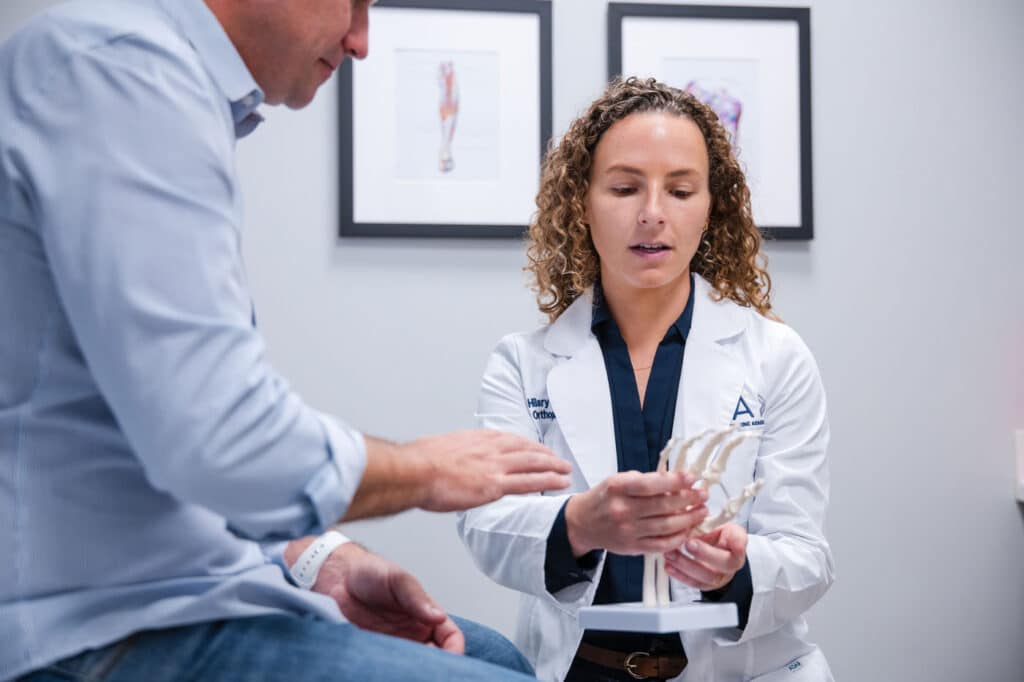
As a fellowship-trained hand and upper extremity surgeon, Dr. Hilary Campbell treats every manner of condition from the elbow to the fingers. One does not have to look far to see why hands are so vital; they are involved in nearly all of one’s daily activities, so an issue with them is seldom a minor matter for long. It could be a case of trigger finger that makes itself known each morning, or numbness at two in the morning, perhaps a wrist fracture requiring the right kind of healing, or an elbow that has just given up on you. Before any discussion of treatment gets under way, Dr. Campbell will want to get the full picture from her patients.
Dr. Campbell Education
Science was not Dr. Campbell’s first calling. A Dartmouth College alumnus, she put in four years to obtain a philosophy degree, time well spent in learning to pose the right questions and have the patience for the difficult ones. As it happens, that is fine preparation for a career in medicine. There are plenty of surgical decisions where one cannot point to a single correct answer; the surgeon one wants on the other side of the table is at ease in saying “this is what we know and this is what we do not, and here is my take on it.” Her aptitude was recognized during her NYU residency with the Sarah Pettrone and Nate Bondi Awards, honours reserved for those who show the kind of integrity, teamwork and devotion to their work that set them apart.
A Dartmouth College alumnus with a BA in Philosophy, Dr. Campbell went on to obtain her medical degree from the Rutgers Robert Wood Johnson Medical School, an institution where she was made a member of the Alpha Omega Alpha Honor Society. For her orthopaedic surgery residency she chose NYU Langone Orthopedic Hospital in New York City, putting in the time at what is one of the most rigorous and high volume training programs in the nation.
Later she took up a fellowship in hand and upper extremity surgery at Philadelphia’s well known Rothman Orthopaedic Institute. It was a year devoted to nothing but the hand, wrist and elbow. In her view, that kind of singular focus is what separates a surgeon who specializes in these areas from one who does not.
Dr. Campbell’s work in hand and upper-extremity surgery is well documented in her peer-reviewed papers, book chapters and national presentations. One can find her bylines in the Journal of the American Academy of Orthopaedic Surgeons, as well as in the Journal of Hand Surgery Global Online and the Journal of Orthopaedic Trauma. She has been a presenter at the annual meetings for the AAOS and the Hand Society, of which she is a member. For the patient, this research is of some import. It is a matter of knowing that the individual on one side of the table is the very same one who has done the reading and put the evidence behind the treatment to the test.
Comprehensive Hand Care
Under Dr. Campbell’s care, patients receive treatment for any number of upper extremity ailments. Her practice covers carpal tunnel and nerve compression, trigger finger and other tendon problems, and arthritis of the thumb and wrist. She is also the one to see for hand, wrist and elbow fractures, or for reconstruction work where an injury has not healed as it should. Dr. Campbell has a special affinity for wide-awake surgery. With this method she can perform many hand procedures using only local anesthesia, eschewing both a tourniquet and general anesthesia. For the right patient it can mean a shorter day and an easier recovery; there is something in the way of surreal about being able to hold a conversation with your surgeon as she operates. But she is straightforward about the fact that not all cases are surgical ones, and will make no bones about it when an operation is not called for.
Numbness and Tingling in Your Hands: What It May Mean
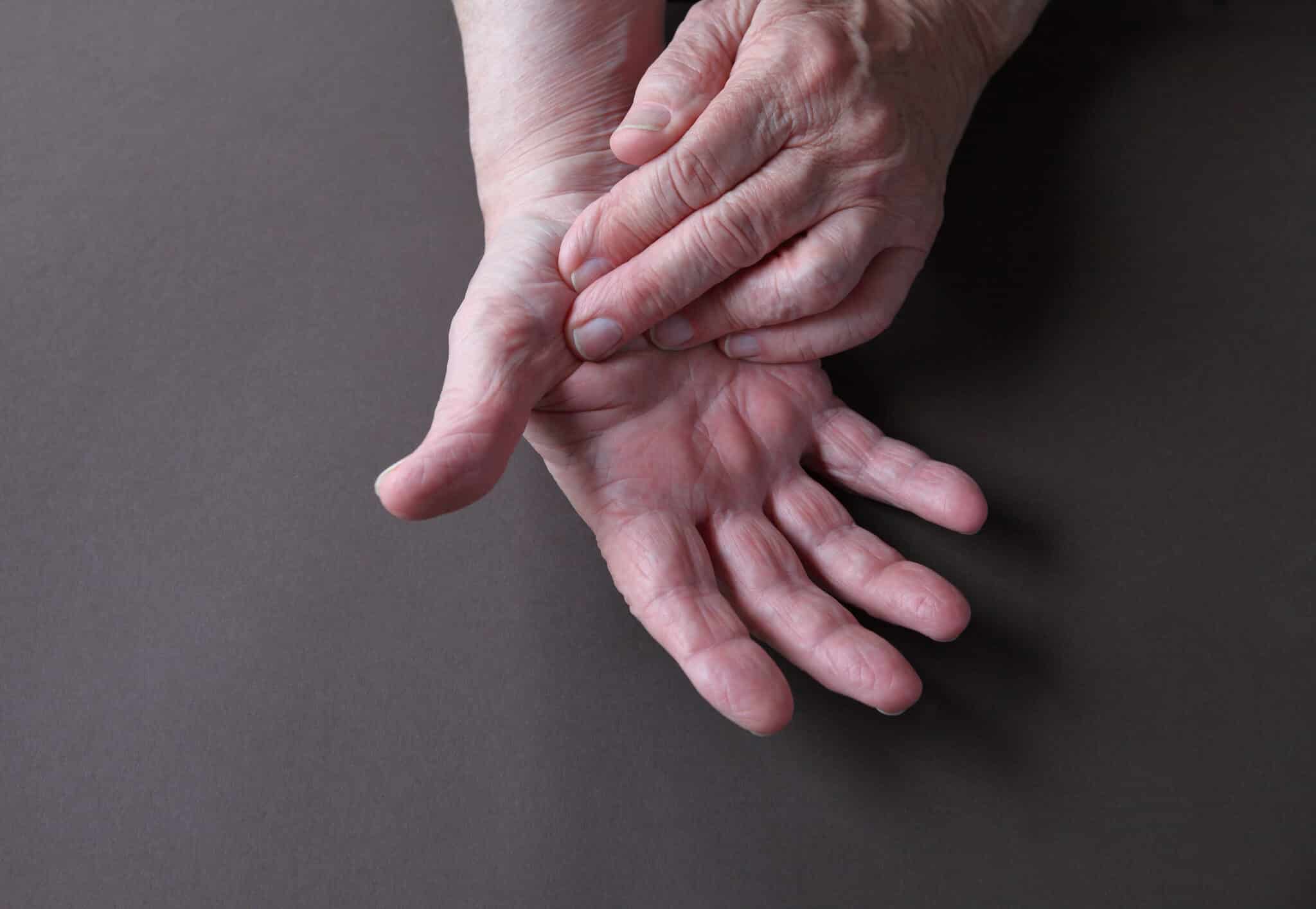
It is all too easy to put down a bit of numbness or tingling in the hands, particularly when it is intermittent. But if the sensation persists to the point of waking you at night, or you find your grip is not what it should be, there is a good chance a nerve is being compressed or otherwise irritated.
One might feel pins and needles in the course of everyday activities like typing, driving or even holding a phone. For some, there is an accompanying burning pain or weakness that can radiate up the forearm or into the elbow and wrist. Paying attention to such things will give you some idea of where the trouble lies.
Since similar symptoms have different origins, it is better to have an exam than to make assumptions. A clinician can determine where the nerve signals are off and put you on a course of treatment suited to the underlying cause. Being aware of the usual culprits is a good way to know when professional care is warranted.
#image_title
Common Reasons Your Hands May Feel Numb or Tingly
What You Should Know
Numbness and tingling often happen when a nerve is under pressure somewhere between your neck and your hand.
Carpal tunnel syndrome is a common cause, but it is not the only one.
Cubital tunnel syndrome can affect the ring and small fingers, especially when your elbow stays bent for long periods.
Symptoms may show up during sleep, computer work, driving, or repeated hand use.
Weakness, dropping objects, or trouble with fine tasks can suggest the nerve is affected more than before.
Some people feel symptoms in all fingers, while others notice it in certain parts of the hand.
Neck problems can also cause numbness or tingling that travels down the arm into the hand.
Getting help early may reduce irritation before lasting nerve changes develop.
Splints, activity changes, therapy, medicines, or surgery may be considered based on the cause.
When symptoms keep returning, it is safer to get them checked rather than waiting for them to worsen.
Why These Symptoms Happen
The nerves are responsible for relaying signals from the brain and spinal cord to the rest of the body. Should a nerve be compressed, inflamed or otherwise irritated, those signals will be altered. The result can be weakness, a burning pain, or a sense of numbness and tingling.
Symptoms themselves are often telling. One might look at which fingers are affected, what time of day the issue presents itself, or if there is accompanying pain in the elbow, wrist or neck to determine where the nerve is being impacted.
Frequently the problem is one of compression; as the nerve passes through some of the body’s more confined spaces, pressure builds on it. Yet that is not the only explanation, making a proper evaluation necessary.
Carpal Tunnel Syndrome
When one experiences numbness or a tingling sensation in the hand, carpal tunnel syndrome is a frequent culprit. The cause is compression of the median nerve in its passage through the carpal tunnel, that constricted area of the wrist.
This condition often affects the thumb, index finger, middle finger, and part of the ring finger. In the early stages the problem may be intermittent, but as time goes on the symptoms will tend to make themselves felt with greater regularity.
Numbness or tingling in the thumb, index, and middle fingers
Symptoms that are worse at night or when you first wake up
Discomfort during driving, typing, or holding a phone or book
Hand weakness or trouble gripping objects
Occasional dropping of items unexpectedly
Because carpal tunnel syndrome may slowly worsen, it is a good idea to seek care if symptoms are becoming more frequent or if weakness begins. Early steps may help reduce irritation.
Cubital Tunnel Syndrome
The ulnar nerve is the one that gives you a jolt of electricity when you put your elbow on something and hit your “funny bone.” It is this same nerve, running down the inside of the elbow, that is involved in cubital tunnel syndrome.
Irritation or compression of the ulnar can result in a tingling or numbness in the small and ring fingers. One will typically find the symptoms are more pronounced after the elbow has been held in a bent position for any length of time, be it from working at a desk or while sleeping.
Tingling in the ring and small fingers
Symptoms that show up when sleeping with the elbow bent
Numbness during phone use or desk work
Hand weakness, especially with pinch or grip tasks
Clumsiness with fine motor tasks
Could the Problem Be Coming From Your Neck?
The source of nerve trouble in the hand is not always to be found in the hand or wrist itself. At times, an irritated nerve root in the cervical spine, that is to say the neck, will send its way down the arm and into the hand.
Such a condition is known as cervical radiculopathy. One might experience neck pain or some discomfort in the shoulder, in addition to the usual numbness or tingling, with pain even radiating down the arm. All of these are telling signs for a proper evaluation.
Common Patterns of Hand Numbness and Tingling
Possible Cause
Where You May Feel It
Common Clues
Carpal tunnel syndrome
Thumb, index, middle, and part of the ring finger
Often worse at night, during driving, typing, or gripping
Cubital tunnel syndrome
Ring finger and small finger
Often worse with a bent elbow, sleep, or phone use
Neck-related nerve irritation
Can travel down the arm into the hand
May happen with neck pain, shoulder pain, or radiating arm symptoms
Other Symptoms to Watch For
Numbness and tingling can be an early warning sign, but they are not always the only symptoms. As nerve irritation continues, other problems may appear and can help show how much the nerve is being affected.
Burning or aching pain
Weakness in the hand or fingers
Difficulty gripping, pinching, or buttoning clothing
Dropping objects more often
Symptoms that wake you from sleep
If you are noticing weakness or losing hand control, it is especially important not to wait too long for an evaluation. That can help reduce the chance of lasting problems.
How We Evaluate Hand Numbness
We will begin the exam by going over your symptoms and an inspection of the neck, shoulders, elbows, wrists and hands. The way the numbness has been presenting itself, its duration and what seems to set it off are all useful in determining where to go from there.
The clinician is likely to test reflexes as well as skin sensation and strength. Should it be necessary to see just how badly a particular nerve is being affected and make a positive identification, further testing might be put forward.
#image_title
Treatment Options
Treatment depends on the cause of your symptoms, how long they have been present, and whether nerve weakness is involved. Many people improve with non-surgical care, especially when treatment starts sooner.
Activity changes to reduce pressure on the nerve
Bracing or splinting, especially at night for certain conditions
Anti-inflammatory medication for pain or swelling when it is appropriate for you
Physical therapy or occupational therapy to improve movement and function
Surgery for ongoing compression or progressive weakness in selected cases
While anti-inflammatory drugs can be of service in reducing pain and inflammation, they are not a cure for the underlying nerve compression. Nor should they be seen as a substitute for an accurate diagnosis. For some, carpal tunnel symptoms will abate with such medication, but it is unlikely to be sufficient on its own.
Safety: When to Get Emergency Help
Should you experience a sudden onset of weakness or numbness in an arm or hand, particularly on one side, emergency medical attention is warranted. Do not delay in getting help if such symptoms are accompanied by any of the following: facial drooping, difficulty with speech, dizziness, confusion, a loss of balance, chest pain, shortness of breath or a bad headache.
Fast treatment is necessary as these may be signs of a stroke or some other pressing condition. When in doubt, the prudent course of action is to contact emergency services or make for the closest emergency department.
Note: Not All Hand Numbness Comes From Nerve Compression
Hand numbness can have medical causes beyond pressure on a nerve. Possible causes include diabetes-related neuropathy, vitamin B12 deficiency, thyroid disease, medication side effects, alcohol-related neuropathy, inflammatory or autoimmune neuropathies, and circulation-related problems. A checkup can help sort out the right reason.
When It’s Time to See a Specialist
Consider scheduling an evaluation if symptoms keep coming back, interrupt sleep, or start affecting daily activities. Ongoing numbness and tingling should not be ignored, especially if they come with weakness or trouble using your hand.
Your symptoms keep returning
You wake up with numb or painful hands
You have weakness or trouble gripping objects
Your symptoms move up the arm or start in the neck
Daily tasks like typing, driving, dressing, or cooking are becoming harder
The right diagnosis can help you avoid making nerve irritation worse and can point you toward treatment that matches the true cause.
Don’t Ignore Persistent Hand Numbness
When one experiences recurring pain, weakness, or a sensation of numbness and tingling, it is often an indication of a nerve problem that warrants some attention. An early assessment is the best way to safeguard function and make a return to daily life more comfortable, no matter if the trouble appears to be in the neck, elbow or wrist.
Should the symptoms in your hands fail to abate or begin to get in the way of things, we would suggest an appointment with Princeton Orthopaedic Associates for a proper examination.
This blog post is meant to be informative and should not act as a self-diagnosis tool. If you’d like to see one of our doctors, please contact us here.
Ice or Heat for Pain Relief: How to Know Which One to Use
There is a tendency for people to put an ice pack or heating pad on when they are in pain or sore, not always sure which is the better remedy. While both have their uses, they go about it in different ways. As a rule of thumb, ice is preferable for fresh injuries where there is swelling, whereas heat will do more for tightness in the muscles or general stiffness.
Applied properly, either can be an aid to comfort and mobility as well as for managing swelling and pain. One should also be mindful of using them in a safe manner. Should the symptoms prove to be severe, fail to get any better or come back time and again, it would be prudent to seek medical counsel.
Quick Differences Between Ice and Heat
Use Ice When You Want to Calm Things Down
Often best after a recent injury
May help reduce swelling
Can ease pain by temporarily numbing the area
Common choices for sprains, strains, and bruises
Use Heat When You Want to Loosen Things Up
Often helpful for stiffness and tight muscles
May increase blood flow to the area
May improve flexibility before movement
Common choices for chronic aches and muscle tension
How Ice Helps an Injured Area
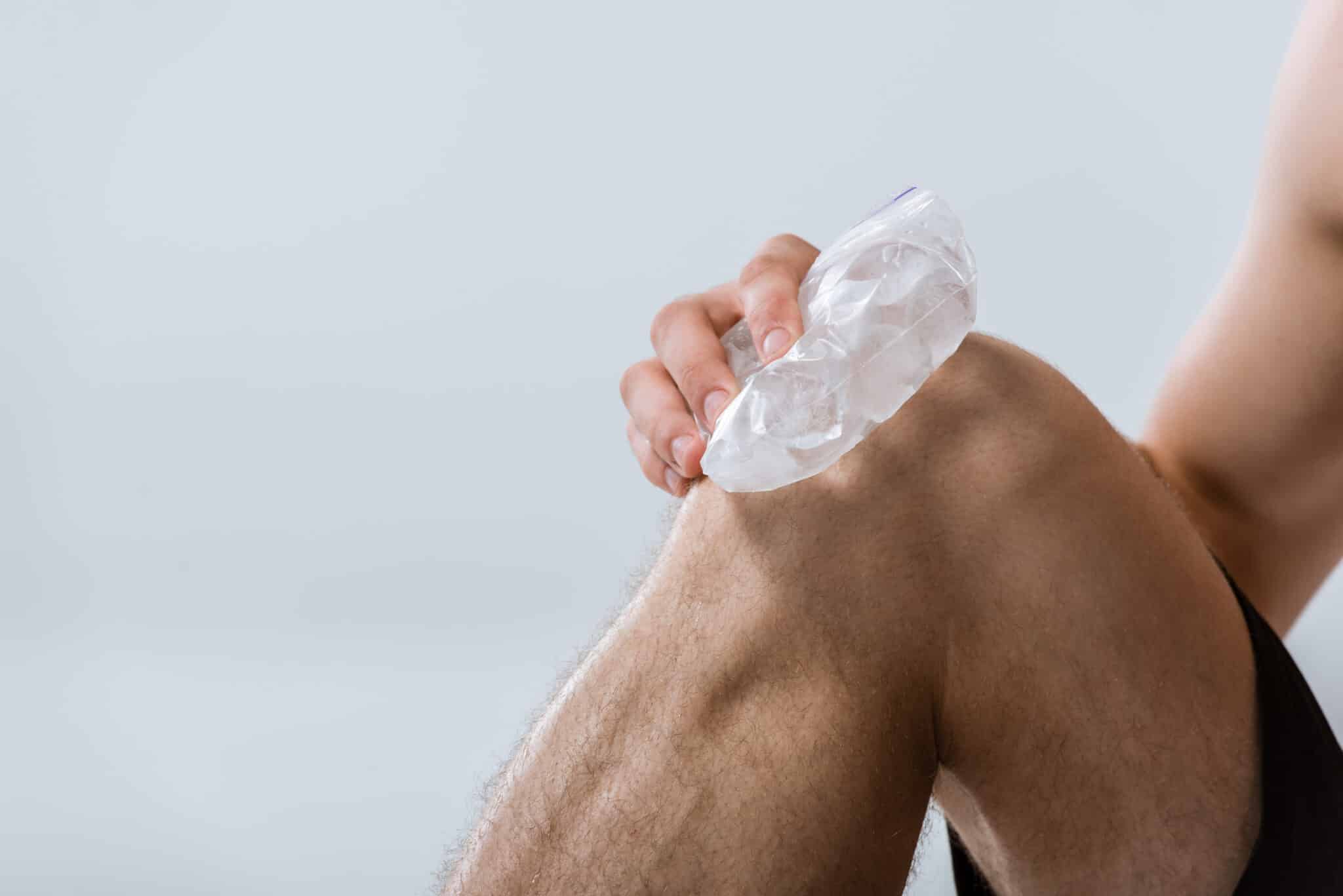
Applying cold therapy is a way to put the brakes on blood flow in the affected region, which can be of some assistance in settling any swelling or irritation in the wake of an abrupt injury. The ice will also serve to dull the pain by numbing sore tissue for a time. While it is not going to remedy the underlying problem on its own, it does allow for more comfortable movement and rest.
One will typically turn to ice in the immediate aftermath of an impact, sprain or strain. This is particularly true if there is throbbing pain, warmth, bruising or visible swelling. A hard bump that has begun to mark the skin, a fresh knee sprain or even a rolled ankle would be typical cases for its use.
How Heat Helps Sore or Stiff Tissue
Applying heat can ease tight muscles and may improve circulation to the part that is sore. The result, for many people, is a stiff joint that can feel more at ease and yield to movement with less difficulty. When the pain is of an achy, tight nature as opposed to being sharp and swollen, many will find warmth to be of particular use.
It is a good remedy for persistent muscle soreness or stiffness in the back and neck where there is no obvious swelling. One might also turn to heat prior to some light activity or a bit of gentle stretching; it can help movement feel less stiff.
A Simple Way to Decide
For a fresh problem accompanied by swelling, warmth or an outbreak of pain, ice is the way to go. On the other hand, where stiffness and tightness are the chief complaints and there is little to no swelling, heat will generally be more effective for the ache. One should observe the area and make any adjustments with care.
While this is not a rule that applies to every injury or constitution, it is sound advice for most ordinary orthopedic discomforts. In cases of doubt, stick to safe measures and if there is no sign of improvement, have the matter evaluated by a professional.
When Ice Is Usually the Better Choice
Right after a sprain or strain
When a joint or muscle is swollen
For bruises or impact injuries
After activity if the area looks more inflamed
When pain feels sharp, hot, or throbbing
When Heat Is Usually the Better Choice
For muscle tightness or spasms
For stiffness in the neck, back, shoulder, or other joints
Before stretching or gentle exercise
For ongoing aches that are not swollen
When movement feels limited because tissue feels tight
Ice vs Heat at a Glance
Situation
Usually Try
Why It May Help
Recent sprain or strain
Ice
May help reduce swelling and numbing pain
Visible swelling
Ice
Cold can calm inflammation in the area
Bruise or bump
Ice
Often used early for pain and swelling
Muscle tightness
Heat
Warmth can help muscles relax
Joint stiffness
Heat
Heat can make movement feel easier
Soreness after activity with swelling
Ice
Often better when inflammation is present
Ongoing achiness without swelling
Heat
Warmth may improve comfort
Can You Alternate Ice and Heat?
There is a time and place for both cold and warmth, particularly as one’s symptoms go from swelling to stiffness. Take an injury for instance: ice may be the way to go in the beginning, but once the swelling has subsided and you are left with tightness, heat will likely prove more soothing. Just be sure to observe proper timing and discontinue if there is any aggravation of symptoms.
Should you be uncertain of where you stand, let the signs tell you. A good rule of thumb is that ice is indicated when there is swelling and heat, whereas a lack of swelling accompanied by stiffness suggests heat would be better. If any doubt remains, err on the side of caution and seek some advice.
How to Use Ice Safely
Wrap an ice pack or bag of ice in a towel before applying
Do not place ice directly on skin
Use for about 15 to 20 minutes at a time, then take a break
Check the skin during and after treatment
Stop if skin becomes painful, blotchy, white, blistered, unusually red, feels burned, or if the area stays numb after treatment
Do not use ice over broken skin or areas with poor circulation unless a clinician tells you to
How to Use Heat Safely
Use a warm heating pad, warm towel, or another gentle heat source
Heat should feel warm, not hot or scalding
Use for about 15 to 20 minutes at a time while checking the skin
Stop if skin becomes painful, blotchy, white, blistered, unusually red, feels burned, or if the area remains numb after treatment
Avoid heat on new injuries, active swelling, redness, warmth, infection, or bleeding
Avoid falling asleep with a heating pad on
When Heat or Ice Should Be Used With Extra Caution
Those with reduced sensation, diabetes, neuropathy or other nerve issues stemming from the condition should consult a clinician prior to applying ice or heat. The same goes for anyone with poor circulation, peripheral vascular disease, Raynaud’s, or simply an inability to gauge temperature properly. One can easily do damage to the skin with cold or heat and not be the wiser for it, so some additional precautions are in order.
Avoid heat on any part of the body that is red, hot, swollen or otherwise inflamed, especially after a new injury. Heat is out of the question if there is a fever, infection or bleeding. As for open wounds or any skin that is not in good shape, ice should not be put on it without the go ahead from a clinician.
When to Get Checked by an Orthopedic Specialist
While ice and heat are useful for easing pain, putting swelling in check and allowing for more comfortable movement, they are no substitute for a proper evaluation if something more serious is at play. Should the pain be considerable, fail to improve, or change for the worse, particularly following an injury, it is best to have it examined.
There are certain warning signs that call for a trip to urgent care or other timely medical intervention: deformity, a suspected fracture, or an inability to put weight on the limb. The same goes for severe or escalating pain, new weakness of any kind, numbness, tingling, a fever or any indication of infection.
Possible blood clot symptoms also need urgent attention. Watch for calf swelling, warmth, redness and pain, especially if it happens in one leg or does not improve. Do not make the mistake of using ice or heat in place of getting the care you need when such symptoms present themselves.
Schedule an Exam if Pain Isn’t Improving
There are times when it is not clear if ice or heat is the right course of action for one’s symptoms, or when pain simply will not abate. In such cases, Princeton Orthopaedic Associates is on hand to assist. We can put you through a clinical evaluation to get to the bottom of the discomfort and recommend a more appropriate treatment plan that is in keeping with your particular injury and what you want to achieve in your recovery.
This blog post is meant to be informative and should not act as a self-diagnosis tool. If you’d like to see one of our doctors, please contact us here.
Hip Pain While Sitting: Common Causes and Ways to Find Relief
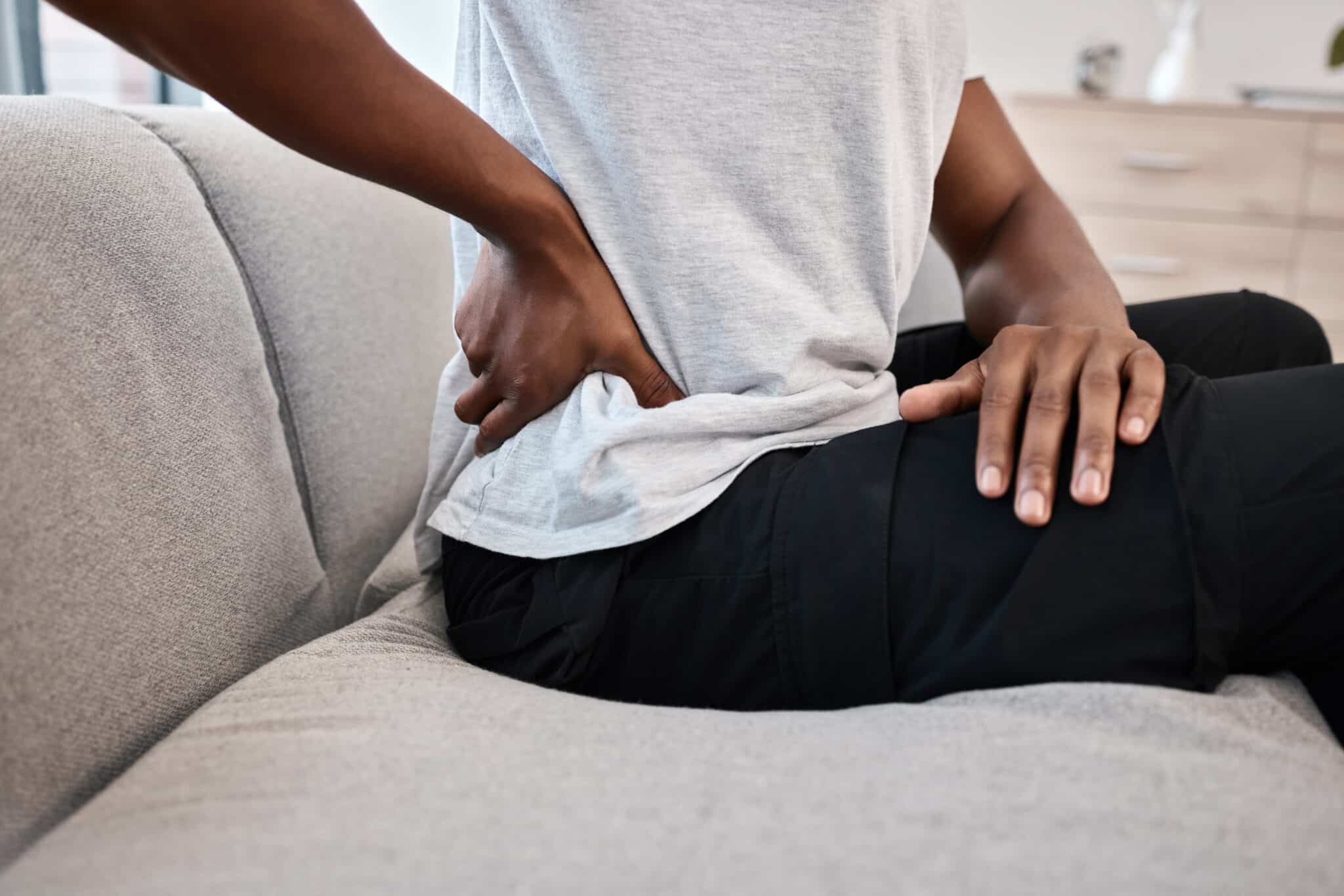
There is a certain frustration to having hip pain when one is seated; it can put a damper on work, meals, driving and any time off. The root of the problem is frequently an irritation of the muscles, tendons, joints or nerves in the vicinity, and the way the symptoms present themselves will often tell you something about what is at play.
It could be an ache along the side of the hip, a pinching sensation in the groin, stiffness upon rising, or discomfort that radiates down into the thigh or buttock. While some find relief through a bit of home care and by adjusting their posture and activities, any pain that lingers or gets worse should be properly assessed in order to get the appropriate treatment underway.
Key Points About Hip Pain During Sitting
What You Should Know
Pain while sitting may come from the hip joint itself or from muscles, tendons, bursae, or nerves around the hip.
The location of the pain matters. Groin pain often points toward the hip joint, while pain on the side or back of the hip may suggest another source.
Long periods of sitting can increase pressure on irritated tissues and tighten the muscles that help support the hip.
Simple steps, like changing position, standing up often, and using supportive seating, may help reduce symptoms.
Common causes include bursitis, arthritis, muscle or tendon irritation, a hip labral tear, nerve-related pain, and referred pain from the lower back.
Ice, gentle stretching, and changes in activity may help in early or mild cases.
Persistent pain, pain that affects walking, or pain accompanied by weakness, numbness, or catching should be evaluated by a specialist.
Treatment depends on the cause and may include physical therapy, medications, guided exercise, or other orthopaedic care.
Why Sitting Can Make Hip Pain Worse
Prolonged sitting keeps the hips in a bent position, which is apt to put added pressure on the hip joint and its environs. For soft tissues that are stiff or already in an inflamed state, this can be a source of strain.
Then there is the matter of inactivity. A lack of movement while you are seated will cause the muscles about the hip to become rigid over time. The result is that any discomfort makes itself known all the more when one gets up to walk or simply changes position.
Where You Feel the Pain Can Help Identify the Cause
The exact location of your pain can help narrow down possible causes. Hip pain is not always felt directly over the joint, and different structures tend to cause pain in more specific areas.
Groin or front of the hip: often linked with the hip joint, such as arthritis or a labral tear.
Outer side of the hip: often related to bursitis and/or irritation of the gluteal tendons, which is frequently grouped under greater trochanteric pain syndrome.
Buttock or back of the hip: may involve deep hip muscles, the sacroiliac area, or pain that travels from the low back.
Pain into the thigh or below the knee: can happen with nerve irritation or referred pain from the spine.
Common Causes of Hip Pain While Sitting
Many conditions can cause hip discomfort in a seated position. Some affect the joint itself, while others involve soft tissue around the hip. Some problems start in the lower back and are felt near the hip.
Hip osteoarthritis
Osteoarthritis is the wear and tear of the joint cartilage. It often causes stiffness and aching in the groin or thigh. Pain may feel worse after sitting for a while or when you first get up.
Hip bursitis
There are small sacs called bursae, filled with fluid to keep friction at bay between tissues in motion. Should a bursa get irritated, it can be the source of pain on the outside of the hip, particularly when one is sitting or has to lie on that side. Then again, such discomfort in the outer hip might stem from the gluteal tendons; this type of irritation is commonly referred to as greater trochanteric pain syndrome.
Muscle or tendon irritation
Tight or overused muscles and tendons around the hip can become sore, particularly after exercise, repetitive activity, or prolonged poor posture. This can lead to a deep ache, tightness, or a pulling feeling while seated.
Hip labral tear
The labrum is a ring of cartilage that helps stabilize the hip socket. A tear can cause groin pain, clicking, catching, or a sense that the hip is not moving smoothly. Sitting can increase discomfort for some people.
Sciatica or other nerve-related pain
If a nerve is irritated, pain may start in the buttock or low back and travel into the hip or leg. Sitting can worsen these symptoms, especially when numbness, tingling, or burning is also present.
Referred pain from the lower back
Hip pain does not always come from inside the hip. Problems in the lower spine can create pain that feels like it is centered in the hip, especially when sitting for long periods.
How Different Causes of Sitting-Related Hip Pain May Feel
Possible Cause
Common Pain Location
What You May Notice
Hip osteoarthritis
Groin, front of hip, thigh
Stiffness, pain after sitting, pain when first standing up
Hip bursitis
Outer side of hip
Tenderness, pain with pressure, discomfort when sitting or lying on one side
Muscle or tendon irritation
Front, side, or buttock area
Ache, tightness, soreness after activity or prolonged sitting
Labral tear
Groin or deep hip
Clicking, catching, pinching, painful sitting
Nerve-related pain
Buttock, hip, leg
Burning, tingling, numbness, pain that travels
Referred pain from low back
Back of hip or buttock
Sitting worsens symptoms, back pain may also be present
What You Can Do at Home to Ease Hip Pain
For mild symptoms with no history of a recent fall or other trauma, there are some straightforward measures one can take at home to ease the irritation. What is important is to lessen the strain without allowing the hip to become stiff. Should any of these approaches aggravate the pain, they ought to be discontinued.
Change positions often instead of sitting for long stretches.
Stand up and walk briefly every 30 to 60 minutes if you can.
Use ice for short periods if the area feels inflamed or sore after activity.
Try gentle stretching only if it does not increase pain. Stop if it worsens your symptoms.
Check your chair height and support so your hips and knees feel comfortable.
Avoid sitting on very hard surfaces if that clearly worsens symptoms.
When taking an over the counter medication, be sure to follow to what the label says as well as any instructions you may have gotten from a doctor. In the case of anti-inflammatory drugs, it is best to seek some direction from a professional first should you have kidney trouble, be on blood thinners or are pregnant. The same applies if there is a history of stomach ulcers or bleeding, or any other medical issues to consider.
Helpful Sitting and Movement Adjustments
Small changes in how you sit and move during the day can help. These strategies may be most helpful when pain is related to posture, soft tissue irritation, or joint stiffness. If you notice worsening pain, scale back and consider getting evaluated.
Sit with your feet flat on the floor and avoid crossing your legs for long periods.
Keep your lower back supported so you are not slumping forward.
Use a cushion or supportive seat if hard chairs increase pain.
Break up long drives with standing or walking stops when possible.
Return to exercise gradually and avoid pushing through pain that is increasing.
When Hip Pain While Sitting Should Be Evaluated
Some hip pain improves with time and careful self-care. Yet one should not assume that pain in the hip from sitting is nothing at all. There are occasions when it is more than something simple. Any symptoms that do not go away, or those that are on the increase, as well as pain following an injury or indications of a nerve or systemic issue, should warrant an evaluation to get to the root of the problem and put in place the right treatment.
Pain lasts more than a few days or keeps coming back.
The pain is getting worse instead of improving.
You are limping or changing how you walk.
You notice catching, locking, or clicking in the hip.
You have numbness, tingling, or pain that travels down the leg.
The pain interferes with work, sleep, exercise, or daily activities.
When to seek more urgent care
You can’t bear weight on the leg.
The pain began after a fall or other injury.
Fever or chills are present.
You notice redness or warmth around the hip.
Inability to move the hip is present.
Visible deformity is present.
Severe pain at rest or at night is present.
Unexplained weight loss is present.
There is a history of cancer or a high risk of infection.
Loss of bowel or bladder control is present.
Saddle numbness is present.
Rapidly worsening weakness, numbness, or tingling is present.
You have significant weakness, sudden swelling, or severe pain.
How Orthopaedic Specialists Diagnose Hip Pain
An examination is almost always the first step in making a diagnosis. From there, we can determine the source of the pain and what kind of movements set it off, as well as assess hip function and any possible back involvement.
If the symptoms require it, you may be advised to have imaging done, be it an X-ray or another form of study. Such tests are useful for spotting structural issues, arthritis or other ailments that are beyond what home remedies can address.
Treatment Options for Ongoing Hip Pain
Treatment depends on the source of the pain. Many patients improve with non-surgical care aimed at reducing irritation, improving movement, and strengthening the muscles that support the hip.
Activity modification to reduce pain triggers
Physical therapy to improve flexibility, strength, and movement mechanics
Anti-inflammatory medication when appropriate
Image-guided injections for certain diagnoses
Further orthopaedic evaluation for structural hip problems or advanced arthritis
If symptoms are not improving, getting the right diagnosis early may help reduce prolonged pain and unnecessary limit setting.
Don’t Ignore Hip Pain That Keeps Returning
You should not have to live with hip pain when you sit. The nature of the symptoms will point to what is required for some relief, be the source the joint itself, soft tissue in the vicinity or the low back. If the pain lingers, gets worse or affects your day to day life, please call your doctor or schedule an appointment with the POA Team.
This blog post is meant to be informative and should not act as a self-diagnosis tool. If you’d like to see one of our doctors, please contact us here.
Sequence rules uses cookies to track the order of requests a user has made and the time between requests and makes them available via Cloudflare Rules. This allows you to write rules that match valid or invalid sequences. The specific cookies used to validate sequences are called sequence cookies.
session
cf_ob_info
The cf_ob_info cookie provides information on: The HTTP Status Code returned by the origin web server. The Ray ID of the original failed request. The data center serving the traffic
session
cf_use_ob
The cf_use_ob cookie informs Cloudflare to fetch the requested resource from the Always Online cache on the designated port. Applicable values are: 0, 80, and 443. The cf_ob_info and cf_use_ob cookies are persistent cookies that expire after 30 seconds.
session
__cfwaitingroom
The __cfwaitingroom cookie is only used to track visitors that access a waiting room enabled host and path combination for a zone. Visitors using a browser that does not accept cookies cannot visit the host and path combination while the waiting room is active.
session
cf_chl_rc_i
These cookies are for internal use which allows Cloudflare to identify production issues on clients.
session
cf_chl_rc_ni
These cookies are for internal use which allows Cloudflare to identify production issues on clients.
session
cf_chl_rc_m
These cookies are for internal use which allows Cloudflare to identify production issues on clients.
session
__cfruid
Used by the content network, Cloudflare, to identify trusted web traffic.
session
__cf_bm
Cloudflare's bot products identify and mitigate automated traffic to protect your site from bad bots. Cloudflare places the __cf_bm cookie on End User devices that access Customer sites that are protected by Bot Management or Bot Fight Mode. The __cf_bm cookie is necessary for the proper functioning of these bot solutions.
session
__cflb
When enabling session affinity with Cloudflare Load Balancer, Cloudflare sets a __cflb cookie with a unique value on the first response to the requesting client. Cloudflare routes future requests to the same origin, optimizing network resource usage. In the event of a failover, Cloudflare sets a new __cflb cookie to direct future requests to the failover pool.
session
_cfuvid
The _cfuvid cookie is only set when a site uses this option in a Rate Limiting Rule, and is only used to allow the Cloudflare WAF to distinguish individual users who share the same IP address.
session
cf_clearance
Whether a CAPTCHA or Javascript challenge has been solved.
session
Google reCAPTCHA helps protect websites from spam and abuse by verifying user interactions through challenges.
Name
Description
Duration
_GRECAPTCHA
Google reCAPTCHA sets a necessary cookie (_GRECAPTCHA) when executed for the purpose of providing its risk analysis.
179 days
Google Tag Manager simplifies the management of marketing tags on your website without code changes.
Name
Description
Duration
cookiePreferences
Registers cookie preferences of a user
2 years
td
Registers statistical data on users' behaviour on the website. Used for internal analytics by the website operator.
session
These cookies are used for managing login functionality on this website.
Name
Description
Duration
wordpress_logged_in
Used to store logged-in users.
Persistent
wordpress_sec
Used to track the user across multiple sessions.
15 days
wordpress_test_cookie
Used to determine if cookies are enabled.
Session
WPForms is a user-friendly WordPress plugin for creating custom forms with drag-and-drop functionality.
Name
Description
Duration
wpfuuid
Used to track user interactions with forms.
11 years
Statistics cookies collect information anonymously. This information helps us understand how visitors use our website.
Google Analytics is a powerful tool that tracks and analyzes website traffic for informed marketing decisions.
Used to distinguish new sessions and visits. This cookie is set when the GA.js javascript library is loaded and there is no existing __utmb cookie. The cookie is updated every time data is sent to the Google Analytics server.
30 minutes after last activity
__utmc
Used only with old Urchin versions of Google Analytics and not with GA.js. Was used to distinguish between new sessions and visits at the end of a session.
End of session (browser)
__utmz
Contains information about the traffic source or campaign that directed user to the website. The cookie is set when the GA.js javascript is loaded and updated when data is sent to the Google Analytics server
6 months after last activity
__utmv
Contains custom information set by the web developer via the _setCustomVar method in Google Analytics. This cookie is updated every time new data is sent to the Google Analytics server.
2 years after last activity
__utmx
Used to determine whether a user is included in an A / B or Multivariate test.
18 months
_ga
ID used to identify users
2 years
_gali
Used by Google Analytics to determine which links on a page are being clicked
30 seconds
_ga_
ID used to identify users
2 years
_gid
ID used to identify users for 24 hours after last activity
24 hours
_gat
Used to monitor number of Google Analytics server requests when using Google Tag Manager
1 minute
_gac_
Contains information related to marketing campaigns of the user. These are shared with Google AdWords / Google Ads when the Google Ads and Google Analytics accounts are linked together.
90 days
__utma
ID used to identify users and sessions
2 years after last activity
__utmt
Used to monitor number of Google Analytics server requests
10 minutes
These cookies help us measure the effectiveness of our website content and understand how visitors find and use our site. This allows us to improve the experience and provide more helpful resources.
Facebook Pixel is a web analytics service that tracks and reports website traffic.