Hand Numbness and Tingling: Causes and When to Seek Care
by Princeton Orthopaedic Associates
Numbness and Tingling in Your Hands: What It May Mean
It is all too easy to put down a bit of numbness or tingling in the hands, particularly when it is intermittent. But if the sensation persists to the point of waking you at night, or you find your grip is not what it should be, there is a good chance a nerve is being compressed or otherwise irritated.
One might feel pins and needles in the course of everyday activities like typing, driving or even holding a phone. For some, there is an accompanying burning pain or weakness that can radiate up the forearm or into the elbow and wrist. Paying attention to such things will give you some idea of where the trouble lies.
Since similar symptoms have different origins, it is better to have an exam than to make assumptions. A clinician can determine where the nerve signals are off and put you on a course of treatment suited to the underlying cause. Being aware of the usual culprits is a good way to know when professional care is warranted.
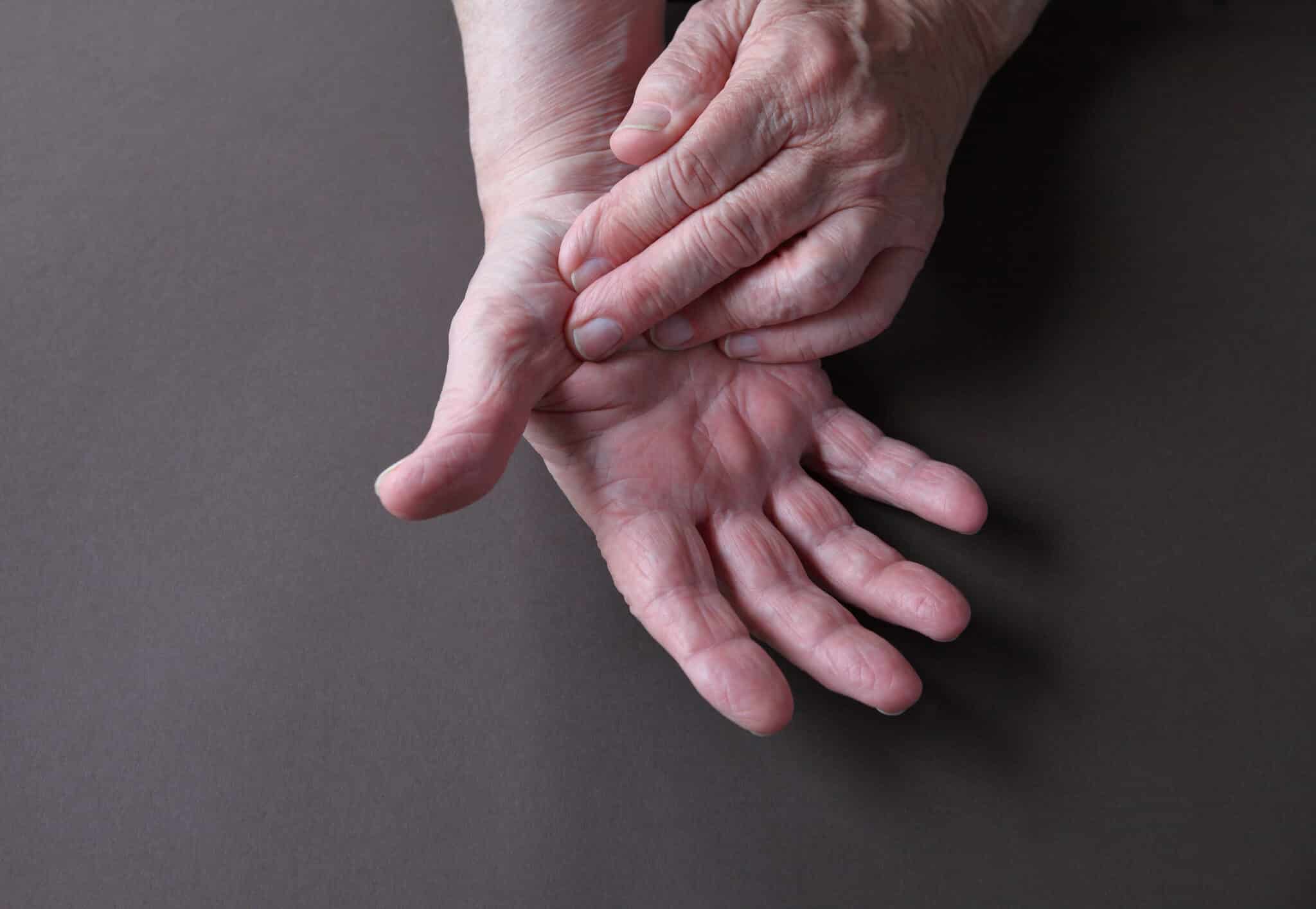
an older man indicates an area of pain on his thum 2026 03 26 06 22 00 utc
Common Reasons Your Hands May Feel Numb or Tingly
What You Should Know
Numbness and tingling often happen when a nerve is under pressure somewhere between your neck and your hand.
Carpal tunnel syndrome is a common cause, but it is not the only one.
Cubital tunnel syndrome can affect the ring and small fingers, especially when your elbow stays bent for long periods.
Symptoms may show up during sleep, computer work, driving, or repeated hand use.
Weakness, dropping objects, or trouble with fine tasks can suggest the nerve is affected more than before.
Some people feel symptoms in all fingers, while others notice it in certain parts of the hand.
Neck problems can also cause numbness or tingling that travels down the arm into the hand.
Getting help early may reduce irritation before lasting nerve changes develop.
Splints, activity changes, therapy, medicines, or surgery may be considered based on the cause.
When symptoms keep returning, it is safer to get them checked rather than waiting for them to worsen.
Why These Symptoms Happen
The nerves are responsible for relaying signals from the brain and spinal cord to the rest of the body. Should a nerve be compressed, inflamed or otherwise irritated, those signals will be altered. The result can be weakness, a burning pain, or a sense of numbness and tingling.
Symptoms themselves are often telling. One might look at which fingers are affected, what time of day the issue presents itself, or if there is accompanying pain in the elbow, wrist or neck to determine where the nerve is being impacted.
Frequently the problem is one of compression; as the nerve passes through some of the body’s more confined spaces, pressure builds on it. Yet that is not the only explanation, making a proper evaluation necessary.
Carpal Tunnel Syndrome
When one experiences numbness or a tingling sensation in the hand, carpal tunnel syndrome is a frequent culprit. The cause is compression of the median nerve in its passage through the carpal tunnel, that constricted area of the wrist.
This condition often affects the thumb, index finger, middle finger, and part of the ring finger. In the early stages the problem may be intermittent, but as time goes on the symptoms will tend to make themselves felt with greater regularity.
Numbness or tingling in the thumb, index, and middle fingers
Symptoms that are worse at night or when you first wake up
Discomfort during driving, typing, or holding a phone or book
Hand weakness or trouble gripping objects
Occasional dropping of items unexpectedly
Because carpal tunnel syndrome may slowly worsen, it is a good idea to seek care if symptoms are becoming more frequent or if weakness begins. Early steps may help reduce irritation.
Cubital Tunnel Syndrome
The ulnar nerve is the one that gives you a jolt of electricity when you put your elbow on something and hit your “funny bone.” It is this same nerve, running down the inside of the elbow, that is involved in cubital tunnel syndrome.
Irritation or compression of the ulnar can result in a tingling or numbness in the small and ring fingers. One will typically find the symptoms are more pronounced after the elbow has been held in a bent position for any length of time, be it from working at a desk or while sleeping.
Tingling in the ring and small fingers
Symptoms that show up when sleeping with the elbow bent
Numbness during phone use or desk work
Hand weakness, especially with pinch or grip tasks
Clumsiness with fine motor tasks
Could the Problem Be Coming From Your Neck?
The source of nerve trouble in the hand is not always to be found in the hand or wrist itself. At times, an irritated nerve root in the cervical spine, that is to say the neck, will send its way down the arm and into the hand.
Such a condition is known as cervical radiculopathy. One might experience neck pain or some discomfort in the shoulder, in addition to the usual numbness or tingling, with pain even radiating down the arm. All of these are telling signs for a proper evaluation.
Common Patterns of Hand Numbness and Tingling
Possible Cause
Where You May Feel It
Common Clues
Carpal tunnel syndrome
Thumb, index, middle, and part of the ring finger
Often worse at night, during driving, typing, or gripping
Cubital tunnel syndrome
Ring finger and small finger
Often worse with a bent elbow, sleep, or phone use
Neck-related nerve irritation
Can travel down the arm into the hand
May happen with neck pain, shoulder pain, or radiating arm symptoms
Other Symptoms to Watch For
Numbness and tingling can be an early warning sign, but they are not always the only symptoms. As nerve irritation continues, other problems may appear and can help show how much the nerve is being affected.
Burning or aching pain
Weakness in the hand or fingers
Difficulty gripping, pinching, or buttoning clothing
Dropping objects more often
Symptoms that wake you from sleep
If you are noticing weakness or losing hand control, it is especially important not to wait too long for an evaluation. That can help reduce the chance of lasting problems.
How We Evaluate Hand Numbness
We will begin the exam by going over your symptoms and an inspection of the neck, shoulders, elbows, wrists and hands. The way the numbness has been presenting itself, its duration and what seems to set it off are all useful in determining where to go from there.
The clinician is likely to test reflexes as well as skin sensation and strength. Should it be necessary to see just how badly a particular nerve is being affected and make a positive identification, further testing might be put forward.
Stressed business woman suffering from wrist pain Office syndrome concept
Treatment Options
Treatment depends on the cause of your symptoms, how long they have been present, and whether nerve weakness is involved. Many people improve with non-surgical care, especially when treatment starts sooner.
Activity changes to reduce pressure on the nerve
Bracing or splinting, especially at night for certain conditions
Anti-inflammatory medication for pain or swelling when it is appropriate for you
Physical therapy or occupational therapy to improve movement and function
Surgery for ongoing compression or progressive weakness in selected cases
While anti-inflammatory drugs can be of service in reducing pain and inflammation, they are not a cure for the underlying nerve compression. Nor should they be seen as a substitute for an accurate diagnosis. For some, carpal tunnel symptoms will abate with such medication, but it is unlikely to be sufficient on its own.
Safety: When to Get Emergency Help
Should you experience a sudden onset of weakness or numbness in an arm or hand, particularly on one side, emergency medical attention is warranted. Do not delay in getting help if such symptoms are accompanied by any of the following: facial drooping, difficulty with speech, dizziness, confusion, a loss of balance, chest pain, shortness of breath or a bad headache.
Fast treatment is necessary as these may be signs of a stroke or some other pressing condition. When in doubt, the prudent course of action is to contact emergency services or make for the closest emergency department.
Note: Not All Hand Numbness Comes From Nerve Compression
Hand numbness can have medical causes beyond pressure on a nerve. Possible causes include diabetes-related neuropathy, vitamin B12 deficiency, thyroid disease, medication side effects, alcohol-related neuropathy, inflammatory or autoimmune neuropathies, and circulation-related problems. A checkup can help sort out the right reason.
When It’s Time to See a Specialist
Consider scheduling an evaluation if symptoms keep coming back, interrupt sleep, or start affecting daily activities. Ongoing numbness and tingling should not be ignored, especially if they come with weakness or trouble using your hand.
Your symptoms keep returning
You wake up with numb or painful hands
You have weakness or trouble gripping objects
Your symptoms move up the arm or start in the neck
Daily tasks like typing, driving, dressing, or cooking are becoming harder
The right diagnosis can help you avoid making nerve irritation worse and can point you toward treatment that matches the true cause.
Don’t Ignore Persistent Hand Numbness
When one experiences recurring pain, weakness, or a sensation of numbness and tingling, it is often an indication of a nerve problem that warrants some attention. An early assessment is the best way to safeguard function and make a return to daily life more comfortable, no matter if the trouble appears to be in the neck, elbow or wrist.
Should the symptoms in your hands fail to abate or begin to get in the way of things, we would suggest an appointment with Princeton Orthopaedic Associates for a proper examination.
This blog post is meant to be informative and should not act as a self-diagnosis tool. If you’d like to see one of our doctors, please contact us here.
Sequence rules uses cookies to track the order of requests a user has made and the time between requests and makes them available via Cloudflare Rules. This allows you to write rules that match valid or invalid sequences. The specific cookies used to validate sequences are called sequence cookies.
session
cf_ob_info
The cf_ob_info cookie provides information on: The HTTP Status Code returned by the origin web server. The Ray ID of the original failed request. The data center serving the traffic
session
cf_use_ob
The cf_use_ob cookie informs Cloudflare to fetch the requested resource from the Always Online cache on the designated port. Applicable values are: 0, 80, and 443. The cf_ob_info and cf_use_ob cookies are persistent cookies that expire after 30 seconds.
session
__cfwaitingroom
The __cfwaitingroom cookie is only used to track visitors that access a waiting room enabled host and path combination for a zone. Visitors using a browser that does not accept cookies cannot visit the host and path combination while the waiting room is active.
session
cf_chl_rc_i
These cookies are for internal use which allows Cloudflare to identify production issues on clients.
session
cf_chl_rc_ni
These cookies are for internal use which allows Cloudflare to identify production issues on clients.
session
cf_chl_rc_m
These cookies are for internal use which allows Cloudflare to identify production issues on clients.
session
__cfruid
Used by the content network, Cloudflare, to identify trusted web traffic.
session
__cf_bm
Cloudflare's bot products identify and mitigate automated traffic to protect your site from bad bots. Cloudflare places the __cf_bm cookie on End User devices that access Customer sites that are protected by Bot Management or Bot Fight Mode. The __cf_bm cookie is necessary for the proper functioning of these bot solutions.
session
__cflb
When enabling session affinity with Cloudflare Load Balancer, Cloudflare sets a __cflb cookie with a unique value on the first response to the requesting client. Cloudflare routes future requests to the same origin, optimizing network resource usage. In the event of a failover, Cloudflare sets a new __cflb cookie to direct future requests to the failover pool.
session
_cfuvid
The _cfuvid cookie is only set when a site uses this option in a Rate Limiting Rule, and is only used to allow the Cloudflare WAF to distinguish individual users who share the same IP address.
session
cf_clearance
Whether a CAPTCHA or Javascript challenge has been solved.
session
Google reCAPTCHA helps protect websites from spam and abuse by verifying user interactions through challenges.
Name
Description
Duration
_GRECAPTCHA
Google reCAPTCHA sets a necessary cookie (_GRECAPTCHA) when executed for the purpose of providing its risk analysis.
179 days
Google Tag Manager simplifies the management of marketing tags on your website without code changes.
Name
Description
Duration
cookiePreferences
Registers cookie preferences of a user
2 years
td
Registers statistical data on users' behaviour on the website. Used for internal analytics by the website operator.
session
These cookies are used for managing login functionality on this website.
Name
Description
Duration
wordpress_logged_in
Used to store logged-in users.
Persistent
wordpress_sec
Used to track the user across multiple sessions.
15 days
wordpress_test_cookie
Used to determine if cookies are enabled.
Session
WPForms is a user-friendly WordPress plugin for creating custom forms with drag-and-drop functionality.
Name
Description
Duration
wpfuuid
Used to track user interactions with forms.
11 years
Statistics cookies collect information anonymously. This information helps us understand how visitors use our website.
Google Analytics is a powerful tool that tracks and analyzes website traffic for informed marketing decisions.
Used to distinguish new sessions and visits. This cookie is set when the GA.js javascript library is loaded and there is no existing __utmb cookie. The cookie is updated every time data is sent to the Google Analytics server.
30 minutes after last activity
__utmc
Used only with old Urchin versions of Google Analytics and not with GA.js. Was used to distinguish between new sessions and visits at the end of a session.
End of session (browser)
__utmz
Contains information about the traffic source or campaign that directed user to the website. The cookie is set when the GA.js javascript is loaded and updated when data is sent to the Google Analytics server
6 months after last activity
__utmv
Contains custom information set by the web developer via the _setCustomVar method in Google Analytics. This cookie is updated every time new data is sent to the Google Analytics server.
2 years after last activity
__utmx
Used to determine whether a user is included in an A / B or Multivariate test.
18 months
_ga
ID used to identify users
2 years
_gali
Used by Google Analytics to determine which links on a page are being clicked
30 seconds
_ga_
ID used to identify users
2 years
_gid
ID used to identify users for 24 hours after last activity
24 hours
_gat
Used to monitor number of Google Analytics server requests when using Google Tag Manager
1 minute
_gac_
Contains information related to marketing campaigns of the user. These are shared with Google AdWords / Google Ads when the Google Ads and Google Analytics accounts are linked together.
90 days
__utma
ID used to identify users and sessions
2 years after last activity
__utmt
Used to monitor number of Google Analytics server requests
10 minutes
These cookies help us measure the effectiveness of our website content and understand how visitors find and use our site. This allows us to improve the experience and provide more helpful resources.
Facebook Pixel is a web analytics service that tracks and reports website traffic.